IN CONVERSATION WITH CONOR TURLEY
interview by NIA TOPALOVA
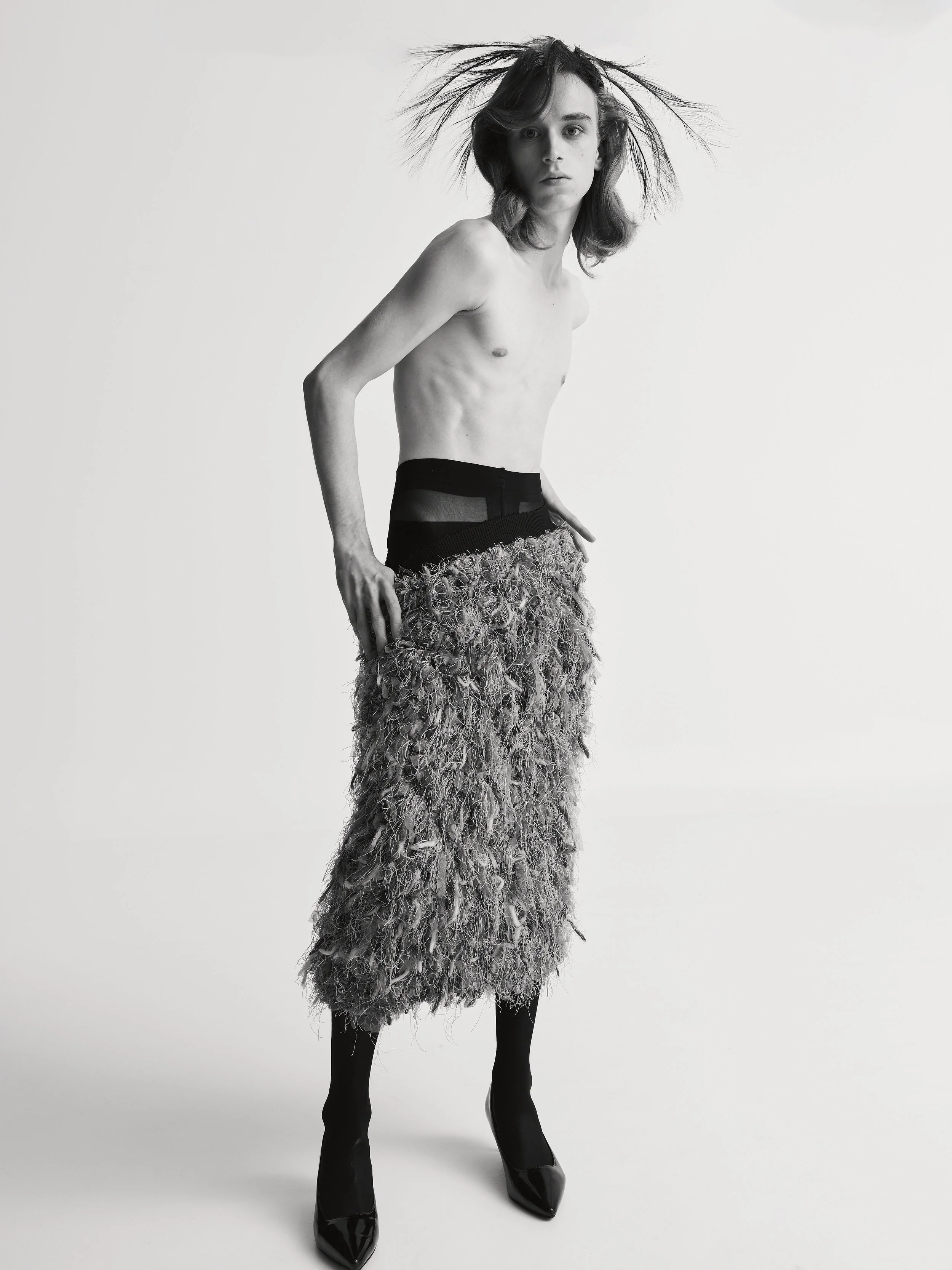
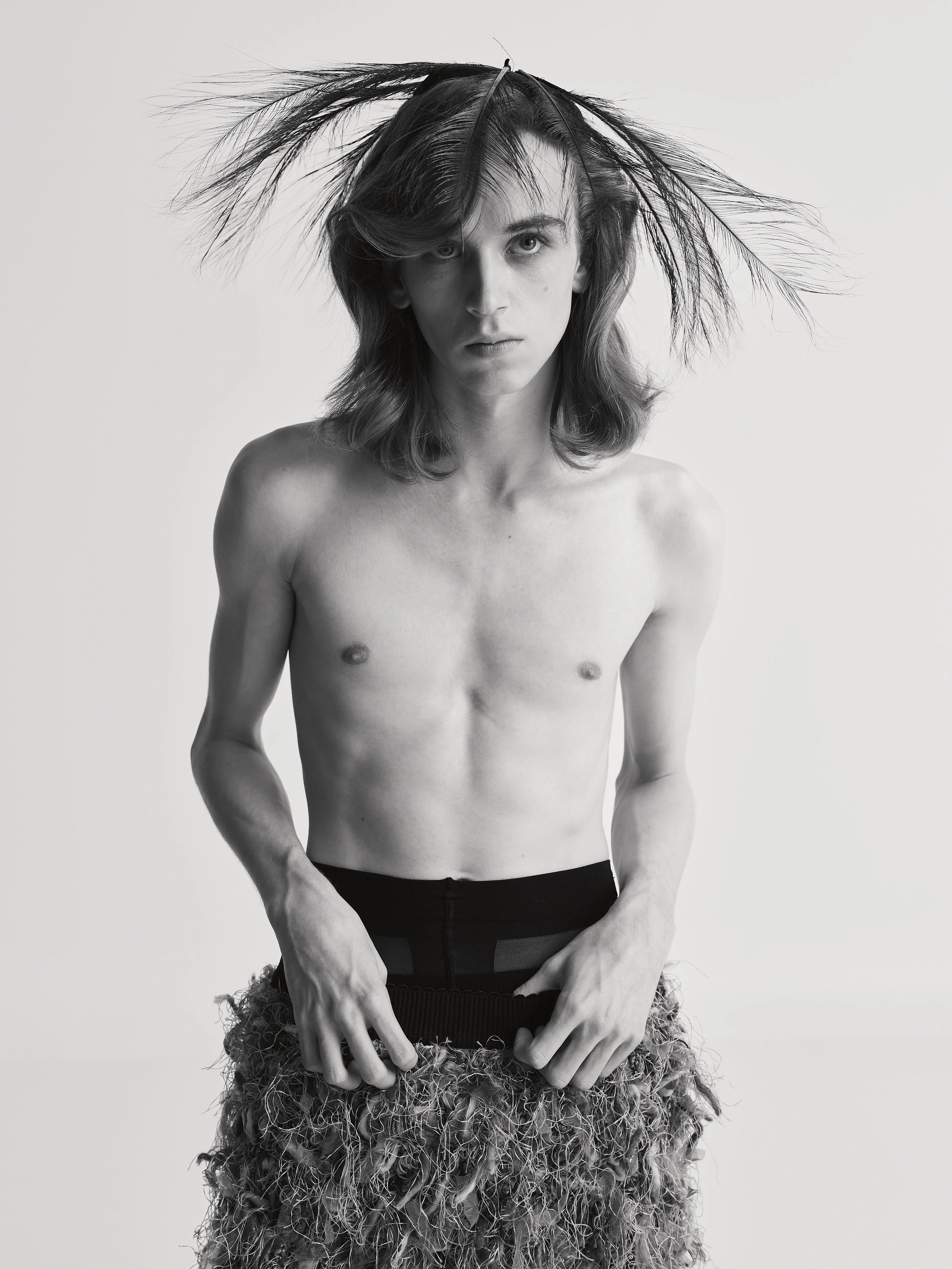
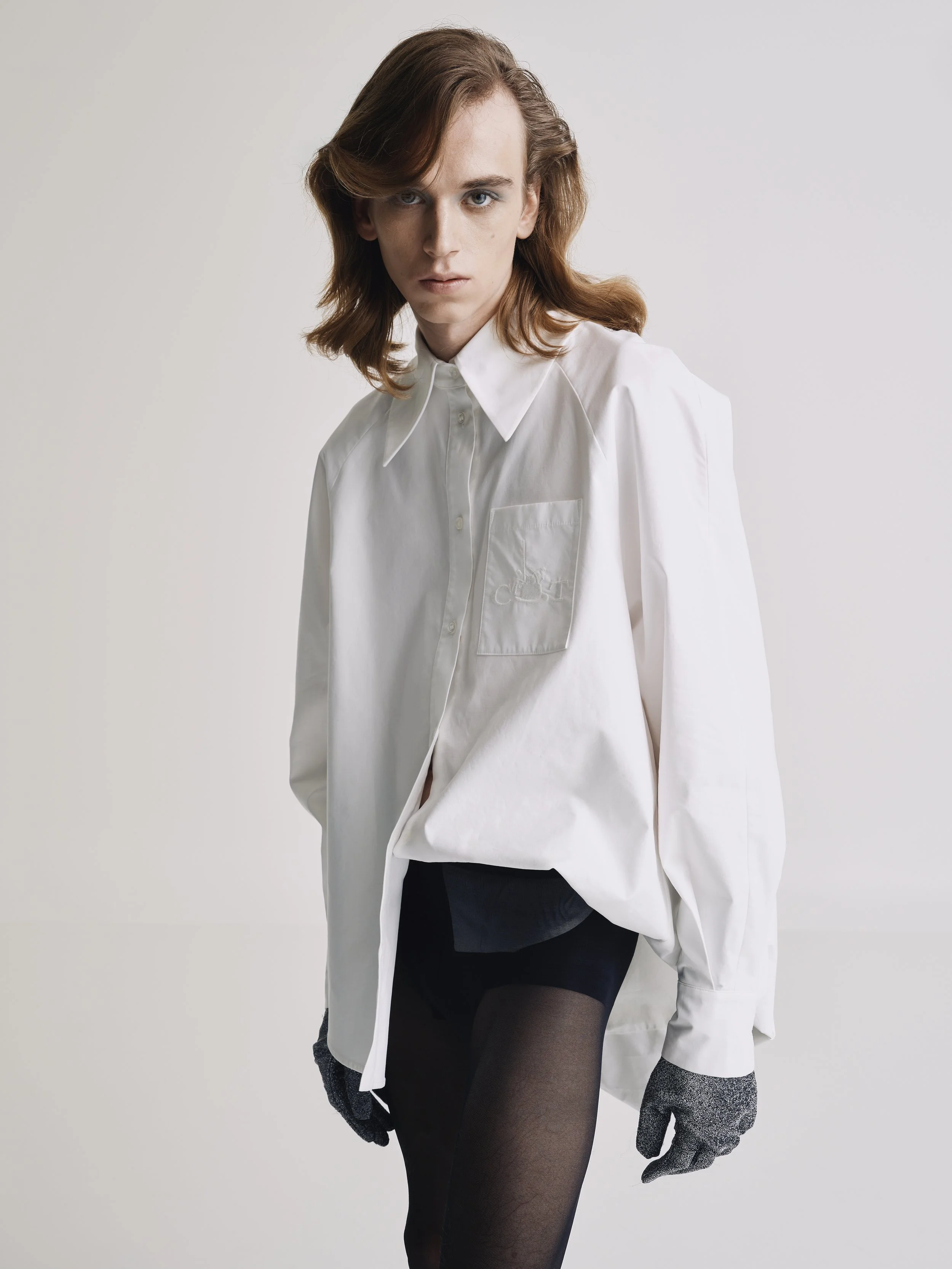
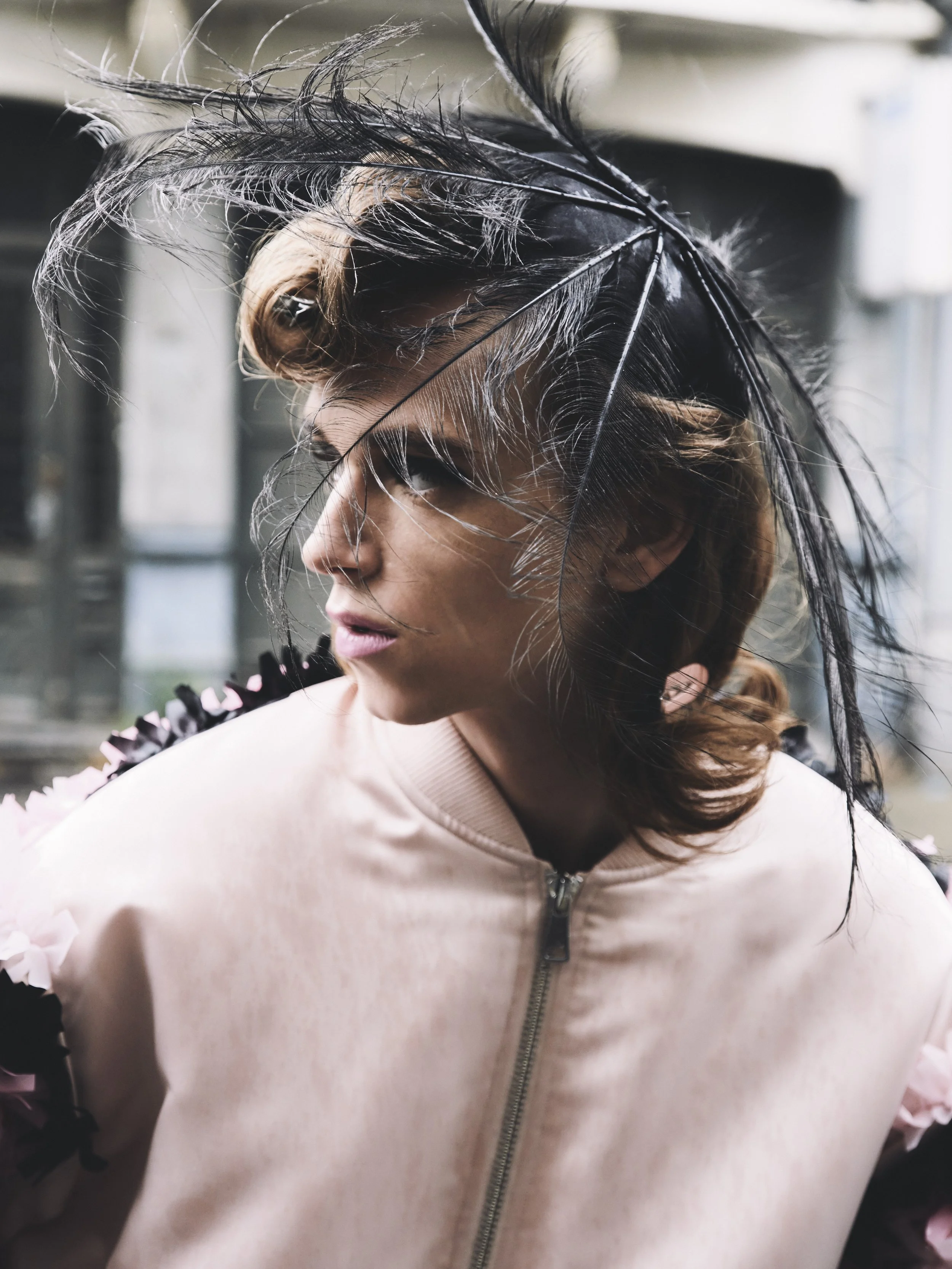
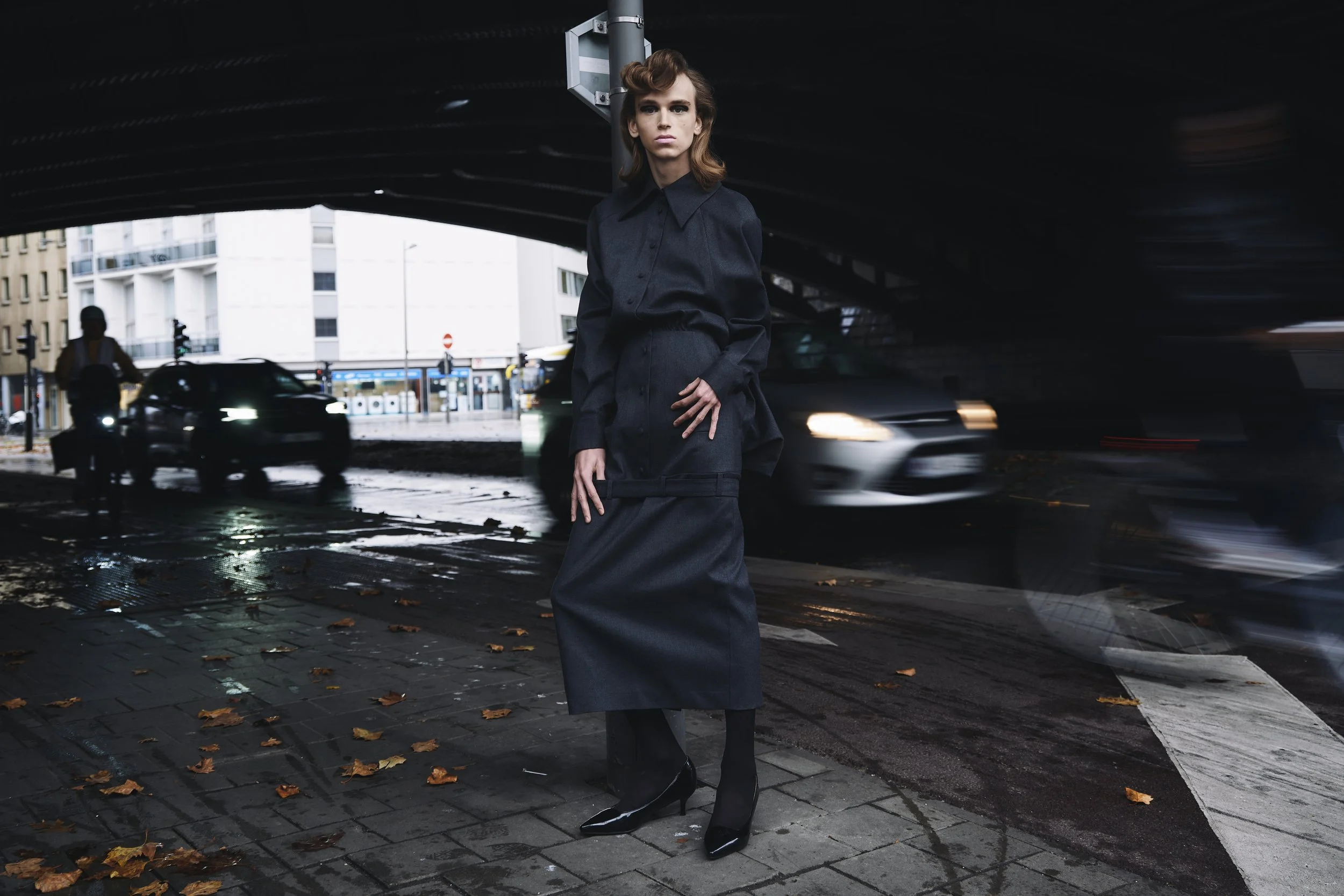
Essentiel Antwerp continues its collaboration with the Fashion Department of the Royal Academy of Fine Arts Antwerp, reinforcing its commitment to supporting young designers. For this second edition, the brand worked with master’s student Conor Turley, who created a capsule collection inspired by his research into the Roaring Twenties and ideas of identity, duality, and self-expression. Together with the Essentiel Antwerp design team, Turley translated these themes into four pieces: a bomber, dress, shirt, and skirt.
His work draws on references such as the documentary Eldorado, which explores queer life in 1920s Germany, and he used fabric manipulation and unexpected proportions to reflect the contrast between public roles and private identities. Beyond design, the collaboration gave him insight into production, marketing, and adapting creative ideas for a wider audience. The capsule will be available in selected stores and online from December 4th, 2025.
Your collection explores duality and hidden identities, were there any personal questions you were trying to answer through these designs?
I wanted the collection to open up a conversation about the people, like in El Dorado, who paved the way for queer communities and whose stories often remain hidden. We still live in a world that isn’t fully ready to embrace queerness, and I found myself asking: why are queer people still expected to justify our existence when all we want is the right to exist alongside everyone else?
all images courtesy of ESSENTIEL ANTWERP
How did translating hand-made manipulations into machine production challenge your original vision, and what challenges you faced in the process?
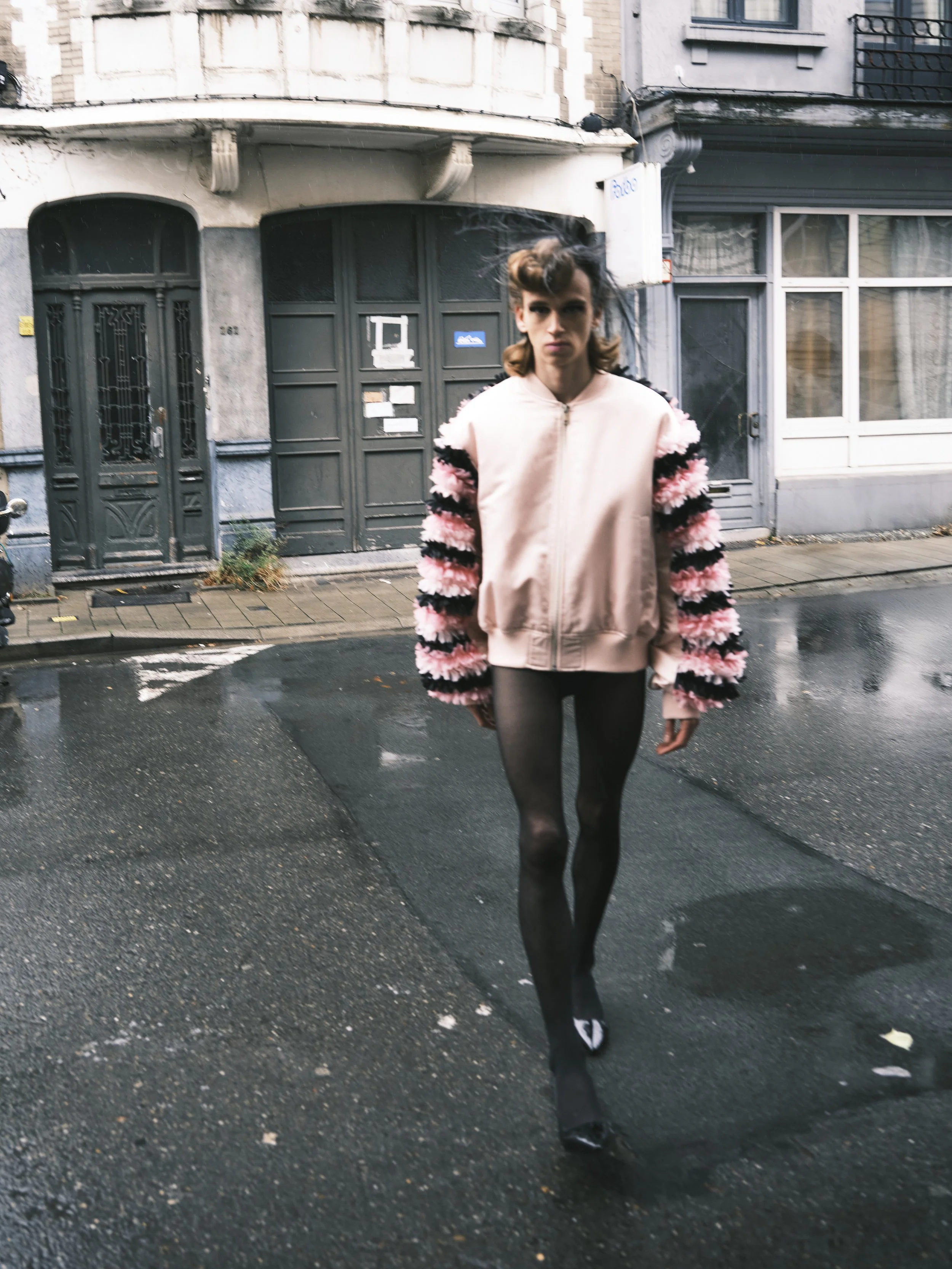
Translating hand-crafted techniques into machine production was a real shift in approach. We experimented with two fabric manipulations that were especially challenging to replicate mechanically. After plenty of trial and error, the one used for the bomber translated beautifully. The other, intended for the skirt, proved far more difficult to recreate through machines, so we ultimately decided to work with an existing fabric instead. It’s a process of balancing compromise and discovery.
What detail in the collection might go unnoticed at first glance but carries significant meaning for you?
The duality between hyper feminine and hyper masculine. You see this in the proportion play as well as in the fabric manipulations. By using leftover heavy wools, reminiscent of German suits, I combined them with rich pink silk, quilting and then ripping the surface open so that the wool breaks through. This contrast symbolizes the double life of queer individuals in the 1920s: the tension between a masculine exterior and a suppressed feminine self.
You often work with themes of discomfort, what role do you think discomfort plays in the industry nowadays?
I believe people are still not used to seeing this softer, more fluid side of masculinity, and many aren’t ready to expand their horizons on what it could be. So discomfort, for me, comes from challenging these familiar ideas. Masculinity isn’t one-dimensional; it exists in many forms. At the same time, the industry moves incredibly fast, and that pace can create its own kind of discomfort. Working with Essentiel Antwerp over the course of an entire year felt almost radical: it allowed us to slow down, consider every detail, and give the collection the space it needed to fully develop.
How did collaborating with Essentiel Antwerp shift the way you see “wearability” or “commerciality”?
Collaborating with Essentiel Antwerp made it fascinating to see a more wearable interpretation of a collection I originally designed without “wearability” in mind. It shifted my perspective by showing me that there’s still plenty of room for creativity and fantasy within commercial thinking, as long as you approach it with a business mindset and ask yourself, will this actually sell?
Looking ahead, what under-discussed theme would you like to tackle in your next body of work?
I want to keep uncovering stories like these; narratives that often go unspoken and which are anywhere near over-discussed. If anything, it feels more important than ever to keep telling them and to acknowledge the people who paved the way. Queer history is incredibly rich and fascinating, and there’s still so much left to explore.