interview by JANA LETONJA
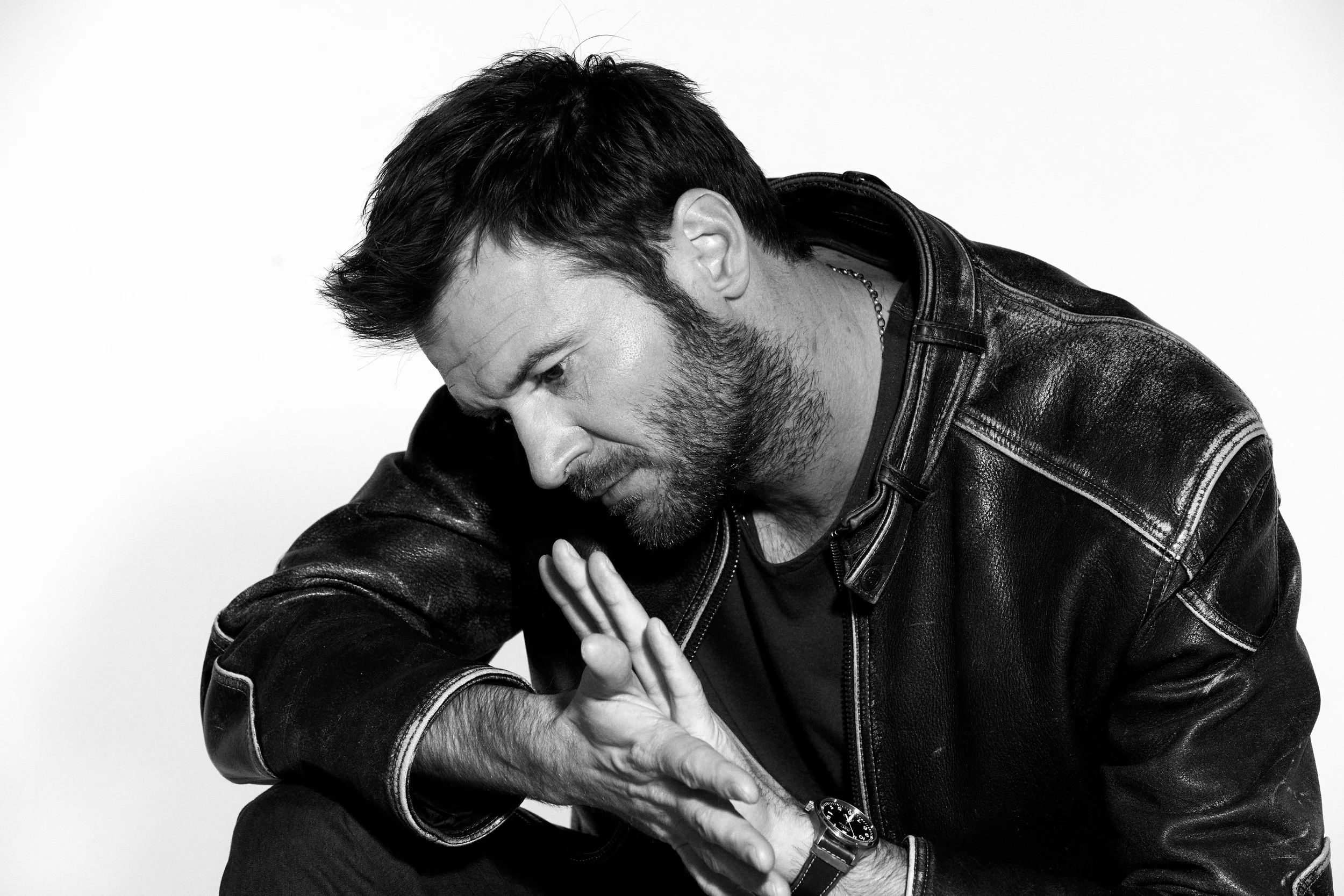
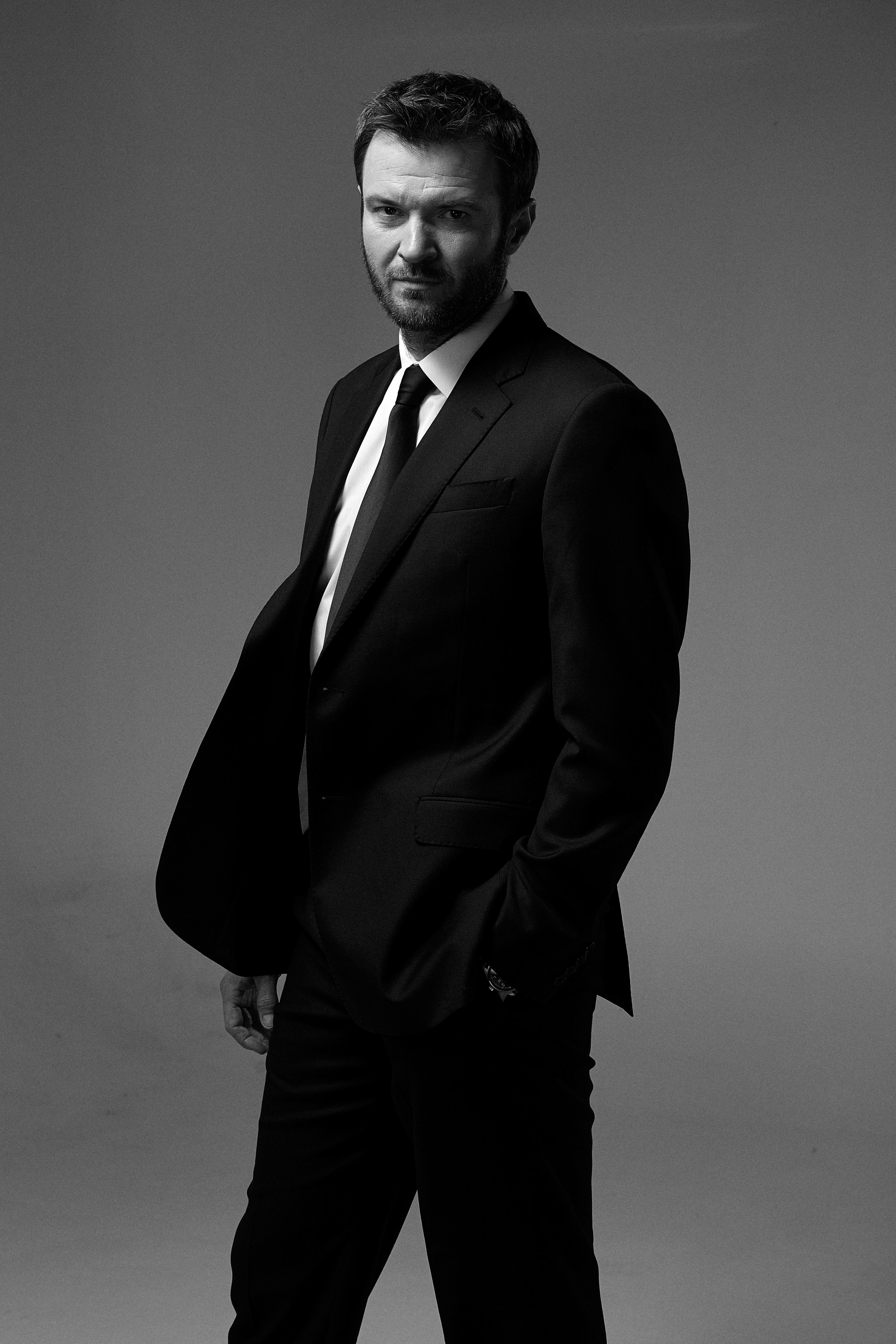
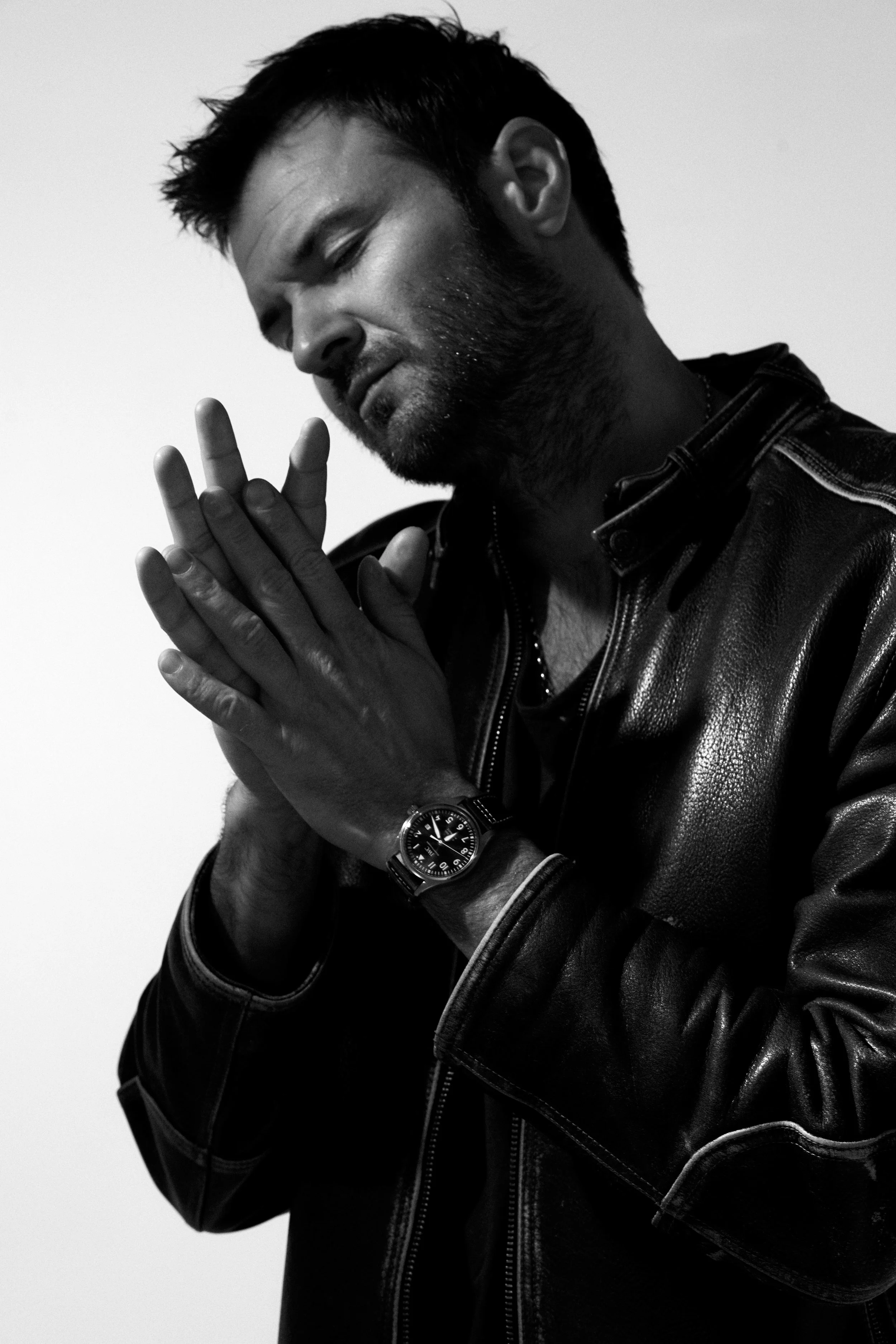
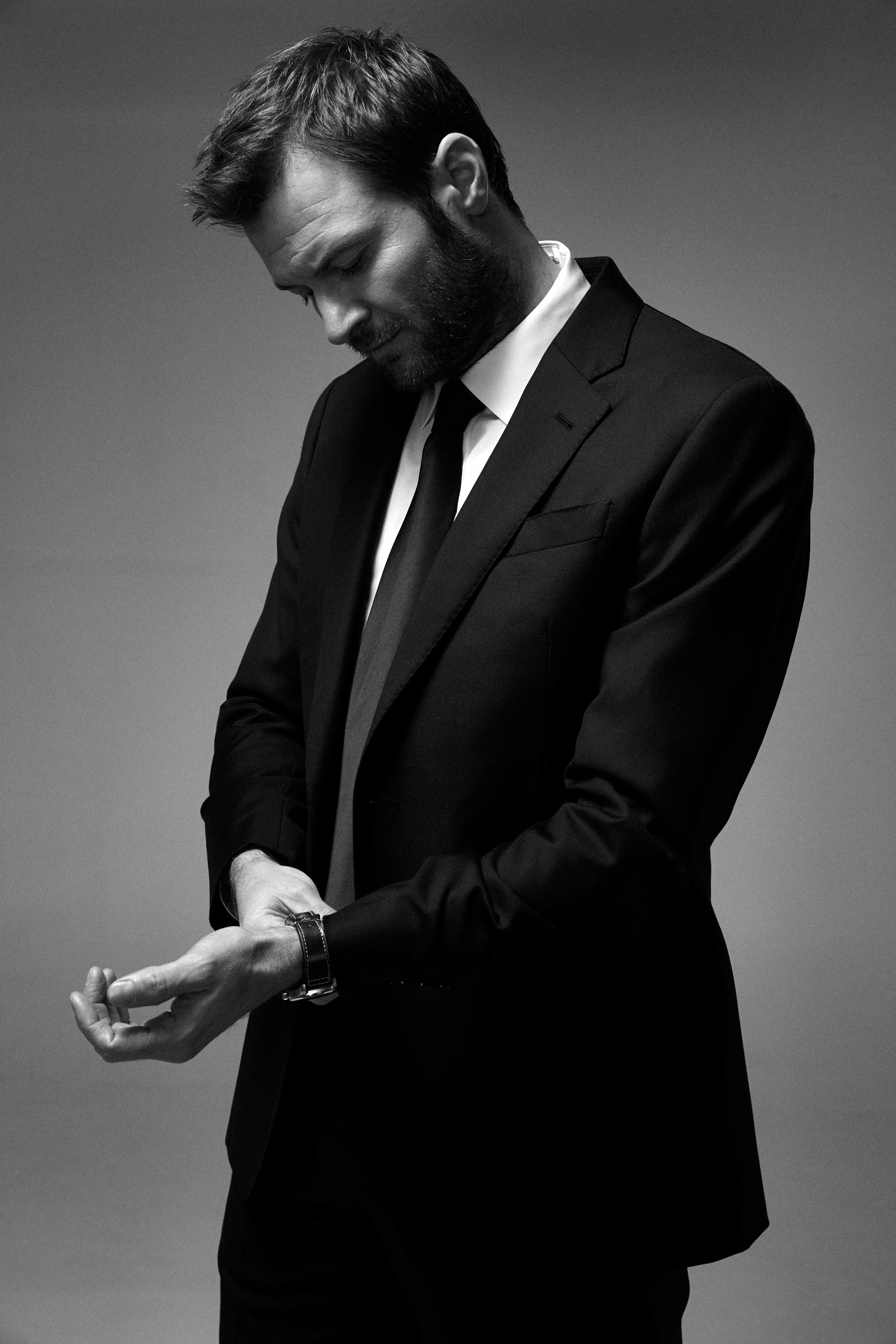
With his commanding screen presence, enigmatic charisma, and remarkable ability to bring complexity to morally ambiguous characters, Costa Ronin has become one of television’s most compelling international actors. Best known for his acclaimed performances in The Americans and Homeland, he has built an impressive career navigating the worlds of espionage, political intrigue, and psychological drama, while demonstrating his versatility in projects ranging from Quentin Tarantino’s Once Upon a Time in Hollywood to For All Mankind and Obliterated. Now, he enters the high-stakes universe of The Terminal List, joining Chris Pratt and Constance Wu for the action thriller’s highly anticipated second season, which premiered on October 21 on Prime Video.
photography by JONNY MARLOW
You’ve joined The Terminal List for its highly anticipated second season. What initially attracted you to the project, and what made you want to become part of this particular universe?
The Terminal List Season 1 has become the show to watch before it even came out. The rich and fascinating world created by Jack Carr was waiting to be explored. It is a show that benefits from vets with actual black ops experience participating not only in consulting roles, like most of the shows out there, but in the writing and directing capacity as well. Having said that, while the attention to detail across all levels of storytelling was what made it so attractive to me, it is a human story and James Reece's fight that I connected to and felt so viscerally. Being able to dip into this world and breathe life into one of Jack Carr's universe's most complex antiheroes has become an absolute privilege and a pleasure.
You play Vasili Adrenov, a mysterious operative whose path becomes intertwined with James Reece’s mission. Without giving too much away, how would you describe Vasili, and what makes him different from the characters you’ve played before?
Andrenov is Reece’s mission, he just doesn’t know it yet. The plan, that Vasilii Andrenov is so eager to see succeed, has been set in motion decades ago. I have spent a decade playing spies, incredibly complex men of their time and of their people who fought for the bigger picture. Andrenov, while he is still a man of his time, arguably even more so, is not in it for the good of humanity, he is in it for himself and what he, and people who helped him get here, believes to be a better future for Russia. His interests, and the strategy of getting there, put himself first and the country and its people second.
He is the reason the story moves from Reece’s revenge story in Season 1 to a larger geopolitical conspiracy, and Reece has to work out what it is that he is fighting for, once the revenge is behind him. What is going to propel him forward? What drives him? The two are the mirror images of each other, having each other as the driving force to achieve their goals, fighting for what they believe in, the true believers.
The Terminal List is known for its gritty realism, intense action, and psychological complexity. What were the biggest challenges of stepping into that environment, both physically and emotionally?
One of the most beautiful things about the series is that it is photographed as a film and not as a TV show. As a result, the audience can see characters think on screen, something that most TV shows lack. The pauses and silences are earned, and characters thrive in them. It is an absolute gift for an actor to get to live the life of and think the thoughts of the character who pretends to be someone else while playing a long game that has it routes decades prior. Nothing with Vasilii Andrenov is what it seems. I will always be grateful to Dave DiGilio and the team for trusting me to breathe life into this character.
The series takes its characters across an expansive international landscape. How did the scale of this production compare with your previous work, and was there a particular location or filming experience that stood out?
I love working on location. There is a level of truth which simply cannot be achieved on the sound stage. There is a shift that happens when you look in the eyes of the people who live the lives you, as an actor, are trying to portray. You tap into the collective DNA.
You know, one of the elements that made me seal the deal on this project was that the beginning, the first episode, takes place on a sailboat and then in Africa. I started sailing when I was 5 or 6 on small crafts “Optimist” and I always wanted to go travel through South Africa. Unfortunately, I did not get to go to South Africa or sail in this project, but those locations really stood out to me personally in their beauty and their complexity, based on the stories, of course. We filmed in Toronto and around Tangier in Morocco. I have previously spent eight months in Morocco working on Homeland and traveled around the whole country three times, so being back there and enjoying the hospitality of Moroccans once again has been a tremendous gift.
Without revealing spoilers, what do you think audiences will find most surprising about season two, and what should they pay particular attention to as the story unfolds?
I hope that the audience will not have to pay particular attention to anything, but instead let the story take them on a journey. Let go and immerse yourself in the dangerous and breathtaking life of James Reece and join him in his soul-searching to find the True Believer in himself.
Your performances as Oleg Burov in The Americans and Yevgeny Gromov in Homeland helped establish you as a particularly compelling presence in the espionage genre. Looking back, how did those roles shape your career and the opportunities that followed?
It really has been an incredible stage in my life, which taught me that everything in our lives happens for a reason. You may not know what the reason is at the time, but at some point, the time will come when you will realize it. Every single one of my jobs led to the next. I was riding my motorcycle to work when I saw the billboard for The Americans, reached out to my agent, and got them to get me a scene from the show that was already shot, so I could record my take on it and send it in to let them know, “Hey, I exist”.
That led to 5 years playing one of my favorite characters to this day. While I was on The Americans, the team behind Homeland invited me to be a part of their world, which led to Quentin Tarantino and his team watching it and offering me Once Upon a Time in Hollywood, an opportunity to work with one of the most iconic directors of our time, and yes, I was the first actor of Russian descent to have ever worked with him. For The Endgame, the creators used a screenshot of my character in their network pitch, which led to another interesting twist of fate and a lesson. The list goes on, which brings us to today, the time when, in the same year, I had the pleasure of being in space as a part of For All Mankind for Apple and now back on Earth doing hand-to-hand combat with Chris Pratt in The Terminal List. I feel blessed to have been able to dip in and out of such different worlds. Seeing the trust that the directors, producers, writers and networks have shown me to bring to life some of their most complicated characters.
Audiences may be surprised to learn about your comedic side, particularly your work on Splitting Up Together alongside Jenna Fischer. What does comedy allow you to explore that more dramatic roles don’t?
That was so much fun. I remember having a conversation with my agents at that time right after an article in the NY Post “Meet the go-to TV actor for Russian spy roles” came out. The conversation was along the lines of “Guys, I can do other things too…”
Splitting Up Together was such a fantastic show, and getting a chance to work with Jenna Fischer, Oliver Hudson and Ali Larter was an experience I will cherish forever. As actors, we strive to find truth in what we do and find both dramatic and comedic shades. Truth is what made that show so funny, and Emily Kapnek was an absolute genius in bringing it out.
Having built an international career, how has your own cultural background and experience of living in different parts of the world influenced the way you approach characters, particularly those caught between different countries, identities, or loyalties?
From the very early days, I have made a very conscious decision to steer away from projects that pursue an agenda, and I have always been very picky about the projects that I became a part of. Not all work is the same. I always gravitated towards the worlds where the audience was left with the question “What if?” My job as an actor is to serve the story and find truth in the choices that my character makes, regardless of my own thoughts and beliefs.
I was born and grew up in Russia, then lived in New Zealand and Australia for many years before making landfall in Los Angeles. I was blessed to have traveled to many countries and meet with many people, and I have to tell you that the underlying traits of humanity are the same regardless of where you come from or where you live. Connecting to other cultures and seeing the world through the eyes of others, to me, is the most fascinating part of being an actor. It also teaches you why people think, what they think and do what they do.
At this stage in your career, what excites you most about acting? Has your definition of success changed since you first started working in the industry?
What a great question. I remember doing an exercise many years ago, if I were to die tomorrow, what would be the thing I would miss the most not achieving. It was a free flow of consciousness, three or four pages later I came to realize that not having children would be the most important regret. Now, years later, I have enjoyed many successes, have worked with some remarkable people and been a part of projects that will live in film and TV history and will be studied in film schools, but the definition of success to me now is being able to create unforgettable characters, send them into the world and come home to my family.
Finally, as audiences prepare to discover Vasili Adrenov in The Terminal List season two, what do you hope they’ll take away from your performance? And looking beyond the series, what would you love the next chapter of your career to look like?
You know, there is a saying: "Blood makes us related, loyalty makes us family." And this is what this show has always been about for me. A family, at home, in the army barracks, in the prairies of Africa. How do we distill what we believe in? How do we protect it? What makes us a True Believer, regardless and the optics and the viewpoint.
I would like the audience to feel James Reece's journey with their hearts, their souls, and look inside and ask themselves, "What makes you a True Believer? Is it scary and powerful enough to die for? Will it make this place better for our children?"
My career, someone is always watching your work. I hope that my work will encourage creatives, agents and managers to find themselves in a place where they find a way for us to work together and tell stories which must be told, that if not for us, nobody will tell. Storytelling will hopefully come back to being brave and thought-provoking and in itself, bring truth and realism.