
IN CONVERSATION WITH CROWN APE
interview by JANA LETONJA
Emerging at the intersection of sound, culture, and geography, CROWN APE position themselves as architects of a new global rhythm, one that moves fluidly between Lagos, London, and Europe’s underground scenes. Their latest release, Who Dat Girl?, brings together the effortless cool of BOJ and the sharp-edged presence of Olexesh, creating a track defined by restraint, atmosphere, and quiet confidence. More than a collaboration, it feels like a cultural exchange, where afrofusion minimalism meets European rap energy, and where identity is shaped not by borders, but by movement. At the centre of it all, Crown Ape are building something broader than music, a cross-continental language that reflects where global sound is heading next.
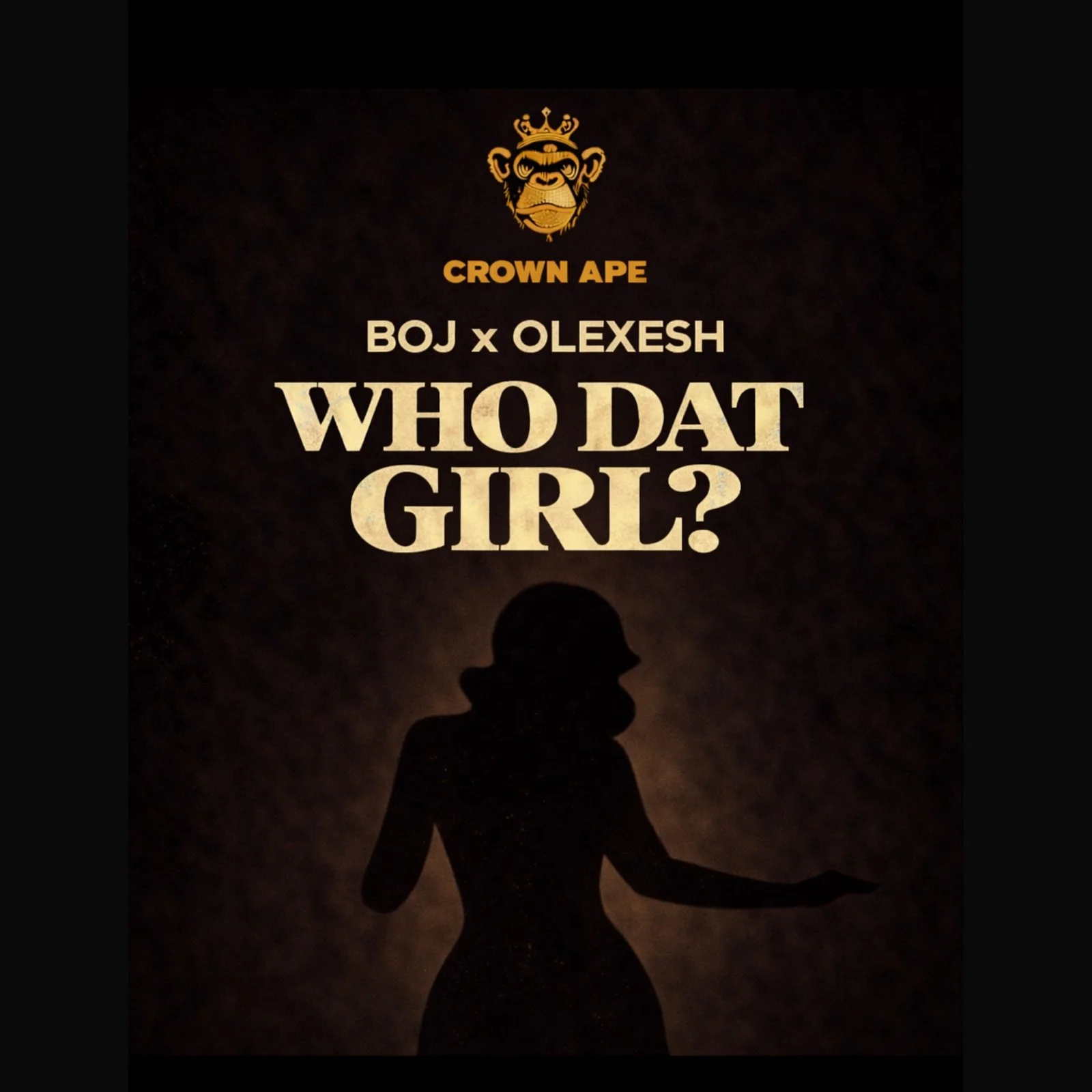
Who Dat Girl? feels like a meeting point of multiple worlds. How did this collaboration come together?
It came from movement. We’re based in the UK with African roots, so that dual perspective is natural to us. Moving between London and Europe, we connected with artists like BOJ and Olexesh who already exist within that overlap. Olexesh is in Germany but comes from a Ukrainian background, and that mix is exactly what the record represents. It wasn’t forced; it reflects how culture actually exists now.
What made BOJ and Olexesh the right voices for this track?
They represent different sides of the same reality. BOJ brings that effortless Afrofusion calm, while Olexesh carries a European rap energy shaped by his own background, like how BOJ lived in the UK. It shows that even if we come from different places or speak different languages, the connection is still there.
How did each artist shape the final sound and energy of the record?
BOJ created space; his delivery lets the track breathe. Olexesh added a different kind of weight and presence. That contrast is intentional. It reflects how diaspora works - different energies, same frequency.
The track is notably restrained and atmospheric. What drew you to that minimal approach?
We wanted it to feel universal without over-explaining itself. When you strip things back, the feeling travels further. You don’t need to understand every word to connect to the energy. Music is universal.
Your music moves between African and European influences. Do you see cultural contrast as a creative advantage?
It’s more than an advantage, it’s the foundation. Being from the UK with African heritage, we’re not just bringing Afrobeats as a sound, we’re bringing the culture into new spaces. Europe, especially Germany, is just the starting point. The diaspora is everywhere, and that’s what we’re tapping into.
Crown Ape feels like more than just a music project. How would you define it?
It’s a bridge. We’re connecting cultures, not just making records. The goal is to bring Afro culture into conversation with different parts of the world in a way that feels real, not forced.
How do you see the line between artist, producer, and cultural curator?
It’s all the same when you’re building something like this. You’re shaping sound, but you’re also shaping how people experience and understand it across different cultures.
Afrobeats is more global than ever. Where do you think it’s heading next?
It’s going to become even more unpredictable. You might hear a Thai rapper on an Afrobeat track, or a Polish artist bringing their own energy into it. The structure is opening up, and the culture is spreading beyond what people expect.
How do you position yourselves within that evolution?
We’re part of the connection. We’re not just observing it, we’re actively bringing those worlds closer together.
Do you think music today is becoming more about atmosphere than structure?
Atmosphere is what allows music to travel. Structure still matters, but feeling is what connects people across languages and backgrounds. Everything is feeling by touch, eyes, thoughts, etc. We are just expressing it.
Beyond this release, what direction are you most excited to explore?
Expanding the reach even further. More “unexpected collaborations”, more cross-cultural moments. The aim is to keep pushing the idea that music isn’t limited by geography, it moves wherever people are. And we are here to move people.
