
IN CONVERSATION WITH DANA SALAH
interview by JANA LETONJA
Palestinian–Jordanian artist Dana Salah is carving out a new era of Arabic pop, one where traditional Middle Eastern instrumentation, global pop sensibilities, and generational nostalgia collide. A charting artist, Spotify EQUAL Arabia Ambassador, and the first Jordanian/Palestinian woman to appear on a Times Square billboard, Dana now returns with a bilingual re-imagination of Britney Spears’ ‘Toxic’, released in sync with the song’s 22-year legacy. Inspired by the Bollywood-leaning string sample that made her feel seen as a child, Dana weaves violins, oud, tablas, and the textures of classic Arab performances into one of pop’s most iconic hooks, transforming it into a celebration of East–West identity. With her upcoming album ‘Dori Dorak’ set for release inMay 2026, Dana continues to redefine Arab womanhood, cultural hybridity, and authority through sound.
What made ‘Toxic’ the song you wanted to reinterpret, and why now, 22 years after its original release?
‘Toxic’ shaped my teens. It was a global pop anthem carried by a Bollywood string sample, and that blend of worlds made the world feel a little smaller and more connected. My music has always been about connection, and inviting people into my culture while staying open to sounds and influences from around the globe. Reimagining it now felt right. In a time that feels divided, I wanted the song to travel again, but this time through my heritage, my language, and the sonic world I’ve built.
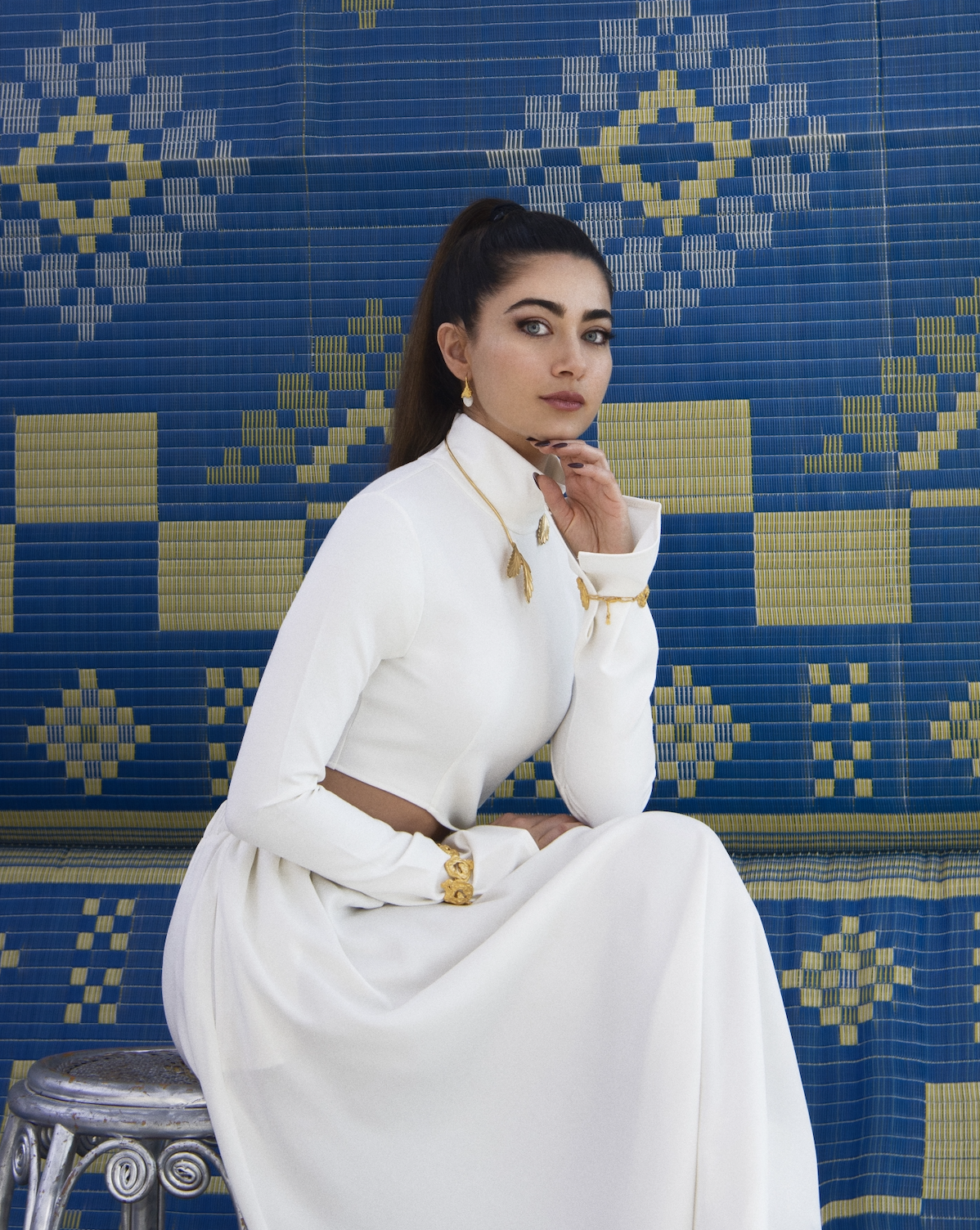
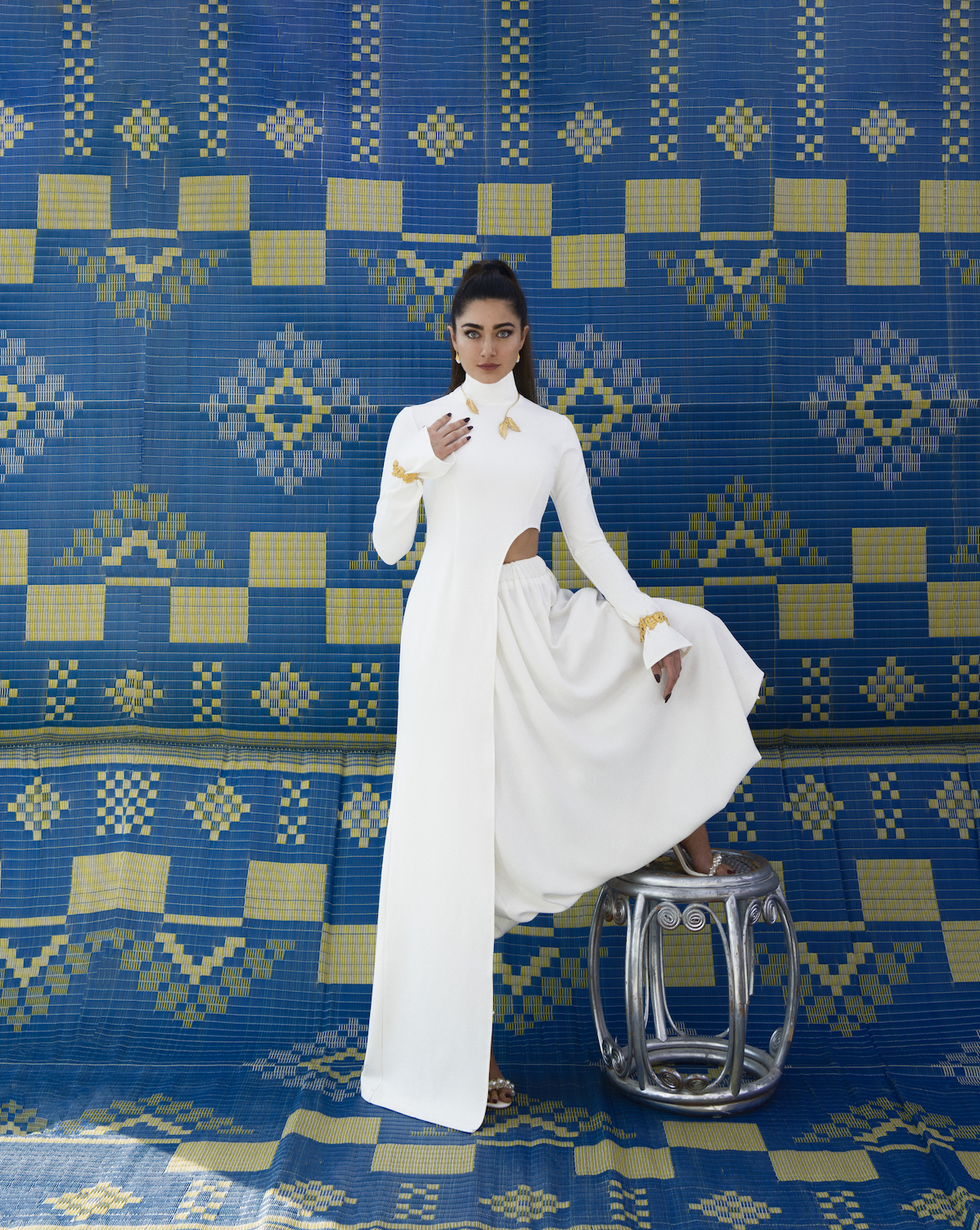
photography by ZAID AL LOZI
You’ve spoken about how the Bollywood-inspired strings in ‘Toxic’ made you feel seen as a kid. Can you share more about that moment and why it stayed with you?
Similar to how Timbaland beats sampled some of the records I grew up listening to with my grandmother, hearing a Western song that was massive globally infuse sounds from other regions made it feel like there was room for everyone. That made me feel seen.
I grew up loving that duality. A Western pop anthem carried by a sound not born in the West. That contrast stayed with me. It made me believe that music can travel, cross borders, and bring worlds together. ‘Toxic’ showed me, even without fully knowing it then, that sounds from outside the Western canon could travel, could cross borders, could live at the center of global pop.
What emotional or conceptual anchor guided you when rebuilding such an iconic song through an Arab musical lens?
Reclamation through beauty. I wanted to honor the original while showing what it could sound like through an Arab woman’s lens today. I wanted to pay tribute to both the sound and the iconic music video, so in my version, you hear the voice of an Arab airplane hostess from the 70s. I leaned into nostalgia, Arabic instrumentation, and bilingual storytelling as a way to invite people into my world while honoring the younger version of me who needed to hear something like this.
Your work often bridges the East–West divide in a way that feels effortless. What does that “hybrid identity” sound mean to you personally?
It’s my lived experience. I was born and raised in Jordan. I’m of Palestinian descent and I spent ten years of my life living in the US, aside from all the summers and Christmases I spent there growing up. I’m also someone who is very sensitive to what goes on in the world, so I think now more than ever it’s so important to hold on to our identities, but it might even be more important to connect with others. I also grew up between musical worlds, watching Umm Kulthum and Abdel Halim Hafez telecasts with my grandmother, while also obsessing over global pop. My sound is the meeting point of those influences. Not fusion for the sake of fusion, but identity made audible.
At what point in your career did you feel empowered, not pressured, to fuse cultural influences rather than compartmentalize them?
I think this happened in two phases. The first phase was right after I released my single ‘Castaway’, where I sampled the “Buyout Riddim”, a Jamaican instrumental rhythm track or beat that multiple songs can be built on. There was a new and different type of success I felt with that record. I shot the video in Jordan but heard it on radio stations all over the US. This fusion of my two worlds gave me a boost. The second moment was when I started writing in Arabic again. Something clicked, it felt like all the dividers in my life dissolved. I didn’t feel the need to choose anymore. The fusion stopped being a strategy and became the most honest version of my voice.
Many artists today pull from Middle Eastern sounds, but few are rooted in the culture. How do you navigate authenticity in a global pop landscape?
It isn’t something I put a lot of focus into navigating. I just do what feels right and I remember when I first started, I got a lot of push back to lean more Western but keep the language Arabic, and I’m so happy I didn’t listen. My references come from lived experience, my grandmother’s influence, the black-and-white broadcasts, the folklore, the dialect. I’m not borrowing a sound for aesthetic impact, I’m extending a lineage.
You’ve made history as the first Jordanian/Palestinian woman on a Times Square billboard. How do moments like that shape your sense of responsibility or purpose?
It reminded me that visibility matters. I used to walk around those streets when I was King Deco living in New York wondering if I’d ever make it onto one of those billboards and the fact that it happened through my Arabic music means a lot. Moments like that aren’t just milestones, they’re invitations. They make space for Arab women, for our stories, for our sound. It deepened my sense of responsibility to keep pushing our music into global spaces.
How has your relationship with your heritage, language, and diaspora identity evolved through your music?
I’ve grown so much more curious. I grew up watching telecast performances of the golden era of Arabic music with my grandmother, but if I’m being honest, I was exposed way more to English music likw Alanis Morissette, Prince, Britney Spears, Ja Rule, Ashanti. So now, I’m so intrigued and curious about our music across the whole region and beyond, all the way to West Africa. Music also brought me back to myself and my roots. Returning to Arabic, to our instruments, to our sonic textures felt like reclaiming a part of me I had distanced from. Now, it’s the heartbeat of my work.
Your upcoming album explores womanhood, Arab identity, and gendered role-reversal. Can you give us a glimpse into its conceptual world?
The gendered role reversal is just in one record. Although, the entire album is written from the perspective of an Arab (Palestinian) woman living in today’s world. There are themes around female empowerment, love, resistance, homeland, heartbreak. It is the full lived experience of what it means to be a 30+ Arab woman that spends her time split between East and West.
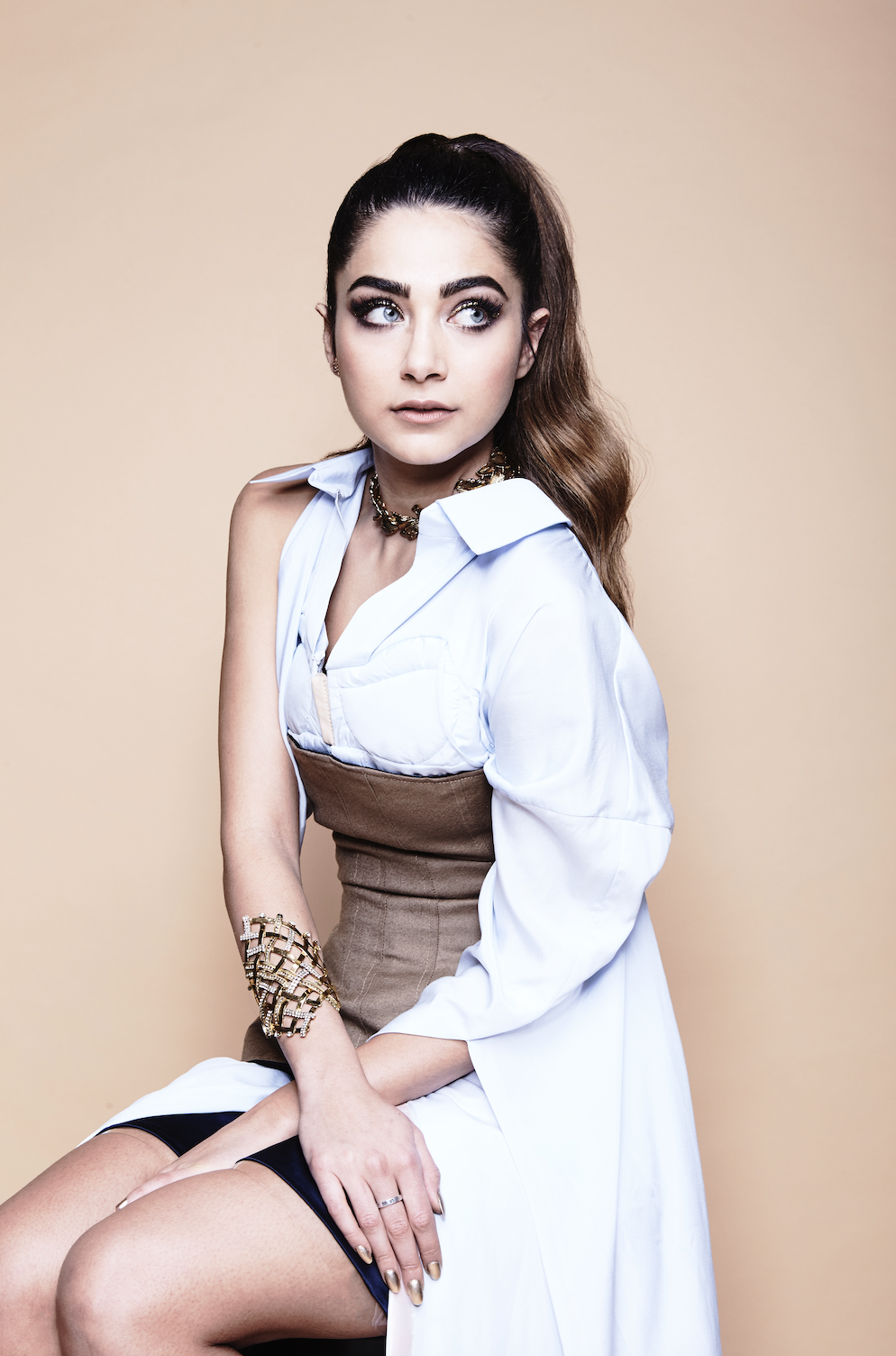
photography by JIMMY FONTAINE
How does ‘Dori Dorak’ expand or challenge the sonic palette you’ve built so far?
I’ve always been intrigued with Western culture, whether it’s country music or sonic scapes of old Western films. I tried to push the boundaries, or rather the extremes, of how far West and how far East I could go in the intro of that song, and I think it might have opened the door to future music I’ll make. It still lives within the Fala7i pop world and it plays with gender dynamics in a playful, but powerful way, showing a different side of the femininity I explore in my music.
You’re part of a wave of Arab artists gaining global traction. What excites you most about where Arabic pop is headed?
That our stories are being told by us, and the world is finally ready to listen.
Looking ahead, what do you hope listeners feel, not just hear, when they experience your music in this new era?
I want listeners to feel connected and seen, like the music is speaking to something true in them. If a record of mine can make someone feel a little less alone, or remind them that our experiences overlap more than we think, then the work is doing what it should. No matter where we come from, there’s a thread that ties us, and I’m just trying to make that thread audible. And at the same time, I want them to laugh a little, to escape for a moment, and step into the fun, flirty worlds some of these songs live in.
