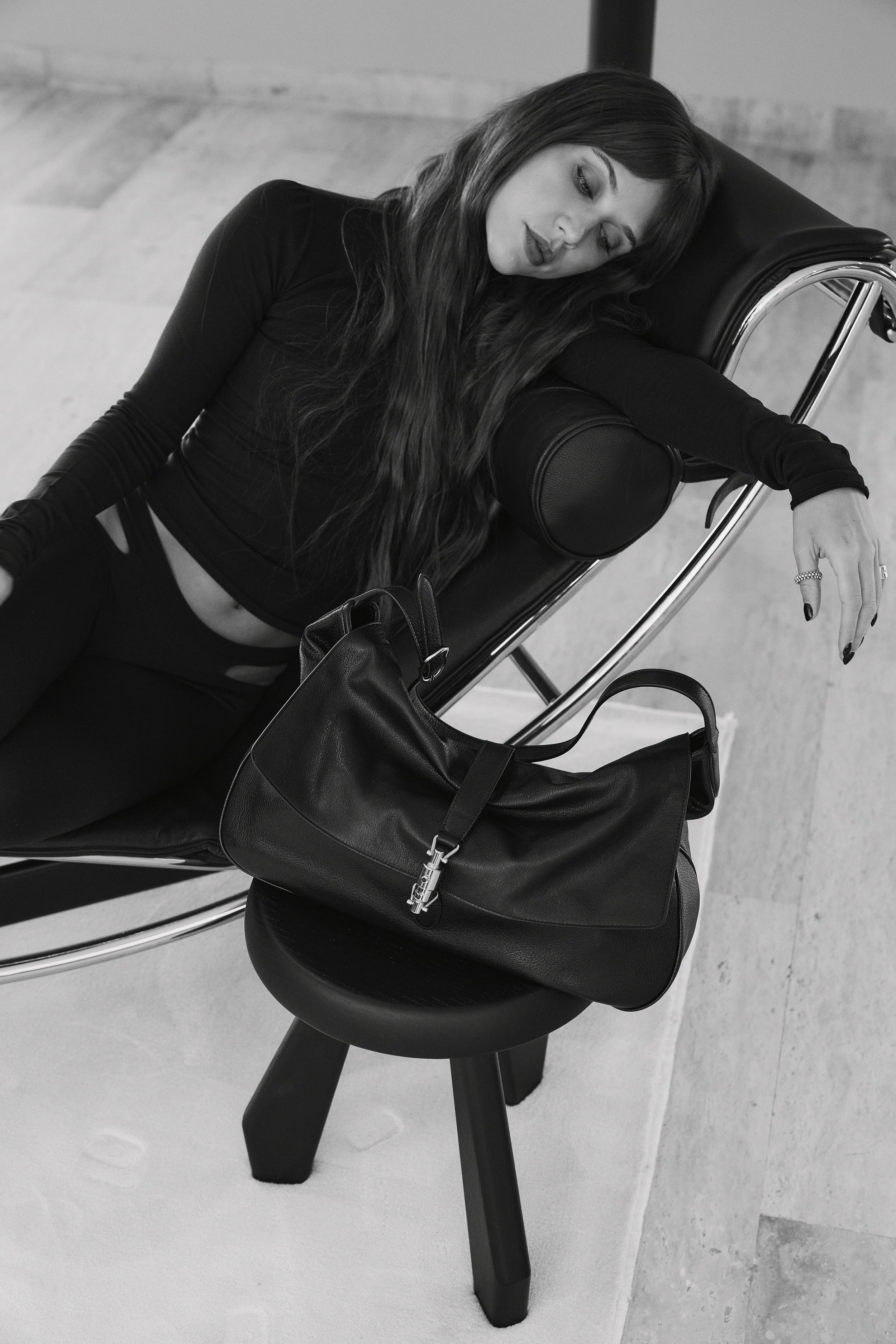
interview by JANA LETONJA
Dani G. Schulz is a bilingual Latina content creator, entrepreneur and digital storyteller who has built a global community at the intersection of fashion, beauty, lifestyle and business. After beginning her career in sports journalism, she evolved into a leading voice in the creator economy, collaborating with brands including Gucci, Miu Miu, Chanel and Ferragamo while building Dani Schulz Inc., an education platform that has helped thousands of creators and aspiring entrepreneurs develop their personal brands and build sustainable businesses online.
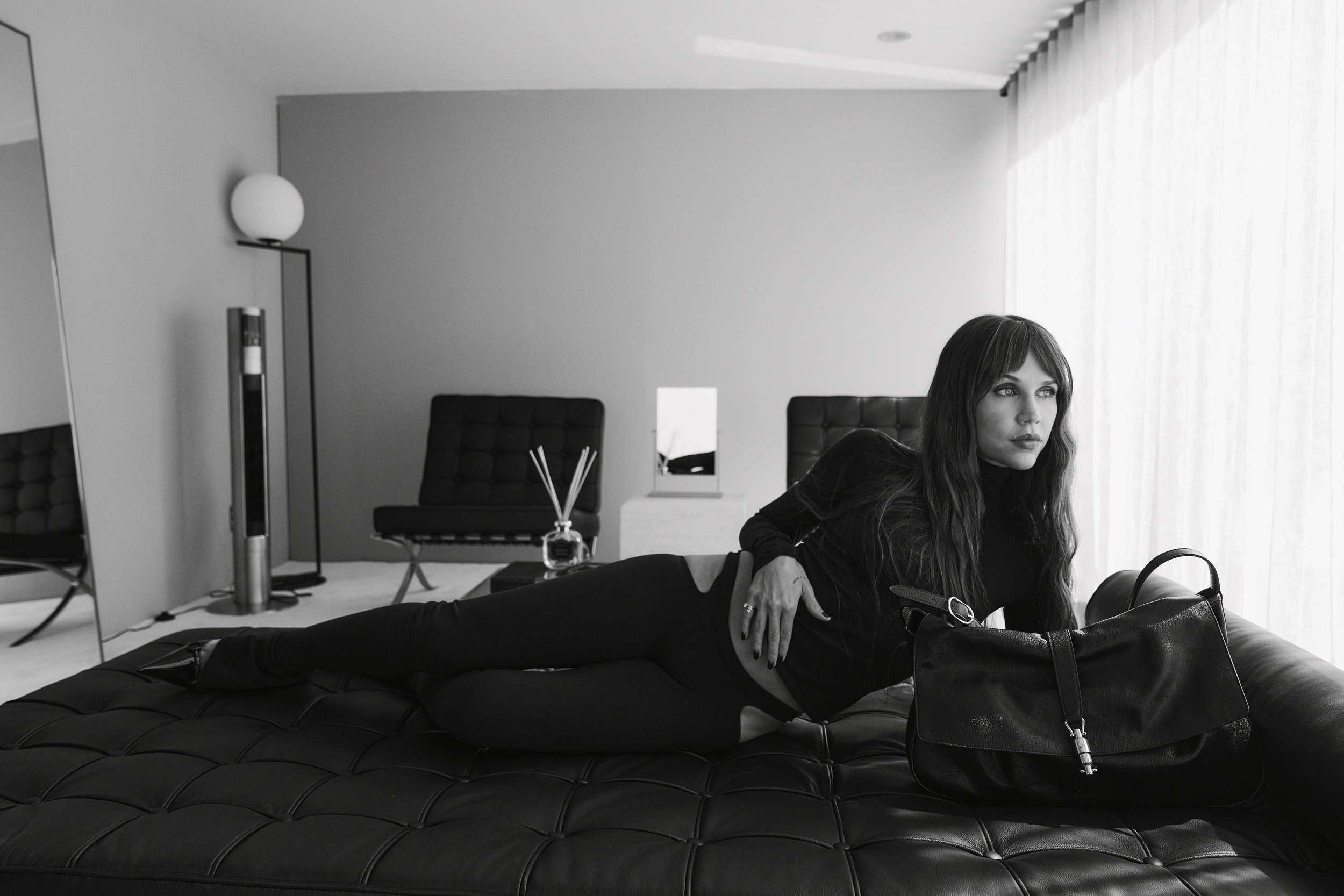
image courtesy of GUCCI
You began your career in sports journalism. Looking back, what did that chapter teach you that still shapes the way you work today?
It taught me to put my head down and work. That lesson very much helped me on my path as a business owner and creator. We are constantly bombarded with outside judgment and opinions, and it is really easy to lose your true sense of self in the creator economy. I was not a sports person, nor do I come from a sports family. I chose sports because it was a challenge, and it seemed like a field I could dominate if I studied hard enough. Being a woman in sports means that you are constantly being questioned just for being a woman, “How much do you really understand about the game? Do you really want to be a journalist, or do you want to find an athlete to marry? Are you qualified as a journalist, or are you just a pretty face that men want to look at on their TVs?” These are conversations I casually found myself in when talking to colleagues and friends while I was trying to make my way through the industry. No one will give you a medal for your work, so it is really important to stay true to your vision and your inner voice, and I learned that lesson early on.
Was there a particular moment when you realized content creation could become more than a creative outlet—that it could become a real business?
Definitely, and I try to always go back to that “aha moment” when I am feeling like I’m not doing enough. In 2019, I launched my first online course, The Video Method, teaching mostly entrepreneurs how to create their own content on their phones so they would not have to depend on professional videos and photos to sell their service or product. I’ll never forget that 37 people joined the course because they trusted me, and it felt like a huge responsibility to receive those clients. During the first cohort, I felt an immense sense of belonging, as if I was doing something that really mattered and changed the way a lot of people sold their work online. After that, there was no going back for me, and it evolved into deeper and more advanced courses about public speaking, finding a way to communicate your unique knowledge, and creating spaces online where others, too, can feel that they belong.
You’ve built a very recognizable personal brand. What do you think makes a personal brand genuinely powerful rather than simply visible?
I think what makes a brand genuinely powerful is the intention behind what you do. A brand can offer countless things to its audience, but if it does not feel genuine, if it does not feel like something you genuinely want to do and share, people won’t be inclined to participate in what it has to offer. Visibility can be a gateway to capturing someone’s attention and getting a couple of views, but intention builds the bridge to a real and long-lasting connection with someone, even if it is through a screen.
Authenticity is talked about constantly on social media. What does being authentic online actually mean to you?
Being authentic, to me, is all about not hiding behind what is trending or what everyone else is doing. I like to be open with my followers, my “honis,” as I call them, and make them feel like they are actually getting to know who I am beyond what they see on social media. It also comes from sharing not what you have, but what you are, the things that inspire you, the things that are important to you, your beliefs, and your convictions. It has never been my goal to present a perfect version of myself or to show that I am always right, but rather a real, true, and honest representation of who I am as a person.
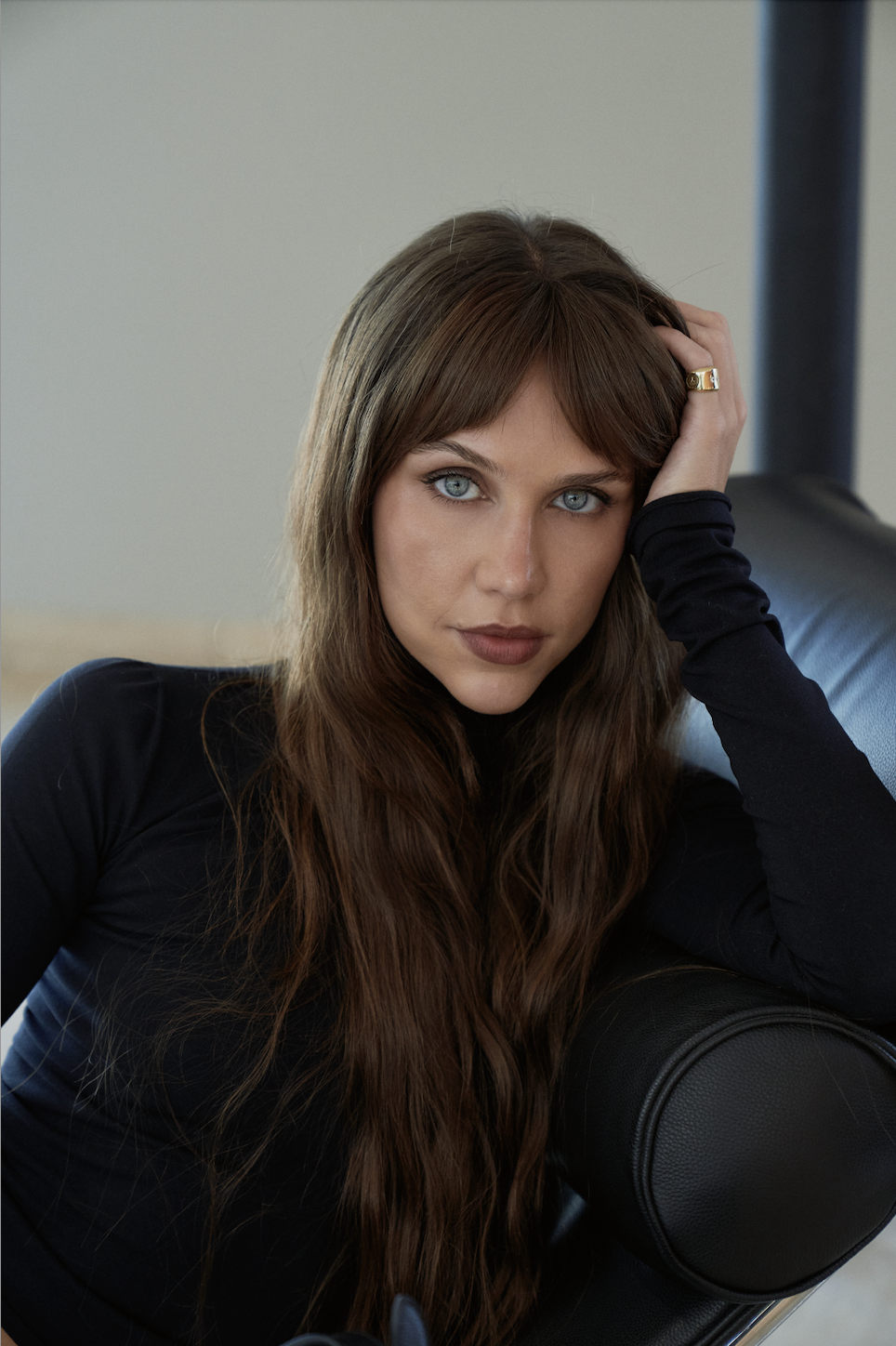
You’ve grown from being a creator yourself to teaching thousands of other creators and entrepreneurs. What inspired that evolution?
I felt very alone when I started posting online. At that time, there was a group of very successful creators in Latin America who went to events that I wanted to go to, worked with brands that I wanted to work with, and sat at tables where I wanted to sit. Somehow, I always felt like I was playing catch-up, like I could not crack some sort of secret code that they were withholding. Once I started sharing more of my creative process and it started working for me, my hands were itching to pass on that knowledge to others. I know that there are people who feel the way I felt six years ago, and it feels like a duty to my past self to share what I know now.
What is the biggest misconception people have about building a successful career as a content creator?
Right now, the biggest misconception is that it is easy money. With my students, I try to empower them to think of their creator career as something that lasts not only a viral moment, but seven years, 10 years, 20 years. When you think long term, you really question your decision-making. You become more selective as to what opportunities you take and which ones, no matter how shiny they are, you say no to because they don’t align with your long-term vision. Staying true to that is the hardest part because the money is so good sometimes, but it is also the thing that separates great creators from creators who are just like everyone else.
We’re living in an era of algorithms, AI-generated content, and seemingly endless competition for attention. What do you think will become more valuable as digital content becomes easier to produce?
For me, AI will never be able to create digital content that has human uniqueness and emotion to it. If you take a look around social media, everyone is starting to sound the same because they are starting to use the same source, AI.
I definitely think that people are starting to value authenticity and openness more because they most likely mean there is a human behind the work that you are seeing. If someone is seeking the public’s attention, in my opinion, their worst bet is on using AI because not only does it make you mainstream, it makes you feel deceitful by trying to pass its work off as your own.
You work across fashion, beauty, lifestyle, education, and entrepreneurship. How do you decide which opportunities belong within your brand and which ones to say no to?
When I’m choosing the opportunities that I want to pursue or be part of, I always think that they have to provide something for my audience, like entertainment, education, personal growth, while feeling aligned with my values. Regardless of how many areas I might work in, I think it is always important to ask myself these questions: Do I believe in this? Does it make sense for me and for my brand? I never like to partner with brands that I don’t truly connect with or that I think I would not have chosen for myself. My community’s trust in the recommendations I give them is just as important to me as any opportunity I am being given. Sometimes, saying no can be just as valuable as saying yes because, in the end, I want the opportunities that I am a part of to be an extension of who I am. Not every opportunity is created equally.
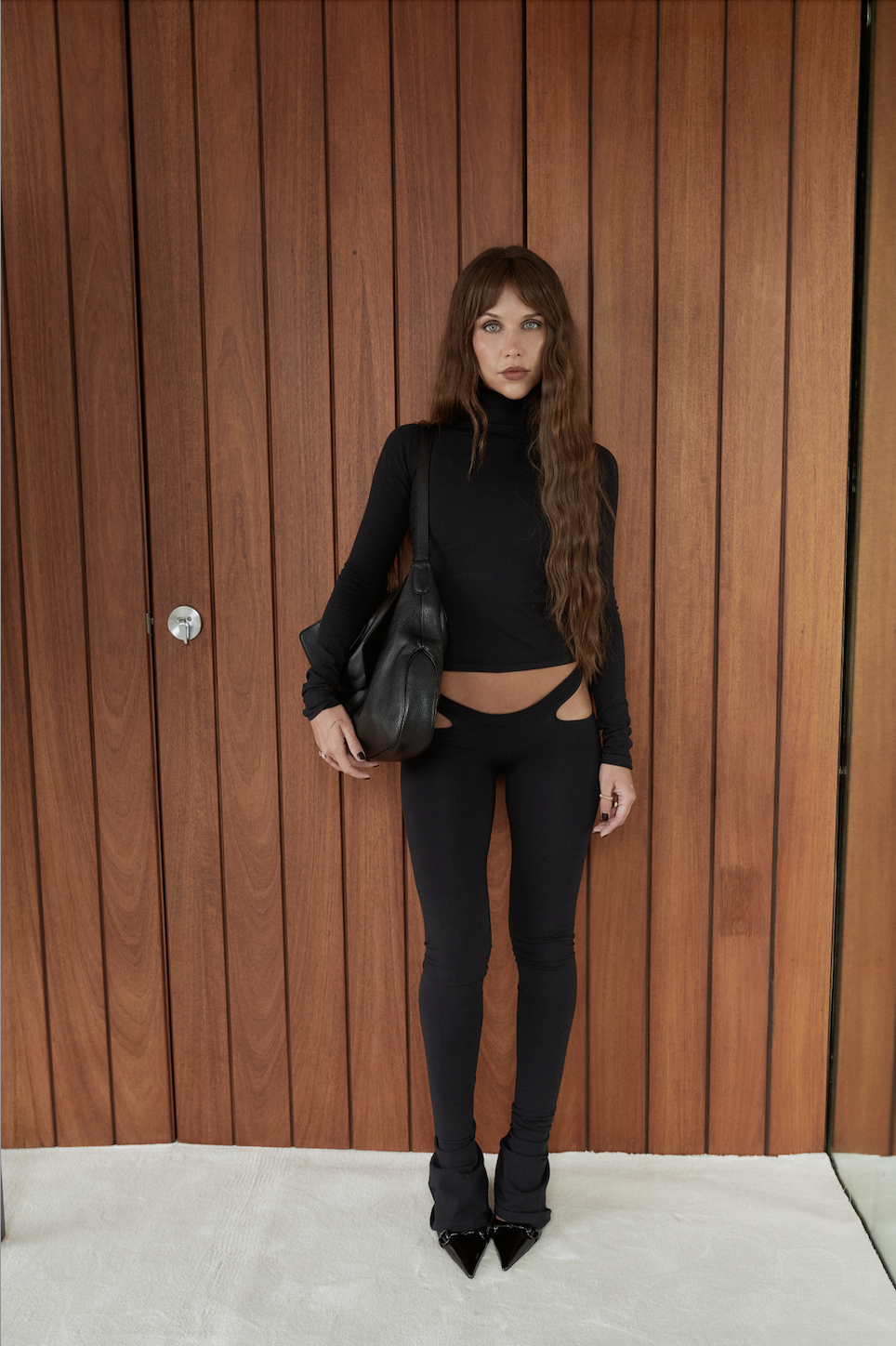
Entrepreneurship often means being both the face of the business and the person responsible for building it behind the scenes. How do you navigate those two roles?
I am very strict with my routines and how I spend my time online. Over the years, I have noticed that my best work, whether it’s creating content, creating a new course, or coming up with podcast episodes, comes from periods of time when I am true to my own sense of self. That requires space for hobbies that aren’t monetizable, such as reading and journaling. I am big on self-care, not in the “Sunday reset mask” way, but in the mental hygiene way. I know that if I dedicate time to myself in real life, my online persona will be more creative, more efficient, more magnetic.
Confidence and self-development are recurring themes in your work. Is confidence something you believe we build through action, or something we need before taking the first step?
I believe there are two types of confidence, and they are both equally important. First, the confidence that comes from doing hard things and succeeding at them. When you set your mind to something and you take action to make it happen, your mind has evidence that you are capable of doing hard things, and that gives you confidence. Then, there is the confidence that comes from knowing yourself and staying true to that. This confidence grows when you spend time alone, when you actually keep the promises you make to yourself, when you do things because you want to do them and not because they are a trend that everyone else is doing. The latter is harder but so, so important.
As a bilingual Latina creator with a global audience, how has your cultural identity influenced the way you communicate, create, and build community?
As a bilingual Latina creator, my cultural identity is at the center of the conversations I have with my community, along with my ability to create content. Being bilingual is such a gift in today’s world because it allows me to connect with different audiences in different spaces through a variety of cultures. I get to tell my story and my message in two languages while still allowing myself to stay true to where I am from. My roots have Venezuela and Ecuador written all over them, and now, living in Mexico, these cultures have inspired me to build a community where borders, accents, and backgrounds bring us together through shared experiences. I love to showcase the talent that is born in Latin America when it comes to fashion, art, and music. If I can help bring these to a global stage, then I am fulfilling my responsibility as a leader of my community.
What are you most curious about right now, creatively or as an entrepreneur?
I am very curious about Latin American talent. I truly believe there is so much potential in our region that needs support and investment in order to grow on a global scale. It excites me to find opportunities to be part of projects with Latin American talent where I can serve as an investor of monetary assets or knowledge to help build other people, brands, and businesses in Latin America and put them on the map for other people in other parts of the world to see.