
IN CONVERSATION WITH DAVID BENAVIDEZ
interview by JANA LETONJA
Undefeated two-division world champion David Benavidez has emerged as one of boxing’s most electrifying forces. Known to fans as “El Monstruo,” the Phoenix-born fighter built his reputation on relentless pressure, blistering hand speed, and a punishing work rate that overwhelms even the sport’s most seasoned opponents. Turning professional at just 16, he quickly rose through the ranks to become one of the youngest super middleweight world champions in history, capturing the WBC title with a series of dominant, statement-making performances. Proudly representing his Mexican and Ecuadorian heritage, he carries a powerful connection to Latino audiences worldwide while continuing to expand his influence beyond the ring through brand partnerships, cultural impact, and a new generation of fans drawn to his authenticity and discipline.
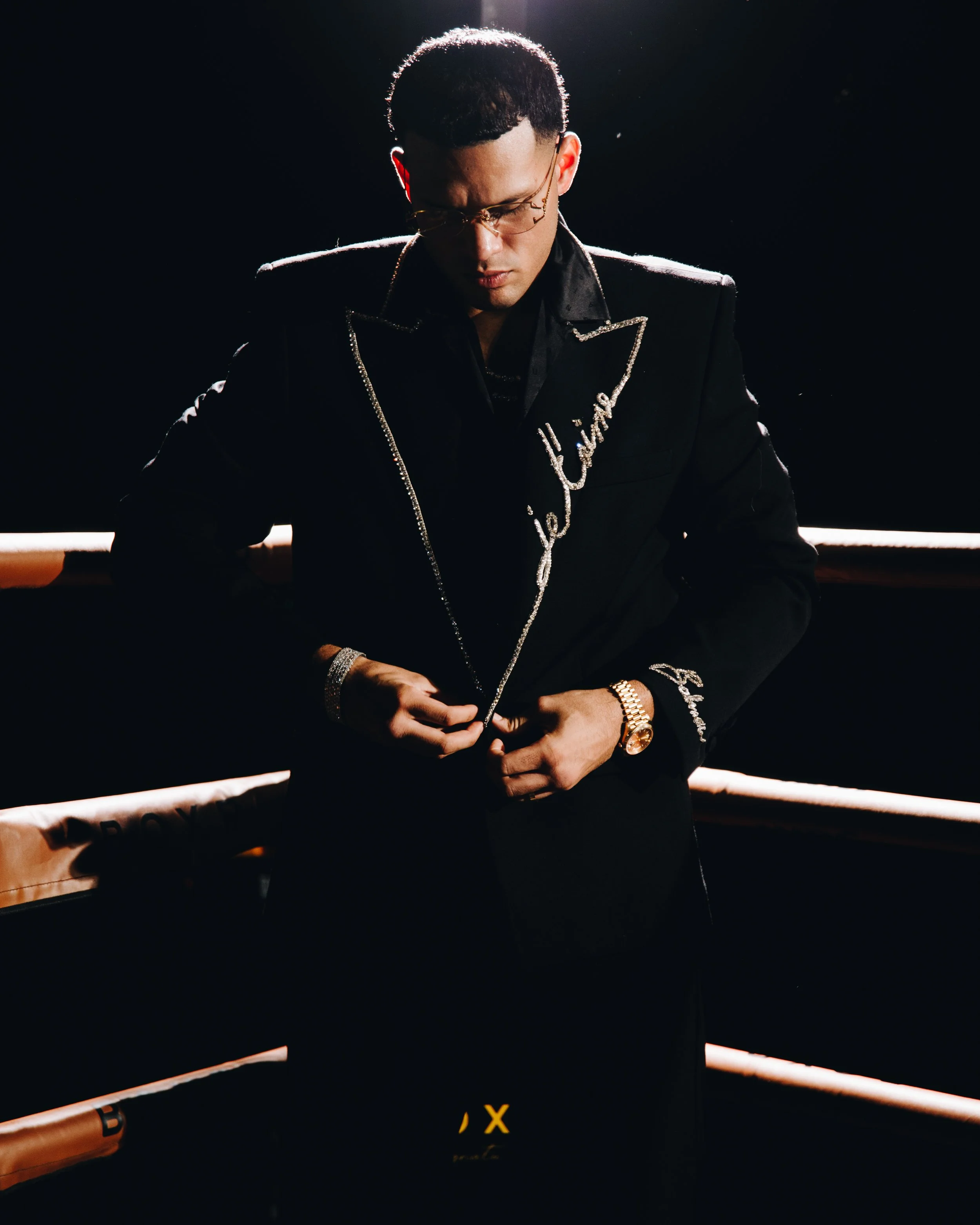
You turned professional at just 16 years old. Looking back, how did that early start shape the fighter you are today?
Turning pro at 16 gave me a huge advantage in terms of experience. I was able to grow up in the professional game and learn what it takes to compete at the highest level while I was still very young. By the time I was 20 I had already become a world champion, so those early years in the ring really accelerated my development. Starting that young forced me to mature quickly not just as a fighter but as a person. All of that experience helped shape the fighter I am today.
You are known as “El Monstruo.” When did that nickname start to feel like part of your identity in the ring?
People had been calling me a monster for a long time because of the way I trained and the way I fought. In the gym whenever people watched me work that is what they would say. But it really became official when I went on a podcast with Mike Tyson. He looked at me and said you are the Mexican Monster. When someone like Mike Tyson gives you a nickname like that in front of the world, you take it and embrace it. Since then it has stuck and the fans have really connected with it.
Your style is built on relentless pressure and volume punching. How do you maintain that level of intensity round after round?
It all comes down to preparation. My training camps are longer than most. I usually train for about four months leading into a fight. I do that intentionally because my style demands a high level of conditioning. The pressure, the volume and the pace I fight at all come from the work I put in during camp. When you have spent months pushing yourself in the gym, it allows you to keep that same intensity when the fight starts.
Many fighters talk about physical preparation but boxing is also deeply mental. What is your mindset when you step into the ring?
My mindset is very simple. I refuse to accept defeat. When I step into the ring, I am prepared to do whatever it takes to win. Boxing is just as much mental as it is physical, so you have to believe in yourself completely. Once that bell rings, my focus is on executing the game plan and finding a way to get the victory.
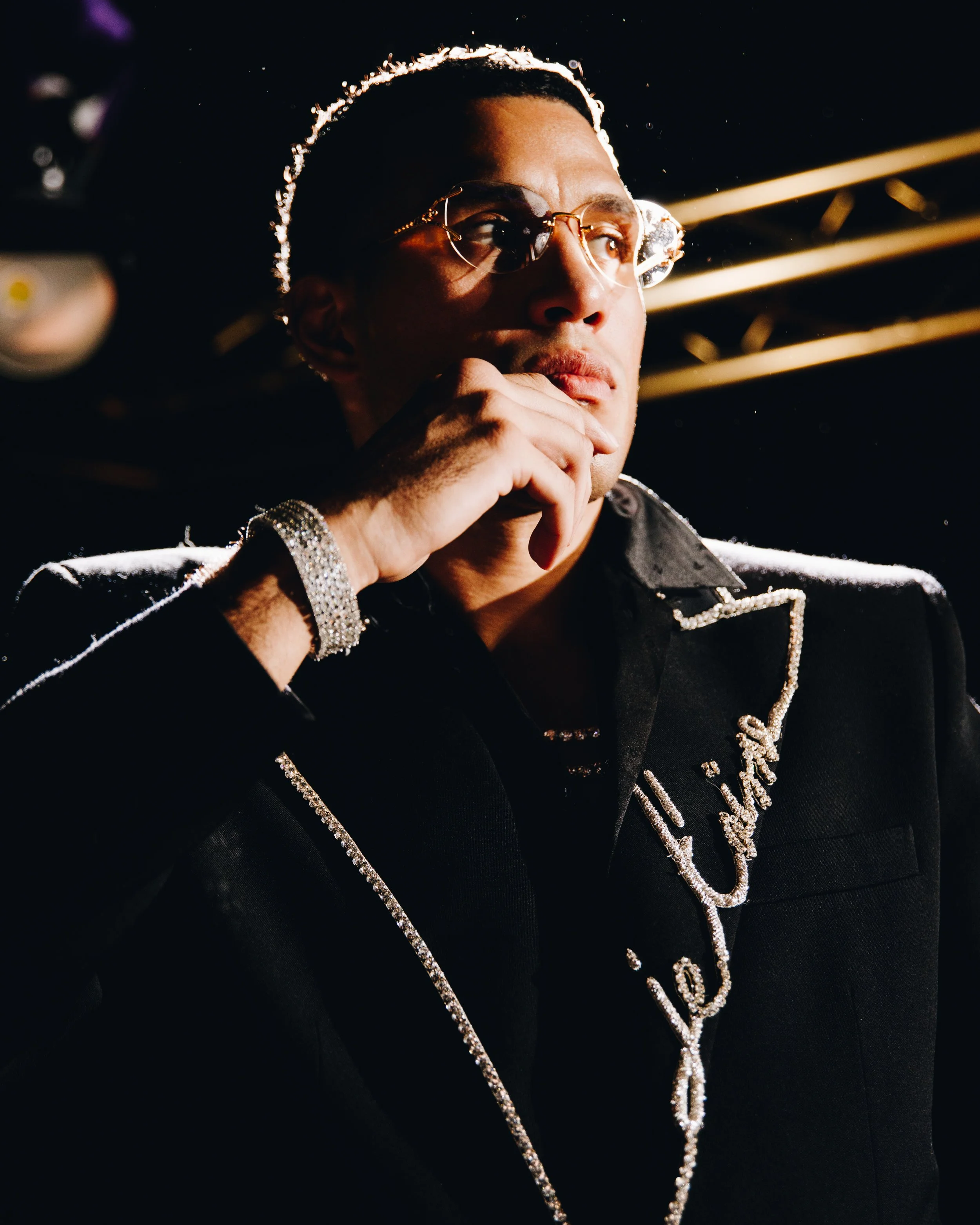
Becoming one of the youngest super middleweight champions in history is a huge milestone. Did that moment change your perspective on your career?
It definitely did. Becoming the youngest super middleweight champion in history is a huge accomplishment and it is something that does not happen easily. Achieving that at just 20 years old gave me a lot of confidence and reinforced that I am capable of doing special things in this sport. It made me realize that my potential is even greater than I imagined and it motivated me to keep pushing toward bigger goals.
How has your Mexican and Ecuadorian heritage shaped your identity as a fighter?
My heritage is a huge part of who I am as a fighter. Both Mexicans and Ecuadorians are known for their toughness and warrior mentality. Growing up with those roots gave me a strong sense of pride every time I step into the ring. I feel like I am representing both sides of my family and that motivates me to fight with even more heart.
The Latino boxing community is incredibly passionate. What does their support mean to you?
It means everything to me. Latino fans bring so much passion and energy to the sport. Every time I see them in the arena or out in public they show so much love and excitement. That support really fuels me. When I hear the crowd and feel that energy it pushes me to give my best performance every time I step into the ring.
Discipline has clearly played a big role in your success. What does your daily routine look like when you are in full training mode?
My routine is built around discipline and consistency. I wake up around 6 in the morning and start the day with prayer and spiritual reflection. Then at 7 I go out for my run, usually around seven miles, which takes about an hour and twenty minutes. After that I recover, eat breakfast and head back to the gym around noon for boxing training from 12 to 3. Later in the evening I do another session focused on strength and conditioning from about 7 to 8 at night. Altogether it adds up to roughly six hours of training every day.
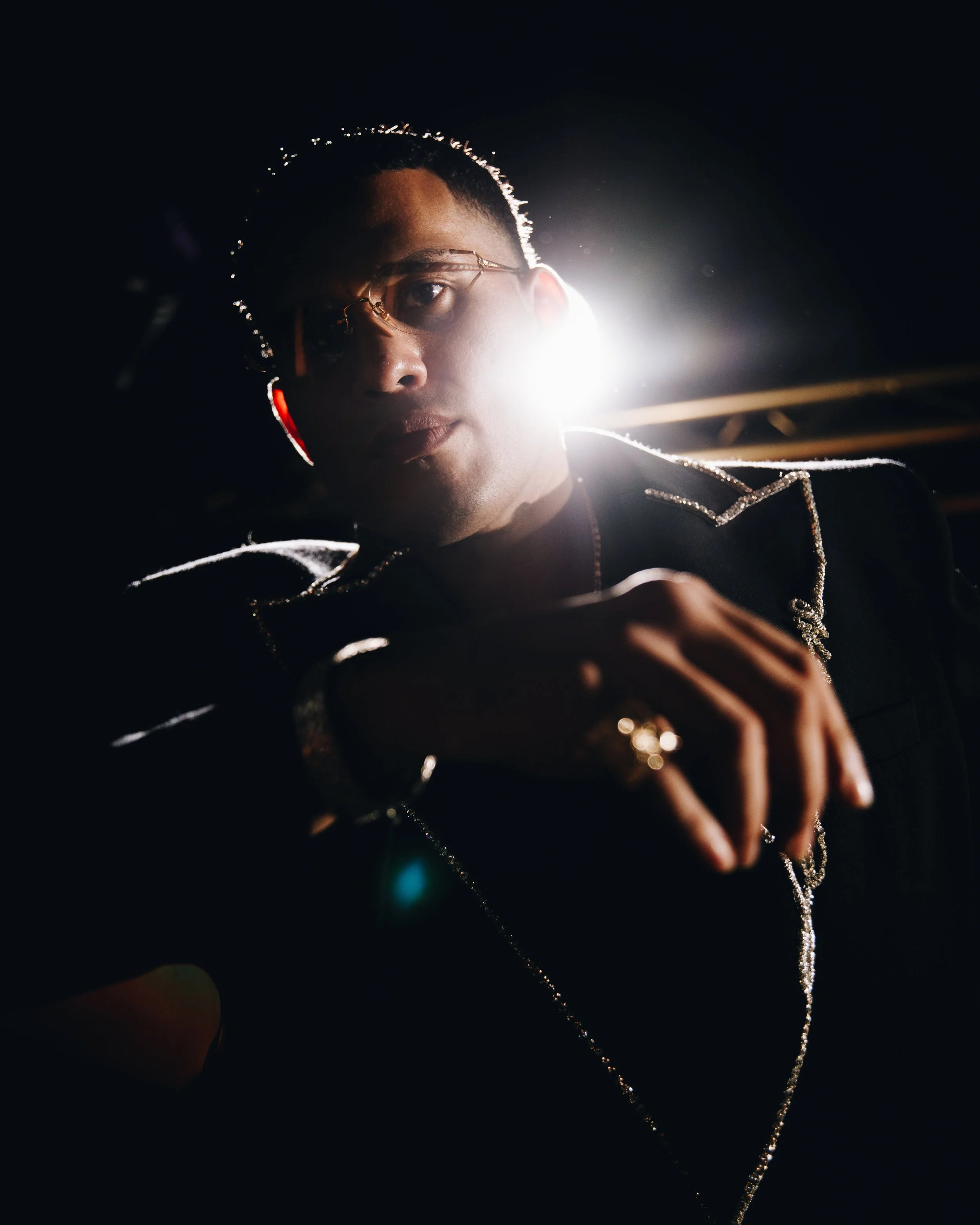
Boxing history is filled with legendary champions. Which fighters have influenced your approach to the sport?
There are a lot of fighters who influenced me because I am a true student of boxing. I have always loved the sport and studied the greats. Growing up, I watched fighters like Oscar De La Hoya, Marco Antonio Barrera, Julio César Chávez, Floyd Mayweather and Manny Pacquiao. Each of them brought something unique to the sport and watching their careers helped shape my own approach inside the ring.
How do you stay grounded while carrying the expectations of being one of boxing’s biggest stars?
For me, staying grounded comes down to humility and respect. No matter how much success you achieve, it is important to treat everyone with respect and remember where you came from. I also think about the younger generation watching me. I want to set a positive example for kids who want to get into boxing or follow their dreams. That perspective keeps me balanced both inside and outside the ring.
Outside the ring, you are expanding into brand partnerships and media opportunities. How do you see your career evolving beyond boxing?
I see it as an opportunity to continue building my brand and expanding my reach. Every fight introduces me to new fans and new audiences. I want to take advantage of those opportunities, not just in boxing but also in business and media. The goal is to grow my platform in a way that allows me to connect with people and create opportunities beyond the sport.
Do you feel athletes today are expected to be not just competitors but cultural figures as well?
Yes, I think that naturally happens. Once you put in the work and establish yourself in your sport, people start paying attention to more than just what you do in competition. You begin to influence culture and inspire people in different ways. That comes with responsibility and I think it is important to use that platform in a positive way.
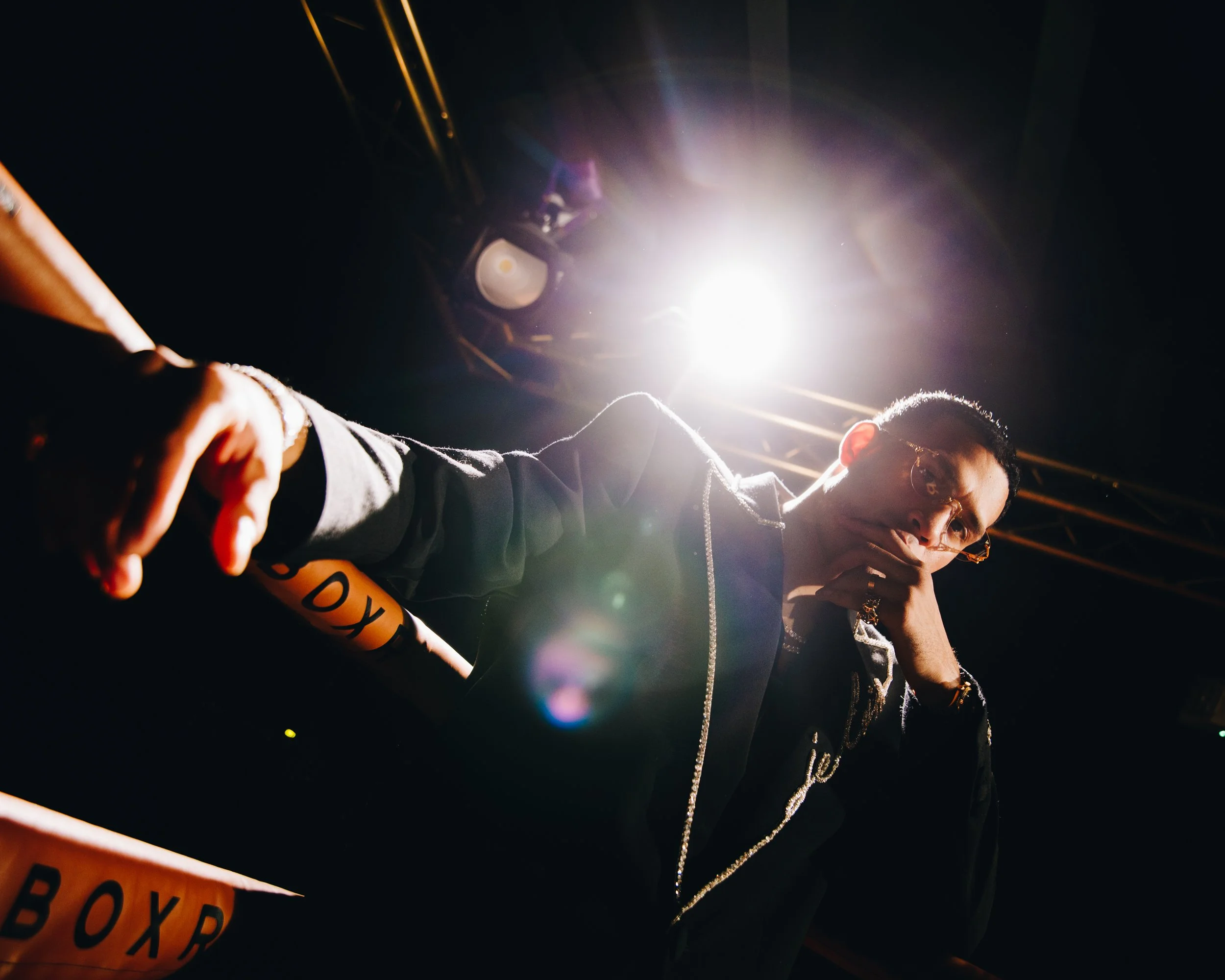
As someone pursuing legacy defining fights, what motivates you more titles history or personal growth?
For me, it is about legacy. Winning titles is a big part of building that legacy, but what motivates me most is leaving something behind that people will remember. Money comes and goes, but history lasts forever. Fifty or a hundred years from now the money will be gone but the legacy remains. That is what drives me every day.
TEAM CREDITS:
talent DAVID BENAVIDEZ
production / PR BURGERROCK MEDIA
photography CHRIS ALLMEID
