
Interview by Samo Šajn
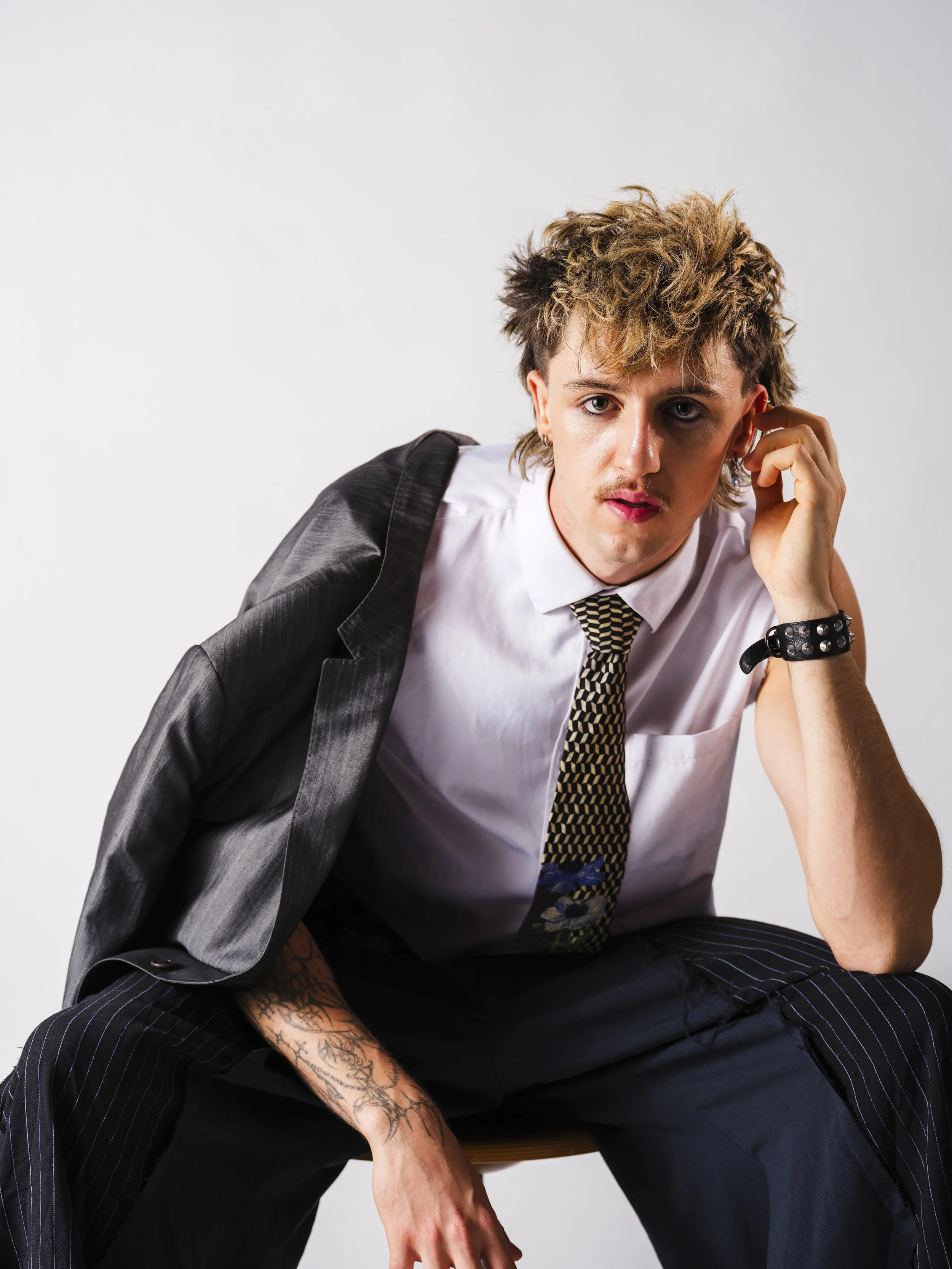
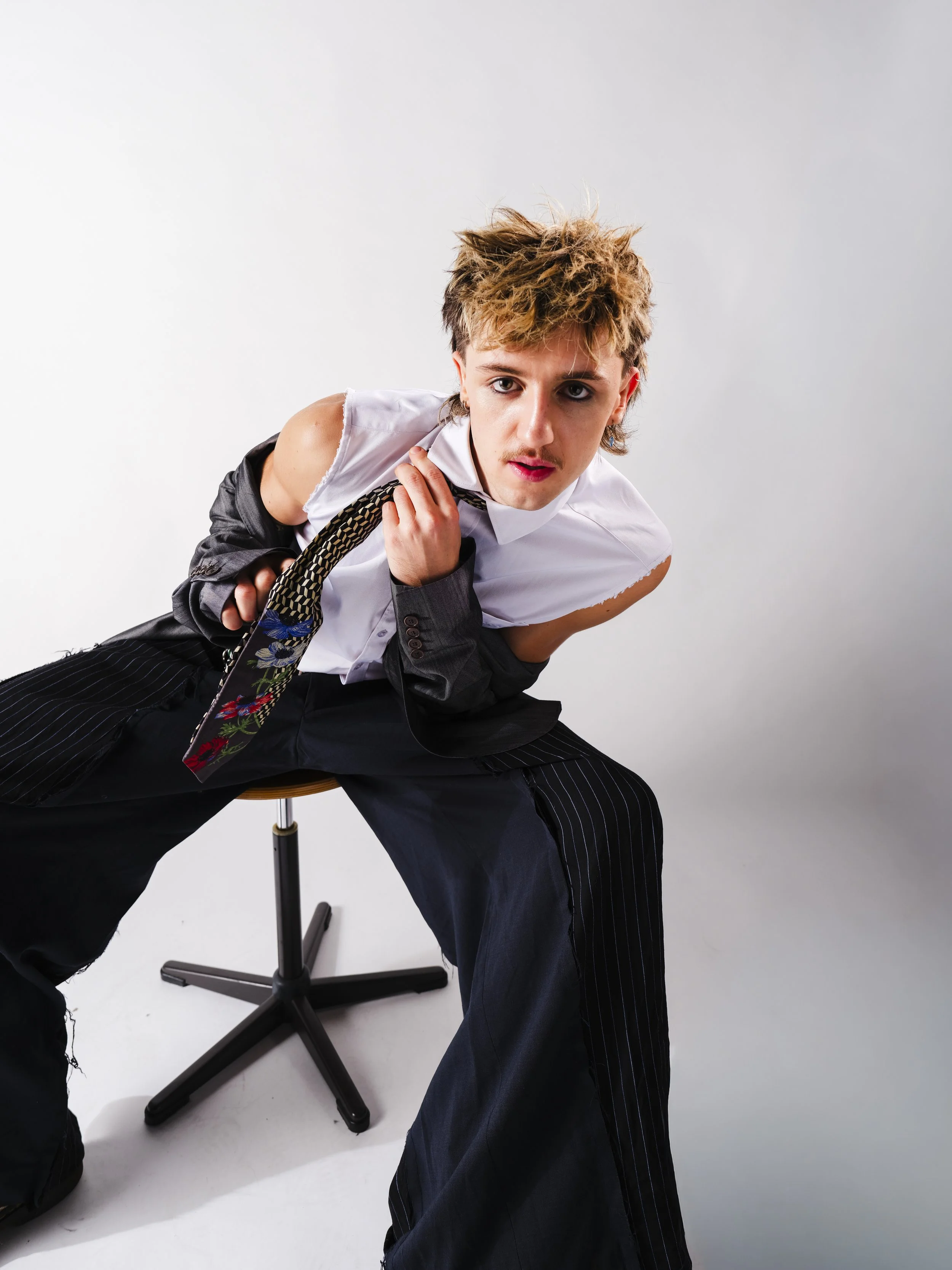
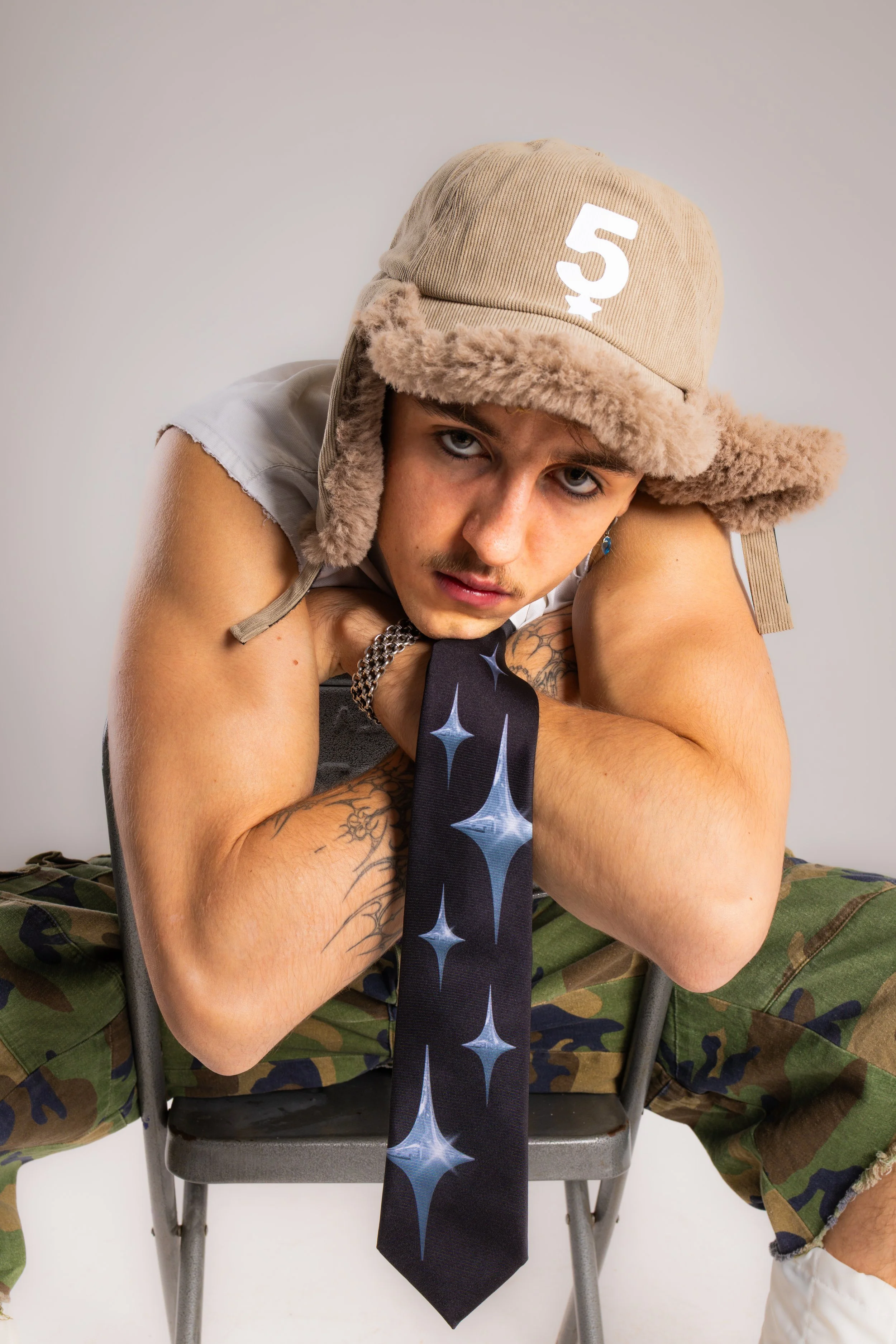
Munich-based DJ and producer Davyboi brings playful energy and uplifting melodies to the dancefloor. Known for his signature tie and love of trance, his approach is rooted in the joy of dancing with friends. We spoke to him about his sound, personal style and the connection he wants to build with his crowd.
You’ve said you wanted to bring more trance to Munich when hard techno was dominating the scene around you. What were you missing on the dancefloor, and how did that shape the artist you became?
I missed the happy vibes. Those moments when you look at your friends and everyone is smiling, screaming and completely lost in the same moment. That’s what I wanted to bring back. I came from the dancefloor myself, so when I play, I’m always thinking about what I’d want to hear if I were down there with my friends.
Your sets are fast and intense, but they also feel playful and uplifting. What draws you to that combination, and how do you keep emotion at the centre of the energy?
For me, full energy doesn’t have to mean being serious the whole time. I want people to go crazy, but also smile at each other and scream when a melody comes in. My aim is that nobody thinks, “Let’s get a cigarette” or “Let’s chill for a bit.” I want them thinking, “If I leave now, I’m going to miss something.” That way of mixing isn’t for everyone, but it’s what I love: two hours of full energy, with tracks that actually make you feel something. Afterwards, I want people to say, “How did those two hours feel like two minutes? Keep playing, Davy!”
Trance and eurodance carry a lot of nostalgia, even for younger listeners who didn’t experience them the first time around. Why do you think these sounds connect so strongly with your generation?
I think nostalgia is a big thing for our generation. We’re always chasing the “old times” because, looking back, life feels like it was easier and less complicated. Even if you weren’t there when a track first came out, you might know it from your childhood or from hearing it somewhere growing up. Playing those sounds brings that feeling back for a few hours.
You’ve spoken about Gen Z visibility in electronic music. What do you want your generation to have more space to express, and where do you still feel misunderstood?
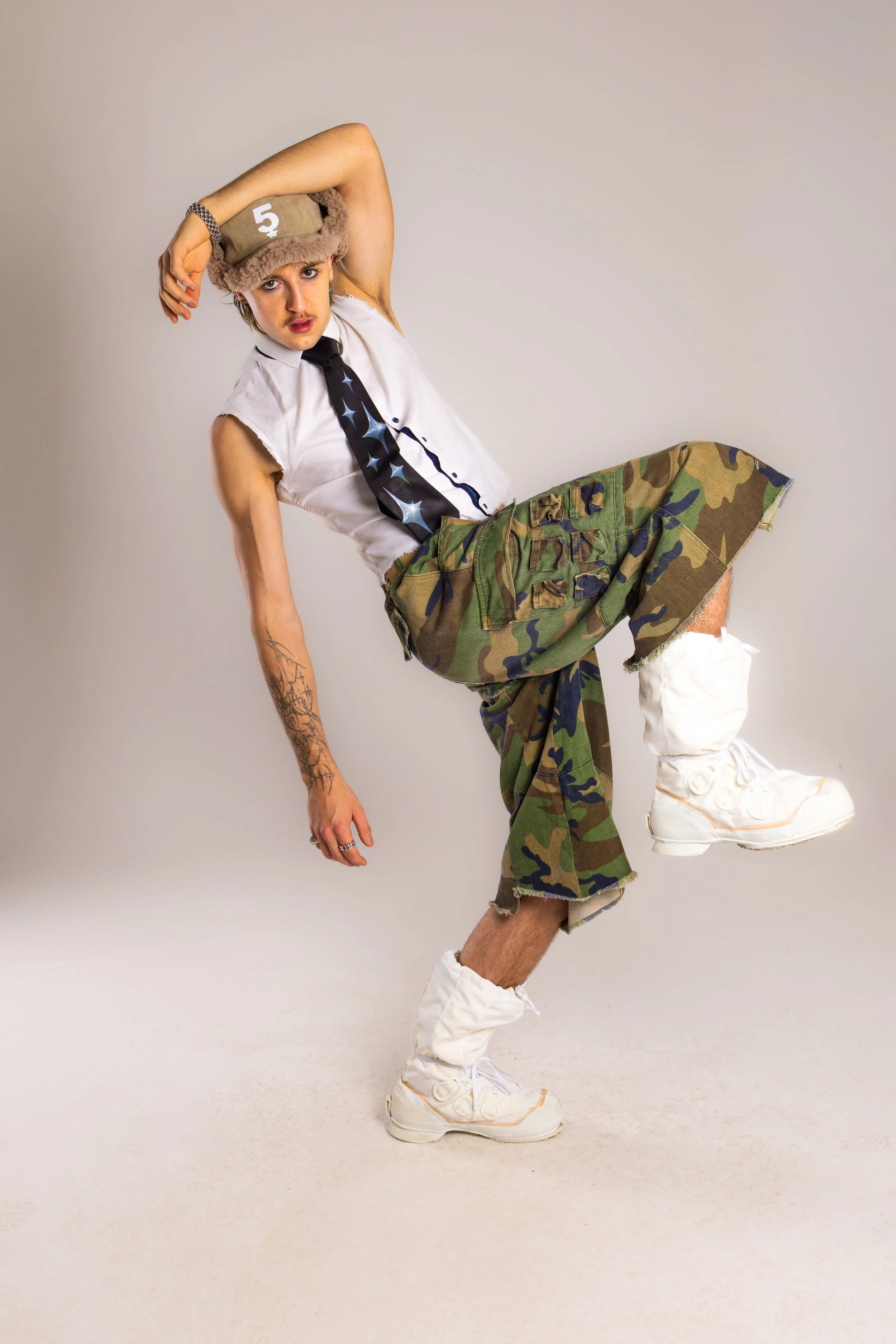
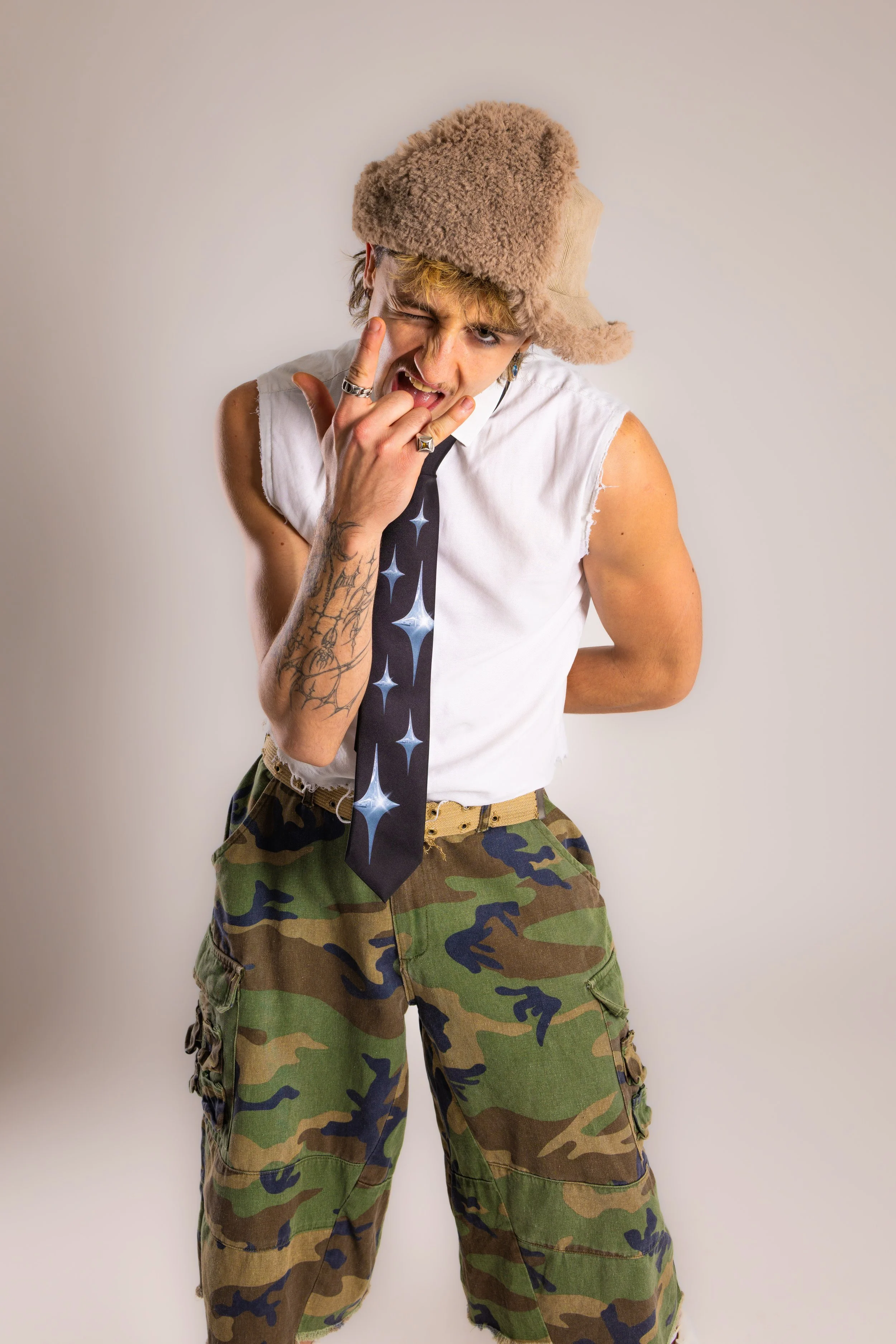
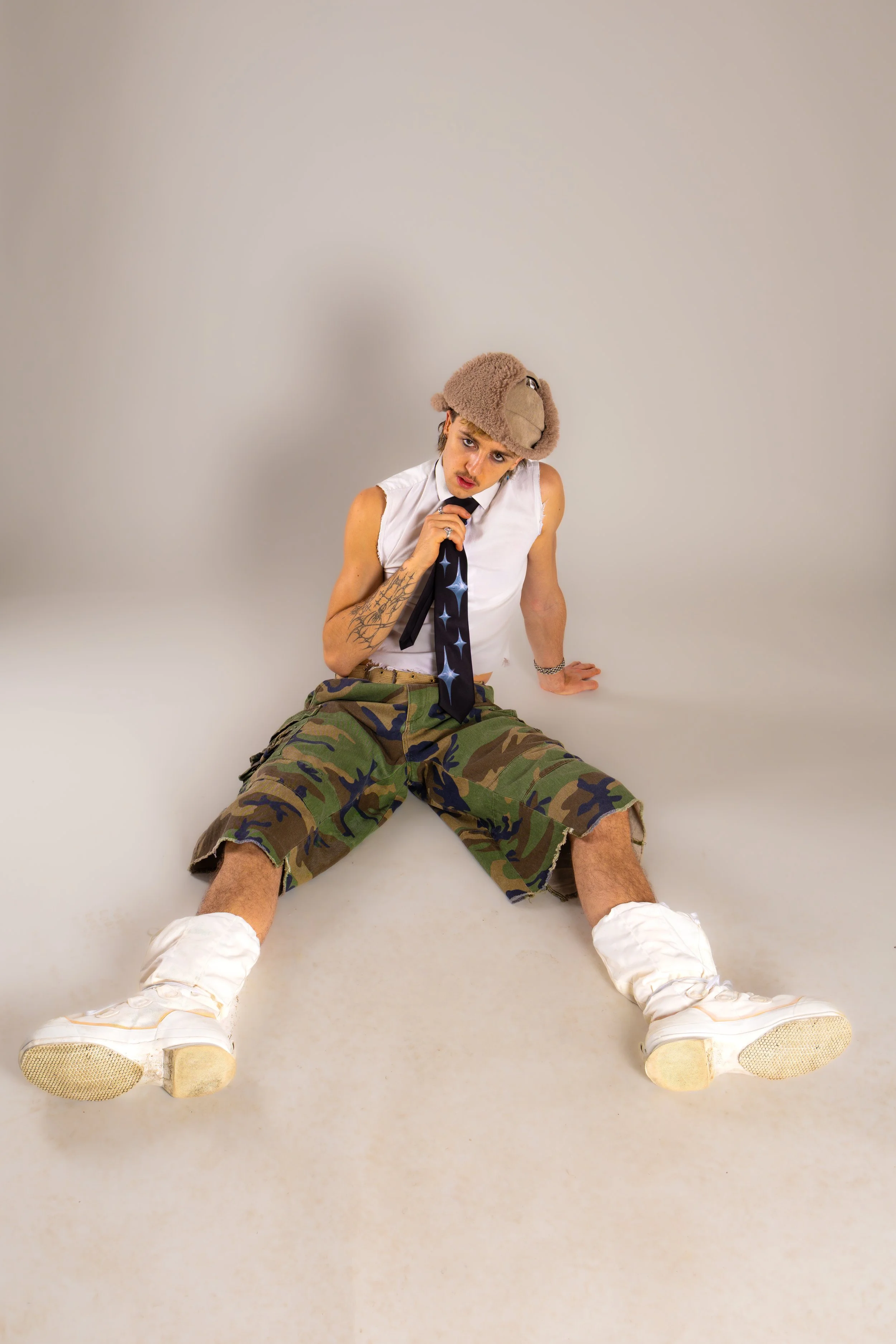
I’d like us to have more room to try things without immediately being put in a box. You can love hard music and cheesy melodies. You can care about your outfit and still take DJing seriously. To me, none of that is a contradiction. Sometimes I feel like the playful side gets misunderstood, as if having fun means you’re not serious about the music. But you can be jumping around with a tie on and still care about every single transition. I definitely do.
You describe putting on your tie as the signal that it’s showtime. How did it become your signature, and does wearing it change how you feel when you step behind the decks?
The tie was already my thing when I was just going out partying, so becoming my DJ signature was super organic. No marketing shit, haha. Putting it on now still makes me feel like the same old Davy, just with the twist that I’m the one making people dance. It means showtime, but it doesn’t feel like putting on a character.
You customise vintage clothes and build your style around creativity rather than labels. Does putting together an outfit come from the same instinct as putting together a set?
They’re two very different things, but with both I think carefully about what fits the event. What do I want to wear, and what do I want to play? If I’m playing a dark club, both my outfit and my set can be completely different from a festival show. It’s still me, but a different side of me comes out depending on where I am.
You’ve said that people deserve the best possible version of you on stage. How do you balance that commitment with looking after your own mental health, especially on days when you’re not feeling your best?
This might sound cheesy, but stepping on stage usually makes me feel good. It’s my natural habitat. Even if I’ve had a bad day, once I start playing, I can often forget about those feelings for a while.
Something else I always think about is that there’s probably at least one person in that room who’s never seen me before and is really excited to be there. I never want them to leave thinking, “He looked more fun on social media.” That thought gives me a lot of motivation. Usually, once the crowd starts giving that energy back, I’m fully in it too.

During an all-night-long set, you have time to build a different relationship with the crowd. What can you explore over several hours that a shorter festival slot doesn’t allow?
My fans know I love lots of different styles: groove, gabber, makina and so much more. An all-night-long set is the chance to hear all those sides of me. In a festival slot, I have time for some of my own productions and a selection of bangers, but I can’t fit my whole taste in music into it. With a whole night, I can take a few detours and play things people might not expect from me. That’s really exciting.
Your collaboration with Mika Heggemann, “Discotheque,” brings your energy into the studio. When you produce, are you imagining a particular dancefloor moment, or does the track begin somewhere more personal?
Yes, I always do the “dance check” after a studio session. I play the new track in my room, imagine I’m on the dancefloor and actually dance to it. It really helps with the arrangement because I can feel when a section goes on too long or something stops making me move. Sitting in front of the screen, I can overthink things. Dancing to it makes it pretty obvious whether it works.
Community is a big part of how you talk about music. As your audience grows beyond Munich, what do you want people to feel part of when they come to a Davyboi show?
I want people to arrive with the highest expectations and still leave thinking, “Okay, that was even better than I expected,” haha. But the feeling I want them to be part of is the one that made me fall in love with partying: looking at your friends, screaming the same melody and seeing everyone around you smiling too. Whether you’ve followed me for years or it’s your first show, I want you to be right in the middle of that.
