
IN CONVERSATION WITH DEBS HOWARD
interview by JANA LETONJA
Canadian actress Debs Howard closed out 2025 with a defining career moment. Her standout supporting performance in ‘Die My Love’ has drawn critical attention during awards season, with praise highlighting her ability to hold her own opposite Jennifer Lawrence and Robert Pattinson. Premiering at Cannes to a six-minute standing ovation and now distributed globally by MUBI, the film marks a major artistic milestone for Debs, one that reflects both her emotional precision on screen and a body of work shaped by range, discipline, and quiet ambition.
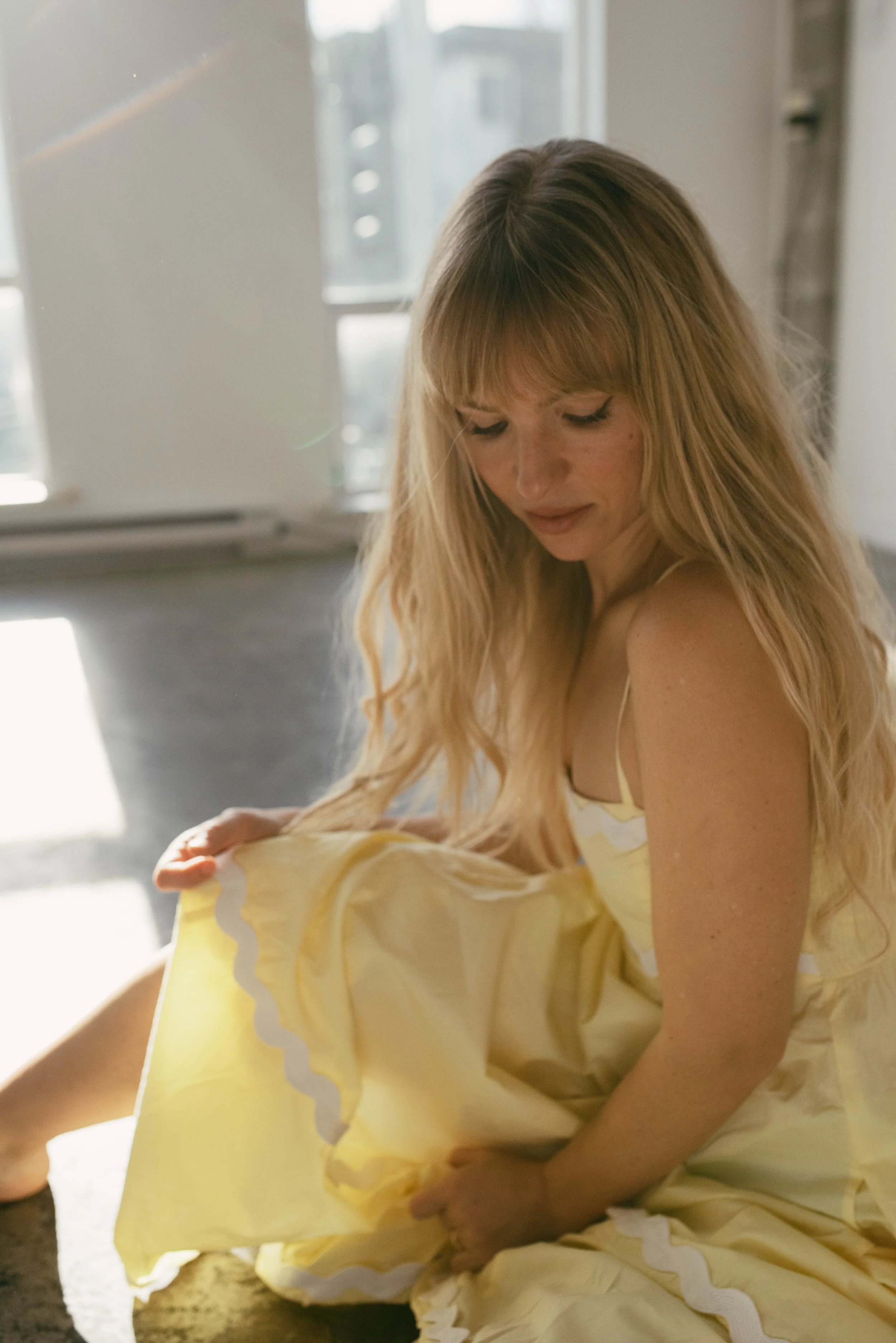
‘Die My Love’ has been described as a career milestone for you. When did it first hit you that this project was something truly special?
Honestly, it started the second the audition request landed in my inbox, and I saw Lynne Ramsay and Martin Scorsese’s names attached. I had a brief internal moment of, "Surely this is a mistake and meant for a different Debs Howard". But once I recovered, I knew that pairing of filmmakers alone meant the project was going to be something unique and fearless.
Then I found out Jennifer Lawrence was involved, and that’s when it tipped from “extraordinary” to genuinely electrifying. Reading the script was a visceral experience for me, especially as a young mother. It felt poetic and unsettling in equal measure, sort of like something that gets under your skin quietly and refuses to leave. I knew then that this film was going to stay with people long after the credits rolled.
What initially drew you to the role of Marsha, and how did you begin shaping her inner life?
What fascinated me most about Marsha was actually what she didn’t say. She enters her first interaction with Grace with what appear to be perfectly reasonable, even kind intentions, and then, somewhere mid-conversation, the temperature subtly shifts. Suddenly, it’s a game of cat and mouse, where Marsha is circling Grace while pretending she absolutely is not.
Marsha plays with Grace just as much as Grace plays with Marsha, despite them coming from very different social positions. However, they both have a shared, unspoken understanding and familiarity. To shape Marsha’s inner life, I leaned heavily on my own experience as a mother. Those moments where you’re presenting as composed and capable, while internally you’re doing emotional parkour just to stay upright.
I felt that Marsha recognizes that same internal chaos in Grace and genuinely wants to connect with her, at least at first. But when it becomes clear that Grace isn’t going to budge, Marsha starts quietly adjusting her tactics to regain control. I’ve been both women at different points in my life, which made that dynamic feel deeply familiar. I wanted to honor the writers’ intention while also letting the audience feel the slow, delicious unraveling of this very polite, very passive-aggressive power struggle.
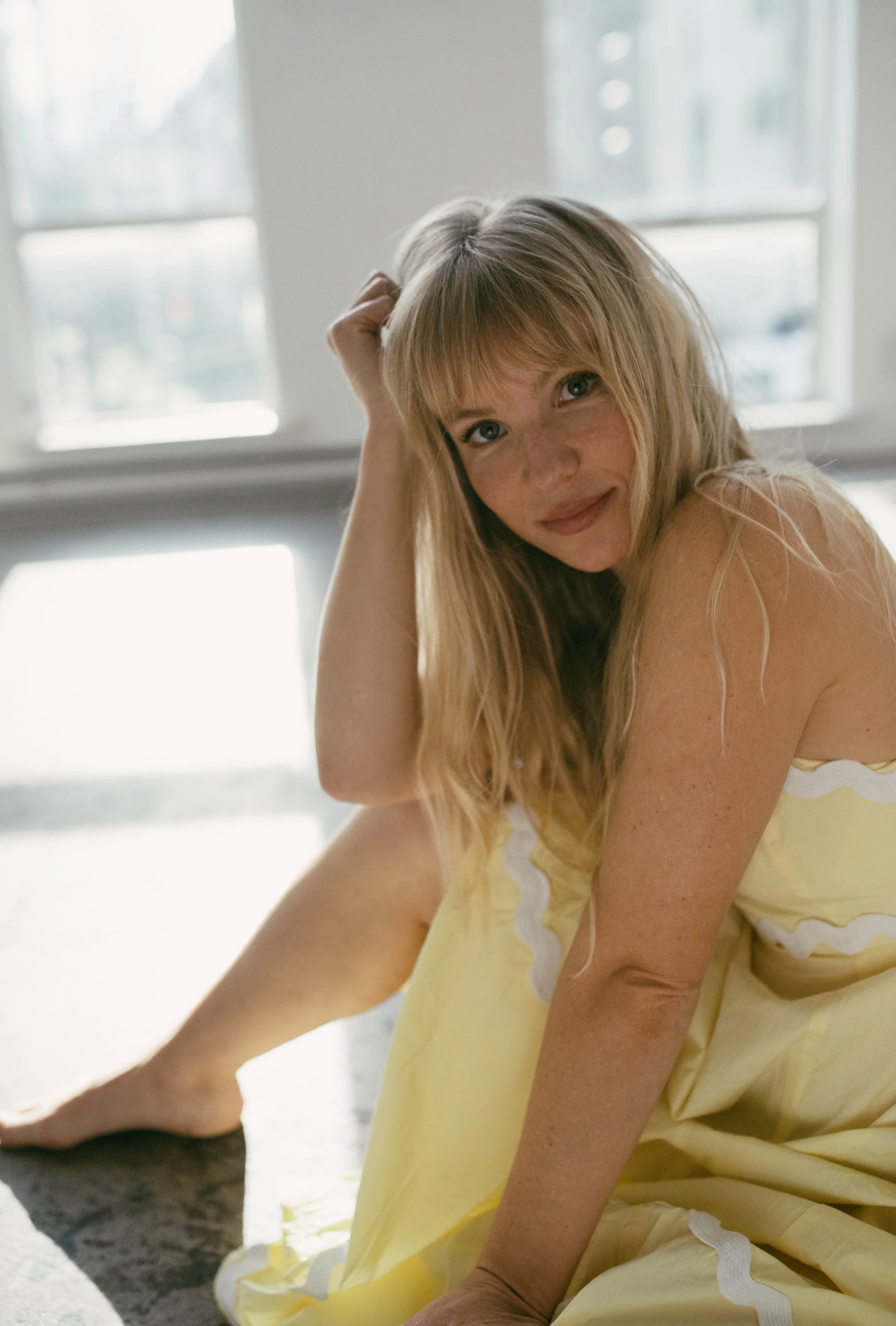
Lynne Ramsay is known for her deeply intuitive, emotionally charged directing style. What was it like working under her guidance?
It was incredibly freeing, and a little terrifying, in the best way. I have so much respect for her. Lynne works from instinct, not fear, and she invites you to do the same. There’s very little over-explaining. She trusts her process, as well as your emotional intelligence, and once you realize that, you stop trying to be “right” about your performance and just lean into being honest. It’s a very alive way to work.
The film explores intense psychological terrain. How did you take care of yourself while working in such heavy emotional spaces?
The intensity for me didn’t come solely from the emotional landscape of the script. It also came from the thrill and mild terror of working alongside people I admire so deeply, like Lynne and Jennifer. There’s something wonderful and destabilizing about being in a room where the creative bar is that high.
I’m a big advocate for mental health, so when I felt myself getting overwhelmed, I tried to ground myself in very practical ways. I’d take quiet moments alone and mentally run through the things I’m grateful for, starting with the fact that I was even on that set in the first place. Also, just losing myself in the work of the scene between "action" and "cut", and then turning to the other actors and crew to have a good laugh, helps keep everything in perspective. I’m a big believer that you don’t need to suffer endlessly to create a truthful and vulnerable performance.
And then, at the end of a long day, I’d do what many great artists before me have done, responsibly enjoy a glass of wine and doom scroll through Instagram.
How did it feel premiering at Cannes and experiencing that six-minute standing ovation firsthand?
Absolutely surreal. Walking the red carpet at the Cannes Film Festival was not on my personal bingo card, but it's a moment I replay in my head often. The buzz was intoxicating. And when the credits rolled on the film, the room was sort of in awe, as we were all just processing the art that we had just witnessed in our own way. It felt like a standing ovation was the least we could do to express ourselves where words didn't suffice, and I was just so thankful and humbled to have been a part of it. My shoes were also killing me, so I was grateful the standing ovation didn't last any longer than 6 minutes.
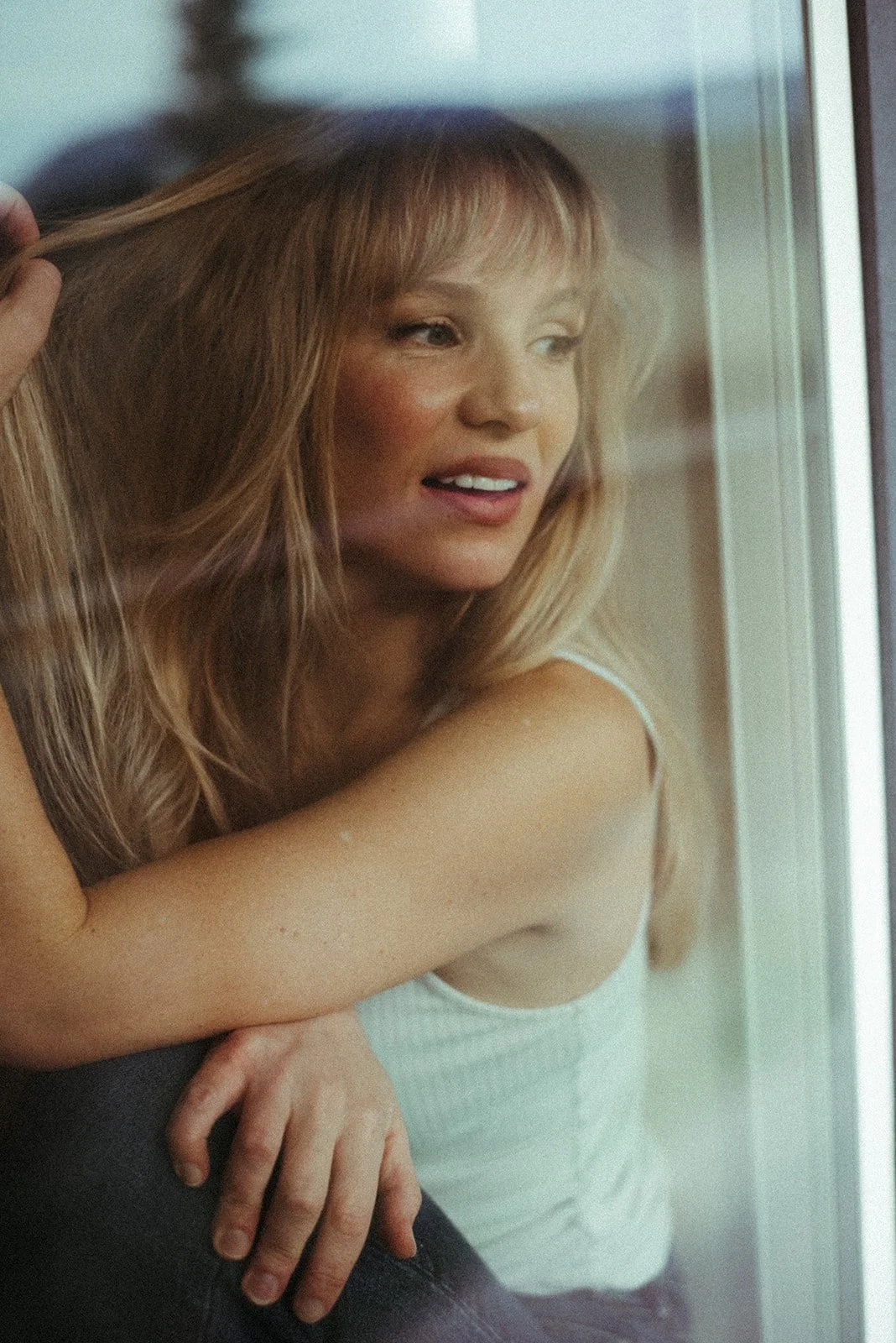
You’ve worked across prestige film, network television, and Movies of the Week. How has that range shaped your approach to storytelling?
I have so much fun with it. Every format teaches you something different. Television teaches me about pacing, stamina, and adaptability. Movies of the Week teach me about tone, clarity, and efficiency. Indie and prestige films teach me about nuance, taking risks, and trusting that process. I don’t see any of it as hierarchical, they're all different storytelling muscles, and they are all such a blast in their own way. Regardless of the format, I always make sure to understand my character as deeply as I can, to be open, and to have faith in my instincts.
Coming from a small mountain town in British Columbia, how has your upbringing influenced your perspective as an actor?
I was incredibly lucky to grow up there. Living in a small mountain town teaches you work ethic and resilience by default, and it also teaches you how to be creative when there aren’t many formal opportunities. Acting wasn’t exactly readily available, so I had to invent ways to perform and express myself. I essentially built my own framework, which was freeing because there were no real rules or limitations to my own creativity.
I carried that mindset with me into my career. I learned the structure and discipline of the craft, but I also learned that sometimes the most honest work comes from thinking outside the box and bending those rules when it feels authentic. Growing up there also instilled a deep belief in finding the fun. I don’t think any creative career is sustainable without it, and I had a lot of joy where I grew up. That sense of play is something I try very hard not to outgrow, and having young kids forcing me to play unicorns and lego on the daily, helps with that too.
As a mother of two, how has parenthood changed the way you relate to characters and stories?
It’s cracked me open in ways I didn’t see coming. My empathy and vulnerability come faster now. I understand the stakes on a more cellular level. I've expanded emotionally in every way, from experiencing the greatest joy I never knew possible to the deepest anxiety and guilt. I take all of that expansion with me into the character work I do, and often I think it's helped me relate to characters and stories that I otherwise wouldn't have been able to. And this has also given me greater empathy for characters that I otherwise may not have understood, or maybe may not have wanted to.
What kinds of roles or collaborators are you most drawn to as you move into this next chapter of your career?
I’ve always wanted to make people think and make people laugh, ideally in the same sitting. I’m drawn to the collaborative process of telling stories that matter, stories that make people feel seen and understood. And if, somewhere along the way, they also get to laugh or feel a bit of joy, that feels like the best possible outcome.
As for roles, I’m most excited by characters who are allowed to be messy, women who don’t need to be pretty or particularly likable to be worthy of attention. Those are the ones that tend to feel the most human to me. I try to learn something from every director, writer, and collaborator I work with, and I’m especially drawn to people who take risks and don’t feel the need to fit neatly into a mould, very much in the spirit of someone like Lynne Ramsay.
Looking forward, what can you share with us about your upcoming projects?
I had the opportunity to guest star on a Canadian series called ‘Private Eyes: West Coast’ that will be released later this year. This was such a fun episode where I was able to do more stunt work than I have ever done in any project previously.
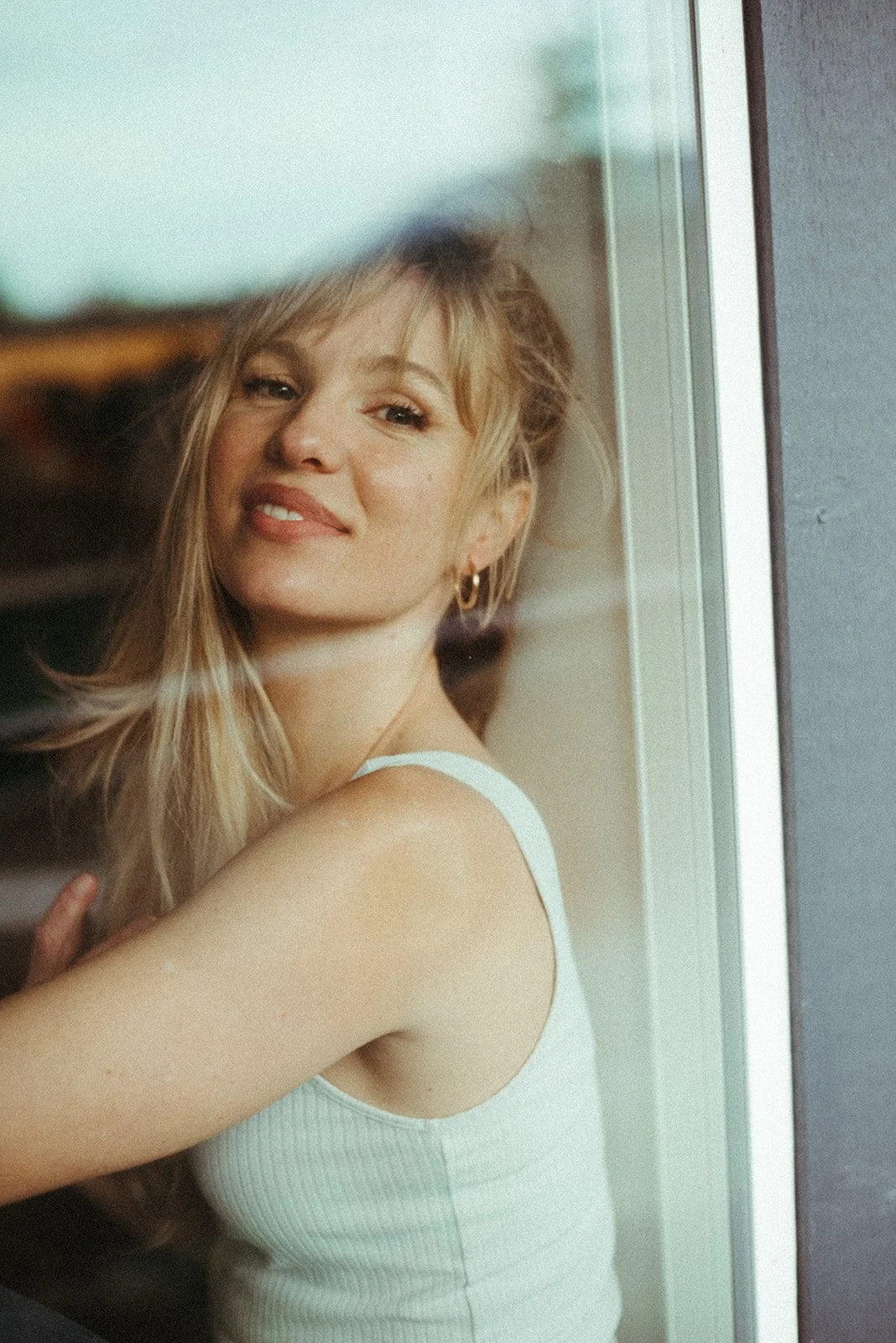
TEAM CREDITS:
talent DEBS HOWARD
photography LINDSAY ERICKSON
