
From the vibrant theatre scene of Buenos Aires to the international spotlight, Delfina Chaves has emerged as one of Argentina’s most captivating acting talents. With a career that began at just 16, she has steadily built an impressive portfolio of performances across television, theatre, and major streaming platforms. Her breakthrough portrayal of Máxima Zorreguieta, the future Queen of the Netherlands, in the internationally acclaimed series Máxima introduced her to audiences around the world and marked a defining moment in her career. Following the success of the series and her return for its second season, Delfina continues to expand her artistic horizons, balancing projects between Argentina and Europe. With Netflix’s upcoming production El futuro es nuestro, scheduled for release in 2027, on the horizon, she represents a new generation of international performers whose talent transcends borders.
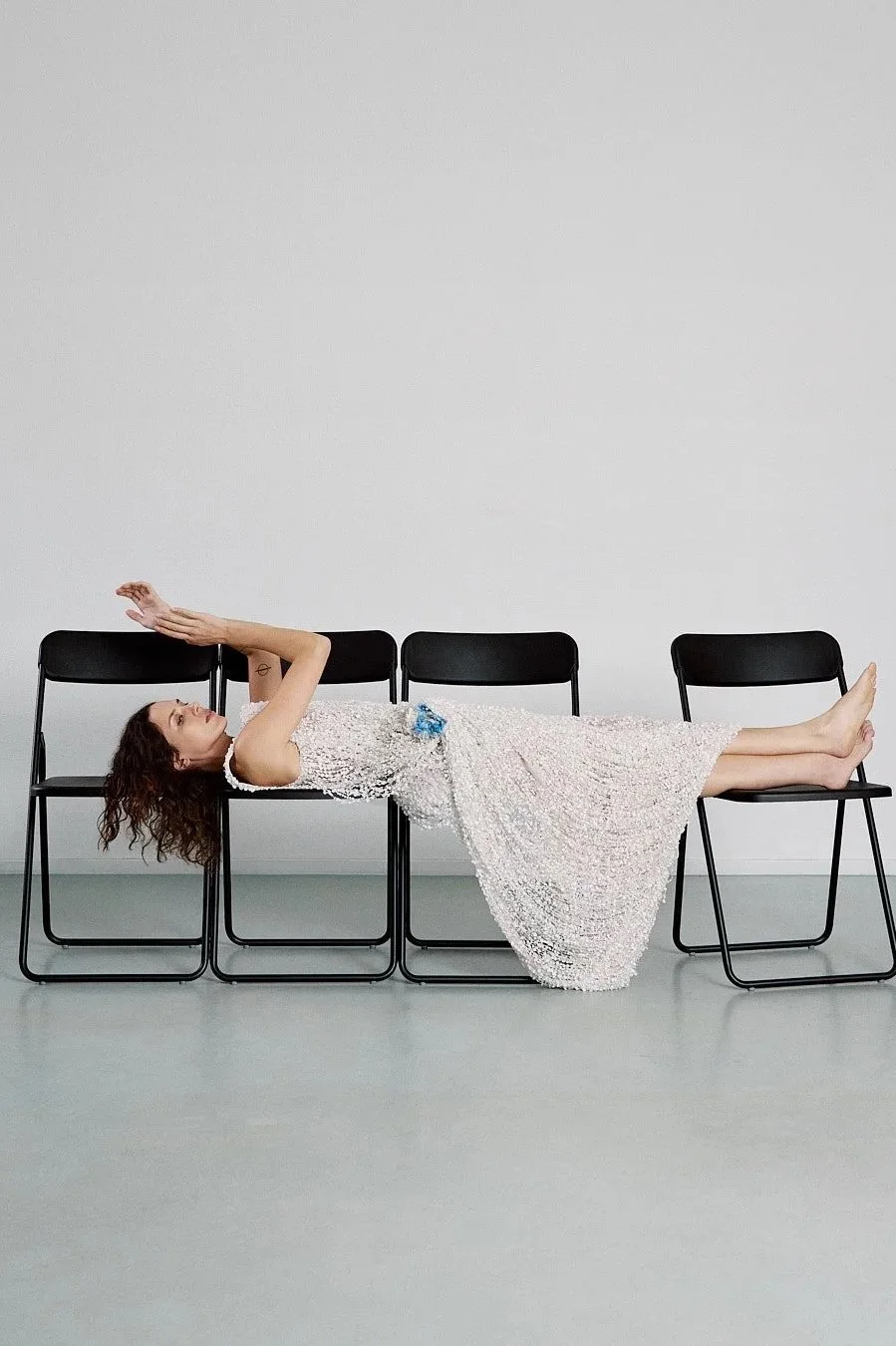
dress DIOR
You began your acting career at just 16, performing on stage in Argentina. Looking back at those early experiences, what first attracted you to acting, and how has your relationship with the profession evolved over the years?
For me, acting began as a way of being part of a community I admired and felt safe in. My parents divorced when I was very young, and I grew up living with my mother. She didn’t have anyone to look after me, and we couldn’t really afford a nanny, so she would take me along to her daily activities.
Becoming an actress had always been a dream of hers, but she had never been given the opportunity to pursue it. Her family hadn’t really allowed her to do so while she was growing up, so she only started taking acting classes when I was around eight or nine.
I feel a deep sense of pride in being able to dedicate my life to something that so many women in my family, like my mother, and there’s a similar story with my grandmother, were never given the chance to pursue. In a way, that’s also a source of inspiration for me.
When I was eight or nine and I would go to those acting classes with my mother, I didn’t want to sit in a corner waiting for her and get bored, so I asked if I could join in and play with everyone. We would improvise and do acting exercises. To me, it was just playing. It didn’t feel any different from the games I would play with my friends at home after school.
I find it funny how closely acting resembles the games we played as children. I think the profession, and the industry as a whole, are moving further and further away from that idea, the process has become very results-driven, and time is always running short, leaving very little room for trial and error. Especially nowadays, when streaming platforms impose increasingly tight deadlines on productions.
Sometimes you have to get it completely wrong, over and over again. But that process can lead you to discover ways of playing a character that you hadn’t even considered before. That’s why rehearsals are so important to me. Every project should provide a safe space where you’re allowed to make mistakes, because they’re an essential part of the creative process.
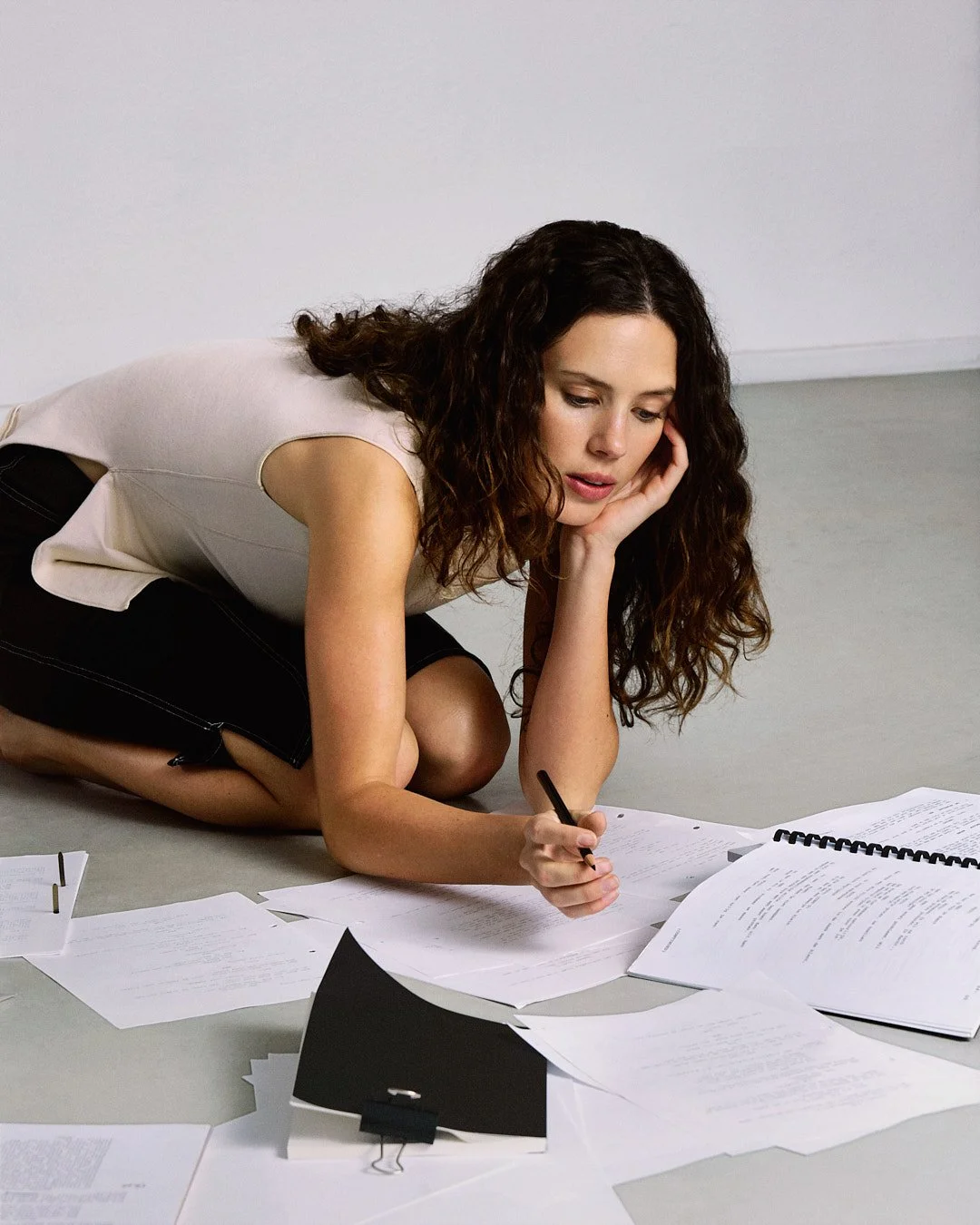

top CÉCILE THIBAULT
shorts LOUISE MARCAUD
You’ve worked across theatre, television, and streaming productions. How does your creative process change depending on the medium, and what does each offer you as an actress?
When working on a series, you’re constantly discovering your character as you go. Continuity can be challenging because scenes are rarely shot in chronological order. You might start by filming the final scene, only to shoot the very first scene on your last day. Even halfway through the shooting process, you might discover something new about the character that changes the way you understand an earlier scene.
Theatre offers a very different process. You have a long rehearsal period to explore the same scenes over and over again. By the time the play opens, you know the material inside out. With screen acting, specially series, there’s much more beyond your control, and far less time to explore each scene through repetition. You have to surrender to the process and trust that, in the end, everything will come together.
As actors, we’re the ones people see on screen, but acting is always a collaborative effort. There’s a whole team of incredibly talented people behind the camera, and no one does it alone. At least for me, it would be impossible to see myself being part of this profession without the help and guidance of others.
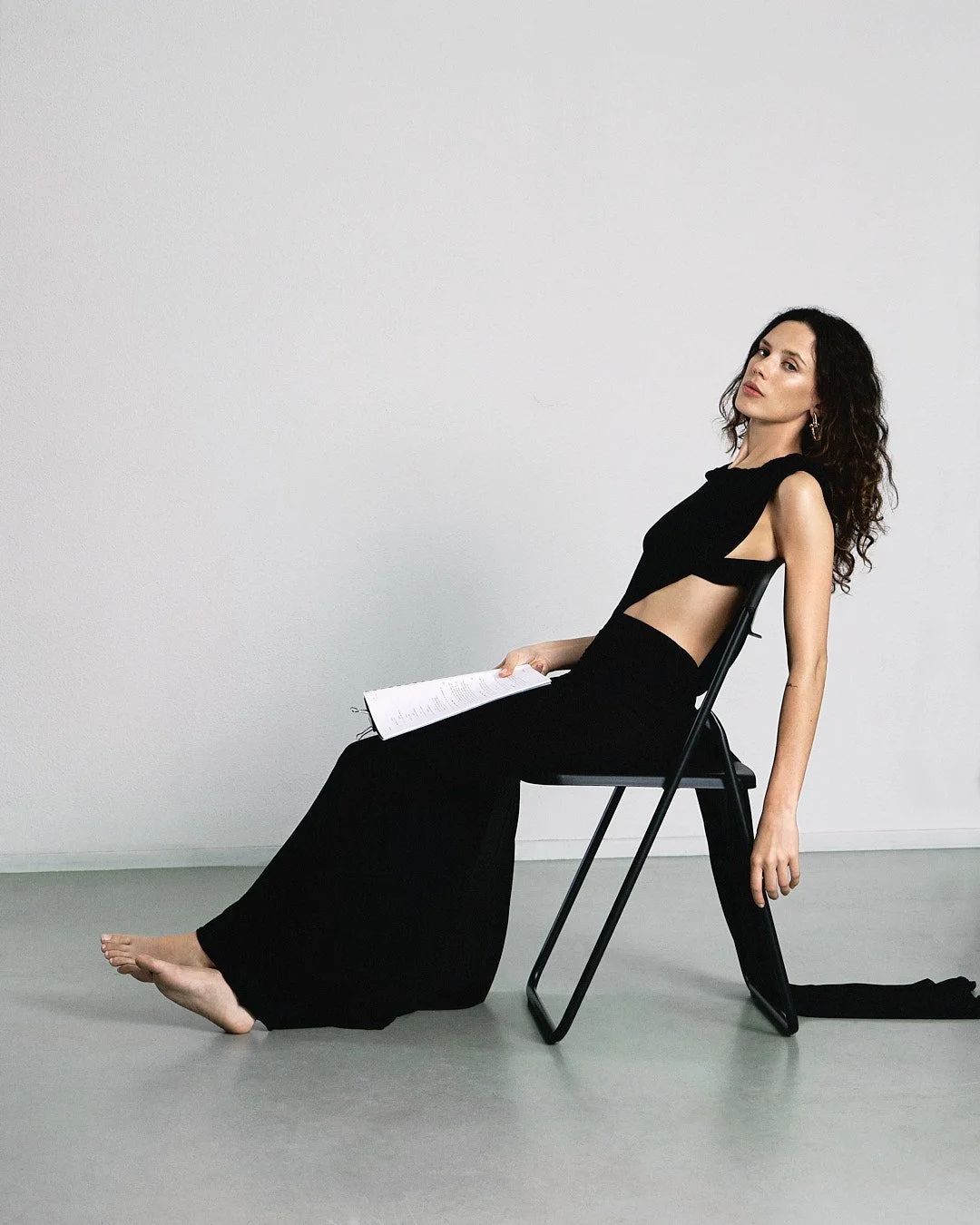
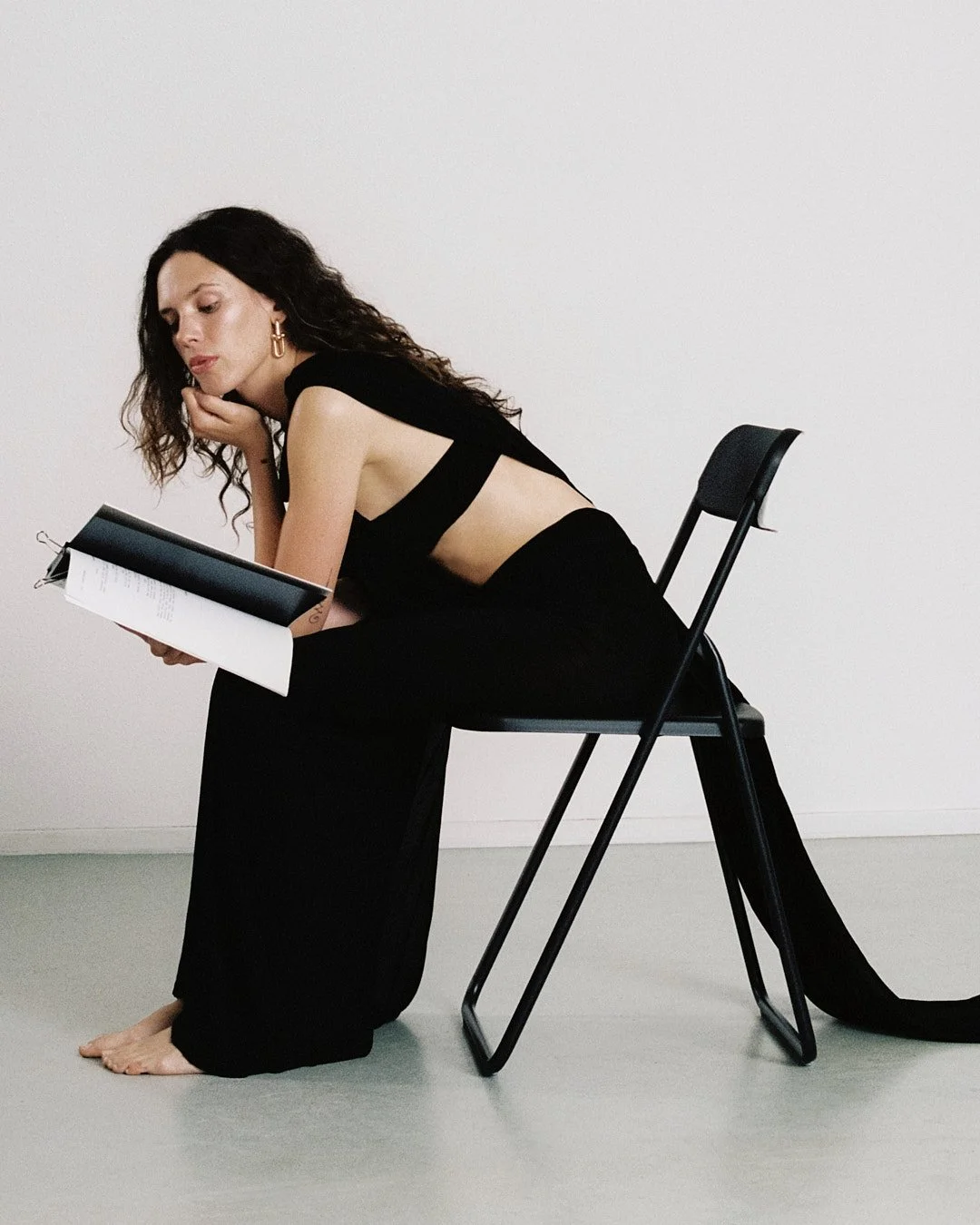
dress BALENCIAGA
earrings CARTIER
Argentina, tierra de amor y venganza was a significant turning point in your career. What did that experience teach you about yourself, both professionally and personally?
I know I still have a long way to go and a lot to learn, but I was very young and inexperienced when I was offered that opportunity. It was my first leading role, and I learned a lot. I also got frustrated and cried a lot as well, so I guess there was a lot of learning involved.
More than anything, I learned that working on a set requires a certain kind of endurance, both physical and emotional, but also a willingness to let go of your ego. You don’t always have the time to do a scene as many times as you feel you need to get the best possible take. You have to adapt to a very tight schedule and learn to make the most of what you’re given.
I’m someone who likes to explore things thoroughly, so learning to work under those conditions was a real exercise for me. In a way, it helped me let go of a fair amount of ego and pretentiousness. Sometimes you have to accept those limitations, let go of your expectations, and find a way to work within them.
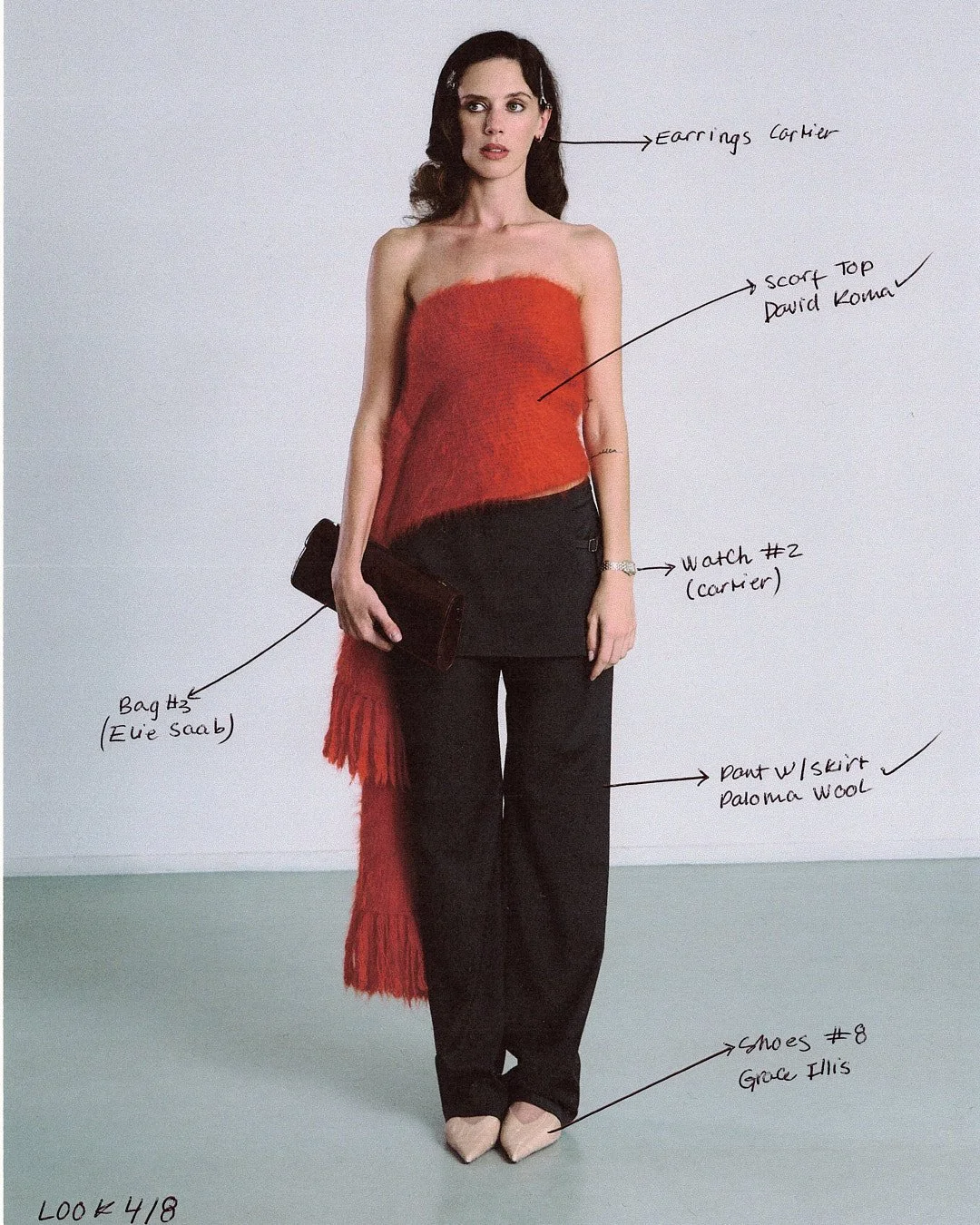
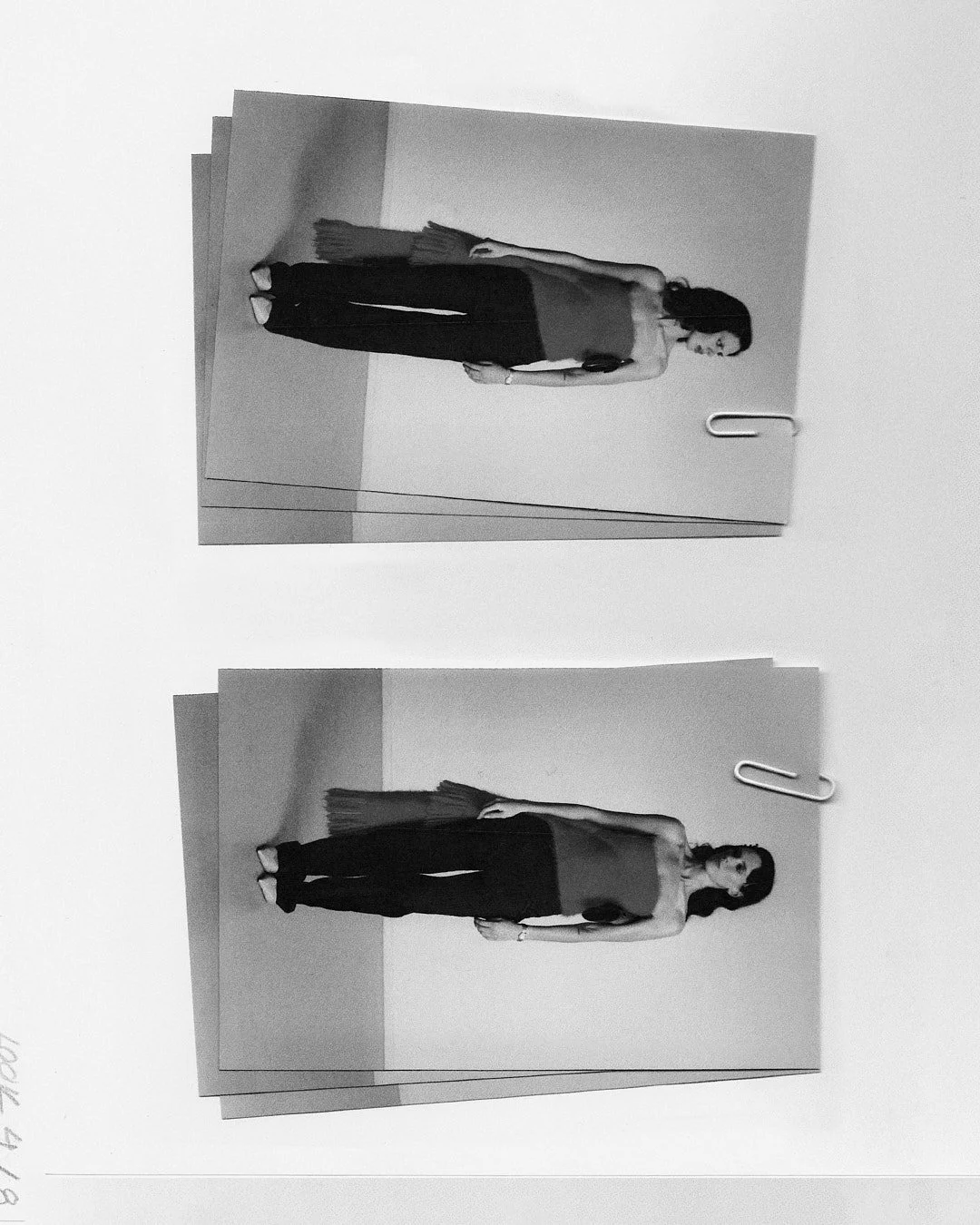
top DAVID KOMA
trousers PALOMA WOOL
bag ELIE SAAB
shoes GRACE ILLIS
watch earrings CARTIER
Throughout your career, you’ve portrayed women with very different personalities, backgrounds, and emotional journeys. What qualities attract you to a character, and how do you decide which stories you want to be part of?
I’m drawn to characters who reveal their contradictions as the script unfolds. I find it particularly interesting when a script exposes parts of a character that they would rather hide from everyone, including themselves.
I’m much more drawn to character-driven stories than to plot-driven ones, even when I’m watching something myself as part of the audience.
I love projects where what keeps you watching is the protagonist’s personality, their inner world, and the perspective from which they see life.
Playing Máxima Zorreguieta in Máxima introduced you to a much wider international audience. What initially drew you to the project, and what was your first reaction when you learned you would be portraying the future Queen of the Netherlands?
I didn’t know much about the project or about Máxima herself during the audition process. I was told I’d got the part, and only then did I receive the scripts.
Before reading them, I was a little worried that the story might revolve mostly around palaces, expensive clothes and jewellery, things I have very little connection to and that don’t really speak to me. But as I read them, I realized it was above all else, about family conflict, standing up to your own father, and challenging the values you were brought up with so you can find your own path. I found something I could relate to. Those are universal themes that anyone can connect with, regardless of their background.
I did feel a great sense of responsibility, of course. But I quickly learned that the production, the directors and everyone involved were committed to telling the story with respect. That allowed me to let go of part of that responsibility and focus on telling the story of a real human being. With all it’s contradictions and secret desires.
Portraying a real person, particularly someone as internationally recognized as Queen Máxima, comes with unique responsibilities. How did you balance historical accuracy with your own artistic interpretation of her personality and experiences?
The production team and everyone working behind the scenes made a great effort to get the historical details right whenever they felt it was important to stick to the real events. Of course, there were also moments when they took creative liberties, because it’s still a work of fiction, not a documentary.
When it came to recreating real public appearances, interviews and speeches, I felt like a very different preparation was required from me to get it right. I spent many hours watching videos of Máxima on YouTube, studying her gestures, the rhythm of her speech, her expressions, etc.
But when it came to what happened behind closed doors, nobody really knows what really happened. That’s where I had more freedom to create, always guided by the script, of course. Ultimately, it was a collaborative process. The historical research, the writing and my own interpretation all came together to build the character.
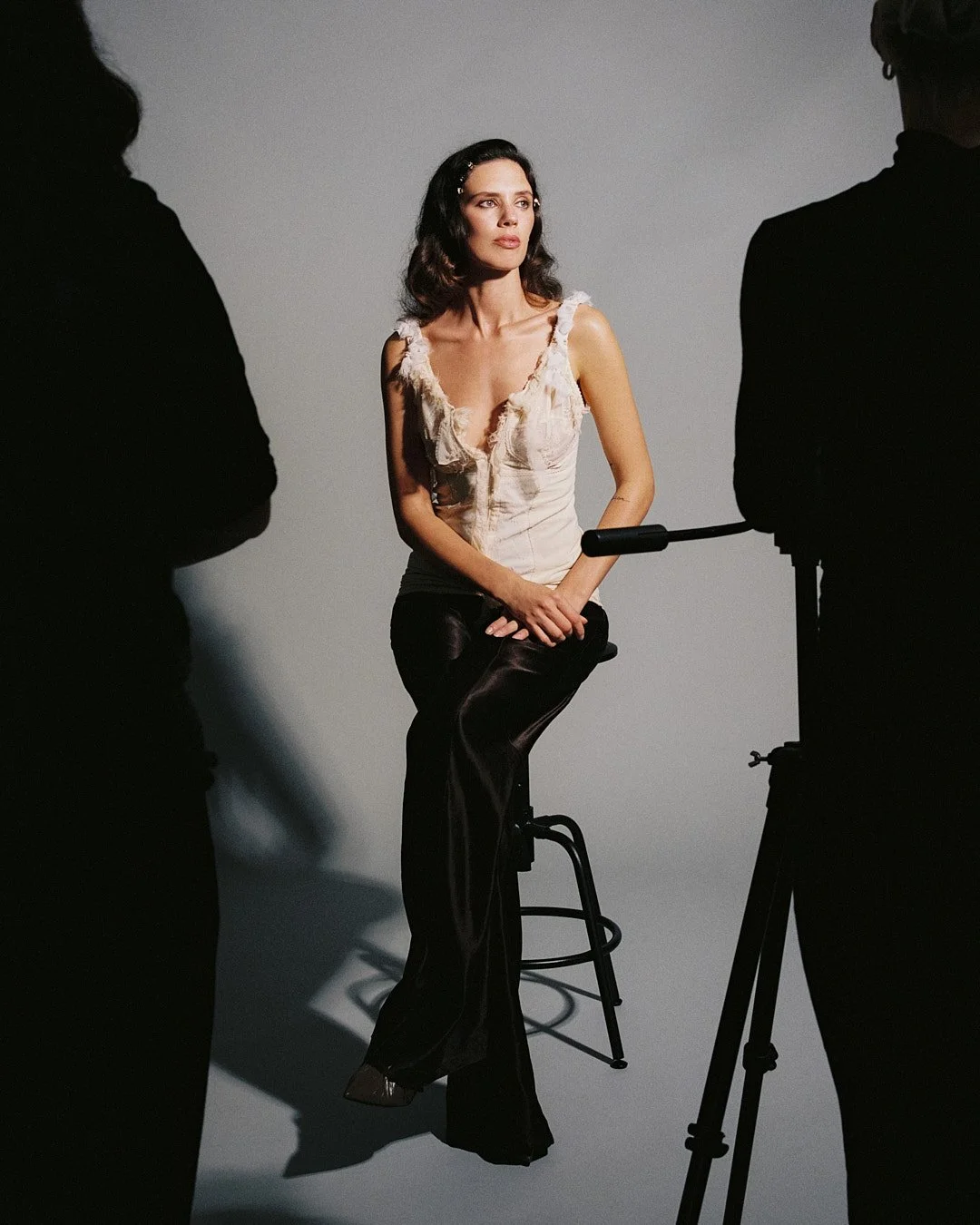
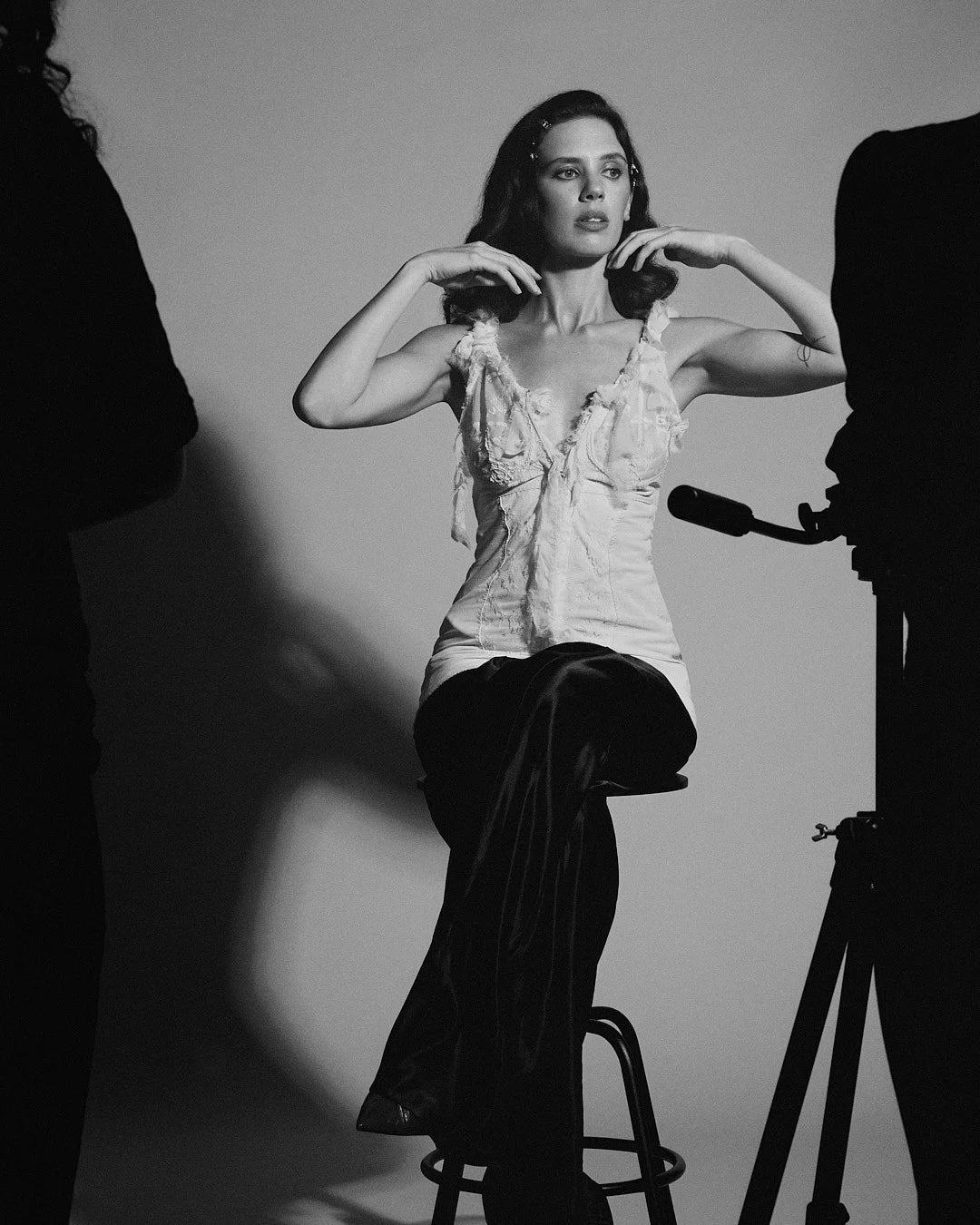
top TANGOLI
trousers JOSEPH
shoes ARMANI
The series explores themes of identity, love, ambition, and adapting to a completely different world. Were there aspects of Máxima’s journey that resonated with your own experiences of building a career outside Argentina?Yes, for sure. Being part of a crew that spoke a completely different language, one I couldn’t understand at all, felt very similar to what Máxima must have gone through. Feeling like an outsider most of the time.
Having to leave your own country, your own culture and your comfort zone is a step that teaches you a lot, but also requires a lot of sacrifice. Being away from your people to me also means being away from a part of your identity, and that was a big challenge for me, not losing myself along the way.
With Máxima reaching audiences in more than 70 countries, your international visibility has grown considerably. How has this recognition changed your professional opportunities and your relationship with public attention?
It hasn’t changed that much, to be honest. I do get offered some jobs without having to audition, but for the most part, I still get a lot of “no’s” for roles I audition for and really want to get.
There’s still so much I want to learn, and so many opportunities I haven’t had yet, which I’m sure will come one day. But, I still have to work very hard and spend a lot of time unemployed, saying no to projects that don’t align with what I want to do right now, so I can wait for the right things to come my way.
For me, an acting career is built quietly, away from the public eye. It’s lovely to receive messages of love and appreciation from the audience, but I don’t think you should ever believe too much in either the very good or the very bad things people say about you.
You’re also involved in Netflix’s upcoming production El futuro es nuestro, scheduled for release in 2027. What attracted you to this project, and what can you share about the story and your character?
I’m super excited about this project coming out. It’s a Netflix Latin American production that brings together people from different Spanish-speaking countries, with different cultures, accents and backgrounds. I find that really exciting.
It’s also a very big production, and I’m really curious to see the end result. I can’t share anything about the story or my character just yet, but I’m really proud to be part of a project that Netflix is investing in at this level in South America. There’s so much talent in this part of the world, across all areas of production, and it makes me really happy to be part of a project that brings that talent together and showcases it.
As your career continues to evolve, are there particular genres, filmmakers, or types of characters you would love to explore that audiences haven’t yet seen you portray?
As I said before, I’m very proud of the path I’ve taken so far, but there’s still so much I want to do when it comes to acting. I’ve never done a feature film, and it’s my biggest dream.
As is well known, Argentina is going through a very difficult time and when it comes to my profession, the cultural sector is facing a very challenging moment. Culture is being severely undervalued and undermined, making it extremely difficult, if not impossible, to finance a film in Argentina right now.
Whether in Argentina or anywhere else in the world, my biggest wish is to be part of a film with a great script, a clear artistic vision, and a team of people who genuinely believe in the project and are committed to bringing that vision to life.
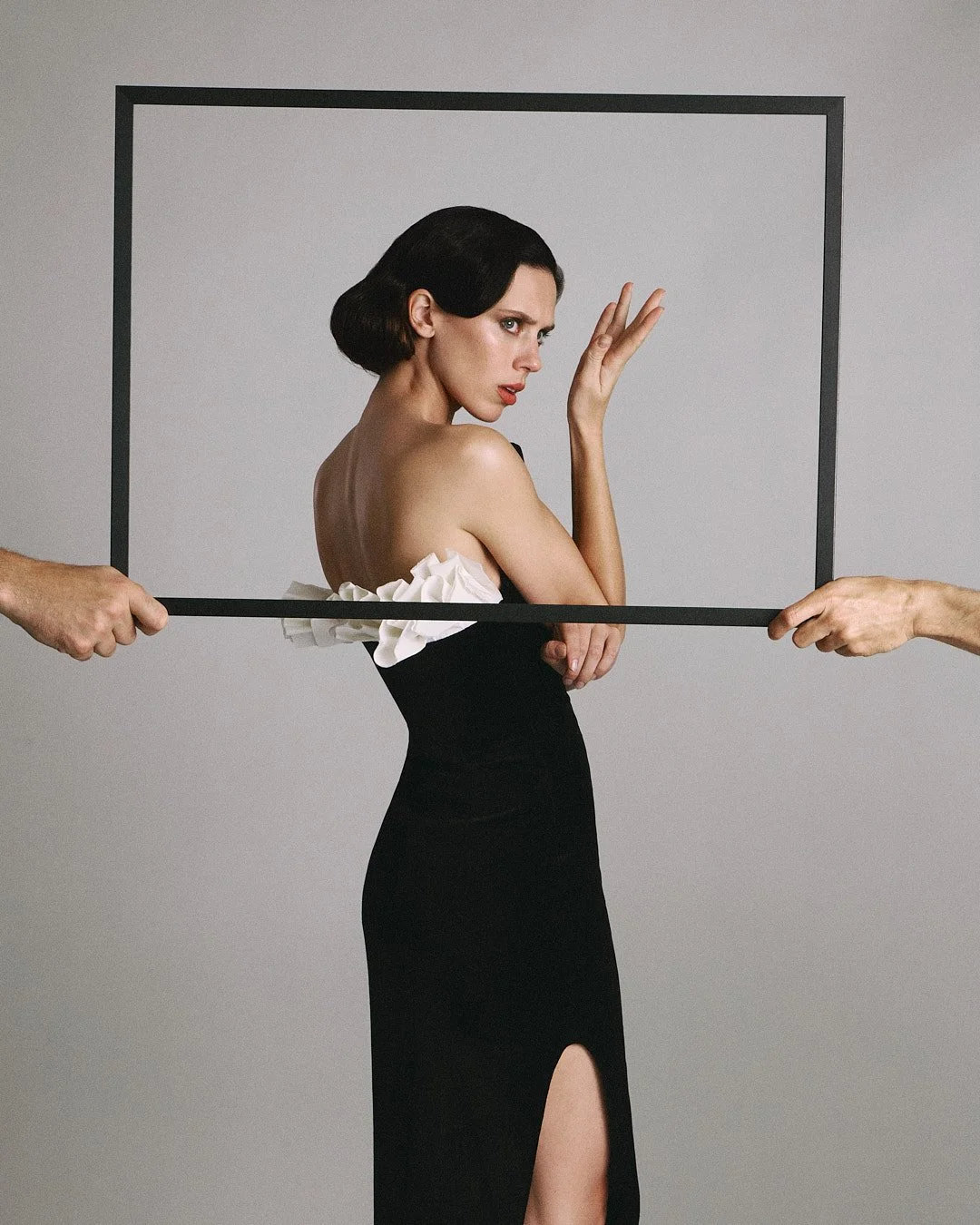
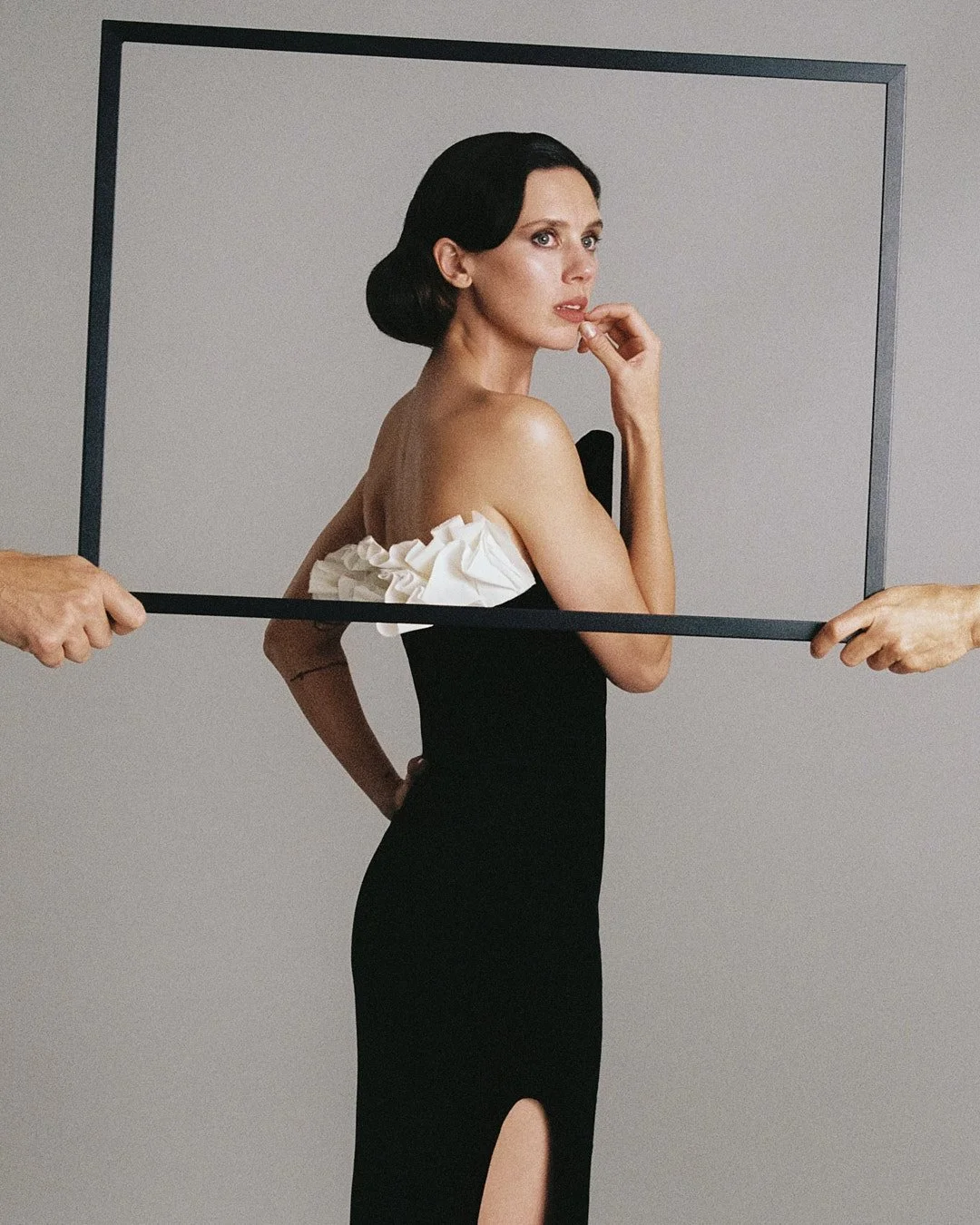
dress A.W.A.K.E. MODE
With an increasingly demanding international career, how do you find balance and remain connected to the people, places, and experiences that inspire you outside of acting?
For me, it’s mostly about my family, my friends, and the people around me. Film sets can become very self-focused. You spend an average of 14 hours a day shooting, constantly thinking about your lines and trying to get the scene right in as few takes as possible. You easily forget that there’s a real world outside of it.
For me, reconnecting with the real world again means having real, simple, little experiences. Spending time with friends, playing with my nieces and nephews, travelling, reading, watching movies. Doing things that don’t have to be productive or lead to any particular result.
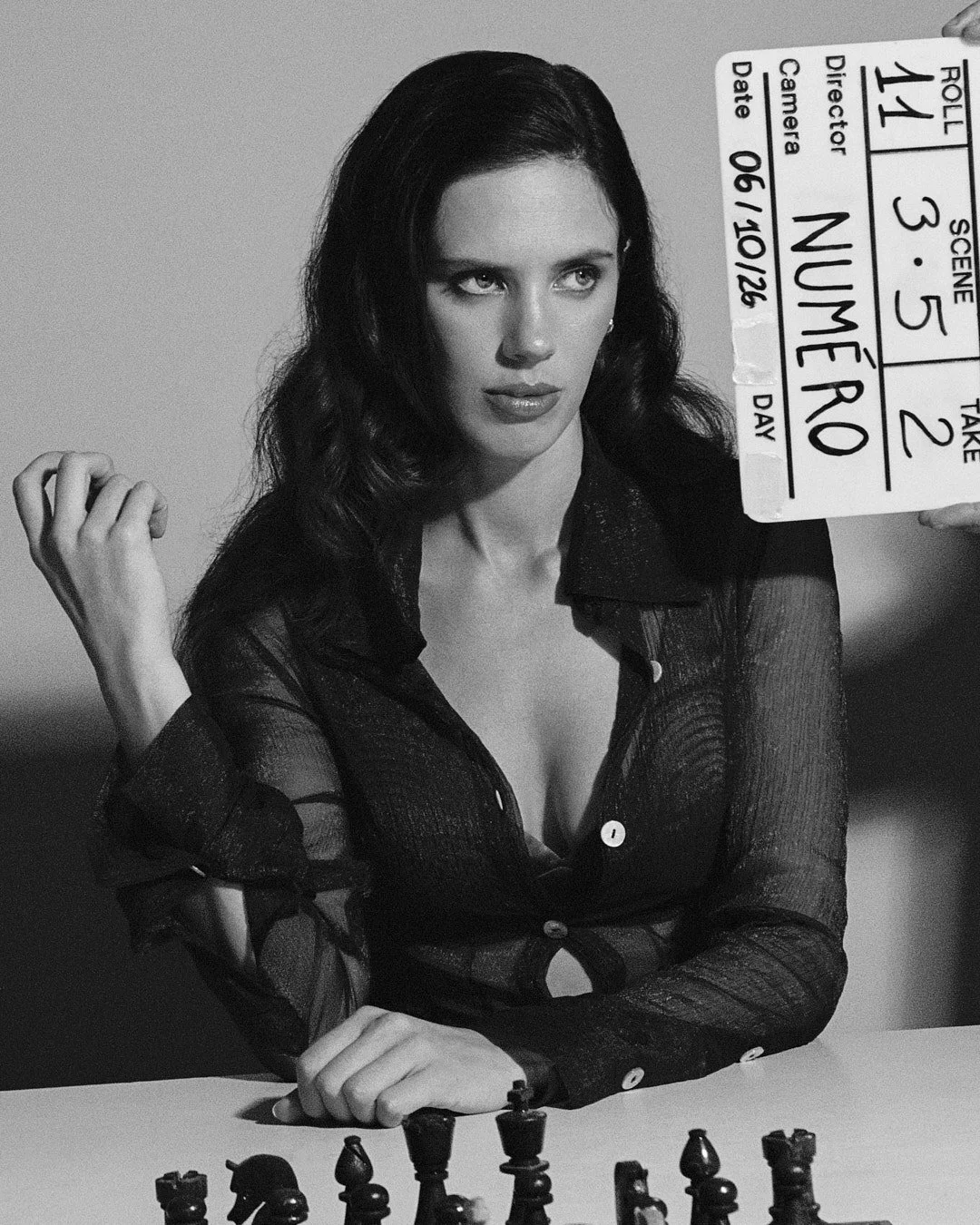
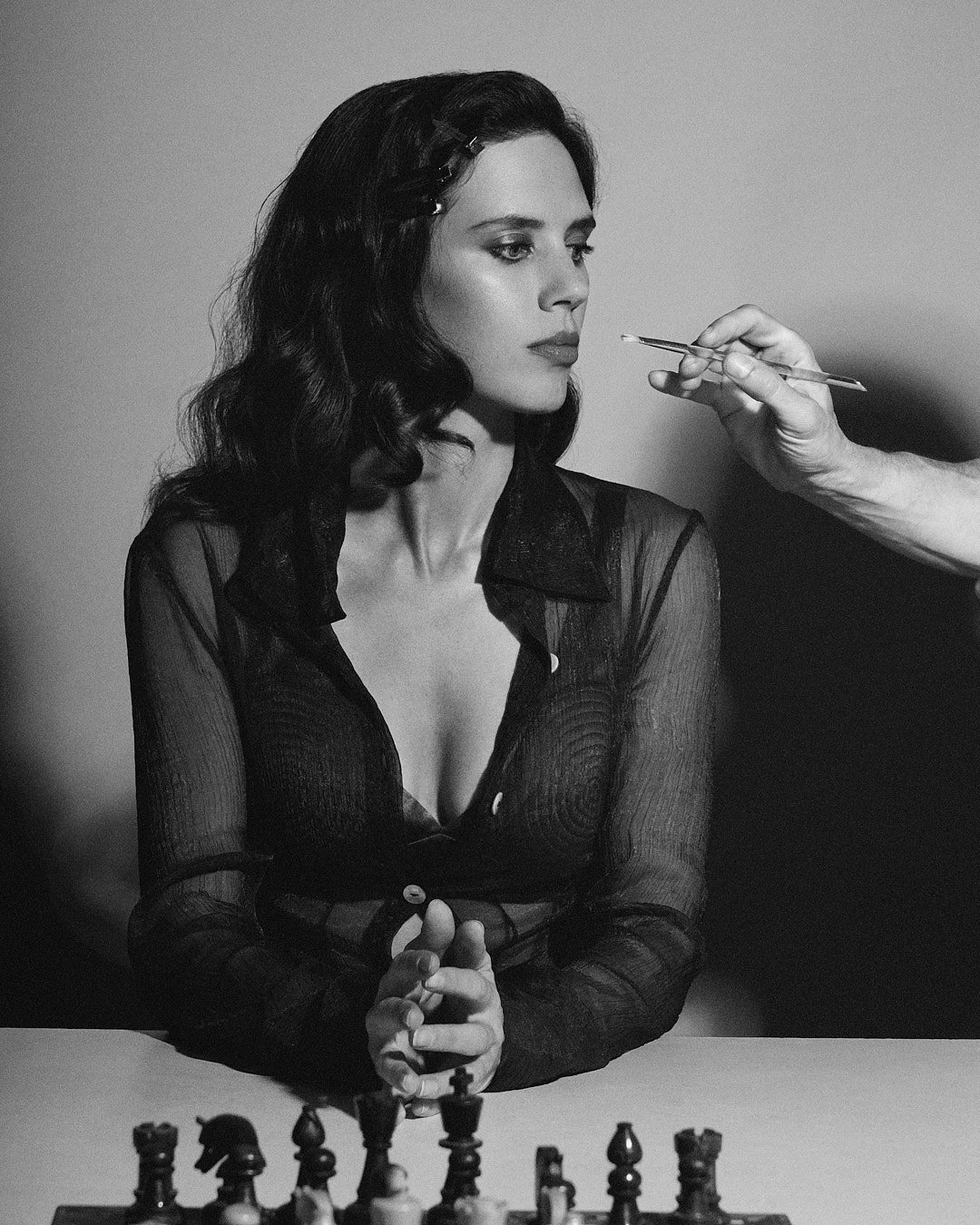
top and dress 1309
Looking ahead, what does success mean to you at this stage of your life, and what kind of personal and artistic journey would you like to create over the next few years?
For me, success means being able to pursue my goals and build the career I want while staying true to my ideals and values. That can be very hard in this Industry.
To me, success also means being part of a group of people who help each other bring out the best in one another, whether that’s with friends, family or your collegues on a film set. Especially given the state of the world today, I find myself thinking a lot about the importance of rebuilding a sense of community. I’m obsessed with that idea.
My dream, artistically, is to use my profession to create and nurture that sense of community. I would love for my work to make someone watching at home feel a little less alone, to spark a conversation, open up a debate, or encourage an exchange of ideas and opinions.
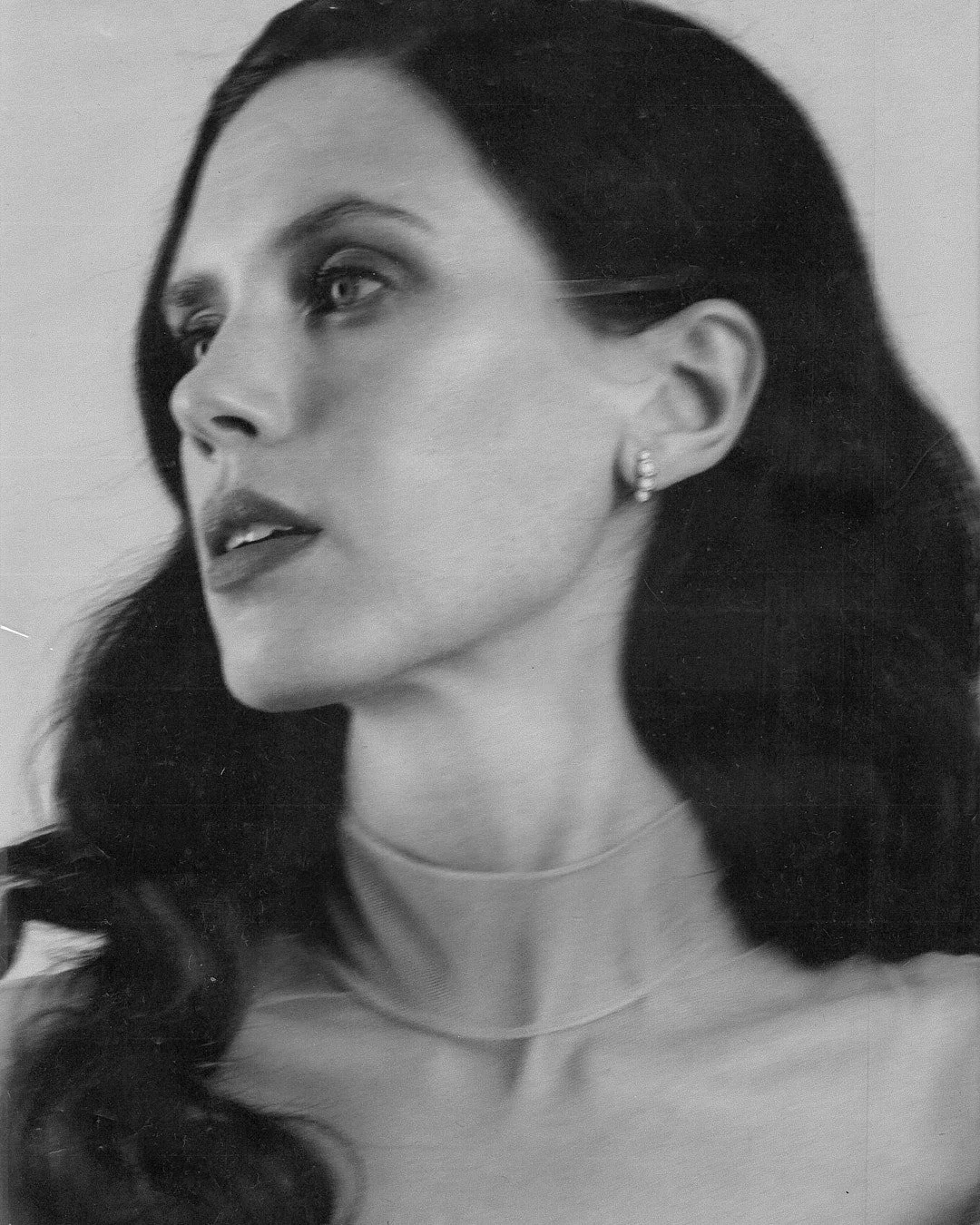
TEAM CREDITS:
talent DELFINA CHAVES
photography CAROLINA SOSA ABÓ
styling EMMANUELLE RAMOS
set design ANTONIA OCHS
makeup CARLOS SAIDEL
hair JODY CUBERLI
retouching BRUNO RODRIGUES
photography and light assistant IÑIGO VIU
photography 2nd assistant PIA VIDAL
styling assistant ANA LAZARO, AURÉLIEN MALEVILLE, NOAH BECHET, ROMANE MATHIS, ADAN SALOMON and MAROUNE LEBRUN
editor TIMI LETONJA
interview JANA LETONJA
