
IN CONVERSATION WITH DONOVYN HUNTER
interview by JANA LETONJA
photography by MARIA ALEXANDRA
Donovyn “Dono” Hunter is fast becoming one of the most electrifying players in women’s college basketball. Now a junior and a key starter for TCU, Dono has emerged as one of the driving forces behind the Horned Frogs’ rise into the top 20 nationally, blending elite efficiency with a commanding presence on both ends of the floor. From her standout freshman year at Oregon State — where she led all Division I freshmen in assist-to-turnover ratio — to TCU’s Elite Eight run and now a high-stakes season ahead, Dono brings leadership, resilience, and undeniable star power. Off the court, her passions for fashion, mental health advocacy, faith, and creativity reveal an athlete with depth far beyond the stat sheet.

What part of your game do you think has elevated the most since arriving in Fort Worth?
I would say the biggest part of my game that has elevated since arriving to Fort Worth is by far my shooting percentages and becoming confident along the 3 point line. As well as gaining leadership within my game, learning how to speak to my teammates in a way each on will grasp, knowing what I have to do defensively to get my team going, and learning how to use my voice because at the next level what sets you apart is learning how to lead in your own desired way.
You’ve been described as a composed floor general and a true two-way threat. What does being a “complete player” mean to you?
To me, being a complete player means taking pride on both ends of the court, not just settling in one category, but also learning how to do tasks that your team specifically needs from you that night. Whether that’s defending their best player one night, getting tips and deflections, focusing on hitting your outside shots when the focus is on other players, getting paint touches when the momentum of the game is slowing down. Just learning to read the game and prioritizing what I need to do to help win a game allows me to play an all around game.
Your assist-to-turnover ratio is one of the strongest in the NCAA. What’s your mindset when you’re orchestrating an offense?
When it comes to offense and taking care of the ball, my mindset is directed towards acknowledging the ball is “gold” is what my team likes to say. One turnover leads to game ending moments when the game is big, so creating a standard for myself to learn how to take care of the ball even in the easier games helps translate to big games when it matters most. My job is to make the right passes, make the right reads, and be aggressive when needed, and with that comes a responsibility to prioritize taking care of the ball as my main goal.
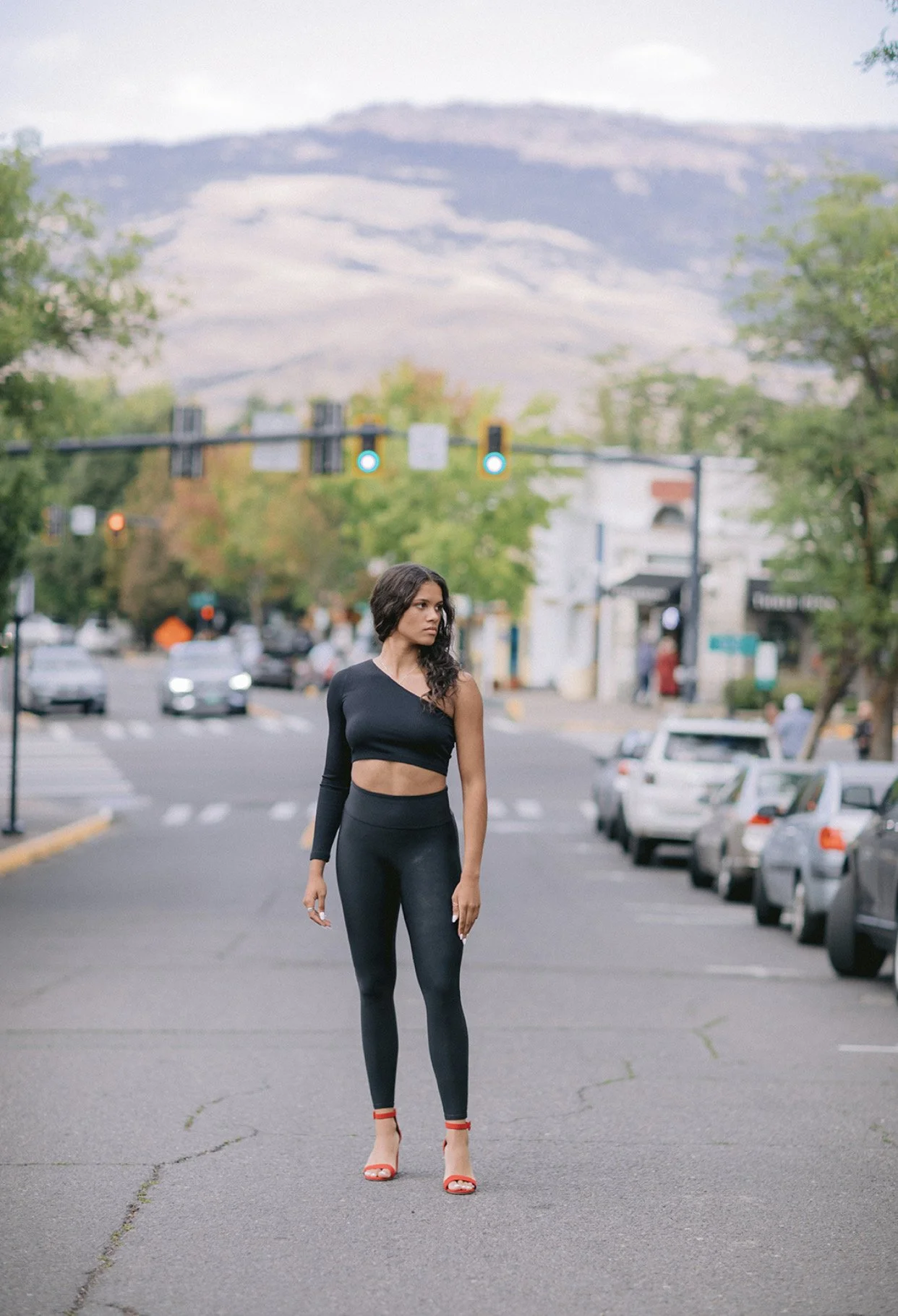
As a freshman at Oregon State, you led all D1 freshmen in assist-to-turnover ratio. What did that first year teach you about yourself?
I think overall, as it’s a huge accomplishment to make it to the power 4 D1 level, I learned that doing the small things matters the most. Going into freshman year, you have the pressure to try to stand out and achieving things quickly to fit into the system and program, but ultimately learning that winning games comes down to effort and taking care of the ball, and the rest will flow through those things. I was able to take this from my freshman year into my next years of college, knowing that’s what it takes to make a long run in the tournament.
How did last season’s Elite Eight run reshape your confidence and expectations going into this year?
Last year‘s Elite Eight run reshaped my confidence in knowing that I was able to make it on to two programs and still achieve the same goal and hit a milestone that my younger self dreamed about doing. But as accolades are a blessing and proof of hard work, it overall allowed me to see what it takes to make the goals you want with reps. And behind the scenes, with the right circle of people, comes confidence, and ultimately being able to see goals getting achieved naturally sets in reassurance and confidence for me.
You’ve undergone two ACL surgeries, and returned stronger both times. What did those recoveries teach you mentally and physically?
Those 2 ACL surgeries were probably the hardest moments I’ve had to endure as an athlete, and with the struggles mentally and psychically, I gained an appreciation for who I am outside of basketball. Learning my identity isn’t through a basketball. It’s something I get to do, but isn’t something that I am, which was the hardest lesson to have to sit back and learn. I was grateful to have learned the lesson of seeing what surrendering your expectations to the Lord and learning to be present in the hard moments makes you appreciate hard things. I gained maturity mentally, emotionally, and a growth in my insight of sports. Psychically I was able to prioritize my recovery. Weaknesses within my body I learned to create as a strength, and to not short cut the process of learning how to be good. My younger self was definitely frustrated, but my present self now is grateful to have had 2 surgeries to help grow me on and off the court.
When the pressure is highest — big games, big stages — what do you draw on to stay composed?
My faith is my foundation. It’s what I go to before the game, during the game, and after the game. As I’ve worked hard at my sport and endured a long season to make it to the big games and big stages, I ultimately wouldn’t have gotten here without leaning on God. It goes back to understanding my identity isn’t through sports, it’s through Christ. He knows my wants and needs, so I simply say a prayer before the game and allow myself from then on to drop my worries, to just go out and have fun because that’s all I can do.
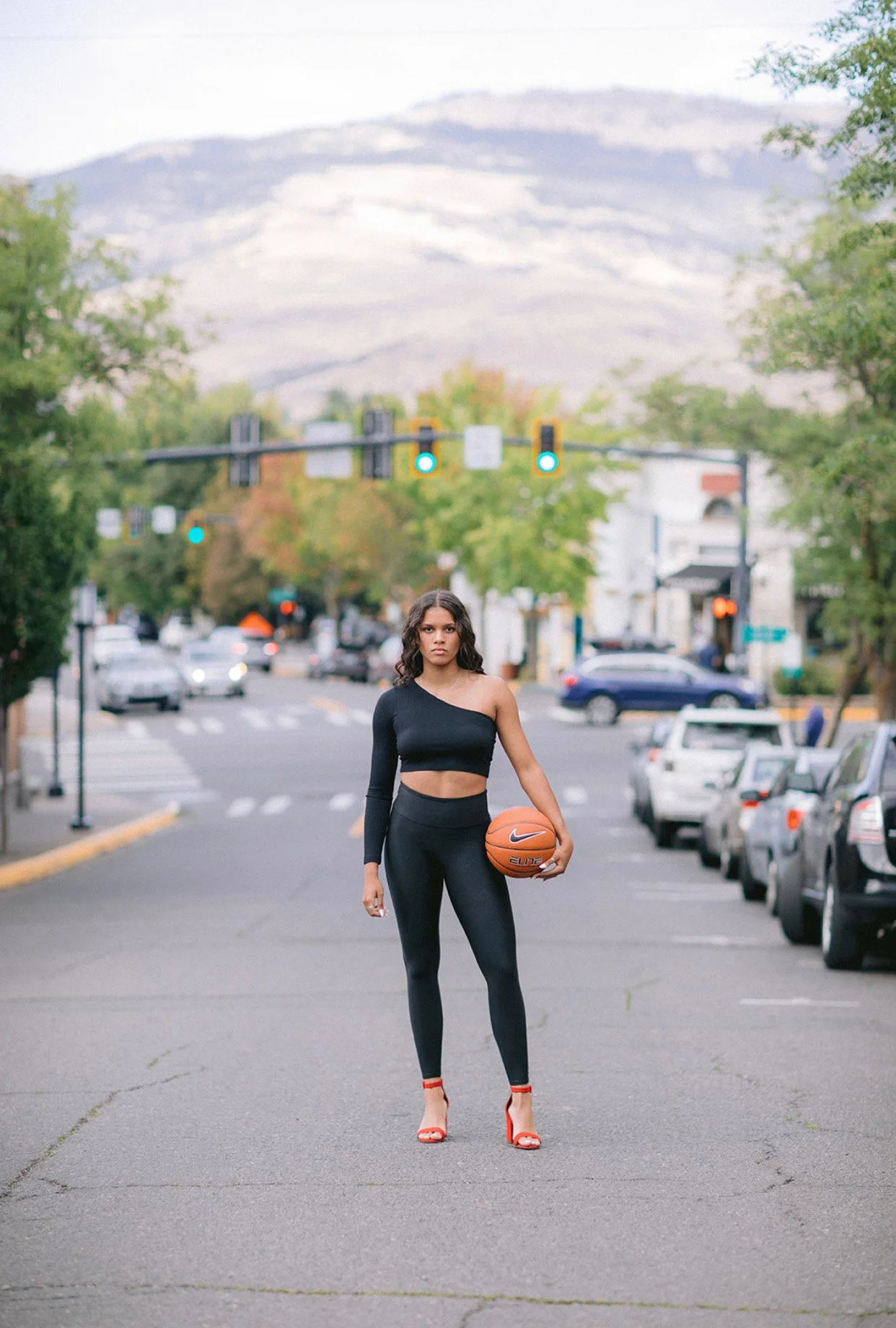
Off the court, fashion is a big form of expression for you. How would you describe your personal style?
Fashion for me is a way to steer away from the athletic side of basketball. 6 days out of the week we are in our practice uniforms and jerseys, and go to class in athleisure wear, so when I get an opportunity to express myself with my clothes to show I’m more than just an athlete, that alone brings me joy. I would describe my style as a very clean minimalistic aesthetic. I have a lot of neutral mix and match pieces to style together, which is the fun part for me. There are lots of denim and leather pieces in my closet as well. With of course my athleisure wear styled to still look cute and comfy, as I’m typically on the go a lot of the time.
You’re outspoken about mental health and faith. How do those parts of your life keep you grounded as a student-athlete?
To be a student athlete means you have 50 million things your brain is focused on. Meeting the expectations of your coaches, performing well, getting extra training in, being a good teammate, getting recovery in, homework, studying, the list goes on. For me, my outlet is my faith, and leaning on that strengthens my mental health. My mental state is my biggest strength, which can often be student athletes’ biggest weakness. I’ve dealt with trials during my sports career and I had to learn the hard way that it’s okay to not be okay, so I’m a huge advocate for prioritizing your mental health before anything else. Personally, for me, that comes from Bible study, reading devotionals, journaling, and understanding He has a much bigger purpose for my life than just sports.
Photography and journaling are creative outlets for you. How do they help you decompress from the competitive side of your life?
Journaling is a huge thing for me. Often times as athletes, we have to put on a tough façade, which gets difficult when having to learn when to speak up. As it was a difficult aspect for me, I turned to journaling as a way for me to let down my thoughts and my emotions in a way that I was able to then go and read back and reflect on things that I grew on, and ultimately needed to really focus in on. Also, photography was something during my injuries that I gained a love for. As I don’t have amazing photography skills, I just found an appreciation for things beyond basketball and that came from photography within fashion and nature and self-expression.
Looking ahead, what goals are you manifesting for yourself — on the court, off the court, and beyond college basketball?
The goals that I have for myself on the court would be becoming the best basketball player that I can be. Not allowing myself to become complacent with achieving goals along the way, but always striving to be hungry for more. While, ultimately growing as a person first and foremost, which is the most important for me eventually. The ball stops bouncing and I want to be able to set myself up in a way that I am good once sports is done. I want to be able to have an impact on younger athletes and younger generations on learning how to speak up for your mental health and for your other interests in life, and learning that who you are as a human is way more important than who you are on the court.
