
IN CONVERSATION WITH DUDA BEAT
interview by LEANDRO DA SILVA
Deeply rooted in the cultural richness of Pernambuco, Duda Beat has built an artistic universe where vulnerability, curiosity, and emotional honesty come together. For the Brazilian singer-songwriter, every album begins with a question, and the songs that follow become her search for an answer. As she enters a new creative chapter, she reflects on the roots that continue to shape her work, the intimate rituals of her songwriting, music as a form of healing, the pursuit of authenticity in an industry often driven by reinvention, the evolving language of love, and the creative universe slowly taking shape through her next album.
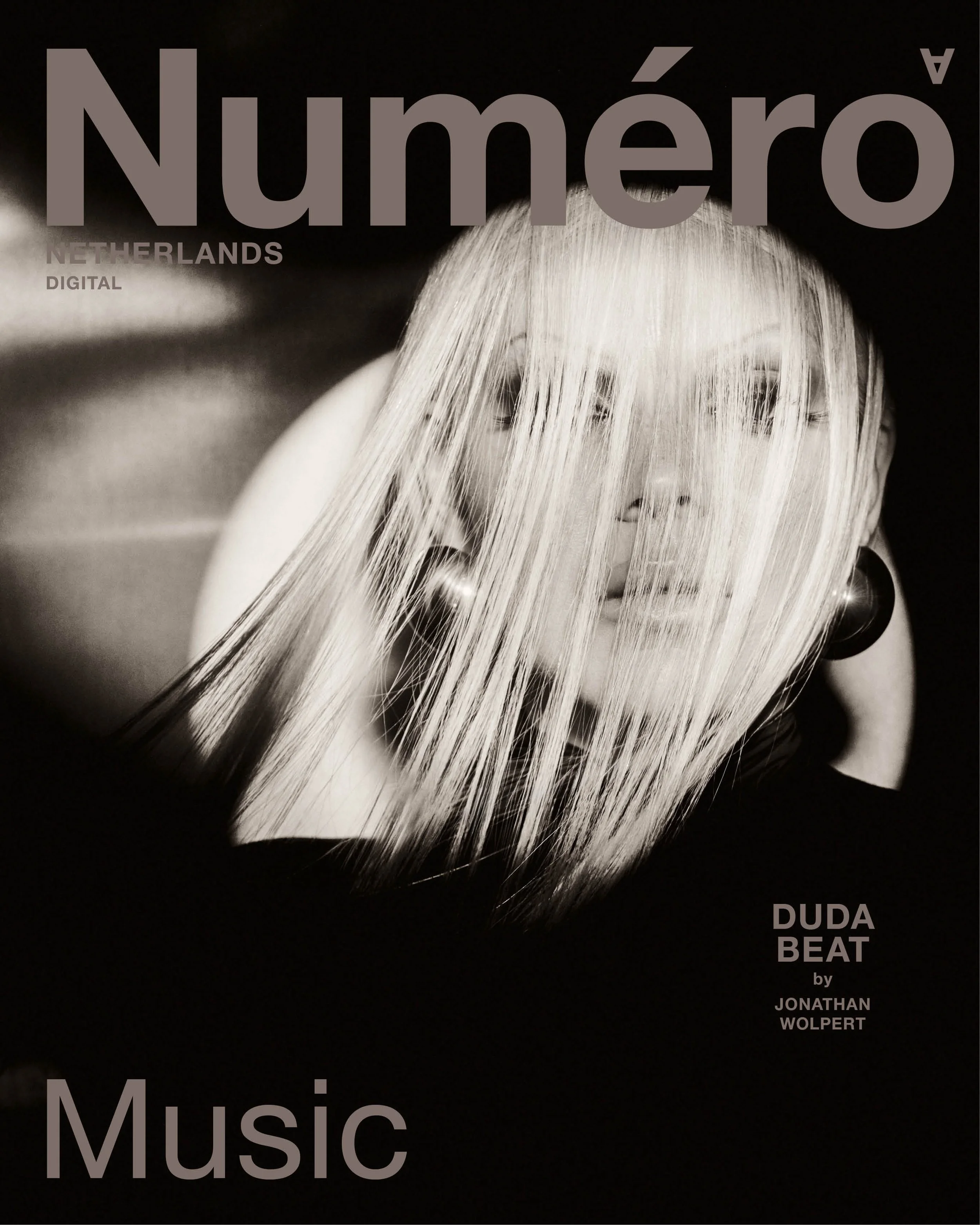
You grew up in Recife, a city with a unique and incredibly rich musical heritage. Looking at your work today, which aspects of Pernambuco's musical culture do you believe have shaped the artist you've become the most?
I think everything has shaped me. Pernambuco's musical heritage has influenced me in an incredibly powerful way. Pernambuco is built on contrasts, celebration and melancholy, what we express to the outside world and what we keep within ourselves, our rhythms, and the way we value our culture. All of that has shaped who I am.
I always think back to a very important time in my life. As a child, I spent my weekends at my grandmother's house listening to samba and pagode. At school, every year we would perform a traditional dance from Pernambuco. In fifth grade it was frevo; in sixth grade it was maracatu. Growing up with that kind of appreciation for our own culture makes a huge difference. In Pernambuco, it's something that runs through our veins.
Those contrasts gave me the freedom to look outward, blend different influences and create the musical combinations I make today, whether that's bringing together international sounds with regional traditions. When you truly love and value your own culture, it gives you the confidence to experiment. Everything starts from within, and then expands outward in a very beautiful way.
My musical foundation is entirely rooted in Pernambuco. I even joke that if I ever have a child, I'd go back there just so they could be born Pernambucanos. We're incredibly proud of where we come from and of everything our culture represents.
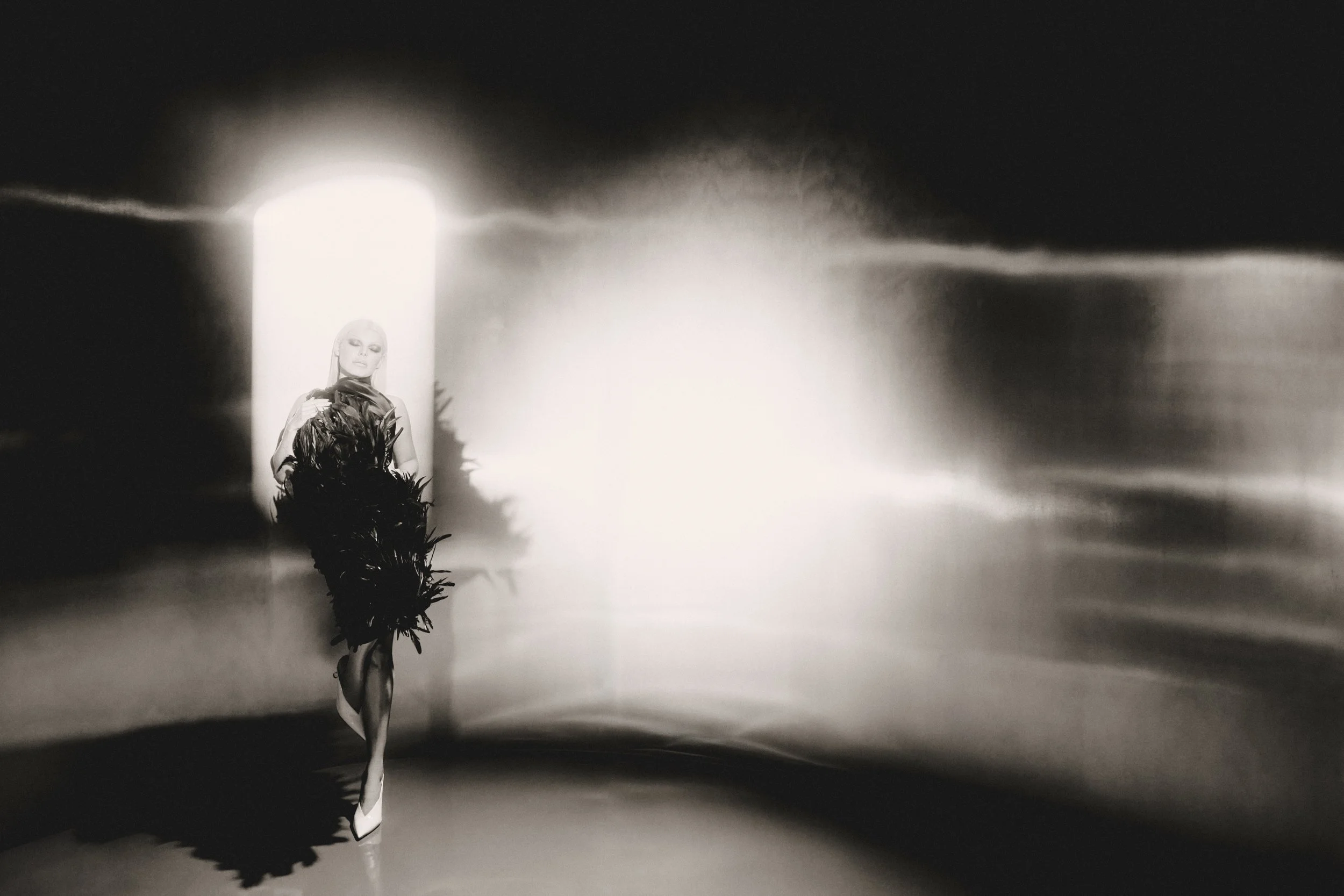
full look FERRAGAMO
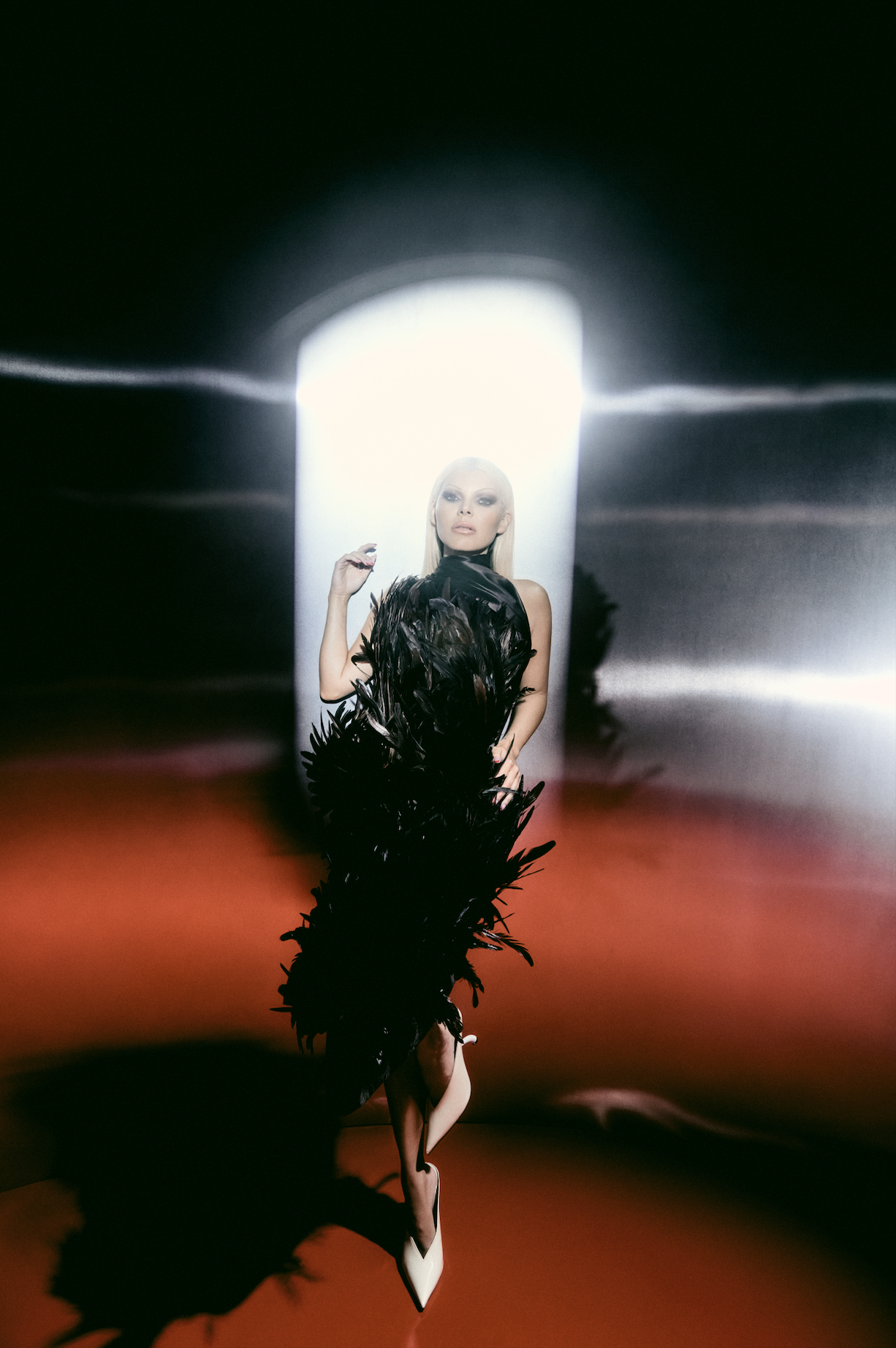
As your audience has grown beyond Brazil, has your relationship with your roots changed in any way?
Not at all. If anything, the opposite has happened. The more my audience has grown, the more I've realised that people connect with what is most personal about me, what I have to offer at my core, who I truly am. There's this idea that, as your career grows, you need to look outward. But for me, it's been the opposite. I've found myself looking further inward, diving even deeper into my own roots.
There are still musical traditions from Pernambuco that I hadn't explored before and had always wanted to. Some of them are now part of my next album. To me, that's a way of returning to my origins, to the uniqueness of where I come from. Everything begins with our roots. They're what keep me alive and grounded. So my journey has unfolded in the exact opposite way people might expect. As time goes by, I become more and more Pernambucana.
I'm deeply in love with where I come from. But that connection goes beyond culture itself. Every person who has been part of my life — my grandmother, my grandfather — taught me something about my roots, about loving our homeland, valuing where we come from, and staying close to it. Chico Science used to say that Pernambuco is "the world's antenna." He believed we had one foot in the mud and the other connected to the world. I truly believe that.
I've always admired Chico. I speak about him often through my work, and I consider him my greatest inspiration. In many ways, following this path allows me to feel closer to him and to that same dialogue between what comes from within and what comes from the outside.
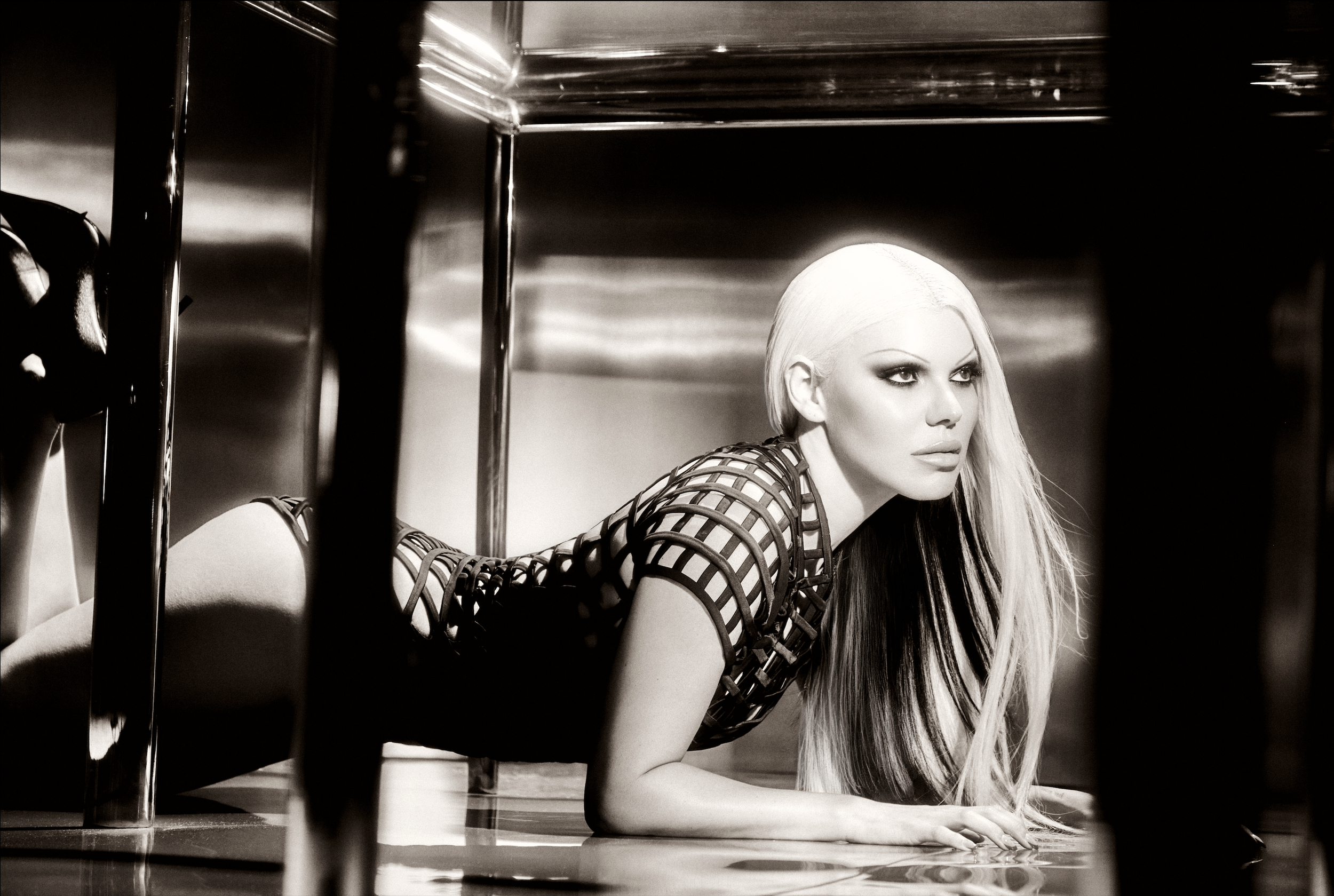
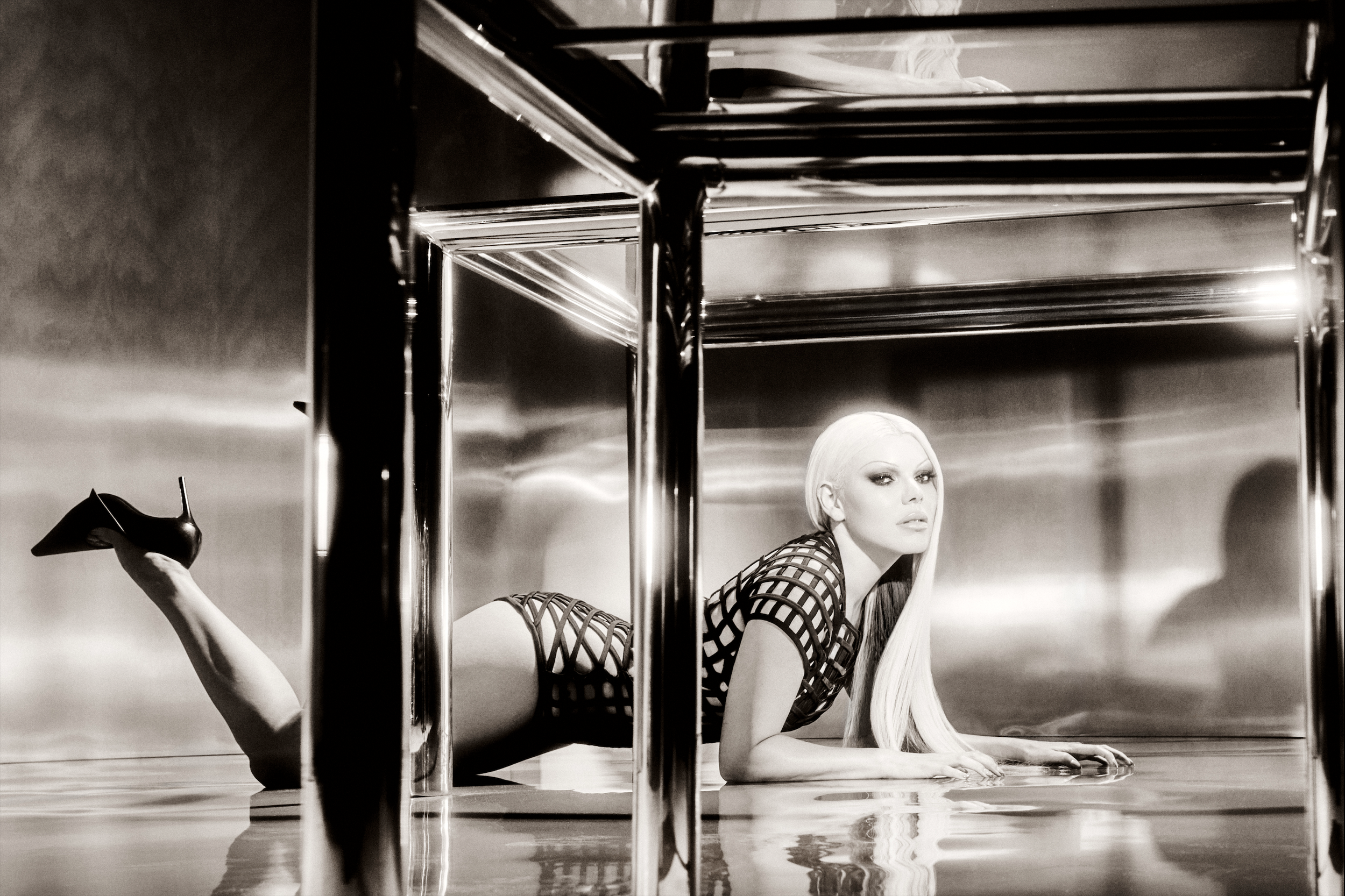
bodysuit LENNY NIEMEYER
shoes MONDEPARS
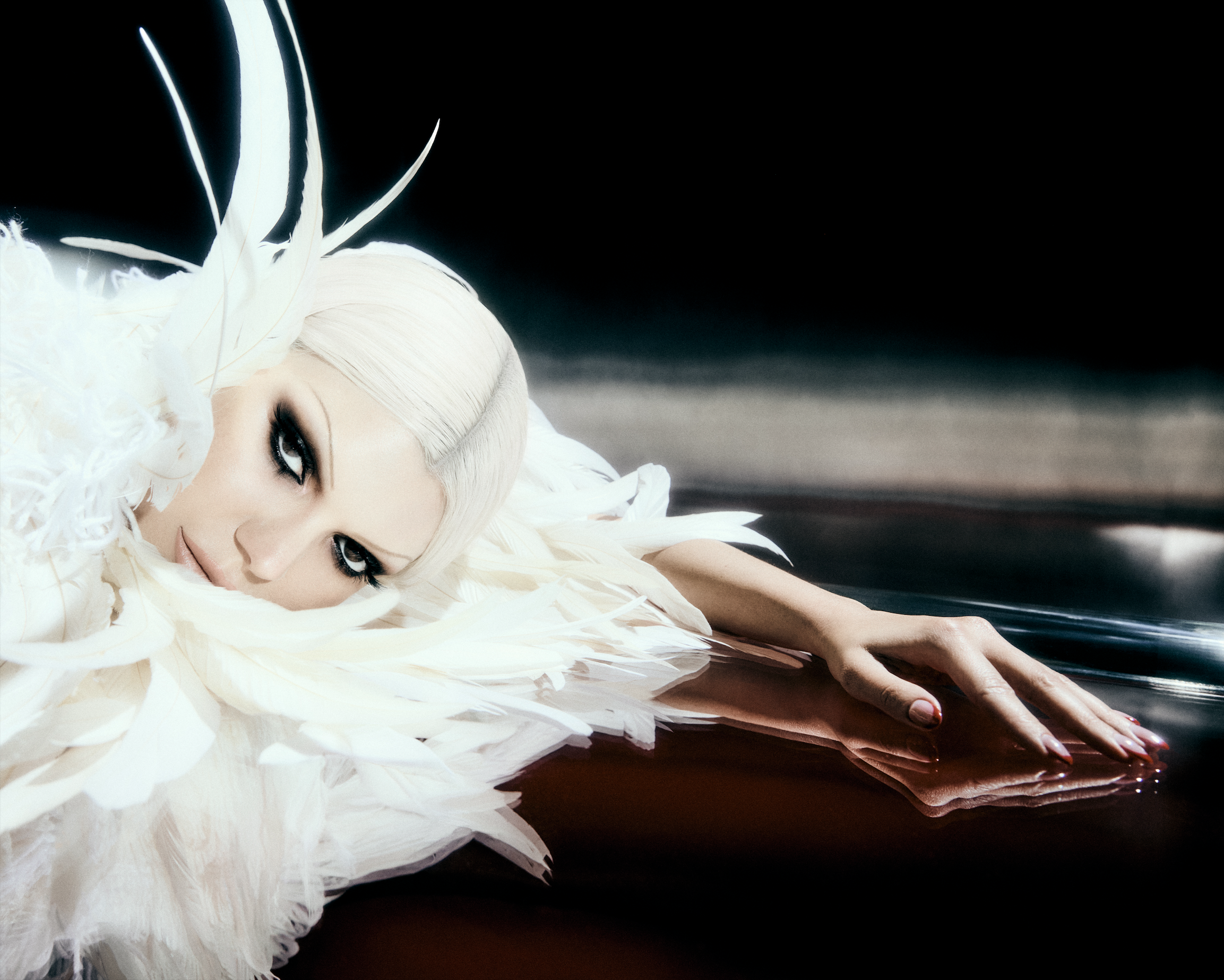
collar MALAK
When you look back at the different albums throughout your career, what do you believe has been the greatest force shaping each chapter of your artistic journey?
I think it's been my curiosity. The curiosity to give the very best of myself to every project. With each album, I try to reveal another part of who I am. There's also a desire to ask myself questions that I can only answer through my songs. My music is part of my healing process.
That curiosity — along with this constant desire to challenge myself and fully immerse myself in each chapter of my life — is what drives my work. I want to experience every project as deeply as possible and present it in the most honest way I can. I think that's the special ingredient that defines everything I create.
You've constantly evolved without ever losing your identity. How do you distinguish genuine artistic growth from the pressure to reinvent yourself?
The pressure to reinvent yourself is usually shaped by other people's expectations of who they think you should be. Genuine artistic growth, on the other hand, comes from a real sense of restlessness. Like I mentioned before, it begins with a question that appears in the very first song of an album, and every song that follows becomes part of the search for that answer. For me, that restlessness is deeply connected to healing. It's about understanding what I need at that particular moment, what my own story needs to hear.
I write a lot of music for myself. They're things I need to listen to. Of course, those songs eventually reach other people too, but first and foremost, they're lessons for me. My greatest concern has always been staying true to what I believe, to what I understand, and answering that personal sense of curiosity and restlessness. Because I think that's where real growth comes from. When you're honest enough to answer your own questions, that's when you're able to evolve—and heal at the same time.
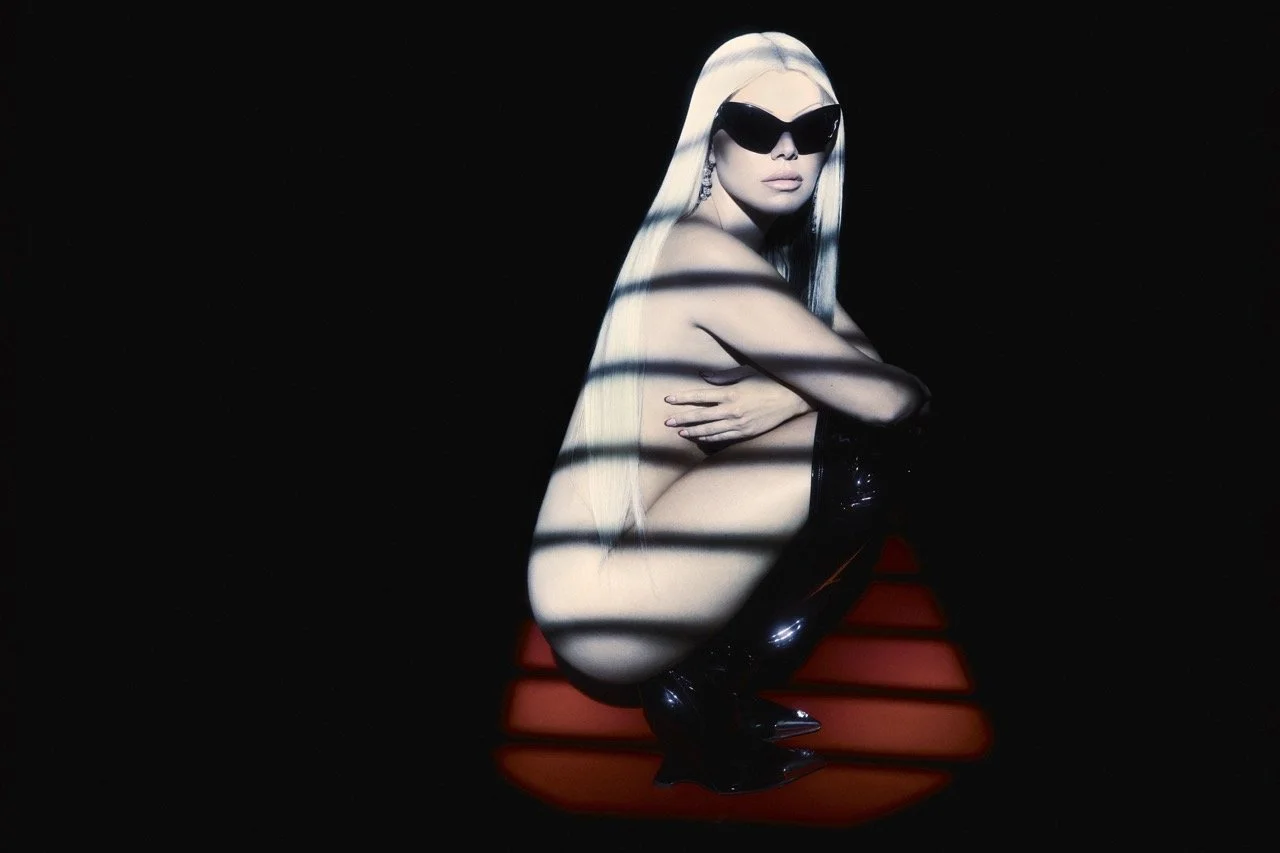
earrings DOLCE & GABBANA
sunglasses BALENCIAGA via Prestige Eyewear
shoes PHILIPP PLEIN
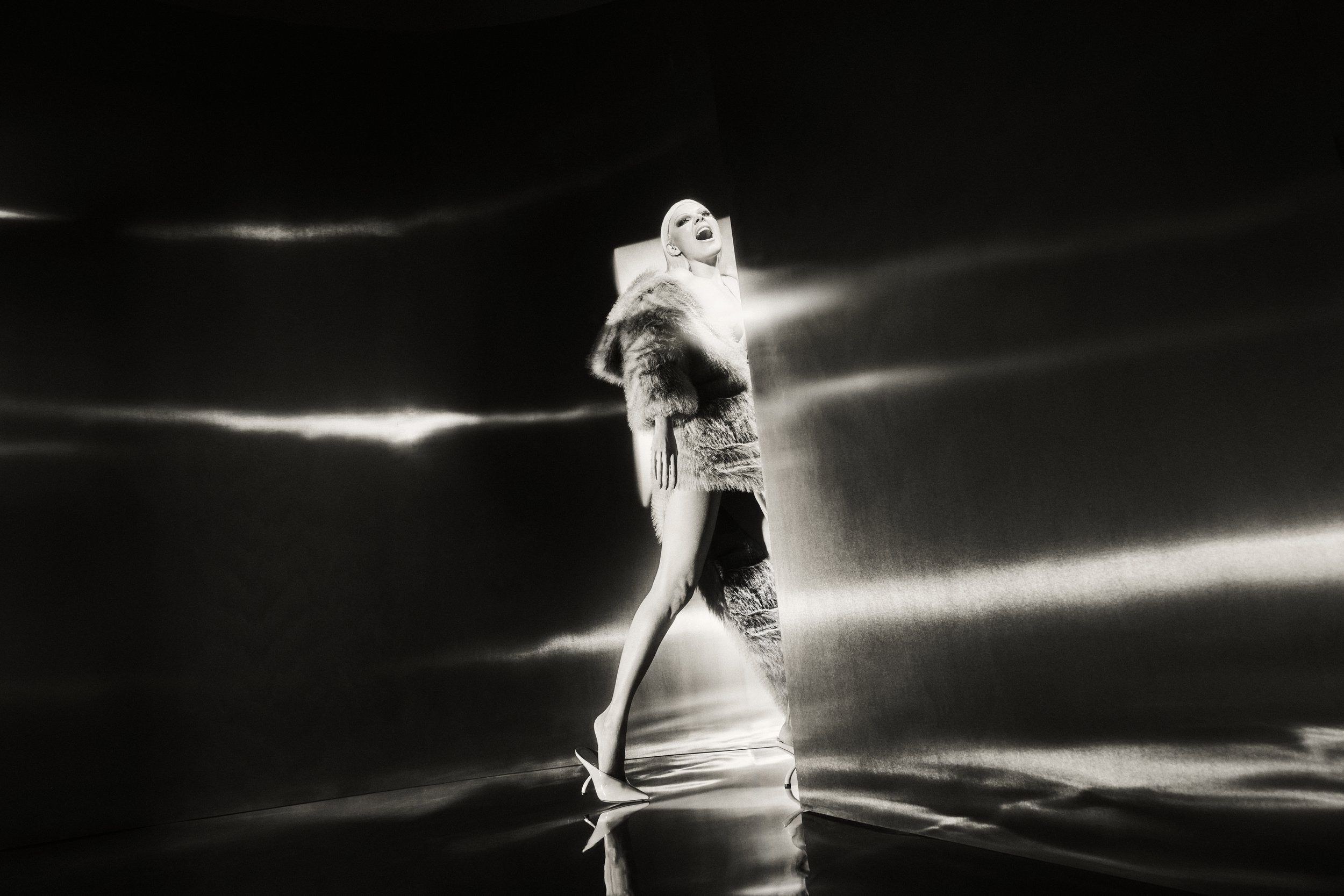
coat FORCA
shoes FERRAGAMO
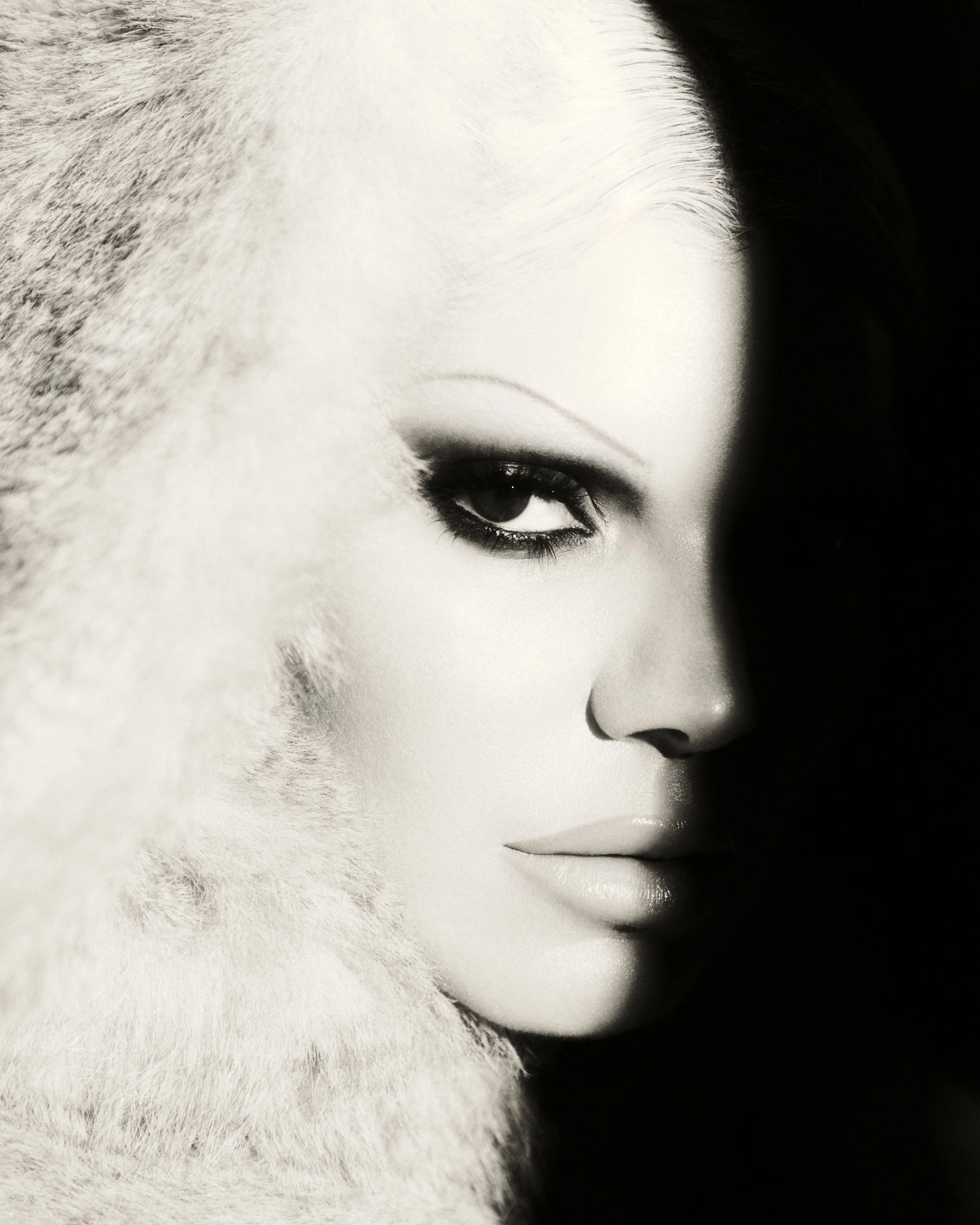
Listening to you, it feels as though songwriting is both a process of self-reflection and self-discovery—almost therapeutic. Is that how you experience it?
Exactly. One thing that's very personal to me is that I still write everything by hand in notebooks. I often say my songs are like a diary—it's where I write everything I'm feeling, but also everything I wish I could hear from a close friend. It's a very beautiful and deeply intimate moment with myself. It almost feels like a divine connection.
That notebook means everything to me. In fact, I was recently talking to a close friend about how I'd love to bring it even further into my artistic universe, because, in many ways, it is my universe. When I write, it's just me, my notebook and my spirituality. I'm putting all of those feelings onto the page to heal myself, while also hoping they'll heal the people who listen to my music and are touched by it.
How do you know when an idea is simply a song and when it's the beginning of an album? Is there a moment when you recognise that a larger creative universe is taking shape?
Yes, I can definitely tell. When I begin working on an album, the first song usually arrives with very direct questions. From that moment on, every song that follows begins searching for the answers. As I continue writing, I start noticing the same themes returning over and over again. I become almost obsessed with a particular idea. That's when I realise I'm building a universe, not simply writing individual songs.
To me, an album is never just a collection of tracks. It's a body of work where every song is trying to answer the same question. The moment I realise those songs are in conversation with one another — that they're all drawn to the same themes, the same obsessions — I know that universe has come to life. That's when I know I'm making an album.
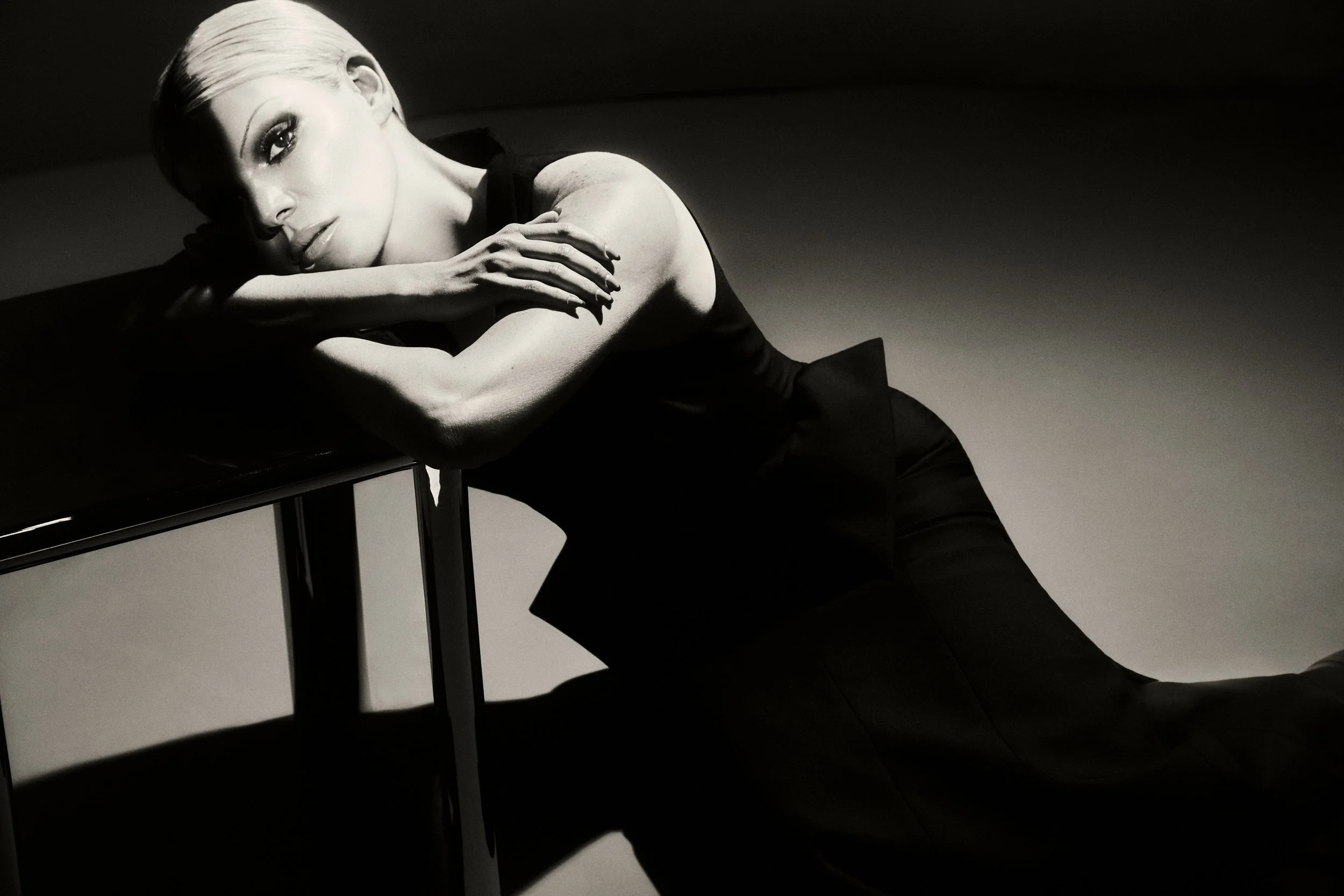
dress MONDEPARS
chair MATRIZ courtesy of FORMA BRUTA
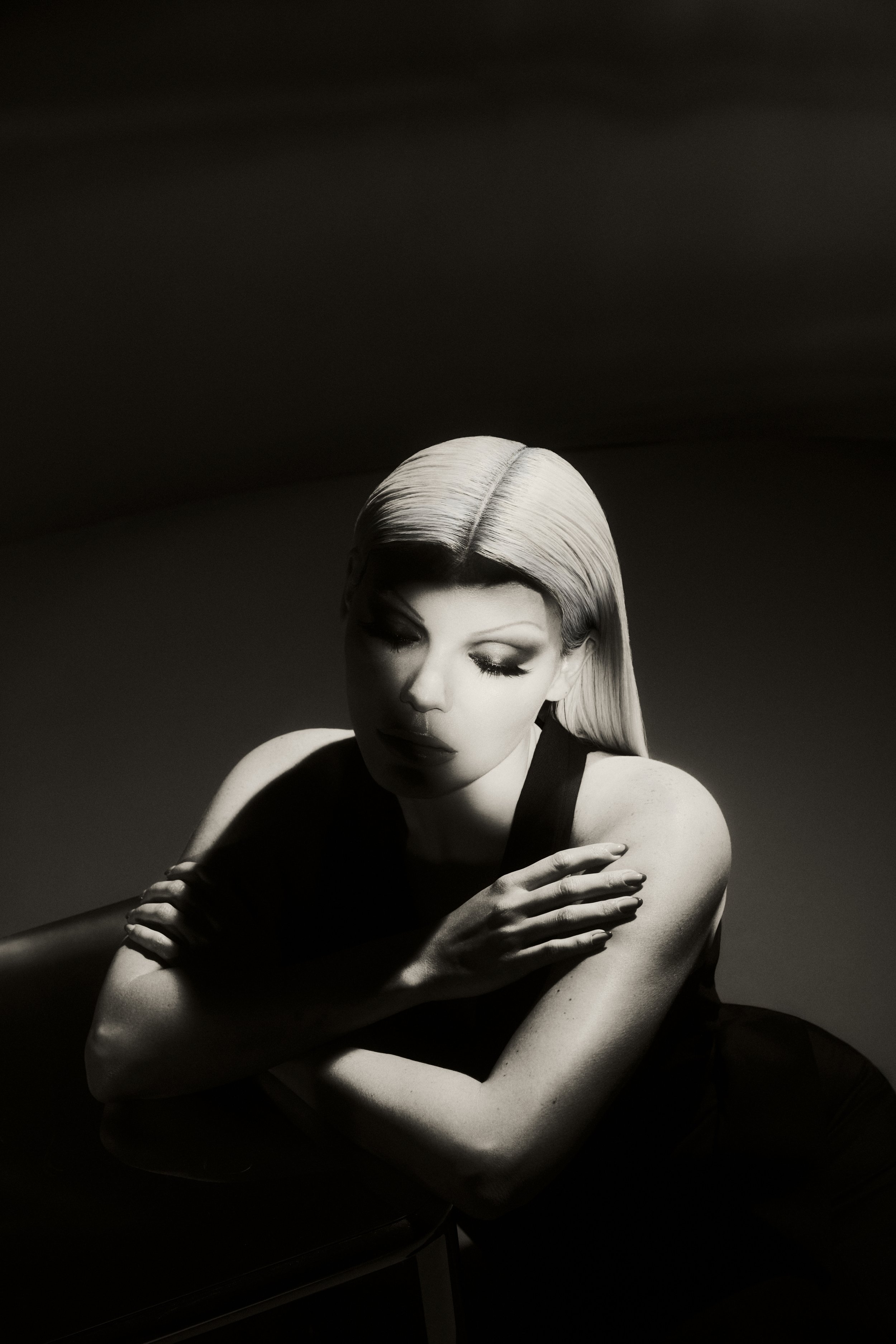
We live in a culture of instant connections and instant endings, yet your work often celebrates longing, desire and emotional depth. Do you think modern love has become more superficial, or has it simply changed its language?
I think love has simply changed its language. I don't believe it's become more superficial. We're learning how to love within a reality that's very different from the one previous generations experienced. Today, when a relationship ends, it rarely ends completely. We can still follow each other's lives through social media, and that changes the way we experience relationships.
Even so, I don't think people have stopped searching for deep connections. If anything, I feel there's an even greater desire for relationships that are genuine and emotionally meaningful. What has really changed is the way we relate to one another. Everything happens so immediately. We've become used to instant replies, constant access to one another and following each other's lives online. We never truly disconnect. So I believe our connections are still real and profound. What has changed is the pace of our relationships and the way we experience them.
That transformation happened incredibly fast, and we're still learning how to live with it.
I'm almost forty, so I've experienced both worlds. I was born before the internet and watched this entire shift happen in real time. Today, the speed of communication and people's reactions is completely different from what it used to be. Back then, people called each other, waited to meet in person, and experienced relationships in a very different way.
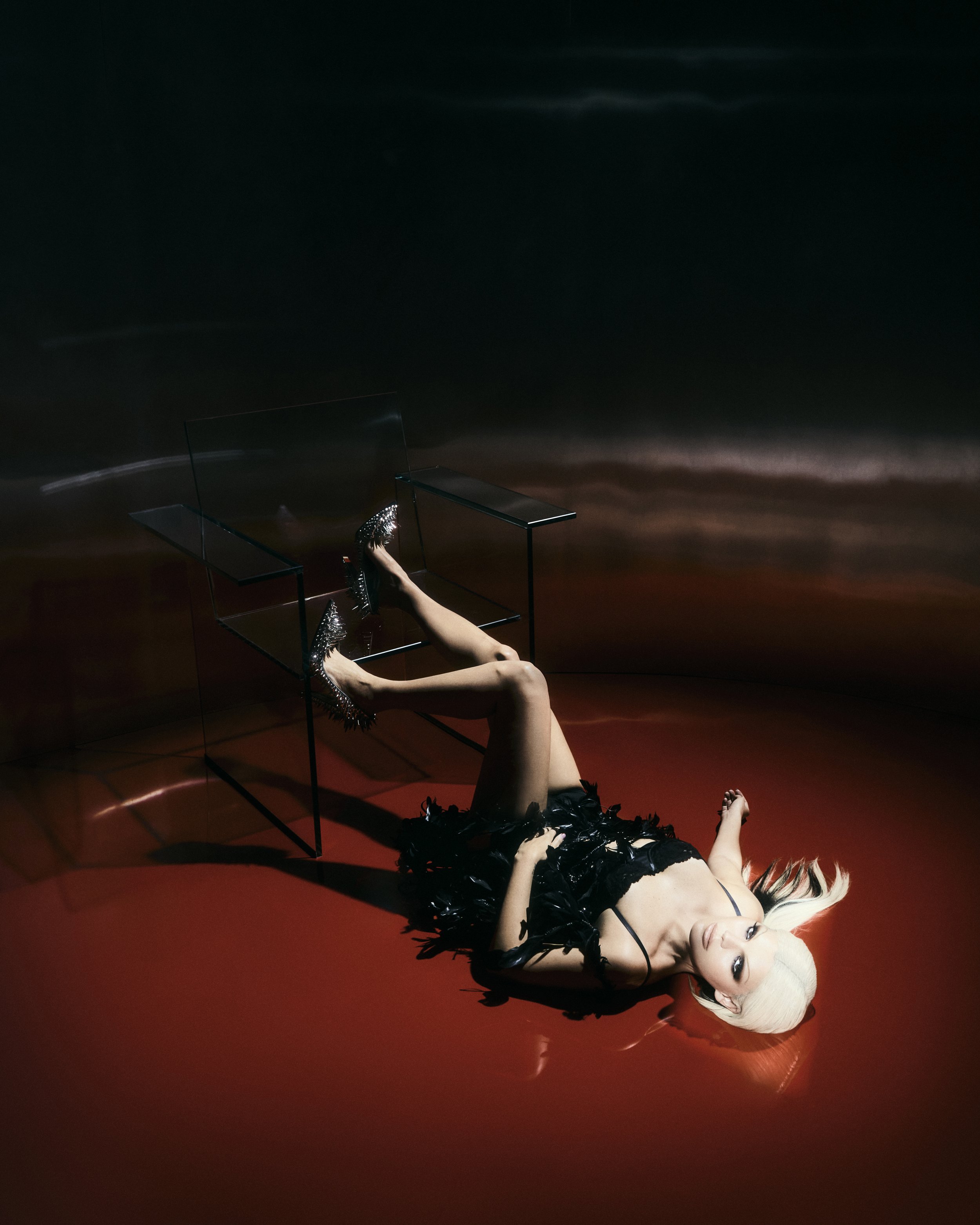
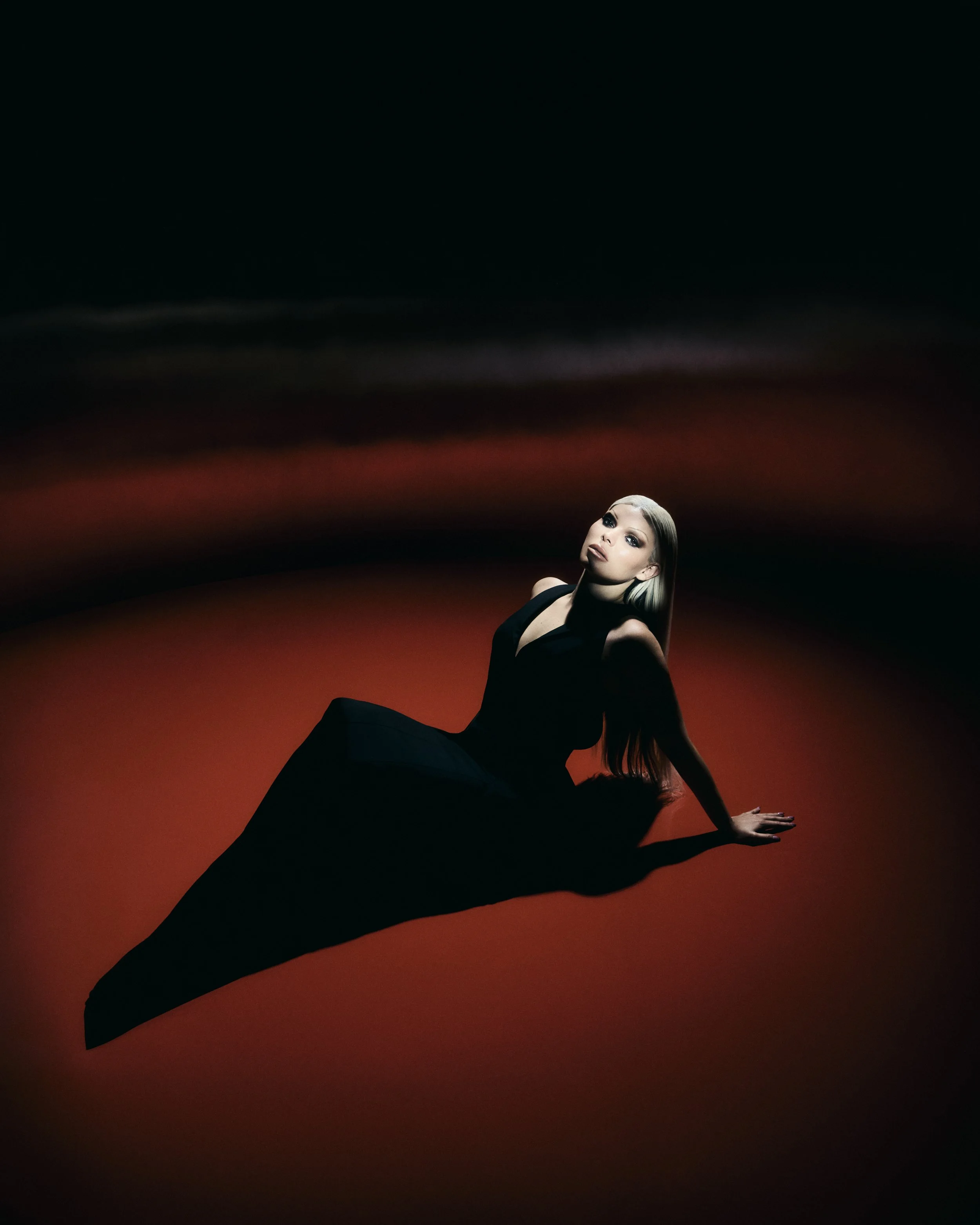
left:
dress APARTAMENTO 03
underwear DOLCE & GABBANA
shoes CHRISTIAN LOUBOUTIN
right:
dress MONDEPARS
You mentioned that relationships rarely end completely anymore. How has social media changed the way people experience longing and heartbreak?
I think this really builds on what we were just talking about, but there's another aspect that I find really interesting. When it comes to heartbreak, I think people are much more open about their vulnerabilities today. They share their emotions in a way that allows others to identify with what they're feeling. In that sense, social media can actually have a positive side.
Longing, however, has changed its tone. Like I mentioned before, there's often physical distance now, but not necessarily emotional distance. Social media has blurred that separation. At the same time, I believe our emotions remain exactly the same. Longing is still longing. Heartbreak is still heartbreak.
What has changed is the way we experience those emotions. The way we miss someone, the way we go through a breakup, even the way we try to get another person's attention. In the past, endings felt much more definitive. When a relationship was over, you often never saw that person again—unless you chose to reconnect. Today, it's different. Social media keeps us connected to each other's lives. That connection often remains, even after the relationship has ended.
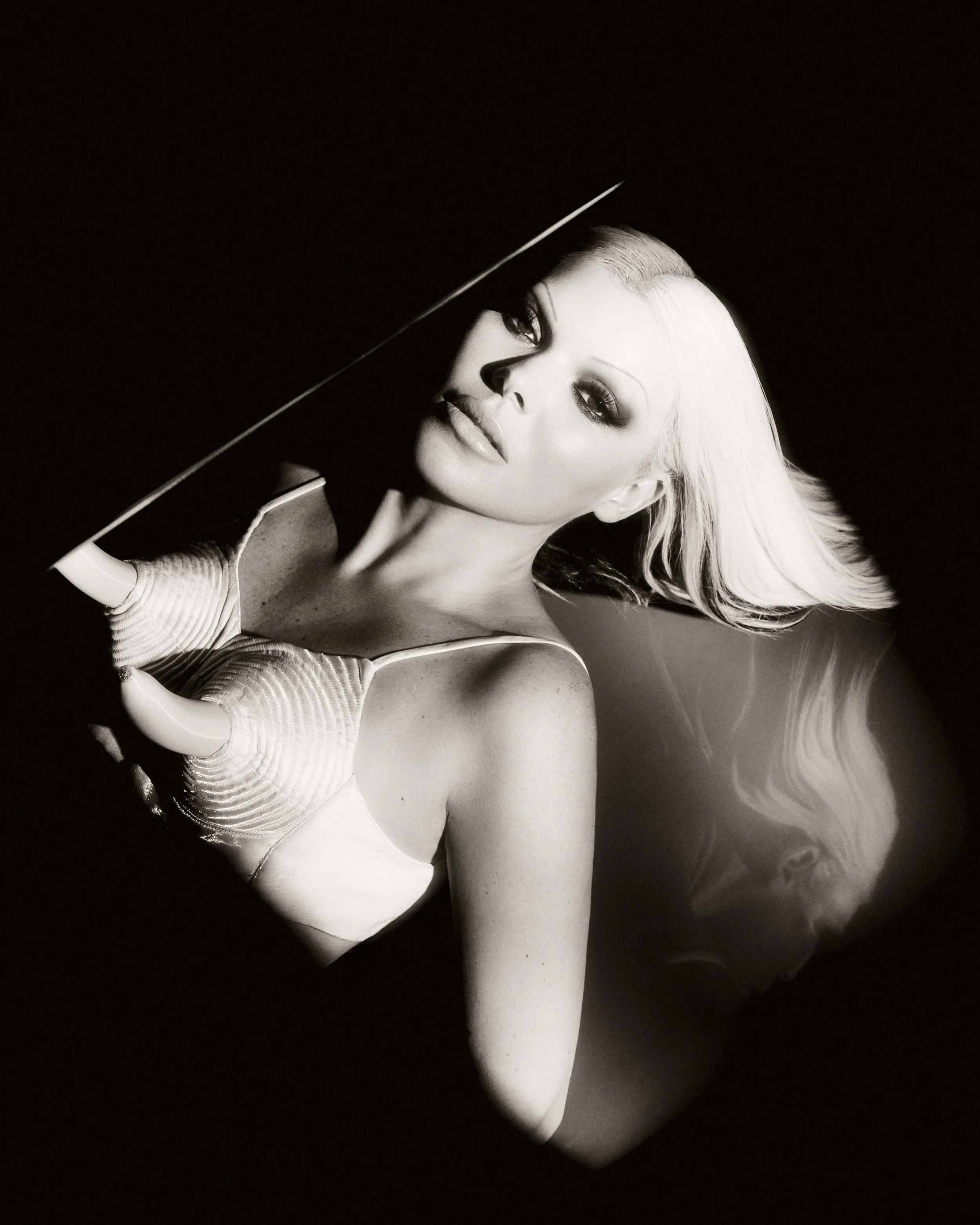
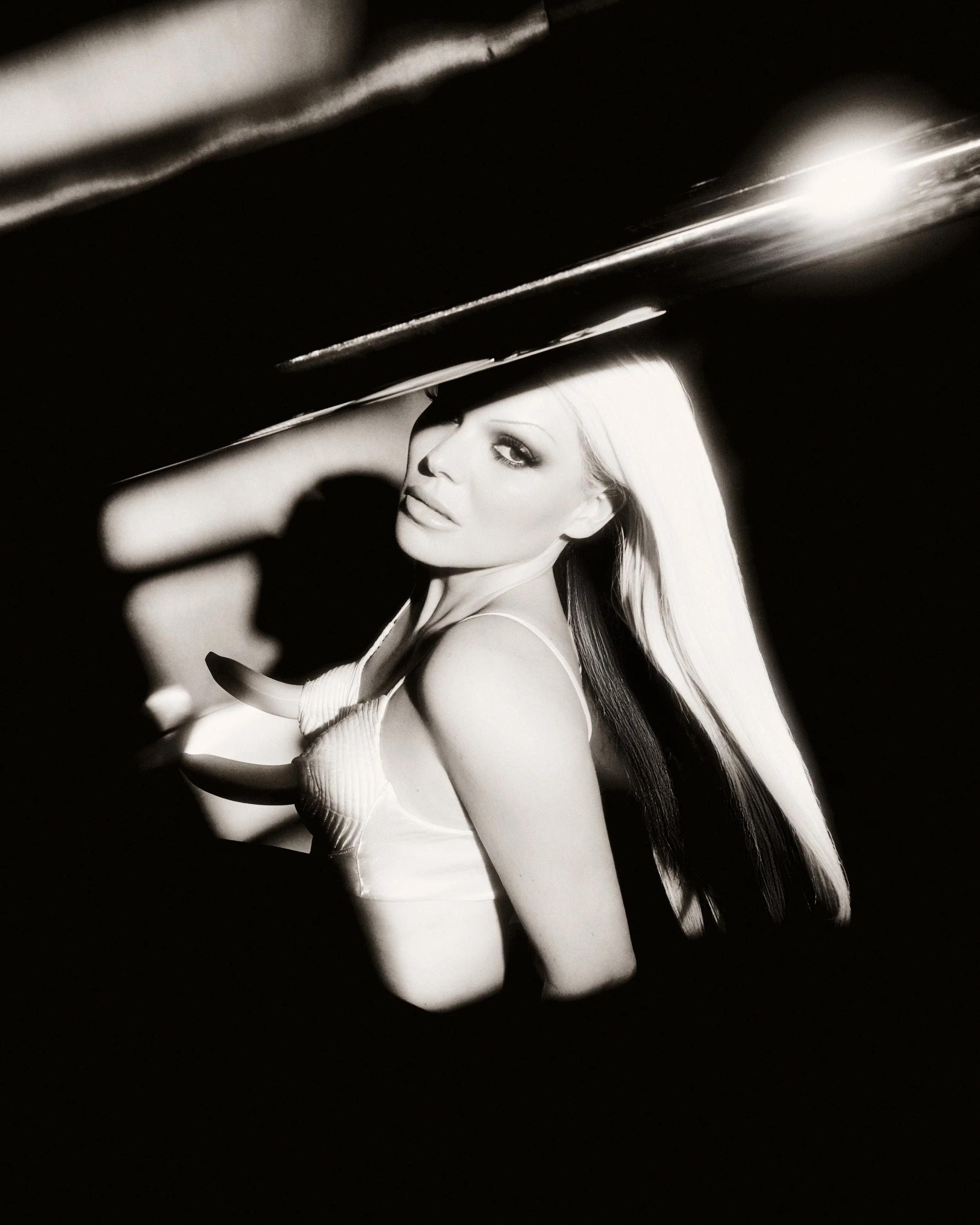
top NORMANDO
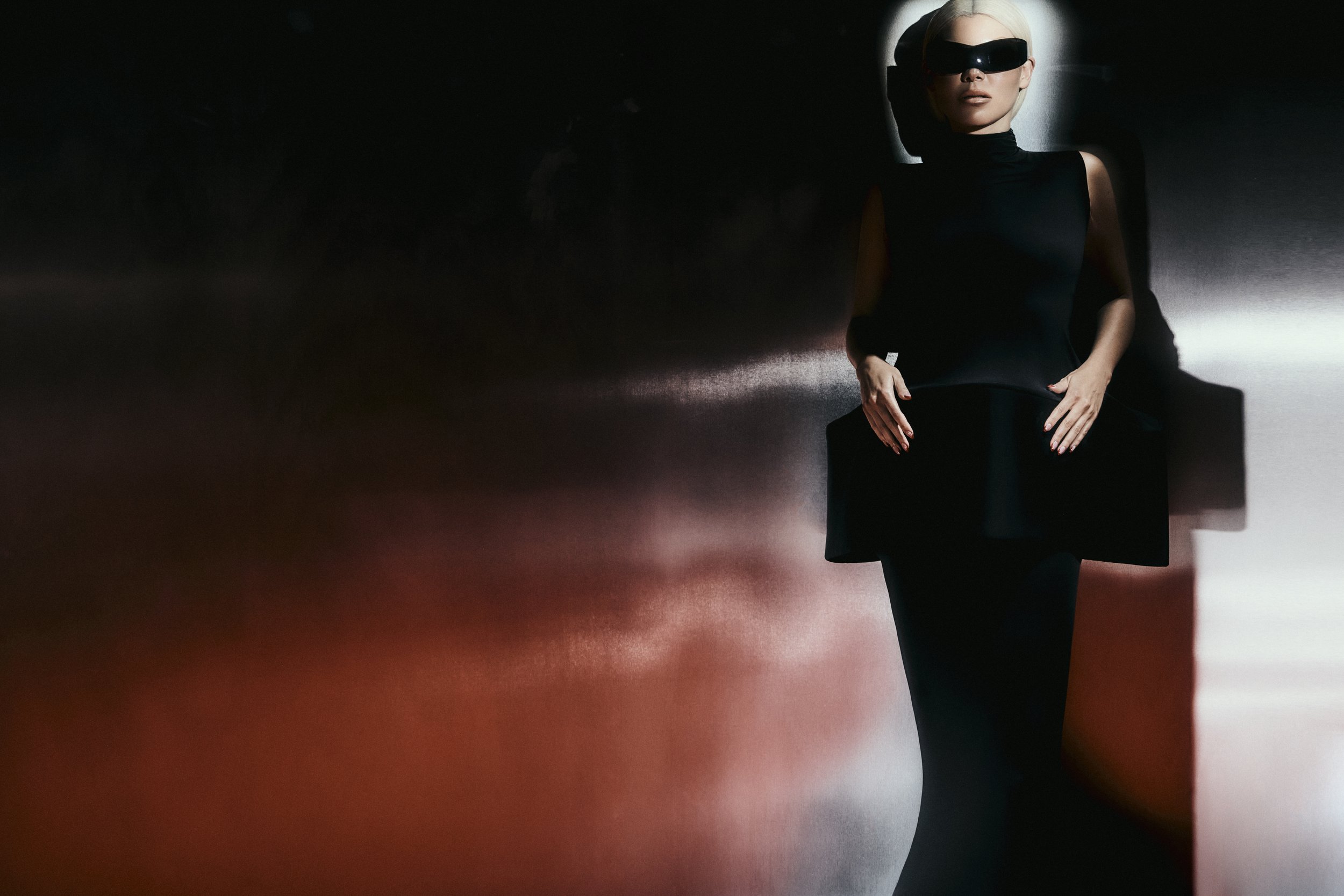
sunglasses BALENCIAGA via Prestige Eyewear
dress ARGALJI
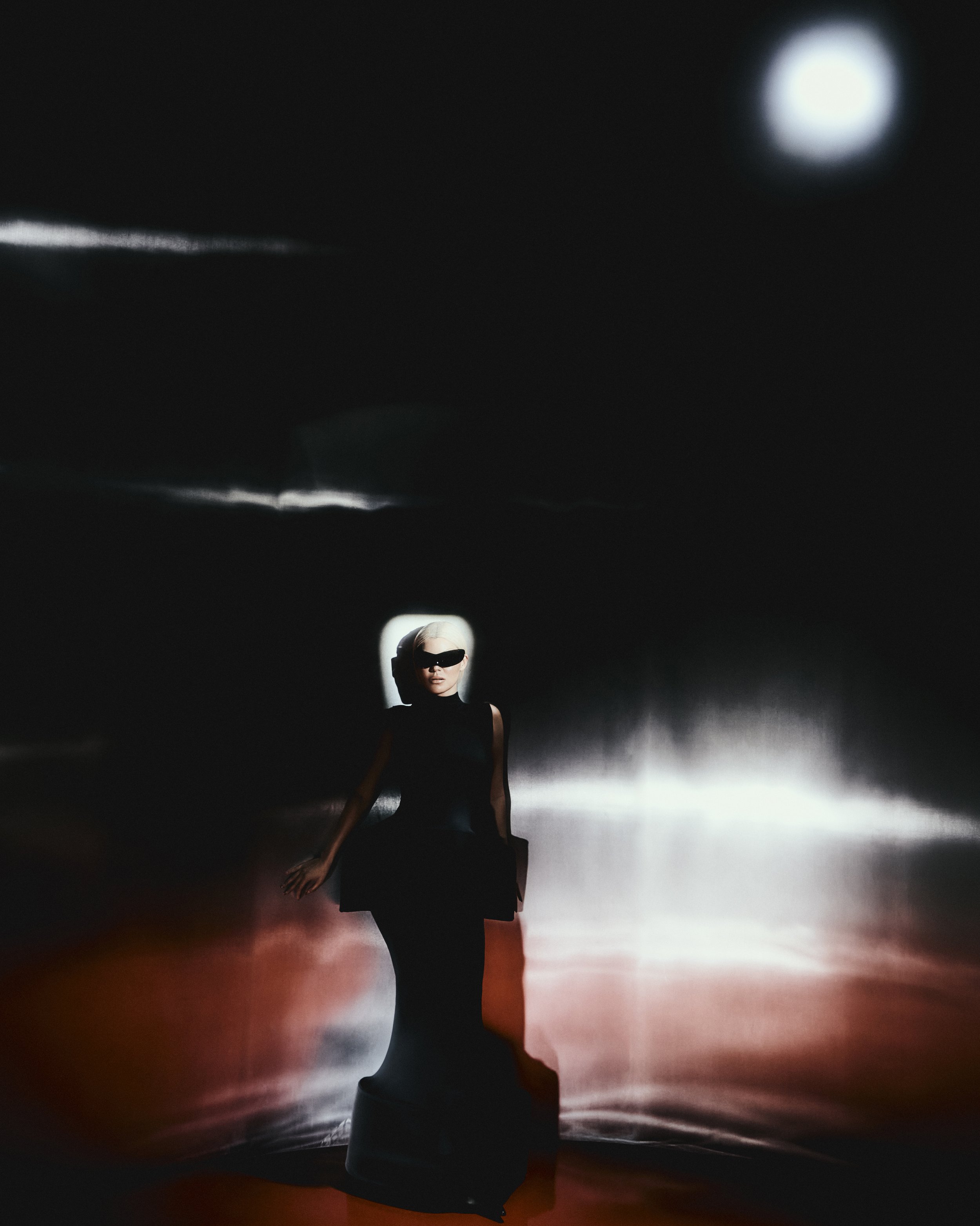
Throughout your career, you've explored a wide range of musical landscapes. Is there a creative territory you're still curious to explore but haven't found the right moment yet?
There are still so many creative territories I'd love to explore. On my next album, I've been experimenting in many different ways, and I'm really loving the process. There's a song built around a blend of samba and bossa nova. I'd never written a samba-bossa before. There's also a brega lento track. Even though it's part of the culture where I come from, it was something I had never explored.
I've worked a lot with maracatu, coco and forró, but brega lento was still new territory for me. These rhythms have been coming to me very naturally. I feel this is the right moment for them to walk alongside me. The songs themselves asked for those sounds. Sometimes you try to fit a certain rhythm into a song because you really want it to be there, but it simply doesn't work. This time, it happened the other way around. The songs started asking for different rhythms.
I'm not doing this to reinvent myself. I'm doing it because I want to experiment and because this moment arrived naturally. The song asked for it, and when a song asks for something, you simply respect it. I'm really happy because it allows me to experiment and go to places I haven't been before.
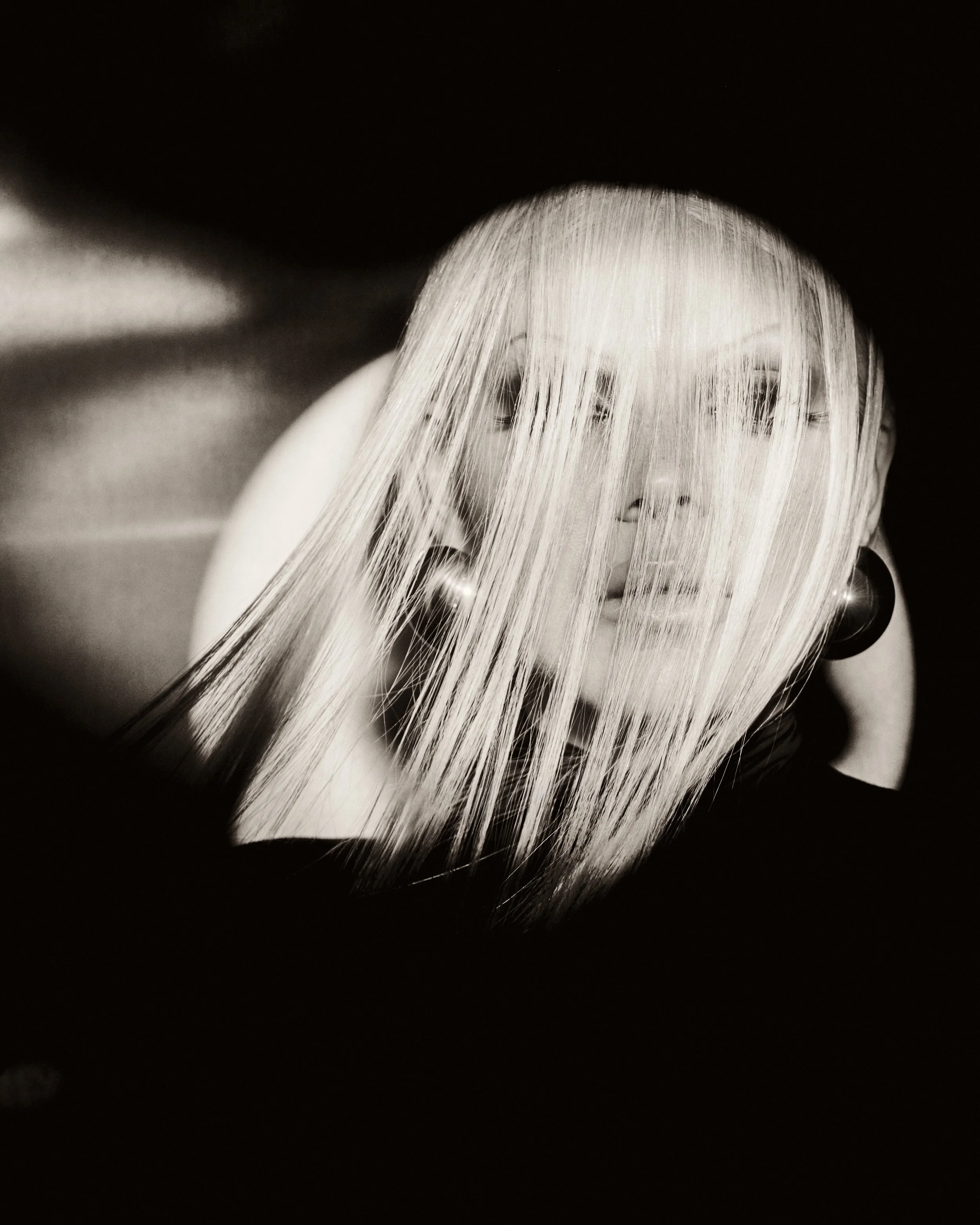
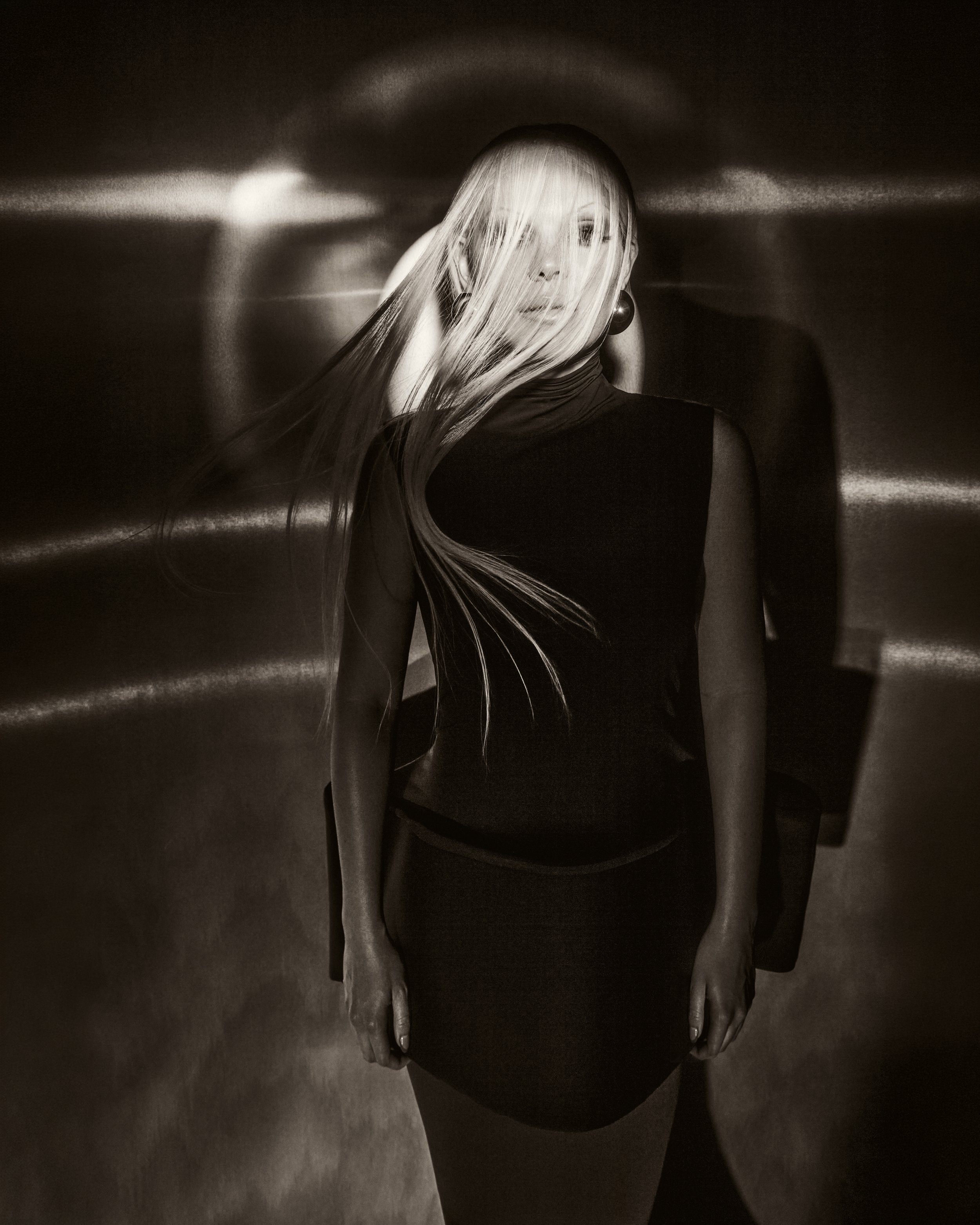
earrings JACK VARTANIAN
blouse and skirt ARGALJI
You've already shared quite a few spoilers today, so can we officially say that a new album is on the way?
There is a new album on the way. Right now, I'm making the album, and that's my favourite part of the entire process: creating the songs. We've already recorded the instruments. I have the guide vocals, but I'll still be recording the final vocals. After that comes the visual side of the project.
So this is the moment I'm living right now—the process of bringing the album to life. It's such a joyful and fulfilling stage. I think that's why I'm so happy and full of energy talking to you. Just speaking about this process lights me up.
I don't know whether the album will come out this year or next, but it's definitely on its way. It will introduce rhythms I hadn't explored before, and I'm certain the songs are happy with the way we've dressed them.
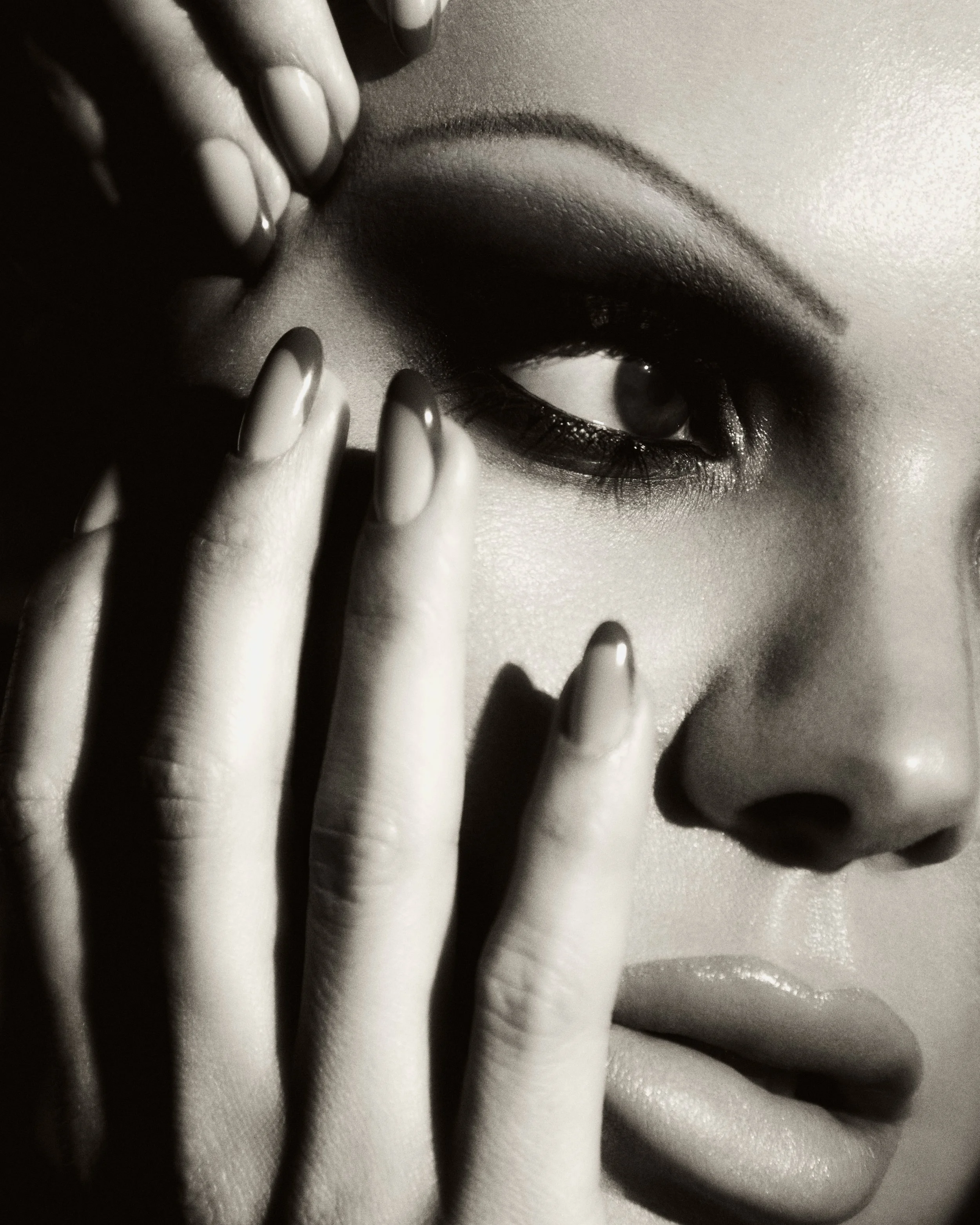
TEAM CREDITS:
talent DUDA BEAT
creative direction and photography JONATHAN WOLPERT
creative direction and styling ALEXANDRE DORNELLAS
hair and makeup SILVIO GIORGIO using Chanel Beauty and Keune Brasil
nail artist MAYNARA LEME
set design FELIPE VIEIRA SOUZA
fashion production KAIO BERGUER and FERNANDA MANDUCA
art production VICTOR VIEIRA
art assistant RAFAEL SANCHES
hair and makeup assistant JULIA BOENO
lighting MARINA SCANAVEZ
videography FFLORENCIA
executive production and interview LEANDRO DA SILVA
editor TIMI LETONJA
cover design ARTHUR ROELOFFZEN
special thanks Janeiro Hotel and Plural Locadora