
interview by ELIANA CASA
Puerto Rican-American designer Elena Velez’s work exists in a constant state of duality, much like the designer herself. Rooted in two distinct cultural identities, her creative language brings together seemingly opposing forces. Deeply influenced by her mother, a ship captain on the Great Lakes, Velez has developed an aesthetic defined by the tension between vulnerability and strength, femininity and force. Following her latest SS27 show, YR009: SMITE, during New York Fashion Week, we spoke with the designer about the philosophy of the anti-heroine, the complexities of morality and the role of fashion in confronting uncomfortable truths.
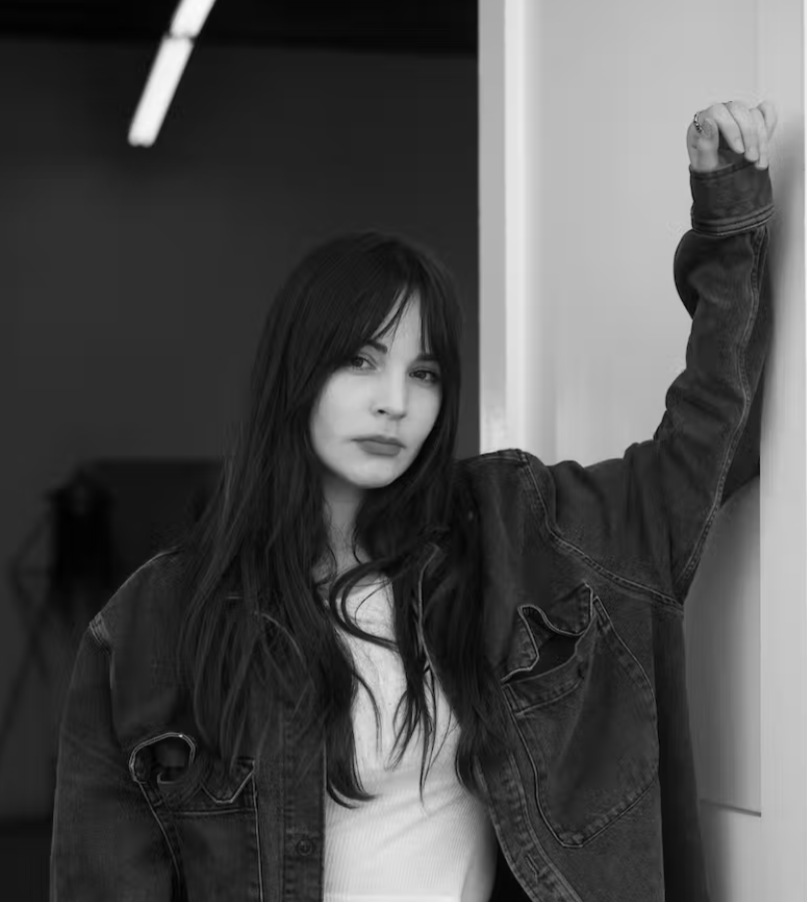
image courtesy of ELENA VELEZ
Your mother has influenced your work ever since you were very young. How has she inspired you as both a woman and a designer?
She passed on to me a lot of the tactile sensations, like prioritising functionality and utility over perfection or cosmetic beauty. She was my earliest reconciliation with the paradox of femininity and force.
Were you an ‘anti-heroine’ as a young woman? What does that mean to you, and how does it show up in the way you design pieces for women?
I’ve always been an extremely high agency and independent person. Being biracial and bicultural is a good prerequisite to creating good outsider art: one that never over-identifies with anything, at the expense of their own creative pursuit. I think there’s this obsession with being perceived by others as moral and virtuous that I find very suffocating and anti-intellectual. My theory of “anti-heroism” is simply storytelling for people who have moved past this fixation and have an appetite for more complicated and nuanced interpretations around the human experience.
What is the biggest challenge in using elements from the industrial world, such as metal, and incorporating them into your designs?
The biggest commercial challenge is obviously the notion of scaling but there is a spiritual challenge also. I was lucky to have Lidewij Edelkoort’s moving observations on my senior thesis (which was composed with a lot of site-specific materials), working with charged artefacts and the need for vigilance against malignant energetic transferal.
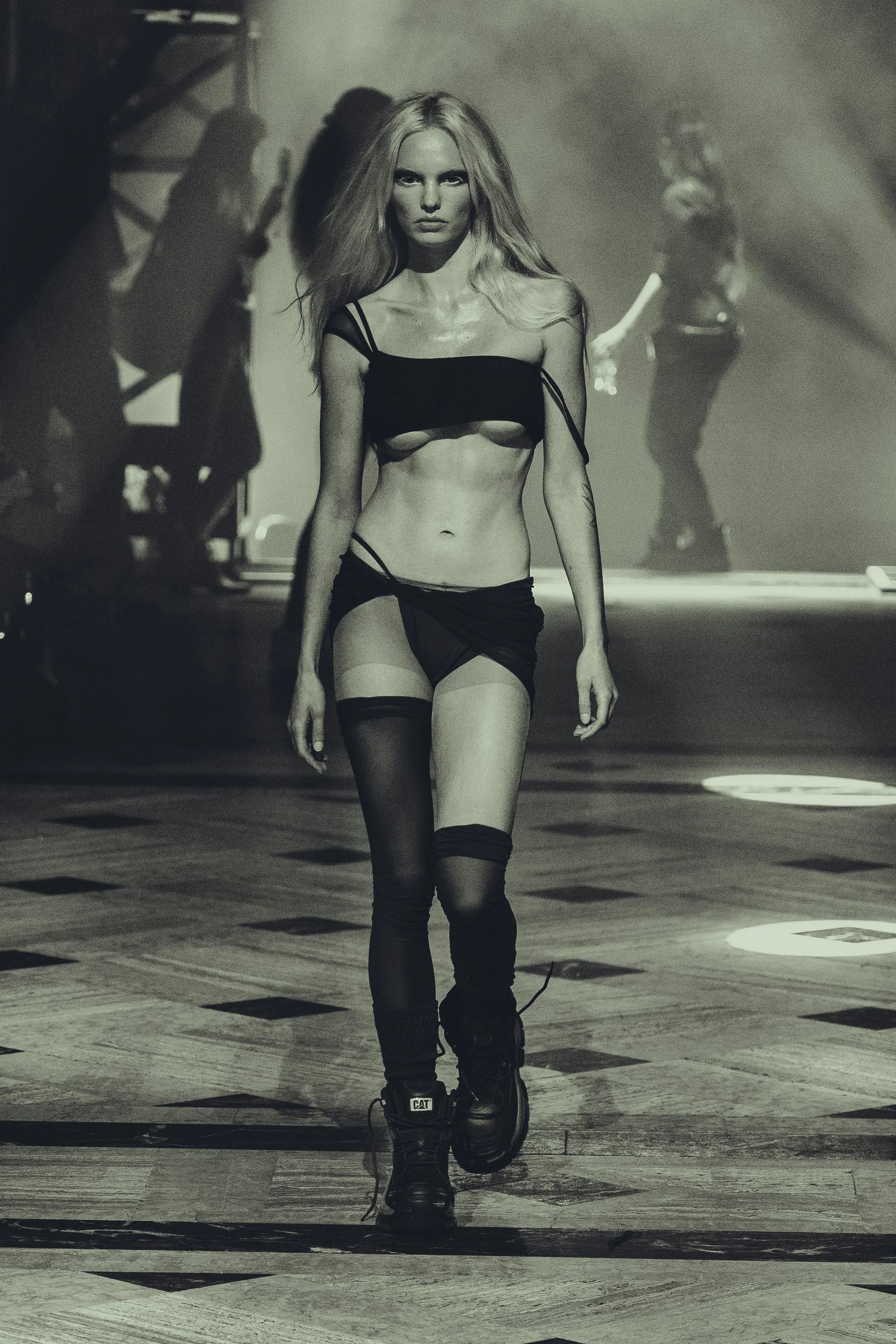
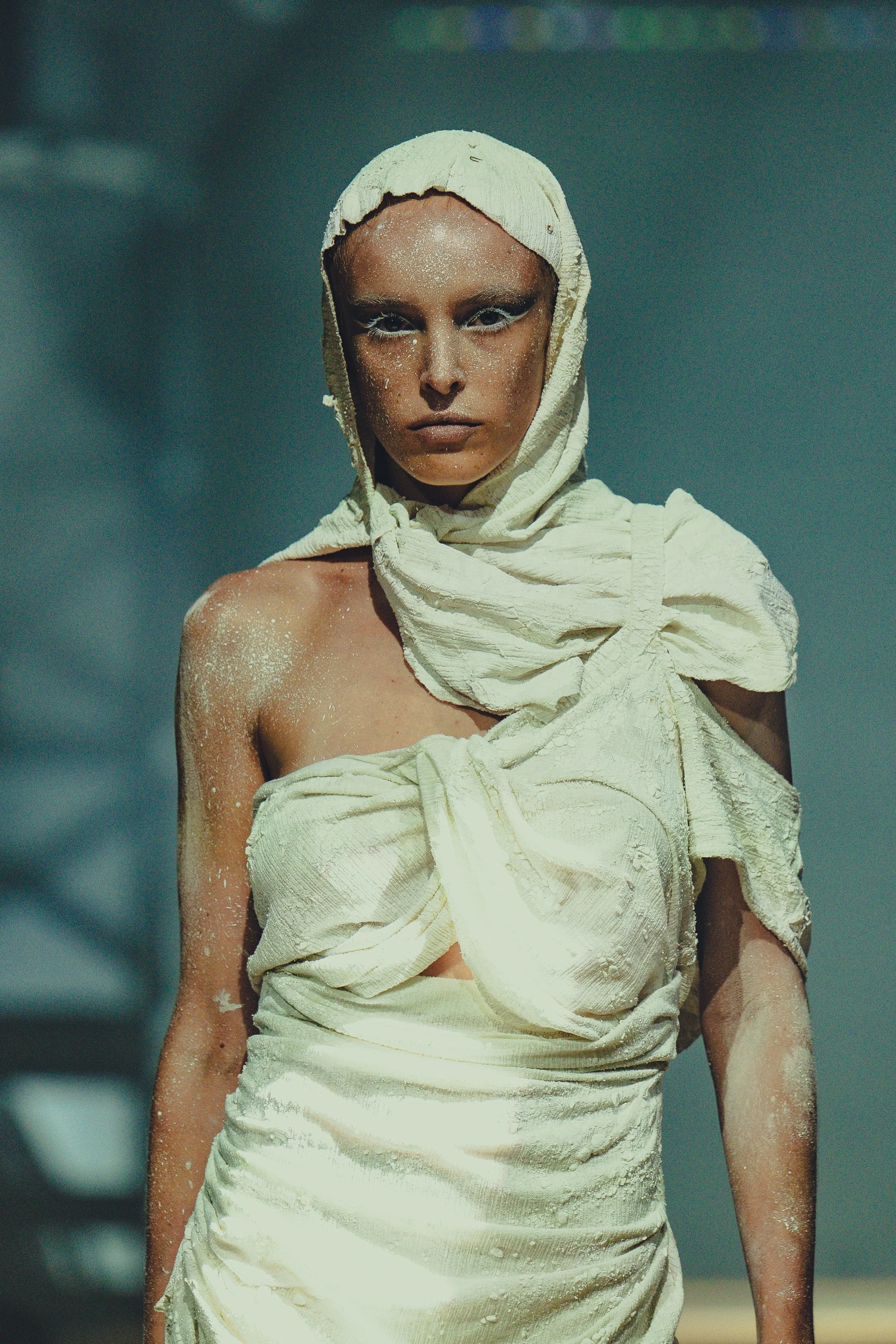
images courtesy of RESPECTIVE COLLECTIVE
The term “sustainability” is often misused. How does this concept relate to you in what you do?
I think the notion of “sustainability” has been stretched past all meaningful definition and is now just some vague and ideologically sanctioned stamp of approval. Nevertheless there is an idea of repurposing and circularity to my work that could be thought of as “sustainable”. The idea of elevating the mundane and documenting the existing conditions of the world I live in (as literally as possible sometimes) is a huge part of my creative practice.
How do your roots continue to influence your work today?
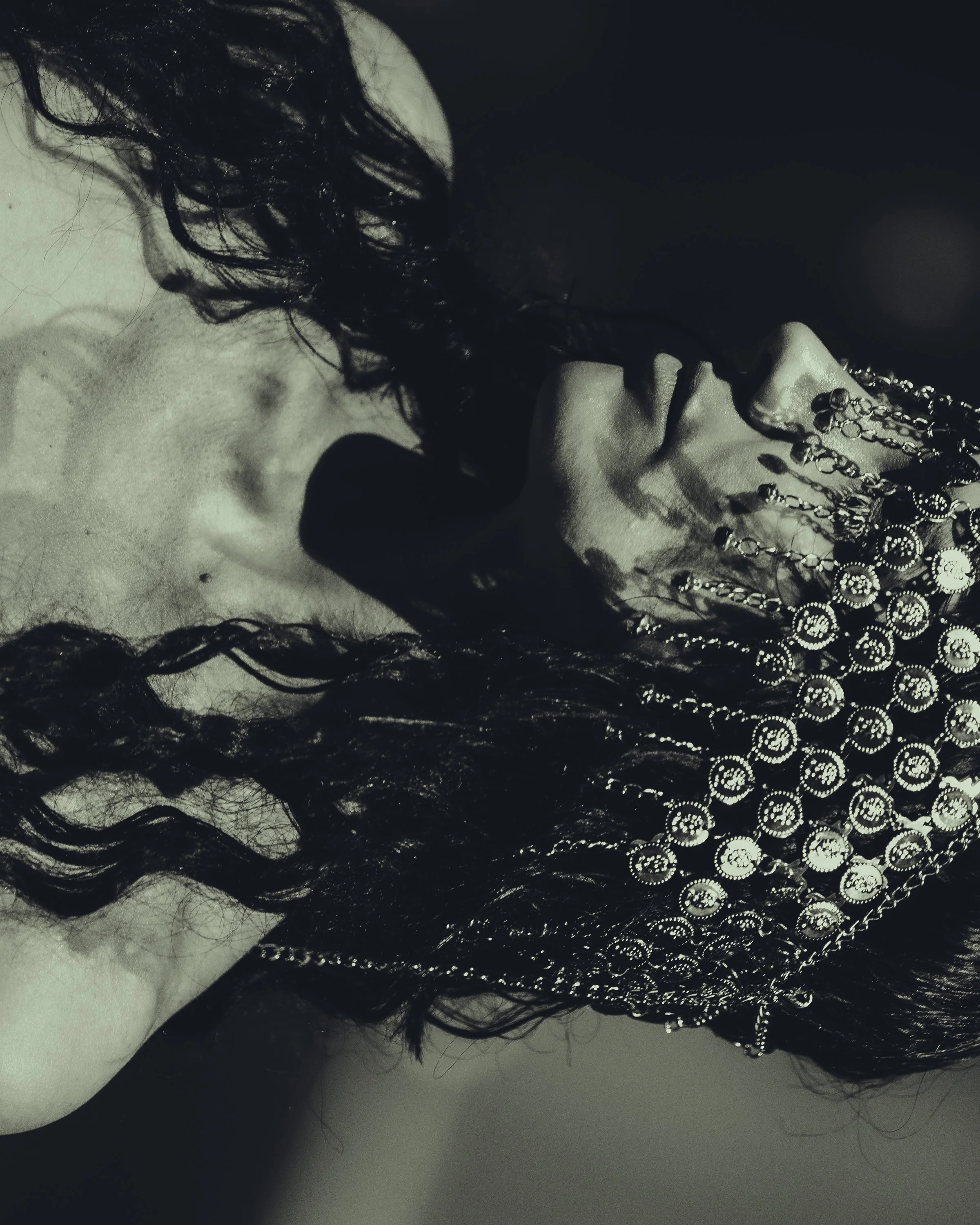
I like to call myself “bicoastal” (from Milwaukee to NYC), since both places are essential to the integrity of my work. My project has always been about democratising the American creative narrative beyond the elite cities and bringing a sensibility of overlooked America to the culture industry. I find one of these cities to be much more provincial and self certain than the other and it’s probably not the one you would expect.
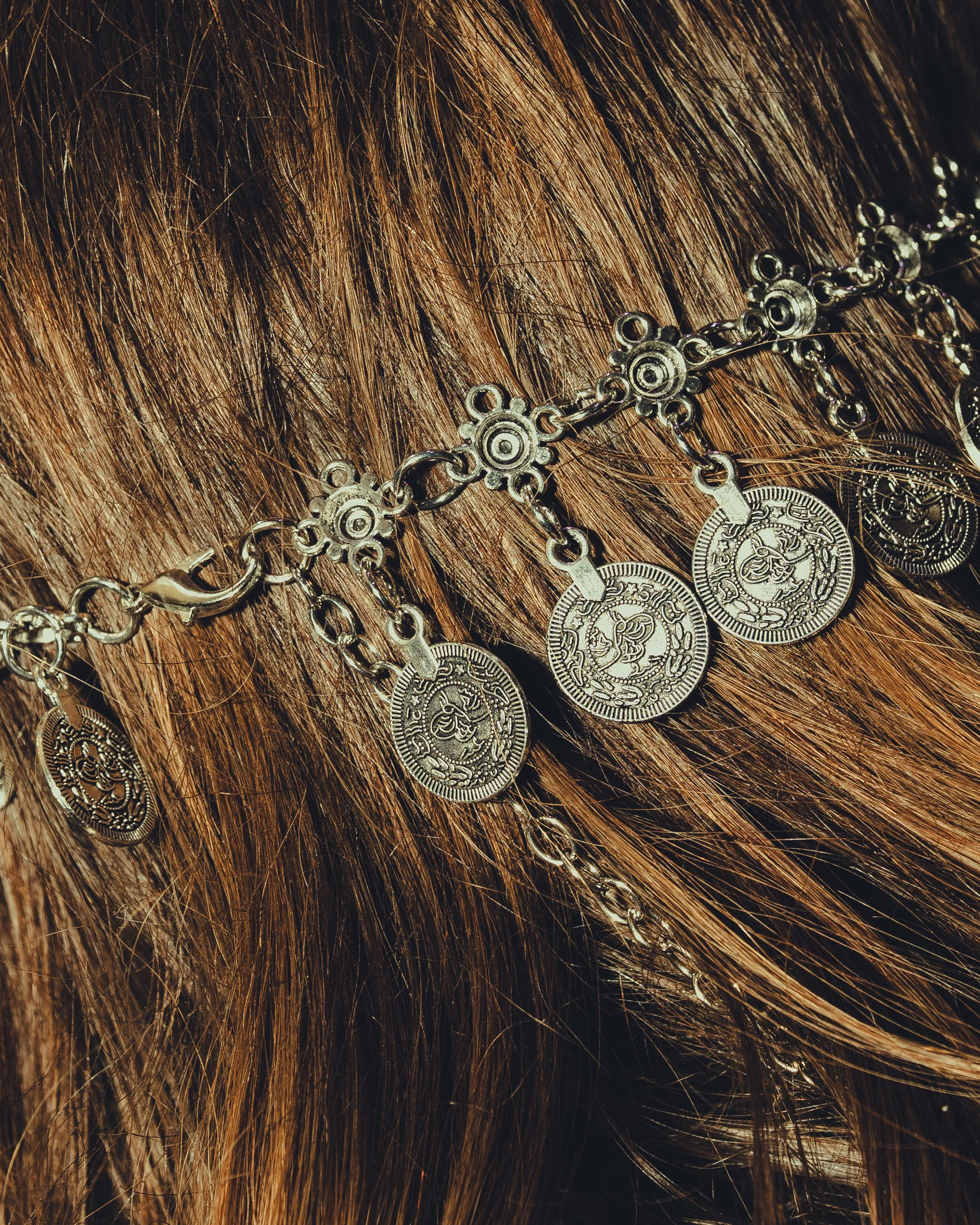
images courtesy of RESPECTIVE COLLECTIVE
You describe your designs as ‘aggressively delicate’. How do you balance fragility and strength?
It’s an intuitive process. Most of my work, when I’m forced to articulate it in words, has to do with paradoxes, dualities, horseshoe theories… spectrums of possibility that contradict and align in different ways. I think history is like this. It’s difficult and probably irresponsible to try to universalise your understanding of the truth, but as a public artist it’s what I’m called to do.
What were your reactions when you saw your work exhibited in museums such as the V&A?
I’ve always worked backwards from a reality where these sorts of alignments are a frequent and natural part of my professional life.
You’ve just unveiled YR009: SMITE during NYFW. How are you feeling now? What were you hoping to communicate to the public with this new collection?
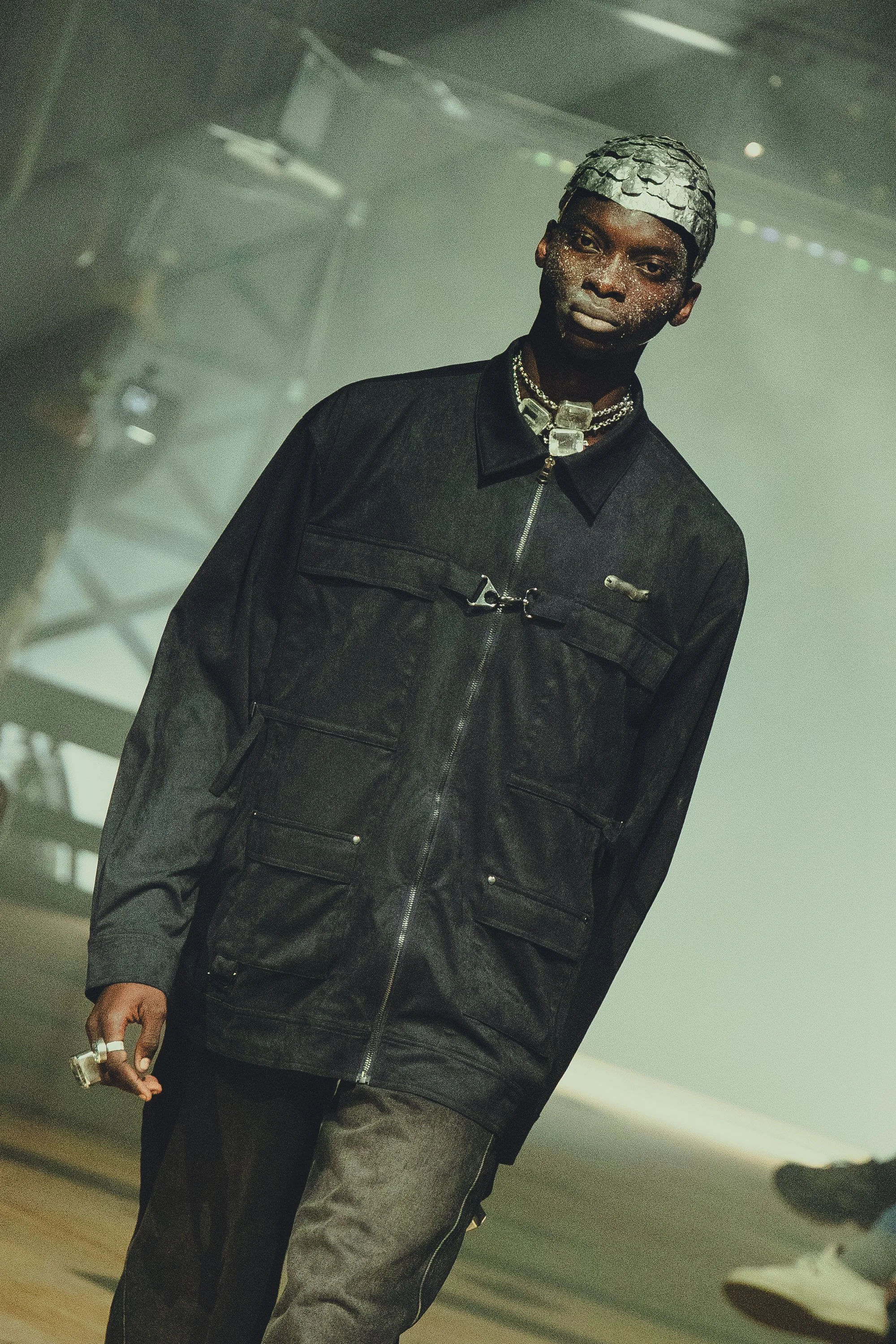
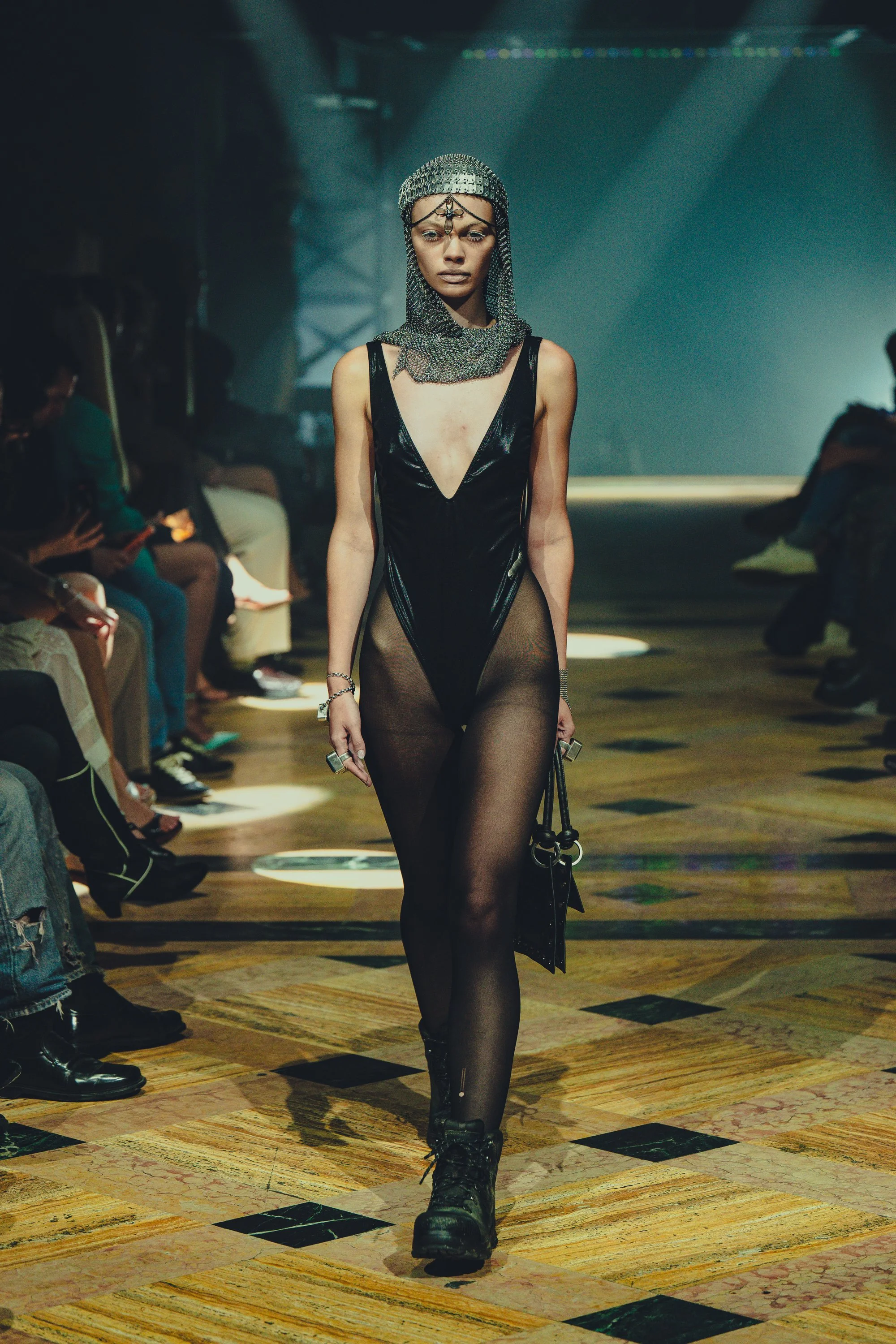
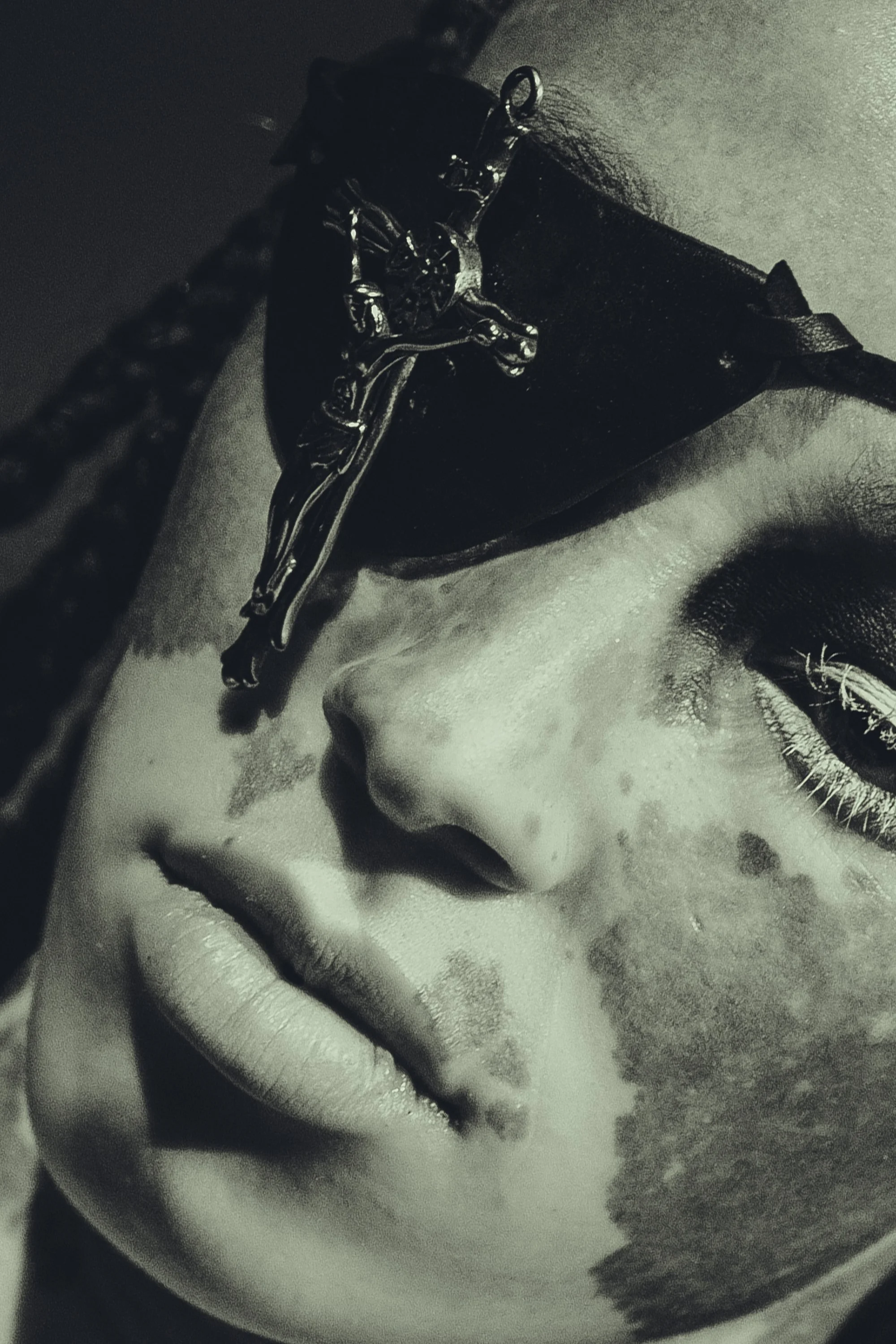
I feel anticlimactic, underwhelmed. That sensation of always thinking: “I could have done that so much better”. It’s the frustration that always energises the next project for me. Maybe that’s the case for a lot of artists. SMITE is a story about righteous violence in a secular society: how ideology replaces spirituality and weaponises virtue while simultaneously replacing its fundamental message of tolerance and forgiveness.
images courtesy of RESPECTIVE COLLECTIVE
What was the most exciting part of developing the collection? And, looking back now, what was the most daunting?
In this startup era, the work I’ve had to do to even be able to have a brand that shows fashion has been disproportionately consuming. I think after this 10th consecutive show, I’ve proved something to myself and to the industry about my tenacity and will start to show less frequently with more intentional work. Being a designer during NYFW is like being Santa at Christmas. You can make big asks and see huge professional returns but the daunting part is the physicality of producing a show and bracing for the internet theatrics that usually come after.
Can you tell us a bit more about your collaboration with CAT Footwear?
This was really a dream partnership. CAT Footwear is a legacy brand with a culture that I draw so much inspiration from. Most of my midwest collaborators are welders, machinists, and fabricators. The omnipresence of heavy machinery and industrial spaces feel very native to my upbringing and getting to work with products made for that world is just such a visually and conceptually seamless integration.
What did it mean to have Sheila Vand as part of this collaboration, and what did she bring to the project?
One of the throughlines of the SMITE narrative was about cultural polarity, dehumanization, and the othering of ideological opposites. There are a spectrum of examples, stemming from the banal and mundane, (algorithms, media bias, “in-crowd” language), but there are also violent and existential examples (geopolitical disaster, political subjugation, humanitarian crises). Beyond the bond we formed as mothers raising young children during a particularly complex moment in human history, our conversations brought new layers of meaning and depth to the collection’s visual vocabulary.
What’s one territory that still feels unexplored in Elena Velez’s creative universe?
There are still so many different mediums I’m excited to communicate the brand universe through. We work so hard to build a self contained world and it feels so reductive that fashion should be the only thing to exist within it. I’m excited to branch into sound, product and interior design, experiences and beauty… It's excruciating to be limited by the mundanities of time and finance!
images courtesy of RESPECTIVE COLLECTIVE