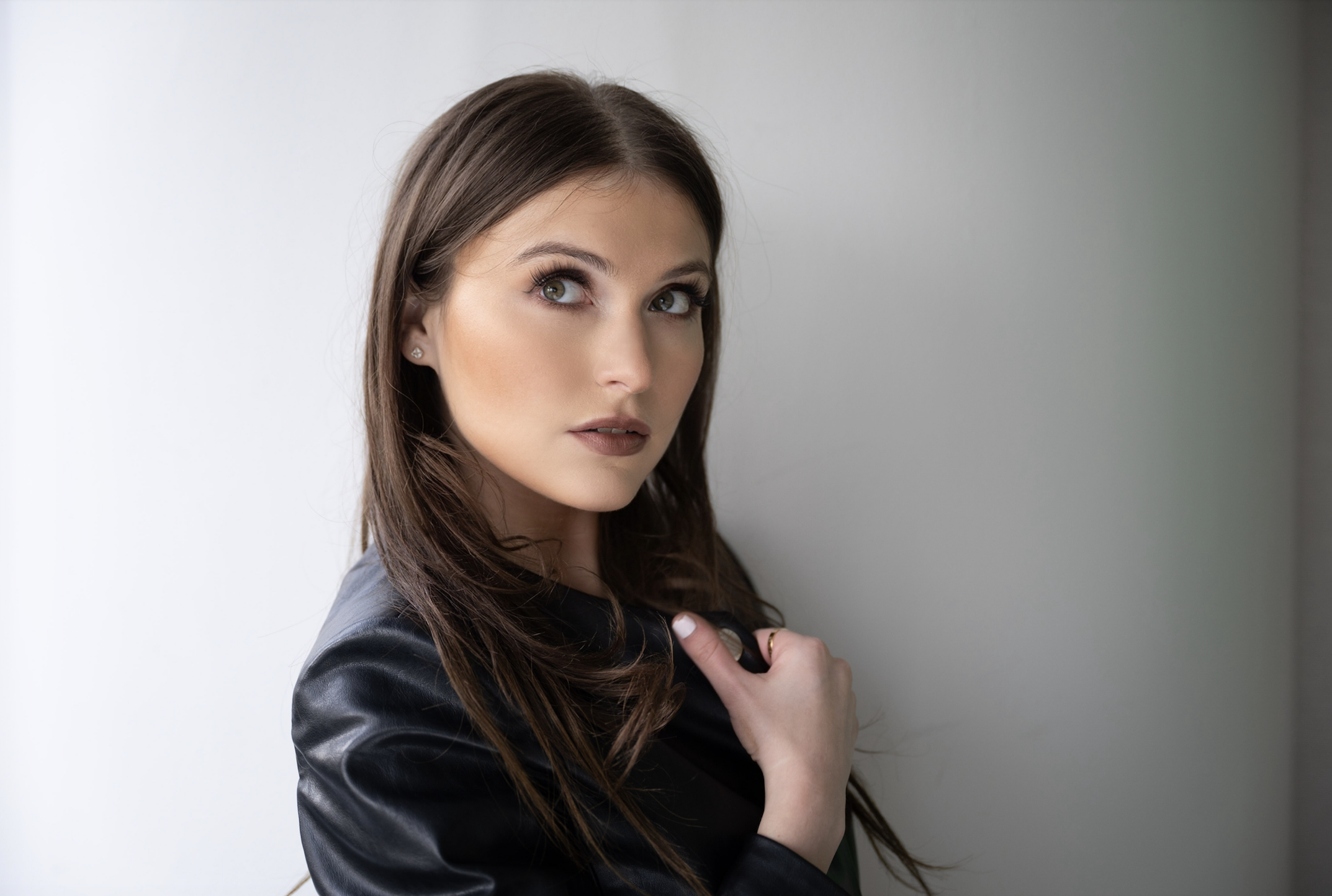
IN CONVERSATION WITH ELLE WINTER
interview by JANA LETONJA
Elle Winter is stepping into a new era defined by self-trust, creative ownership, and a willingness to find humor in the messier parts of growing up. Her new single, Dream Girl, was born from the aftermath of a long-term relationship and an ex who insisted she’d never find anyone better. Beneath the song’s playful sass is a deeper story about recognizing red flags, reclaiming difficult experiences, and learning to trust her own voice. After entering the entertainment industry as a child through Radio Disney, Elle is now defining herself on her own terms as a singer, songwriter, actor, and person, with another single arriving October 23, an EP later this fall, and a debut album planned for 2027.
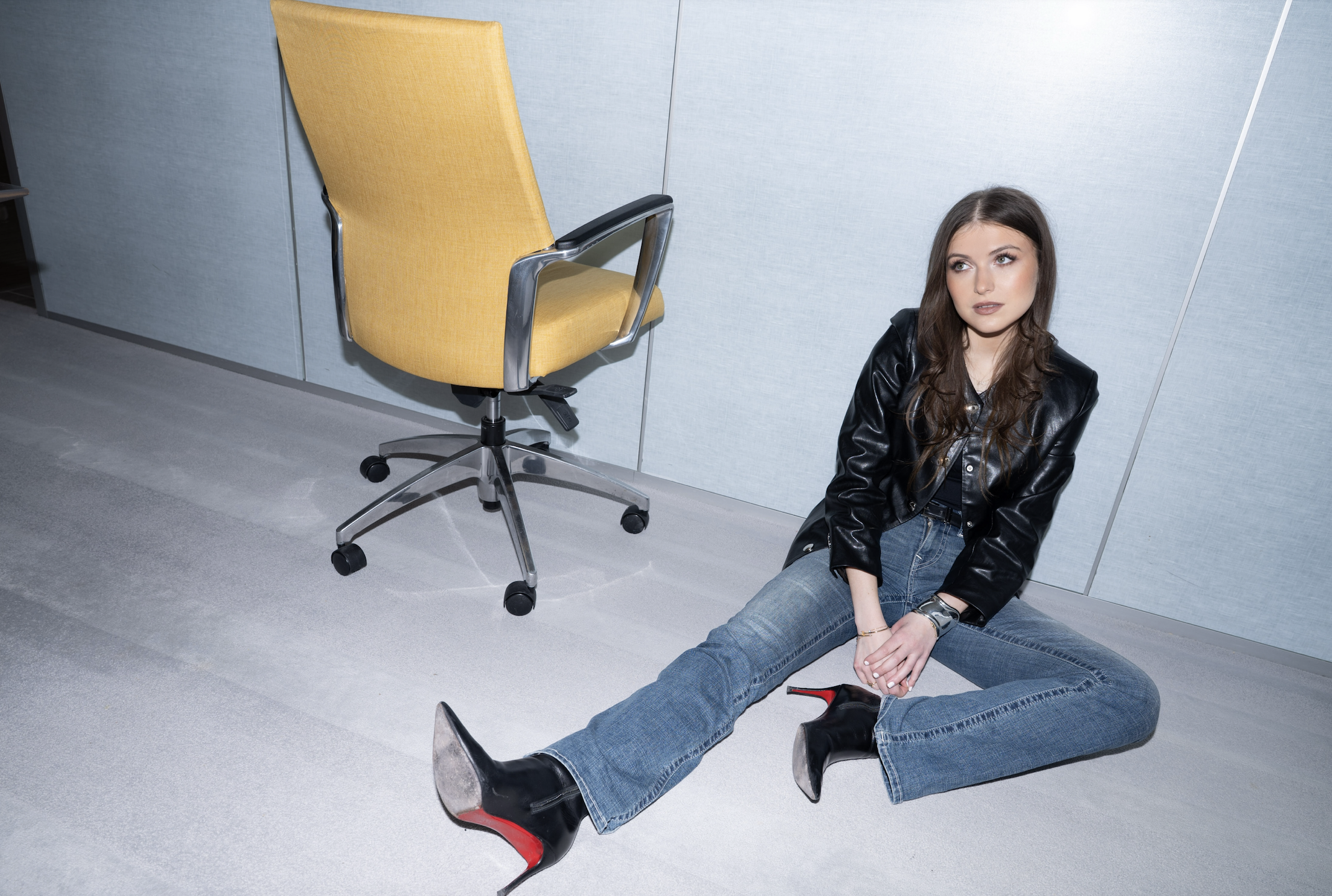
photography by NIR ARIELI
Let’s start with the line at the heart of Dream Girl, “Well, a girl can dream.” When did you realize that phrase could become a song?
That concept emerged as I love writing super fierce, sassy anthems and thought the sarcastic “a girl can dream” line was such a fun zinger, but I think the double meaning adds a nice layer of vulnerability. Finally meeting someone so nice and grounded, who made me feel appreciated and seen, made me realize the longer I spent denying my own feelings got in the way of the blessings that were meant for me. I love the TikToks where people say, “Move on, you’re literally someone’s dream girl!”
Your ex repeatedly told you that ending the relationship was the biggest mistake of your life and that you’d never find anyone better. What did writing this song allow you to say that you perhaps couldn’t say in the moment?
I wrote this song after the end of my long-term relationship and upon meeting someone new. I had been reflecting on the ways in which my previous relationship had made me doubt myself and my decisions, and I realized I deserved someone who is right for me and to finally put myself first.
The bridge is most personal, where I discuss this person telling me that leaving them would be my biggest mistake, but I confess that the only mistake made in the relationship was getting into it in the first place. I really like that mix of confession and confrontation and recognizing my own missteps.
There’s a difference between writing a breakup song about someone else and writing one that reveals something about yourself. What did Dream Girl make you recognize about your own choices in that relationship?
I think a lesson I continue to learn and grapple with is following my heart and intuition and shedding self-limiting beliefs. If it’s not a hell yes, it’s a hell no.
I had been reflecting on the ways in which my previous relationship had made me doubt myself and my decisions. Deep down I always knew that he was not the right person for me, and I think there was something very liberating about finally realizing that and putting myself first. I really like that mix of confession and confrontation in the song because it also means recognizing my own missteps.
You’ve talked about acknowledging red flags you ignored. Looking back, why do you think we sometimes become so good at explaining away things we know aren’t right for us?
For me, I think a lot of it came down to doubting my own instincts and denying my own feelings. I think there can be a tendency to second-guess that inner voice, but I’m learning to trust it more.
How do you decide which details from your personal life belong in a song and which ones still belong only to you?
I think the most personal songs often end up being the most universal. I always want to write from a place that feels honest to me, but I’ve learned that being vulnerable doesn’t necessarily mean revealing every detail of an experience. I can take something very specific that I’ve lived through and focus on the emotion at the center of it, whether that’s heartbreak, frustration, confidence, or learning to let go, and allow the listener to connect it to their own life.
I also love juxtaposing those honest or vulnerable moments with melodies that feel fun and infectious. There’s something empowering to me about taking an experience that may have once felt painful or complicated and turning it into a song you can sing along to. It allows me to reclaim the experience while still keeping certain parts of it just for myself.
You entered this industry very young through Radio Disney. How has your definition of your own voice changed since those early years?Getting my start in the industry at such a young age was truly formative and gave me a really unique perspective on what it means to grow up as a young woman in music. I’ve always loved singing and telling stories through my songs, but as I’ve gotten older, I’ve learned how important it is to honor my own truth and trust what feels honest and authentic to me.
I’ve also always loved so many different genres of music, and over time I’ve become much more confident in letting all of those influences co-exist rather than feeling like I have to fit into one particular box. Now, music feels like a space where I can take ownership of my experiences, turn them into stories, and hopefully make other people feel a little more understood in their own experiences as well.
When you start working professionally as a child, there are inevitably adults around you with opinions about who you should be. Was there a point when you realized you needed to separate those expectations from what you actually wanted?
I don’t think there was necessarily one specific moment, it was something I learned over time. When you grow up in entertainment, there can be so many opinions about who you should be, what you should sound like, or what your next move should be. Over time, I’ve learned to listen to those voices without allowing them to become louder than my own.
Having people around me who know and support me beyond what I do has also been incredibly grounding. The more I’ve learned to trust my own instincts and stay connected to the things and people that matter to me, the more freedom I’ve felt to evolve as an artist.
“Empowerment” in pop music can sometimes sound like having complete confidence and all the answers. Your approach seems more interested in the contradictions. What does empowerment actually look like to you now?
I’ve realized that empowerment doesn’t always mean having everything figured out, sometimes it’s being honest about the choices you’ve made, the people you’ve let into your life, and what you’ve learned from all of it.
I really like including that juxtaposition of strength and vulnerability in my music in order to show that being confident and empowered actually does require you to be vulnerable as well. The two go hand in hand. There’s still a lot of confidence and fun in this music, but there’s also more vulnerability and self-reflection. To me, that feels like a more evolved and multidimensional version of empowerment.
You’ve already had experiences like national touring, appearing on The TODAY Show, and being recognized by Elvis Duran and KIIS FM. Does success feel different when you’re pursuing it with a clearer sense of who you are?
After having experienced exciting moments throughout my career, I think the success that feels most rewarding to me now is knowing that my music is actually reaching people. Whether a song helps someone feel less alone, makes them happy, or simply makes them feel seen in something they’re experiencing, that connection means so much to me.
As I’ve grown more confident in who I am and the kind of artist I want to be, I think I’ve also become less focused on what success is supposed to look like from the outside. Of course, those big career moments are incredibly exciting, but there’s something especially fulfilling about creating something that feels completely true to me and then watching someone else find a piece of themselves in it.
Dream Girl is part of a larger EP. What side of you will listeners discover through the rest of the project that they might not hear in this song alone?
Listeners can expect empowering anthems and declarations of self-worth, alongside some self-deprecating, tongue-in-cheek bops. Sonically, the project lives in a bold pop world that feels energetic, playful, and confident, while emotionally, there’s a lot of honesty and self-reflection underneath it all.
I wanted the music to capture both sides of growth, the confidence that comes from knowing your worth and the ability to look back at your own choices with some humor and perspective. Dream Girl continues to tell the story of empowerment and reflection that is a throughline on my current EP, and ultimately, album. It has the balance between strength and vulnerability and sassy and sincere that I feel like I carry with me in all aspects of my life.
You’re also building toward your debut full-length album in 2027. Do you already know what you want that album to say about this period of your life, or are you allowing that answer to emerge as you write?
I’ve been in the studio almost every day working on the album, and I think what’s been most exciting is watching the themes reveal themselves organically as I continue writing. The songs are incredibly reflective, and even though I didn’t go into the process limiting myself to one specific statement I wanted to make, I’m starting to see all of these threads connecting them.
In the past year alone, I’ve had so many new experiences that have taught me a lot about myself, and I’ve been diving into all of those reflections in the studio. I think the album is naturally becoming a snapshot of who I am and everything I’m learning in this chapter of my life.
If Dream Girl began with someone telling you that you’d made the biggest mistake of your life, what would you say today to the version of yourself who was hearing those words?
I would tell her that life will get exponentially better once you start putting yourself first and really getting in touch with what you want and deserve. I’d tell her to trust that inner voice telling her something isn’t right, even when someone else is trying to convince her otherwise.
Most of all, I’d tell her that the feeling on the other side isn’t regret, it’s relief. Choosing yourself can be scary in the moment, but there is so much happiness waiting for you when you do. These are all concepts that I talk about in the album as well.