
IN CONVERSATION WITH EMMA NAOMI
interview by JANA LETONJA
photography by NATHAN J. PHOTOGRAPHY
Award-winning British actor Emma Naomi continues to captivate audiences across stage and screen with her commanding performances and magnetic presence. Best known for her breakout role as Alice Mondrich in Netflix’s global hit ‘Bridgerton’, Emma will return for the highly anticipated Season 4, debuting in two parts, beginning on 29th January 2026. Alongside her acclaimed work in ITV’s ‘Professor T’ and an impressive list of theatre credits, from the National Theatre to the West End, Emma’s career is defined by range, authenticity, and a rare emotional depth that firmly cements her status as one of Britain’s most exciting and versatile talents.
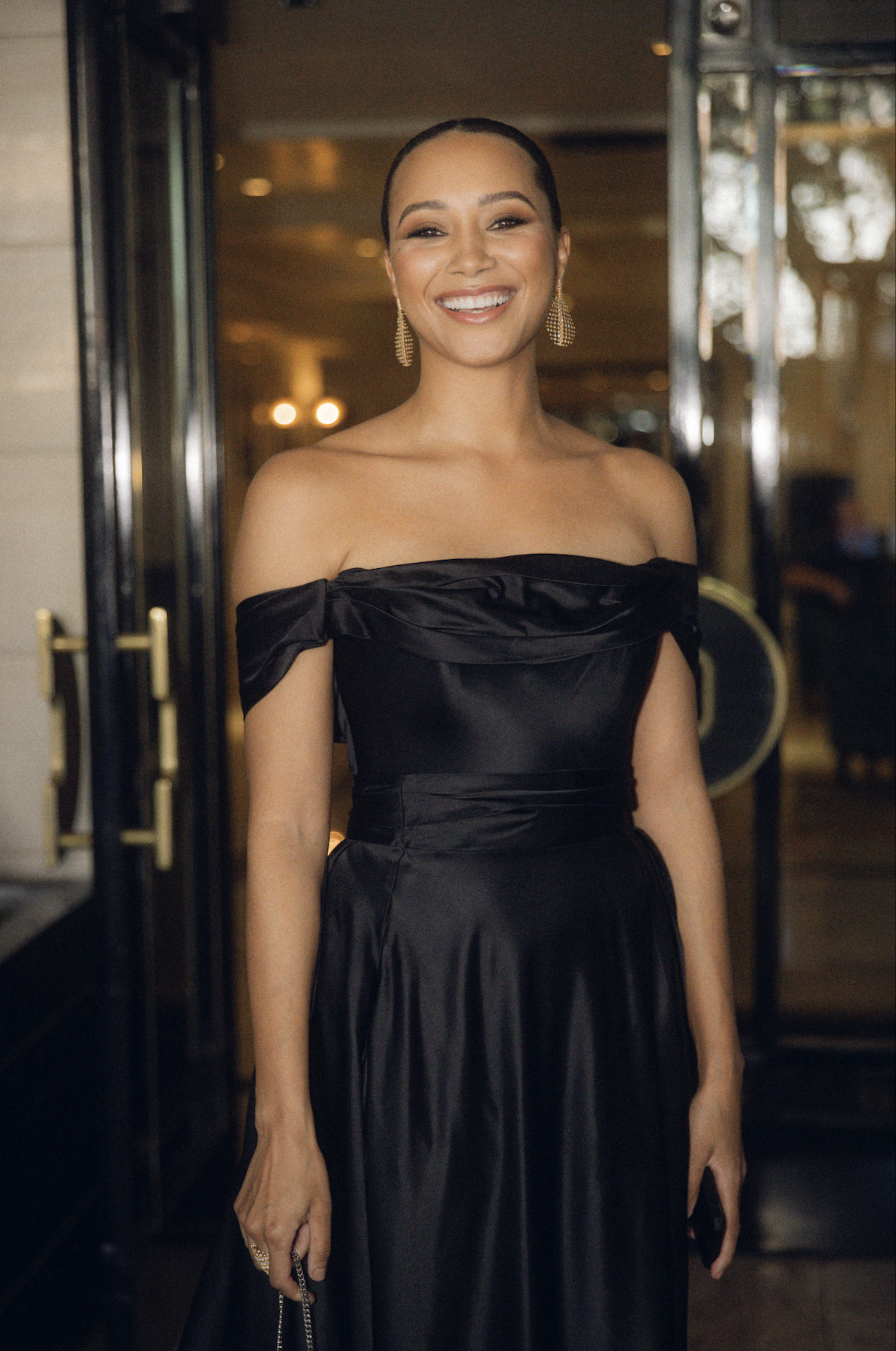
You’ve become a fan favourite as Alice Mondrich in ‘Bridgerton’. What can audiences expect from Alice in Season 4?
The theme of this season is “out of the shadows and into the light”. This is true of Alice’s arch too in a way that is very unexpected. She’s knocked off kilter for a while.
The show has become a global phenomenon. How has being part of such a cultural hit shaped your career and personal outlook?
It’s been a lot of fun. I’m not sure if it’s changed anything in terms of outlook. When we were initially filming the series, we had no idea it would be the global hit it is. People recognise my work in the show if I mention it, but life continues as normal.
This season focuses on Benedict Bridgerton’s story. How does Alice’s world evolve alongside that central storyline?
The Bridgerton have always supported the Mondrichs and Alice is more than happy to return the favour. But guys, Benedict and Sophie, you’re going to love them.
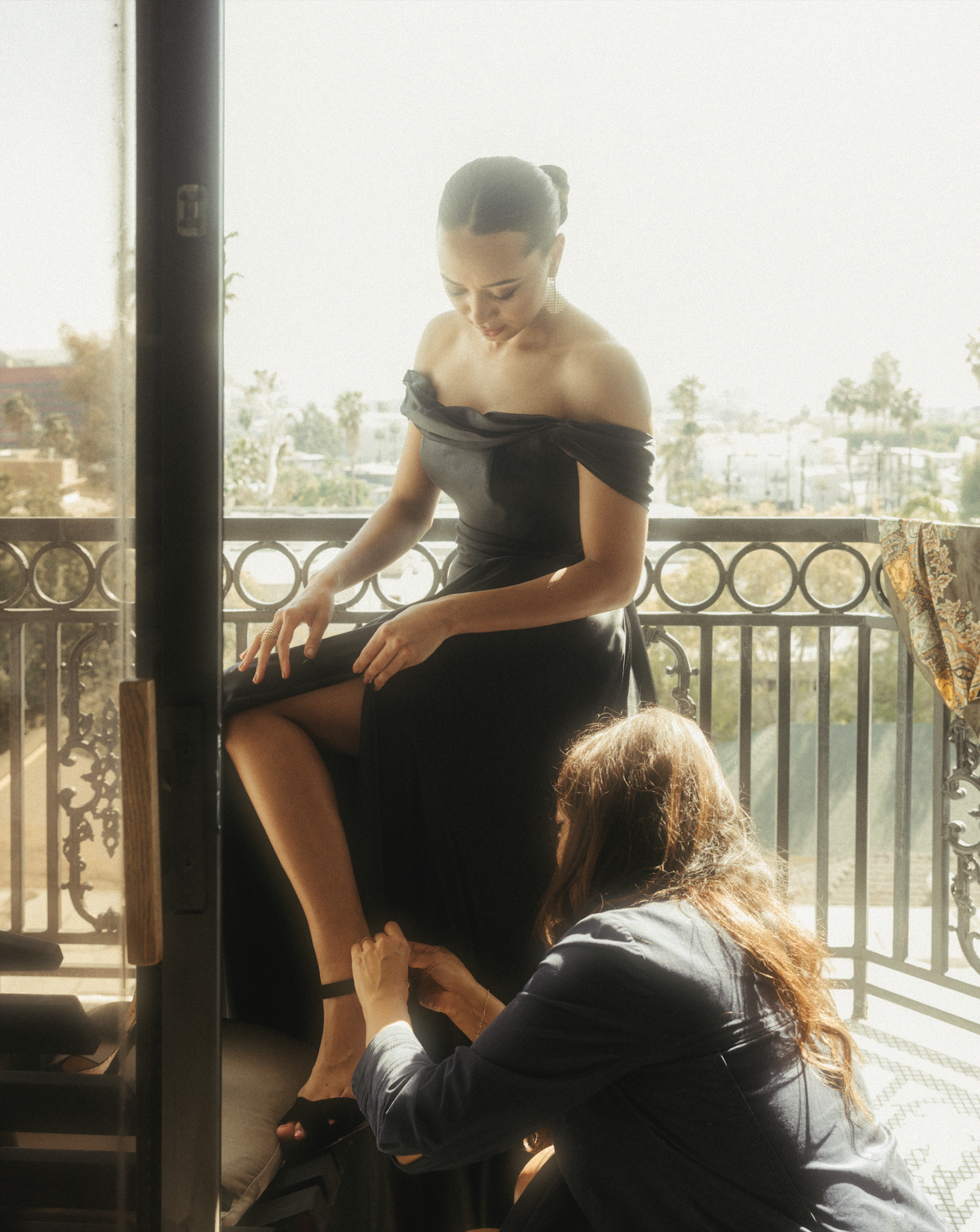
‘Bridgerton’ is known for its rich themes of love, ambition, and class. What do you think makes the series so universally resonant?
The chemistry between the two leads every season has always been my favourite thing to watch. I also love the aesthetics, the dances, the costumes, the sets, the lights, the attention to detail with props and wigs. There is such creativity. I wish we had director’s commentary option available like they used to do on DVDs.
The show has also been praised for its diversity and inclusive storytelling. How meaningful is it for you to represent a character like Alice Mondrich in that world?
Shondaland have set the bar in terms on what’s possible in long running shows like this. Every season, we are celebrating diversity in different ways, and it has a colossal impact for the people being represented. I’m proud to be part of a show that highlights and celebrates us, in front of and behind the camera.
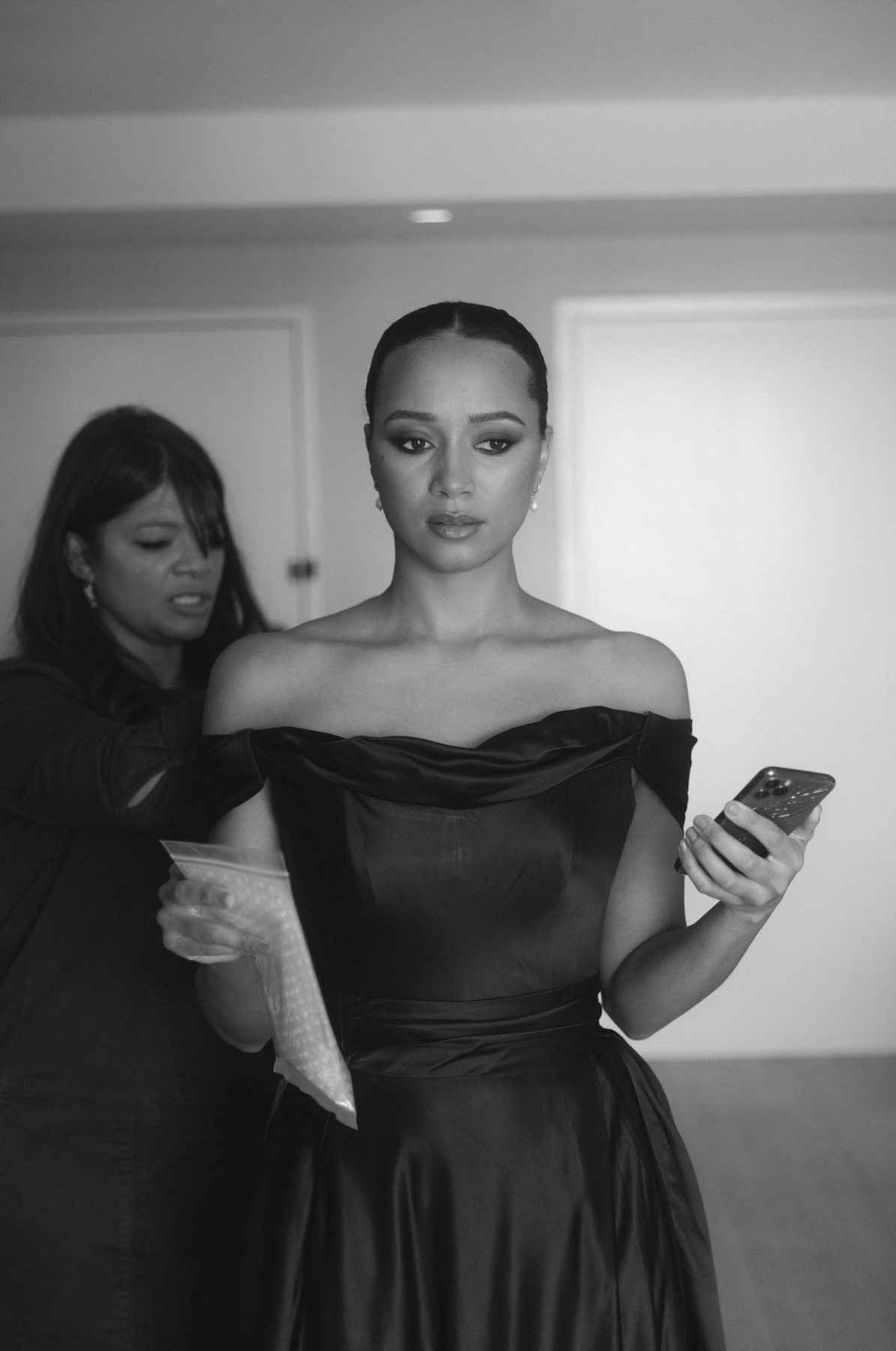
You’ve had an impressive stage career alongside your screen work. How does performing live influence your acting on camera?
I’m still figuring that out. What I like about performing live is that you have permission to find new things every single time. It’s true for camera, but in a different way, subtler. There’s continuity to think of. Golda Rosheuvel executes this beautifully.
Theatre demands such presence and immediacy. Do you still feel a pull to return to it regularly?
Absolutely. I would love to go back as soon as possible.
When you take on a character, where do you begin? With research, instinct, or emotional connection?
Research to me is very important. It takes me away from myself and toward the character, it’s inspiring and gives me new ideas. It’s important to understand the world the character is living in from every angle. Context is everything. Then owning the language.
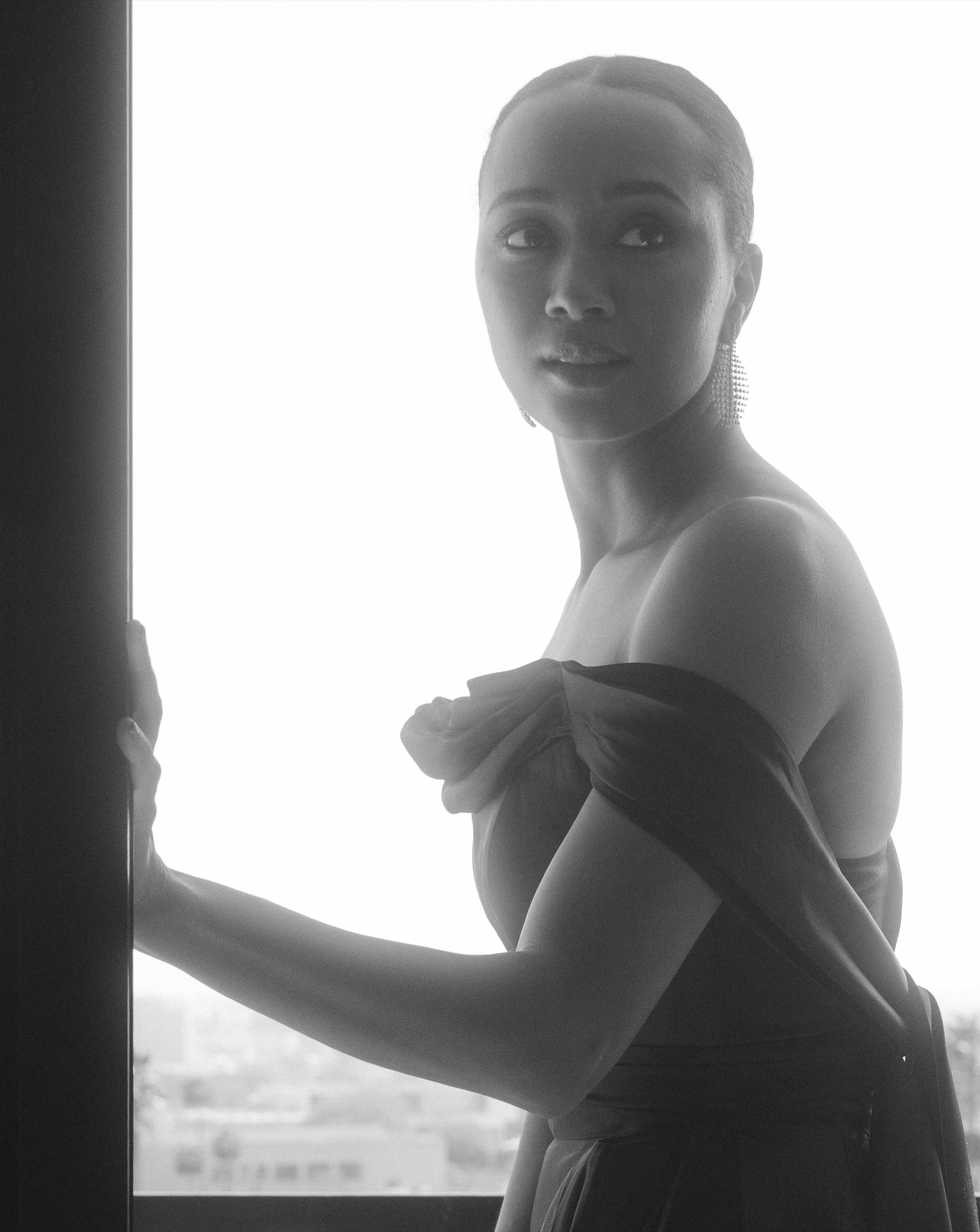
As someone who’s earned both critical and audience acclaim, how do you stay grounded and creatively fulfilled?
I don’t know that I feel that myself. But in terms of staying creatively fulfilled, there’s always something new to learn. I like to watch my colleagues work on set and learn from them. Yerin Ha is amazing, both on camera and stage. I want to shadow directors to see what the camera needs from the actor. In my own time I read, exercise, keep up with workshops and classes, and try new things too. I’ve just started drum lessons. Random I know, but I’ve always wanted to do it.
Finally, what does “success” look like for you now, and what stories are you most excited to tell next?
Labelling what success looks like is always a dangerous thing, so I’m not sure how to answer that. Here’s what I hope, to keep developing my craft as an actor in film and theatre, to articulate and advocate for myself well, see the world, keep my bills paid and be a kind person.
