
IN CONVERSATION WITH SINA XX
Interview by Samo Šajn
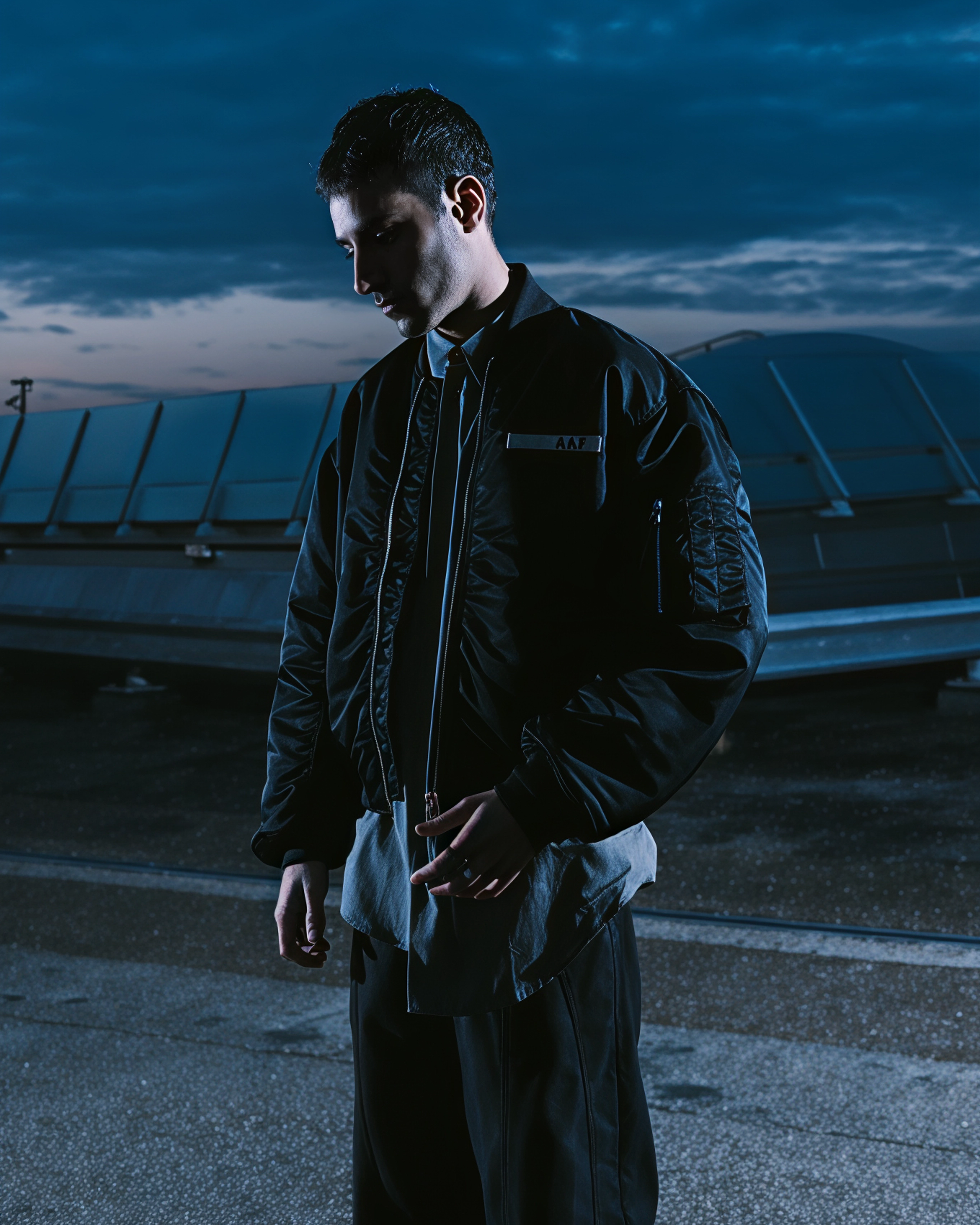
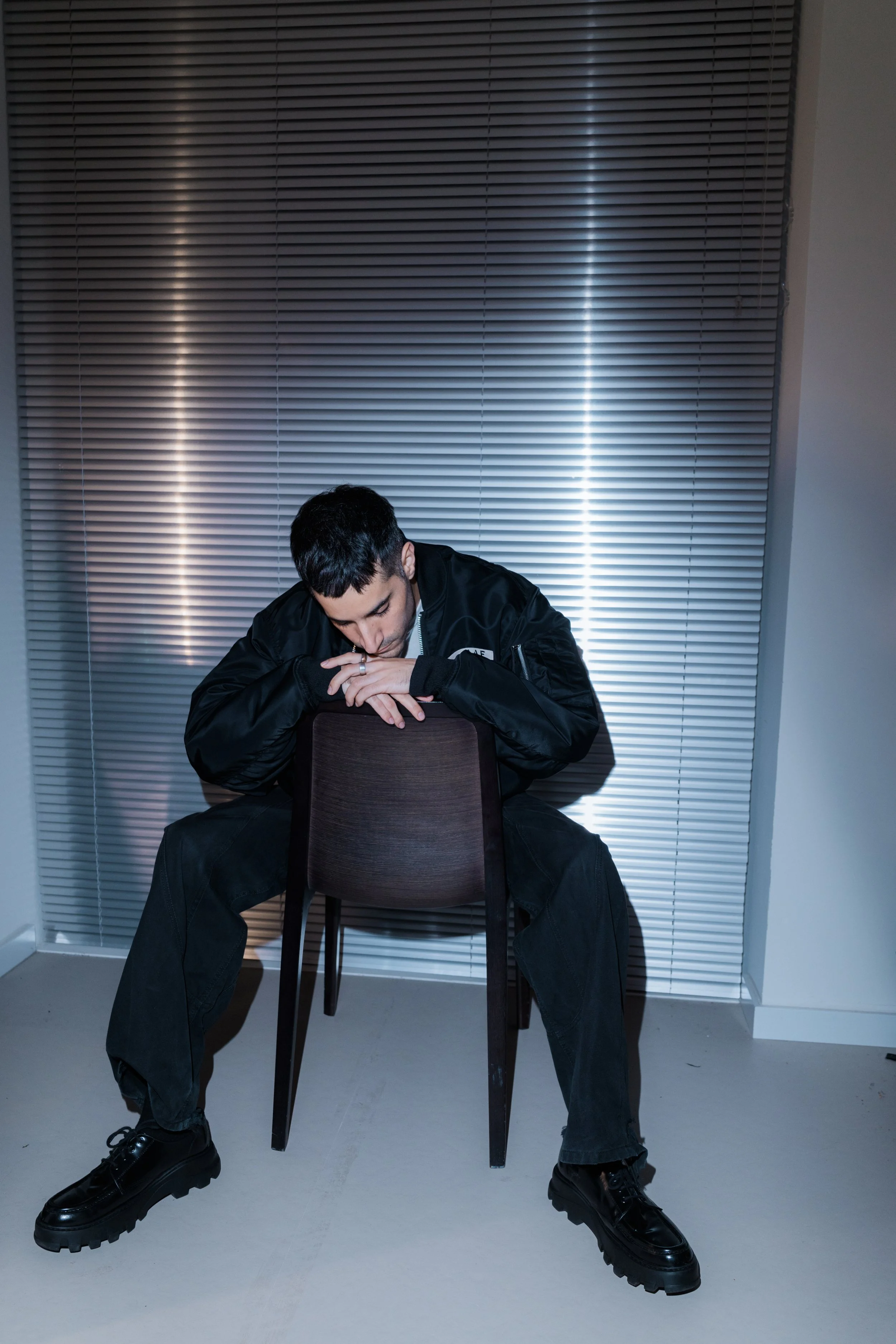
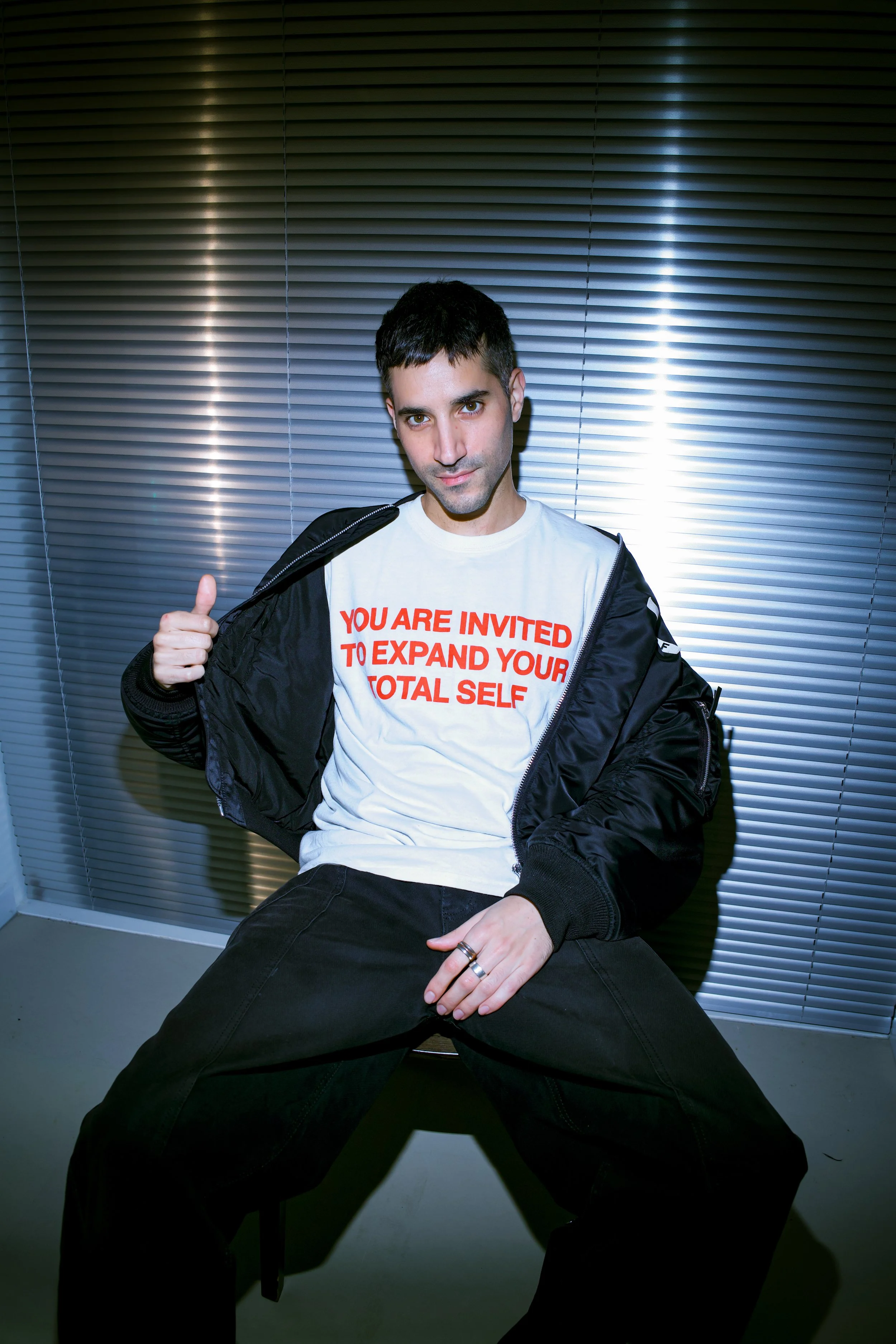
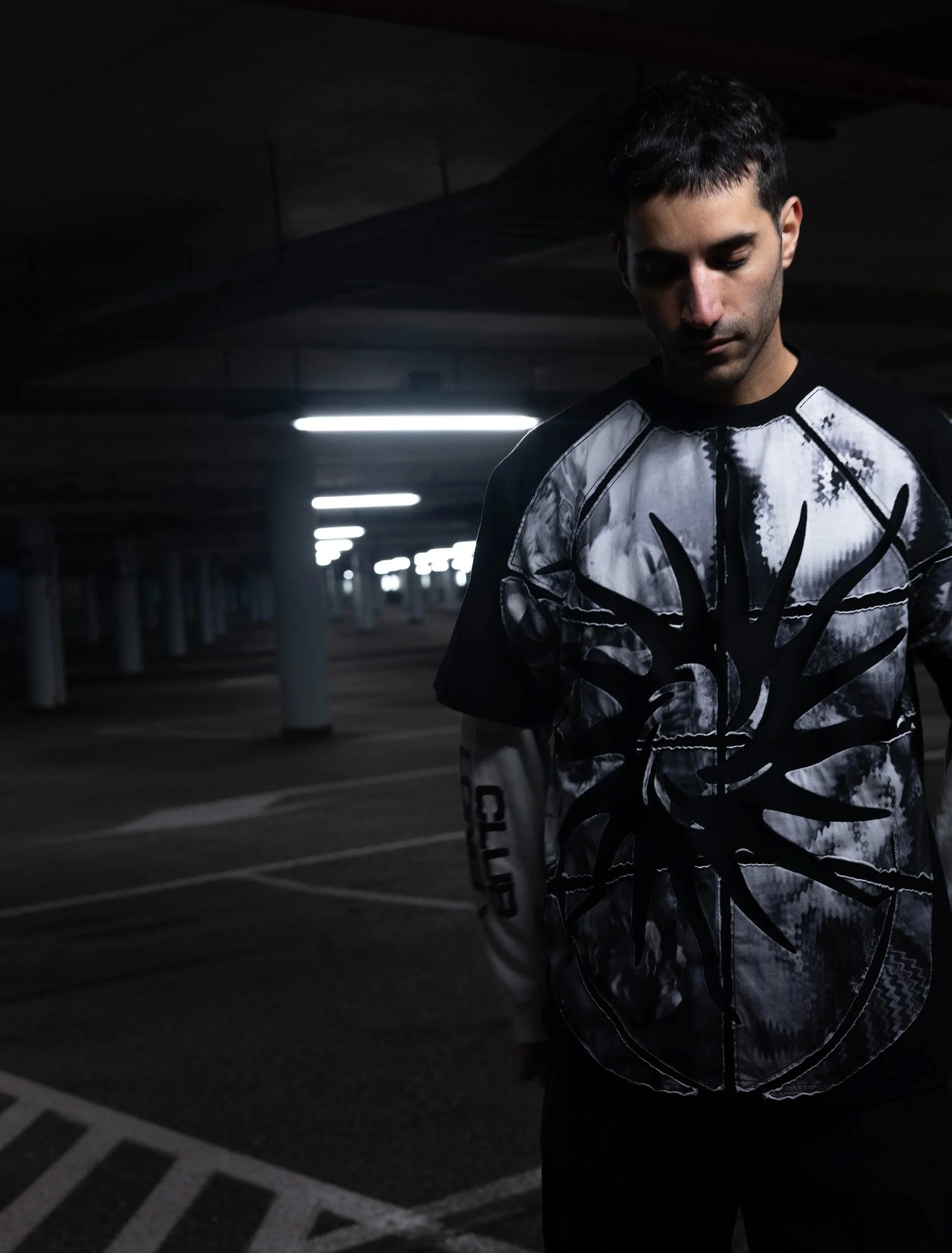
Sina XX is a French techno producer known for his hypnotic, tribal-inspired sound and his dedication to underground club culture. With his new single Tribalizer II, he continues to explore rhythm, community, and freedom on the dancefloor. In this interview, he talks about his music, influences, and the ideas behind his new album.
Your album Let There Be Light is built around faith and resistance. What do those ideas mean to you personally?
Faith is believing in yourself and in others. This is something I lacked for most of my life and something my community gave me. Dedicating myself fully to underground and queer culture gave me the foundation to express myself as an artist. Faith is also believing that things can get better and that you can be part of that change. In other words, faith is resistance. Not in a religious way, but in a human way. Religion just happens to use it.
Why was Tribalizer II an important track for the story of the album?
I see the club as a modern tribal ritual. As DJs, we don’t just play records, we sync people together through rhythm. When we move as one, we come together as a group, as a community. That’s the spirit behind Tribalizer II. I also love how it connects this album to the first one, creating a continuum between projects.
How have your early years working between Tehran and Beirut influenced your sound?
All of my travels have shaped me as a person in some way. I was in Beirut for an art residency, and it helped me connect with musical scenes outside the radar, as well as with part of my heritage. It was the starting point of integrating my SWANA roots into my music. That’s how my first EP came out in 2018, and later the one on UMAY, Nene H’s platform.
Beyond that, something that deeply helped me define my sound was asking myself what my culture really is. I’ve always been a free bird, moving between squats, clubs, gallery openings, and warehouse parties, listening to all kinds of music. At some point, I stopped and asked myself, “Where do I feel 100 percent myself?” The answer was clearly underground club culture. I feel at home in that community all around the world. It’s like we’re connected.
What makes a party feel special or successful for you, beyond just the music?
The mix of people is essential. Different faces, different stories, different backgrounds. At a good party, you can find yourself, a lover, a business partner, or a lifelong friend. In nightlife, we radiate who we are. When good people run the night, they attract good people to the dancefloor. Energy matters.
How important is collaboration with other musicians or visual artists to your creative process?
Collaboration has been part of my modus operandi since the beginning. It started with a deep curiosity for other forms of art and a vision of the club as a cultural hub. Collaborations teach us so much about ourselves. They mirror us, confront us, challenge us, and most of all, inspire us.
Working with contemporary artist Mohamed Bourouissa helped me bring techno culture into renowned art institutions like Schinkel Pavillon in Berlin or LUMA in Arles. It allowed me to share club culture beyond the walls of the club, and it’s something I’m very grateful for.
Working with FEMUR on our holographic AV live show was also very insightful. His background as a designer helped me rethink how performance can elevate a crowd’s experience while fitting both club and festival contexts.
What do you want people to feel or think after hearing Let There Be Light?
Making this album made me feel like I found my path. I hope my music can help others find their own light within. That can mean feeling fierce, confident, and above all, part of something bigger.
When you’re DJing, how do you know the crowd has really connected with the music?
I do have a woo hoo meter for that purpose, just kidding. No, seriously, I love hearing people cheer and react to the music. It’s part of the conversation we’re having. I call it the Club Orchestra. That said, not all crowds are expressive in the same way. In Switzerland, for example, people often stay quiet as a sign of respect for the performance and then unleash all their energy at the very end.
Over the last two years, I’ve been playing in very low light environments, you probably know what I mean, and I had to change my approach. I’m more into sensing the room than reading it. I try to feel people’s energy. That’s why I enjoy closings. Energy wise, they’re very sensitive moments.
As your career grows and you play bigger stages, how do you keep your underground spirit alive?
For me, underground means being driven by curiosity and openness. It’s not about success or size, but about an approach, an attitude toward culture. Mainstream culture is often built around the same narratives. Same stories, different characters. In pop music, there’s almost always a familiar chord progression or hook, something that feels safe.
That’s what mainstream is about, repeating existing patterns to create comfort. Underground culture is the opposite. It shows you that the unknown can be beautiful, that a stranger can become your friend. And I carry that mindset with me every day, everywhere.
