
IN CONVERSATION WITH FRAN DRESCHER
interview by JANA LETONJA
Fran Drescher is a true original, an icon whose influence spans television, film, literature, labor leadership, and health advocacy. Best known as the beloved Fran Fine on The Nanny, a role she also created and executive produced, she helped redefine the sitcom heroine and created a multigenerational cultural touchstone that remains beloved worldwide. Beyond her celebrated screen career, she is an accomplished author, cancer survivor, outspoken activist, and the former national president of SAG-AFTRA, where her historic leadership reshaped the entertainment industry. Today, as she appears in A24’s Marty Supreme, writes a Broadway musical, and continues her advocacy work through The Cancer Schmancer Movement, Fran remains as fearless, funny, and impactful as ever.
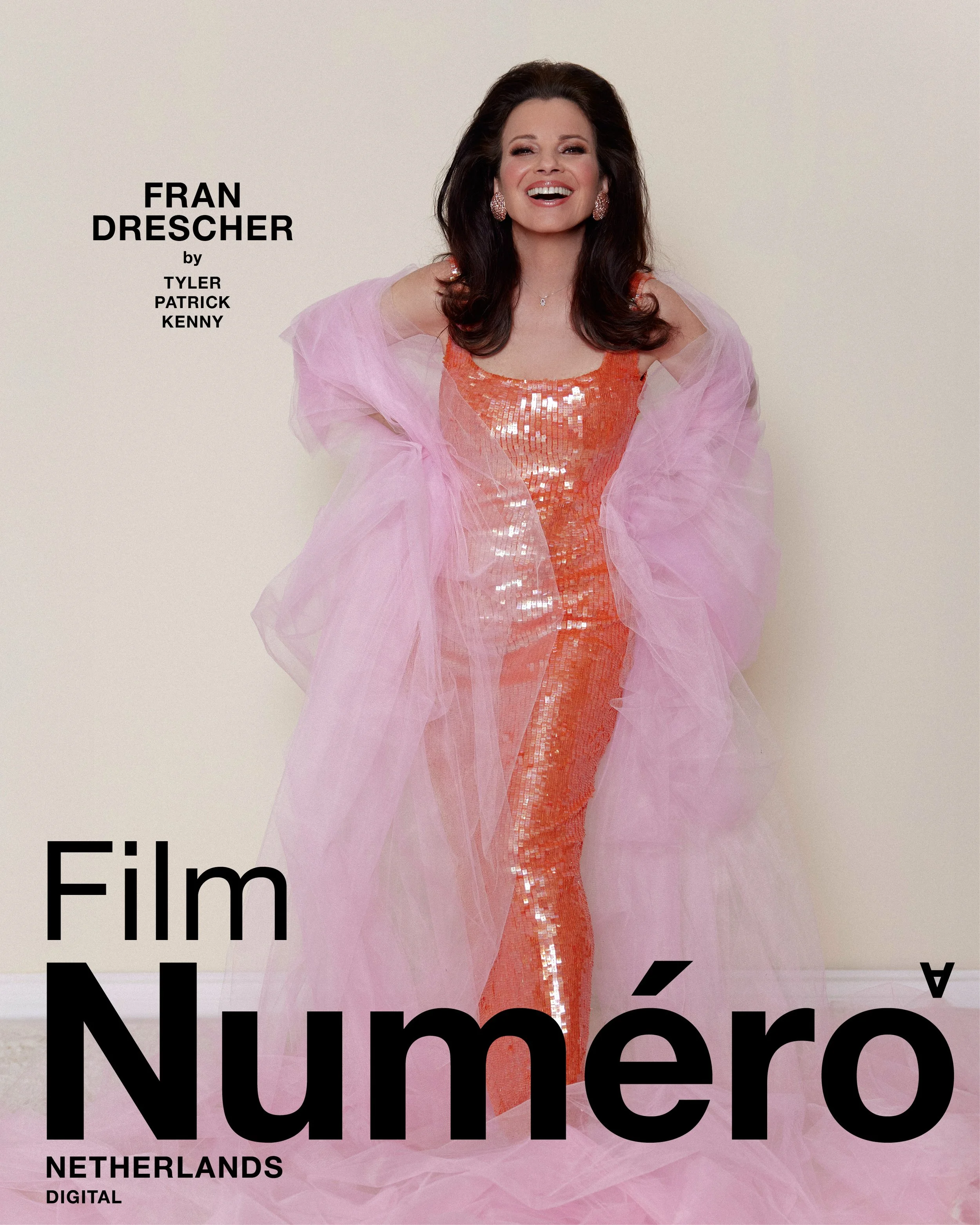
The Nanny remains a global, multigenerational favorite decades later. What do you think gives the show its lasting emotional and cultural power?
I think it has endured the test of time, because the framework is a classic story. It’s got sexual tension. It has blue collar, blue blood. It is gorgeous, visual, eye candy.
It’s laugh out loud, funny. It speaks to kids, adults, the gay community, working class people. It has a universal appeal that is timeless.
Fran Fine was bold, feminine, funny, and unapologetic. How did creating her change the way women were portrayed in sitcoms?
Well, I think that being the first Jewish actor playing an openly Jewish character in a starring role in prime time for the first time since Molly Goldberg did it in 1947 was groundbreaking. The fact that she and her family were not sanitized, but allowed real, funny, and flawed Jewish speaking Yetish words was revelatory. It spoke to people of all ethnicities, religions, and nationalities around the world. Also, I think that the fact that I was a creator, producer, writer and director at the same time on the show helped paved the way for other women to do the same.
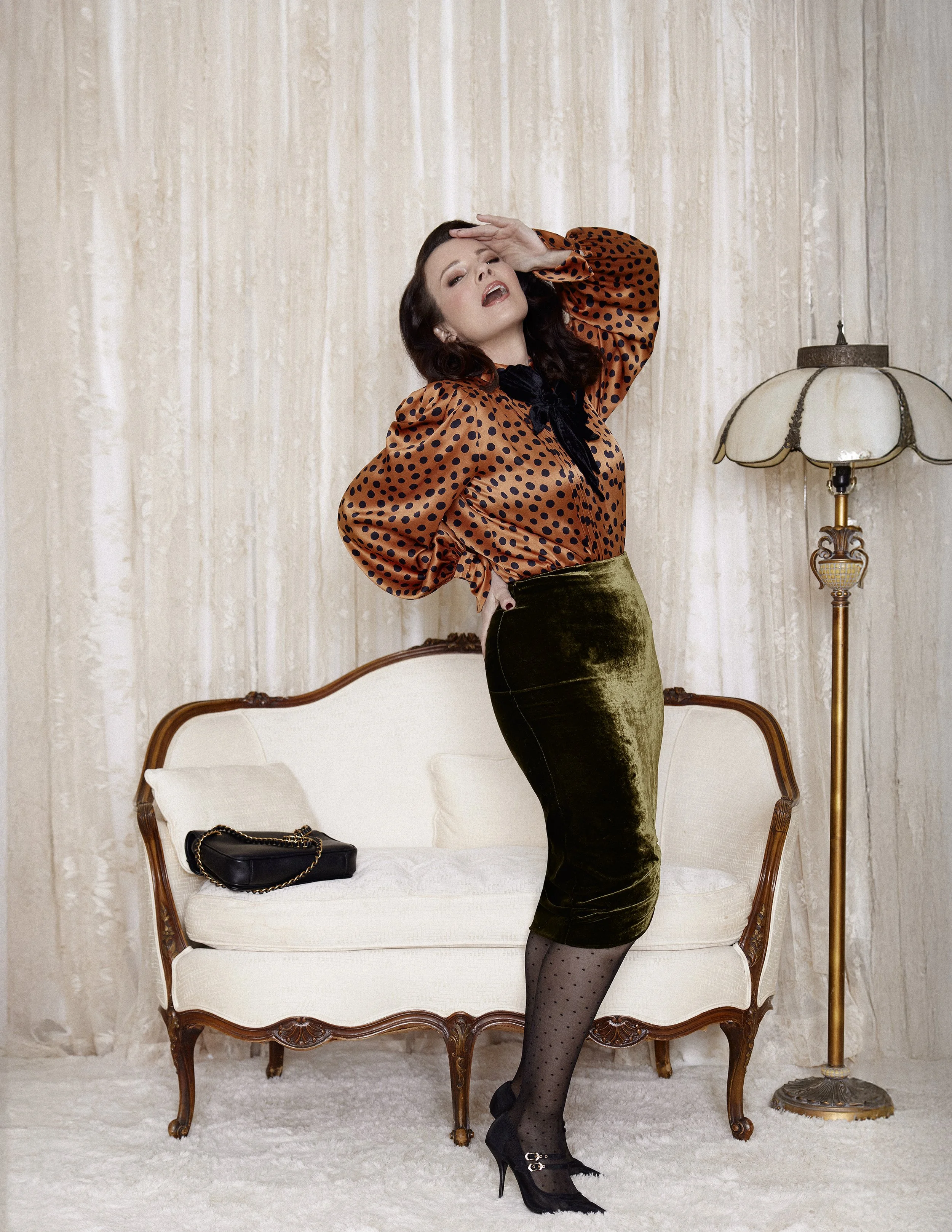
blouse, skirt, shoes & purse VALENTINO
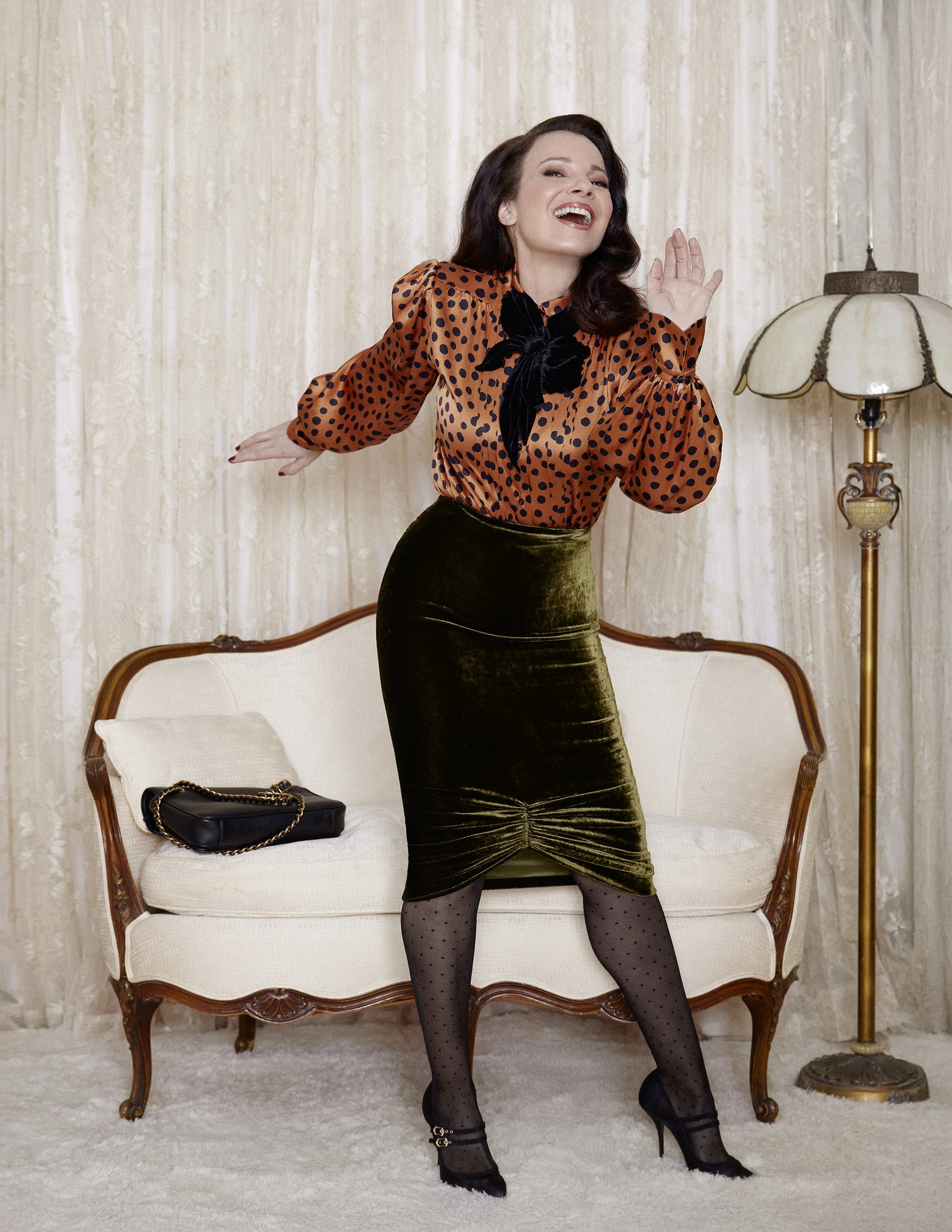
You’ve always blended humor with heart. How has comedy served as both a creative outlet and a survival tool throughout your life?
I like to have a global message to the shows that I create and produce, and every episode speaks to that global message. In The Nanny, the global message was, “It doesn’t matter what you look like, or what you sound like, but what’s in your heart that counts”. I think it’s important that through humor, through entertainment, we also help our viewers gain a perspective that is fueled by tolerance of those who may be different from ourselves.
Looking back, which moment in your acting career feels like a personal turning point rather than a professional one?
A turning point would absolutely be The Nanny because I had reached a point in my career where I was done playing the nutty neighbor, the third banana, the hooker with a heart of gold. I needed to get on the inside in a big way or get out, and I gave myself a couple of years to manifest that, because I felt like I was more talented about sitcoms than a lot of the sitcom producers I was working for.
I was prepared to walk away from the business unless I became a showrunner, an executive producer, a writer, and creator. All of the things that I became through The Nanny, all of the hats that I wore, was imperative for me to continue in this industry. I’m not the kind of person to sit around and wait for the phone to ring. I wasn’t going to take a second job to support myself while waiting to make it in the business. I’m too success driven and I needed to be in charge.
The Nanny afforded me that because I saw an opportunity and seized it. I already knew what I needed to do, in terms of selling a show for myself as the star. The centerpiece of the shell. And when I ran into the President of CBS on a flight to Europe, I went for it. Unrelenting. Unabashed. And ultimately convinced him that he needed to hear the ideas that Peter and I had for me to start, and that was the beginning of the beginning.
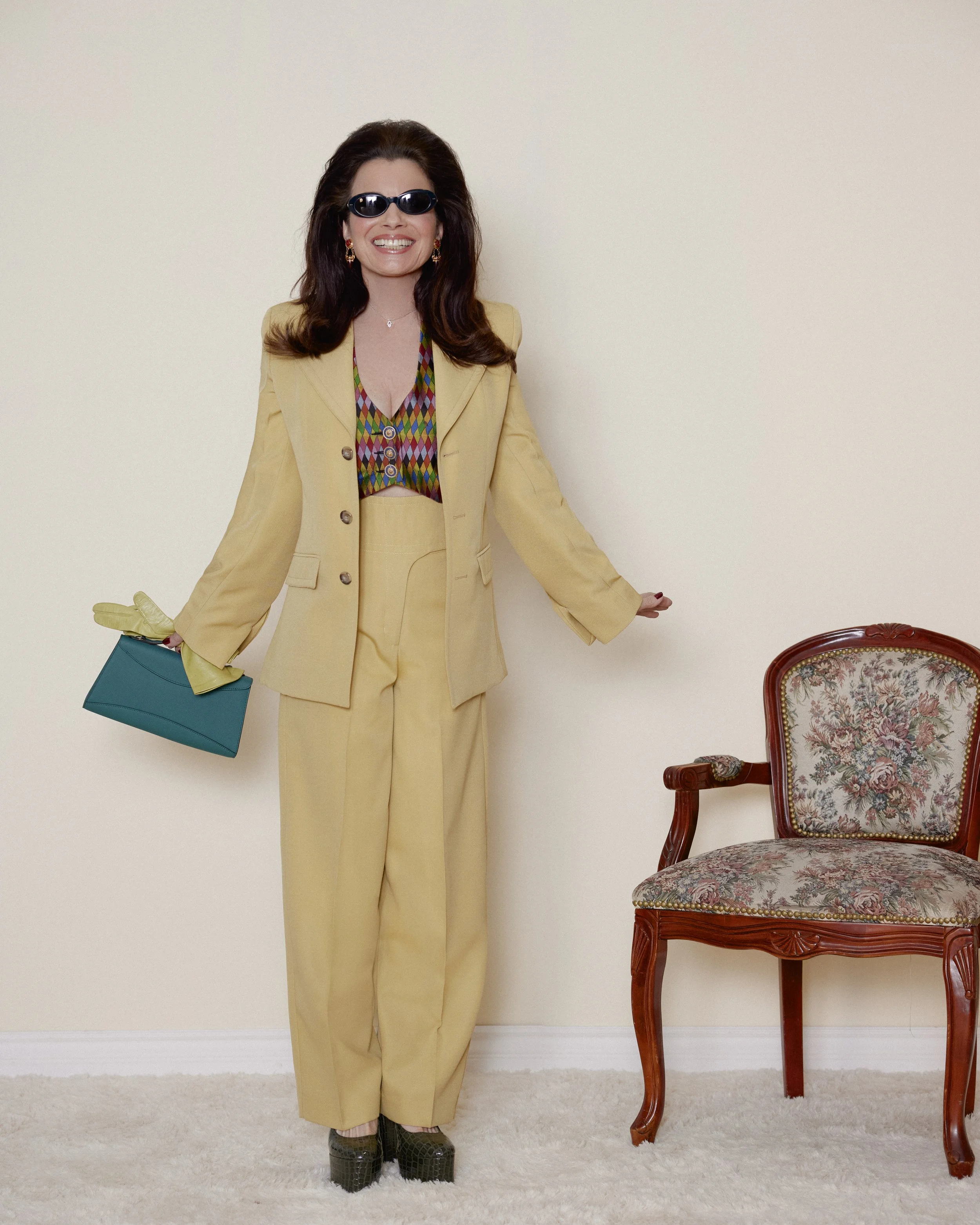
suit AMI PARIS
vest VINTAGE BRENDA COOPER ARCHIVE/TODD OLDHAM - THE NANNY
gloves VINTAGE BRENDA COOPER ARCHIVE
Appearing in Marty Supreme introduces you to a new generation of audiences. What excited you about stepping into this role?
I’m a fan of both the director, Josh Safdie, and the star, Timothée Chalamet. And the idea of playing Timmy’s mom in a more dramatic role was very appealing to me, and Josh just offered me the part. He said that he knows there’s a depth to me, a life experience that I carry with me, that I would be able to bring to the screen and with great confidence. He just said, “I want you to do it. Will you?”
I said I would be honored. I’m not sure it’s a new audience exactly, because I do have a very young fan base thanks to The Nanny, but I think it’s in a new light, as a more dramatic character for sure.
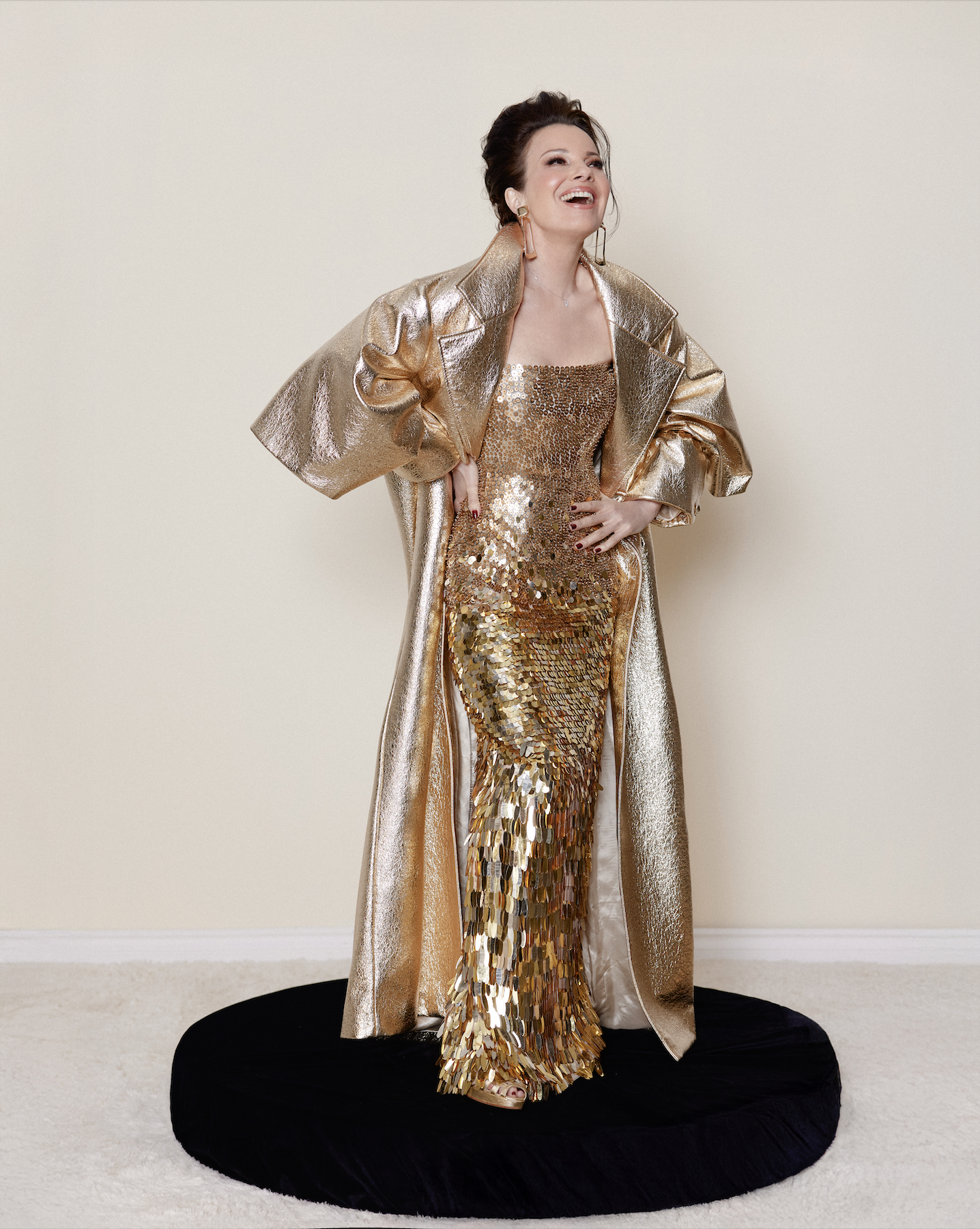
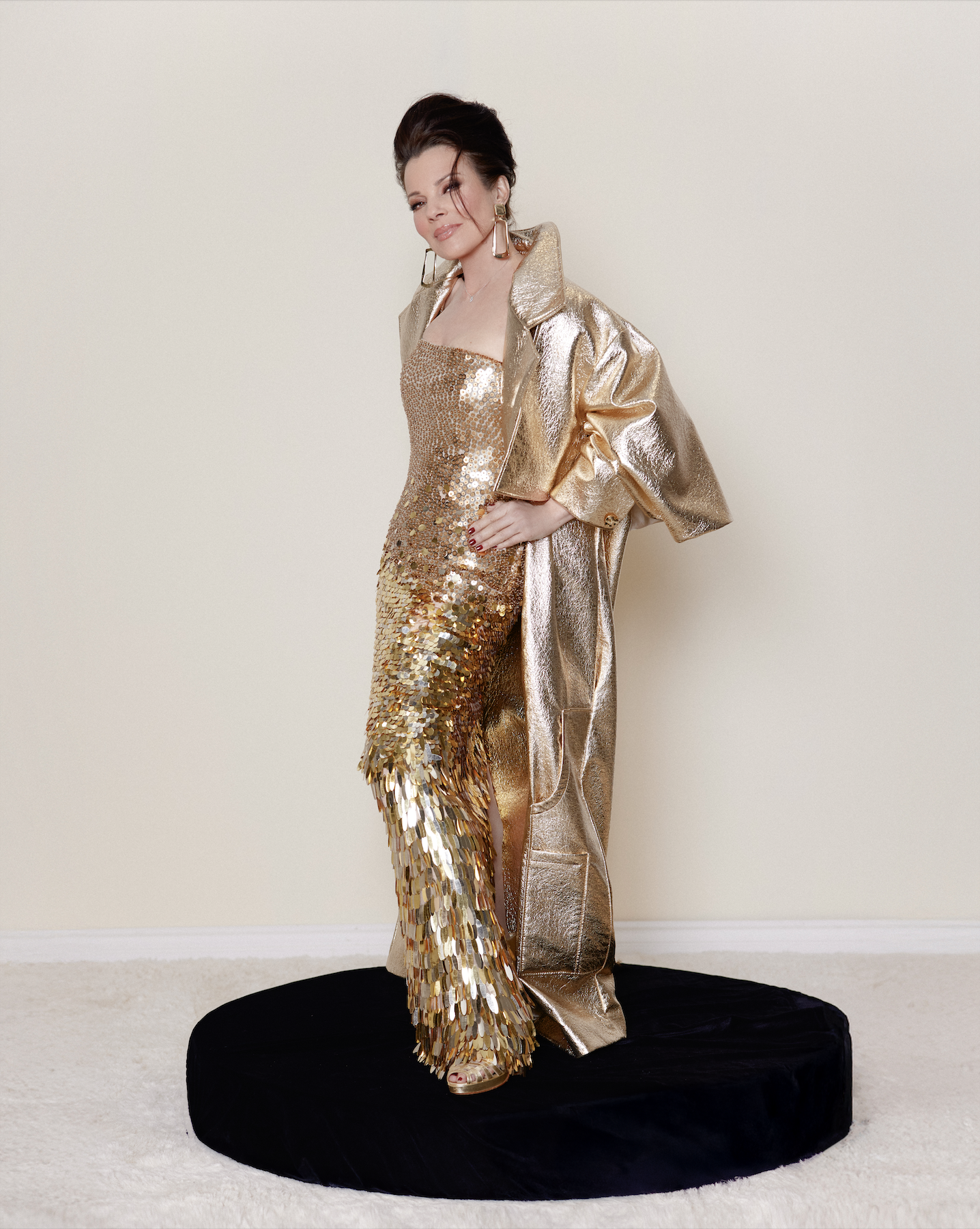
dress RACHEL GILBERT
coat KILIAN KERNER
earrings BRENDA COOPER ARCHIVE
Writing Cancer Schmancer was both brave and transformative. How did sharing your story publicly change your relationship with your own health?
I feel like writing is a very cathartic way to reflect on feelings. And I am always determined to turn my pain into purpose. So, I felt like I would be helping others by writing a book, as well as helping myself. And consequently to that, I begun the Cancer Schmancer movement to continue to challenge the way we look at our bodies, the way we look at our health, the way we deal with Western medicine, the way we live our lives, in connection to environmental exposure, the foods we eat, the personal care products we use, the cleaning and gardening products that we use, which are all contributing to disease.
That is what I obsess on, and that’s what I empower my Cancer Schmancer subscribers to start thinking about. And I became a public diplomacy envoy for the U.S. State Department. After getting a bill passed in Washington, by unanimous consent, which means all 100 senators said “Yes Fran,” I was sent to our Allied Nations and military bases around the world, talking about all the things that Cancer Schmancer talks about.
And by the way, the bill was the first gynecologic cancer Awareness Act in U.S. history. So, although I was left in a situation where, in order to be cancer free, I would never be able to have a child naturally, I gave birth to many other things that changed and enriched my life exponentially. And that is the very definition of turning pain into purpose.
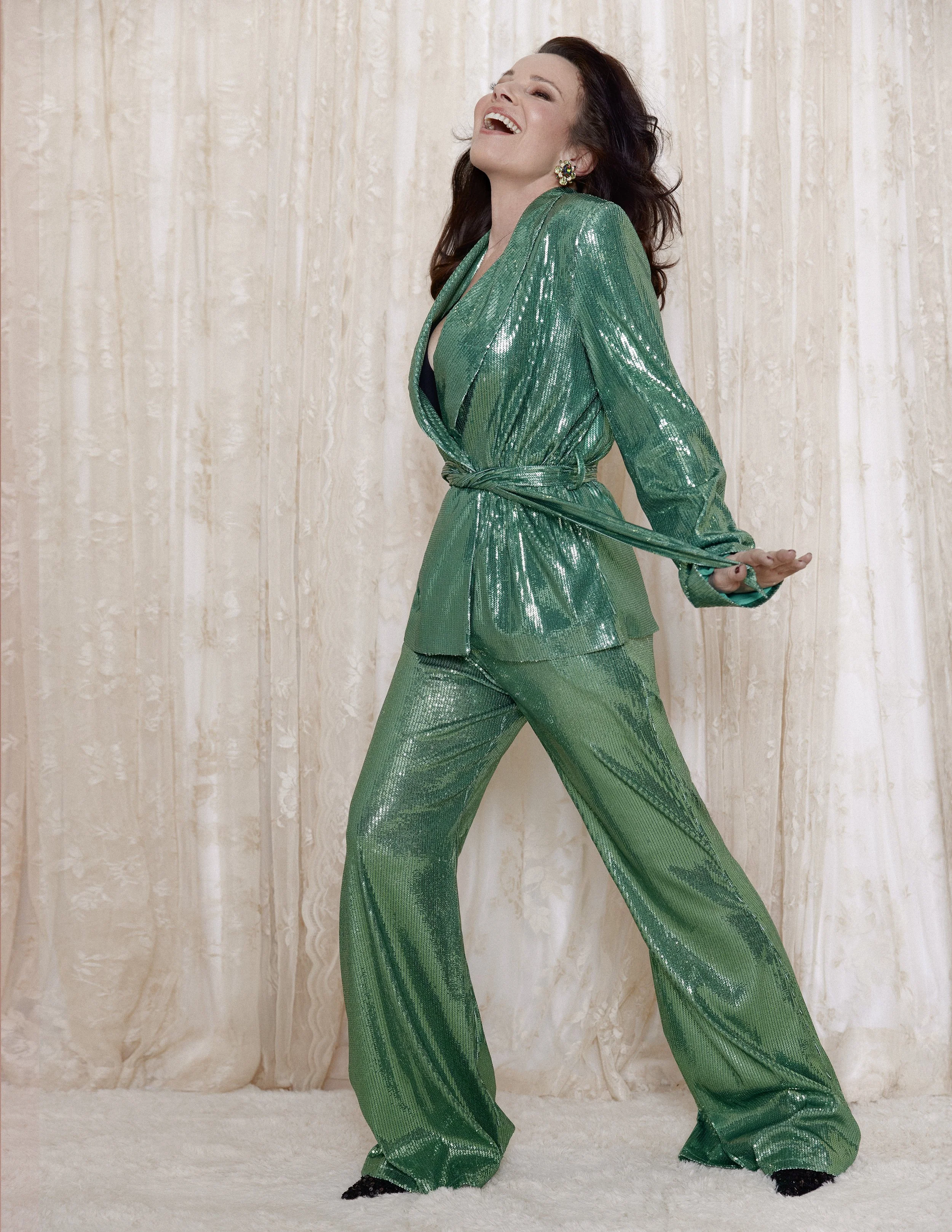
suit GEORGIA HARDINGE
boots BRENDA COOPER ARCHIVE
The Cancer Schmancer Movement has grown into a powerful advocacy platform—what impact are you most proud of?
I wake up and shake up patients into medical consumers where they are equipped to question their doctors and their lifestyle. And to use their purchasing power to dictate more responsible and healthier manufacturing trends, both for human consumption but also planet consumption.
You’ve helped change health policy, labor law, and public awareness. When did you realize your voice carried influence beyond entertainment?
I was always a gay activist. I always go to the mat for any group that’s being marginalized. I try to elevate consciousness in myself and influence others by example. It’s a daily practice.
I feel like if you're blessed to be a celebrity, and you don't apply it to the greater good, you're wasting it. It's not just for you. You have to do something worthwhile. You're here for a reason. And it's not just to be rich and famous, sorry. There's a responsibility that each of us has as private citizens, but if you happen to be famous and you have a platform, that's really very empowering and important. Essential, in my opinion.
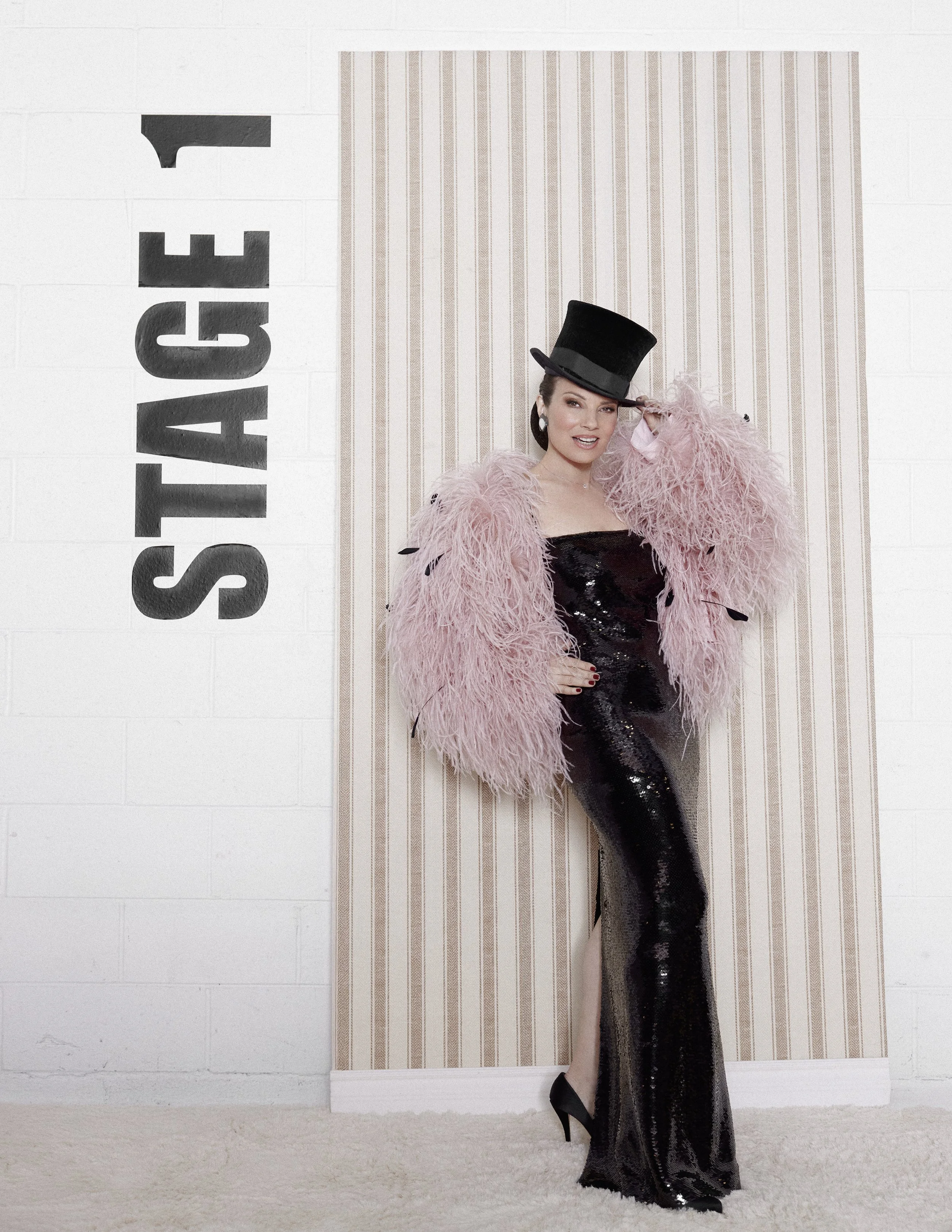
dress and jacket NUE
top hat THE WAY WE WORE - LOS ANGELES
shoes VINTAGE BRENDA COOPER ARCHIVE/PETER FOX
earrings VINTAGE BRENDA COOPER ARCHIVE
Serving as president of SAG-AFTRA was historic. What was the most challenging moment of your tenure, and the most rewarding?
It was a very challenging experience from beginning to end. I came in during Covid, which was dividing the union up and I had to keep everyone together. Then we had the negotiations. And I think the strike was probably, by far, the absolute most demanding, most challenging, most difficult because I saw something that was not yet recognized by other members or staff. My dad was a system analyst. And I have his ability to identify problems in systems. Once I got everybody on board to follow my lead, I had to let the opposition know that I'm a very different kind of leader than they're used to in past administrations.
Because in streaming, in AI, if we didn't right then and there build in new revenue and new barricades to protect the members, it was going to get so far out of our reach we'll never catch up. I was so sure it was a now or never situation. And it was very, very hard to swim upstream and keep 160.000 members with one voice. But I did it. And as a result, we got a historic billion dollar deal. And the first contract that actually protects labor from AI running amok.
So, I would say, things that followed, things that were very difficult, like my beloved father passing away, the Palisades and Eaton fires in Los Angeles, which I was a victim of, were another horror, so it compounded things because I not only had to feel my own loss, but lead those in our largest local union out of their despair.
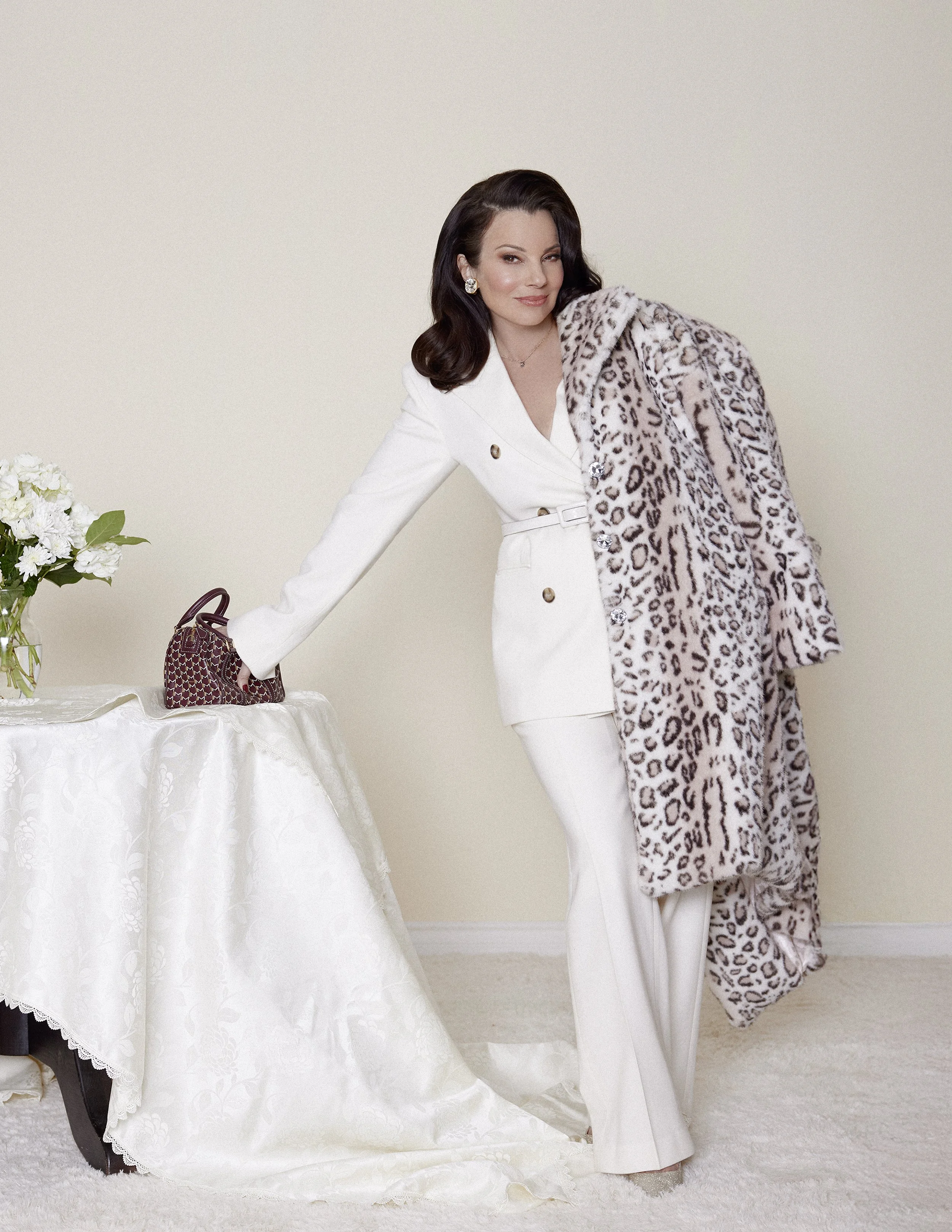
white suit AMI - PARIS
leopard coat LE SUPERBE
bag MOYNAT - PARIS
The industry is evolving rapidly with AI and streaming. What protections do you believe are essential for artists moving forward?
I think that the future for streaming is more actor participation in subscription revenue. And AI must remain consent and compensation. At all times.
You’re now writing a Broadway musical with Peter Marc Jacobson. How does returning to a long creative partnership feel at this stage of life?
I have been working with Peter long before The Nanny Musical. We wrote Happily Divorced together, which was loosely based on our relationship, a woman and her ongoing loving friendship with her gay ex husband. So, we're always working together. We're always writing together.
He's very active in my career, helping me make decisions, supporting me. He was very helpful during my presidential tenure, and he is, without question, my soul mate and my life best friend. We speak on the phone several times a day, we FaceTime, we travel together. We deeply care about each other. And the thought of life without the other is unbearable to contemplate.
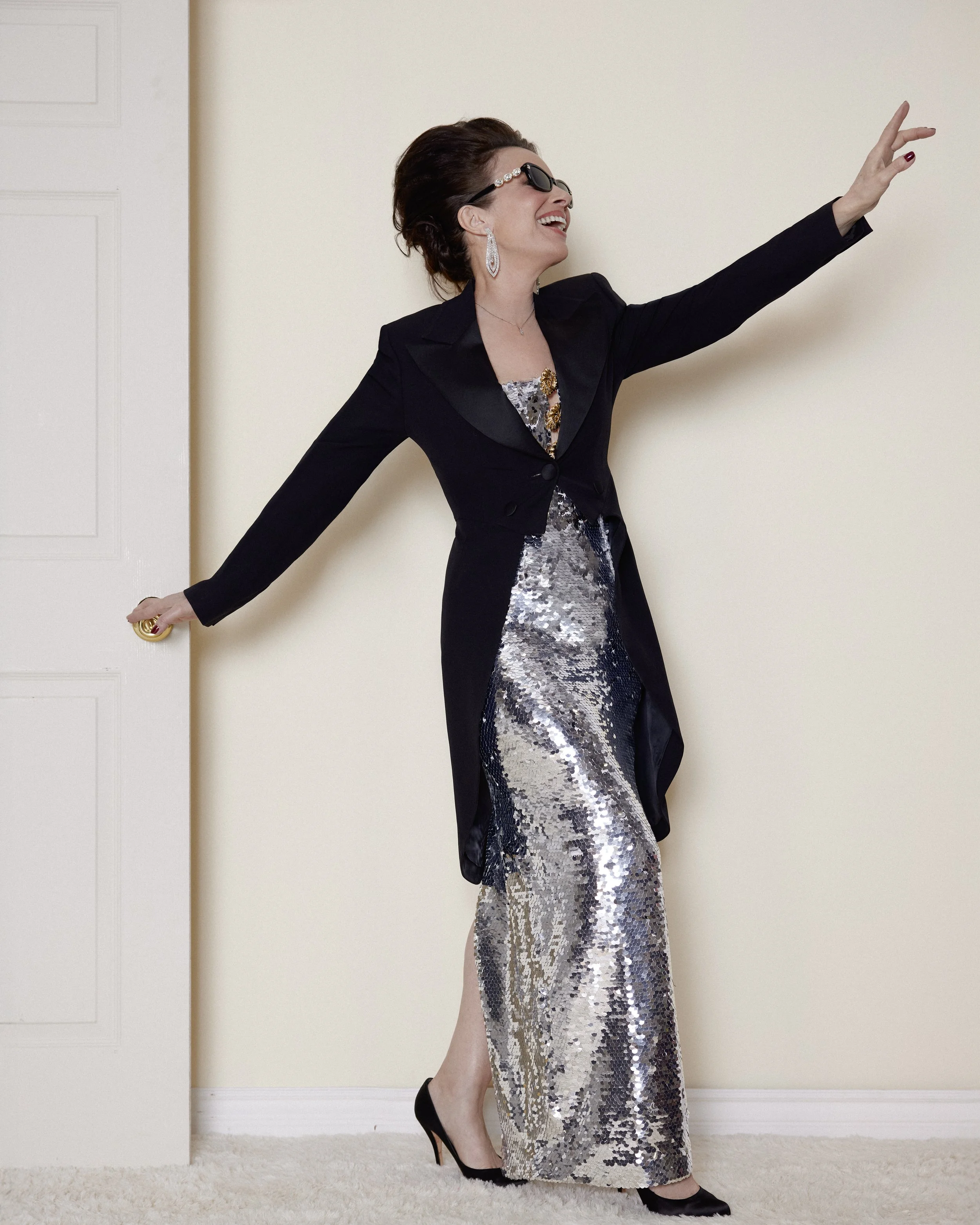
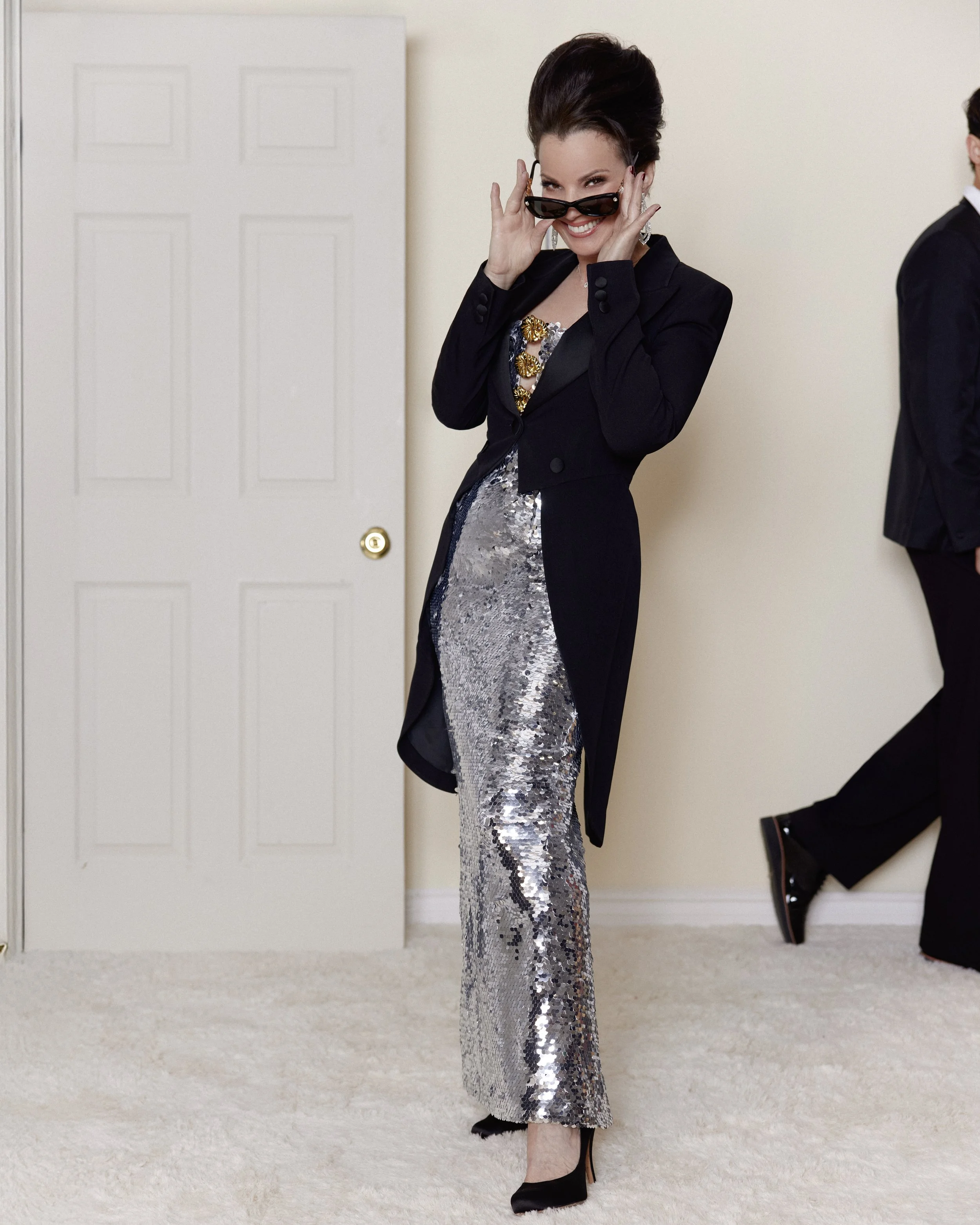
dress KHOLN HOOI
tailcoat VINTAGE BRENDA COOPER ARCHIVE - DOLCE 1993
earrings BRENDA COOPER ARCHIVE
shoes CHRISTIAN DIOR
What advice would you give women about owning their voice, power, and individuality in any industry?
I actually got a woman in cable award, and women in business award, so this is an area that I speak often about. But when I was in the middle of the strike, I think I naively did not expect them to try and discredit me because I'm a woman leader. But that's what started to happen to me. And the people at the union advised me to say “no comment” when the press was asking me what I thought of them accusing me of being inexperienced and frivolous, and over emotional, and all of the stuff that people are very willing to accept in a woman leader.
And I said “I am going to respond to this. I will not be passive.” So, I uploaded a video on my Instagram that went viral, of me putting on my makeup like millions of women do every day to go to work all around the world. And while I'm putting on my makeup, I'm saying that I do not have to emulate male energy to lead. I can lead with dignity, and intellect, and empathy, and I can still rock a red lip.
I realized that this story of me leading this strike was bigger than the strike itself. Because I was carving a path in a very high profile way, showing women and girls what female leadership could look like. What's important for all women, in all walks of life, is that they believe in themselves, they stand up for themselves, they never apologize for being a woman, for being female, but rather enter every room with the mindset that without them in it, the outcome will never be as good.
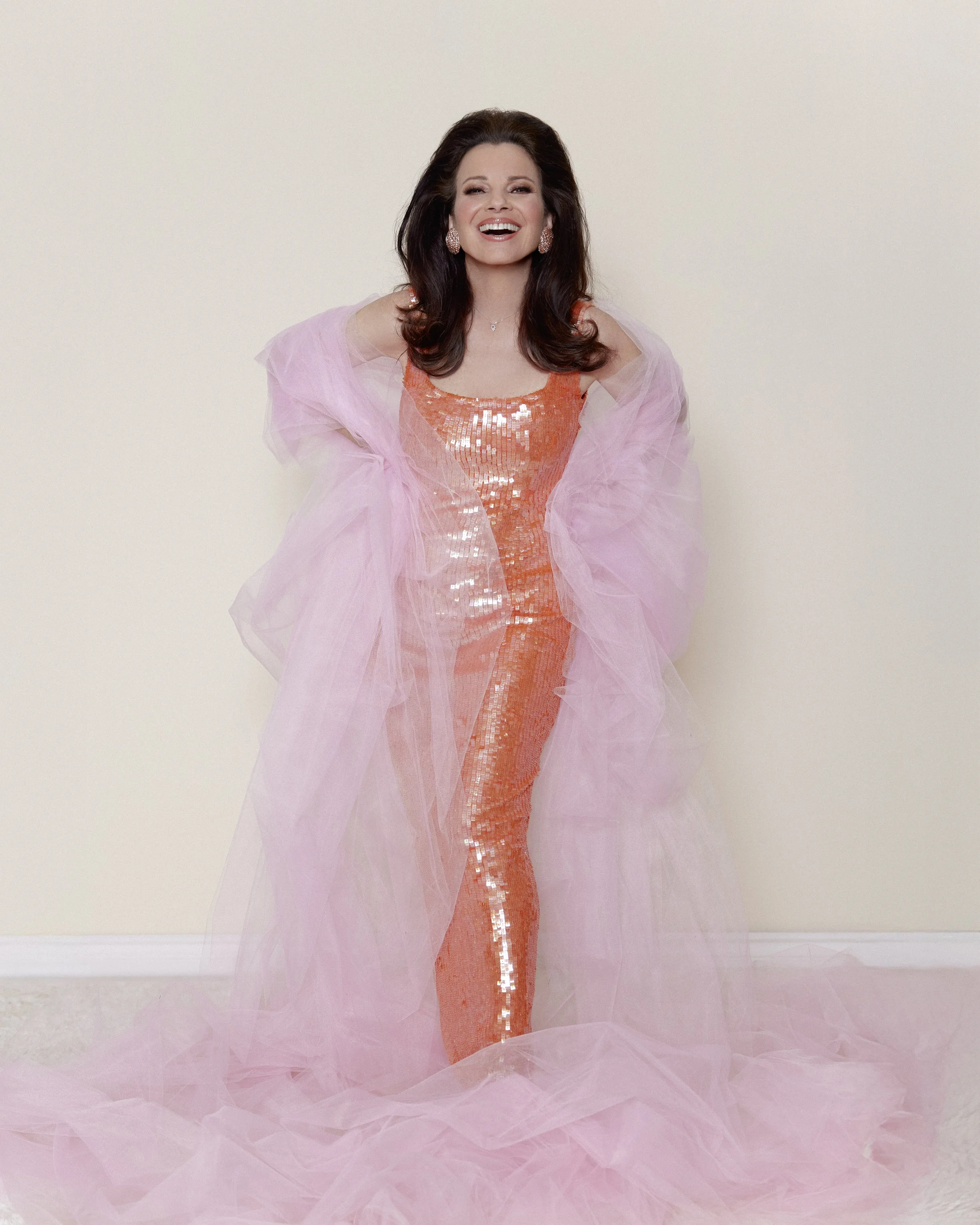
dress RACHEL GILBERT
earrings BRENDA COOPER ARCHIVE
tulle BRENDA COOPER
TEAM CREDITS
talent FRAN DRESCHER
photography TYLER PATRICK KENNY
award-winning styling BRENDA COOPER
production JAY SIVAYAVIRONJNA
videography MEECH
hair JON LIECKFELT
makeup GREGORY ARLT
photo and set assisting DOLL WILK & JAY SIVAYAVIRONJNA & MONICA SIVAYAVIROJNA & KHALIL ALLAH & ANGEL
styling assistant and male model stylist ADRIÁN JOSE RAMOS DIAZ
male model LORENZO ZAPATA
male model makeup and hair JORDAN ALEX HURST
PR 42WEST
studio INTERWOVEN STUDIOS
editor TIMI LETONJA
interview JANA LETONJA
cover design ARTHUR ROELOFFZEN
