
IN CONVERSATION WITH MARO
interview by JANA LETONJA
MARO is an indie-pop multi-instrumentalist, songwriter, and producer from Lisbon who is quietly emerging as one of the most compelling voices in modern music. A Berklee College of Music graduate, she has collaborated with Eric Clapton and Jacob Collier, supported Shawn Mendes and Jessie J on tour, and appeared on NPR Tiny Desk, Mahogany Sessions, and COLORS. With her brand-new all-English album ‘SO MUCH HAS CHANGED’, MARO offers an intimate, emotionally honest collection of songs that explore reflection, self-acceptance, and joy after difficulty.
‘SO MUCH HAS CHANGED’ captures a moment of reflection How did this milestone influence your songwriting?
My life in general influences my songwriting. The before and after of turning 30 brought a lot of insight and feelings, and that all ended up transpiring in the music I’ve been writing.
Which song on the album resonates most with you personally, and why?
I think it’ll always be ‘SO MUCH HAS CHANGED’, as it’s the one that encapsulates it all and, because of that, hits the deepest. It talks about making peace with life in general, the good and the not so good. More than that, it’s a letter to myself, making sure I know it’ll be okay, always.
How do you approach balancing your role as a songwriter, multi-instrumentalist, and producer when crafting a song?
When I write a song, the production is already part of the process, actually, as my brain immediately adds on the layers. I can hear the parts and the sonic world the song is being born into. So I don’t think of approaching it in any way, as it’s already part of it, in a natural way.
How do you decide which personal experiences are ready to transform into music for others to hear?
I don’t. Most of the songs I’ve written kind of came out, to be honest. Maybe that’s why music always felt like therapy to me. If my mind is heavy, music will take care of it, and I just sit back and let it happen. Once a song comes out and I get to record it, then I want to release it. That’s the way it works, for me.
Your music has been described as emotionally honest and intimate. How do you protect your vulnerability while sharing it with the world?
By staying honest. If I do it for myself, with my feet on the ground, then I think my vulnerability will always be protected, in a way.
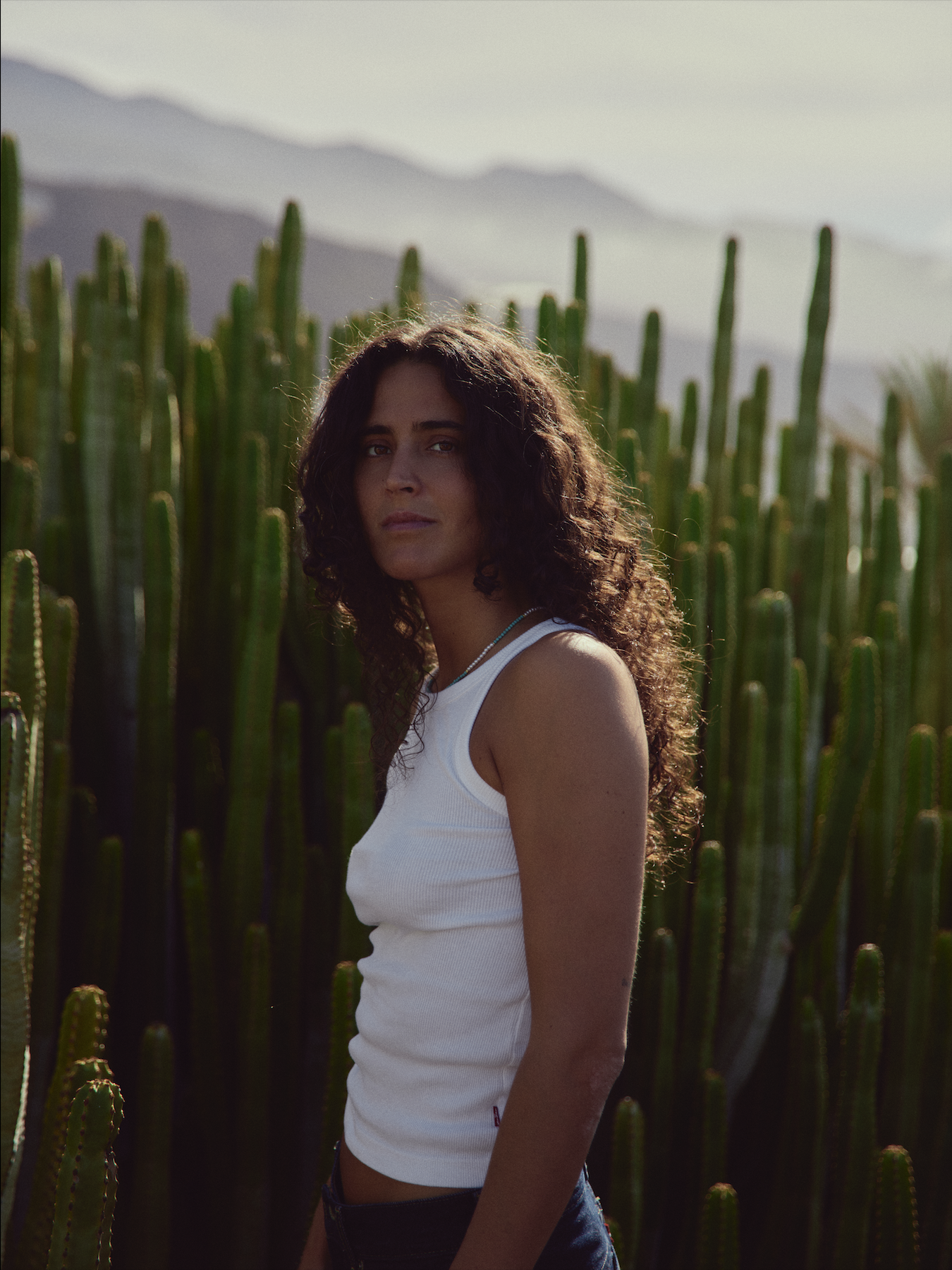
You’ve collaborated with Eric Clapton and Jacob Collier and toured with Shawn Mendes and Jessie J. What lessons or inspiration have you taken from working with these artists?
It’s always inspiring to see people sharing their craft with the world, and doing it so exceptionally. In my experience, I was lucky to meet and work with artists that not only had that, as they were also incredibly generous which, above anything else, that’s what ended up sticking with me the most.
Your music blends indie-pop with deep emotional storytelling. How do you balance accessibility with artistic authenticity?
I don’t think about it, to be honest. I just do what I love, always staying true to myself, and let the rest stay out of my control.
In a time when performative self-improvement dominates pop culture, your album emphasizes stillness and reflection. How intentional was that?
Zero. I really don’t think about these things, I’m a bit more of a musician in that way. I’m inspired by what touches me, musically, lyrically, artistically. If I feel like doing something, I just do it. Whether that means writing a one-note song or dancing for 2 hours on stage. I’ll always follow what I feel like doing, as I believe that’s what is going be sustainable for me, as a person, in the long run. The rest is noise.
You’ve been recognized as an “artist’s artist” and have a growing international audience. How do you manage the pressure and expectations that come with this recognition?
I focus on the good part of that, which is knowing the people I admire and respect know about what I do and enjoy it. I’ll always be very happy, and grateful, to know that. I don’t think I need to feel pressure, but maybe that’s because I also know I got to where I am because I’ve always done what made sense to me, and for me. So why would that change now?
How has your career evolved since your early days performing in Portugal, and what’s been the biggest challenge transitioning to international audiences?
I started performing my music when I went to study abroad, and it immediately made sense, so I never thought too much about it. It’s also been a very slow-paced career, which has allowed me to adjust to each new chapter in a healthy way.
You’ll be touring Europe this spring, including London’s Roundhouse. How do you prepare for live performances of such personal music?
By preparing and rehearsing. I genuinely get excited about all the different parts, when playing as a band. I think that’s the first step. Letting myself dream about the songs, and how I want to play the music in a room with people that are, then, also a part of the show. The rest comes naturally, as you experiment. Show by show, you end up finding the balance.
Beyond music, are there other creative outlets that you’re looking to explore in the next phase of your career?
Yes, I’ve always loved cinema and photography, and I still dream of diving into it someday in the future. I guess we’ll see.
TEAM CREDITS
talent MARO
photography LOUIE JACOB
editor TIMI LETONJA
editorial director and interview JANA LETONJA
