
IN CONVERSATION WITH FREJA DAY
interview by TIMOTEJ LETONJA
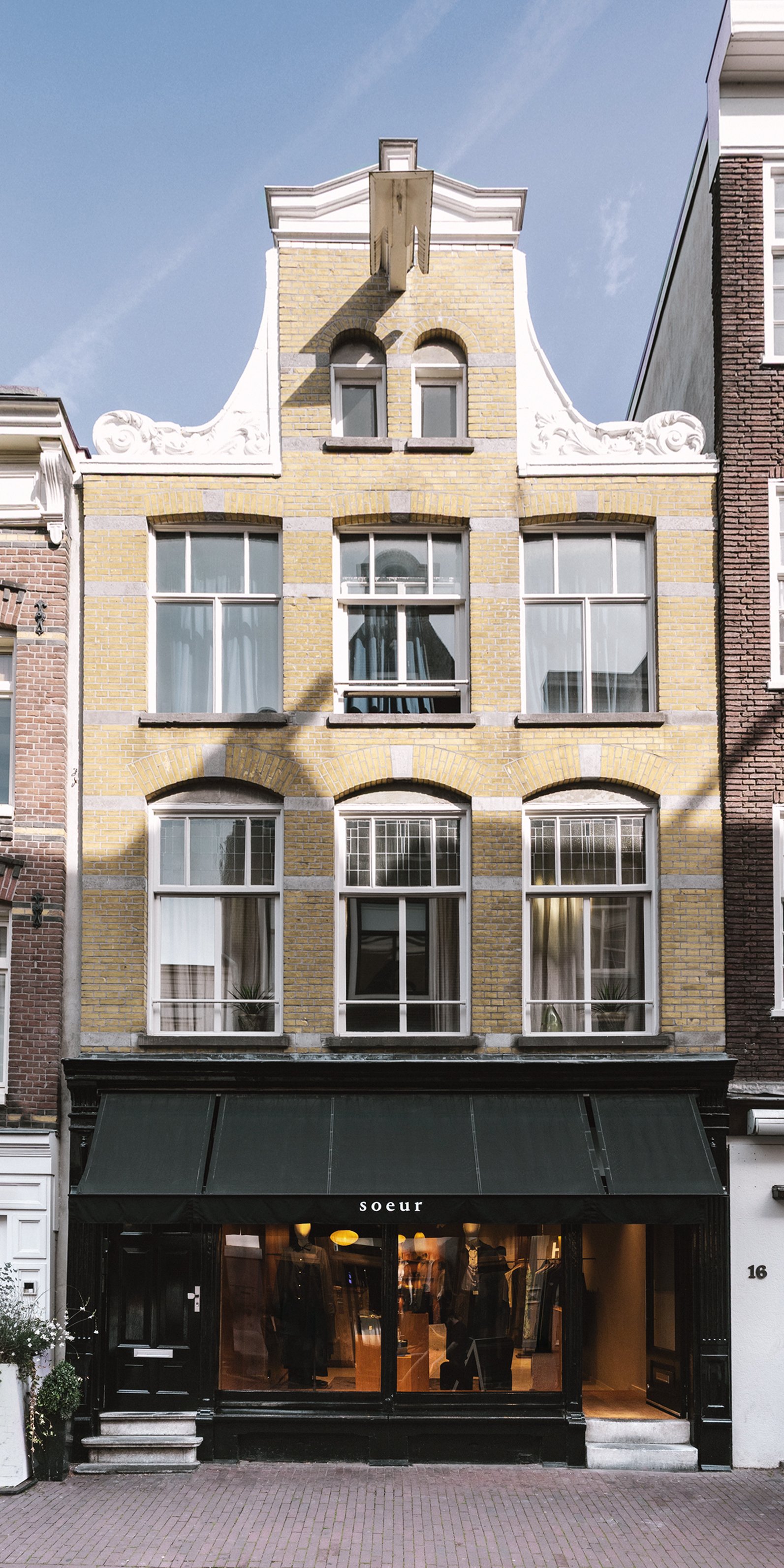
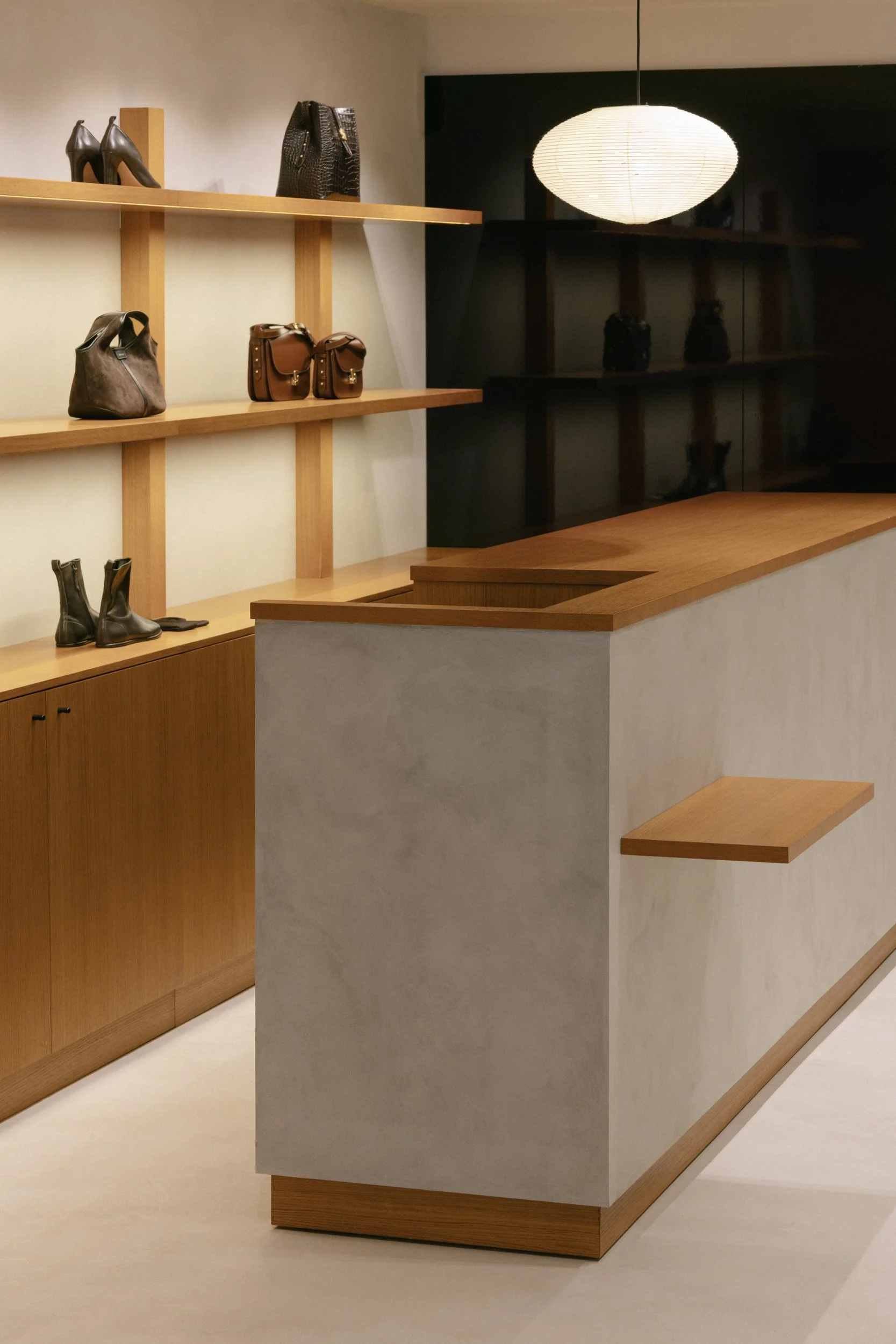
Taste, ease and authenticity are the the principles of Soeur, the French ready-to-wear label found at the instigation of two sisters, Domitille and Angélique Brion: a duo driven by the desire to dress women of all generations. Domitille and Angélique draw on their memories, travels and a quintessentially French notion of style, creating delicate, accessible and comfortable collections. For its Fall/Winter 2026 collection, Soeur opens the doors to its new boutique in Amsterdam, marking a big step in the brand’s international expansion.
Leading the iconic brand is Freja Day, who shared insights of the creative process behind the label, the “Soeur woman”, and just how much work is needed in order to be “effortlessly cool”.
Soeur describes its wardrobe as one that “blurs the lines”, borrowing from menswear to construct a distinctly feminine language. How does that tension between masculine and feminine resonate with your own understanding of style?
When we used the expression “to blur the lines,” it was really meant to have something of a dialogue between the masculine wardrobe and womenswear wardrobe, in the sense of borrowing menswear tailoring, certain details, and construction. It was also about blurring the lines between day and night. We have a lot of pieces that you can wear casually with red lipstick and heels, but also wear at night. We were always going towards something more urban, a little bit more sophisticated, but also known for blurring the line between really casual weekend wear and workwear. And I think the other element around menswear is that we do a lot of tailoring pieces in factories in Eastern Europe that have this menswear know-how and expertise, so the pieces have this masculine feel and cut. We don’t produce in Asia, so our materials are usually quite structured. We want them to stay structured, which is also something more common in menswear.
There is something deliberately understated about Soeur; the clothes don't seem interested in overwhelming the person wearing them. Do you think fashion is at its most powerful when you notice the woman before you notice the clothes?
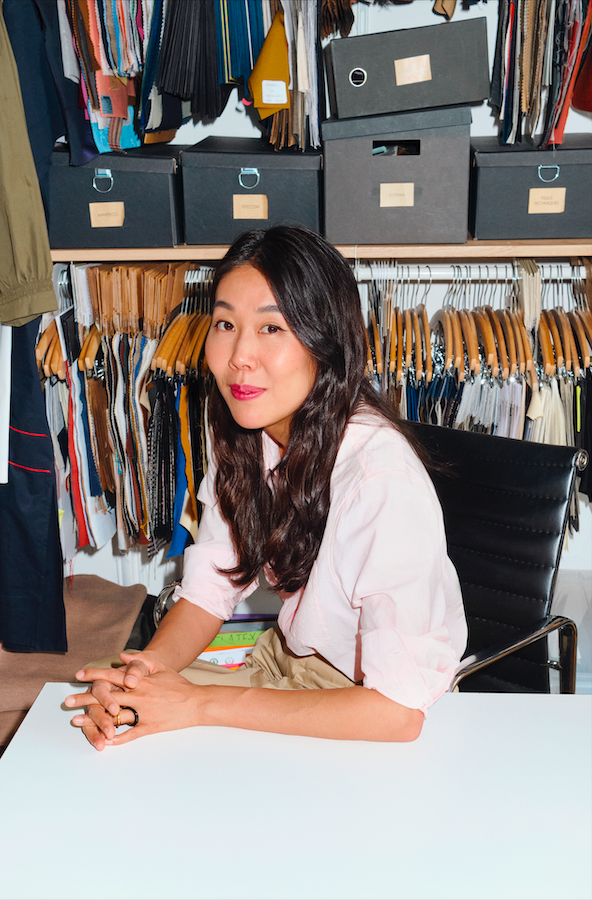
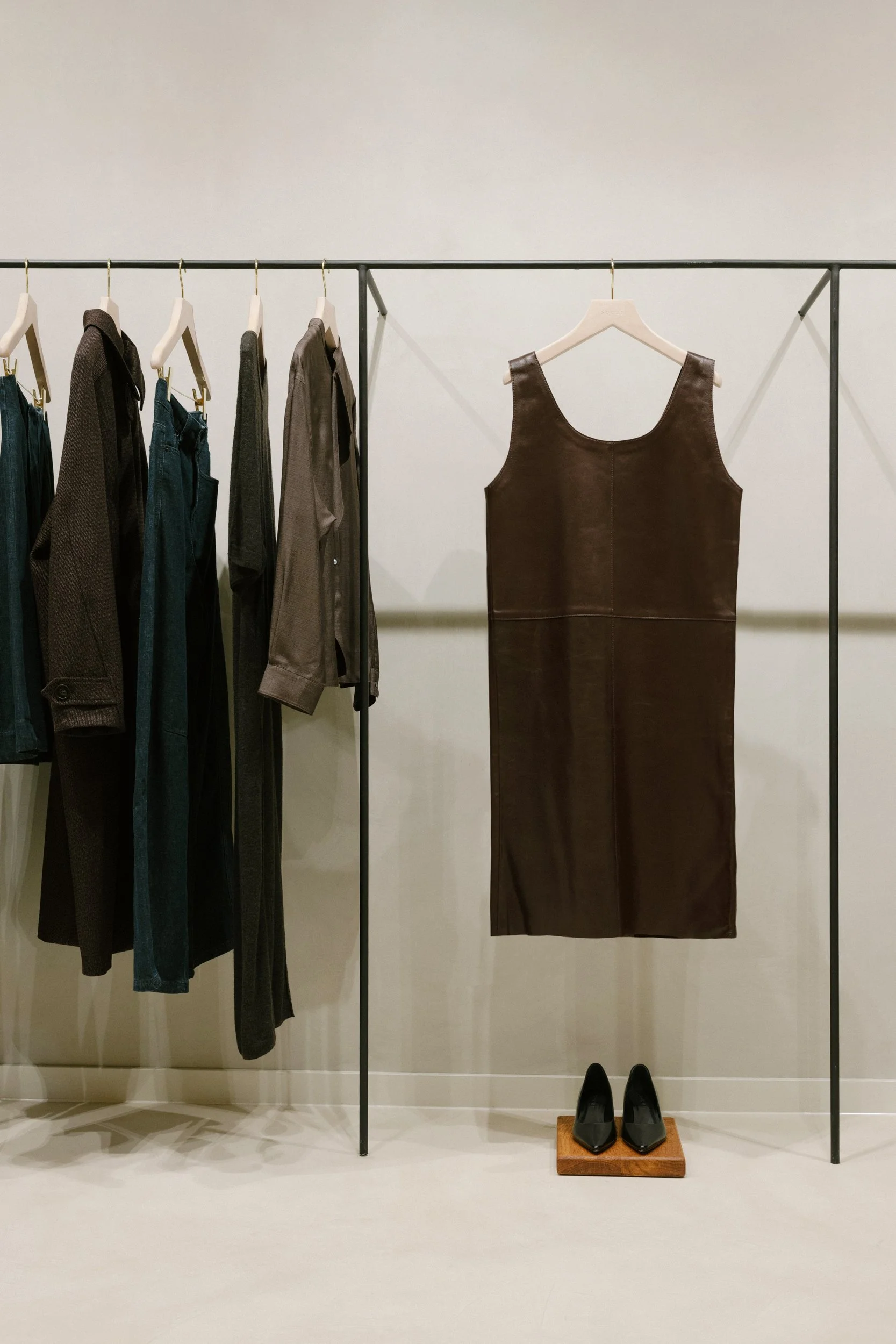
I think this is really something that our founder, Domitille, has very strong design beliefs about: that clothing should make the woman more beautiful, but it shouldn’t be so strong that you don’t see the woman behind the clothes. It’s more about highlighting the features of the person wearing it. You see that also in the choice of colours. She usually chooses colours that are quite earthy and muted, with what she calls “colour accents.” Not strong pop tones, but usually on a smaller piece, like a sash or a little detail. We have a lot of yarns that we buy in Italy, which she mixes to get exactly the right shade. So there’s a lot of time and energy spent on actually having the right one. It’s very subtle.
Soeur describes its creative process as both intuitive and technical, unrestricted and structured. Does that contradiction feel familiar to you creatively, or does it need discipline in order to arrive at something more effortless?
The team is very disciplined. There are a lot of chronological steps that we really try to meet. We have a big team of pattern makers, a studio, and a development team, and these teams all work together. You have to be organized, otherwise the creative vision will never go through all the way to the product. It’s an obsession of Domitille’s that what she has imagined and drawn needs to come out that way. We do fittings and different prototypes, and there’s a lot of energy and a certain perfectionism involved. You need all these steps to make sure you get the right product at the end. We also visit almost all of our factories ourselves to meet the people who are making the garments, because it’s actually very manual work.
The idea of the “Soeur woman” feels intentionally open rather than prescriptive. Do you think fashion has finally moved away from telling women who they should be, or are those expectations simply expressed differently today?
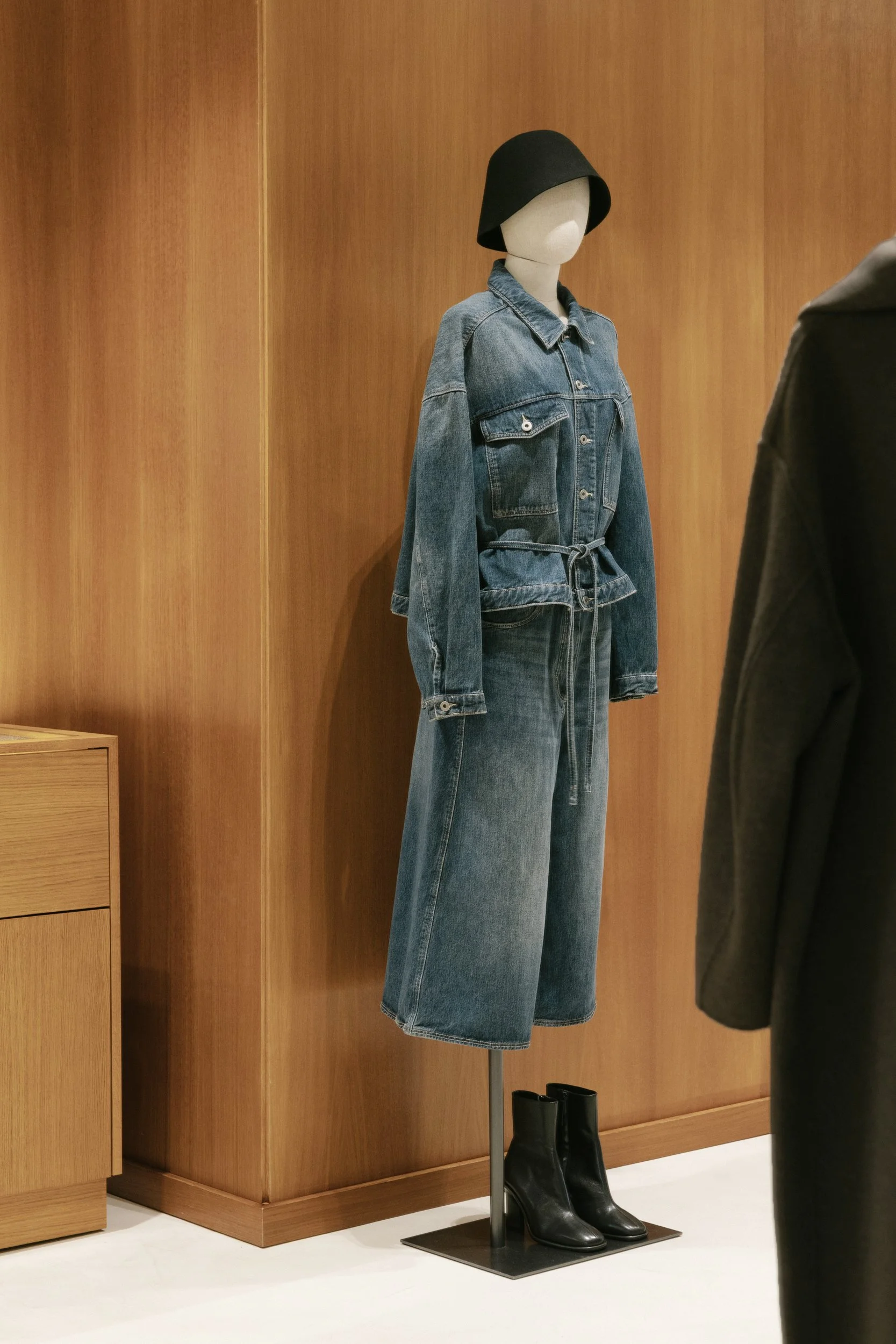
If you’re referring to demographics, who is your target customer, it’s always a question that’s very difficult for us to answer. For us, it’s more about creating pieces that we think are beautiful and allowing a customer to recognize herself in that style. Obviously, rationally speaking, maybe our denim at a lower price point will attract a younger customer, while our tailoring pieces might attract a slightly older customer. But this whole idea of demographics, I think for us, is more about creating pieces for women who recognize themselves in the specific style. Our focus and attention have always been very much on the product, on making what we hope is the perfect product for that price.
Soeur increasingly extends beyond clothing into jewellery, eyewear, objects, interiors, photography and design. How important is the wider cultural world around fashion to the way you understand it?
The extensions around accessories were always part of the story. That existed almost from the beginning for Dominique. When she does a photoshoot, she has always been very involved in the process, and she needed a whole look. She always wanted the hat, the shoes, the bags, even the socks. She wanted to have the full look from head to toe. That was her vision of a silhouette: a full silhouette.
Then we expanded into accessories. The objects are more like opportunities or small capsules. We haven’t really fully engaged in going down the lifestyle route yet. It’s more about these small capsules and expressing the universe that Dominique has in her own life. She has really good taste. She has always been very involved in the shops, the fittings, and the decoration. In most of our shops in France, she actually went to flea markets and bought many of the objects herself. Obviously, now it’s more streamlined and processed, but she still chooses things herself. It also changes with the new collection and becomes part of the story. We don’t change everything because we want it to be quite timeless, just as our collections are quite timeless. But she puts a lot of personal care and attention into all these details in the shops.
For the moment, we also do projects and collaborations with people. Every year we have a kind of guest who does either a curation or designs a specific object. A lot of what we do is quite intuitive and happens within a cultural context. The brand already has this cultural context because of Dominique’s personality and her inspirations, and because fashion is always connected to that wider cultural world. So it happened more organically rather than through a thought-out marketing plan. The accessories, though, are a proper part of the business. They’re strong lines that already represent a certain part of the business, so that’s organized differently. In-house, we have a proper process around them.
You have become associated with a certain kind of effortless cool, a term fashion uses almost too easily. What does “effortless” actually mean to you and how much effort is hidden behind it?
That’s a really good question. There’s a lot of effort, of course, in having an effortless look. I think the whole thing is that it should look effortless on the customer, but that doesn’t mean we didn’t spend the energy and effort creating it. To make a comfortable piece that still looks sophisticated requires a lot of work. The ease around the shoulders, how the garment moves when you move, you have to do a lot of fittings to make that work. And if you don’t want to rely on something being less structured or less refined, then the choice of material needs to be elevated. It needs to be something that looks sophisticated while still feeling effortless.
I wouldn’t be able to quantify it, but, for example, when we have new pieces, we do all of the toile work. We mount the patterns on canvas, and the pattern makers do this for every new piece so that we can see how the volume falls. Then we have several prototypes. For some new pieces, we’ll do up to five or six prototypes. So, there’s a substantial amount of work that goes into it.
