
IN CONVERSATION WITH G HERBO
interview by GLORIA JOHNSON
In a candid conversation, G Herbo reflects on longevity, integrity, and evolution in an era driven by social media noise and viral controversy. Speaking openly about reclaiming his identity through Little Herb, he unpacks what it means to stay grounded while approaching full independence—artistically, creatively, and personally. From rejecting exploitative media tactics to embracing vulnerability as a form of power, Herbo frames the album as both a reckoning with his past and a declaration of self-determination, revealing how music remains his most honest tool for healing, reflection, and growth.
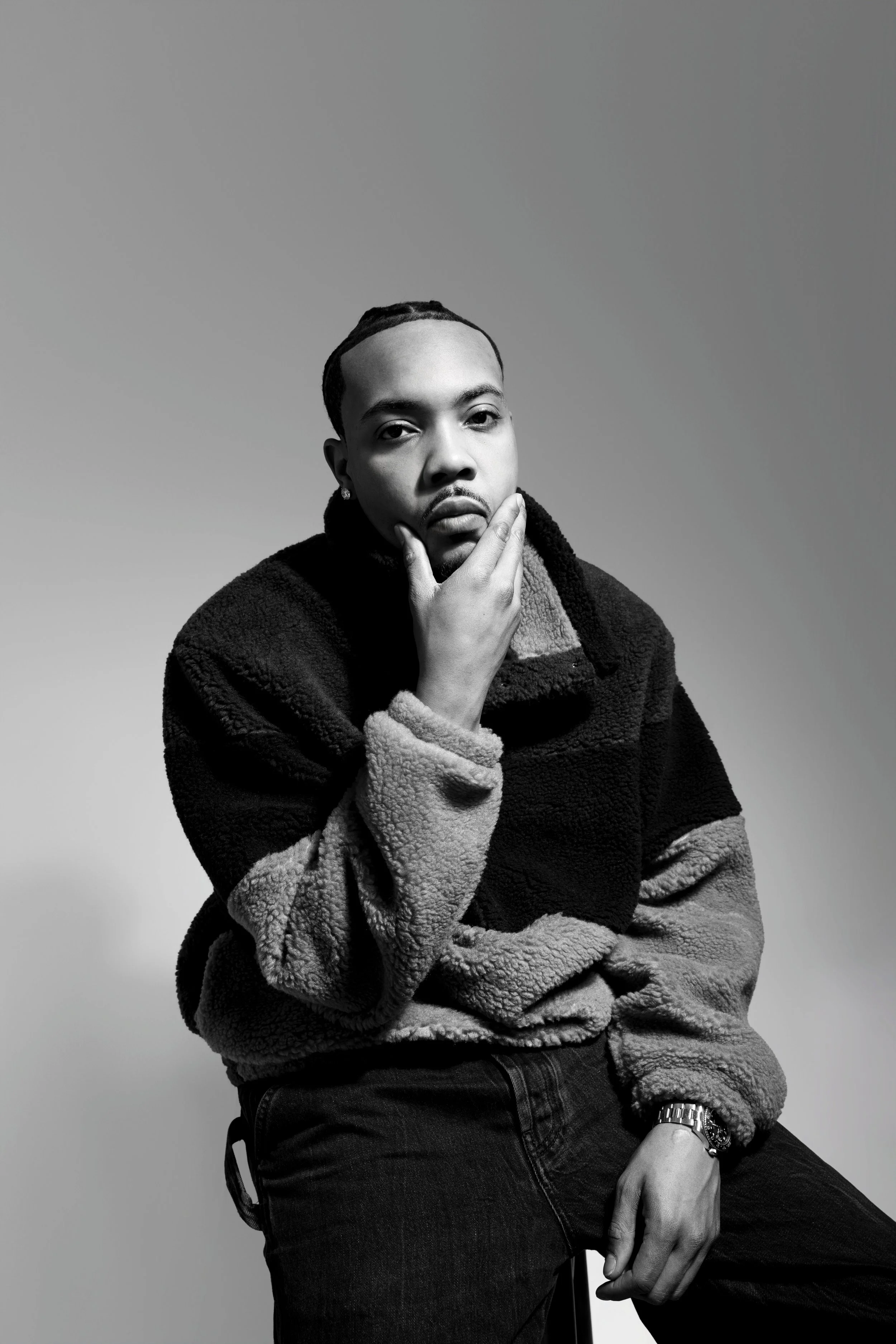
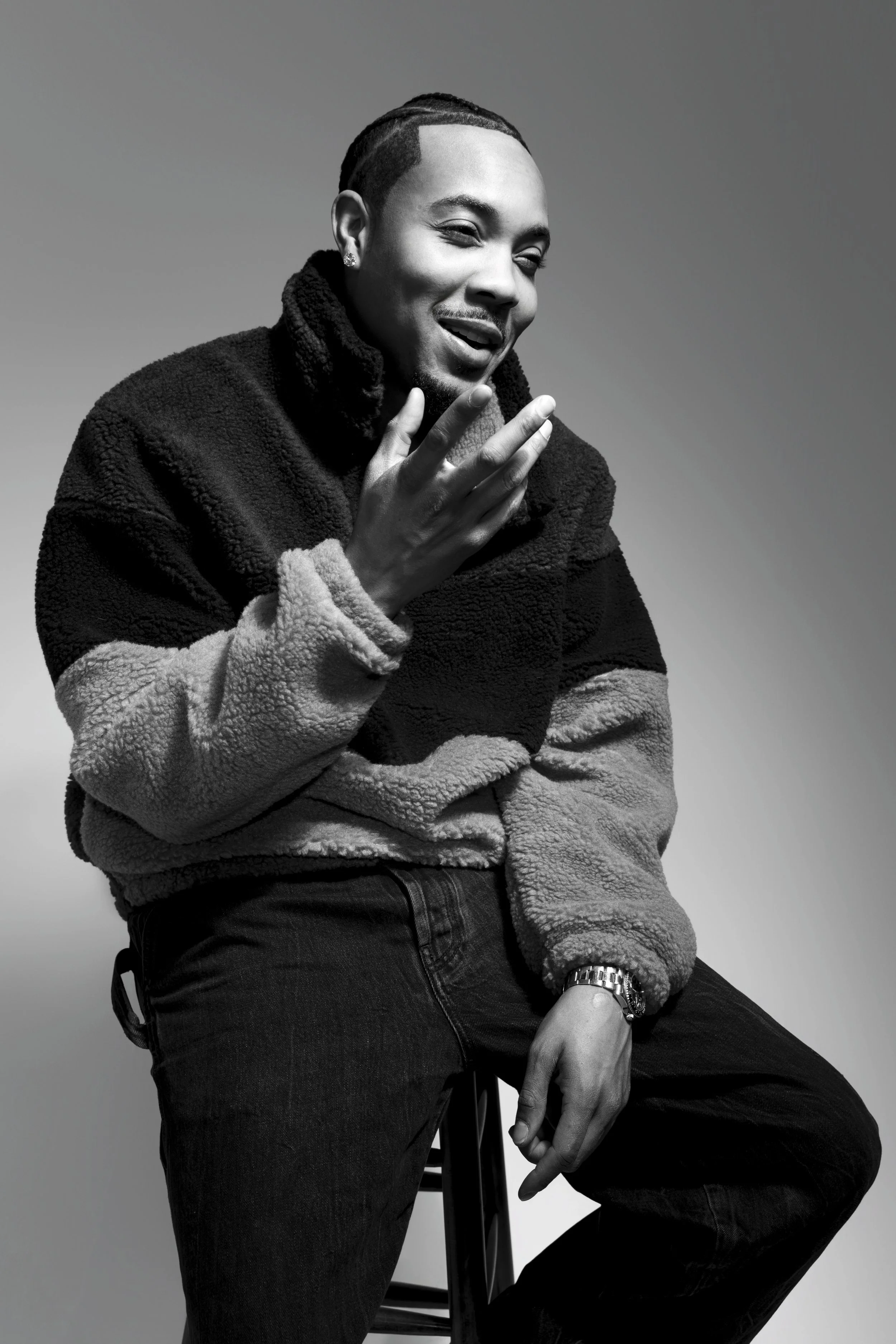
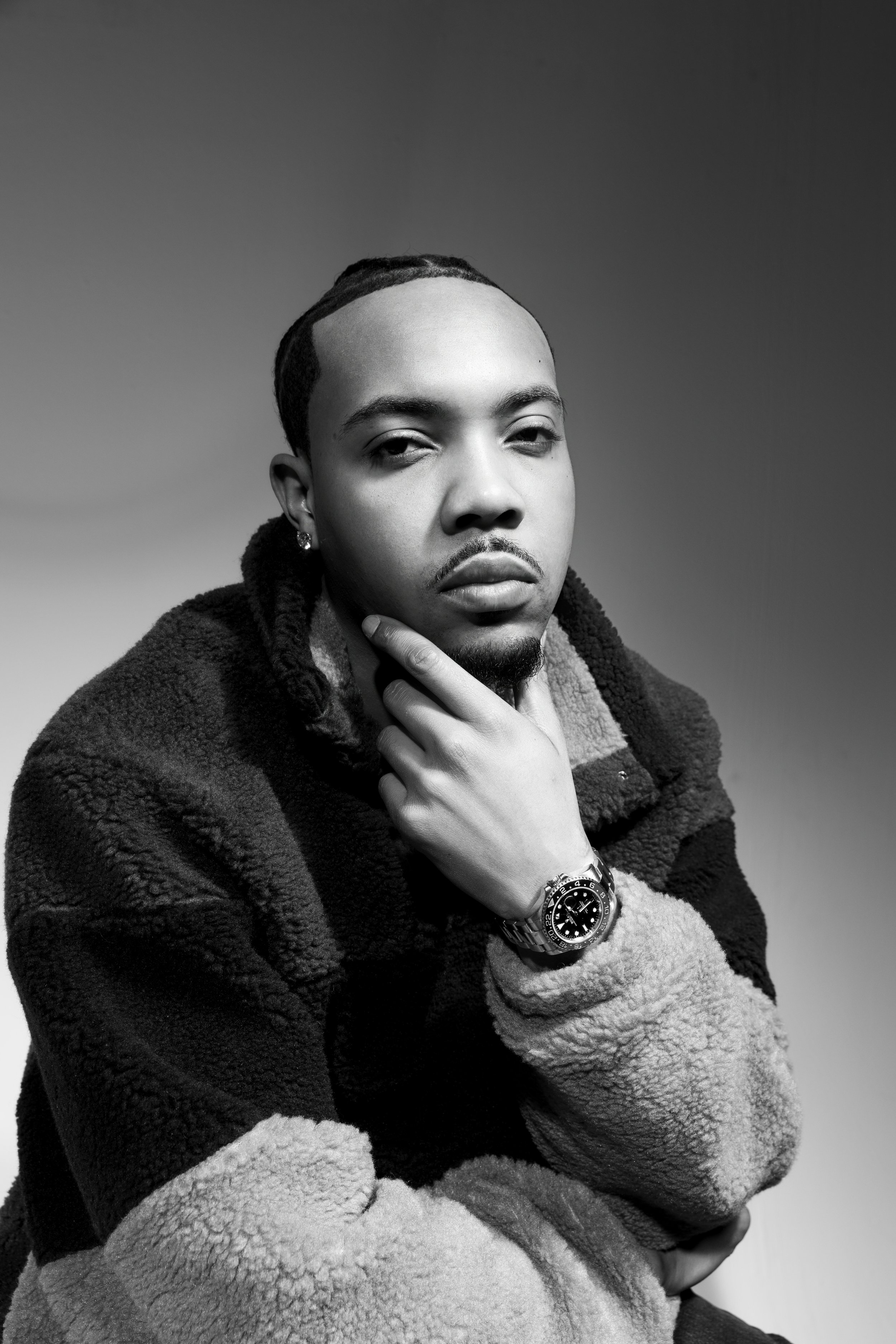
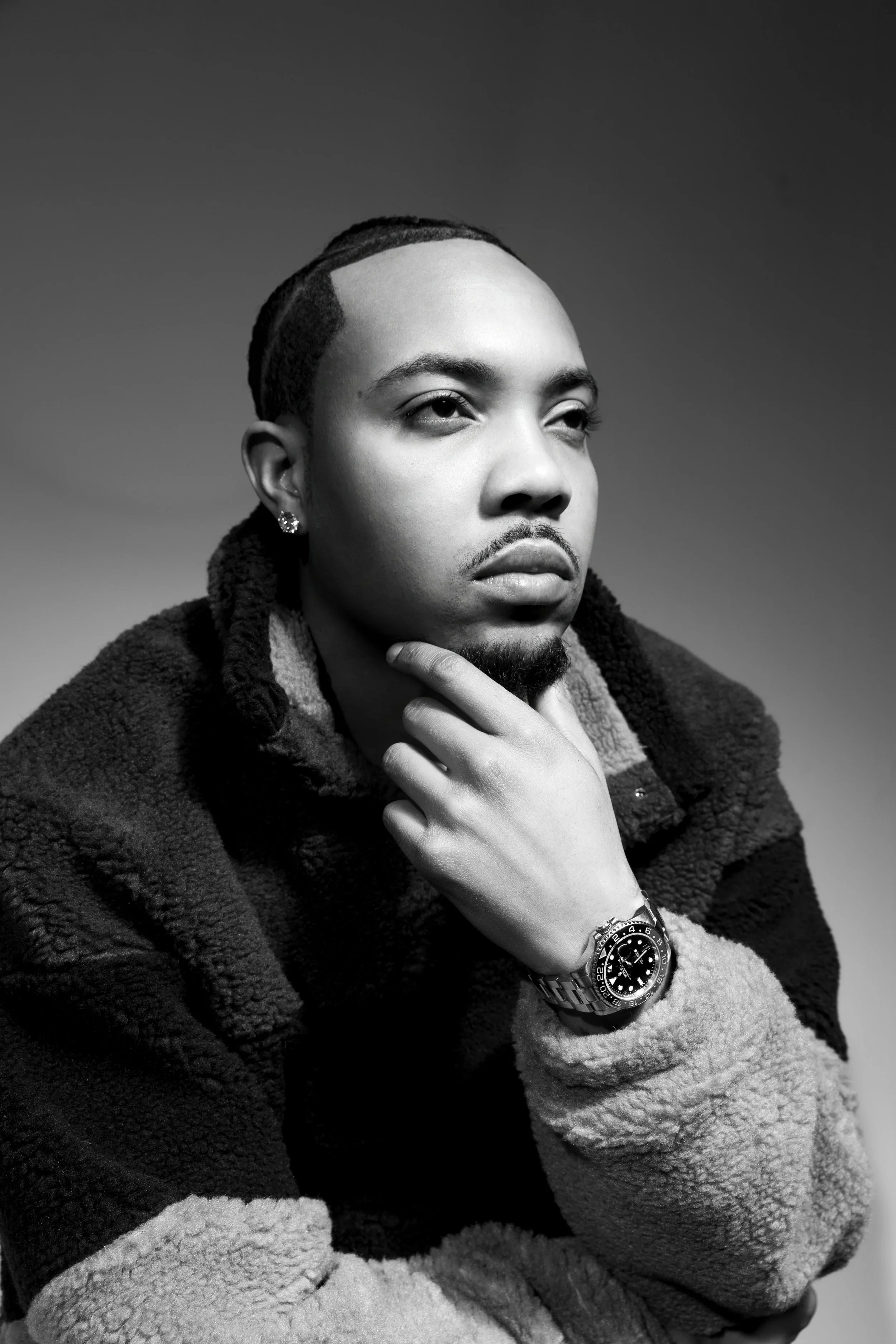
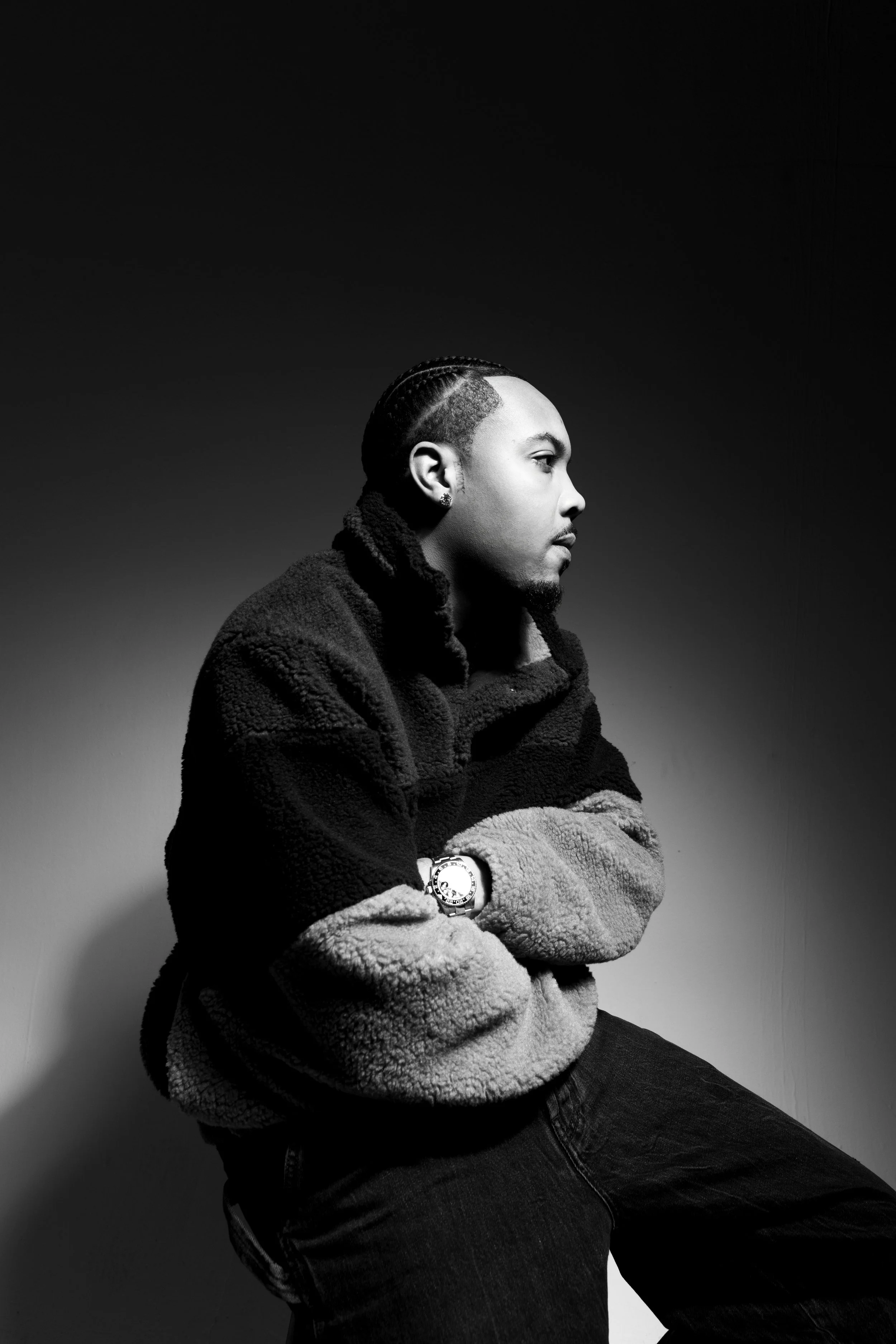
full look LE PÈRE
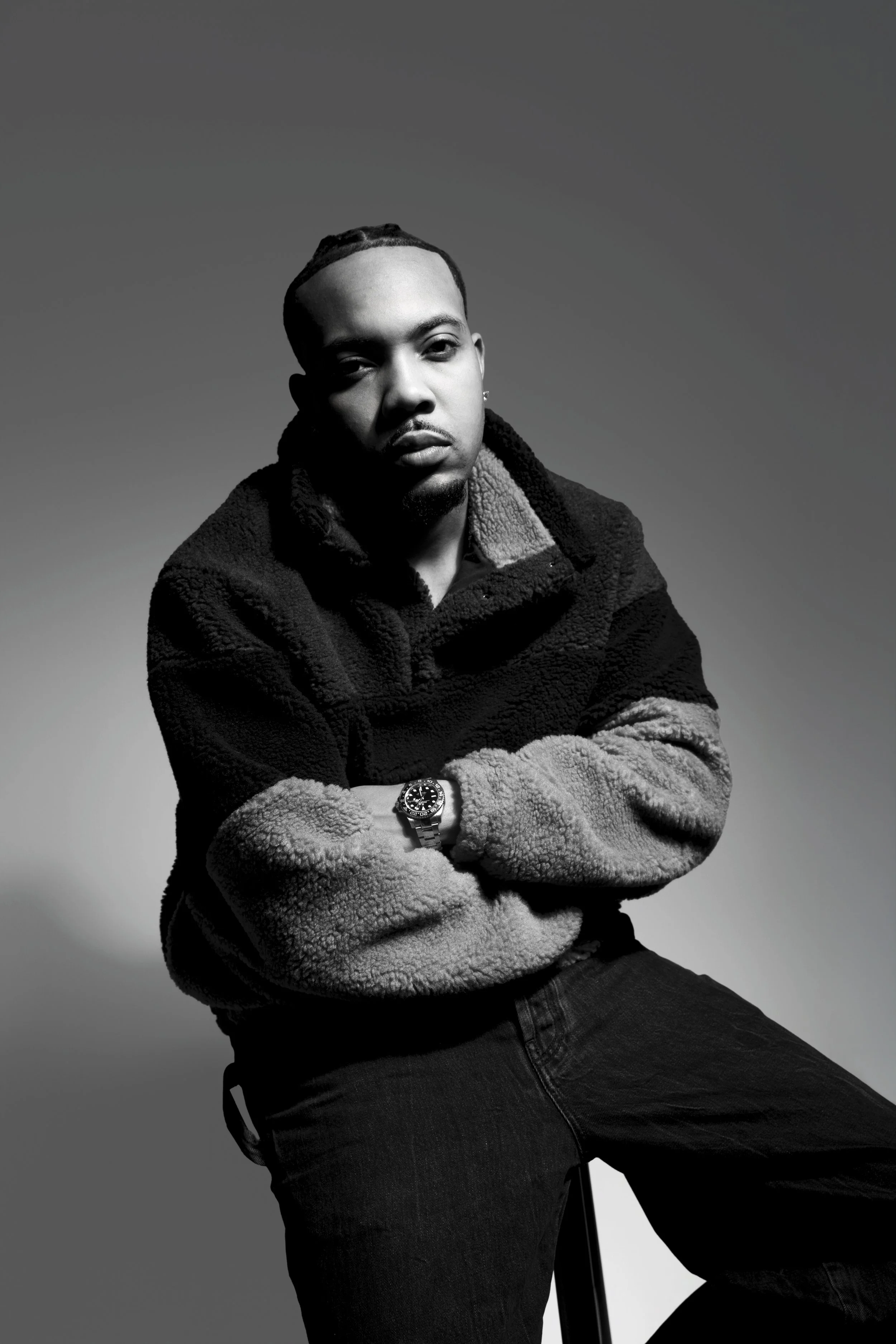
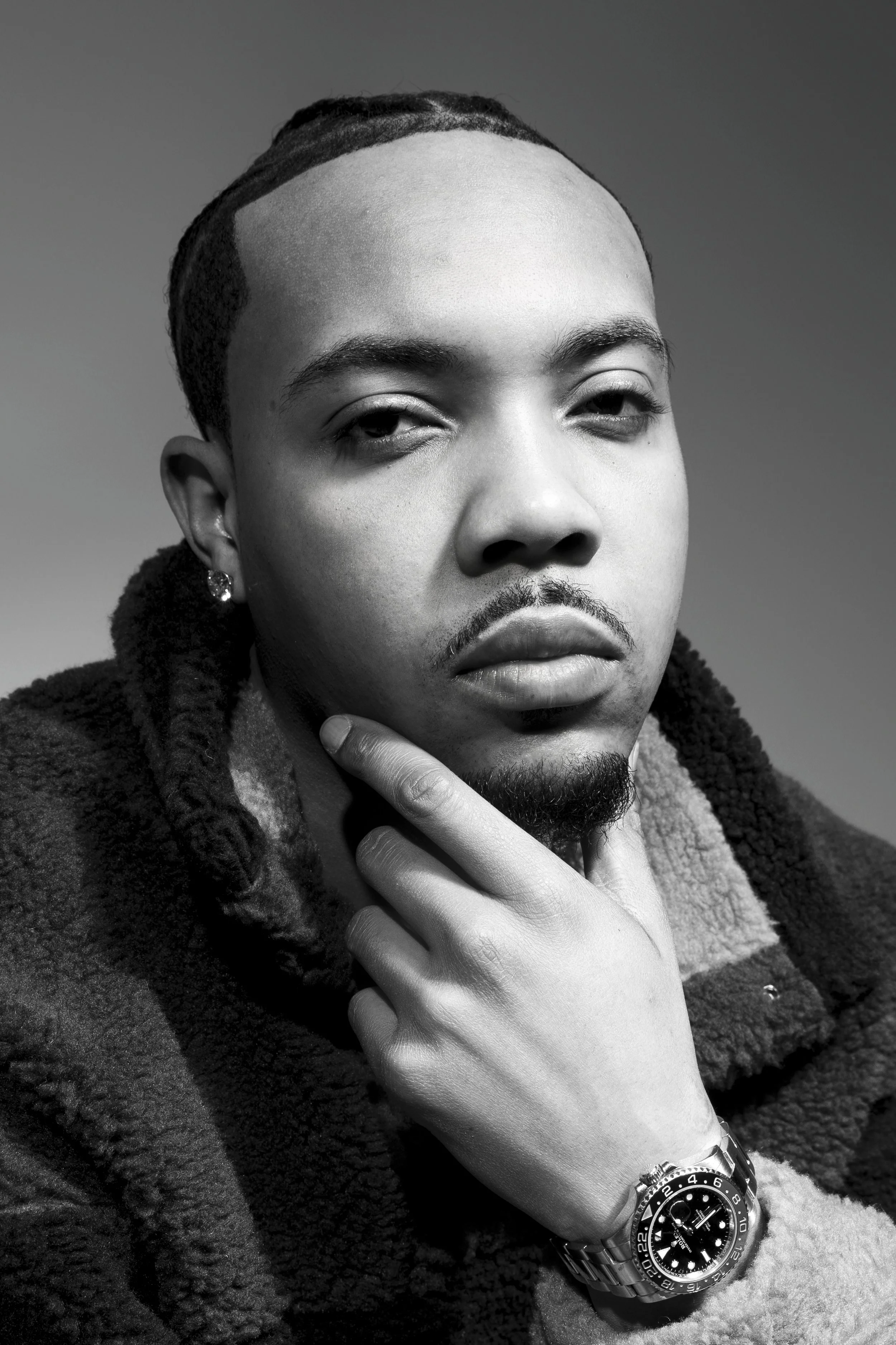
watch ROLEX
You've been in the game for over a decade in the age of social media and clickbait. What is the greatest challenge to maintaining integrity and honesty that defined the Little Herb sound?
Really just not paying attention to the naysayers or not really feeding into, social media and clickbait and all those kind of things, because in my career, there's been a lot of situations where people try to trick you to answer controversial questions or try to get you to feed into what the internet is accustomed to as far as drama and things like that. So just getting into this era, being able to call myself Little Herb almost 15 years later, it's just a way of me saying that I'm still grounded, in tune and connected with my younger self and my roots and what got me here today, for real.
You recently spoke out against exploitive media tactics with the whole Vlad thing. In a time where visibility often trumps vulnerability, how did you ensure the narrative of Little Herb was driven by vulnerability and not a viral moment?
Yeah, because I got myself here. There's no one thing or no one incident or one interview, one video, one song that got me to this point. There's no one thing that you could pinpoint in my career why people know my name. It's just years and years of hard work and dedication and focus. Speaking on that moment or that incident, where certain platforms or blogs or interviewers, there's no one that could say they've done something that shaped my career into what it is today. I'm not saying there's not certain things or certain people that has helped me or certain looks that might have been good looks to my career, but there's no one thing.
This album is dropping as you approach full independence. How did the newfound control over your business translate into control over the artistic curation and creative direction of the music itself?
Creative direction and just the artistic approach had a lot to do with me reaching independence because I wanted to go in an independence direction. Like on fire and recording and creating my best, one of my best, if not my best bodies of work. I feel that definitely influenced my creative process and things that I rapped about in this project. And I've never experienced a hundred percent full independence in my career. So, just me looking forward to that. I think it just sparked something in it. And not just my creative process, but just my drive as a whole.
The album is titled Little Herb, intended to close a chapter. What does closing that chapter look like for you? And how do the final tracks of the album single that moment of closure and healing?
Growing into my era of being a man, just like a overall man as far as handling every aspect of my life. I've always been a man, I always took care of my family and had grown man responsibilities, but it was a point of my life and my career where somebody else took care a lot of those things for me and now I'm at a point where it's my job to do it, and my job to put the people in place to handle the business that I need handled for me. And I think that's what that is. That's closing it. Just nobody having the job or responsibility to do anything for me, but me.
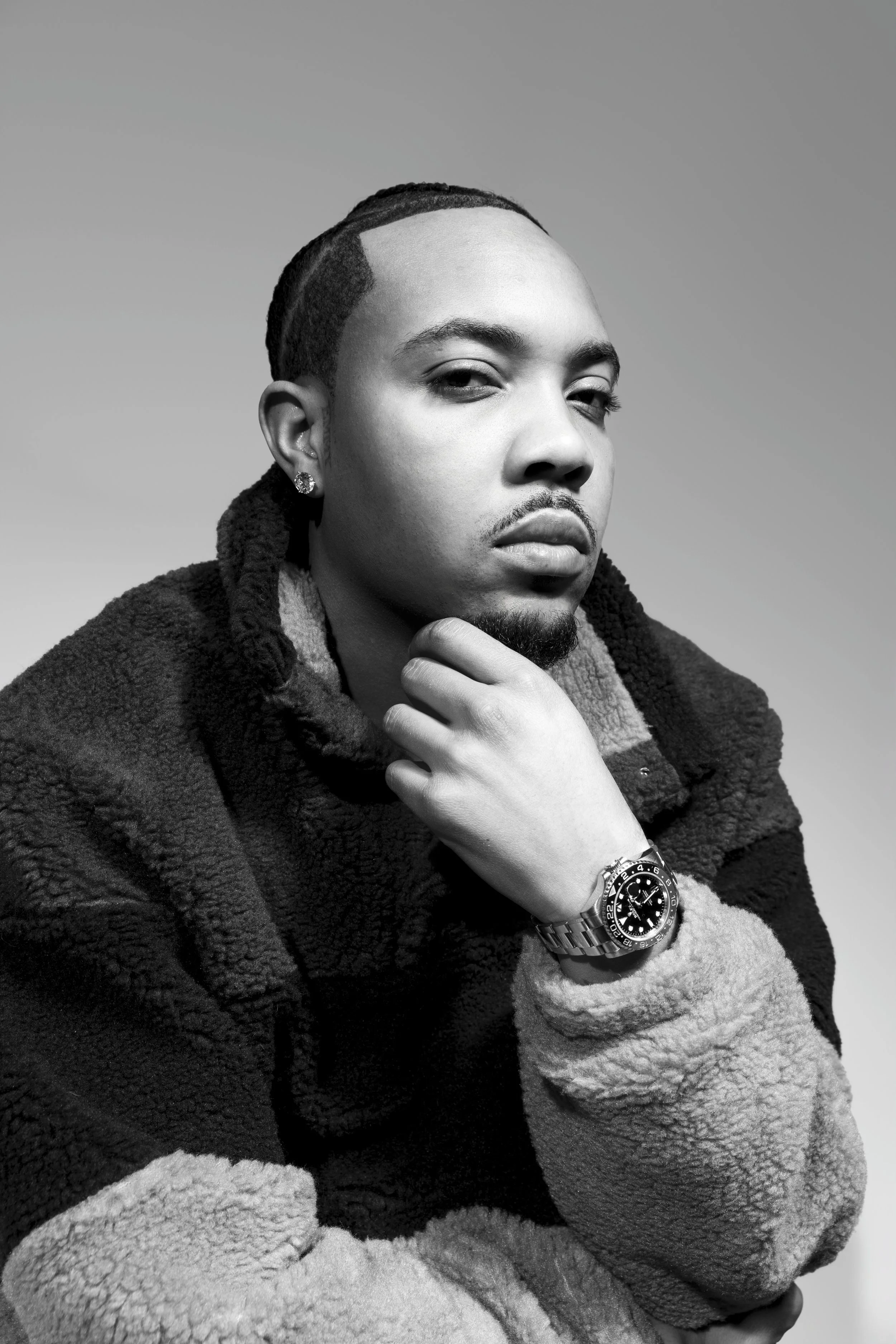
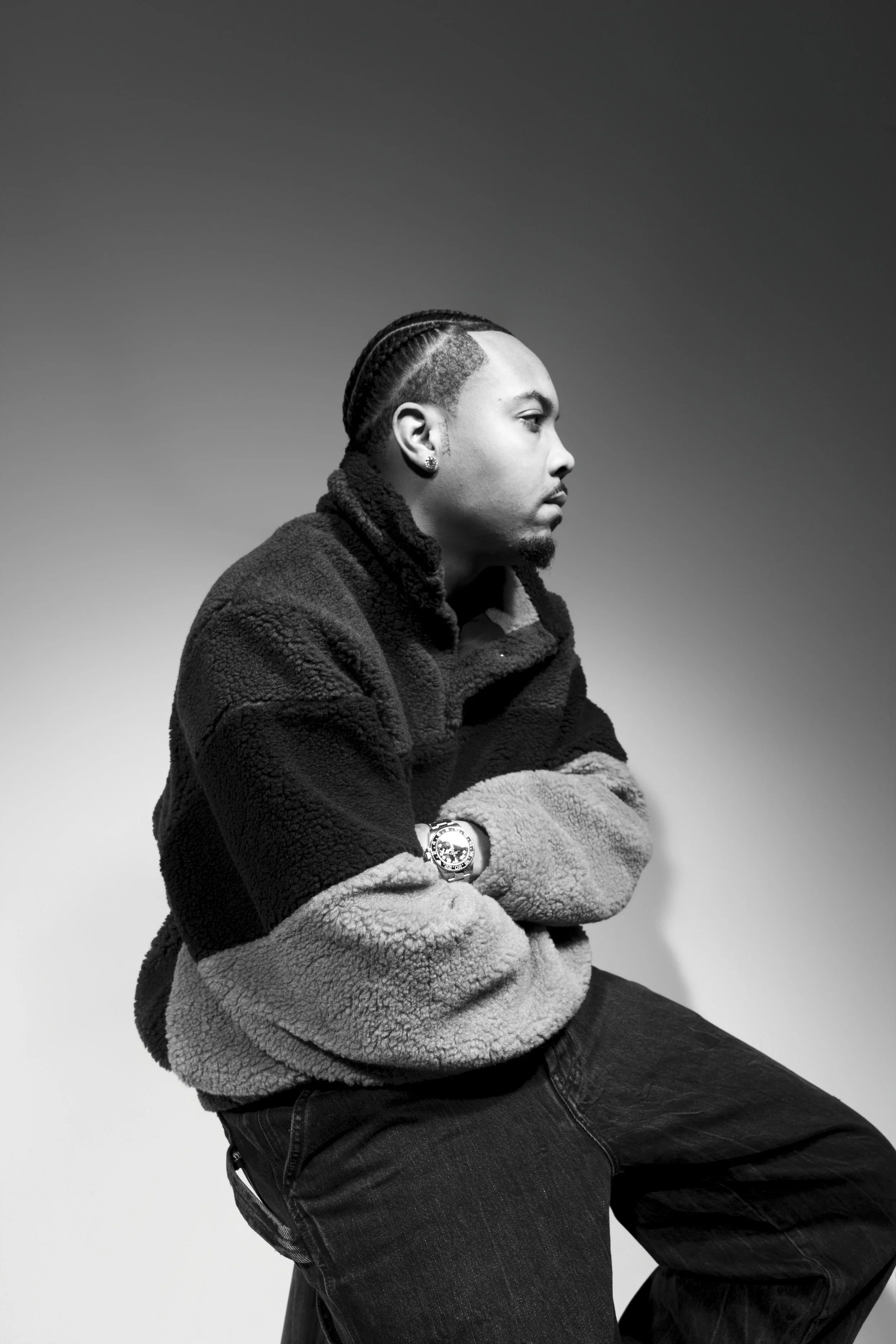
You described the album as a double-headed dragon, tapping into old energy while you are simultaneously healing and tapping into new energy. Is that internal conflict a part of how you curated the track list, and are there any specific songs where the Little Herb energy and the new G-Herbo energy collide?
I think it's intentional. Of course, I think the collision is basically me tapping into the grittiness and griminess of where I come from and being able to reflect on that, and still being able to touch on where my life is today because I'm not in the hood no more, but I can still reflect on it and I still have vivid memories of where I come from and what it took for me to get here today. So, I think that's where the collision comes from, being able to kind of like elaborate on both of those different aspects of my life where I am now and where I come from.
How do you maintain authenticity with sharing such personal stories like you do knowing the public scrutiny that comes with it and how like the internet can be?
I never really cared about public opinion or what the internet says because I know they love you today, they hate you tomorrow, and then they love you again. For me, it's just me being an open book is for who it's for. That's why the world has 8 billion people in it, because just as much as people may have something that's negative to say about it, it's a lot of people who take what I'm speaking about and take my story and use it as motivation and inspiration to change their circumstances and change their lives, and to be able to mimic the things that I've done. A lot of people use that to do the same thing for themselves. So those are the people who I'm speaking to tonight and nobody else.
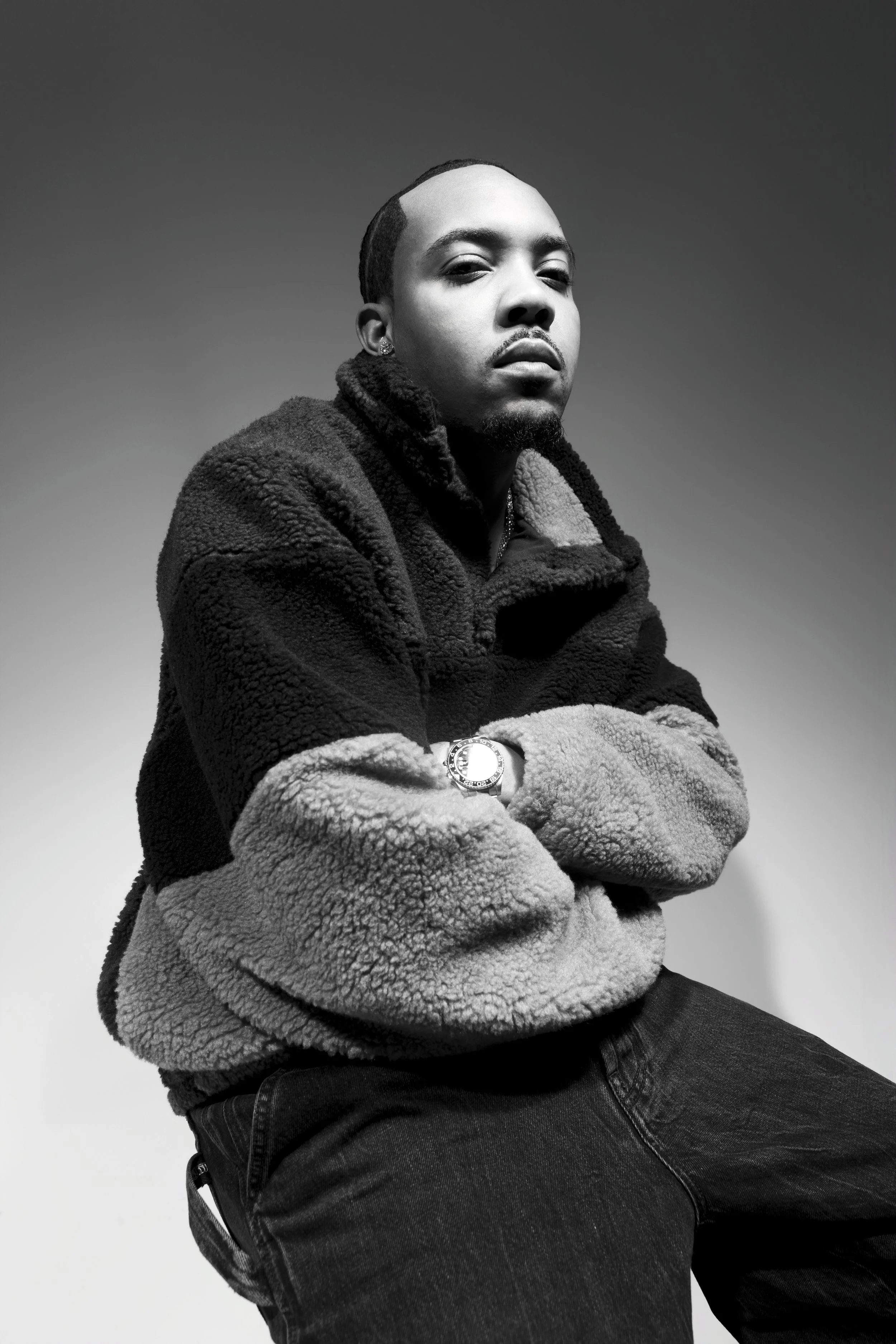
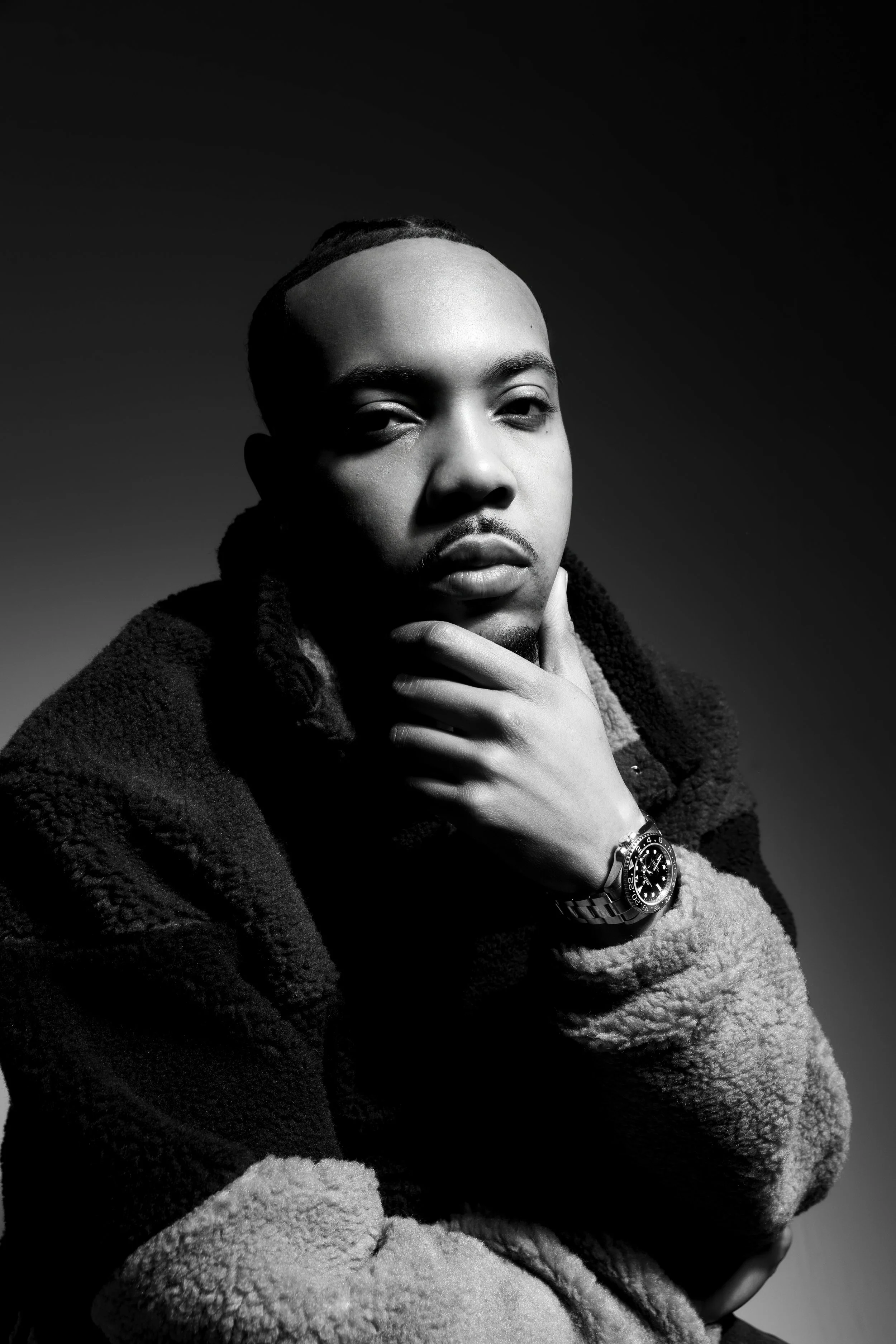
Does the process of recording your music serve as a form of therapy and does it actively pull you out of a dark place?
That's the reason I started doing music in the first place. It was always therapeutic for me to be able to talk about certain things through my art that I probably wouldn't talk about normally. And that's the point of it being art. You have a freedom of speech. And I started rapping before I knew about therapy and what a therapist could mean to somebody, and the importance of mental health and post-traumatic stress disorder and all those things that I've been feeling for more than half of my life. Music was a way to escape those emotions for me early on.
What is something you would like to say directly to your community about how they can actively overcome the limitations of their environment and reach a higher self?
I think just sticking together. I learned throughout my life and career, and my journey and being able to travel, just sticking together and unity is one of the things that we as black race we lack. You never know what someone's going through and how you can help someone just by lending an arm or just having a conversation with somebody where a lot of misunderstandings and a lot of things like that can be avoided. So, I would just say unity for me.
When you step into the booth and record your emotionally intense tracks, what does your ritual or routine look like to get into that headspace?
It's not even really a routine. I just get in and go with whatever I'm feeling. Certain songs bring out certain emotions. Certain beats bring out certain emotions. So, I just go with what I'm feeling. I don't really care about the lights being dim or candles being lit or drinking or smoking or anything like that. I just go in and just go with what I feel. And I think that's what makes me a good artist because I don't need anything to make me be able to articulate what I'm feeling.
Do you have a favorite song on the album? An element of that song makes it stand out for you?
My favorite song is kind of like a tie between ‘When Again’ and ‘One Chance’. When I listen to them, I know what I was feeling when I made those songs. What I was trying to get across is really just a lot of times when I felt like people tried to count me out or times when people didn't believe in me or even when I didn't believe in myself as much as I should have, I was able to push through and regain my confidence and regain focus to just strive and reach the goals that I set for myself. All the goals that I set for myself throughout the years, I was able to accomplish those goals and set new goals for myself that I'm trying to accomplish now. So those are probably my favorite songs because I feel like they're the most inspiring songs on the album.
TEAM CREDITS:
talent G HERBO
creative direction and photography WILLIAMS PETERS
creative direction and production management ZACHARINA DAINKEH
director CEOJAY
fashion direction and lead styling GLORIA JOHNSON
art direction and lighting technician KABIR
videography JADAH DUNYOH
photography assistance UCHÉ
bts photography YURIY BARANOV
styling assistance WILL KADIMA and TYLER BRIDE
production assistance JERMAINE HAMILTON
studio CONTRA STUDIOS
