
IN CONVERSATION WITH TAYLOR TOOKES
interview by JANA LETONJA
photography by TIMOTHY FERNANDEZ
Taylor Tookes is a trailblazing model, entrepreneur, and cultural advocate redefining the fashion industry on her own terms. Proudly part of the LGBTQ+ community, Taylor uses her platform to champion authenticity, inclusivity, and representation, proving that confidence and vision matter far more than outdated industry standards. Standing at 5’1”, she made history as the first African-American short model to walk an official New York Fashion Week show and the first short model to appear on a high-fashion magazine cover. Taylor continues to expand the definition of beauty while inspiring a new generation of creatives to take up space unapologetically.
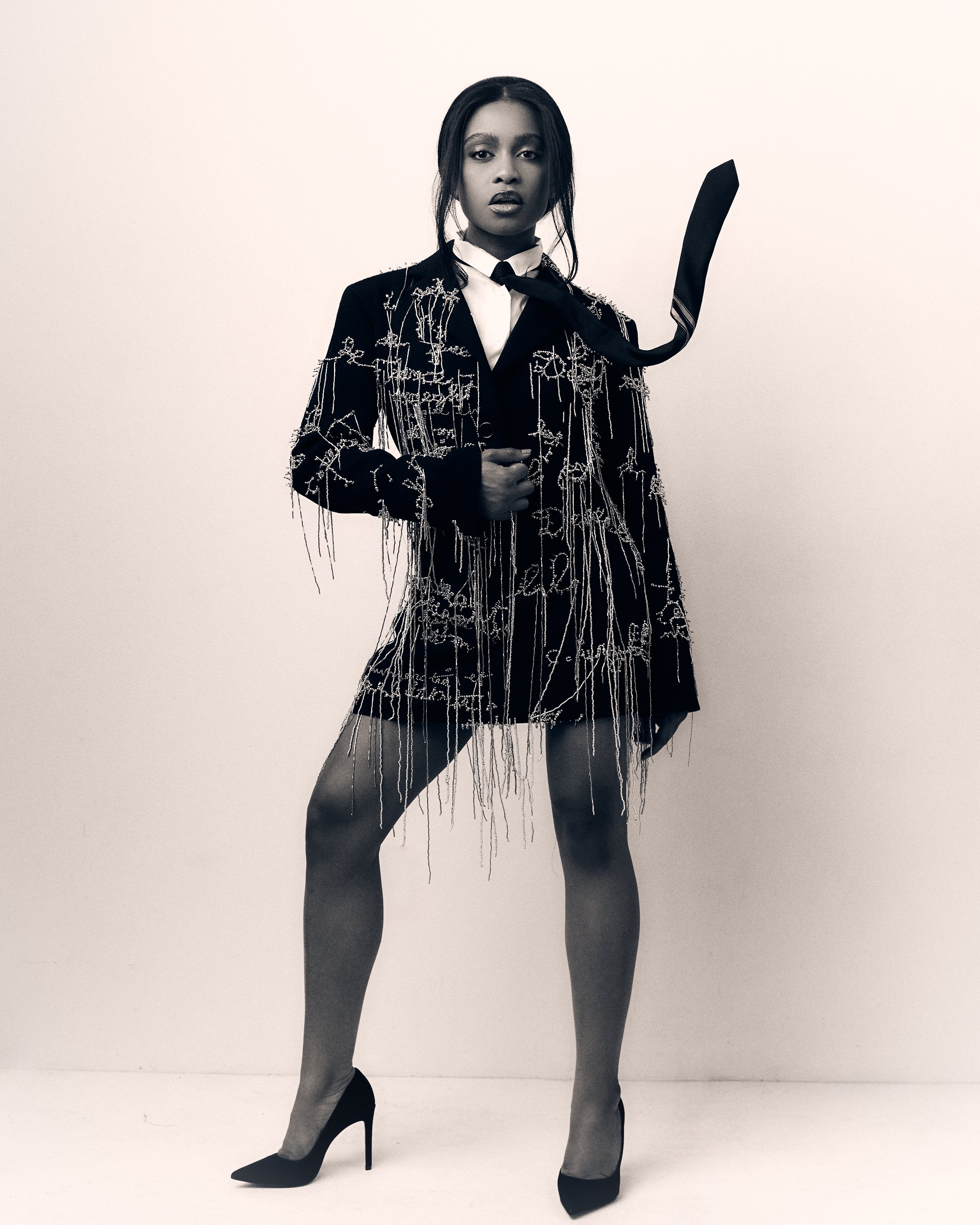
You’ve shattered long-standing fashion norms. What did it feel like the first time you realized you were changing the industry’s perception of who belongs on the runway?
All in all, it felt and still does feel extremely overdue. I’ve been on this mission of inclusivity for short women in high fashion spaces and I just feel like since 50% of women are short, then there should be some sort of representation for us on the runway. No one can tell me the women watching fashion shows in the audience are not short. 50% is a huge number, that’s literally half of us. I feel like if the industry can include other non-traditional types on the runway, then where is that space for us as well. Why not include the majority?
Being the first African-American short model to walk NYFW is historic. Did you feel the weight of that moment as it was happening?
Kind of sort of. Although I was extremely proud of myself and felt incredibly empowered and grateful, I still felt a bit lonely. I’m not here to be one petite model, I’m here to be a model that just happens to be petite. That should be normal. It felt surreal being the only model under 5’6, but that shouldn’t be the case.
How has your height, once seen as a limitation, become a defining source of power in your career?
I think it makes me stand out. I believe everyone is unique and can stand out just by being themselves, but for me, I feel like it adds an extra layer because with my height you literally cannot miss me. To see a straight line of tall figures and then you have one tiny figure, it stands out. I think my mission has stood out to a lot of people in the industry in a good way. When I introduce myself, I always say “Hi, I’m Taylor. I’m one of the first short models,” and the response I always get is something along the lines of “Oh, wow that’s so cool. Maybe we need short models in our brand.” Because my story is unique for my industry, it opens more doors rather than shuts them.
As a proud member of the LGBTQ+ community, how has living authentically shaped your creative and professional choices?
I honestly feel like I’ve just always been myself. I truly don’t care to pretend, nor do I have the energy and time for it. I think everyone should just be themselves, live as themselves, do and be what makes them happy.
Personally, I just show who I am through my work. A lot of agencies force models to fake their height and portray them as taller than they actually are. That’s one of the reasons I don’t have an agent and left my past agents. I refuse to water myself down or fit into a mold just to please someone or become “more valuable” to a brand. That’s crazy talk. I would only like to work with people who support me as I am and align with my beliefs.
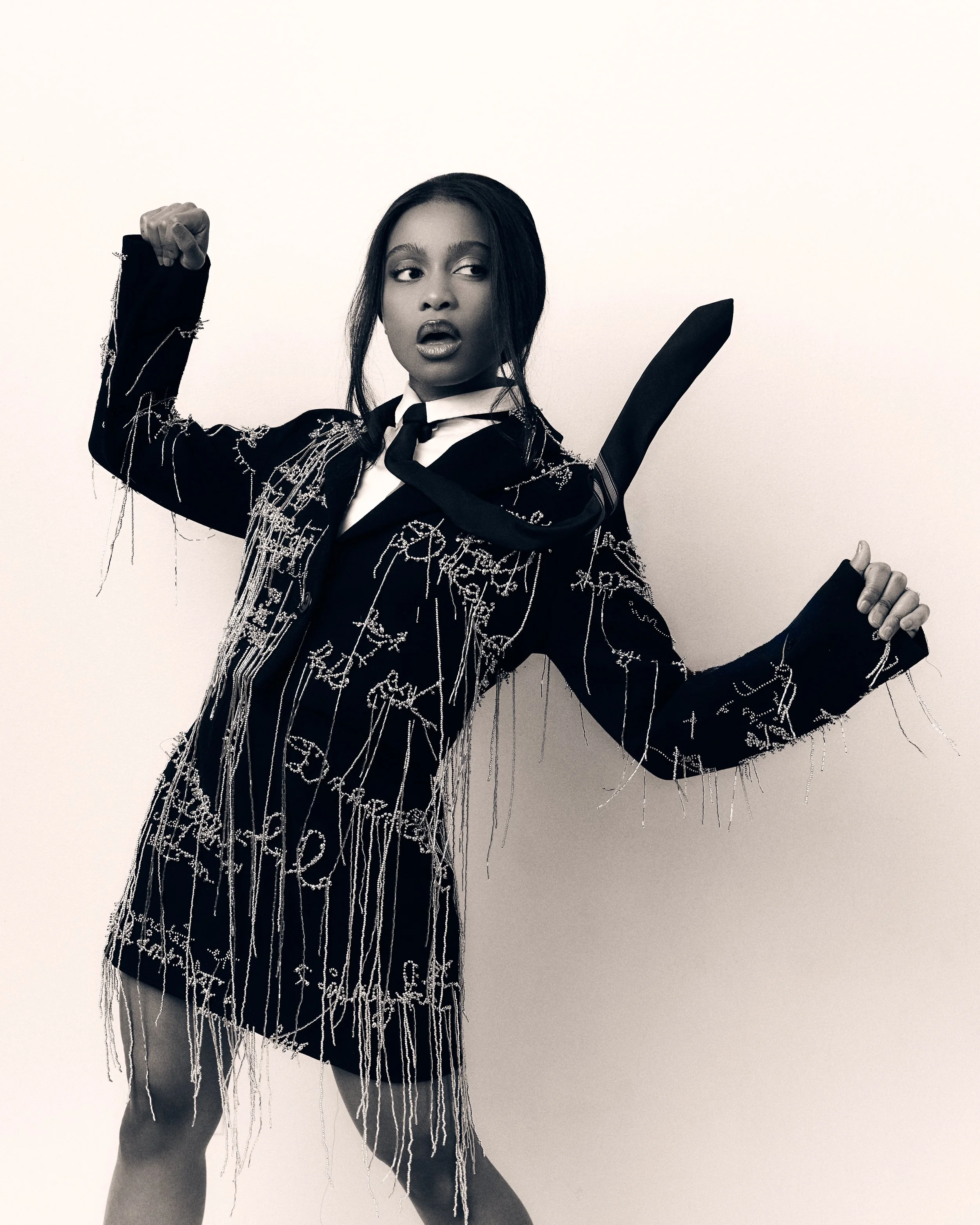
You’ve walked everything from NYFW to Art Basel and Miami Swim Week. How do you adapt your energy across such different fashion spaces?
I’m not sure. I think I just view this as a job, so it’s easy for me. I understand each fashion week and each state and country has a different vibe. I think it’s easy to be able to shift into whatever vibe is needed. I genuinely think that’s what a real model is able to do.
How do you balance being a model, entrepreneur, and advocate without losing your sense of self?
I’ve always had an extremely strong sense of self and it’s only gotten stronger. So honestly, it’s easy for me to not lose my sense of self. When you know who you are and you’re happy with that, it’s just easy. It also helps when you’re just yourself no matter what you do. When you aren’t wearing a mask and when you’re grounded in identity, it’s quite easy to be everything at once, and more, without losing who you really are.
What role does digital culture and social media play in redefining traditional fashion gatekeeping?
Oh honey, we can thank the influencers. I personally think influencers have played a huge part in shifting the fashion industry. A lot of brands would rather hire someone who has a large platform or a growing platform vs. hiring a model with no platform that’s been at this for ages. Fair? Not necessarily, but definitely the way it’s moving. It’s really easy for influencers with huge platforms to book a campaign and I’ve even seen a lot of them on the runways of Paris and Milan Fashion Week, which were once incredibly strict with height, but a lot of influencers are not tall. Some brands even reach out via DMs to work with models instead of going through agencies. I personally think agencies are dying and will be dead for the most part in around three years. In conclusion, a lot of the people who cast are now looking at social media and not whether or not you actually have experience, skill or even the right look for the project.
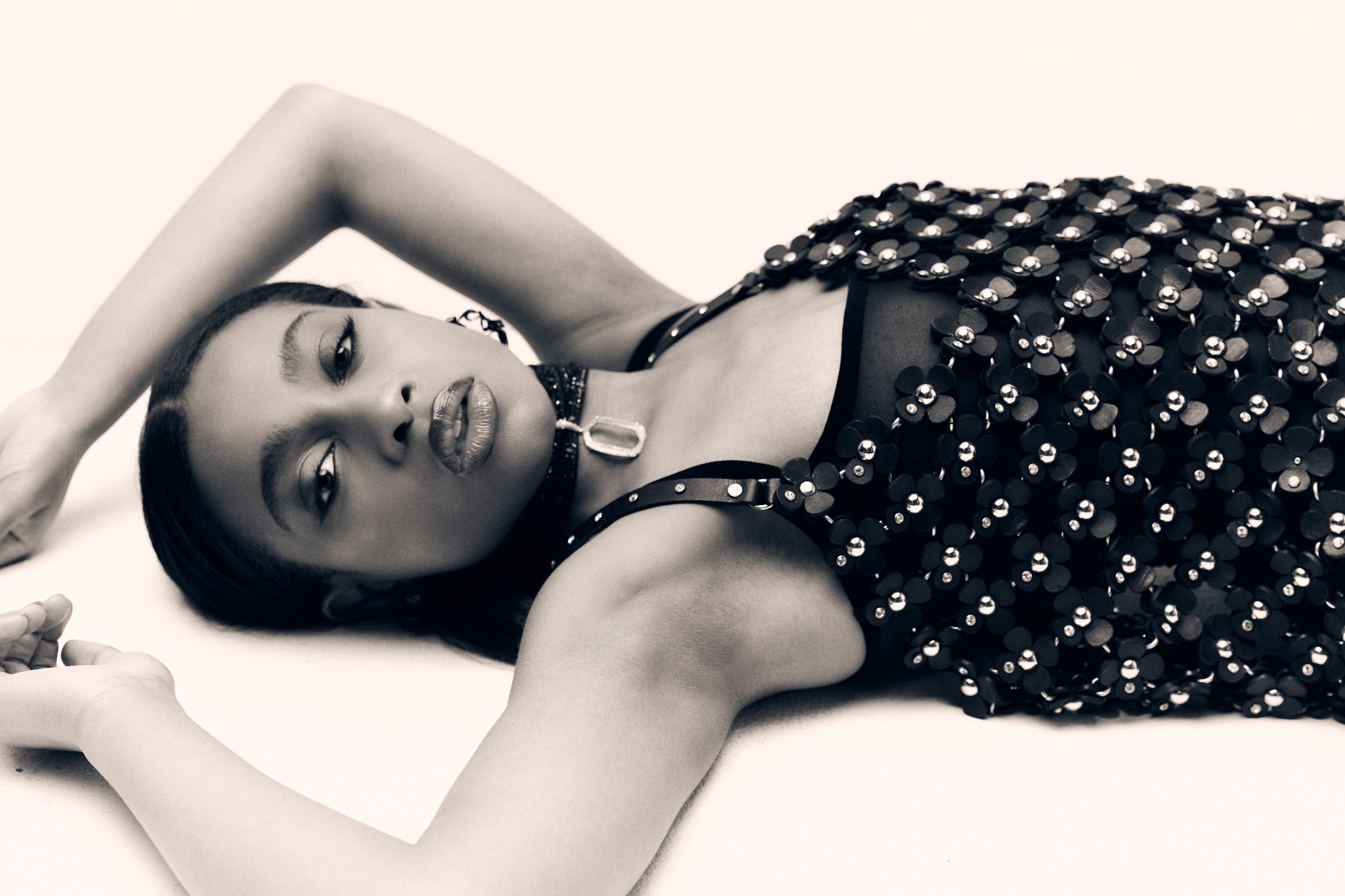
With a growing audience following your journey in real time, how do you stay grounded amid increased visibility?
I don’t really like visibility, but I definitely do want it, if that makes sense. I want to make a difference for short women, so visibility is just something I’ve had to get comfortable with because obviously, it comes with the job. I think being already grounded helps a lot because I know who I am and I’m super solid in that. I know how to ignore people when they go stupid on the internet, just as I know how to ignore people’s negative opinions of me because if it doesn’t align with who I know I am, genuinely, who cares.
As co-founder of The Starter’s Block, what kinds of voices and stories are you most passionate about uplifting?
Refreshing stories and ideas. Fresh faces. Faces and stories we haven’t seen before. You can look on social media and every single time you do, there will be someone complaining about seeing the same faces on their screen or complaining about yet another reboot or live action movie, and rightfully so. They’re all fun and cool, don’t get me wrong, but it gets old. People are yearning for something new and I think the industry has not even scratched the surface of finding the most unique ideas and faces that could be something huge because no chance is really given anymore. The increased gatekeeping is ridiculous and reminds you of a high school mean girl going “You can’t sit with us.”
Advocacy is central to your work. How do literacy, youth empowerment, and LGBTQ+ visibility intersect for you?
Literacy is the foundation of empowerment and right now it’s a real crisis. When literacy rates are low, young people lose access to information, opportunity and the ability to advocate for themselves. You can’t fully empower youth without first giving them the tools to understand and communicate. That’s where youth empowerment and LGBTQ+ visibility come in. Representation matters, but it has to be paired with access. When young people, especially LGBTQ+ youth, can read, understand and see themselves reflected in the world around them, they gain confidence and agency. They stop asking for permission to exist. My advocacy is about tackling literacy as a very real and urgent issue while making sure empowerment and visibility aren’t performative, but practical. To me, real inclusion also means equipping young people to thrive, not just telling them they belong.
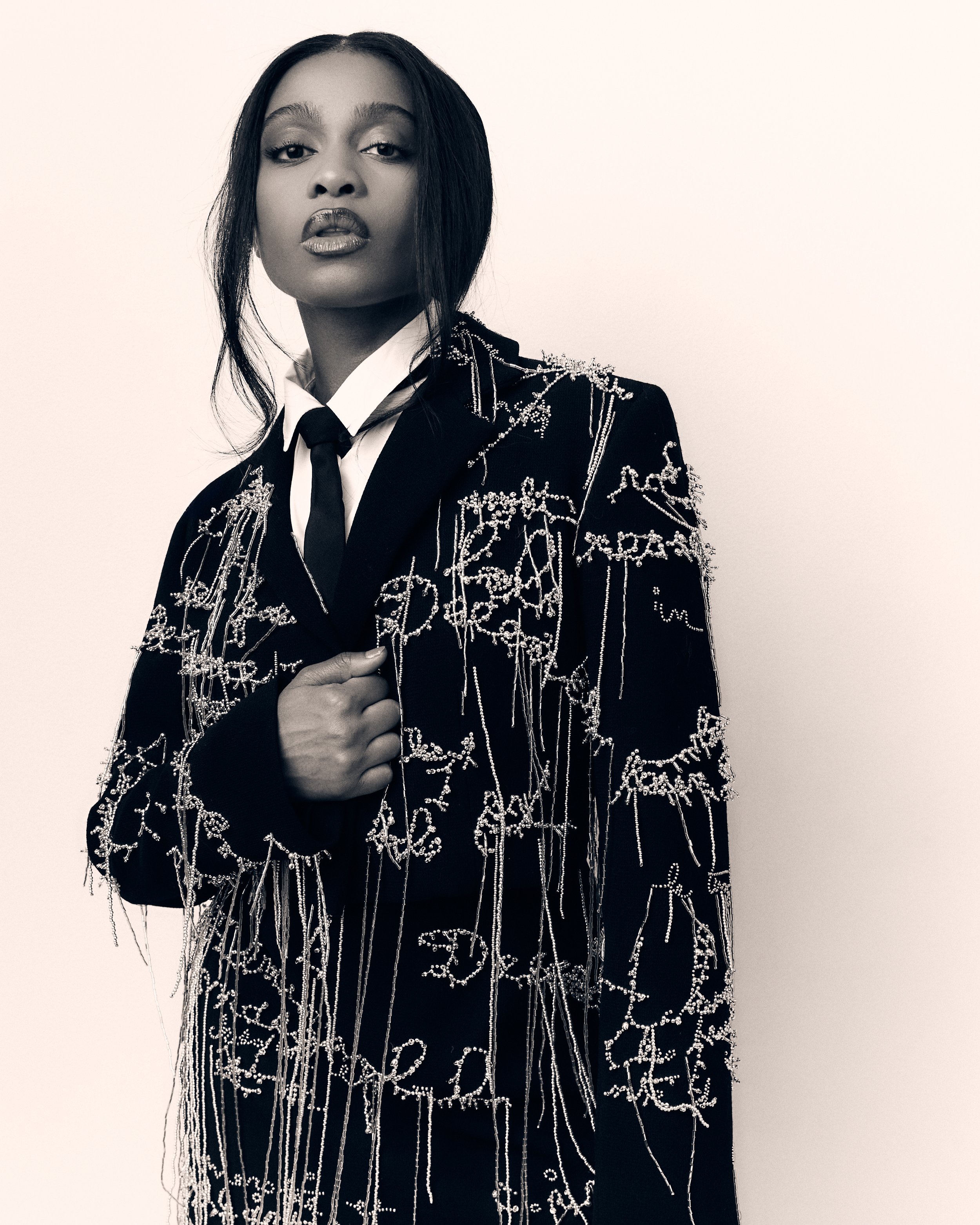
What does inclusivity in fashion truly look like beyond casting and marketing?
It looks like you seeing yourself in a campaign, on a show, in a movie, whatever it may be. As corny as people make it sound, it’s very true that representation matters. This also means seeing yourself in the design process shows up in who has access to opportunities and who is able to sustain a career in the industry. It means creating clothes that actually fit diverse bodies, opening doors for models who don’t fit traditional standards and compensating them fairly. Inclusivity also means longevity, not tokenism. It’s not about a single season or campaign, it’s about consistent representation and actual structural change behind the scenes. When inclusivity is built into the system, it stops being a trend and starts being the norm.
What excites you most about the next chapter of your career?
I think I’m about to finally do really big things and really great things. So, that’s more than enough to excite me.
