
IN CONVERSATION WITH GABRIEL PEREZ SILVA
interview by JANA LETONJA
Gabriel Perez Silva has built a creative path shaped by resilience, reinvention, and cultural fluidity. Born in Cúcuta, Colombia and raised in South Florida’s diverse creative landscape, he first pursued an elite athletic career as an award-winning swimmer for Colombia’s National Team before a major surgery unexpectedly redirected his future toward the arts. Since then, he has developed a multidisciplinary identity spanning visual art, fashion, activism, and creative collaborations across Miami, Italy, and New York City. His work and personal story — rooted in movement, transformation, and self-expression — have been featured in publications including Vogue and The Cut. Now making his Cannes debut with Qonto while attending the premiere of Man I Love dressed in Prada, Gabriel continues to emerge as a compelling creative voice operating at the intersection of art, fashion, storytelling, and social awareness.
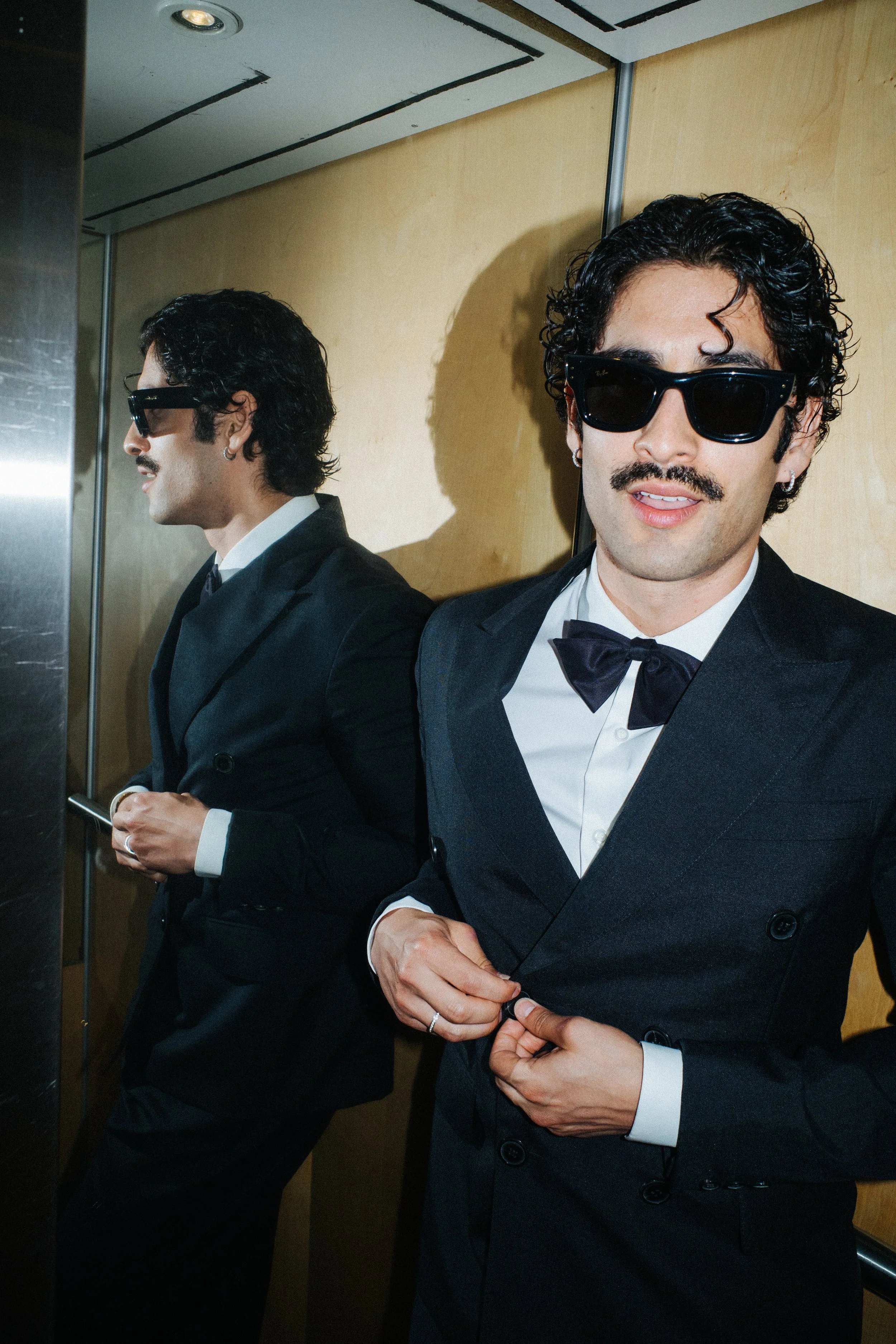
Looking back, do you think athletics prepared you mentally for a career in the arts?
It gave me perspective, discipline, and confidence in my own abilities. Coming from a background that has nothing to do with art, fashion, or entertainment allowed me to see things from an unjaded perspective, from a new lens. Everything was new. A lot of it is still new, like Cannes, and combined with the discipline of 5 AM practices and experiencing the fruits of hard work, it set me up to just constantly keep getting back up and pushing even harder.
Was there a specific moment after your surgery where you realised creativity would become your new direction?
After my surgery, I experienced a lull, where for the first time in my life I could just exist. Previously, I had been “the swimmer” and now I do what I do, which I love, but for that brief time, I was just existing, and I enjoyed it. It was much needed, and I look back fondly on it. I think during my recovery, the wheels in my brain eventually started turning, though, and I started to see there was a new path that was slowly revealing itself to me. After a little bit of time, I moved out to Italy to continue studying Italian, and this is where I was really first exposed to the significance of art and the important role fashion plays in it. It was an eye-opening time, potentially the impetus of what was to come.
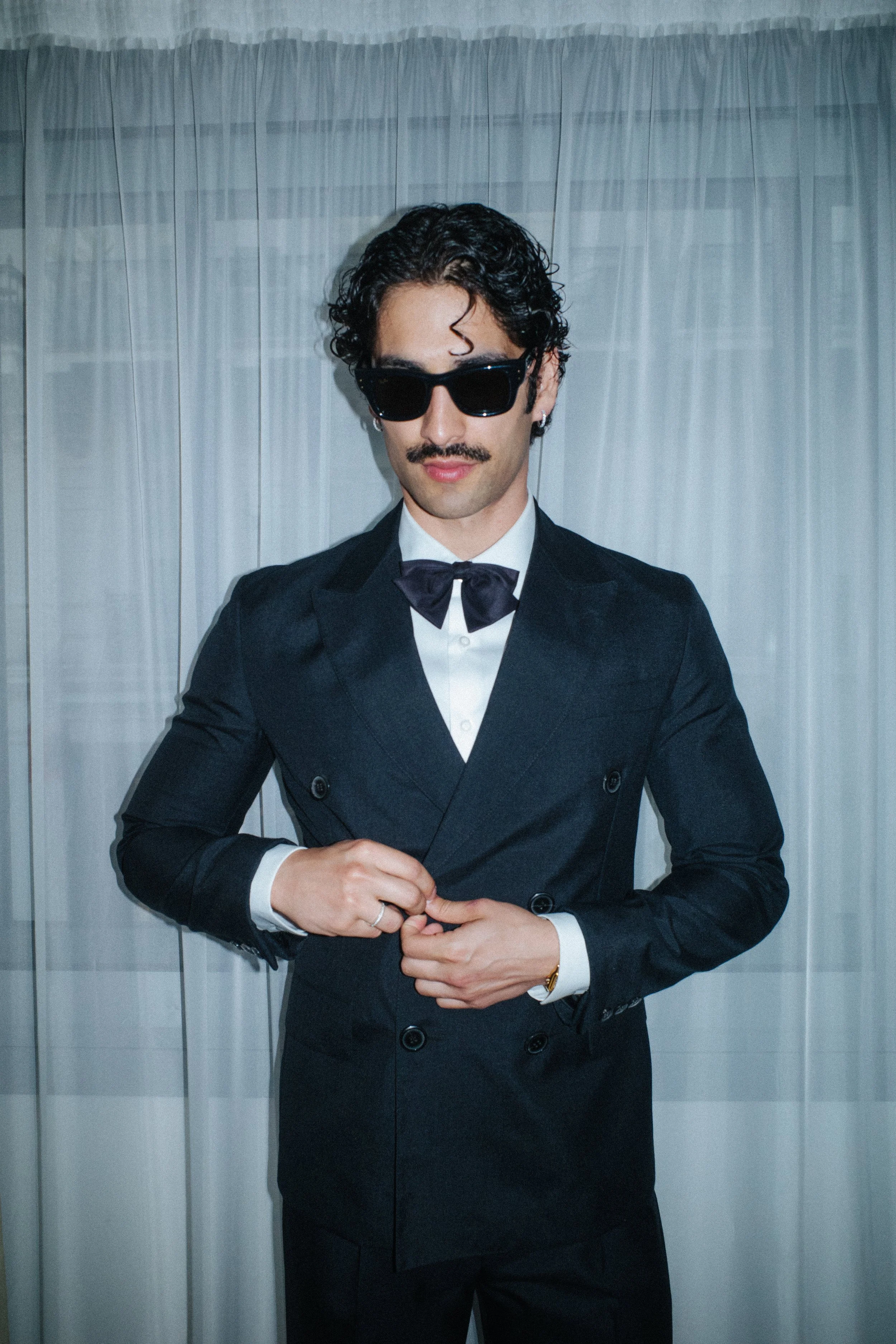
How would you describe your artistic style or emotional approach to creating work?
I like to study different mediums of art, different photographers as well. I work with a lot of different talented individuals, and part of my process includes studying different mediums of expression to understand their process. I’ve tried different things. I made a song once, and it actually did quite well. People were asking me if I wanted to make music, but it was just an experience. That's what life is about, the experiences and part of my study. Immersing myself in other forms of projects also keeps me sharp, ever evolving, learning new things and using new areas of my brain. I don’t agree with the expired sentiment that you can and should only do one thing forever. Doing one thing forever would stunt you. We’re ever-evolving humans, and you can have “your thing,” your base, which is the main thing you do, but you can also explore, learn, adapt. My style is bold colours, with moody lighting. I love faces as well, to be honest, and I love being the photographer people come to when they want to rebrand and lean more into being edgy.
Growing up between Colombia and South Florida exposed you to multiple cultures early on. How has that influenced your perspective creatively?
Definitely. In a lot of ways. I grew up moving a lot. I don’t have a “childhood home”, and in some ways, it felt like I wasn’t fully from either place. I got comfortable living in ambiguity and navigating spaces where you don't have a fixed identity. It made me flexible and better at holding multiple viewpoints at once. Growing up switching between Spanish and English, and between two very different cultures, trains you to read a room fast. You learn to adapt your communication style, pick up on unspoken social cues, and translate ideas across contexts. South Florida, specifically Miami, is a wild mix of Caribbean, Latin American, and American cultures and subcultures all crashing together, which gave me a natural ease relating to people from all kinds of backgrounds. Growing up with limited resources also made me resourceful. I’m good at making things work and pivoting. This has proven to be a great quality to have in my career.
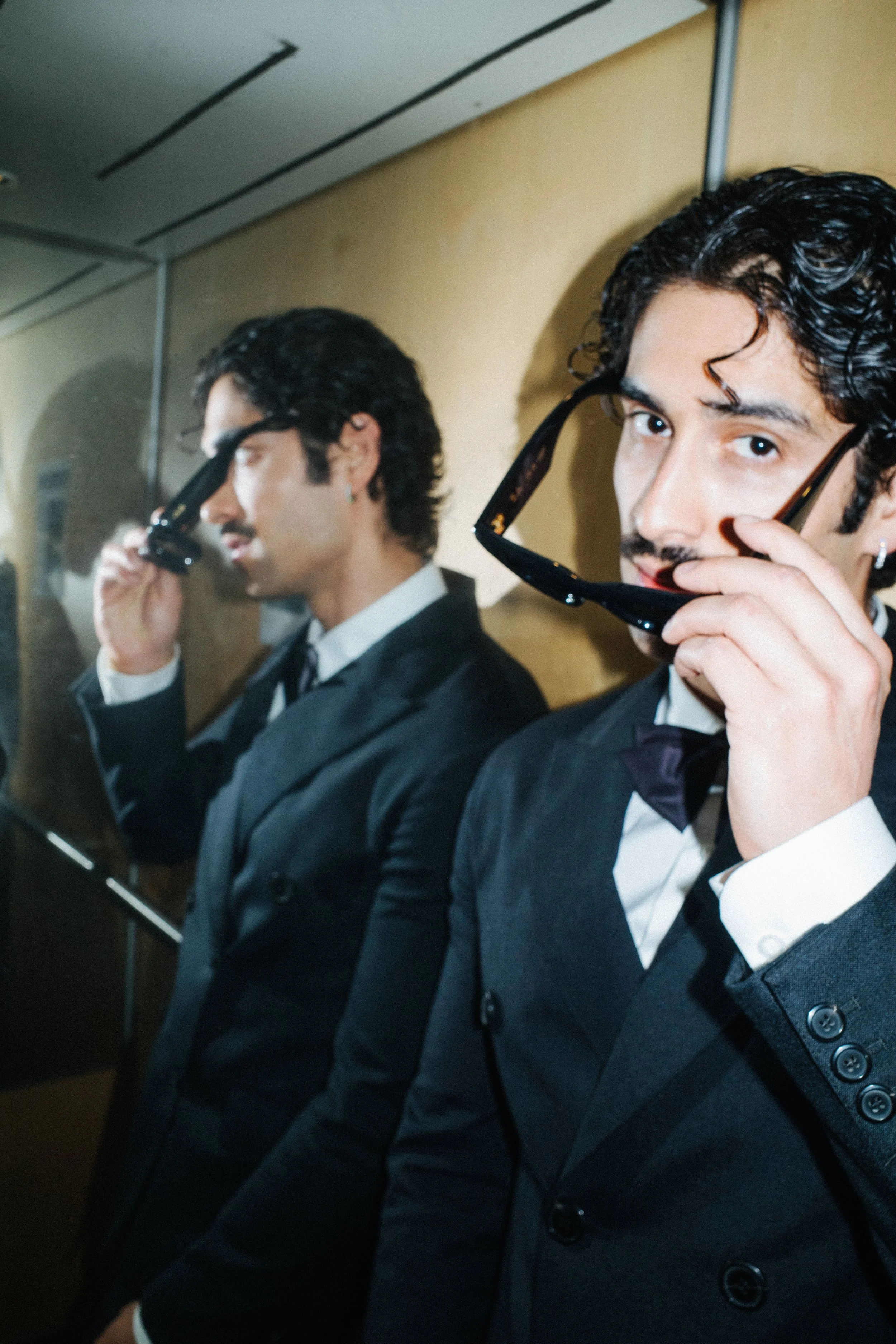
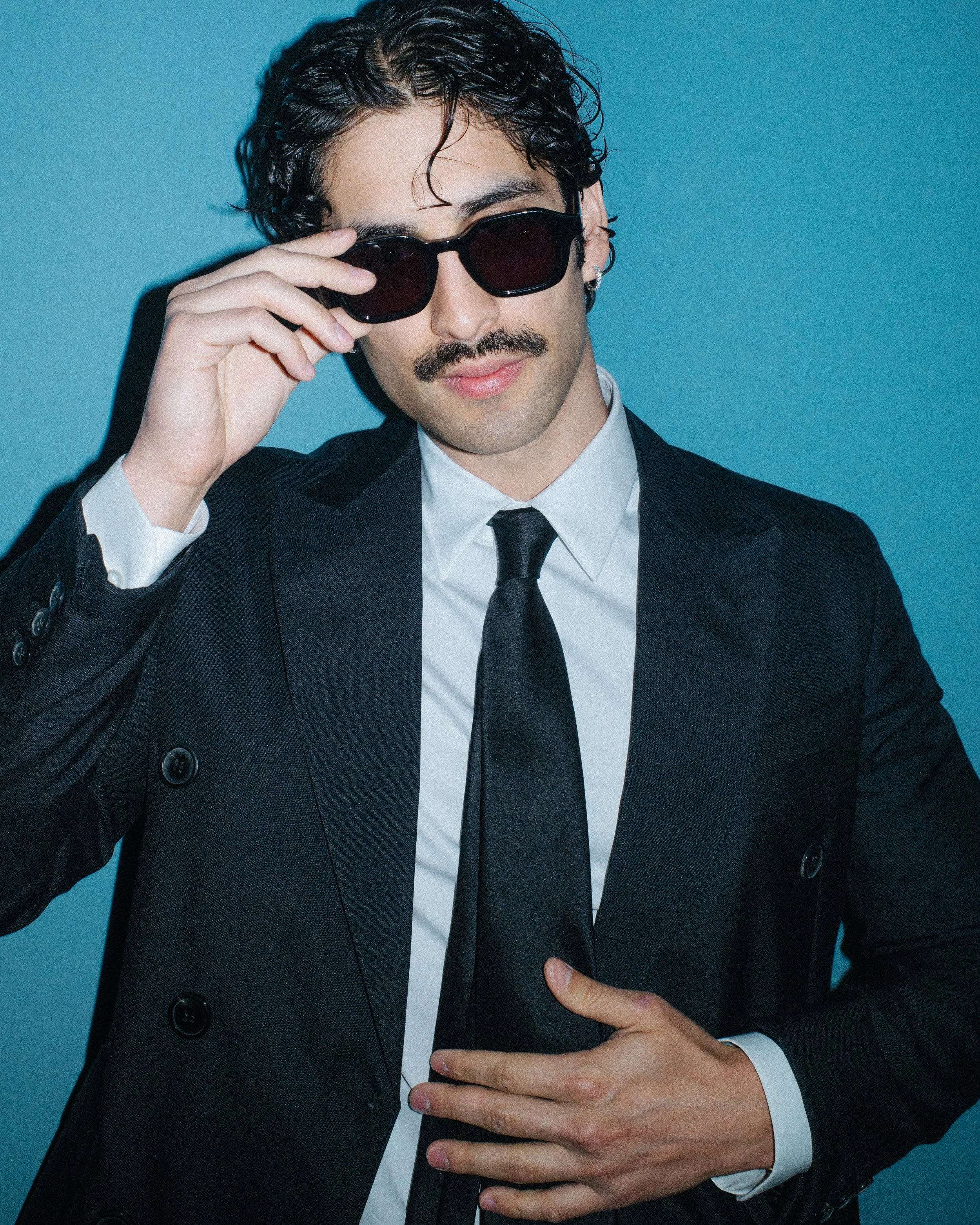
You’ve lived and worked across Miami, Italy, and New York. How do different cities impact your inspiration and artistic process?
New York City was incredible for me and my career. When I touched down in New York, the very next morning I started my career. I was interning at a modelling agency and soon after assisting a well-known photographer. Navigating the fashion world was like learning a new culture. I had to learn the language, how to hold myself in a room, and how to dress. It broke me down many times and built me up. I needed it. I was there for 7 and a half years, and now I live in LA, and I absolutely love it. New York was the right choice first. LA is the right choice for me now.
Fashion seems deeply connected to your identity and visual language. What role does style play in self-expression for you?
I express myself through my fashion, the same way I express myself through my photography. In a way, I am a part of my work, and my work is a part of me. I like to explore moody themes in my work, and my fashion tends to lean that way as well nowadays. However, I do like to throw in some occasional pops of colour. I also just like to feel comfortable.
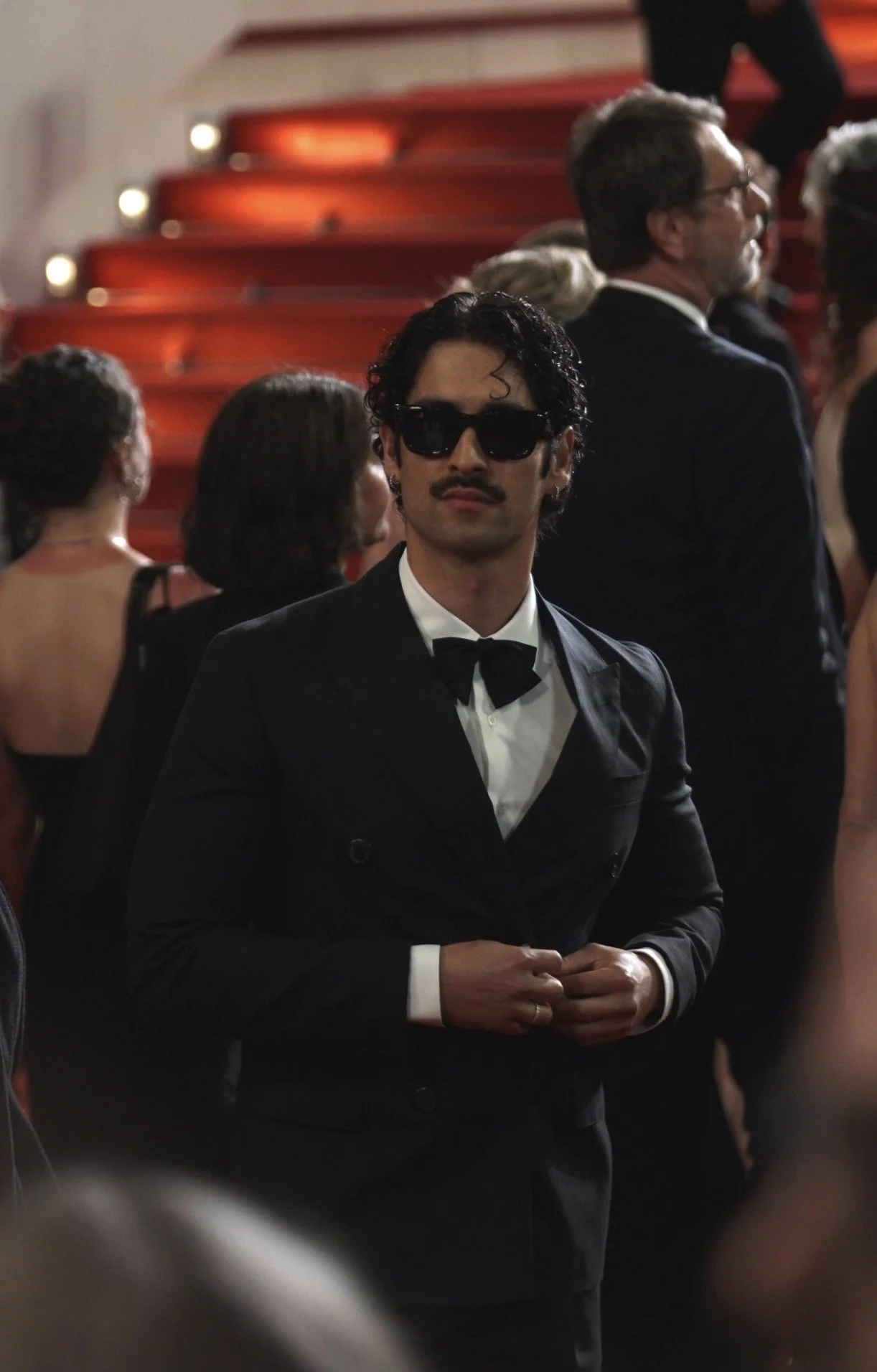
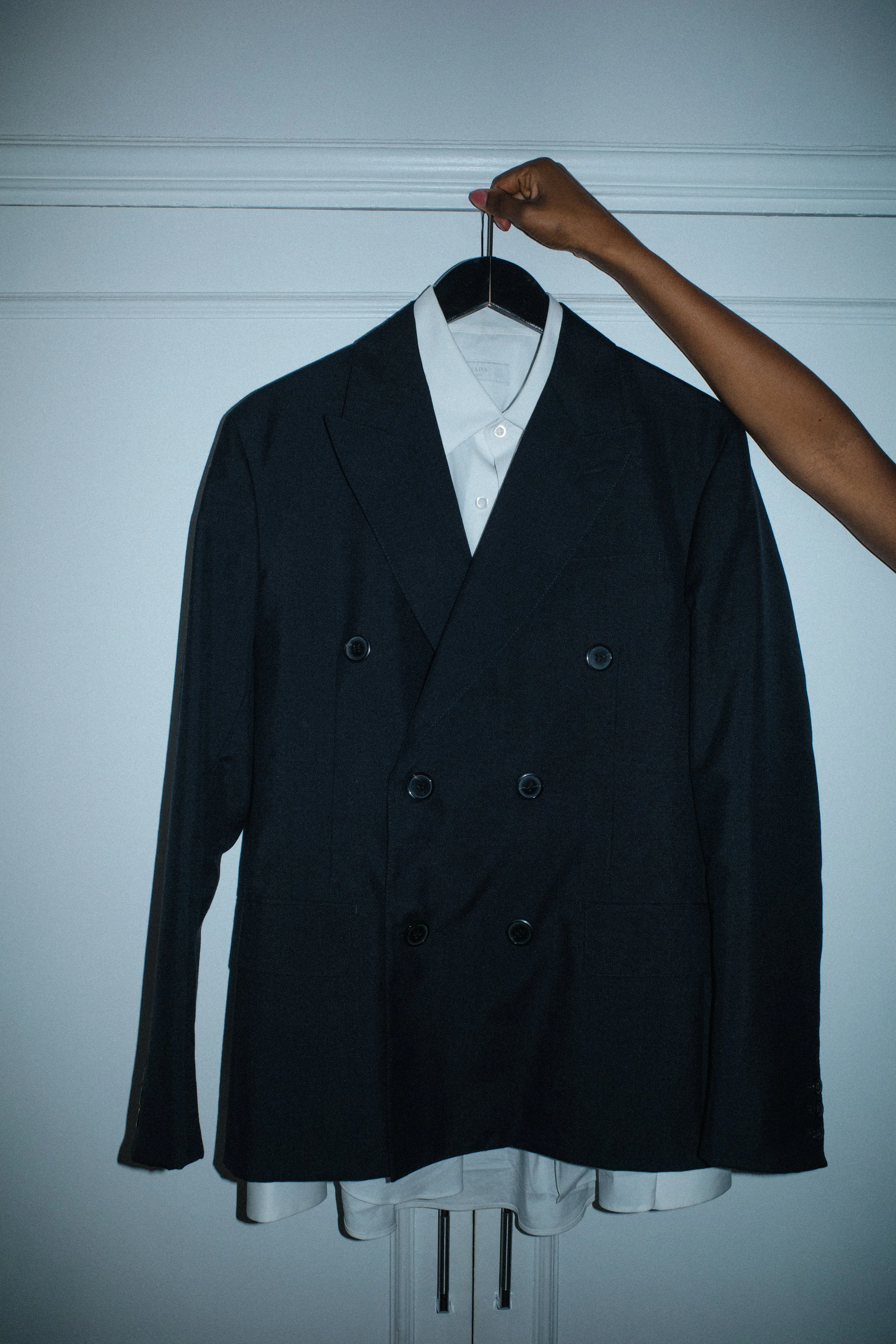
You attended the premiere of Man I Love dressed in Prada. How important are fashion moments within spaces like Cannes?
Walking the carpet of Cannes and getting dressed by Prada is an unbelievable moment for me, to be honest. There are very few photographers who get the opportunities that I do, and for a heritage brand such as Prada to dress me is major, not to mention the 79th Cannes Film Festival. I really appreciate the clients who trust me, and I develop an affinity for them. Prada being one of them, I am always wearing my Prada Mary Janes and talking about how much I love the brand and the team, and for them to support me back in this way for such a moment really means the world to me. Not only that, but the film is about the struggles the gay community went through during the AIDS epidemic in NYC, and it goes straight to the soul. My old hairstylist would cut my hair and tell me stories of what it was like to work in the industry during that time, and I would sit there not even able to imagine what it was like to lose your loved ones left and right in such a way.
How did your collaboration with Qonto first come together?
The producer and I had just worked on another project together in Paris, and it kind of came about organically. I love working with good people, craft-wise and character-wise, and when you find people like that in this industry, you tend to hold onto them and become long-time collaborators. I deeply appreciate brands that champion the creatives behind the scenes. They often get lost behind the buzz of the talent they work with, but without the people behind the scenes, the “show” absolutely cannot go on, and Qonto understands that and provided a big opportunity to amplify us. It was really an incredible experience by the whole team.
Surfing is also a big part of your life. What does being in nature or near the ocean give you creatively?
There are very few things in this world that really calm my soul and clear my mind. Surfing is one of them. Nowadays, I don’t go as often as I’d like to be honest. I’m much busier. However, I’ve been exploring hiking and the national parks. Nature is creation.
Why is advocacy and activism important to you?
I vividly remember the day as a teenager when I was in the pool, wishing there were more examples of people with scoliosis who came from backgrounds like mine. I wanted to see someone like me who had made it past these challenges and succeeded. It was at that moment that I decided I had to succeed so that I would become this for someone who was in my same position one day. It's so much more than just the physical elements of it. It's a mental and emotional battle as well, especially for an adolescent wearing a back brace. I’ve dealt with body image issues my whole life. I am big into wellness to manage symptoms, and I definitely deal with my moments where my mental health falters. However, I have the privilege now to help myself when I need it, whether that is therapy, acupuncture, or whatever it may be. Not all people do. I want to help bring awareness to facilitate research on better and more advanced treatment and detection methods, as well as an overall better understanding of it. I want to raise awareness to create more of a sense of community and acceptance because you really are not alone, but it is easy to feel that way.
How do you personally define success at this point in your career?
Success at this point in my career is continuing to grow and evolve myself as an artist and a human. I’m a year away from 30 and entering a completely new era of my life. I’m experiencing a lot of moments where I’m looking around and realising I’m living this life that I dreamed of when I started this journey in 2018. It's really a wild thing. My dreams and goals have also grown wilder and wilder. However, success is about being proud of the person I am, while having the ability to create a better life for the people I love and opportunities and support for the people who deserve it but just haven’t had the chance yet.
TEAM CREDITS:
photography ANNA MURADAS
