
IN CONVERSATION WITH GAEYA
Interview by Samo Šajn
GAEYA is a singer, songwriter and producer creating what she calls “Earth Music”, a blend of atmospheric electronic soundscapes, organic textures and expressive vocals. Through projects like Awakening and Growth, made with Anders Rane, she explores themes of transformation, self-discovery and our connection to nature, extending her artistic work into environmental and community-driven initiatives.
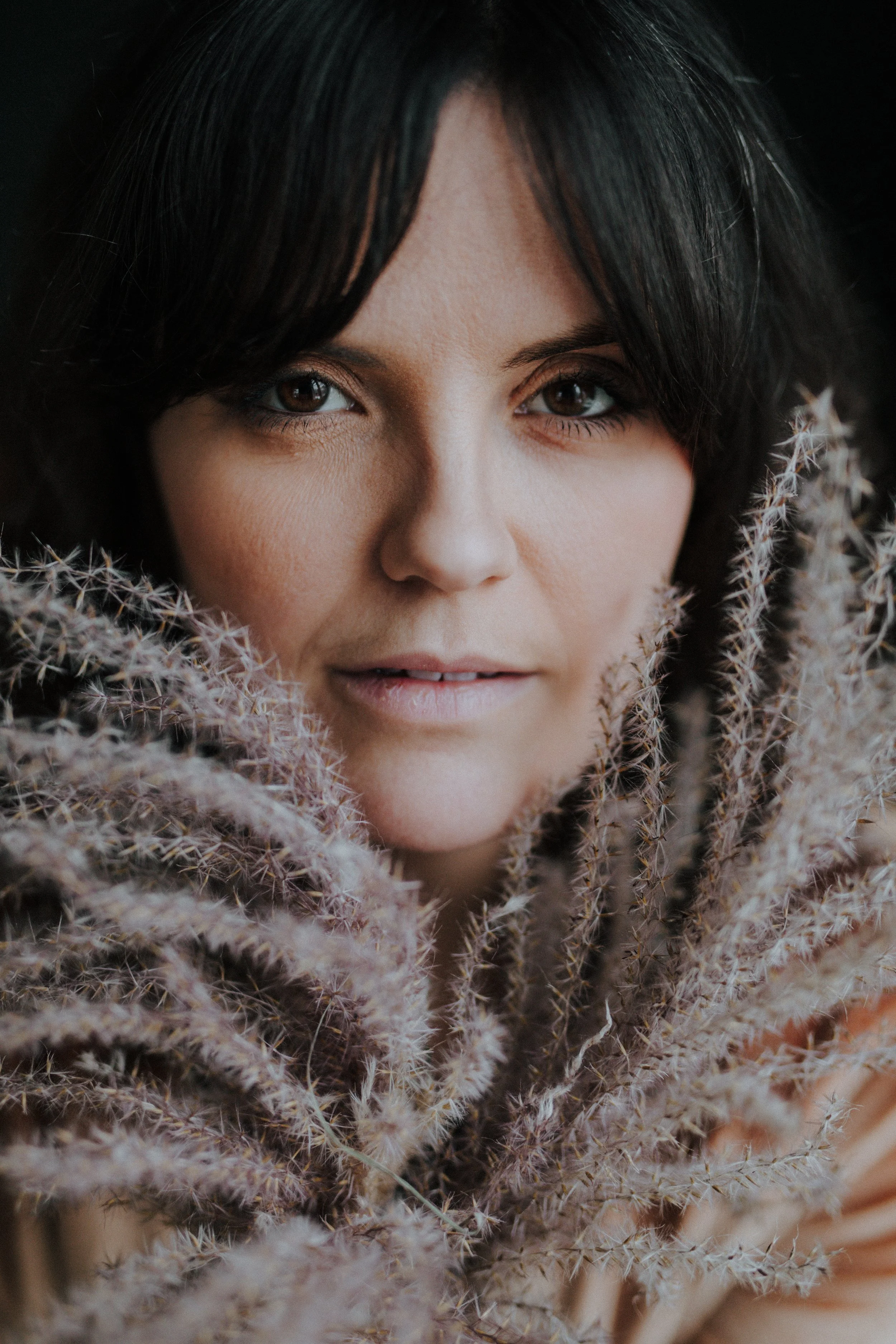
Growth continues the journey you began with Awakening. How has your perspective evolved since that first release, both personally and creatively?
For me, writing music often starts with inspiration from the world around me, whether in society or nature. Once a piece is finished and recorded, another layer of reflection emerges that feels more personal and subconscious. Compared to Awakening, which was about discovering GAEYA’s expression and guiding the listener through a journey of awakening, Growth is about integration. It’s a process of revisiting what we carry with us so we can face it and decide what to do with it. It isn’t always comfortable, but it’s necessary. It prepares the ground for the next step, which will be explored in the third EP that completes the album. Working on Growth has taught me the balance between pushing forward and letting go, and the importance of exploring different ways of expression. Ultimately, it’s about what you want to communicate and who you want to become.
You describe your sound as Earth Music. What does that concept mean to you, and how does it shape your music?
Earth Music comes from the idea that everything originates from the Earth itself. For me, the relationship with the Earth is central to GAEYA, and through the music I aim to express hope, unity, and positive change. When Anders Rane and I produce, we don’t limit ourselves to genre. The process is guided by curiosity and by listening to where the music wants to go. Earth Music is not defined by style, but by intention and energy. My voice becomes an instrument of nature, not through control, but by listening to what wants to emerge. It’s my way of honouring the Earth through music.
Higher Ground feels centered around transformation and renewal. What sparked the track?
It reflects different phases of my own development, often beginning with observations of the world and mirroring personal experience. What happens within us is often reflected in what we perceive around us. Higher Ground began as an improvisation, which I love because it allows the music to become what it wants to be. My role is simply to listen. The final version is almost identical to the original improvisation. It mirrors both my personal journey and the creative process with Anders, and it’s about letting go of the old and facing fear in order to reach something new. It was also written toward the end of the pandemic, a time that brought collective reflection and inner work for many people.
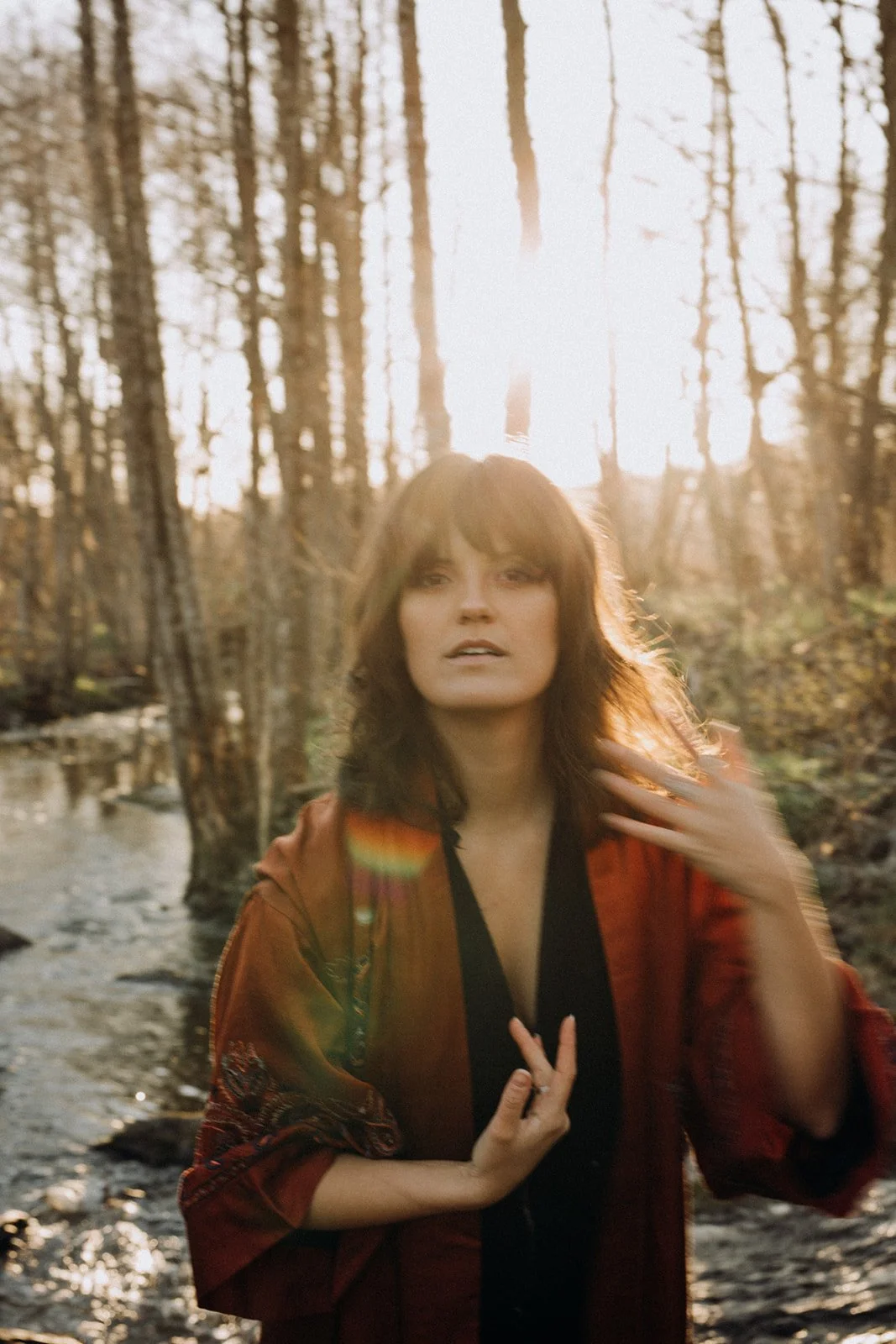
The video for Higher Ground was filmed on Mount Teide. Why that location?
The choice was intuitive, but it made immediate sense once we arrived. Like deserts and volcanoes, Mount Teide has a raw, primal energy where the voice of the Earth feels more present. The volcano represents transformation. It shows that destruction and renewal are part of the same process. What feels like an ending can become fertile ground for something new. For me, it’s about not fearing change. Letting go of what is stagnant allows new growth to emerge with greater strength and authenticity.
On Different In My Time, you draw from joik and kulning. What resonates with you in these traditions?
My vocal expression comes from within, something I call ancient or Earth singing. It shares similarities with Sámi joik and Nordic traditional singing, and even Siberian traditions. However, I don’t describe my singing as joik out of respect for the Sámi people and their culture. I have Sámi ancestry, but I was not raised within that tradition, so I carry deep respect for it without claiming it. My voice is used to express the essence of a place, spirit, or aspect of nature. I like combining this ancient feeling with modern production, creating a bridge between the traditional and the contemporary.
What was the core idea behind the EP as a whole?
As the title suggests, the EP is about growth and the different stages of personal transformation. Higher Ground is about letting go of what no longer serves us. Different In My Time reflects awareness and reclaiming responsibility for your path. Emptiness explores uncertainty and the need to face what we’ve avoided, allowing silence to reveal what lies beneath. The Lucky Ones closes the EP by reminding us that we are co-creators of our reality. We don’t all face the same challenges, but we always have agency in how we respond to life. The power to choose how we show up remains within us.
You worked closely with Anders Rane. What did that collaboration bring?
Anders and I have worked closely on both Awakening and Growth to develop the sound of GAEYA. I’m very grateful for his musicianship and creative input. The first singles from Growth bridge the two eras, while tracks like Different In My Time and Emptiness explore a more electronic direction. A key strength of our collaboration is songwriting. His harmonies create strong foundations for melodies and lyrics to develop from, which I deeply value.
Your work extends into WE ARE NATURE and your foundation. How do these inform each other?
They form an ecosystem. Grounding the ideas from music into real-world projects gives them deeper meaning and makes them actionable. WE ARE NATURE and the GAEYA Earth Gathering bring people together in service of the Earth, exploring culture, community, and regenerative ideas. The GAEYA Foundation supports the protection and restoration of ecosystems, including the long-term goal of acquiring land and returning it to nature in collaboration with local communities. It also supports Indigenous communities and promotes ways of living in greater harmony with the planet.
Do you see your work as activism or introspection?
Meaningful change begins within. We need to build an inner foundation before we can shape the world around us. History shows that violence rarely leads to lasting positive change. I believe one of our greatest strengths is the ability to face ourselves and choose compassion and understanding. Real change comes from creating something new, not destroying what exists. Over time, old systems fade as new ways of living take root. My work is both introspective and, hopefully, a seed for positive action. In that sense, it can be seen as a form of activism.
What do you hope listeners take away from Growth?
I hope listeners feel hope, empowerment, and a deeper connection to themselves. Most of all, I hope it reminds them that growth is not something to fear. Even difficult transitions carry meaning and purpose. If the EP helps people feel more connected to themselves, to nature, and to possibility, then it has done its job.
