
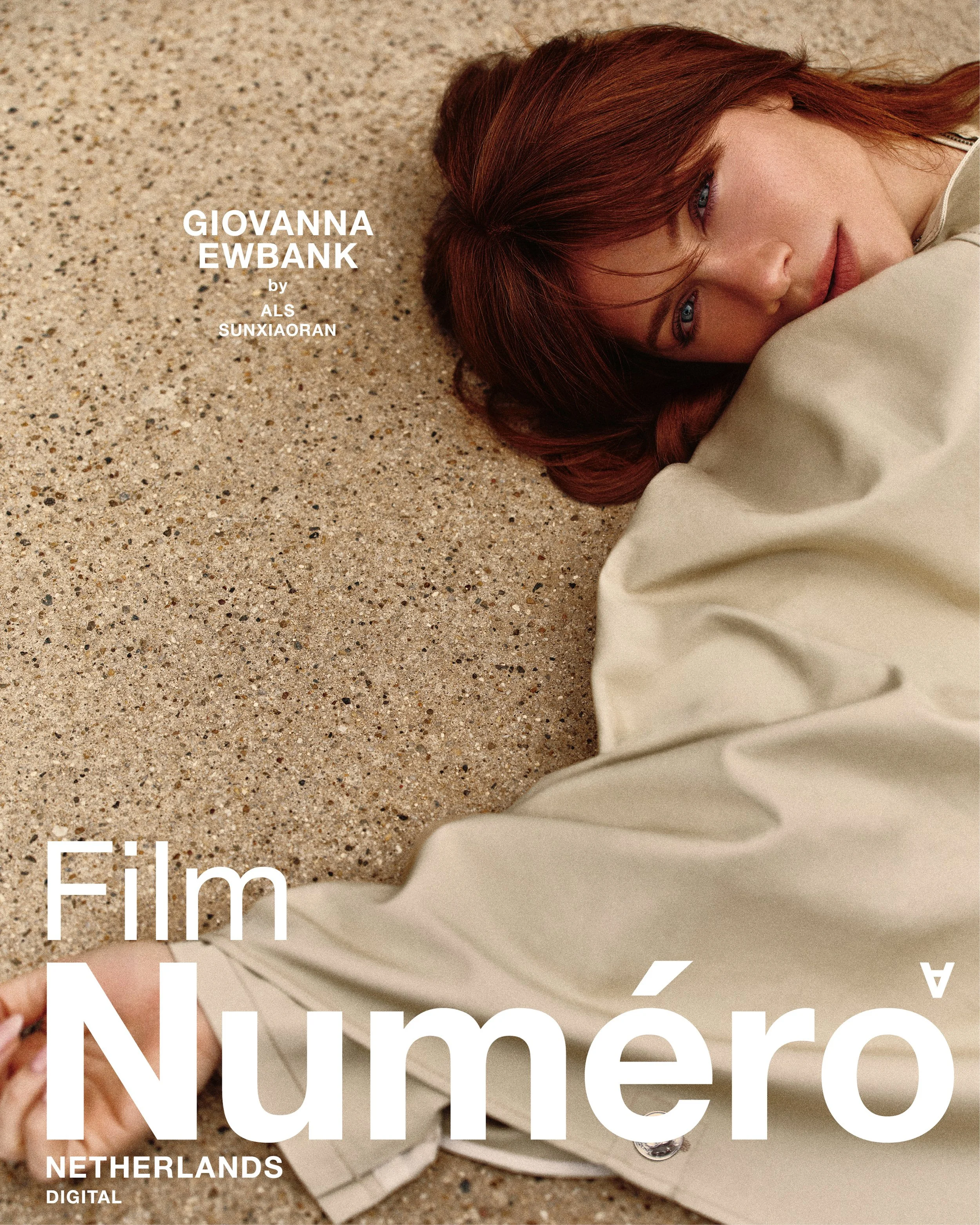
IN CONVERSATION WITH GIOVANNA EWBANK
interview by TIMOTEJ LETONJA and LEANDRO DA SILVA
Giovanna Ewbank is a Brazilian TV presenter, actress, and one of Brazil’s most influential digital creators. With a career spanning more than 18 years, she moves effortlessly between television, streaming platforms, and the digital world, redefining what it means to be a contemporary media figure in Brazil.
A pioneer in the transition from mainstream TV to digital platforms, Giovanna launched her YouTube channel, GIOH, in 2017, long before the space became established for celebrities. Since then, she has created successful formats such as Na Cama, Quem Pode, Pod, and Surubaum, while continuing to build a solid acting and presenting career across major platforms. She now prepares to star alongside her husband, Bruno Gagliasso, in the comedy Quem Casa Quer Casa, directed by Joana Mariani — the couple’s first film together.
Known for her authentic style and sharp visual sensibility, Giovanna is also a fashion reference, frequently attending international fashion weeks, fronting global campaigns, and gracing the covers of leading magazines. In this conversation, she reflects on career, creativity, motherhood, and the evolution of her voice as a woman and communicator.
Giovanna, it’s a pleasure to interview you. We’re very happy to be talking to you.
Thank you, the pleasure is mine.
You have a career of more than 18 years, spanning television, streaming platforms, digital media and personal projects. Who is Giovanna today as an artist and communicator? How would you define yourself?
It’s very hard to define yourself. It’s very difficult for us to truly see ourselves as we really are. This year especially, I’m going through a very deep process of self-analysis and therapy.We all put a lot of pressure on ourselves in life, professionally and personally. And this year I’ve been looking at myself with much more kindness, respect and pride. Looking back and realizing how much I’ve done, and that I’m still here, doing even more. I see myself in many ways. Professionally, I see myself as a very entrepreneurial woman. Looking back, I realize how visionary I was when it came to the internet. I was working in television and decided to leave television to start my YouTube channel, which at the time was something very new and not well regarded. Today we see that YouTube is television’s biggest competitor. Back then, YouTube was just being born. So today I see that I was a very visionary girl, and also very brave, for betting on something new and uncertain. Today I’m reaping the rewards of what that courageous girl planted back then. I think I continue on this path of entrepreneurship and risk-taking. I take a lot of risks, and that’s very interesting in my trajectory. People often don’t imagine what’s behind a YouTube channel. I lead many people: writers, camera crews, editors. It’s hard work that often isn’t visible in the final product.
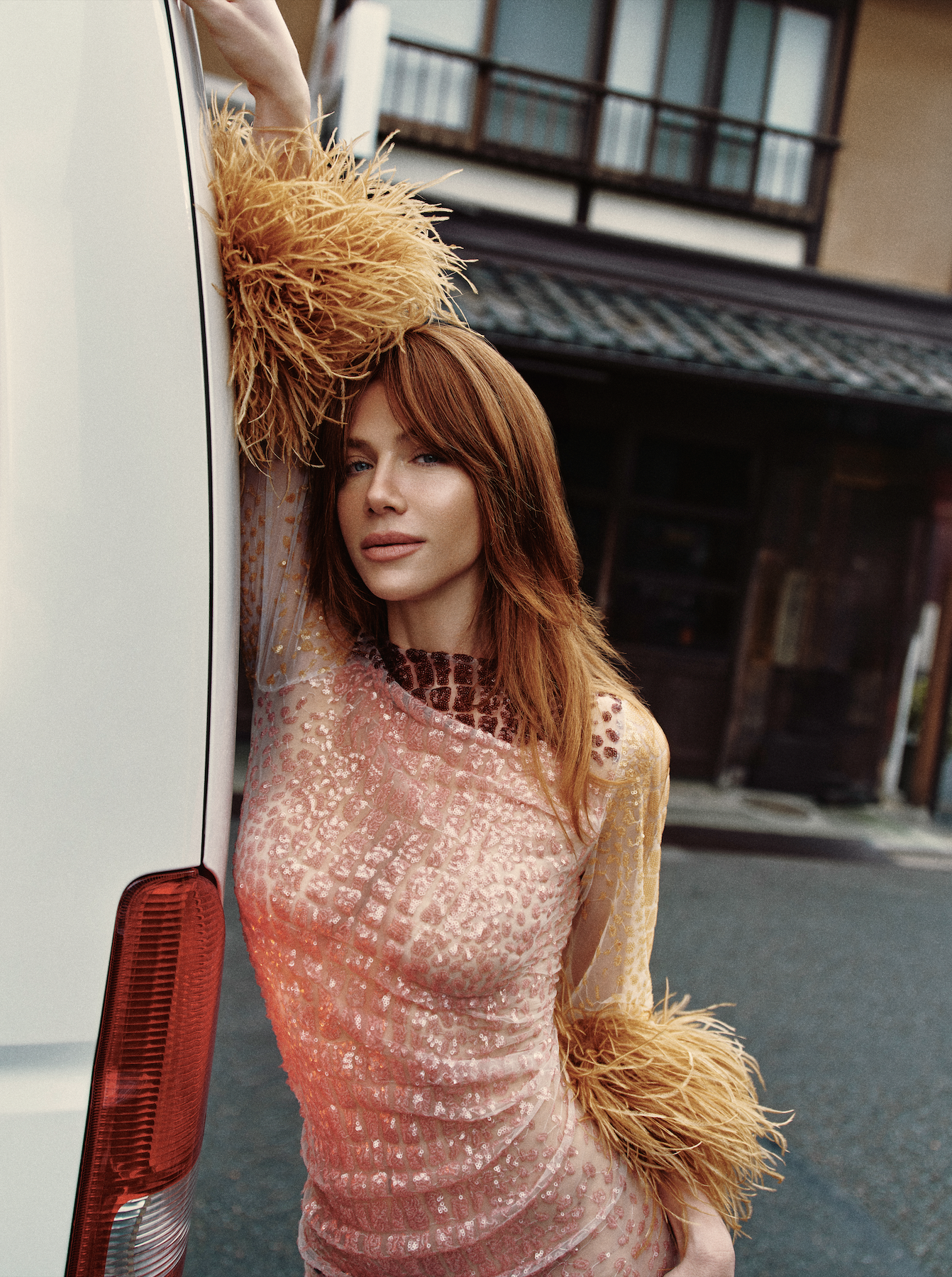
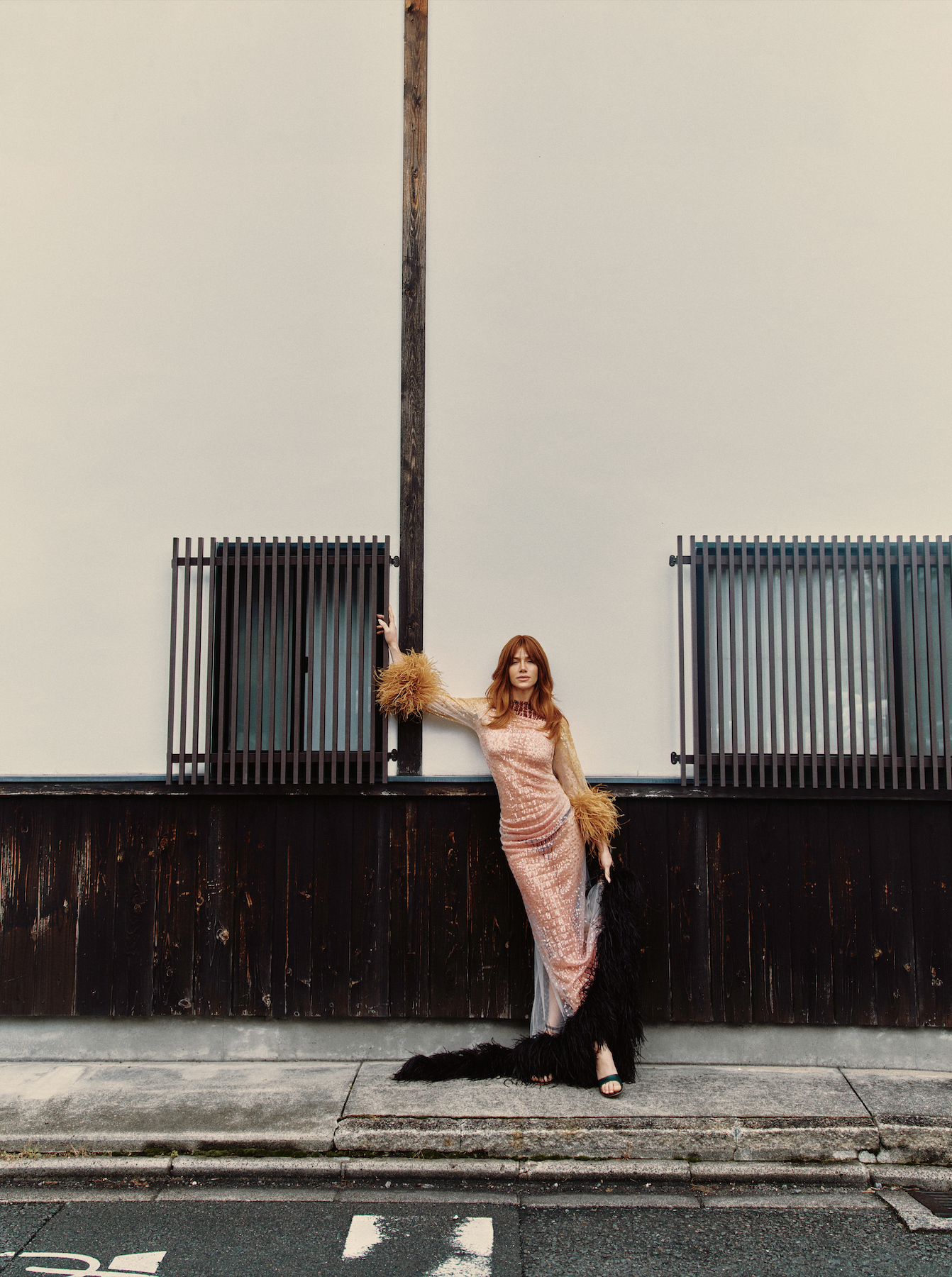
dress JACQUES WEI
How was that transition for you, leaving television to invest in something people didn’t yet understand as they do today?
At the time, I was a presenter on Video Show. For a long time, I tried to bring new formats and ideas to the program, to move away from the sameness that had existed for years.‘I’m a child of the internet’. I saw Instagram being born. I joined Instagram as soon as it was launched. I was seeing new things happening and wanted to implement them in an old television format, but they didn’t fit there. At the same time, motherhood arrived — my first experience of motherhood. I needed to step away from television to live that moment and understand it. At Globo, that wasn’t possible, so I left. I lived my maternity and, at the same time, started testing the new ideas I had. That’s when my YouTube channel GIOH was born, and from it came the show Na Cama, which Globo had previously rejected. It became a huge success. It was the first moment when people from television came to give interviews on a YouTube channel. It was very disruptive at the time. That’s where my life on YouTube and social media really began.
You’ve created over 500 videos. What’s the secret to maintaining authenticity, relevance and impact?
I’m very intuitive. I consume a lot of internet content. Whenever I’m watching something, I’m not just watching — I’m analyzing what’s missing, what I’m looking for and not finding. I’m a Virgo, so I’m very perfectionist. I’m always analyzing things. That’s part of who I am.
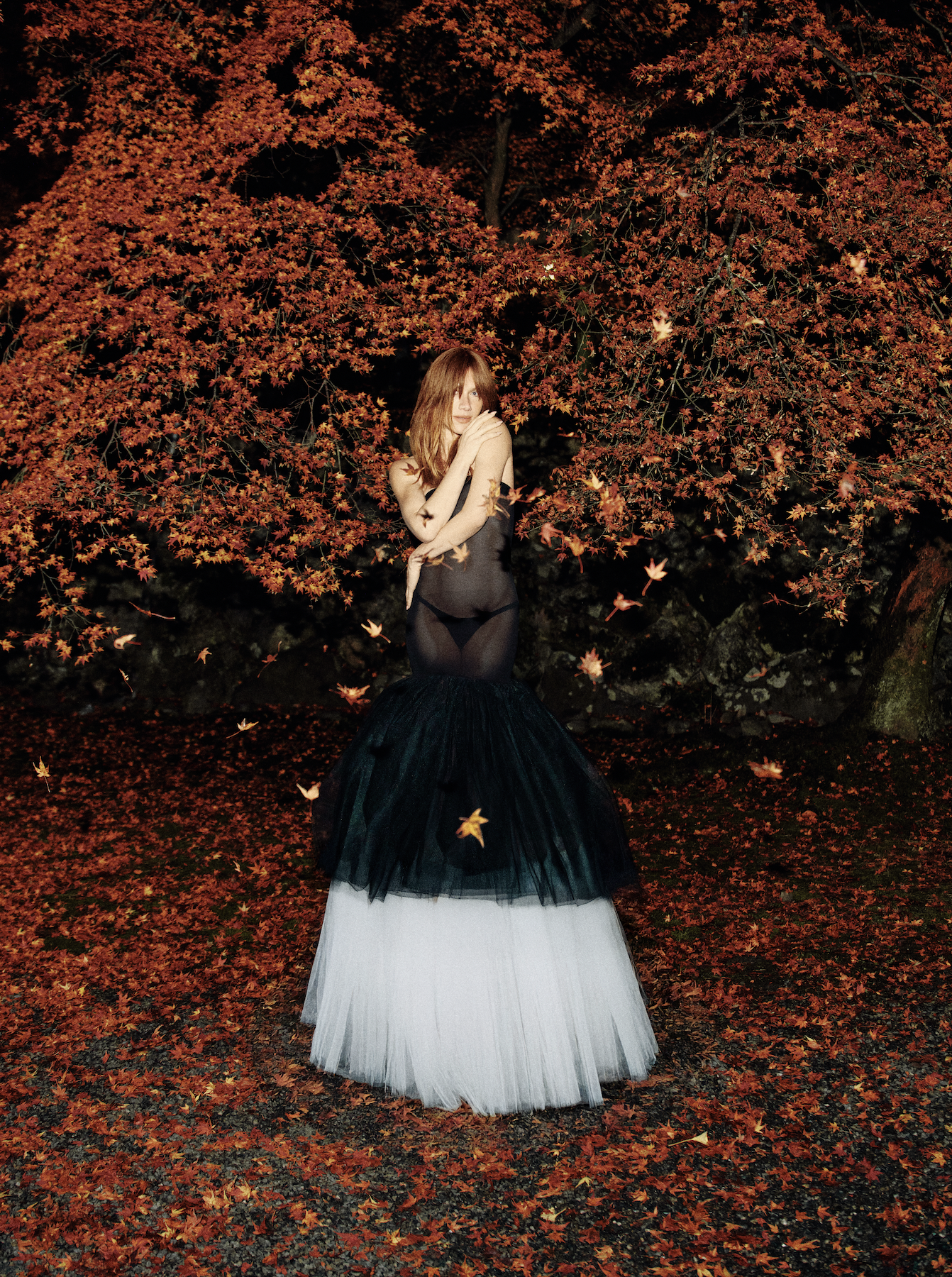
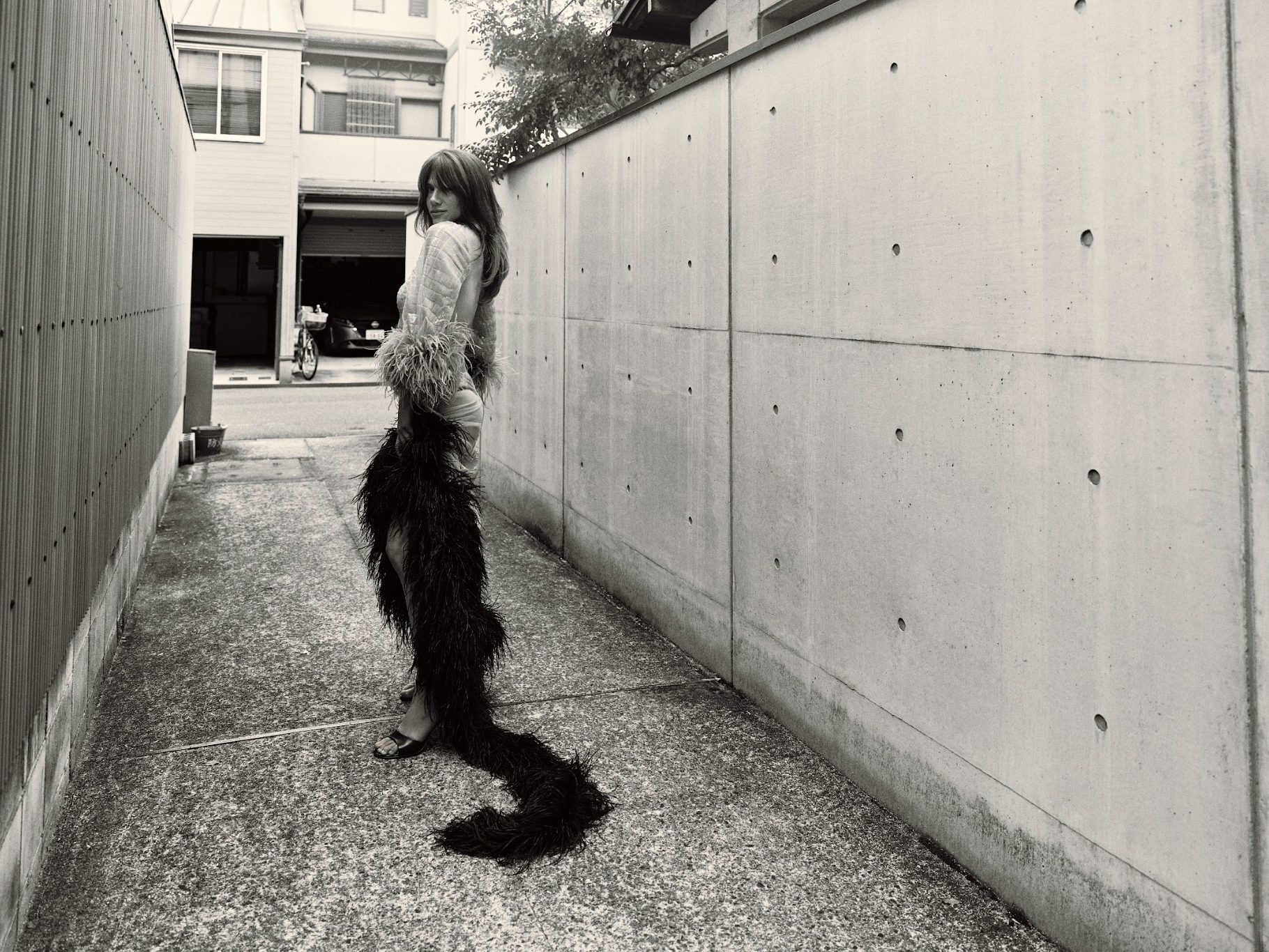
skirt styled as dress JUNYA WATANABE
skirt VIVIANO
How do you see the future of digital content for Brazilians artists on a global stage?
The digital world has completely taken over. If you’re not in the digital world, you basically don’t exist. Even if you’re a dentist, you need a digital portfolio. I find it very tiring because things change so fast. Formats change all the time. There are many talented creators doing interesting things, and you constantly have to reinvent yourself. I believe this will continue. Brazilians have something special — humor, charisma, creativity. And Brazilians never give up. Nothing comes easy for us, so we keep going. We take risks. And if something goes wrong, we move on.
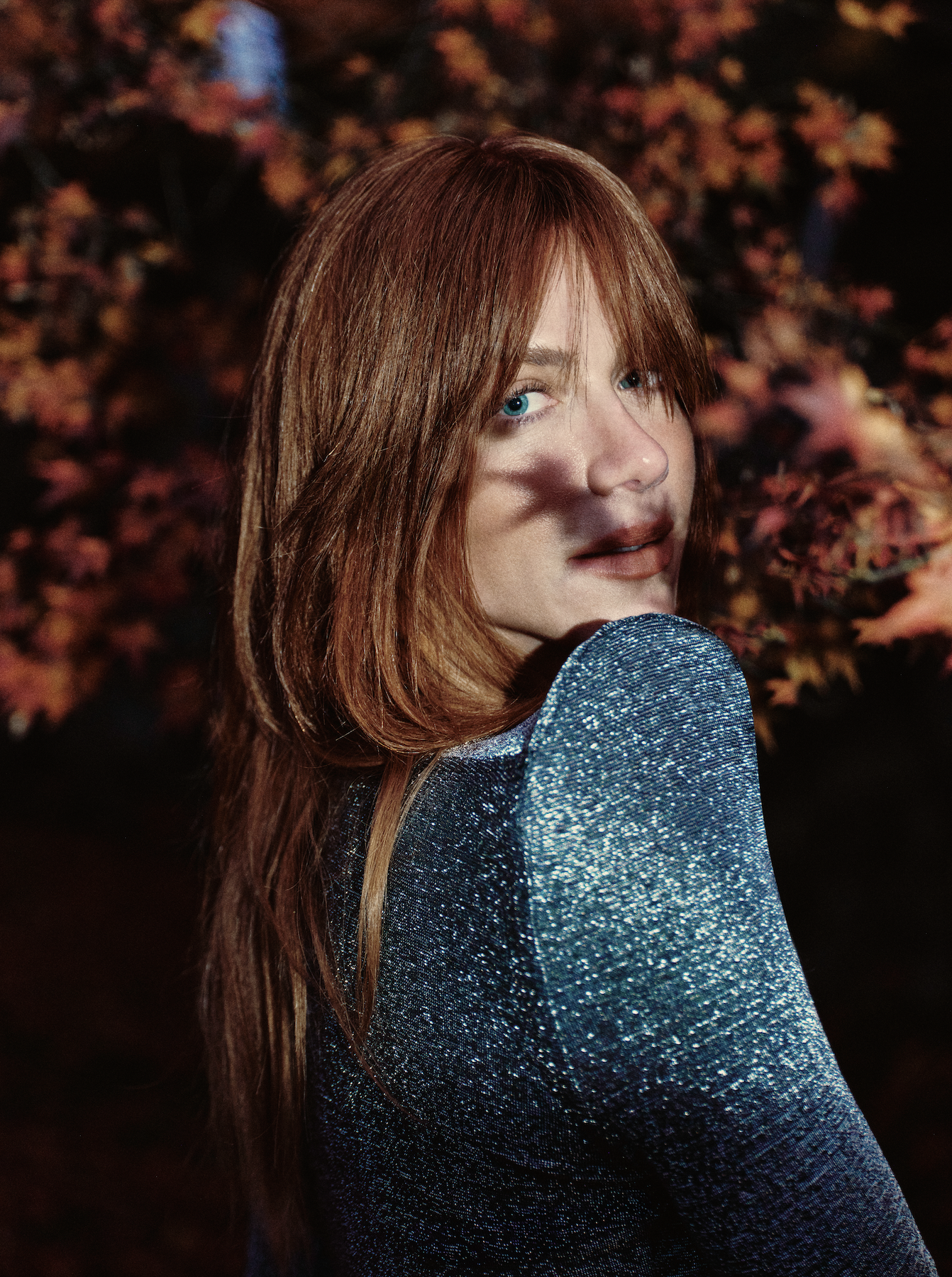
shirt JUNYA WATANABE
In recent years, you’ve become a fashion reference in Brazil and internationally, appearing at major fashion weeks. Where do you find inspiration, and how would you define your style identity?
My biggest reference has always been my mother. She’s a textile designer and very awarded. I grew up surrounded by fabrics and prints. Fashion was always natural to me. I studied fashion in college before becoming an actress. Cinema, theater, television and fashion are always connected. I’ve always understood clothing as a form of communication. Comfort and identity are essential. We speak through what we wear.
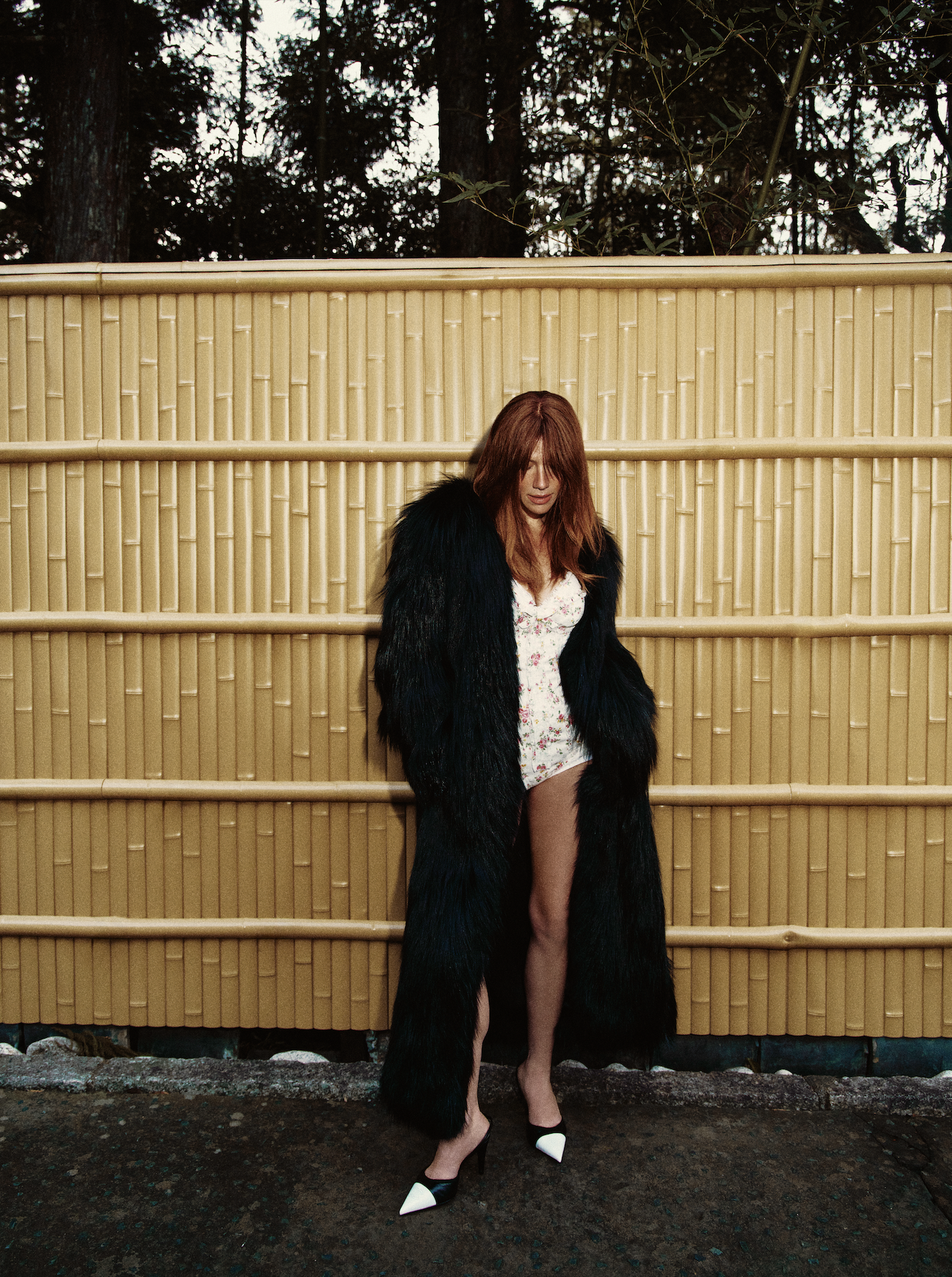
bodysuit and underwear SHUSHU TONG
coat SENCELLERIE
shoes CHANEL
Fashion has always appeared in your life as a language of its own. Do you believe fashion can transform self-esteem?
Absolutely. When we feel comfortable and confident in what we’re wearing, it affects our self-esteem and our power. A confident woman impacts others too.
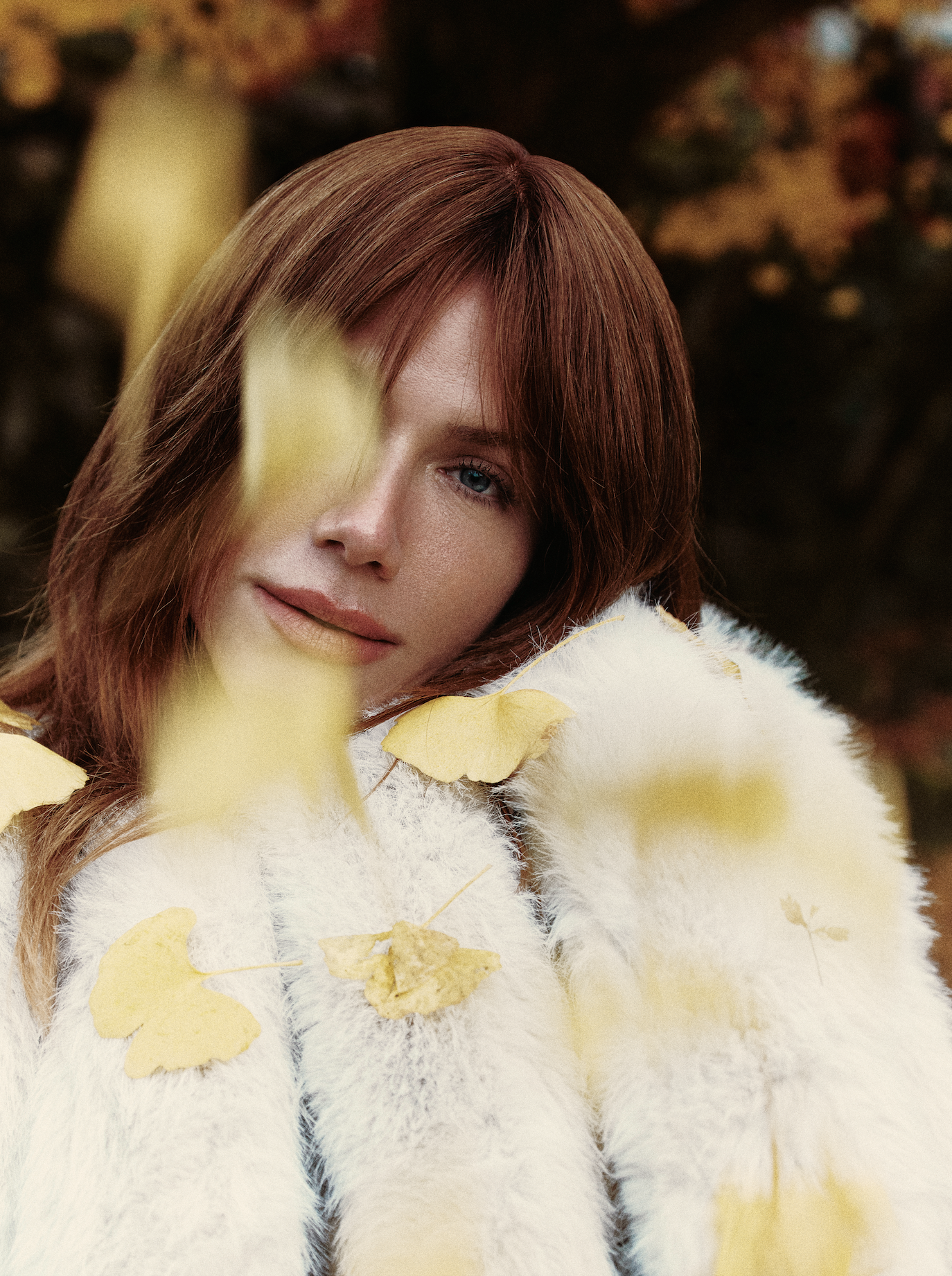
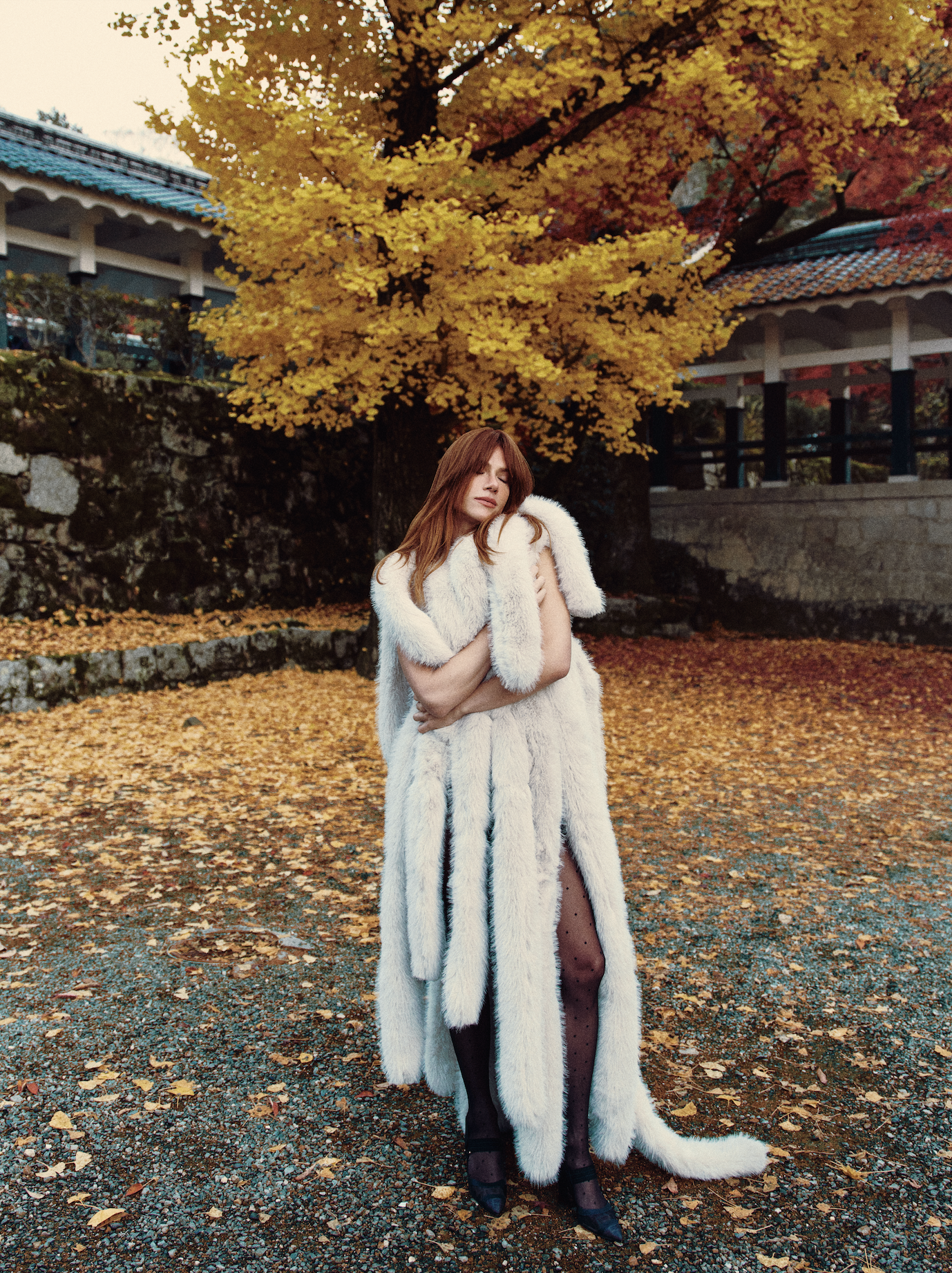
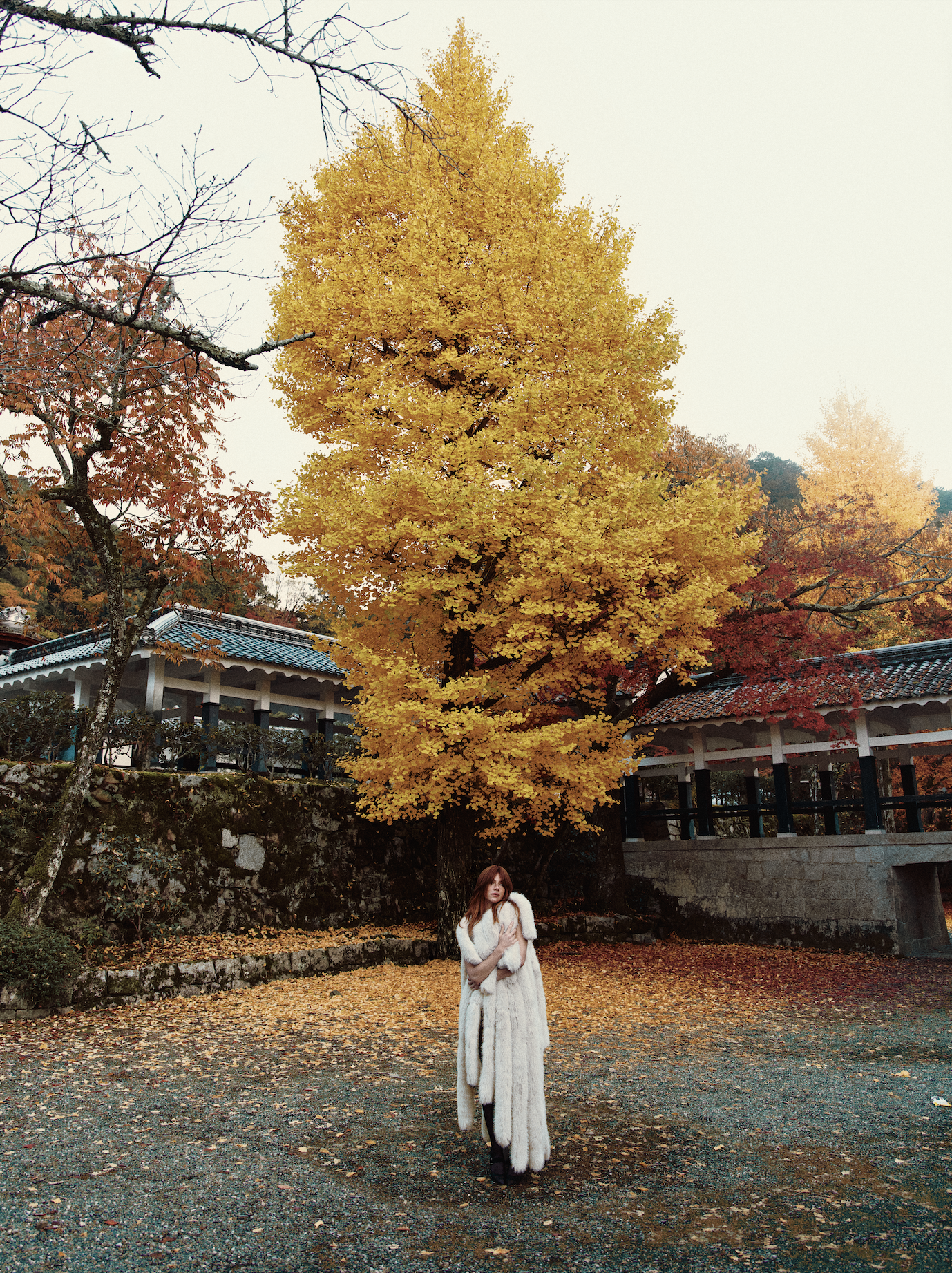
top VAILLANT
tights FALKE
shoes FENDI
You’ve always been engaged in environmental, racial, and animal protection causes. When did you realize the importance of positioning yourself publicly on social causes?
When I realized that people saw me as an example. Very early on, I understood the power I had in my hands, as well as the power to transform other people’s lives and the responsibility that came with it.
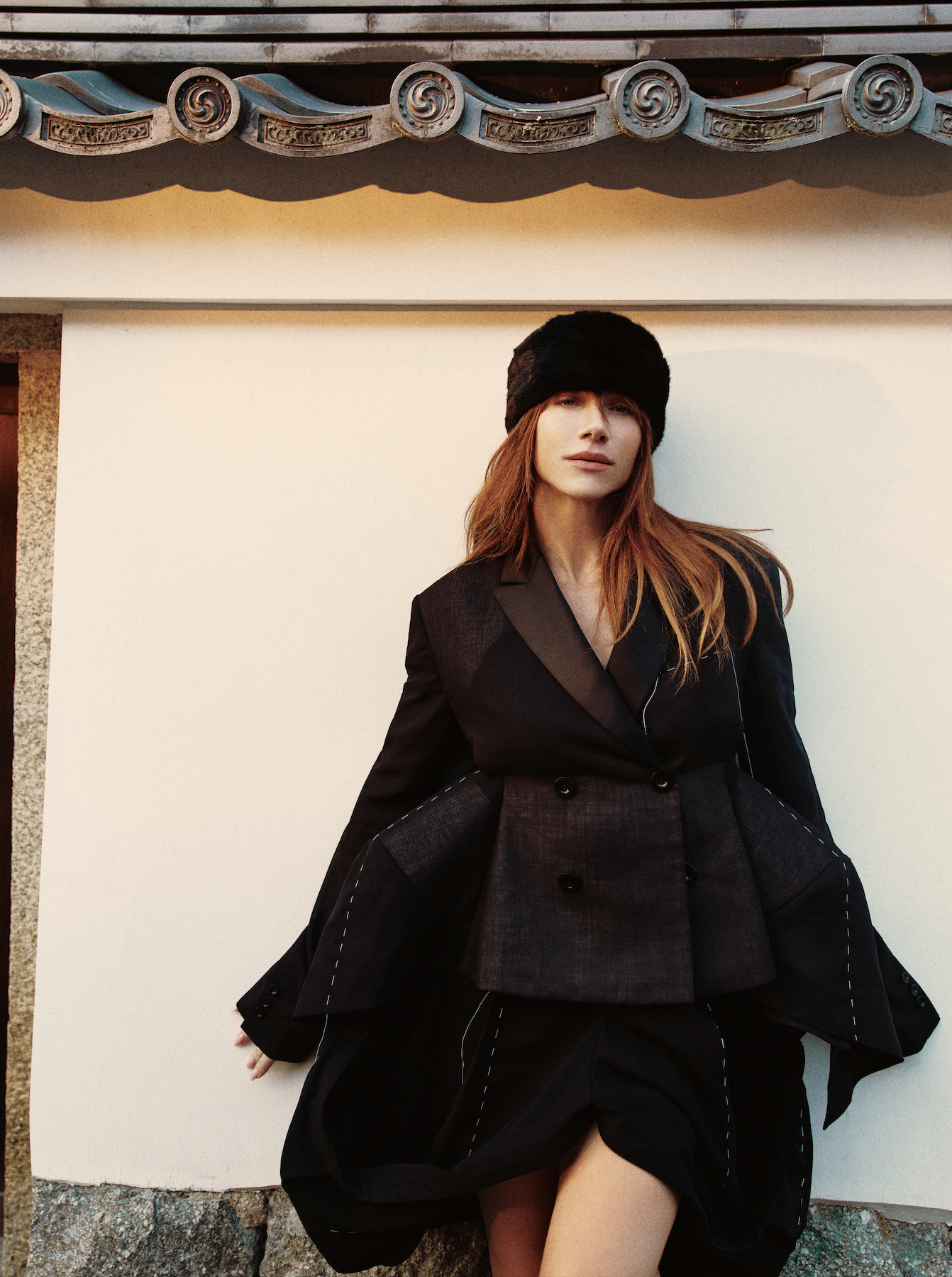
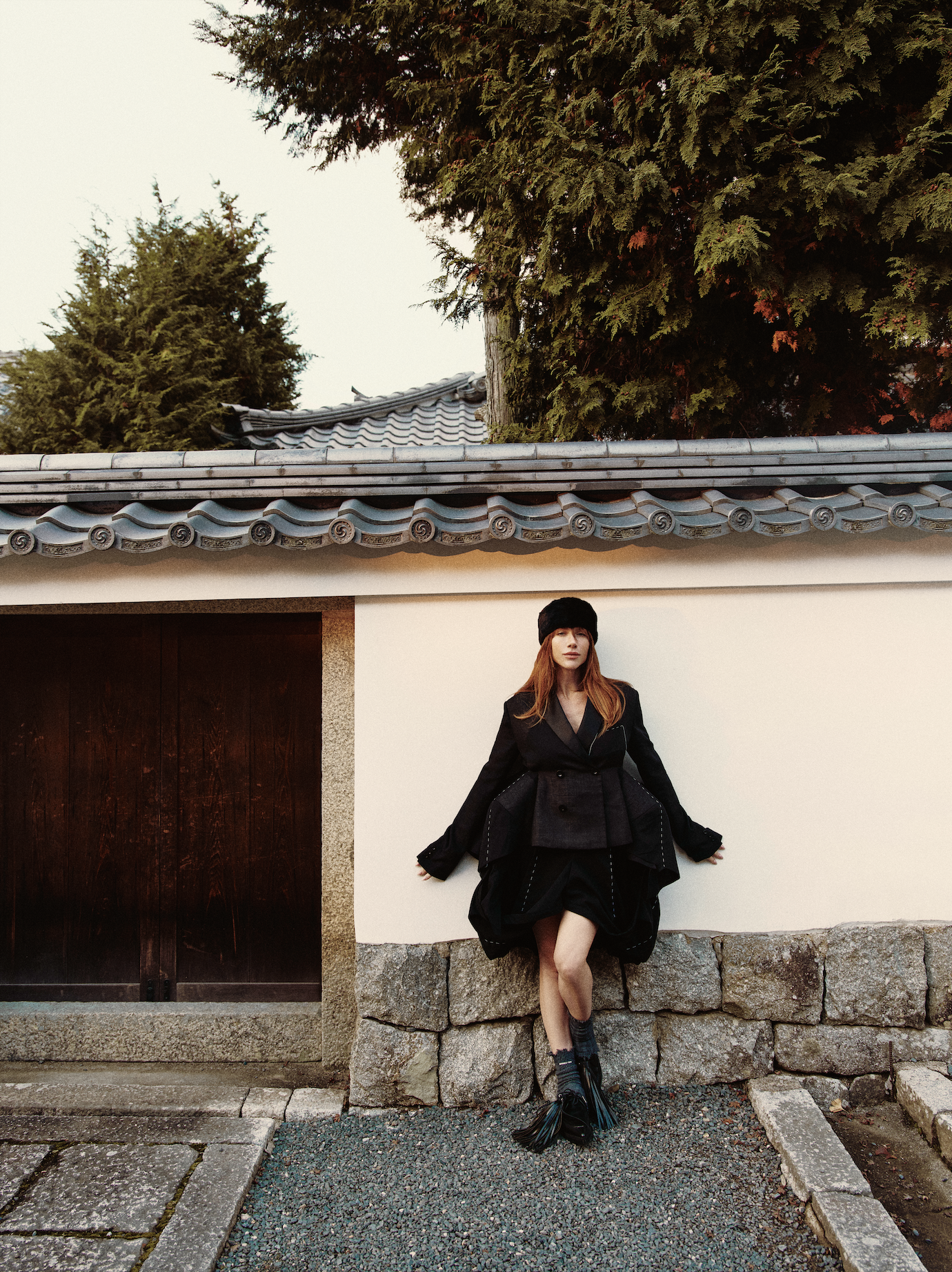
cap SENCELLERIE
shirt, shorts and shoes SACAI
gaiters SHUSHU TONG
Brazil has a predominantly Black population, yet structural racism remains deeply embedded in everyday life and social dynamics. Has your personal journey ever led you to reflect on issues of race and representation in a more personal way?
Motherhood changed everything for me, especially with racism. I had never experienced racism directly. I’m a white woman, blonde, blue-eyed. Racism wasn’t something that affected me personally. Everything changed when I became the mother of a Black daughter. I began noticing racism in everyday situations — in restaurants, schools, parties, in small, deeply painful details, especially in spaces where there were no Black people around. These are experiences that only living through them allows us to understand how cruel and deeply rooted racism truly is. Those who do not live this reality cannot see how powerful and painful these moments are for Black people. Through motherhood and love for my daughter, Bruno and I began to see the world differently and to fight for equality. The fight against racism is everyone’s responsibility, especially white people.
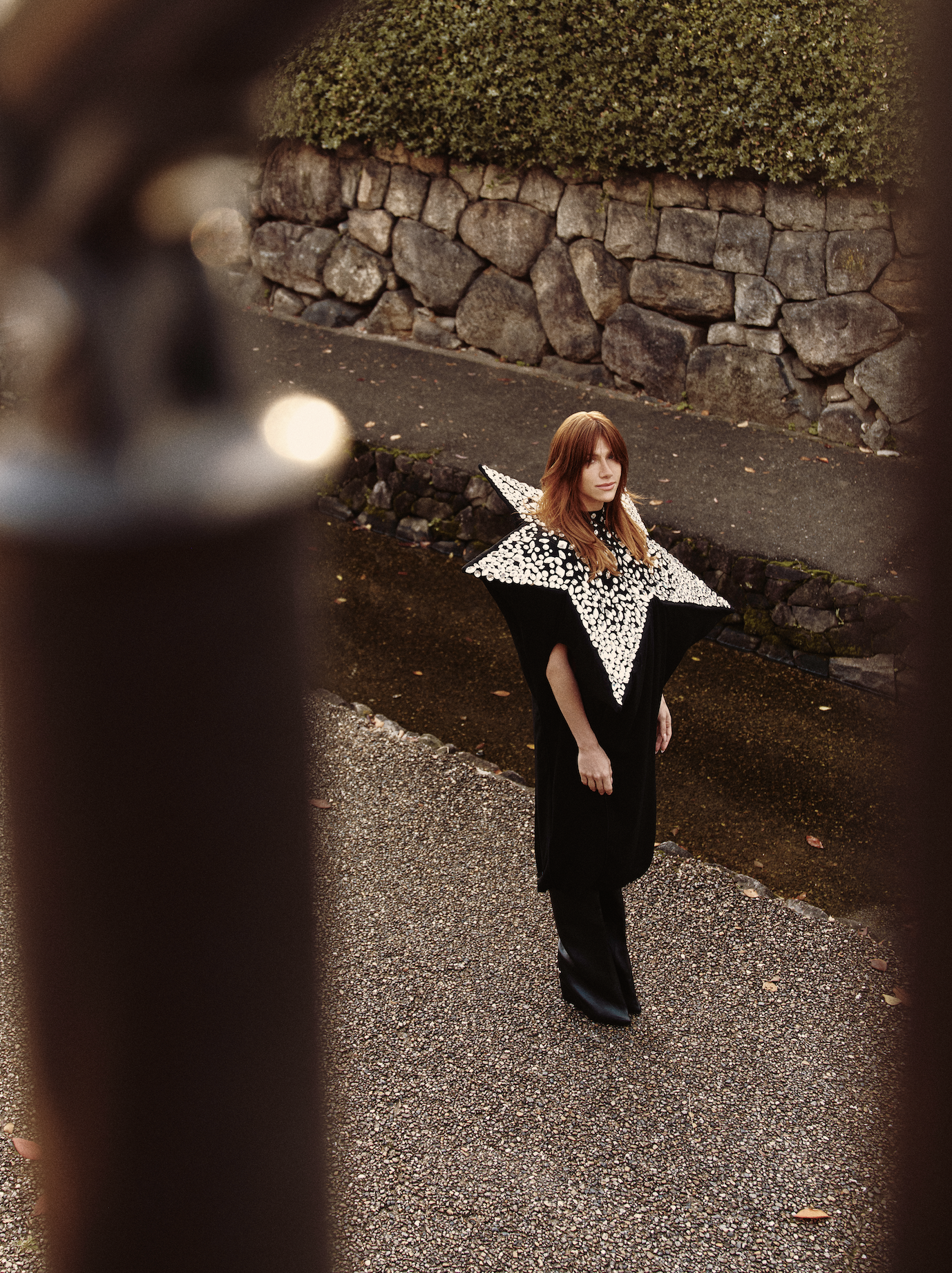
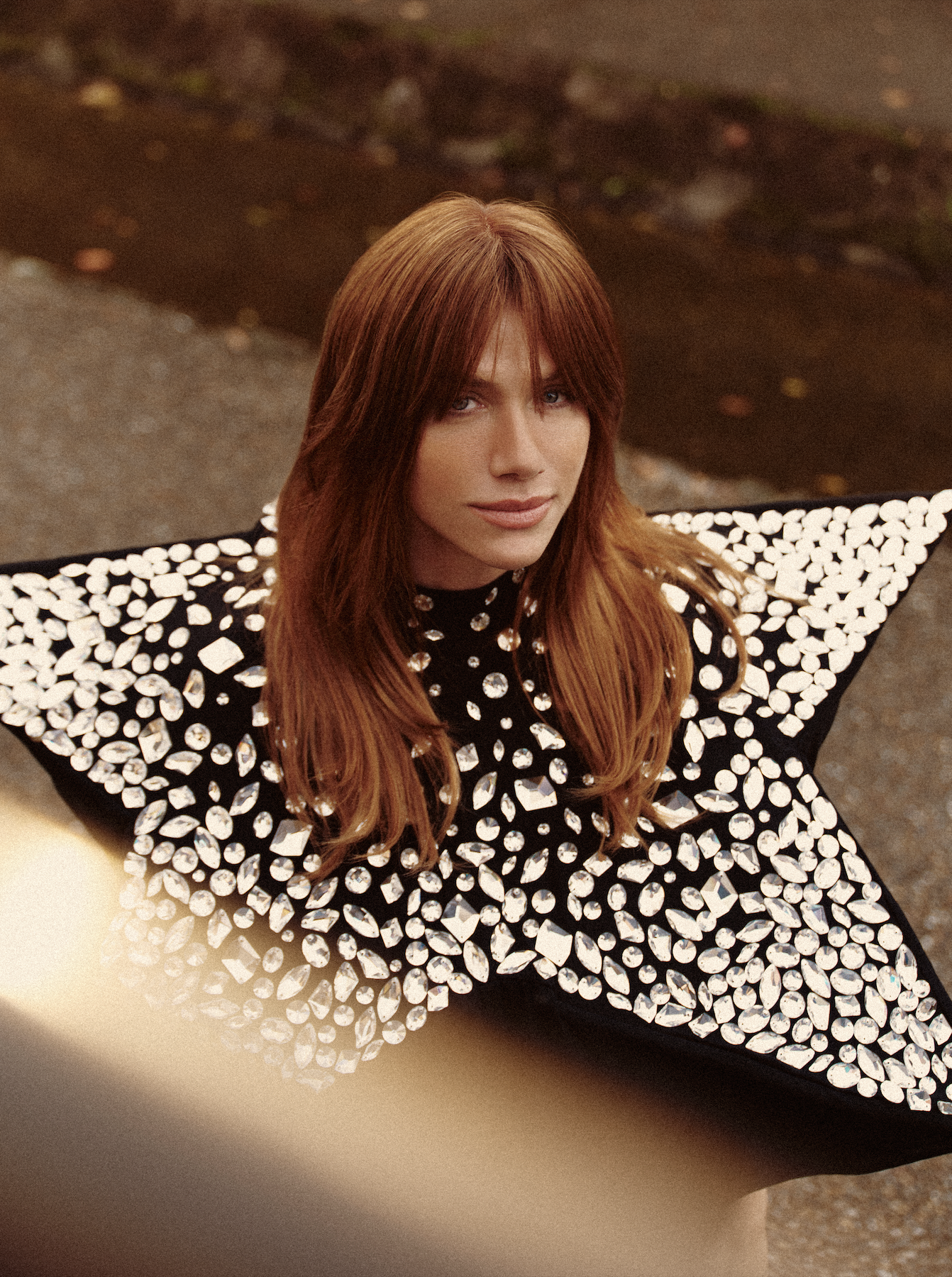
dress NOIR KEI NINOMIYA
boots YELLO
Giovanna, before you even imagined becoming the communicator you are today, Fausto Silva recognized your talent and sent you to Malawi for your first report. That’s where you met Titi, your daughter. What was the first encounter like, and what did you feel?
Fausto, my godfather in communication. When I started working with him on a TV program, at that time I was working only as an actress. Behind the scenes, he used to tell me that I had something innate — the eyes and ears of a presenter — and that very few people are born with that. You can develop it, he said, but you are born with it. He encouraged me to start doing interviews. He believed in me so much that he sent me to Malawi to do my first report about a woman who was doing volunteer work there. When I saw Titi, it felt like a reunion, not a first encounter. I was in a room, and when she opened the door, I knelt down, hugged her, and cried. She clung to me immediately — it truly felt as if I already knew her, as if we were meeting again. From that moment on, I knew I was her mother and that I could not leave without her. I left Malawi completely overwhelmed by that feeling, with the absolute certainty that she had to come with me to Brazil. I called my partner, Bruno, and told him that I had found my daughter. He answered, “Our daughter.” The adoption process was long and painful — a year and a half — because it had never been done between Brazil and Malawi. But it was worth it.
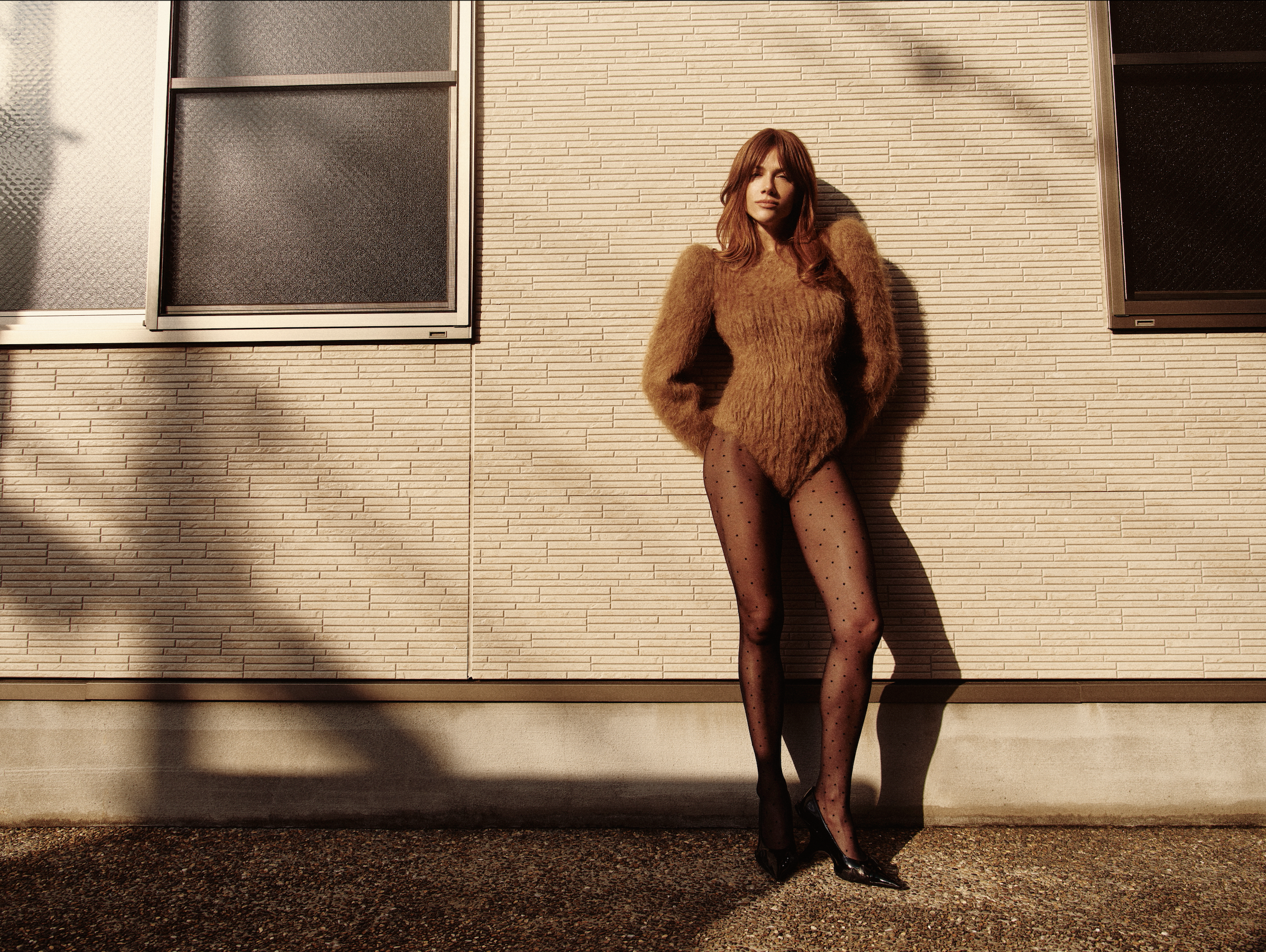
bodysuit ACNE STUDIOS
tights FALKE
shoes OTTOLINGER
Years later you adopted Bless in Malawi, right?
Yes. Bless came into our lives about two or three years later, if I’m not mistaken. Titi had always asked for a brother or a sister, and because of her, we kept traveling to Malawi many times. We did volunteer work there — we even opened a small school for children whose mothers needed to work and had nowhere to leave them. We continued going back to Malawi, and on one of those trips we had our encounter with Bless, which was very special. By then, I was more mature — because when you become a mother or a father, you grow up much faster. My connection with him was very beautiful. We would observe each other from a distance. Bless was a very introspective child, very much inside himself. While the other children were playing, running around, and trying to get our attention, he would simply watch me quietly from afar. That’s how our bond slowly began to grow. We built that relationship little by little — me, Bruno, and Bless. And from the very first moment I looked at him, I was certain that he was also my son. They were very different processes. With Bless, it was a much more mature journey. After Bless came to Brazil — which also took about a year and a half — we were in a phase where we felt more secure, more certain than we had been with Titi. And about two years later, once Bless was already here, I got pregnant. It was a complete surprise. It wasn’t planned. I was on birth control, but it failed. It happened during the pandemic, a little before lockdown — about three months before everything shut down. I was pregnant and very scared. I was especially afraid of how my children would react. I worried about how Titi and Bless would feel about me being pregnant, about having another child born from my own body. I was afraid of what they might think or feel. But it turned out to be the most beautiful thing in the world — because nothing compares to actually living it. All my fears disappeared. For them, it made absolutely no difference whether a child came from my belly or not. We are simply a family that loves each other deeply.
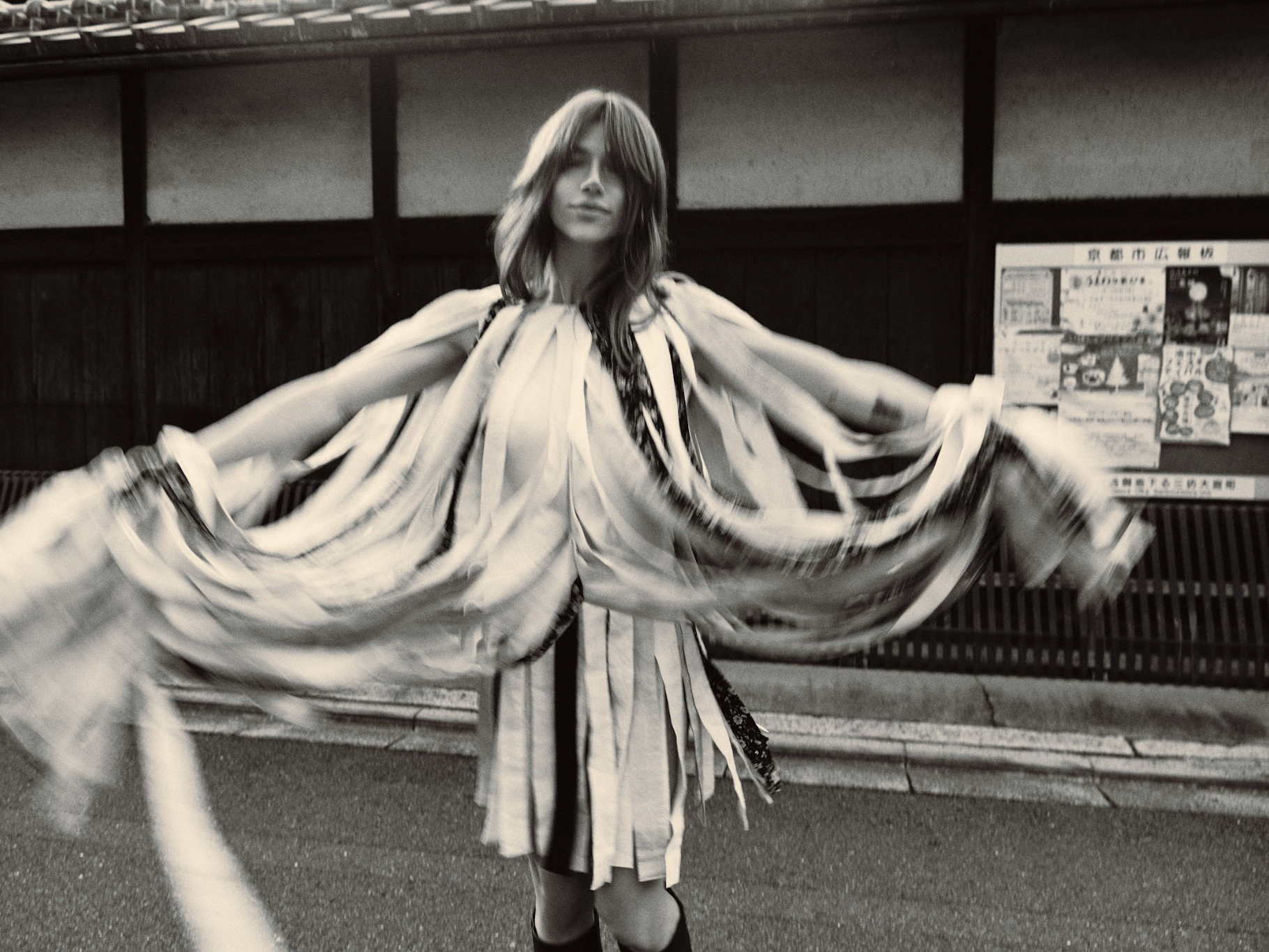
shirt and skirt MARCO RIBEIRO
boots DOLCE & GABBANA
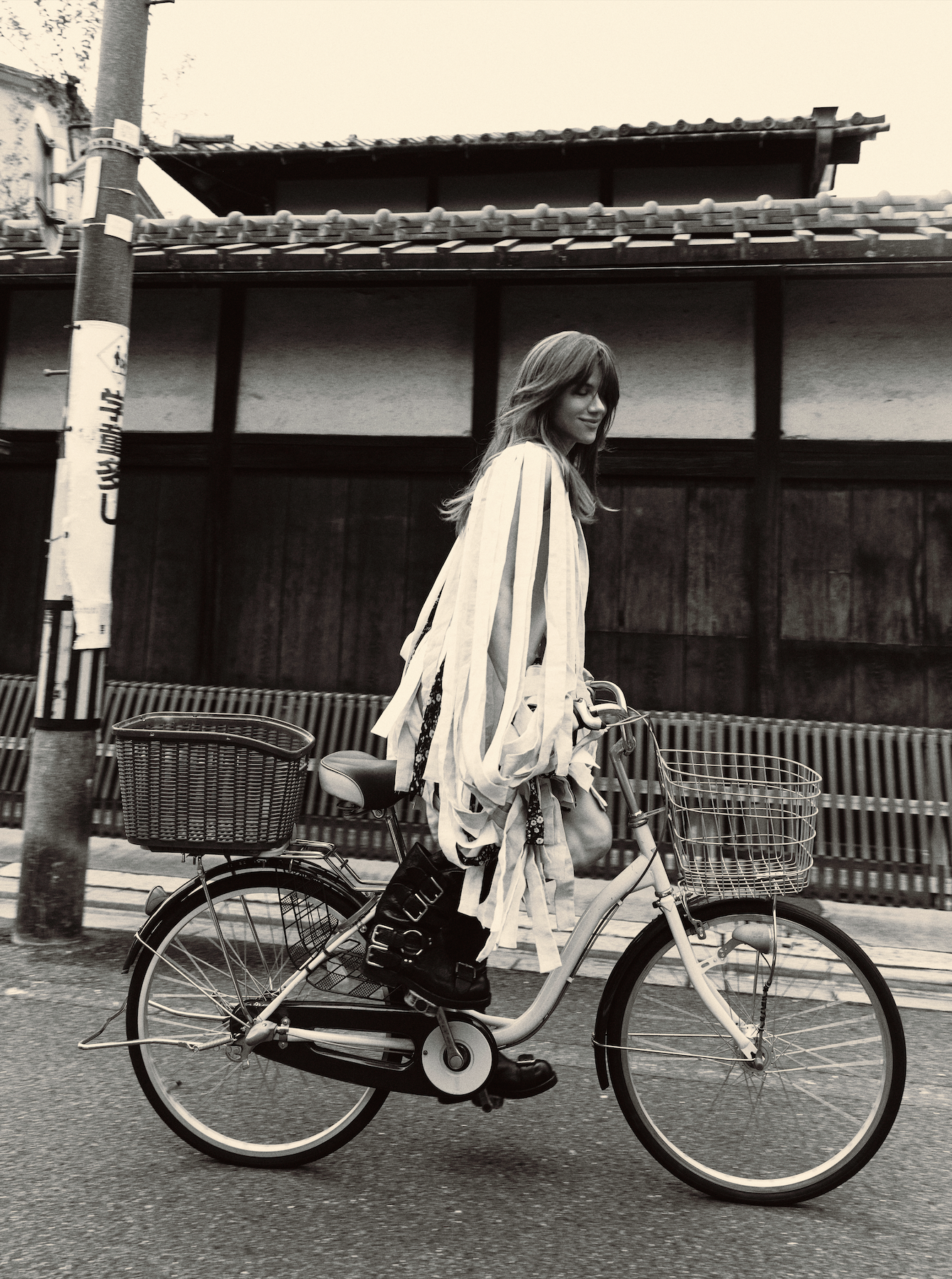
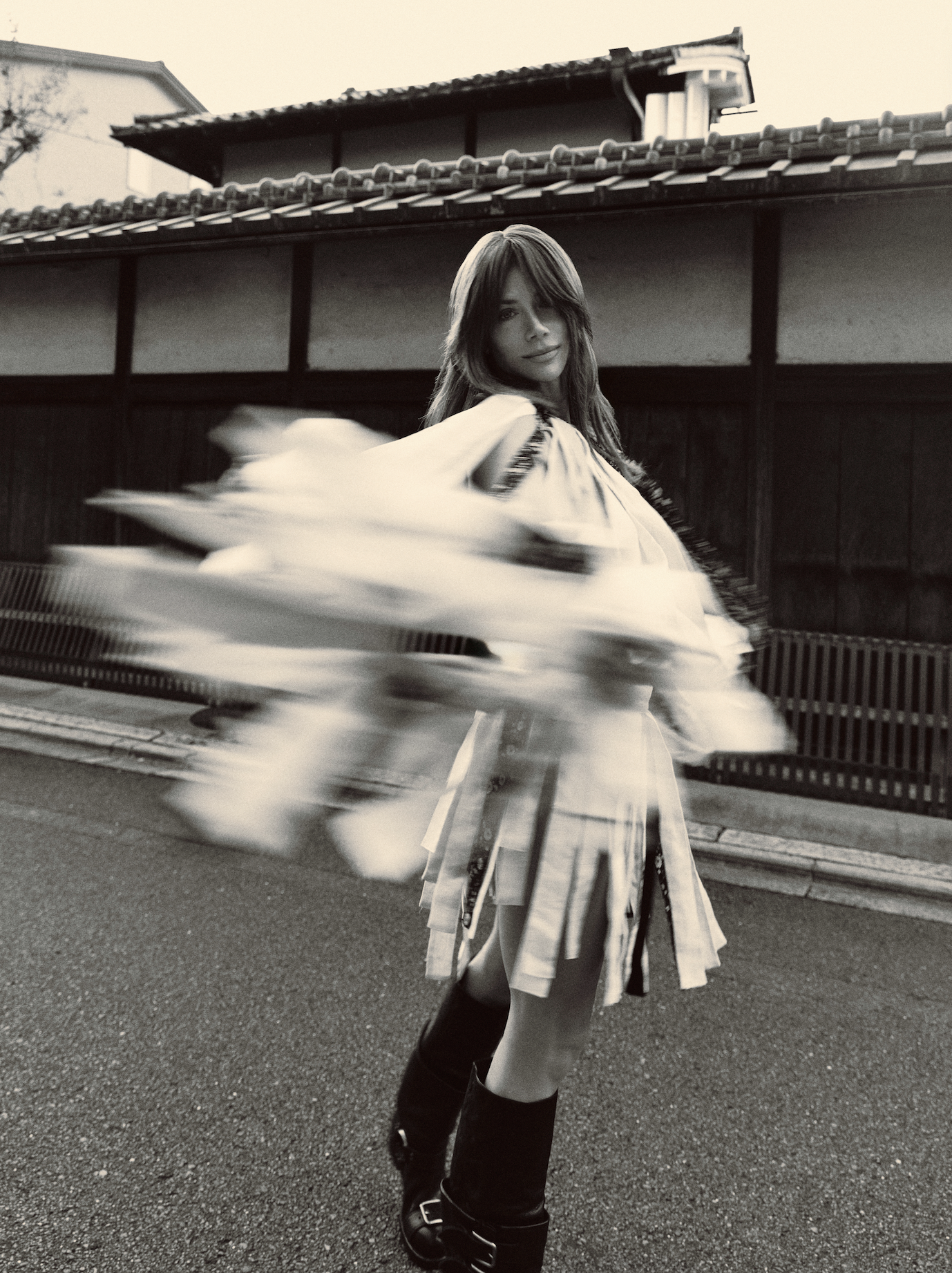
You and Bruno are one of the most admired couples in Brazil. How do you support each other creatively in your decisions, in your projects, and during challenging moments?
I always say that the foundation of our relationship is friendship. We built our relationship on a very solid base. Friendship. Dialogue. Balance. We talk a lot, we support each other, and we always prioritise our family. Relationships work when you choose to stay and make them work every day.
You and Bruno already worked together in different ways — in TV dramas and other projects — but next year, for the first time, a film starring both of you together will be released. How was the experience of creating something together as a couple?
Yes, exactly. “Quem Casa, Quer Casa”. We’ve worked together indirectly for many years. I study my lines with him, he studies his with me, and we’re constantly exchanging ideas. In a way, we’ve always been working together — just never officially on the same project from beginning to end. Now, for the first time, we’ll finally be acting together as a couple, even as a romantic pair. That’s something we’ve never done before, and we are incredibly excited about it. It’s going to be a lot of fun, especially because the characters are very different from who we are in real life. I’ve made small appearances in his projects, and he’s done the same in mine, but we’ve never shared a full project together from start to finish. So we’re really looking forward to starting filming. We haven’t begun shooting yet — we’re still in the reading phase — but even during the readings, we’re already having so much fun. We are very excited for the film to be released and for people to see the result of us working together. I think it’s going to be something truly special.
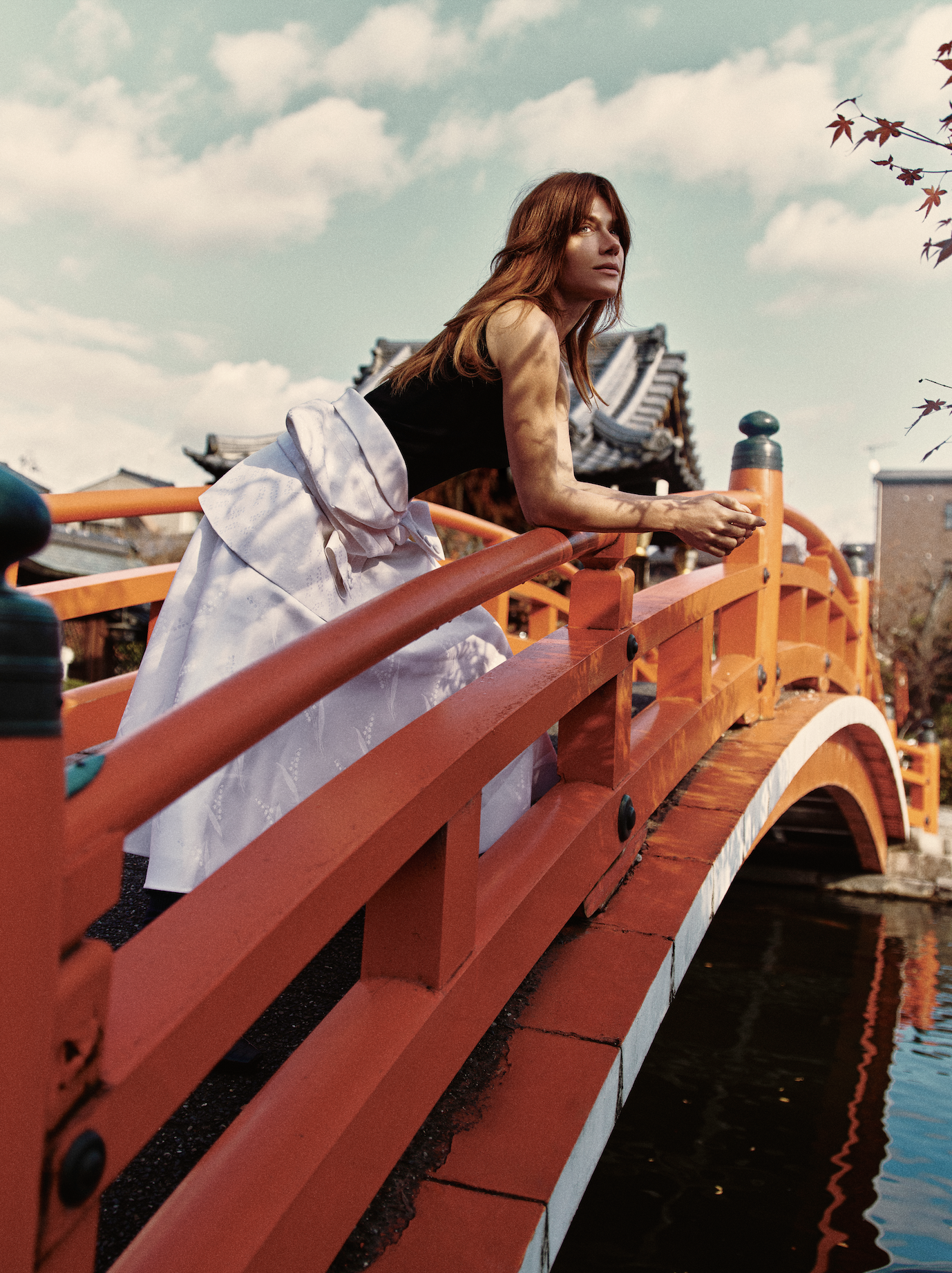
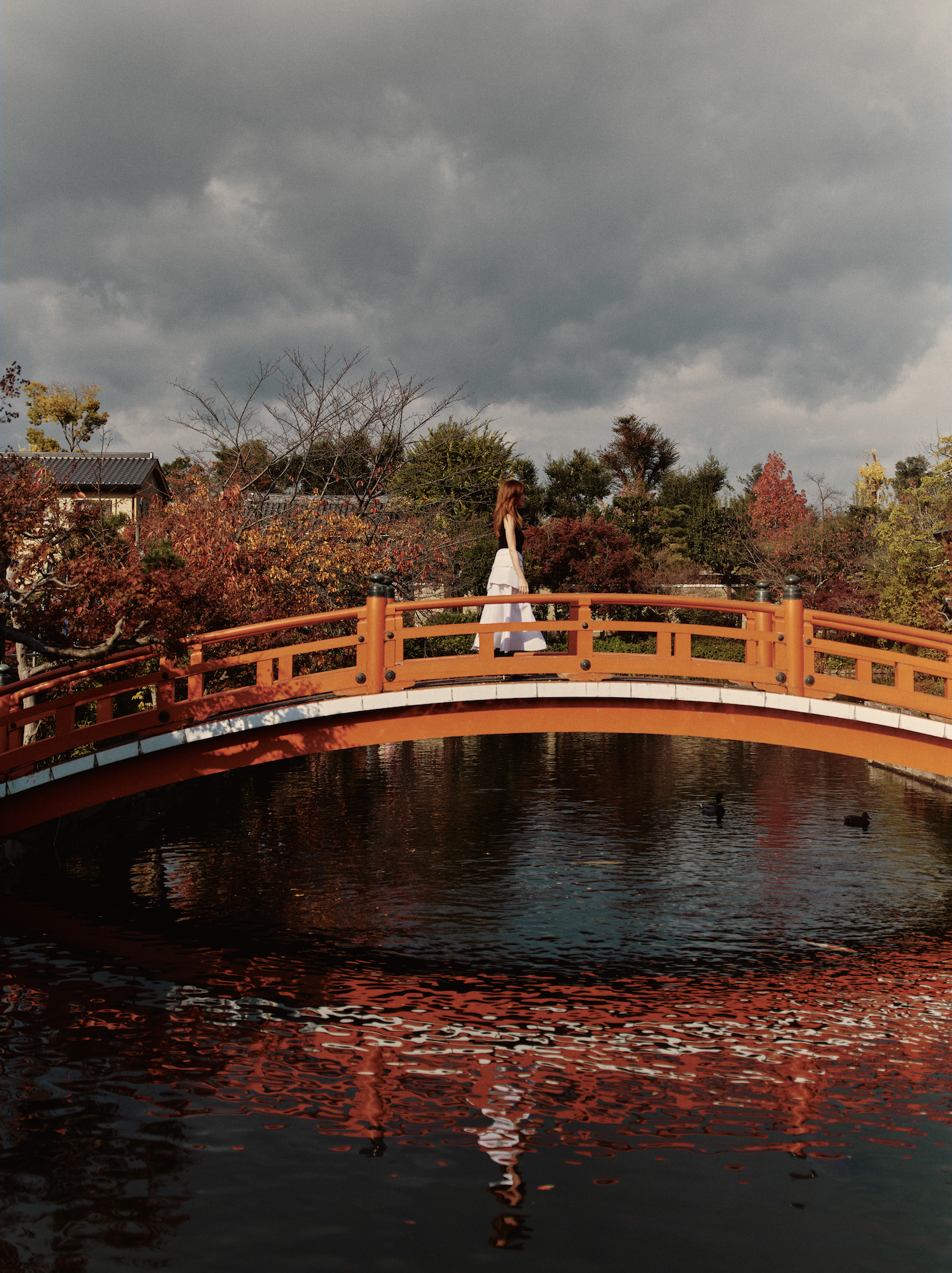
full look DIOR by JONATHAN ANDERSON
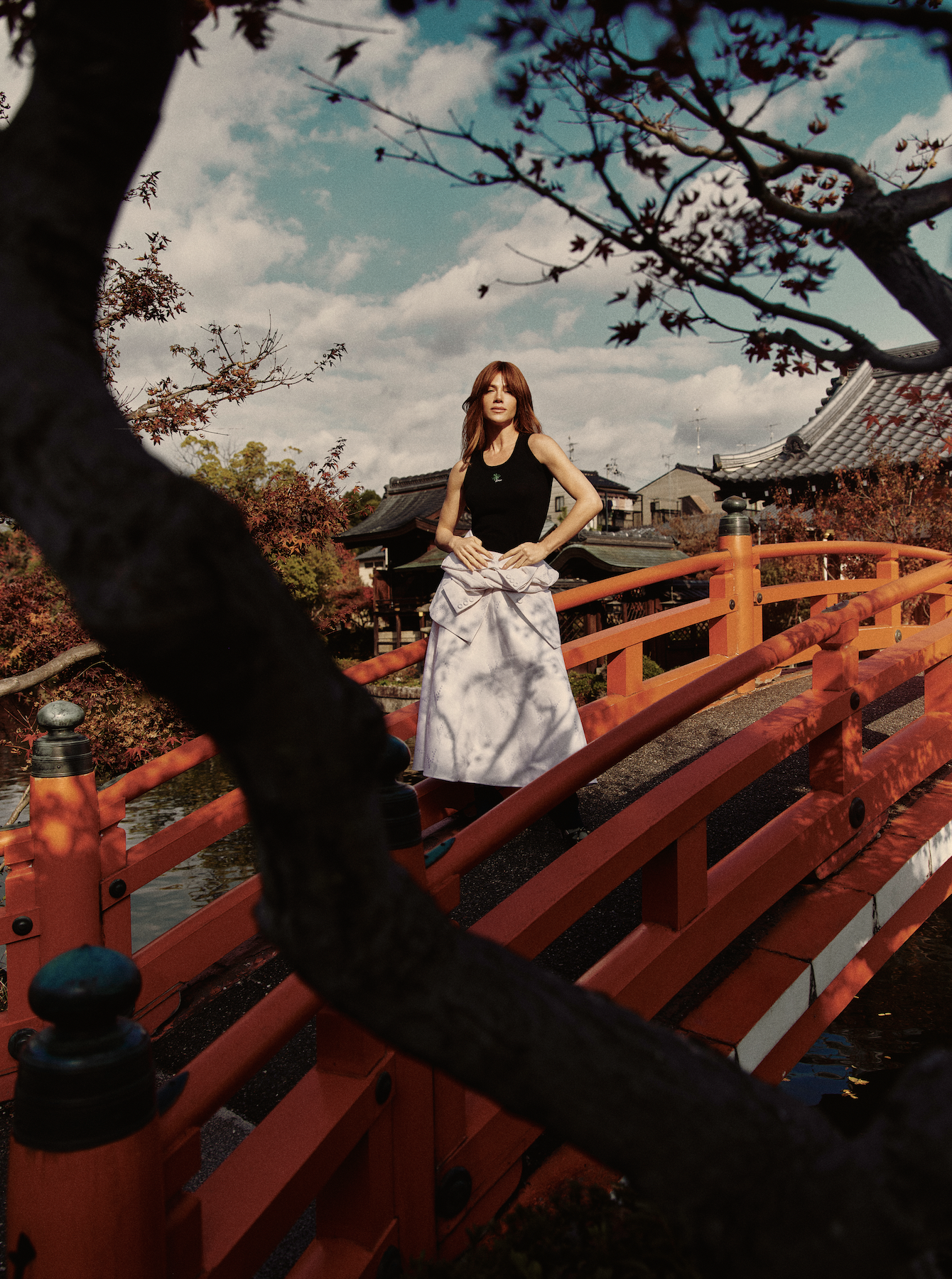
Do you have any upcoming projects you can share with us?
I’m developing a new YouTube program, more mature, focused on honest conversations about being a woman — the joys and the struggles. A space for vulnerability, connection and support between women. The idea is to be able to show our pain openly and allow ourselves to be truly vulnerable. It’s meant to be a program about communion among women — about women holding each other’s hands, supporting each other. I think I may have said more than I should already, but it’s a new project, and I’m putting all my energy into it because it’s not only a professional project — it’s deeply personal.
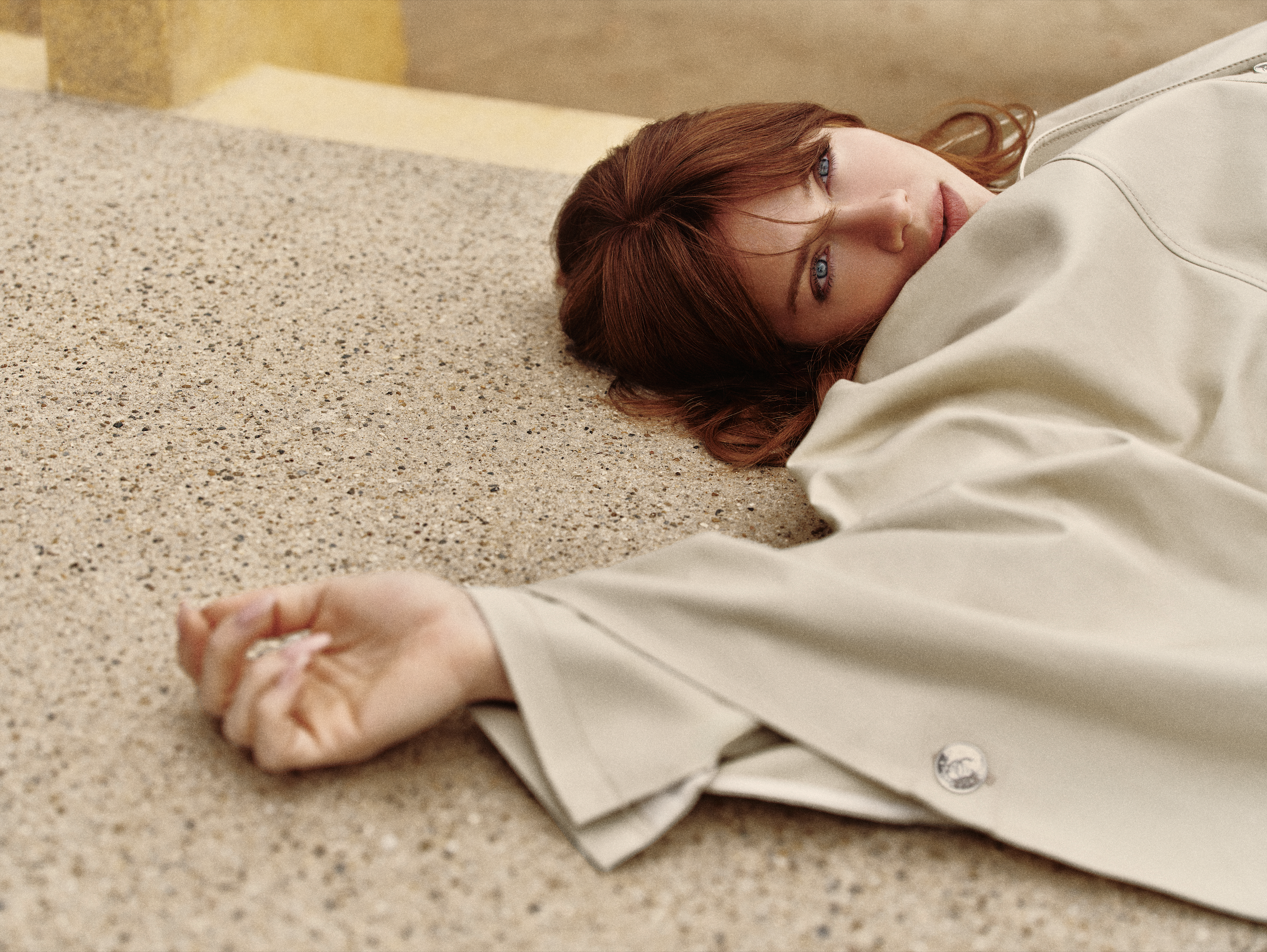
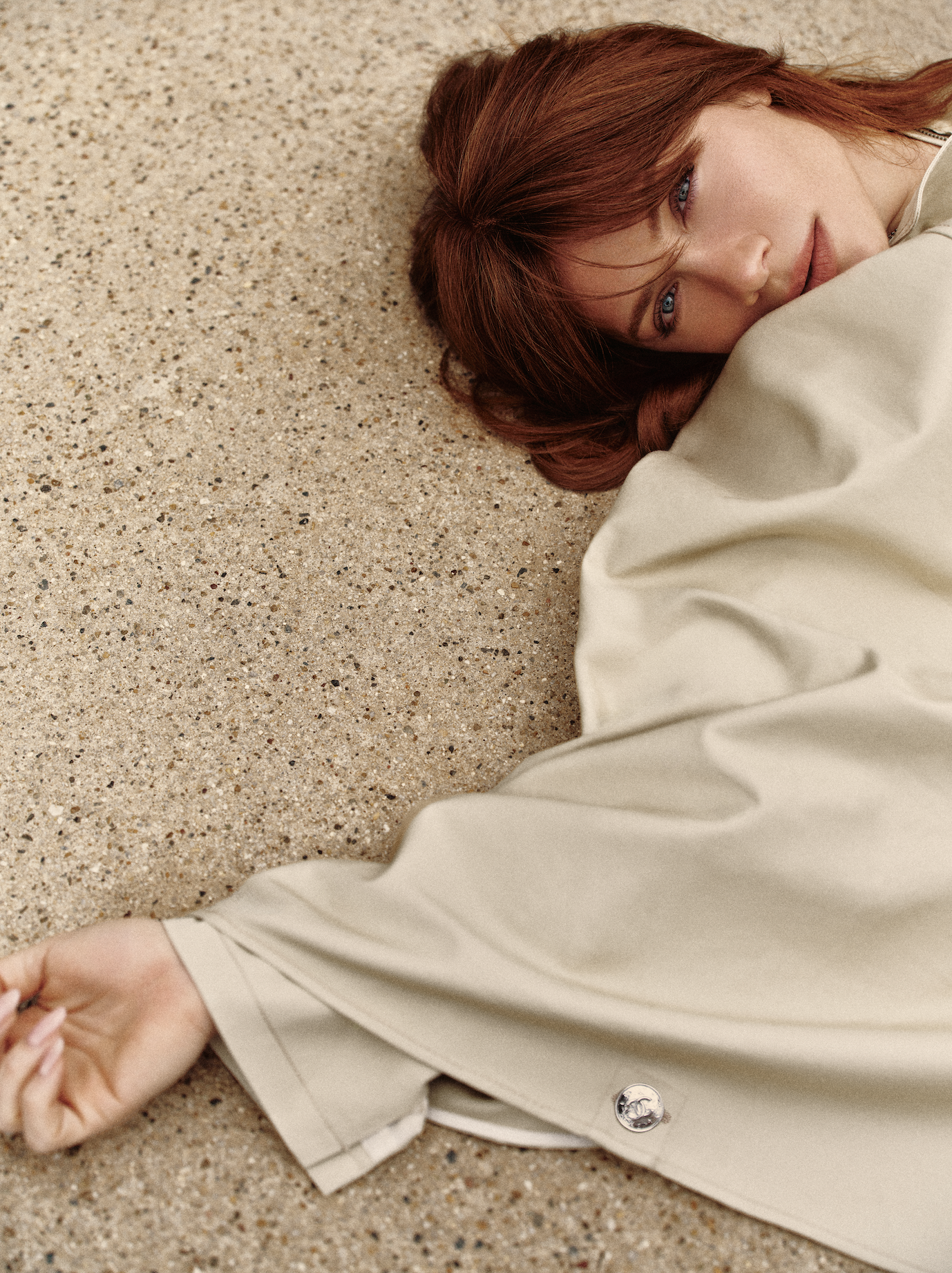
parka CHANEL by MATTHIEU BLAZY
TEAM CREDITS:
talent GIOVANNA EWBANK
photography ALS SUNXIAORAN
creative direction and styling ALEXANDRE DORNELLAS
makeup YUI YAMANAKA using CHARLOTTE TILBURY
hair MIKIO AIZAWA
videography CHRIS GLAZE
photography assistance WANG SHIYU
gaffer CEN SHANG LIN
retoucher ROMULO KOERICH
fashion production KAIO BERGUER
executive production ANA CAMIZA and LOUIS LIU JIAXING
editor TIMOTEJ LETONJA
interview TIMOTEJ LETONJA and LEANDRO DA SILVA
cover design ARTHUR ROELOFFZEN
