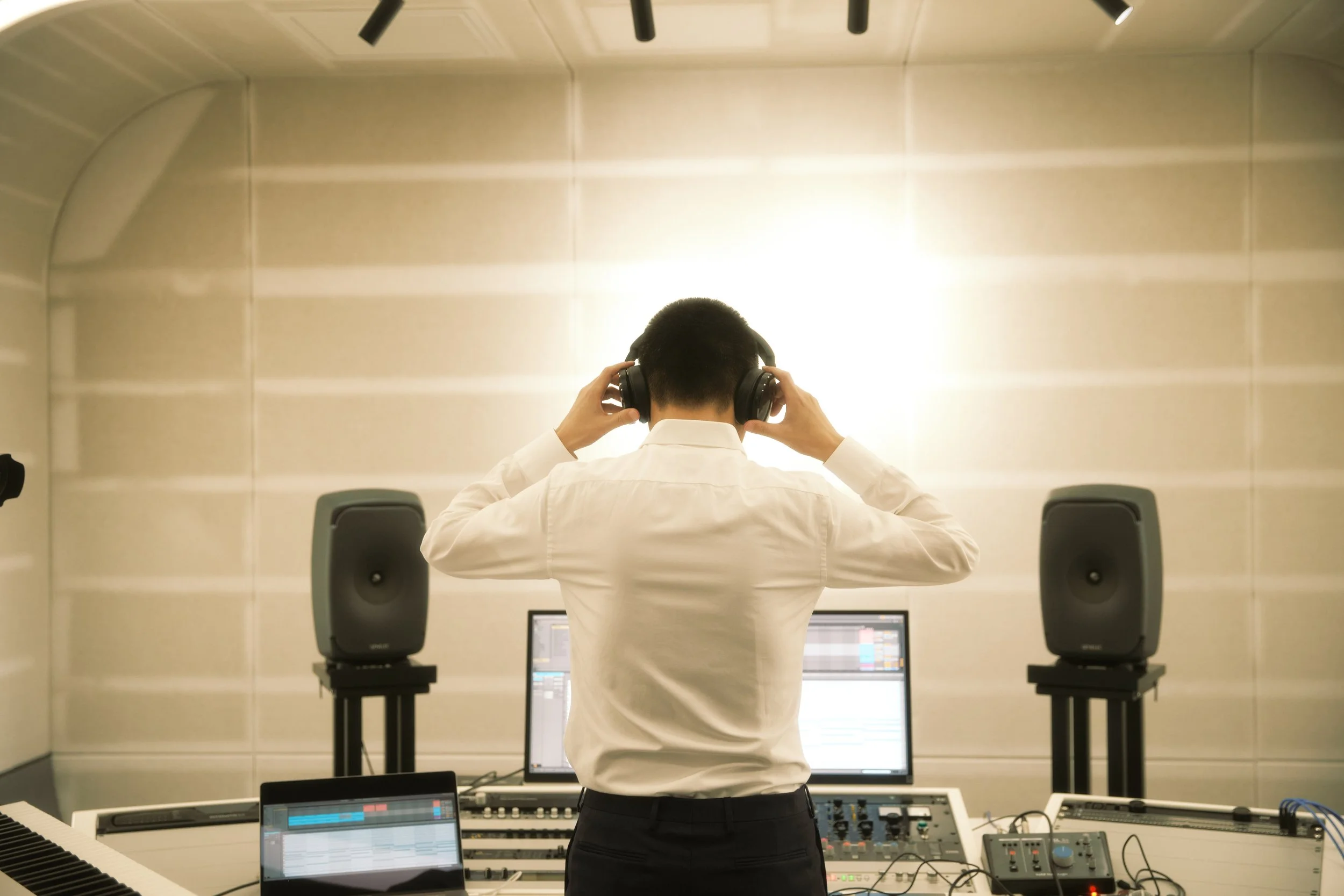
IN CONVERSATION WITH ZHANGYE
interview by JANA LETONJA
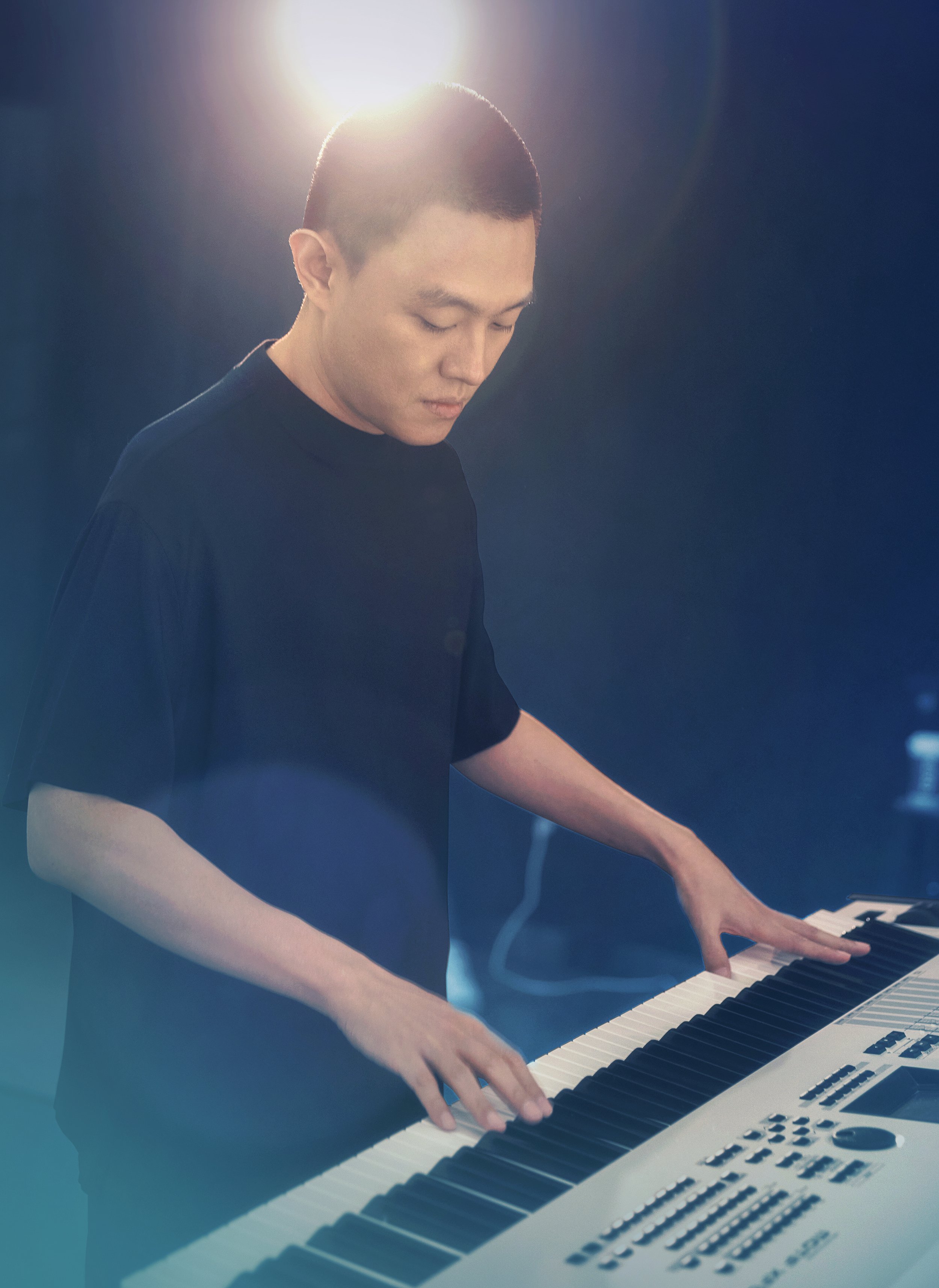
ZHANGYE is one of China’s most boundary-pushing electronic music figures, a classically trained composer turned producer who’s redefining what Asian electronic music can sound like on the world stage. A graduate of the storied Moscow Tchaikovsky Conservatory, he merges classical discipline with cutting-edge dance production, crafting a sound that sits at the intersection of emotional storytelling and festival-scale energy. Fresh off his new collaboration Where Do We Go with GRAMMY-nominated powerhouse Steve Aoki and vocalist Rosie Darling, ZHANGYE is fast becoming a central voice in China’s next wave of electronic artists, championing cross-cultural exchange and a more globally connected Asian EDM movement.
How did the collaboration with Steve Aoki and Rosie Darling first come together, and what drew you to the project?
We were introduced through a mutual friend and quickly discovered many shared interests. We really liked each other, and making music together happened very naturally. Steve is someone full of ideas and energy, and collaborating with him has given me many new perspectives.
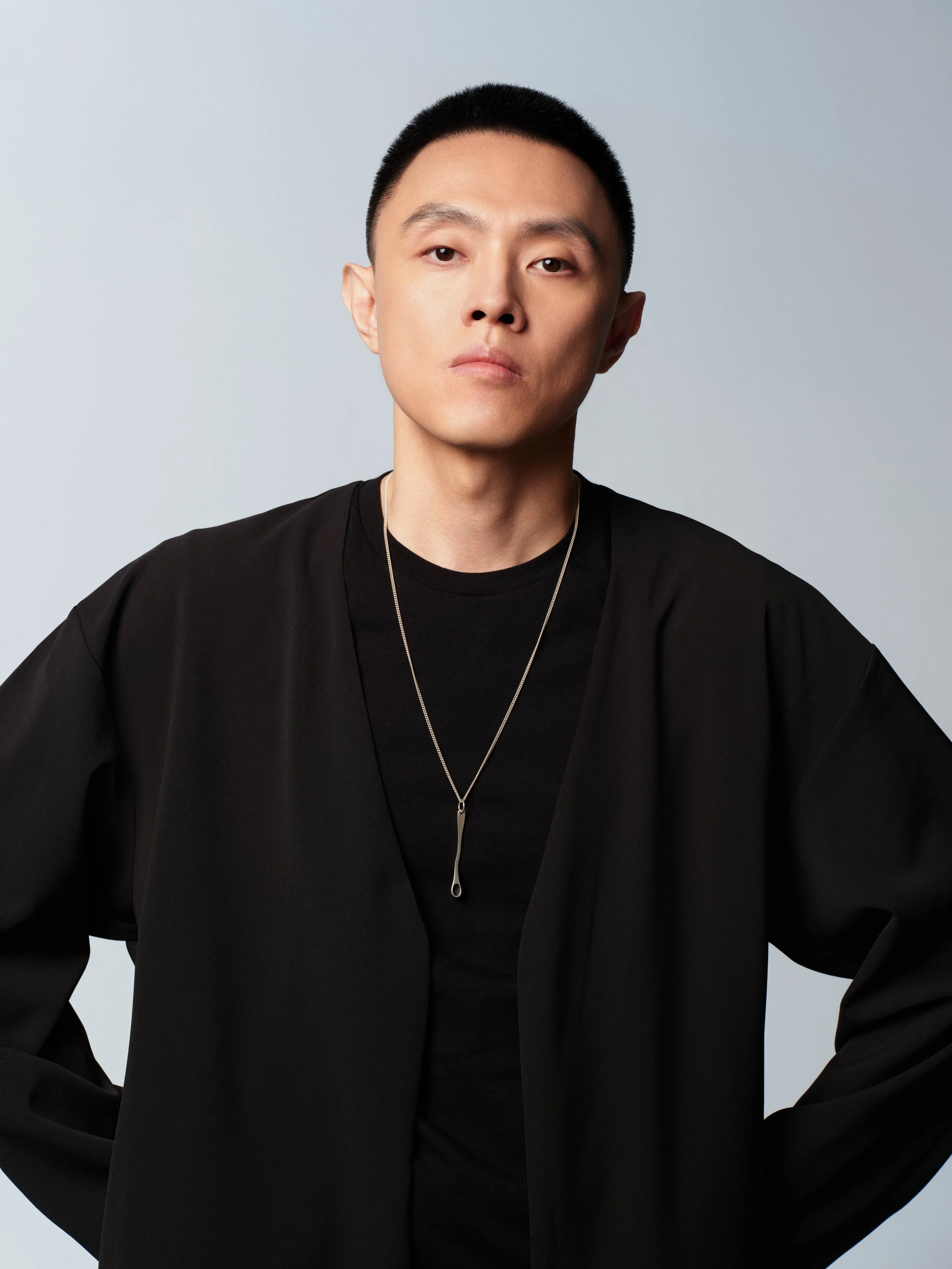
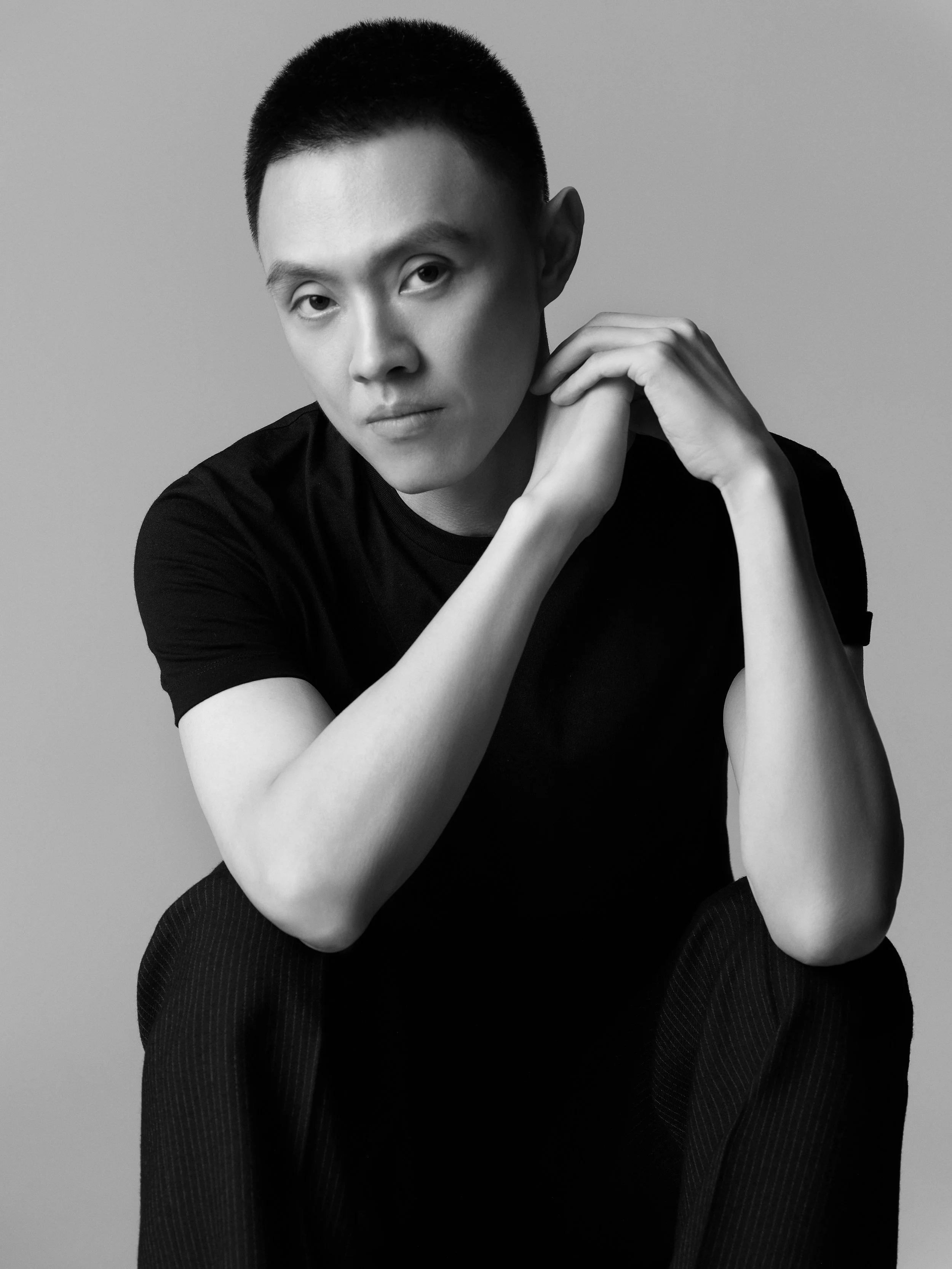
Where Do We Go blends emotional vocals with big energy. How did you approach balancing storytelling with mainstage power?
When creating Where Do We Go, I first allowed the emotion of the track to breathe freely. The vocals, the melody, and every detail are meant to carry a sense of storytelling. Only after that did I think about how the energy could naturally erupt, pushing the emotion toward a powerful, main-stage impact.
I wanted these two elements to reinforce each other. Emotion gives the power warmth, and energy gives the feeling greater impact. This inside-out momentum is the key to making a track that both moves people emotionally and ignites the dancefloor.
What did you learn from working with Steve Aoki, both creatively and personally?
Music is not only a form of personal expression, it can transcend the self and become an energy that resonates with everyone. Through collaborating with Steve Aoki, I felt how creation can exist simultaneously between the individual and the collective. It makes you realize that music doesn’t belong only to you, but also to everyone who connects with it.
You trained at the Moscow Tchaikovsky Conservatory. How does your classical background influence your electronic production today?
Classical music has made me pay closer attention to depth, while electronic music has given me a greater sense of freedom.
Many people see classical and electronic music as two extremes, but to me, they are fundamentally exploring the same thing, how to use sound to construct a sense of time and space, and how to capture the most subtle human emotions.
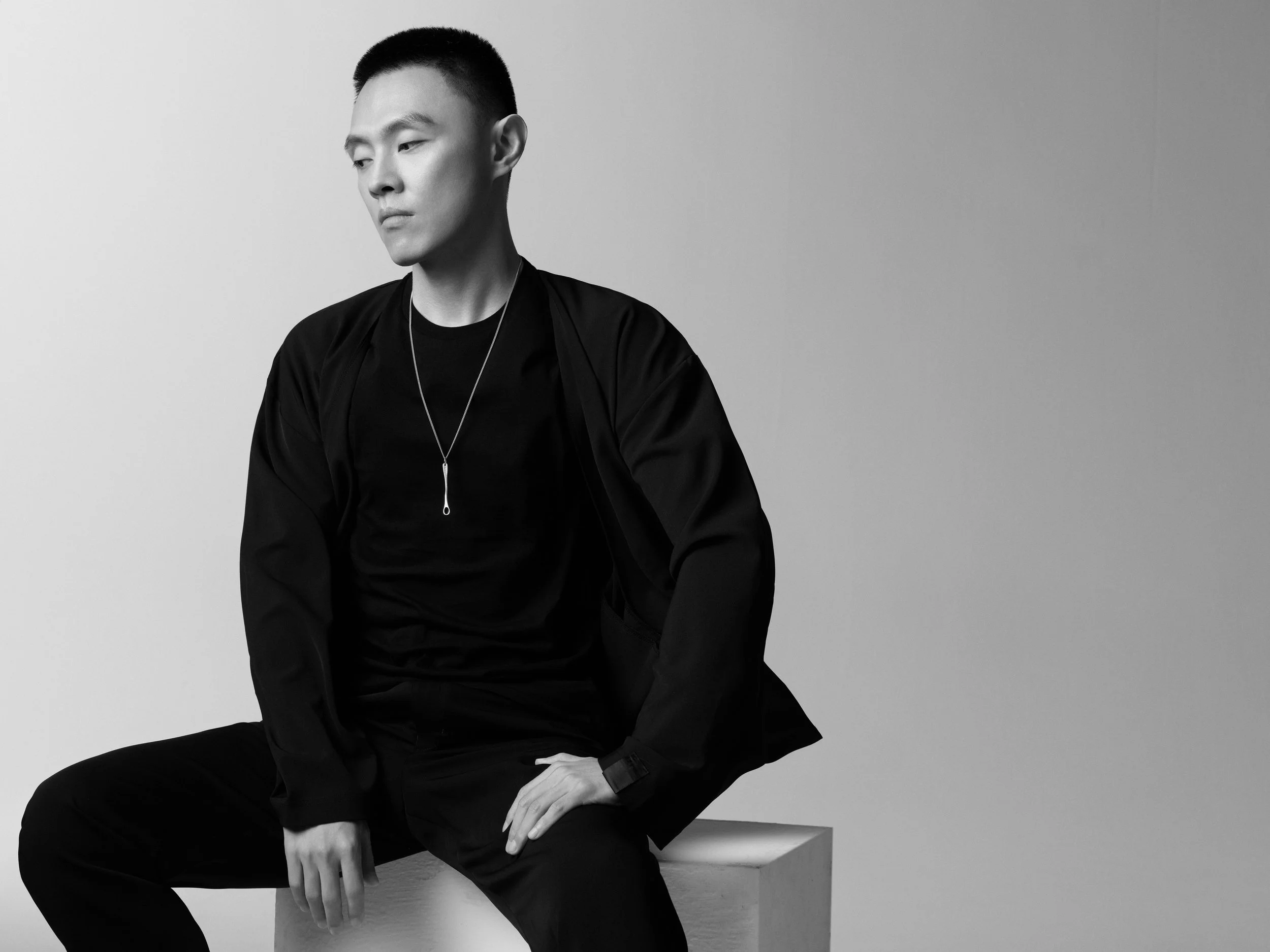
Do you think your dual identity as a composer and producer gives you a unique perspective within the global EDM scene?
My classical composition training gave me a deeper understanding of musical structure, harmony, and overall narrative. Over time, though, I began to focus more on how music functions in real life, how it can create an immediate connection in the moment, among an audience.
Electronic music offered me that possibility. It can unleash a powerful, shared energy in a live setting while still carrying compositional logic and intention, allowing emotion and structure to coexist.
You’ve become a prominent voice for China’s evolving electronic movement. What do you think is driving this new wave of creativity?
For me, what drives this movement is a deep love for music and a sense of responsibility. I want the world to see the full potential of Chinese electronic music, and I also want to discover and support new producers who have their own distinct voices. Watching them push boundaries and experiment gives me the motivation to help move the entire scene forward, making it richer and more diverse.
How do you see the relationship between Asian and Western electronic music shifting right now?
I believe this relationship is shifting from being “influenced” to establishing a sense of self.
More and more Chinese electronic artists are no longer trying to fit into existing Western EDM frameworks. Instead, they are developing their own sonic systems by blending traditional instruments, Eastern modes, and local rhythms. The uniqueness of Chinese EDM doesn’t lie in mimicking certain sounds or structures, but in the emotional expression that comes from cultural intuition. The real change is that the West is no longer just the one defining the narrative, it is now being influenced in return by Asian sounds.
You often speak about bridging cultures through music. What does collaboration across borders mean to you personally?
For me personally, cross-border collaboration is not about exporting a particular sound or borrowing a specific style, but about an exchange built on respect and curiosity. The most meaningful collaborations often happen when no one is trying to take the lead. We listen to each other, leave space for differences, and allow cultural backgrounds to naturally enter the music itself.
On a more personal level, international collaboration continually reinforces one thing for me: electronic music is a universal language, but it is never uniform. Everyone’s understanding of rhythm, emotion, and space comes from different cultural memories. When these layers coexist, the music is not just enjoyable — it gains perspective and depth.
How do you navigate preserving your cultural identity while also working within a global genre?
Cultural identity, for me, is not a limitation but a source of inspiration. I weave Chinese elements and lived experiences into electronic music, allowing it to reveal new possibilities within a global context. The key is not to cater to the world, but to tell stories through my own voice, letting the music carry a distinctly “ZHANGYE” signature.
What inspires you most when you start a new piece—emotion, sound design, narrative, or something else entirely?
For me, inspiration has never been singular. It can come from the texture of a sound, the atmosphere of a city, or a small, fleeting moment in life that moves me. While emotion is certainly important, what fascinates me even more is freely navigating between feeling, sound and story, weaving these elements together into new possibilities. Every creative process is an experiment, a way for me to capture those moments that are difficult to express in words through music.
Can you share anything about the new music or projects you’re working on for this coming year?
We are currently running a global call for submissions for CHINA EDM Vol.2, while I’m also working on some larger-scale collaborative projects. There will be plenty of new experiments and surprises next year. I hope everyone stays tuned. I’m really excited to share them with you all.