
IN CONVERSATION WITH GIOVANNI RIBISI
interview by TIMOTEJ LETONJA
Giovanni Ribisi stars as Tony Kiritsis in American Hostage, a film based on the unsettling 1977 Indianapolis hostage case. To prepare for the role, Ribisi listened closely to recordings of Kiritsis, while also looking beyond the real-life story to find his own way into the character. We spoke to him about the role, Dog Day Afternoon, finding the humour in a tense story, and looking back at his time on Friends.
American Hostage is available to stream weekly on MGM+
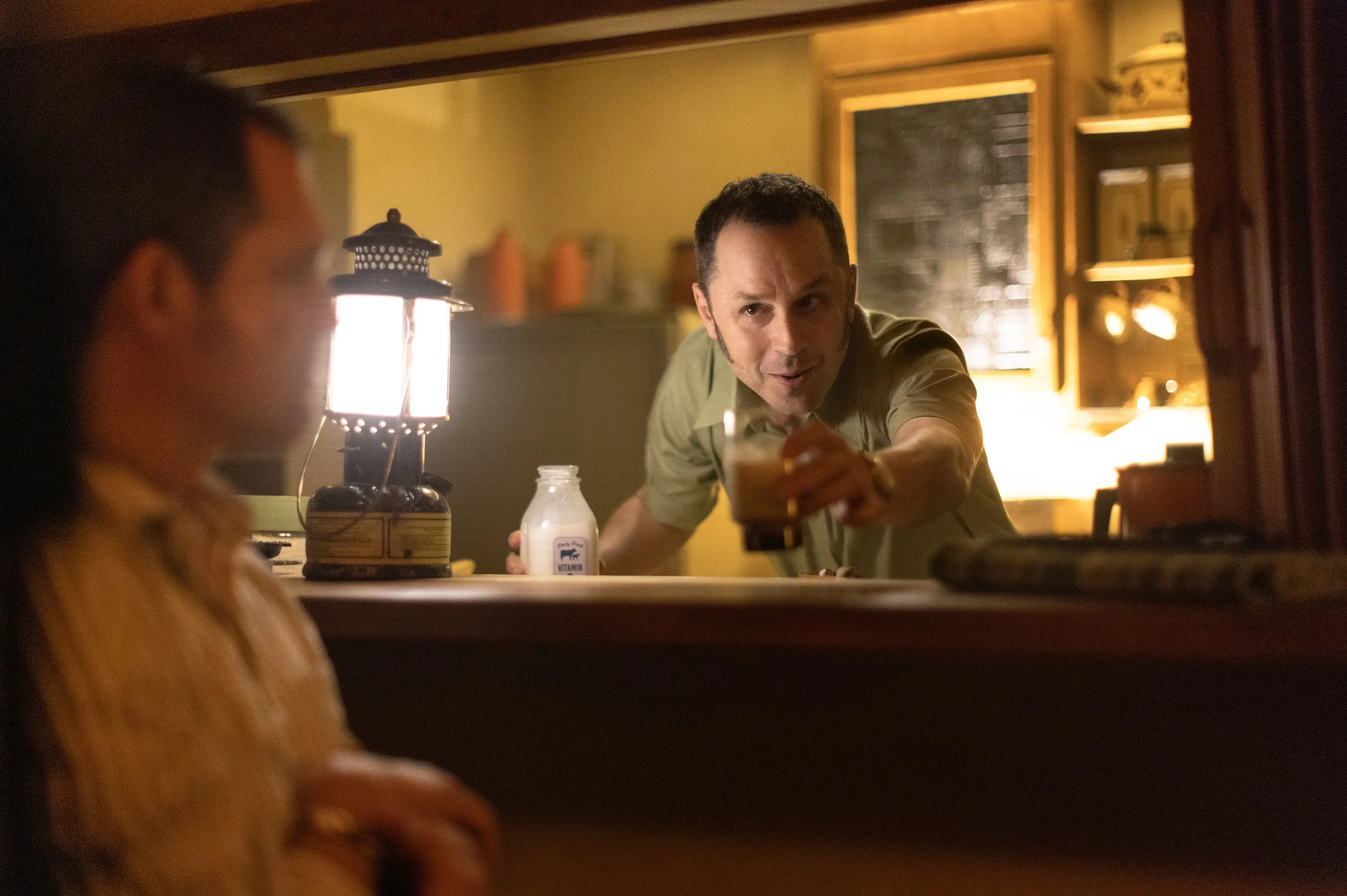
What was your first instinct about Tony Kiritsis when you read the script, as he is such an extraordinary character - charismatic, unpredictable, also so unsettling. Did you need some time to understand him better before you could play him?
There was a lot of time, and luckily a lot of material as many of the 911 phone calls that he was making, and the famous press conference that he did towards the end of the event, was online. So it became a very important factor, of how faithful the writers wanted to be, specifically to his rhetoric and to the way he spoke. He was what we say in America, a motor mouth. He would just talk and talk, scream, and all of it was really brilliant, linear, and prescient.
I think that the biggest thing for me in having an emotional connection, which is also an interest, and it allows you to be keen on specific things that might help you portray a character, was his moral stance on his life. He had a very strong moral disposition. He was quoted many times as saying that he's never told a lie, and he wanted to be an honest businessman, especially in his dealings with the bank, who were not necessarily proven, but for all intents and purposes, they were being the criminals. And this was a moment where Tony decided to take his life in his own hands, even if it meant breaking the law, he wanted to right a wrong.
Because this is based on a real hostage crisis, how did you manage and navigate portraying the person and portraying the public mythology that grew around him both at the same time?
I guess that's part of the whole intention of doing this, for me at least, to have an opportunity to explore all of that, the mythology built up around this individual, to understand these specifics and portray that as an expression.
There was a lot of heavy lifting, as they say, where we had these very long scenes that were sometimes 11 pages on the phone between myself, my character Tony, and Jon Hamm's character Fred Heckman. And the way they had done that was they built the apartment, Tony's apartment, on one part of the stage, and then the radio station on the other part of the stage. They had what they call a closed-circuit phone, so the phone was connected on the stage. They had in total four camera crews. So we basically filmed it live, like a play. Every day was kind of like a one-act play. We had to do this live, and the chips were going to fall where they may, which was both exciting and thrilling. And at the end of the day, again, the chips fell where they did.
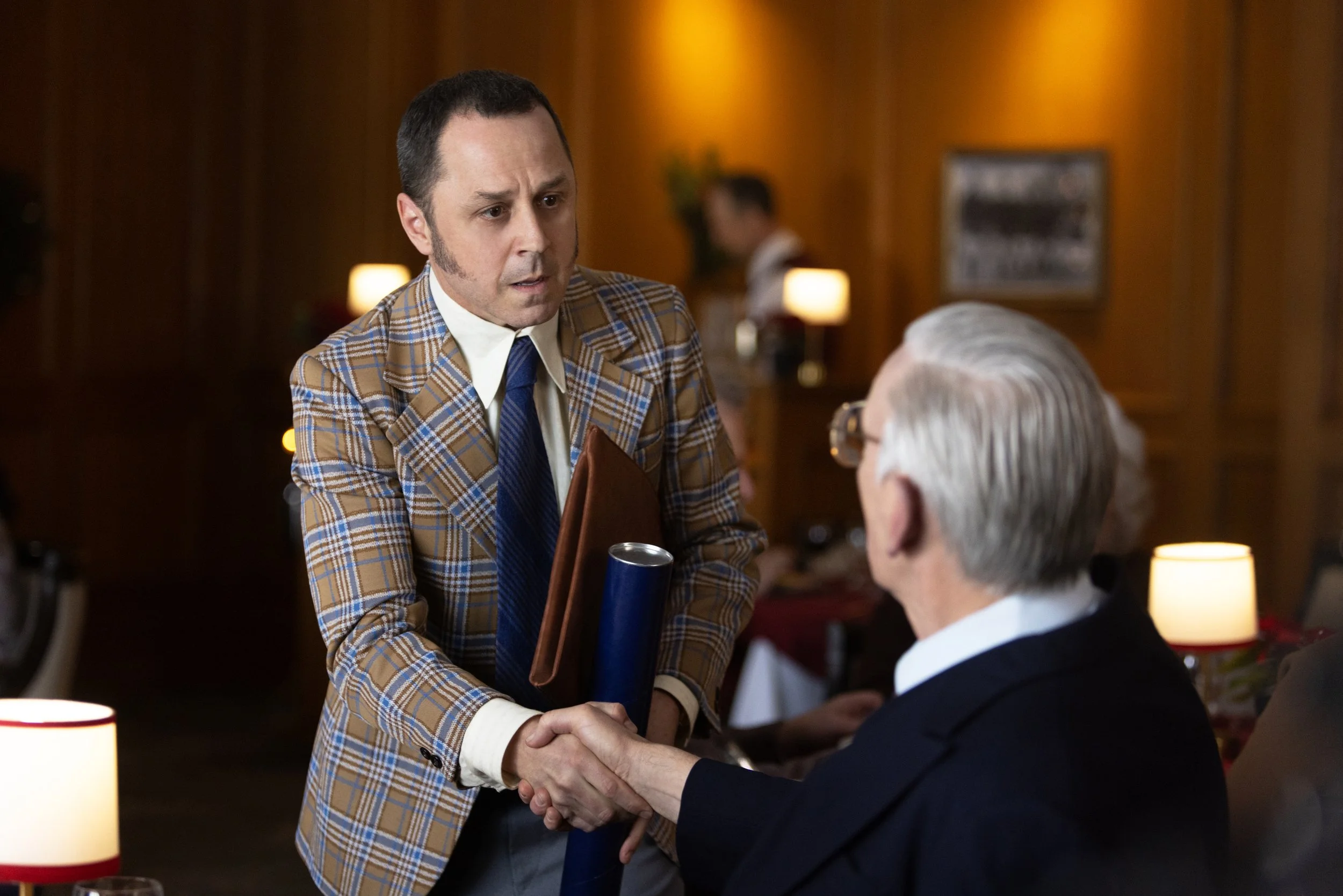
You already mentioned Fred Heckman. I wonder what the chemistry was like between you and Fred as actors when you were building such tense scenes?
There was just nobody better to do that exercise with. Again, I had never done that before in 40 years of acting. It was funny, I remember the first day we didn't even really talk about it. We barely rehearsed. We just kind of did it, and then it worked, and then we did it again. We got to the point where it was becoming almost addictive. It felt as if we’re hanging off the cliff. And maybe not everything's going to be perfect, nothing's ever perfect, but the idea that there was a certain sort of organic nature to that, because you have to survive within those 11 pages, was insane. And I'm speaking as if the stakes are a matter of life and death, but you'll ask any actor, and usually that's the case.
Did you spend much time researching the real Tony Kiritsis and the original 1970s hostage story, or did you try to keep some distance from the real person so you could find your own interpretation?
Great question. Every project is different, but for the most part, this was the one where I felt I needed to hear Tony’s real voice almost every day. I had that at my disposal, specifically the press conference he gave. But at a certain point, you have to give yourself license as an actor to realise that the primary focus and point of fidelity is the material. The project we’re making is different from the reality. we’re not making a documentary.
There were also two other projects around it: Dead Man’s Wire, the Gus Van Sant movie, which we all decided was better not to watch, even though I’m a huge fan of Gus Van Sant. I think he’s one of my favourite directors, and the cast in that movie was incredible. Al Pacino was also in a similar movie, Dog Day Afternoon, which was based on a real event and had similar themes. And then there was the podcast. But there are also a lot of other films and performances that might not have anything to do with this world, or that aren’t necessarily obvious influences, where you watch something and think, “Oh, there are elements of that.”
For instance, Dog Day Afternoon. It was a movie I had worked on in acting class when I was young. And there’s a part of me that wonders, looking at the dates, whether Tony might have seen it. The Dog Day Afternoon event happened in 1972, and the film came out in 1975, while Tony’s hostage situation was in 1977. So there’s a part of me that thinks Tony might have seen it and thought, “Oh, maybe this is something I’m going to do,” and been inspired by it. At any rate, that movie, not just Al Pacino’s seminal performance and all the actors in it, but also the tone, was a big influence on me in American Hostage. It was something I was really pushing for in the beginning: that we don’t make this thing too heavy. It needed comedy. And Tony’s personality and voice were the vessel for that because he was so funny and charming.
If anything, you could argue that in that famous press conference, while he’s holding a shotgun and police officers are standing right next to him, he’s a host to everybody. That’s what he wanted to do. He wanted to open a restaurant, and he was very gregarious, as they say.
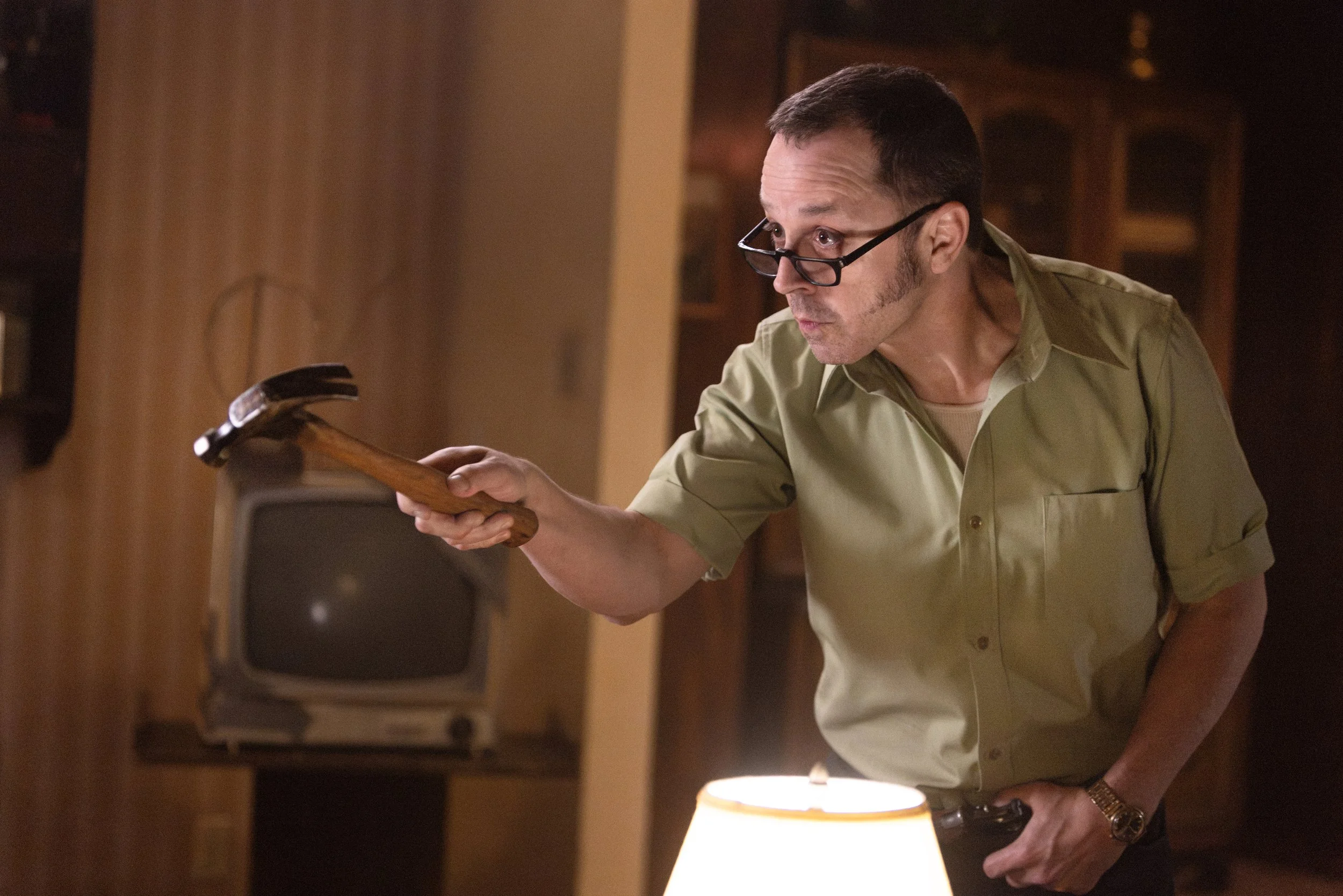
We’ve read, and we find this very interesting, that during Friends, playing Phoebe’s brother, you’d receive the script, take a look and memorise everything instantly. Is that the way you usually work, or is the approach different for each movie and show?
When I was working on Friends, I was working on a different project at the time and was only able to show up on a Friday. It really was a situation where I would show up, get the script, have only half an hour or an hour to look at it and learn it, and then go and do it.
But usually, on multi-camera shows, you rehearse all week. So you have an idea of what you can work on, and then you do two runs—you go through the show twice.
A lot of times, people will come up to me and quote dialogue from Friends, and I don’t remember it. You know? I think it was about 20 years ago now…
Credits:
MGM+
