
IN CONVERSATION WITH GIULIA BE
interview by SAMO ŠAJN
Brazilian pop star GIULIA BE is entering a bold new era with the release of her ambitious self-titled trilingual album GIULIA BE, arriving on 23rd July. The 21-track project is divided into three distinct EPs — in Spanish, Portuguese, and English — with every song written by Giulia, showcasing both her versatility and deeply personal approach to songwriting. Accompanied by 21 interconnected music videos forming a larger visual narrative, the project marks her most expansive artistic statement to date. Already one of Brazil’s most streamed artists with more than 2 billion combined streams and a Latin Grammy Award nomination for Best New Artist, she has built a reputation for emotionally charged pop music that resonates across cultures and languages.
Releasing one project across three languages is such an ambitious idea. What inspired you to structure the album this way, and did each language bring out a different side of you creatively?
Throughout my career, I always had to choose which version of myself to show: the Brazilian Giulia, the one who writes in English, the one who feels things in Spanish. This project was the first time I didn't have to choose. And yes, each language absolutely brought out a different side of me. The English version is more confident, direct and ambitious. The Portuguese one is more heart; it's where I grew up, where my deepest memories live. And Spanish is the fire between the two. She's loud, she's fun, she doesn't care too much about what people think.
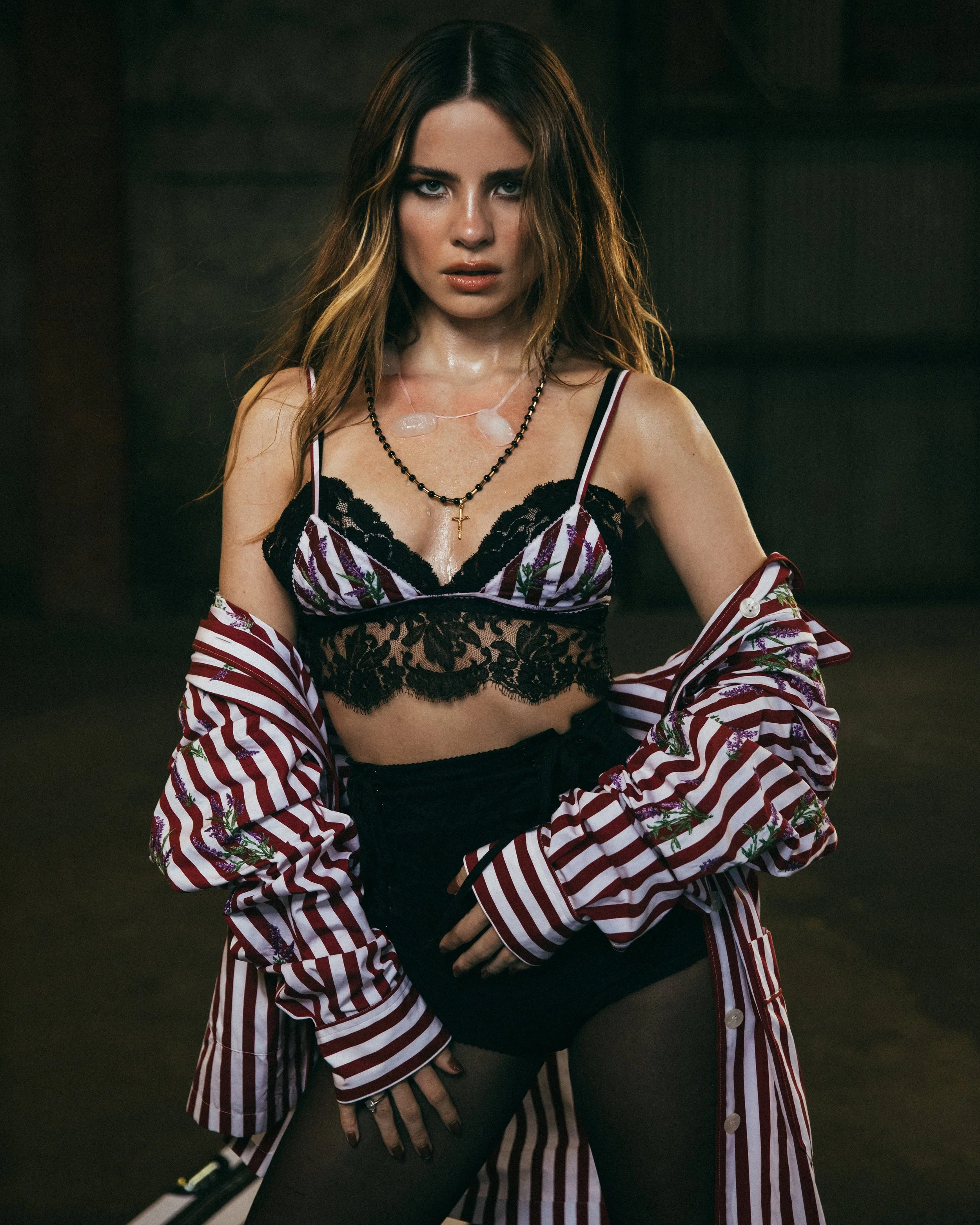
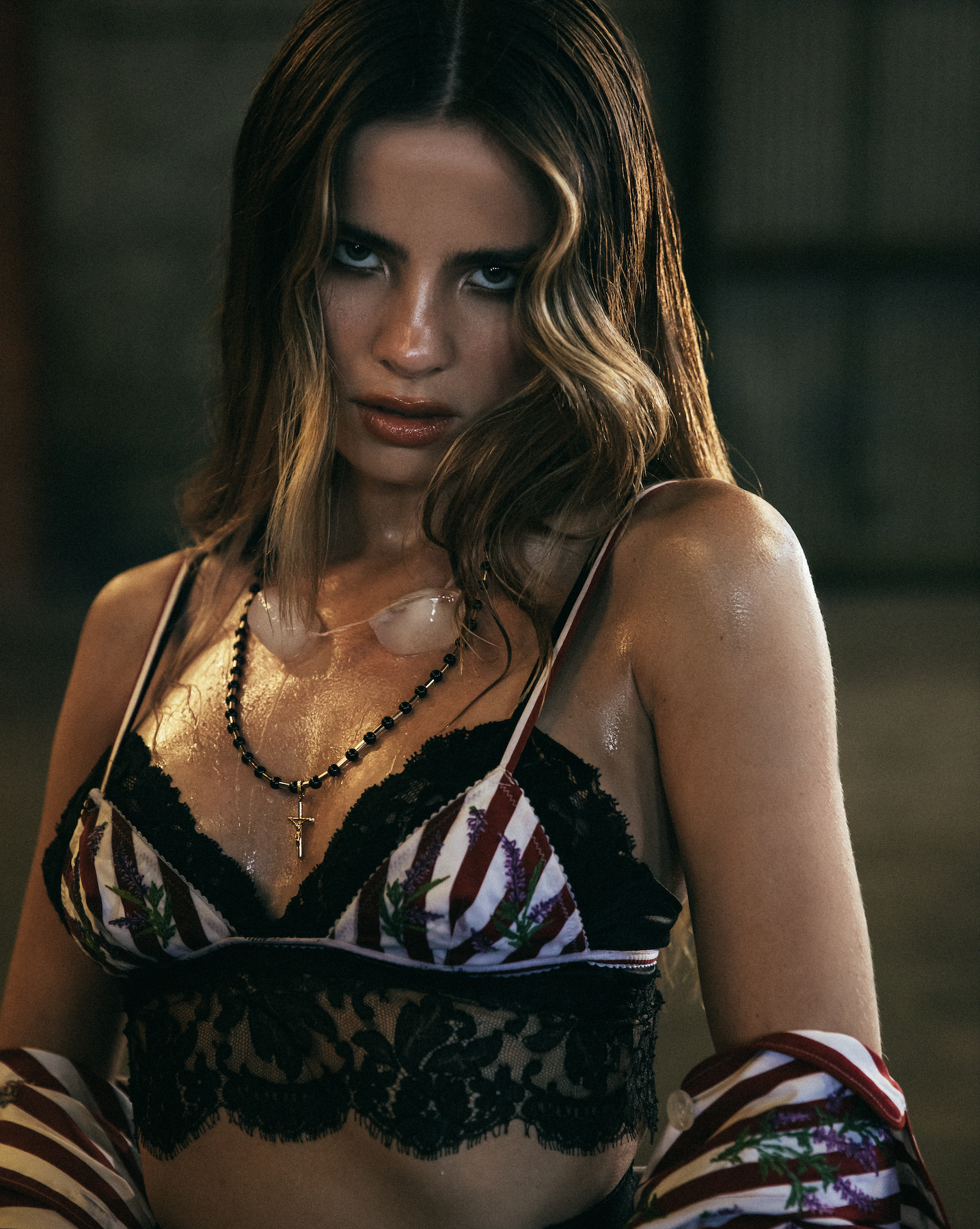
full look DOLCE & GABBANA
You wrote all 21 songs yourself. Did you approach songwriting differently in Portuguese, Spanish, and English, or do the emotions stay the same no matter the language?
The emotions are the same, but the way I access them changes completely. In Portuguese, it's very intimate, usually just me, a piano or a guitar, and my brother Dany. It's the language of my memories, my roots, so it goes deep. In English, I'm more direct and confident, which makes sense because that's the language I live my daily life in now. It's also the language in which I fell in love with my future husband, so I'm sure that counts for something in the writing process. Spanish is my third language, so the sessions are more collaborative, more festive. There's a lightness in that room that always ends up in the music. Same heart, different rooms.
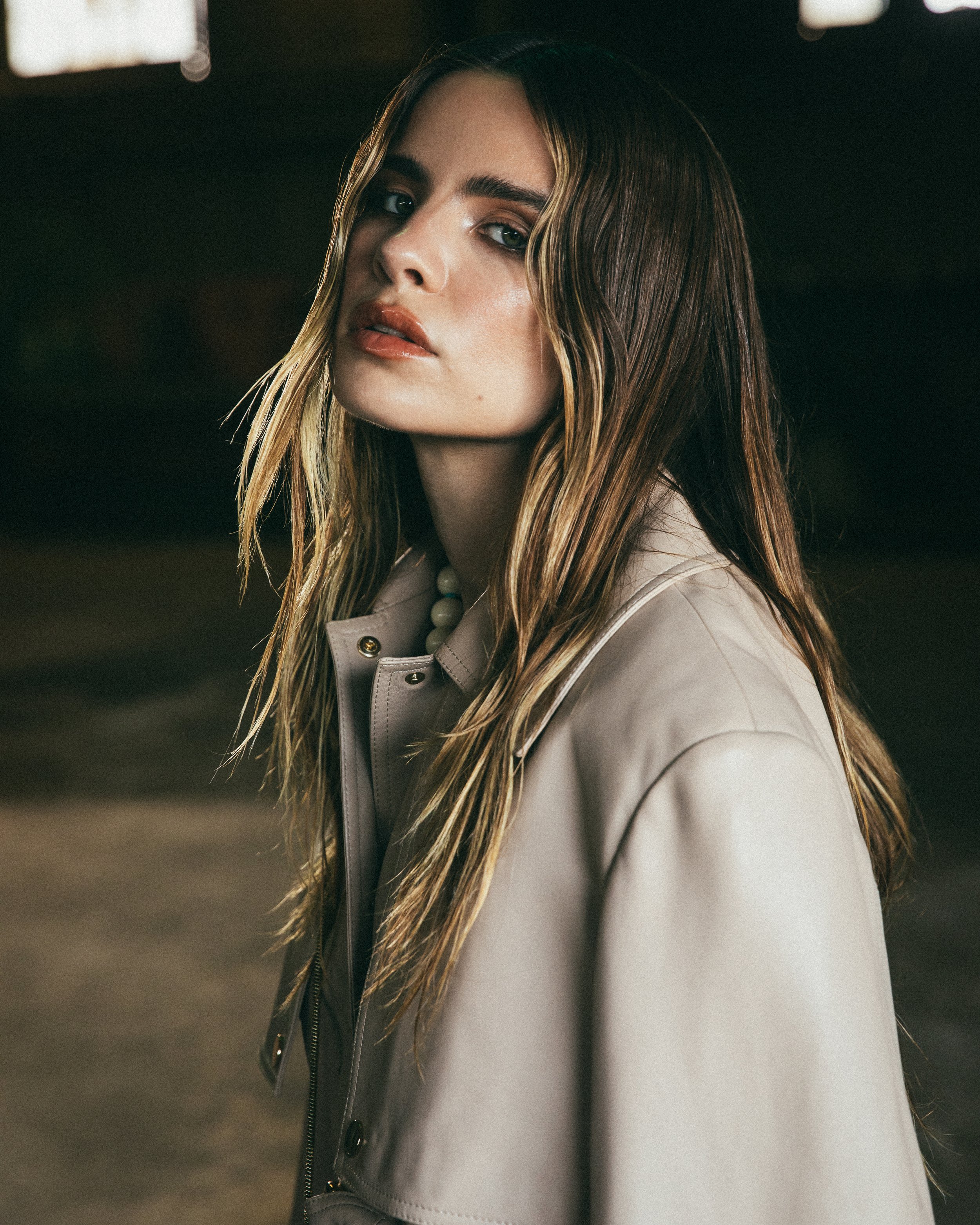
jacket and pants SPORTMAX
shoes FRANCO SARTO
purse EMM KUO
earrings and necklace LIZZY FORTUNATO
sunglasses POPPY LISSIMAN
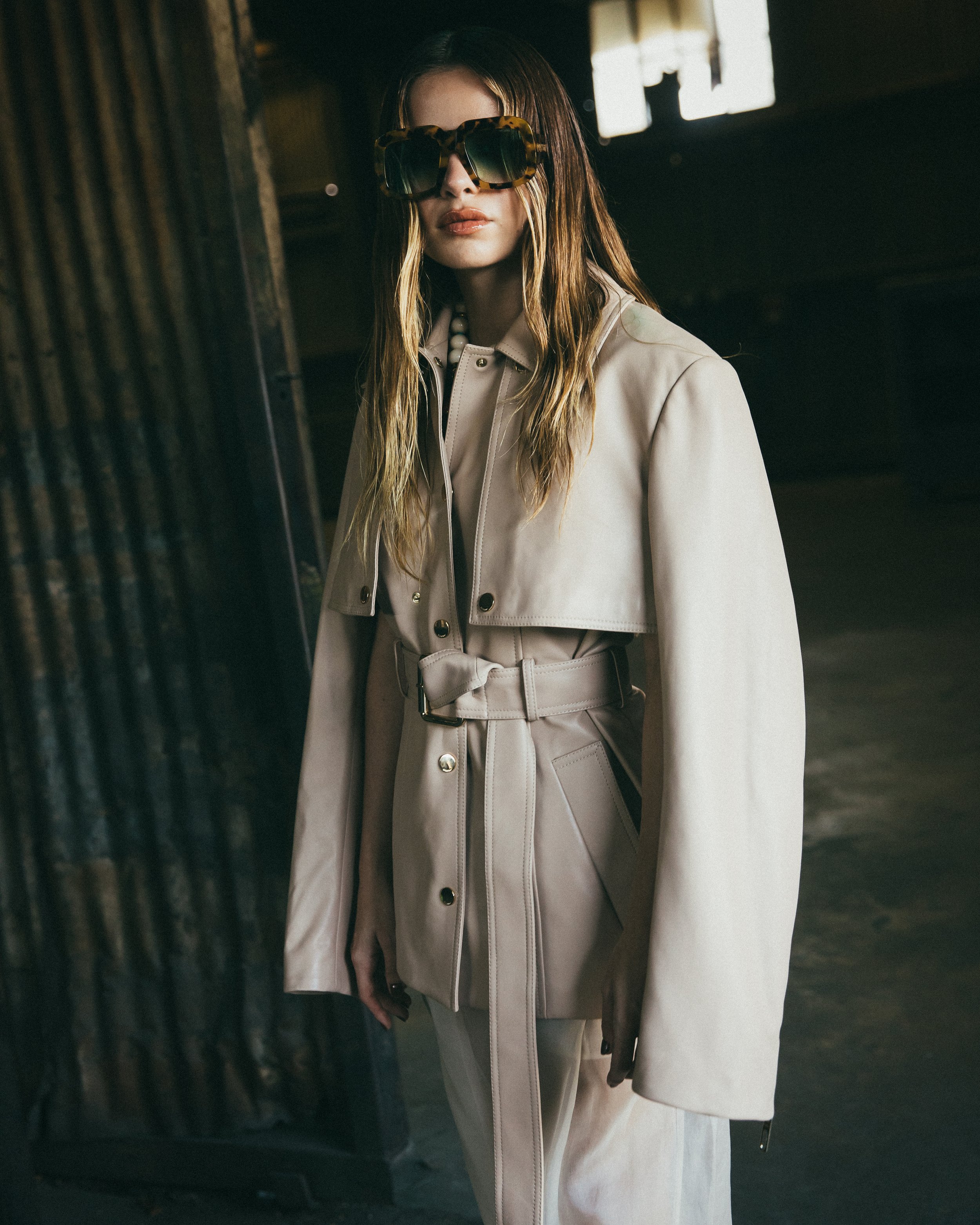
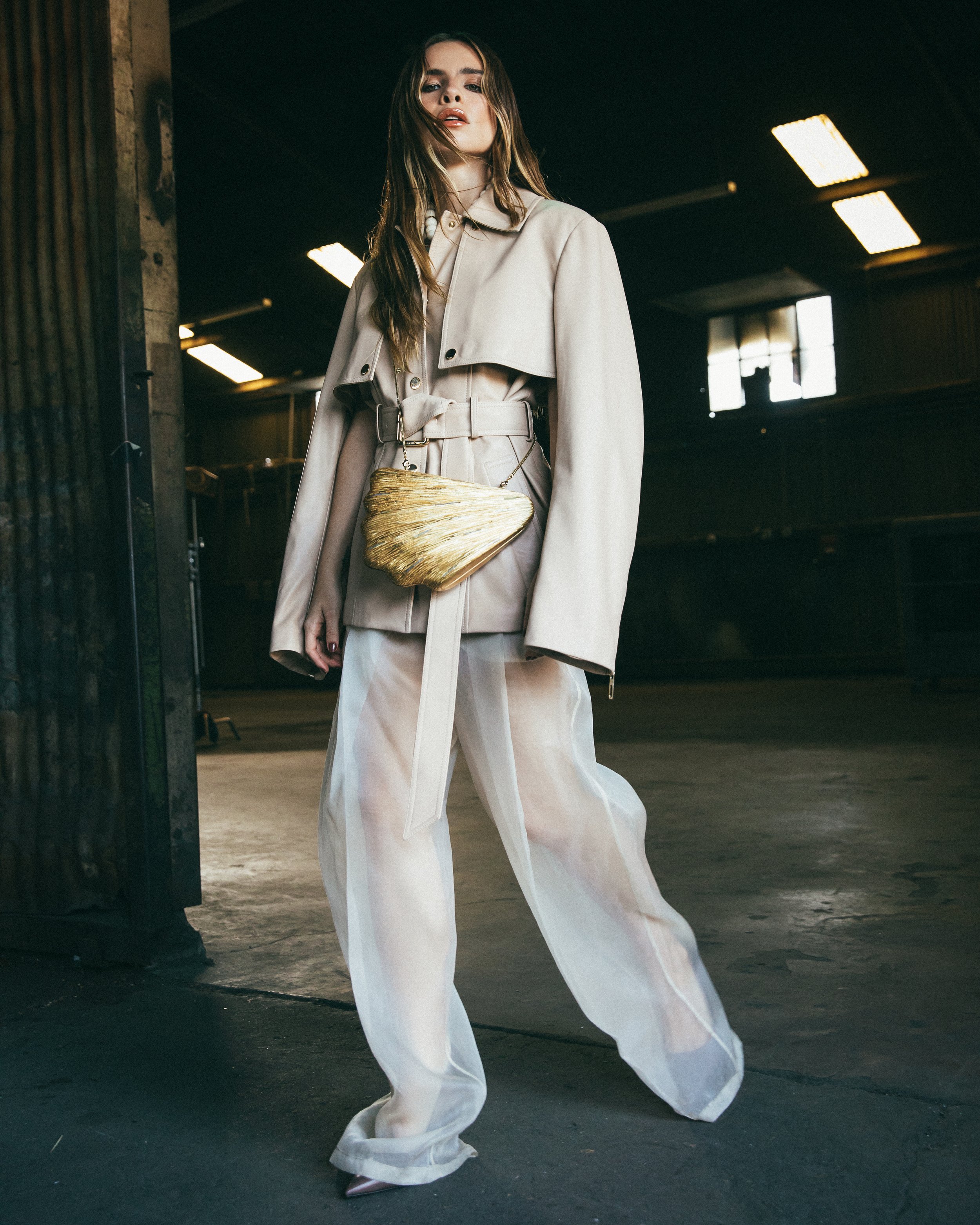
The album also includes 21 interconnected music videos. How important was the visual storytelling side of this project for you?
We live in a moment where music videos are becoming rare, so I wanted to go the other way. When you can give the listener a visual universe beyond the song, it becomes an easier access point to what was inside the composer's head. So I made 21 videos, one for each song. They're all connected, and the characters evolve as the emotions shift throughout the album. Each one is like a mini-film that I co-directed creatively alongside Olivia Mucida and Lennyn Salinas, which made the whole process very personal because I wasn't just in front of the camera, I was building the world behind it, too. We shot everything in five days, which was intense and one of the most rewarding experiences of my life. Pretty sure it should be a Guinness World Record.
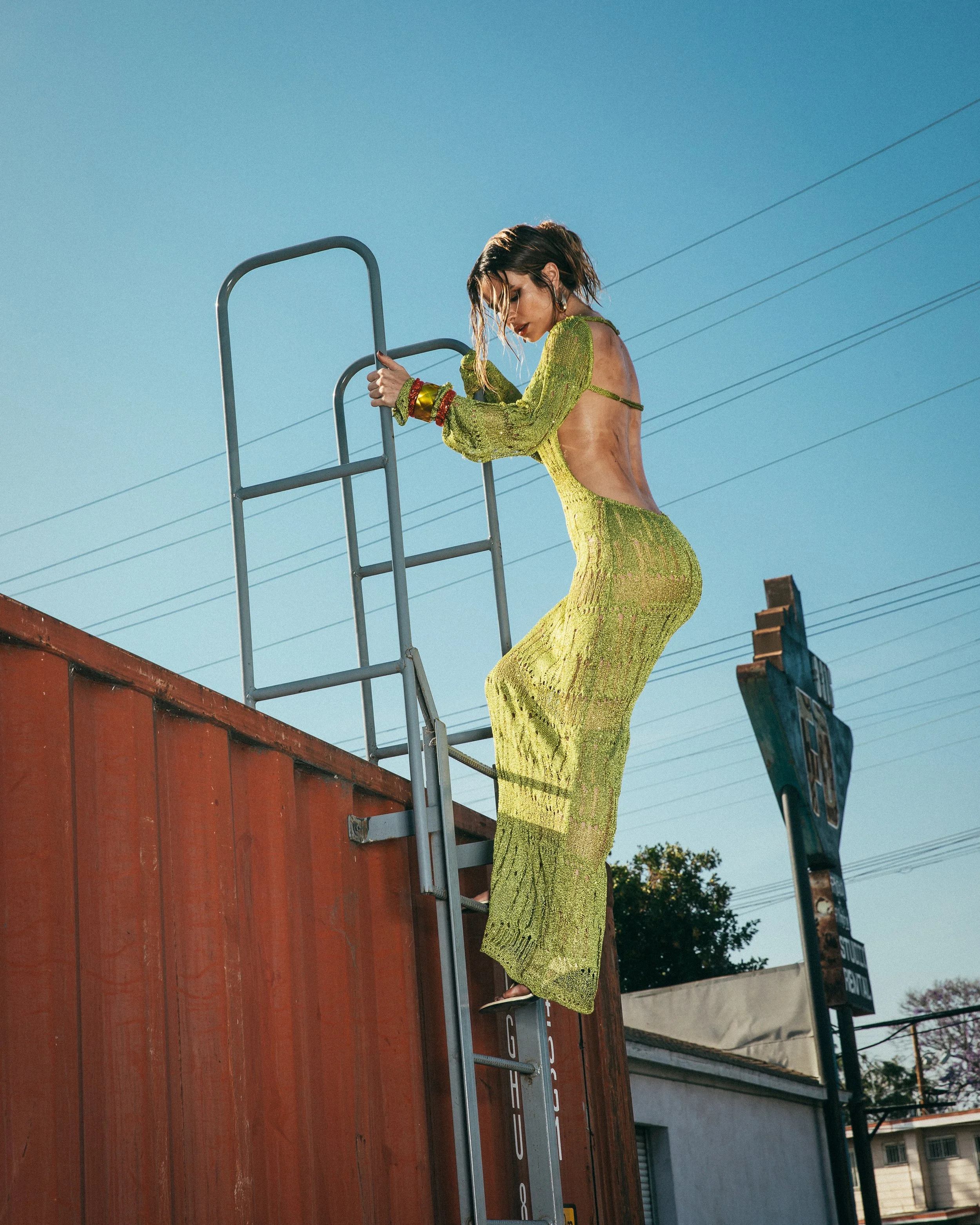
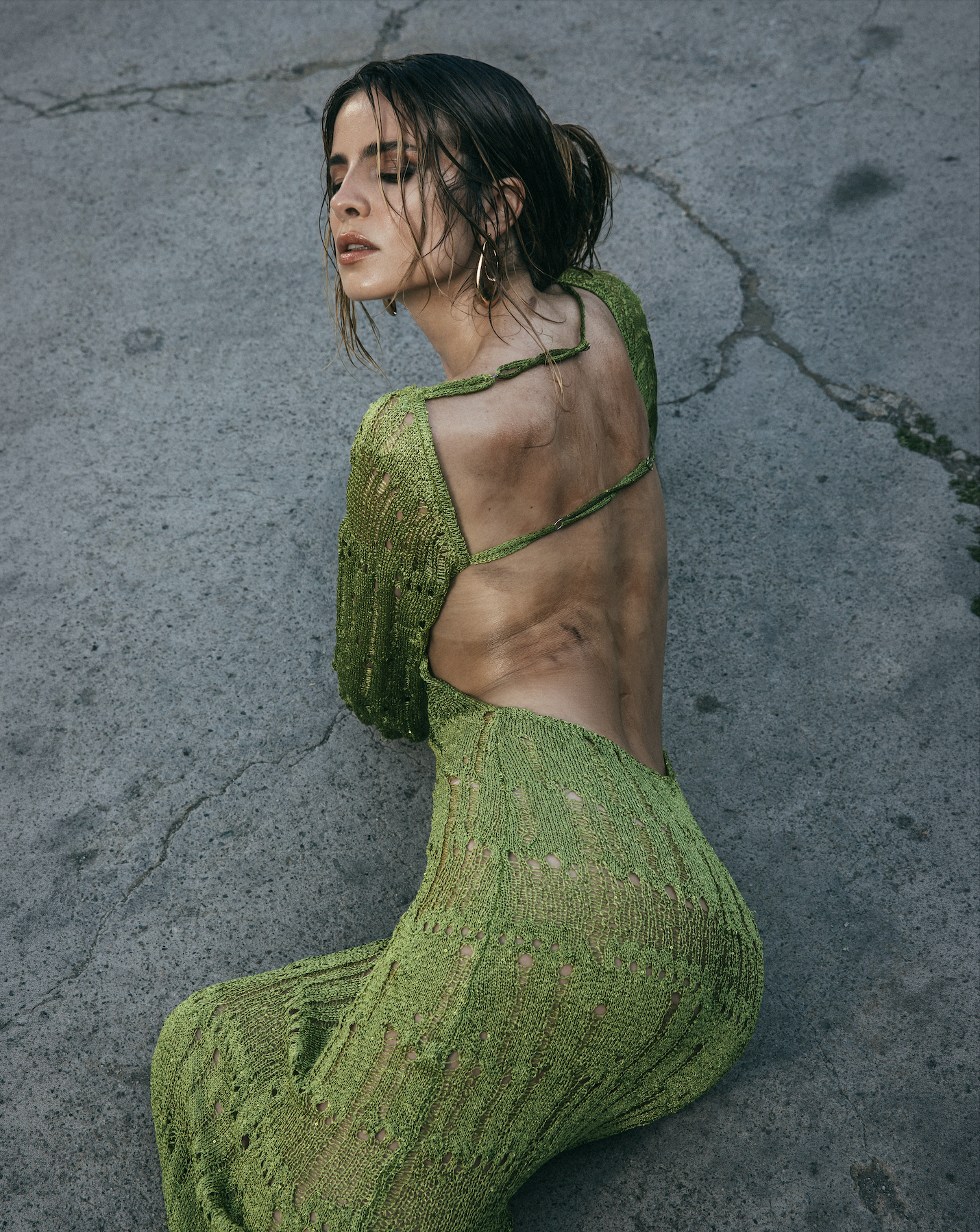
dress LULU’S
earrings JENNY BIRD
bangles VINTAGE
shoes ALOHAS
Songs like bye bye bahia, delícia proibida, and fool for love all feel emotionally distinct. What themes kept coming back to you while making this album?
Love in all its forms, growing up, and what it actually means to become who you are. Some songs are about romantic love, some about desire, some about relationships that ended and left you confused because you still cared. The thread connecting all of them is brutal honesty. They're stories I gathered over the course of nearly a decade; they're all the themes of my coming-of-age story wrapped into one project. I find that the more specific and true something is, the more universal it becomes.
You've already built a huge audience in Brazil and beyond, but this project feels especially global. Did making music in three languages change the way you think about your audience?
It made me stop thinking about "audiences" as separate groups and start thinking about people as people. Someone in Mexico might connect with a Portuguese song because of the feeling in it, not because of the words. Someone in the US might fall in love with a Spanish track even if they don't speak the language. Music crosses before language does. What changed for me is that I stopped trying to translate myself for different markets and just decided to be all of myself at once. The right people will find the right songs.
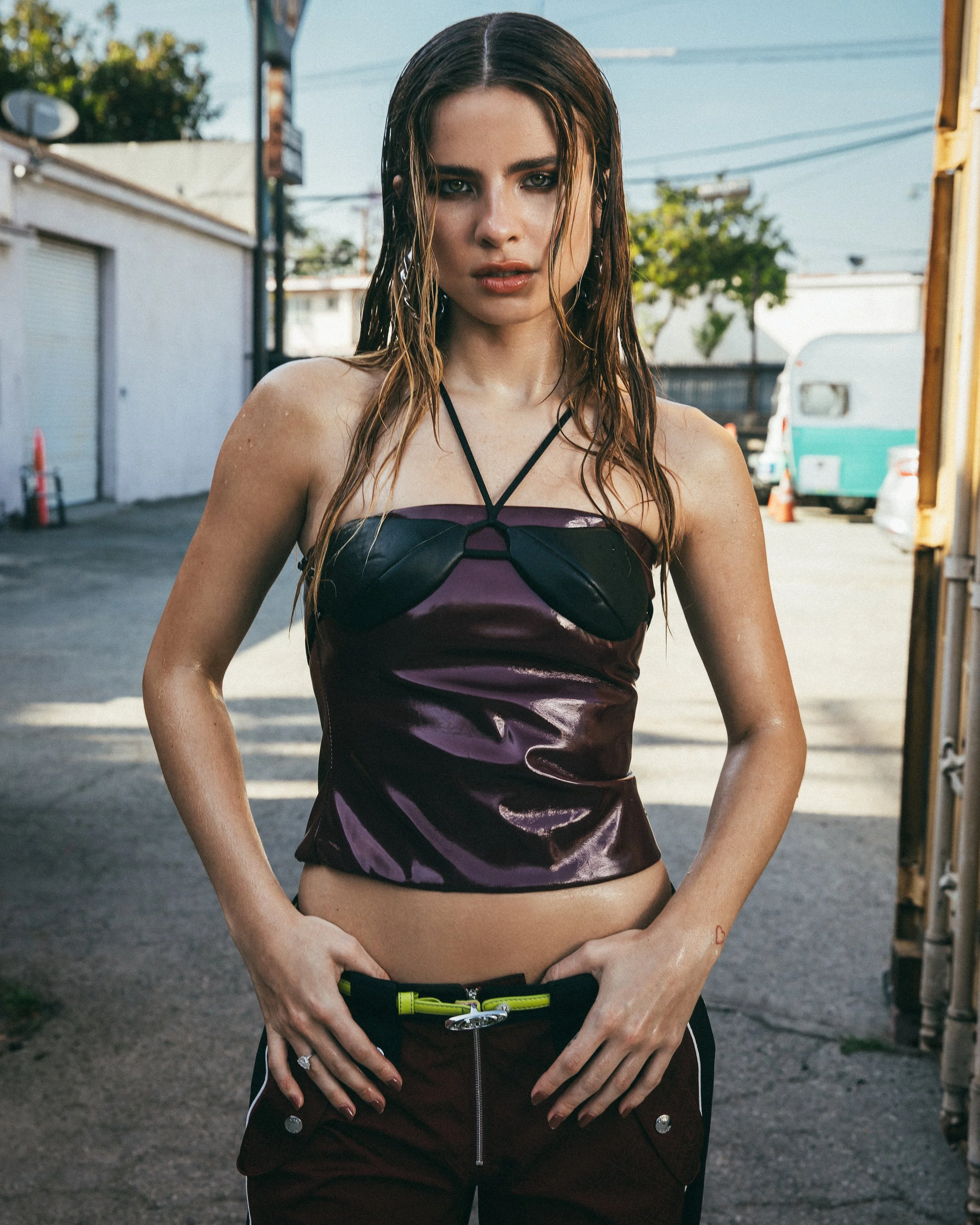
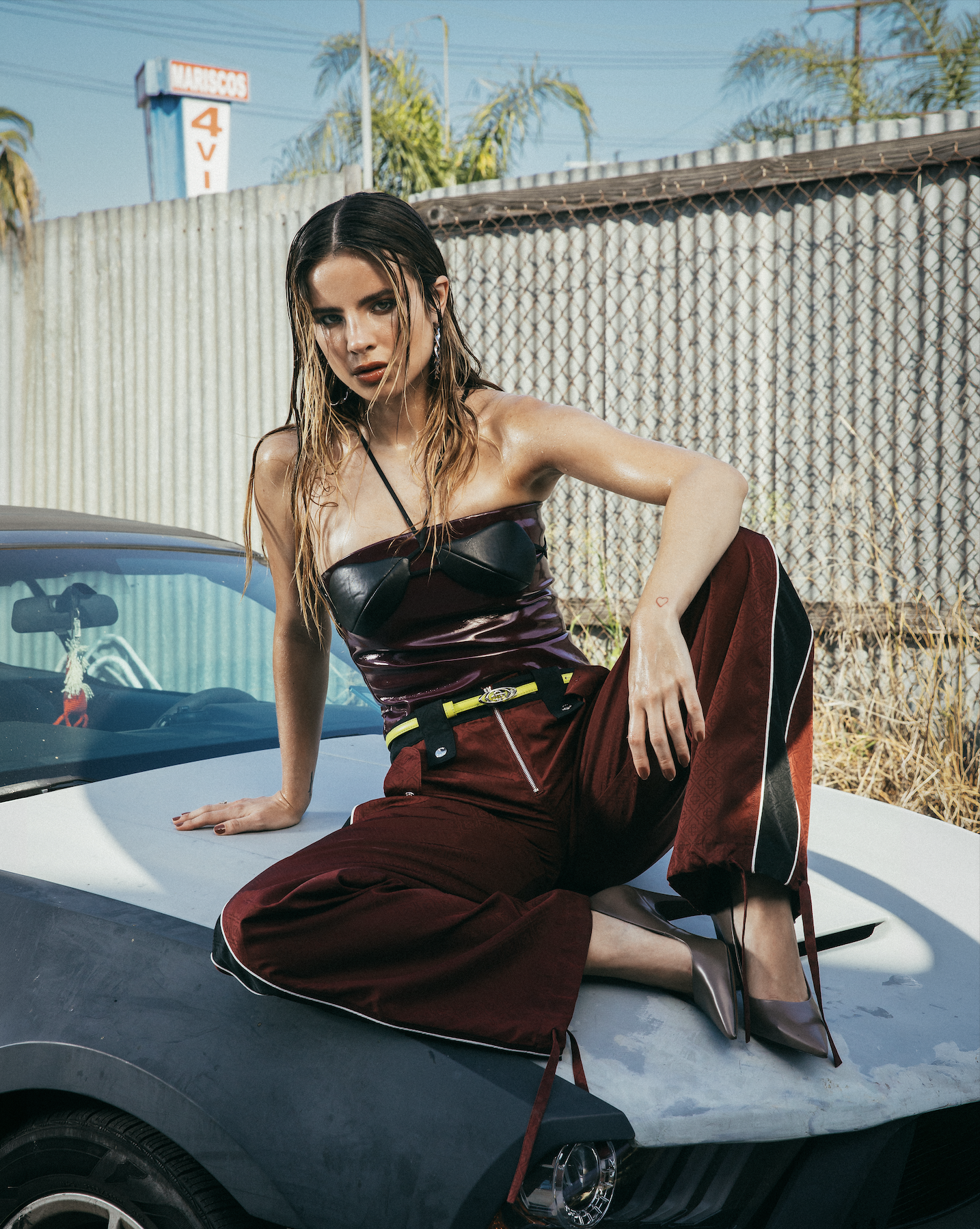
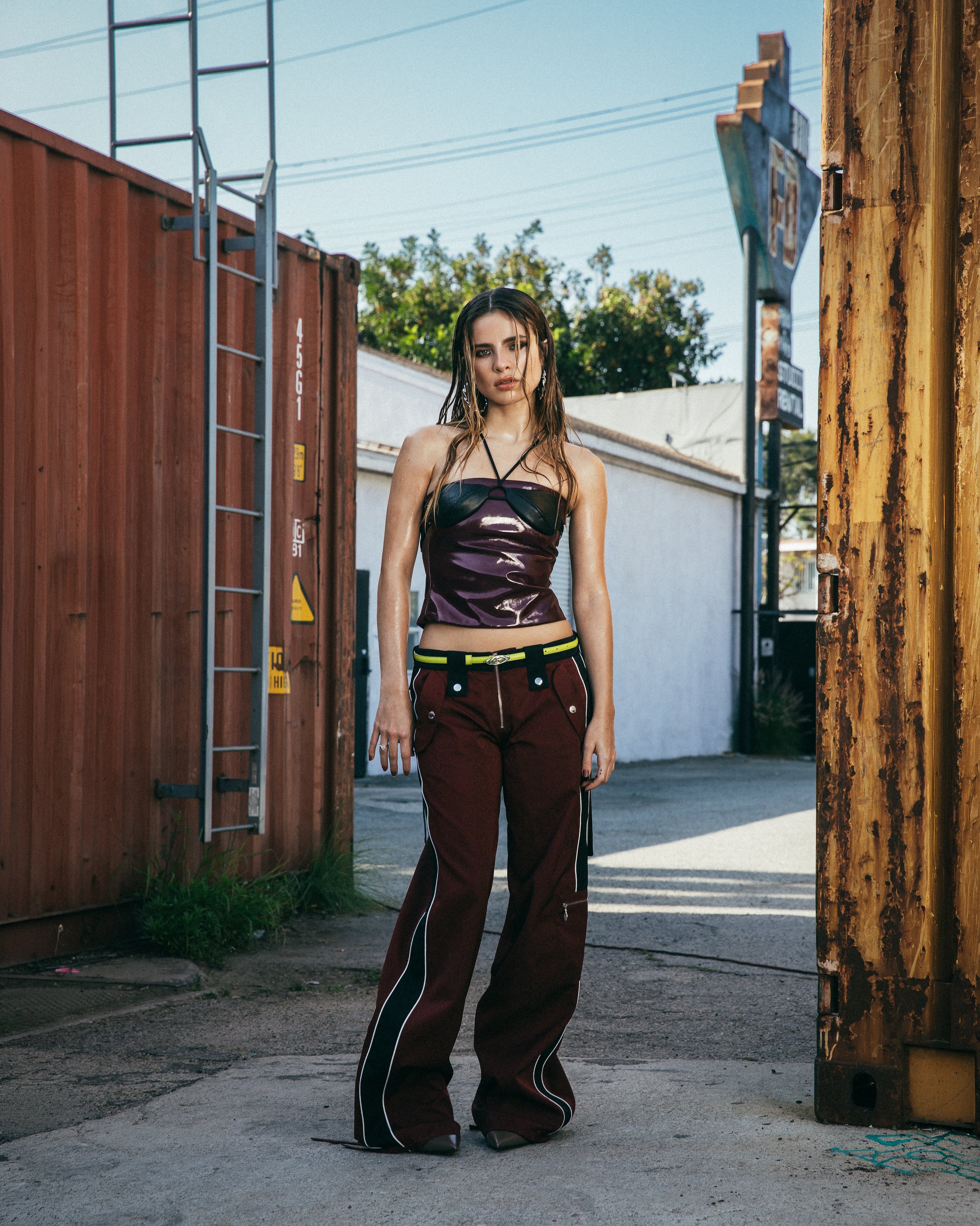
bra and top CULTNAKED
pants and belt CASABLANCA
shoes FRANCO SARTO
earrings CULT GAIA
Your music has always balanced vulnerability with strong pop production. How do you decide how much of your personal life to reveal in your songs?
If writing becomes hard when I'm sitting at the piano, and I can't conjure up the right words, that's usually the signal that there's something worth saying. The resistance is the indicator. I've learned to lean into that discomfort instead of avoiding it. As for how much to reveal, I think the most personal songs are often the best. When you say something very specific and true about your own experience, people recognise themselves in it. That's the magic of songwriting. I'd rather say one real thing than ten safe things.
You became the first Brazilian artist of your generation to sign a global deal with Sony Music. How has that changed the scale or possibilities of your career?
It changed everything in terms of reach and resources, but what matters most to me is that it gave me the space to do exactly this 21-song trilingual project with 21 videos. That kind of ambition needs a team that believes in it. I had a five-hour meeting with Afo Verde, the president of Sony Music Latin, and he didn't just get the idea, he pushed it further. That kind of partnership is rare. I went from choosing which version of myself to present to being able to present all of them at once. That's freedom for any artist and a long-awaited catharsis for this one.
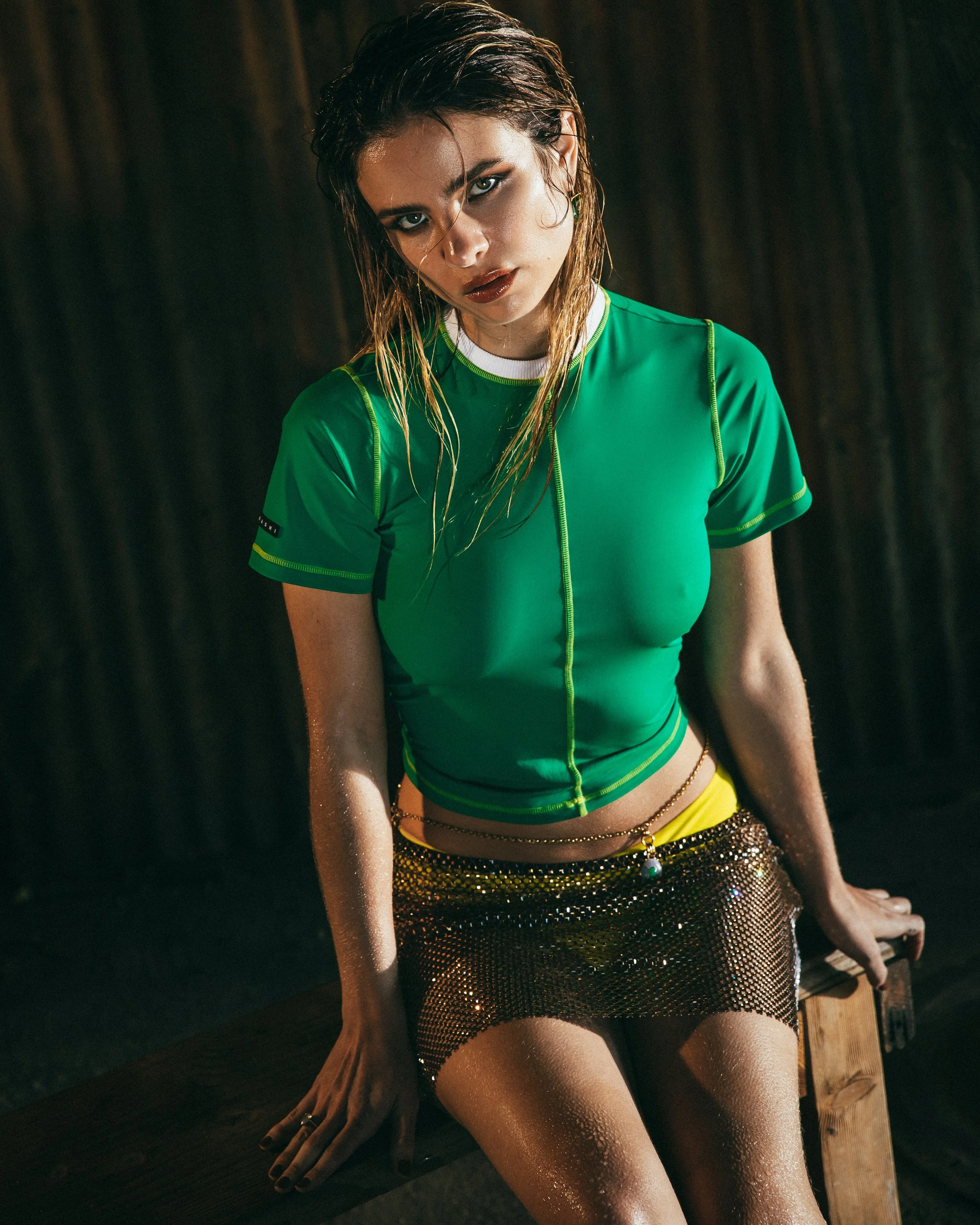
top and bikini RASHI
skirt CULTNAKED
shoes BOTTEGA VENETA
earrings and waist chain LIZZY FORTUNATO
You've had success as both a musician and an actress. Do acting and songwriting influence each other creatively for you?
Before being a singer or an actress, I'm a storyteller. Acting taught me how to inhabit a perspective that isn't mine, which made me a better songwriter. And songwriting gave me an emotional depth that I bring to every character I play. They feed each other constantly. I have an insane passion for both and a desire to constantly grow and improve in those realms.
With As Dez Vantagens de Morrer Depois de Você, I wrote the song "te olhando daqui" for the film. It's literally the voice of my character Julia after she's gone, a love letter to her best friend. That wouldn't exist without both sides of who I am as an artist. The same goes for Depois do Universo. I wrote "Beyond the Universe" from my character Nina's point of view, and the song is named after the film. Watch it on Netflix!
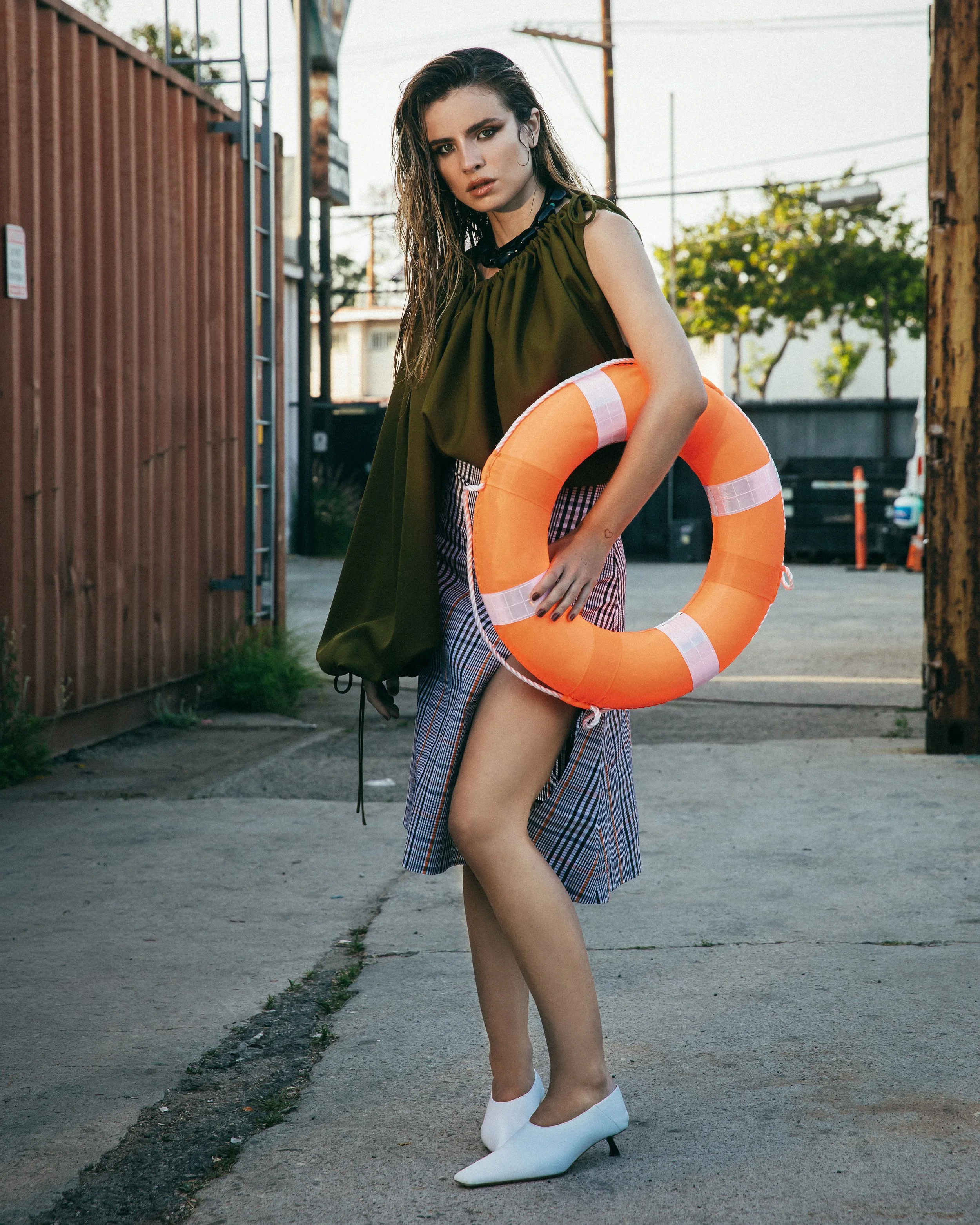
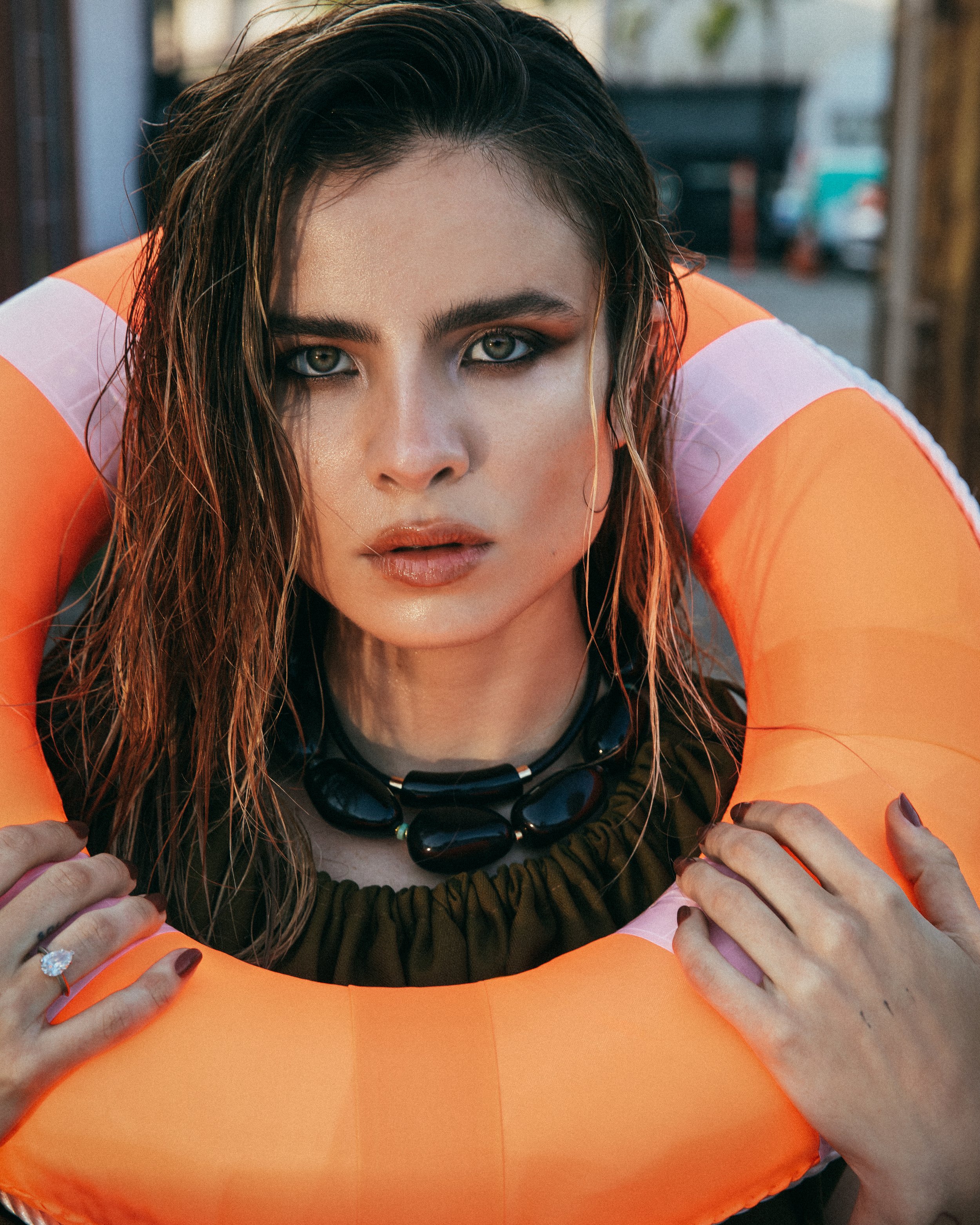
top and skirt AWAKE MODE
shoes SPORTMAX
necklaces LIZZY FORTUNATO
Looking back at songs like menina solta and (não) era amor, do you feel your relationship with fame and public attention has changed over the years?
When I was younger, I put on a mask of strength, like, "This doesn't affect me," when of course it did. I was very hard on myself, harder than I needed to be. The public eye arrived fast, and I wasn't fully ready for it. Today, I look back at that girl with a lot of tenderness and pride. She was navigating something enormous without a roadmap.
What changed is that I stopped trying to be someone people wouldn't criticise and started making the things I actually believe in. You can't control what people say, but you can control whether you're proud of what you made. I'm proud to be ambitious and know that scrutiny is an inevitable part of success. Every artist, actor, entrepreneur, or leader I've ever looked up to went through a season where people doubted them. So if it happens to me too, I take it as a sign that I'm playing a game worth playing. Nobody gets to do something meaningful without attracting a little resistance along the way.
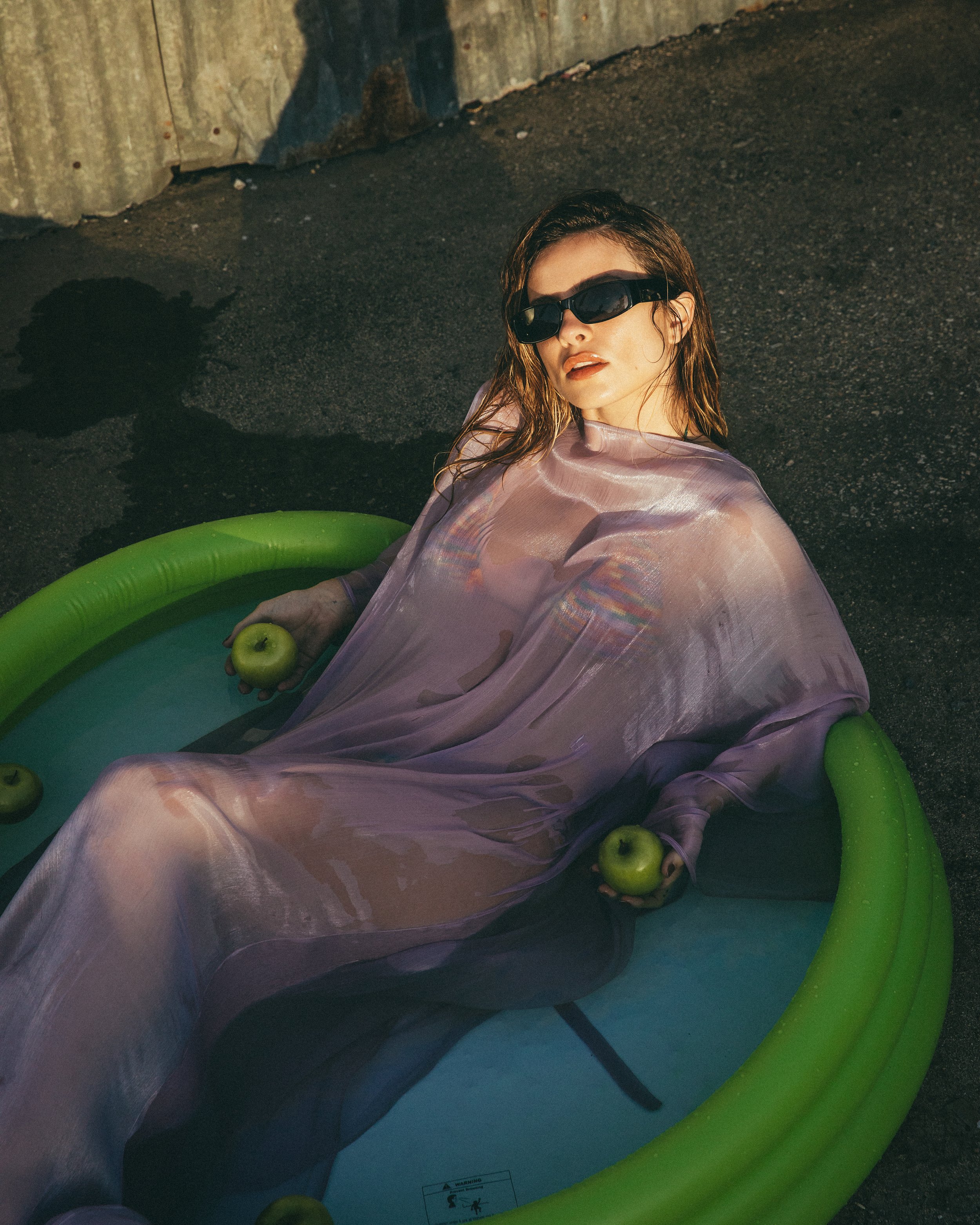
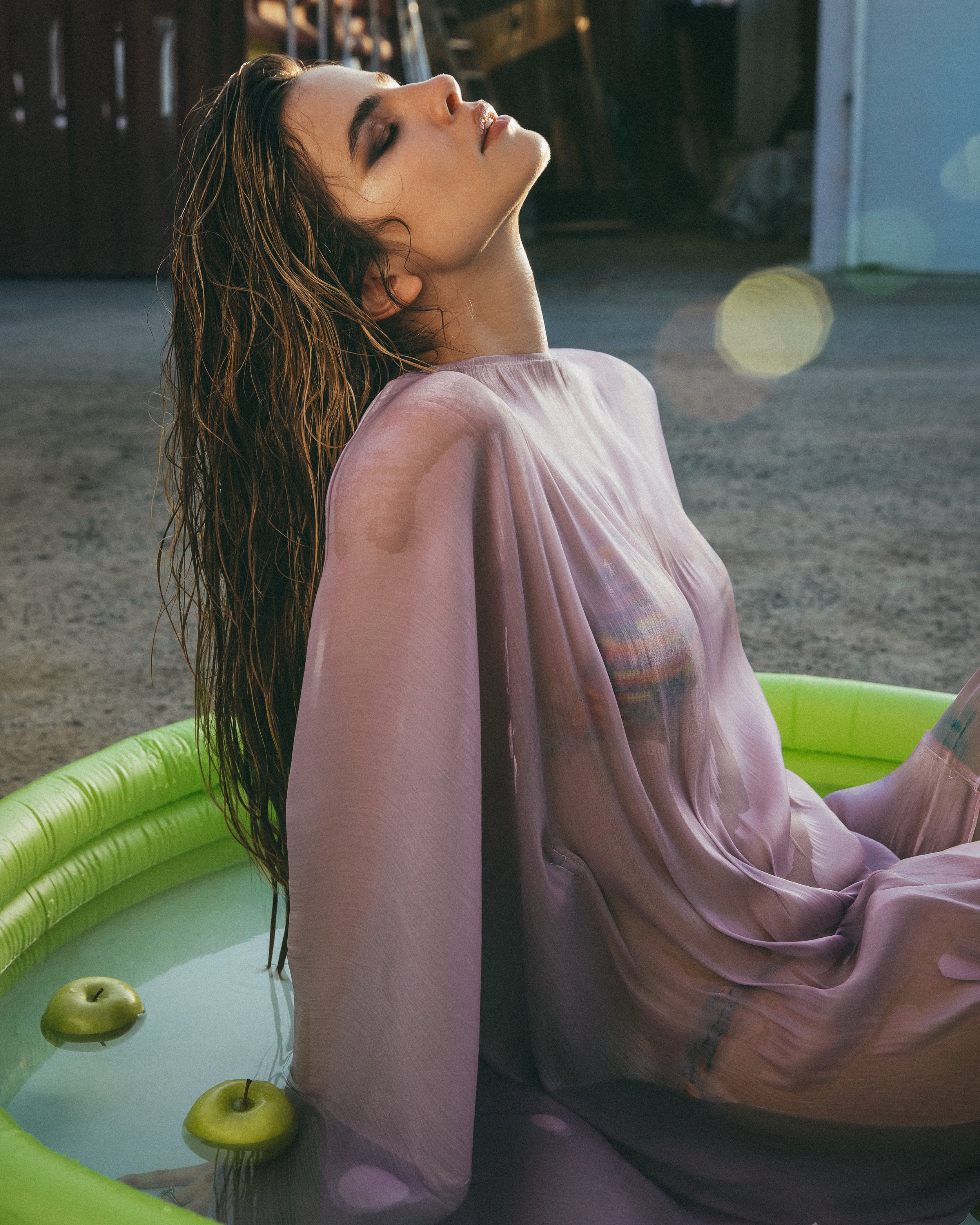
dress ESMÉ
shoes LIFESTRIDE
glasses PRADA
This self-titled project feels very intentional, almost like a statement of identity. At this point in your career, what does GIULIA BE represent to you now?
It's the first time I've felt completely like myself, not a version of myself that fits a certain expectation. There's something very freeing about naming an album after yourself. It's a declaration: "This is who I am, this is what I'm capable of, and I'm not shrinking any part of it to make it easier to digest."
Every song in this project comes from a real place: my own experiences, stories people shared with me, moments I observed, feelings I borrowed from someone else's life and brought into my own universe. And I've been lucky enough to build this world alongside incredible producers and creatives who understood exactly what I was trying to say.
You could say that Giulia is officially being.
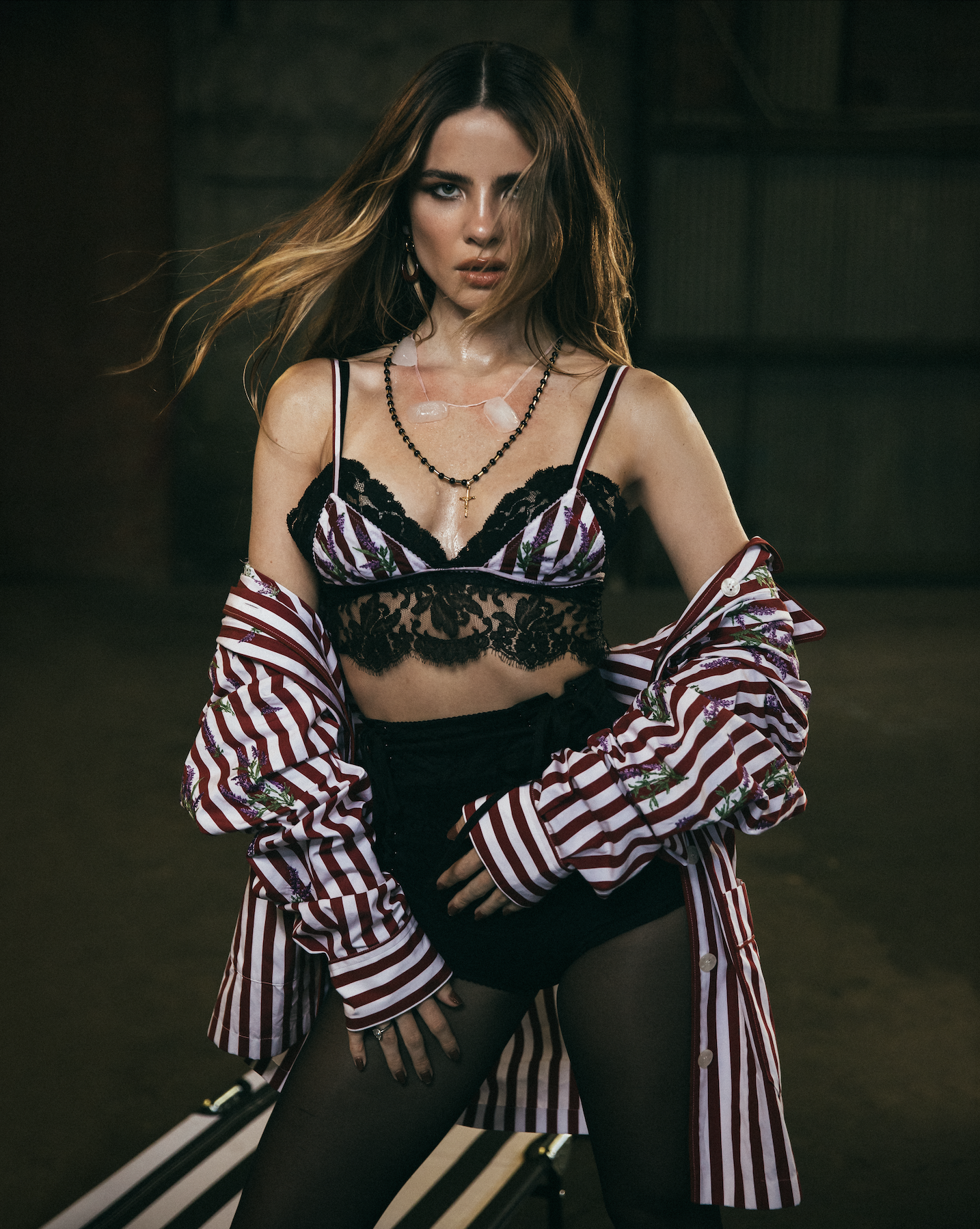
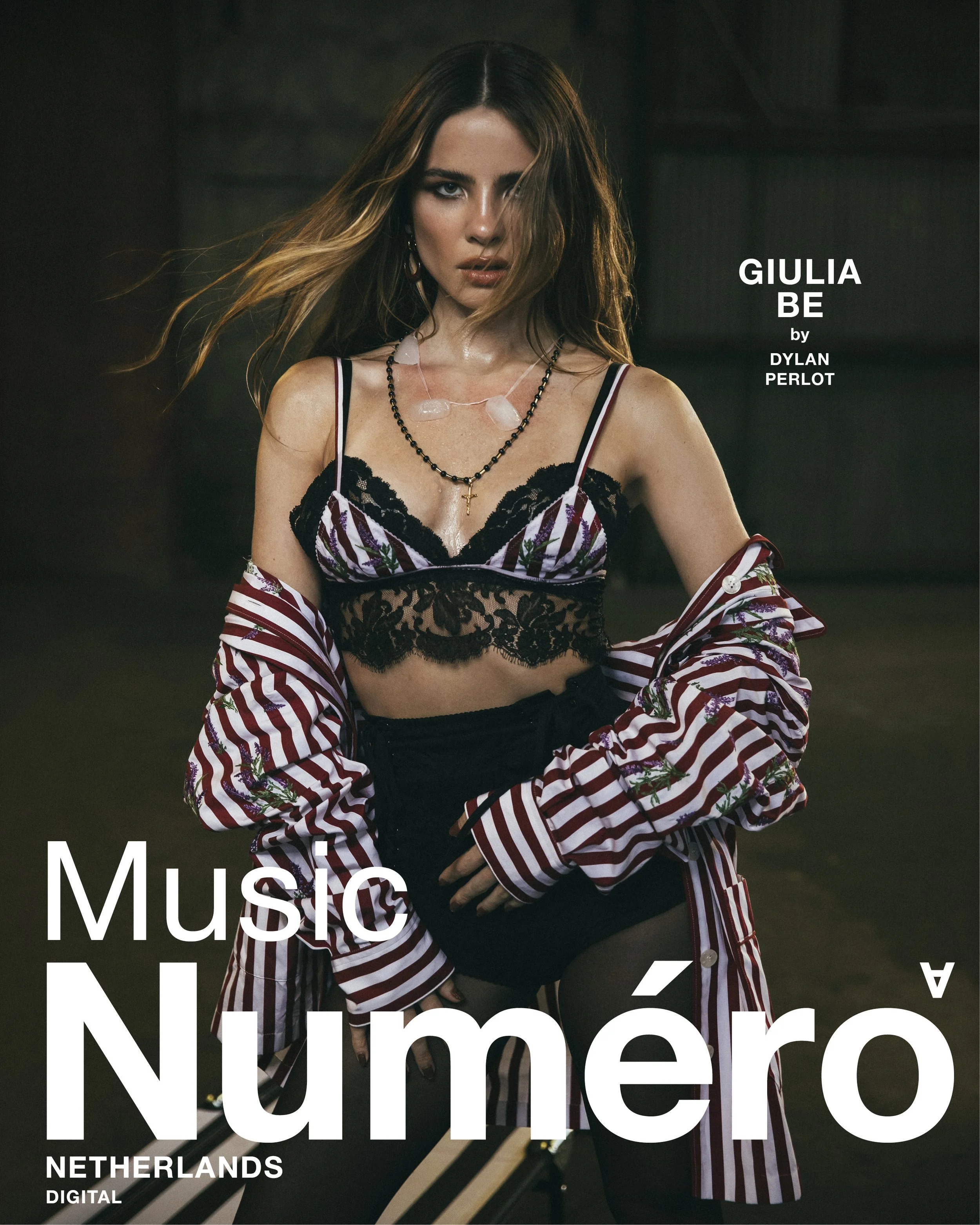
full look DOLCE & GABBANA
TEAM CREDITS:
talent GIULIA BE
photographer DYLAN PERLOT at ANOMALOUS AGENCY
stylist SOAREE COHEN at ART DEPARTMENT LA
makeup NATALIE VENTOLA using MAC COSMETICS
hair OSKAR PERA at A-FRAME AGENCY
lighting designer TALON REED COOPER
styling assistants NICOLE GRASTY & KASSIDY TAYLOR
hair assistant ZACH GABRIELYAN
studio FD PHOTO STUDIO LA
pr JORDAN FRAZES
editor TIMI LETONJA
editorial director JANA LETONJA
interview SAMO ŠAJN
cover design ARTHUR ROELOFFZEN
