
IN CONVERSATION WITH MAD DOG
Interview by Samo Šajn
DJ Mad Dog is one of the most influential names in hardcore music. With a career spanning more than 30 years, the Italian producer and DJ has helped shape the genre while staying true to the spirit of rave culture. Known for his powerful sound, which blends hardcore, hard techno and early rave influences, he continues to headline major events around the world. In 2026, he reached another milestone by becoming one of the few hardcore artists to perform on the DEFQON.1 main stage.
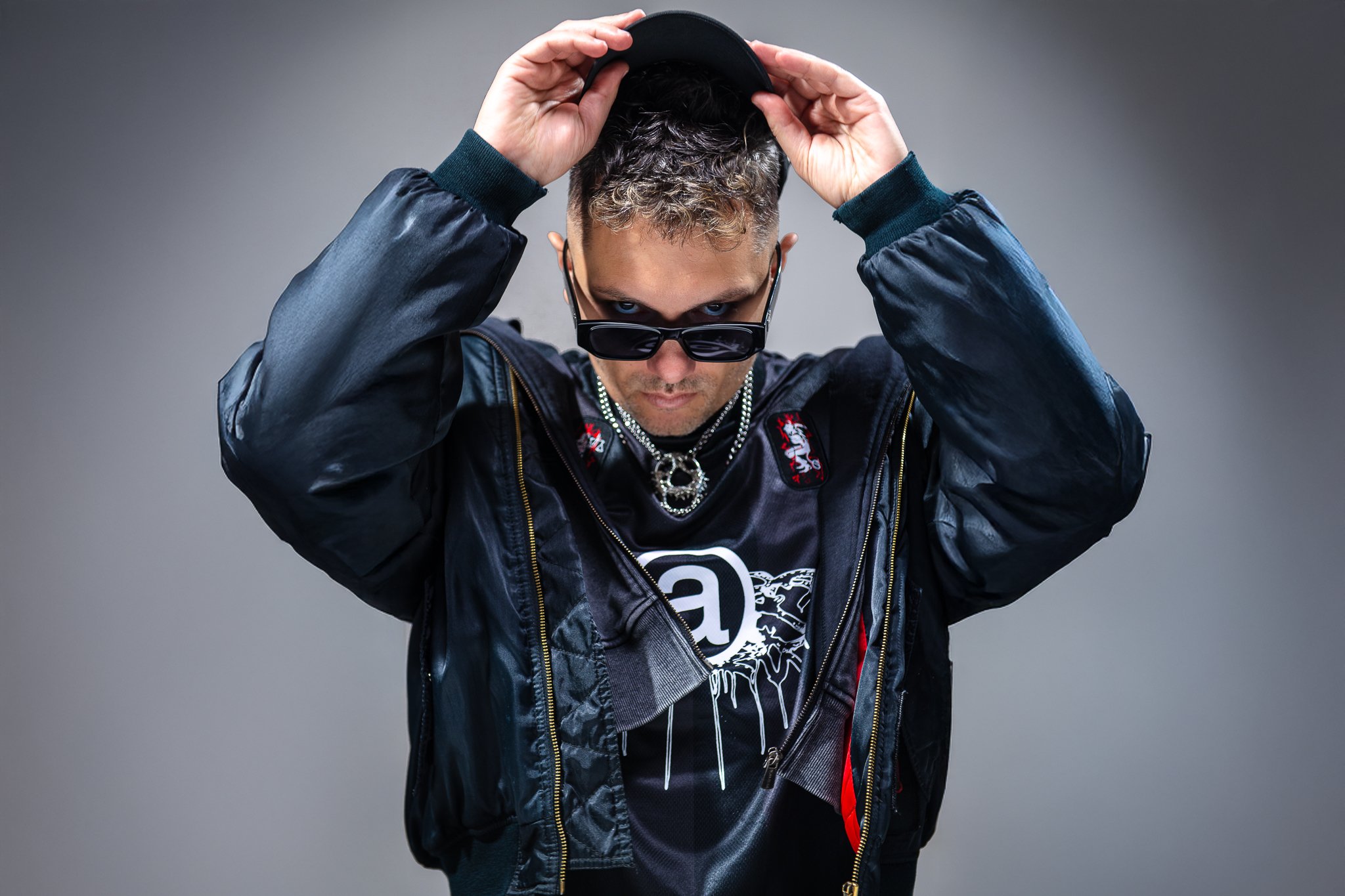
You’ve been part of the hardcore scene for more than 30 years. What still gives you the same excitement about rave culture today as it did in the 90s?
The feeling of losing control together with other people. That part never changed. In the 90s we didn’t go to raves to film stories or build a personal brand, we went there because we needed that energy. It was raw, sometimes dangerous, chaotic, emotional. Today the context is different, but when I see a crowd completely connected to the music, sweating, screaming, forgetting real life for a few hours, I still feel the same thing I felt as a teenager in Rome.
This year you’re playing the main stage at DEFQON.1, which is a huge moment for hardcore artists. What did it mean to you personally when you got that call?
It's an incredible achievement. After more than 30 years in this scene you think you’ve already experienced everything, but some moments still hit differently. The DEFQON.1 RED stage is one of those stages you grow up watching with respect. For me it’s a symbol. Especially because I come from a generation where hardcore was still considered too extreme, too underground, too aggressive for certain stages. So standing there now means a lot, not only for me personally but for the entire culture I come from.
Growing up in the Rome rave scene clearly shaped your sound. What do you think today’s generation misses, or maybe understands differently, about that era of raving?
I think people romanticize the 90s too much sometimes. It was beautiful, but also very hard. There was violence, political tension, dangerous situations, illegal parties in abandoned places, no safety net. But maybe because of that, everything felt more real and intense. You had to truly search for the music and for the scene. Today information is instant, trends move fast, and sometimes people consume rave culture more as an aesthetic than as a lifestyle. But I also think younger generations will never stop reconnecting with harder music again, and that’s something positive.
Your newer music blends hardcore, hard techno, slow gabber and downtempo elements. What pushed you towards exploring slower BPMs and more crossover sounds?
My music represents my life journey. It’s the baggage I’ve filled with all my experiences.
I’ve been doing this since I was 13 years old, so when I release a track of mine it’s always full of sounds and atmospheres that I’ve carried with me for a long time.
I also never liked the idea of repeating the same formula forever just because it works. Slower BPMs allowed me to focus more on atmosphere, tension, groove and emotion. Sometimes a slower kick can feel heavier than something at 200 BPM.
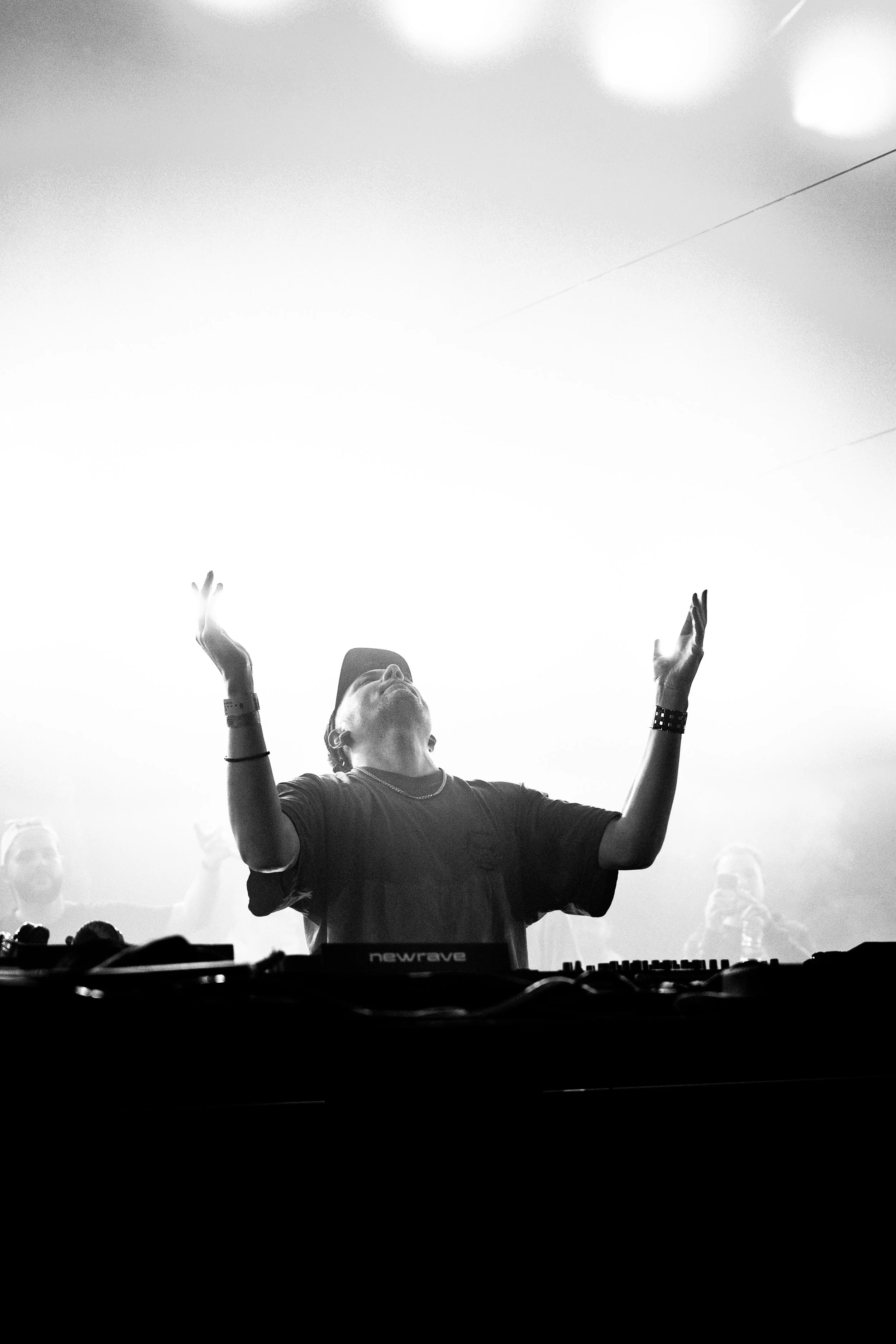
Tracks like “Energy 1996” feel deeply connected to rave nostalgia while still sounding modern. Why do you think people are reconnecting with those early rave influences right now?
Today we live in a hyper-fast culture where tracks are consumed for fifteen seconds online and forgotten a week later. I think many people miss a sort of emotional honesty. “Energy 1996” was not made as a nostalgia operation. It came naturally from my roots. Maybe that’s why people connected to it. You can feel when something comes from a real place instead of being designed by marketing.
You’ve built such a recognizable identity over the years, from the music to the visor and Mad Industries aesthetic. How important is visual identity for a DJ today?
It’s not something I ever really planned. It’s simply my way of being, my way of living, and I express it through my work, which is 100% my life.
Mad Industries is another way for me to express myself artistically. For years I underestimated merchandising, thinking it was enough to just print a logo and a few slogans. But in recent years I’ve been having a lot of fun creating complete stylistic concepts together with my team.
We also started releasing handmade jewelry, and soon we’ll release women’s earrings as well, together with other pieces we created over the years. Unique, limited and handmade pieces, not made in China. We’re trying to preserve a certain ethic by creating material that feels truly authentic.
You’ve recently collaborated with artists like Luca Agnelli, Omaks and Vieze Asbak. What do you look for in a collaboration at this stage in your career?
It always depends on the demo we manage to build together. Everything starts from there.
If the elements we put together move something inside me, then I continue with the collaboration.
Sometimes it’s also a personal challenge, trying to understand if I’m still able to work with the new generations and with their vision of the dance floor, beyond technical limits or differences in experience.
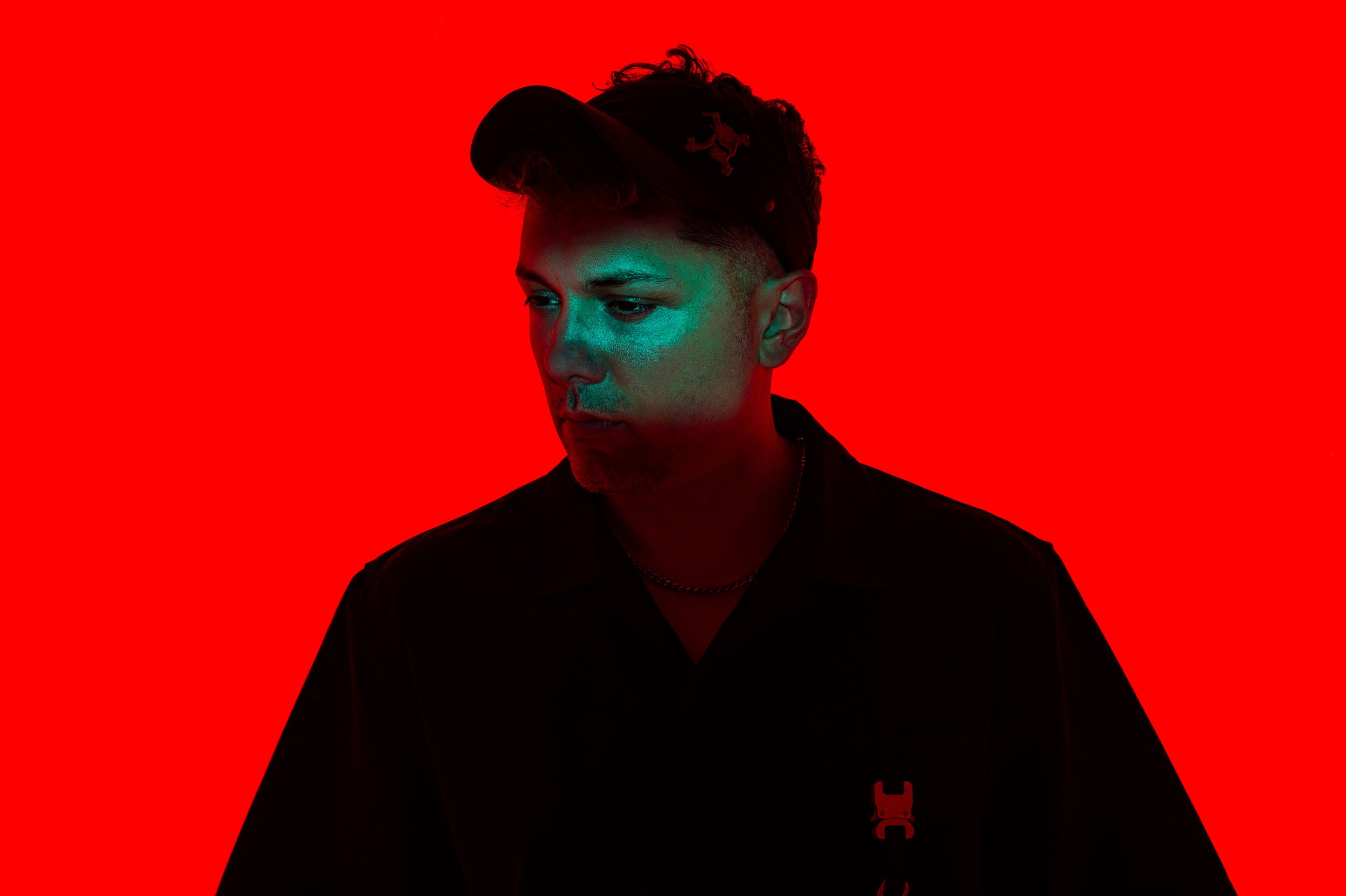
Hardcore has often stayed outside the mainstream, but now harder sounds are influencing club culture everywhere. How do you feel about this new attention on the scene?
It’s interesting because for many years harder music was treated almost like an outsider culture. Now suddenly you hear hardcore influences, gabber aesthetics and distorted kicks everywhere. Part of me is happy because some sounds we defended for decades are finally getting recognition. But at the same time I think there’s a difference between using the aesthetic of hardcore and truly understanding its spirit. Hardcore is not only about fast kicks or aggressive drops. It comes from a very specific emotional and cultural background.
After decades of touring festivals like Thunderdome, Dominator and EDC Las Vegas, what makes a crowd unforgettable for you?
The best crowds are not necessarily the biggest ones. Sometimes it’s a small dark room with low ceilings and pure chaos. I remember parties where the sound system was terrible but the energy was unbelievable. You can feel when a crowd is truly hungry for music and not just there for content or hype. Those nights stay with you forever.
You often speak about rave culture as something connected to freedom, unity and intensity. In a time where dance music feels more commercial than ever, how do you protect that original spirit?
I don’t know. I’m not the protector of rave authenticity. I can only answer for my own actions and for the choices I make every day in my work.
And it’s not guaranteed that those choices will be perceived by others in the way I would like them to be. At a certain point in my career I decided to work for myself and not to please other people.
I try to stay authentic with myself, and that’s not always easy. The scene will move forward regardless, and people will make their own choices.
