IN CONVERSATION WITH GRETA LEE
interview TIMOTEJ LETONJA
words LEANDRO DA SILVA
With The Last House, Greta Lee steps into the emotional heart of Louis Leterrier's latest thriller. Set against the backdrop of an extraordinary survival story, the film follows a family mysteriously trapped inside their own home, where dwindling resources and an unseen threat force them to confront not only the unknown beyond their walls, but also the emotional limits of love, resilience, and sacrifice.
As Anne, Lee delivers a performance defined by quiet strength rather than grand gestures. Inspired by the women in her own life, she brings warmth, compassion and unwavering determination to a character whose instinct to protect her family becomes the film's emotional anchor. At the same time, the role demanded far more than emotional vulnerability, requiring intense physical preparation that pushed the actress in unexpected ways. In our conversation, Lee reflects on the women who inspired Anne, the trust she built with Wagner Moura, and the challenges of bringing one of The Last House's most demanding performances to the screen.
all images courtesy of NETFLIX
At its heart, The Last House is about a family forced to face the unimaginable together. What was it about this story that made you want to be part of it?
For me, it was Anne. It was the character of Anne, who has such tremendous, quiet strength. She reminds me so much of all the different women in my life — my own mother, my sister — women who really hold it down for their families in this very selfless, not flashy, but quiet way.
I thought it was an amazing opportunity to pay homage to that kind of woman — to a regular mom.
As a mother faced with an unimaginable situation, your character has to balance fear with the instinct to protect her family. What interested you most about exploring that emotional journey?
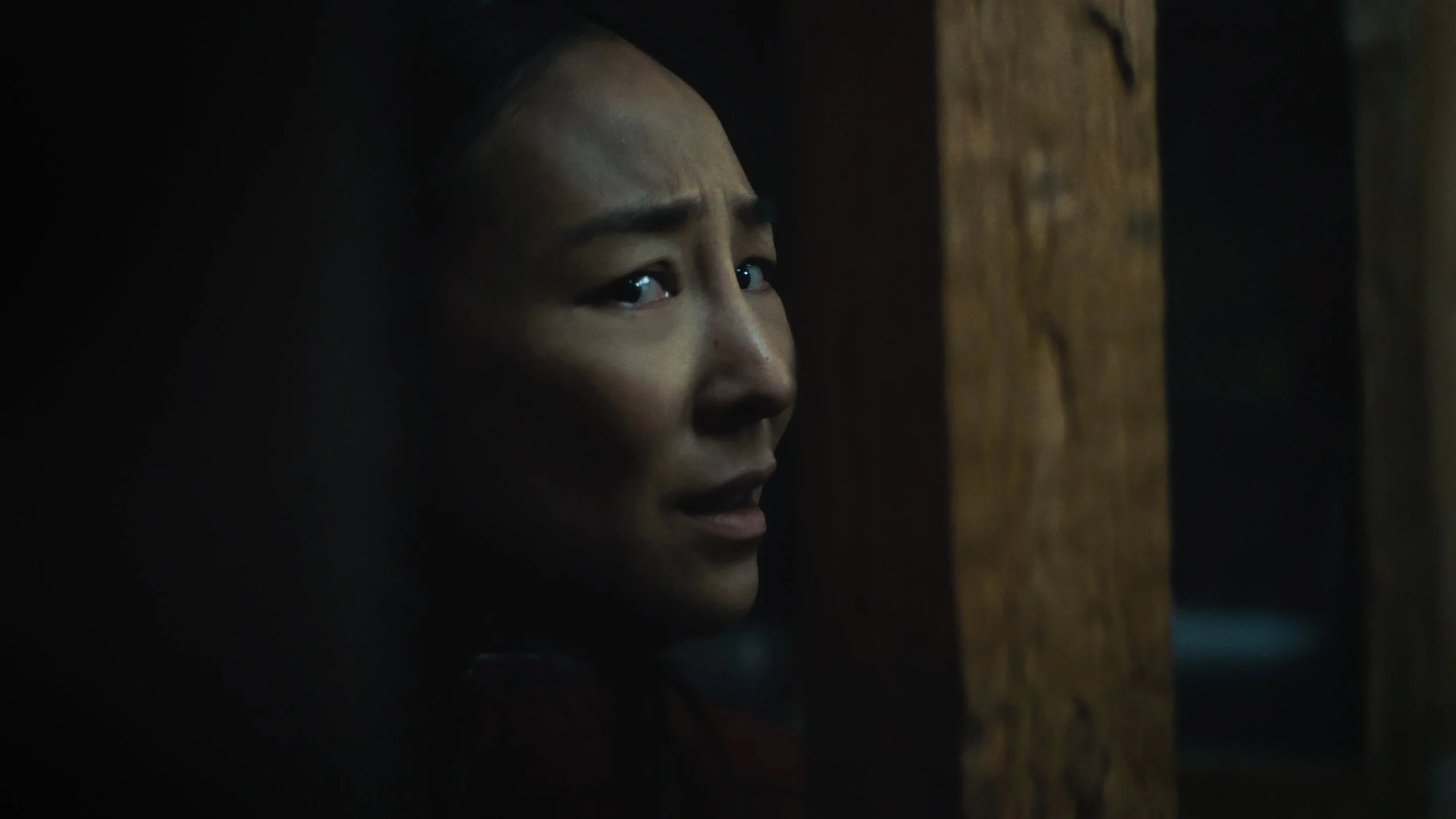
It's funny you say "emotional," because it's hard to separate the emotional from the physiological when you're in a state like this.
We were lucky enough to work with actual survivalists, people like Megan Hines, who's extraordinary. We learned so much about what happens to the human body when you're dehydrated and starving. But what happens to the mind is endlessly fascinating — and horrific.
As a parent myself, I can't imagine what it would be like to face those kinds of impossible scenarios with my own kids. It was very challenging to bring all of that into the movie and honestly portray the intricacies of what that would be like.
You and Wagner share the responsibility of portraying parents trying to hold a family together under extraordinary circumstances. What made that creative partnership work so well?
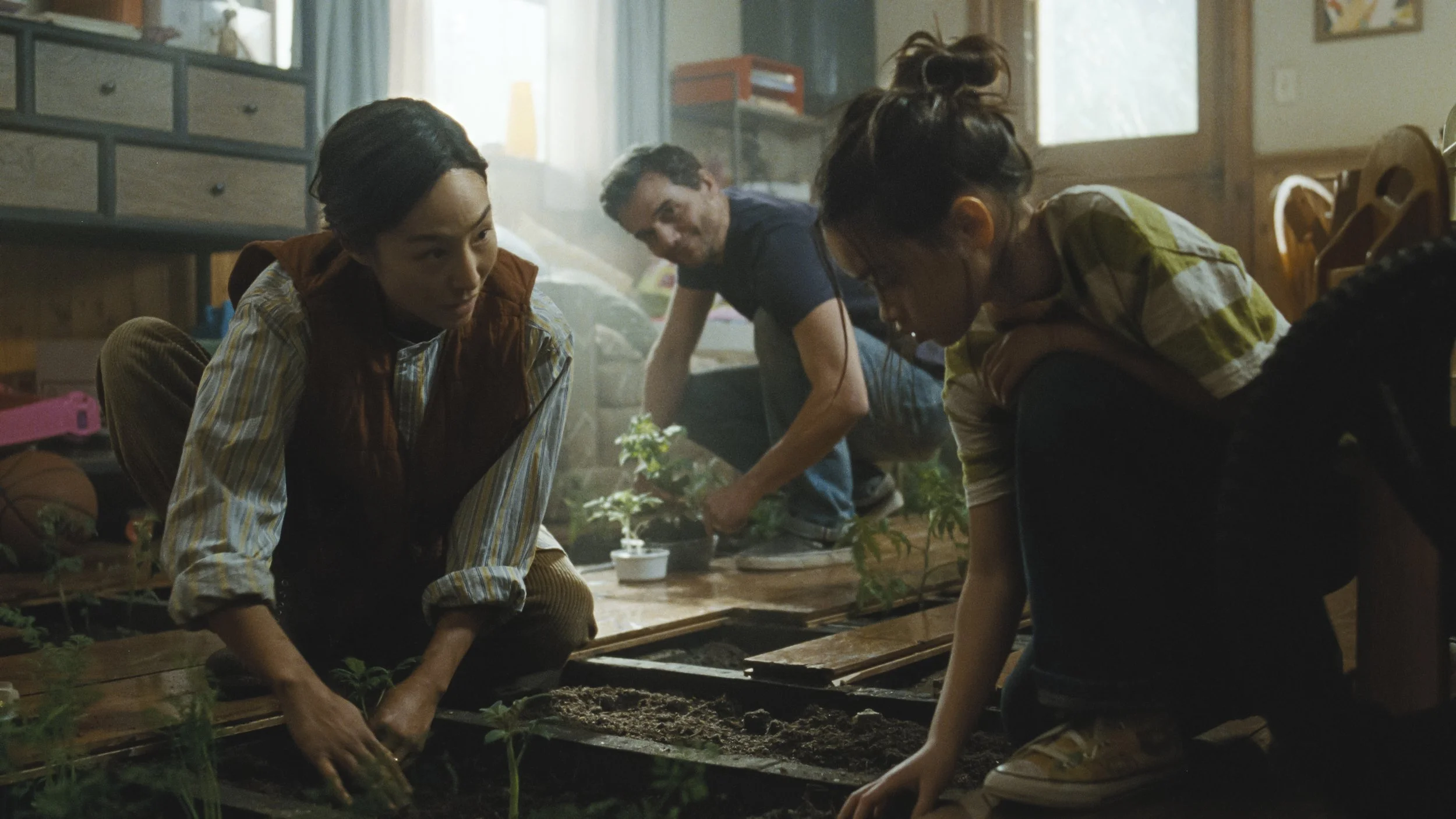
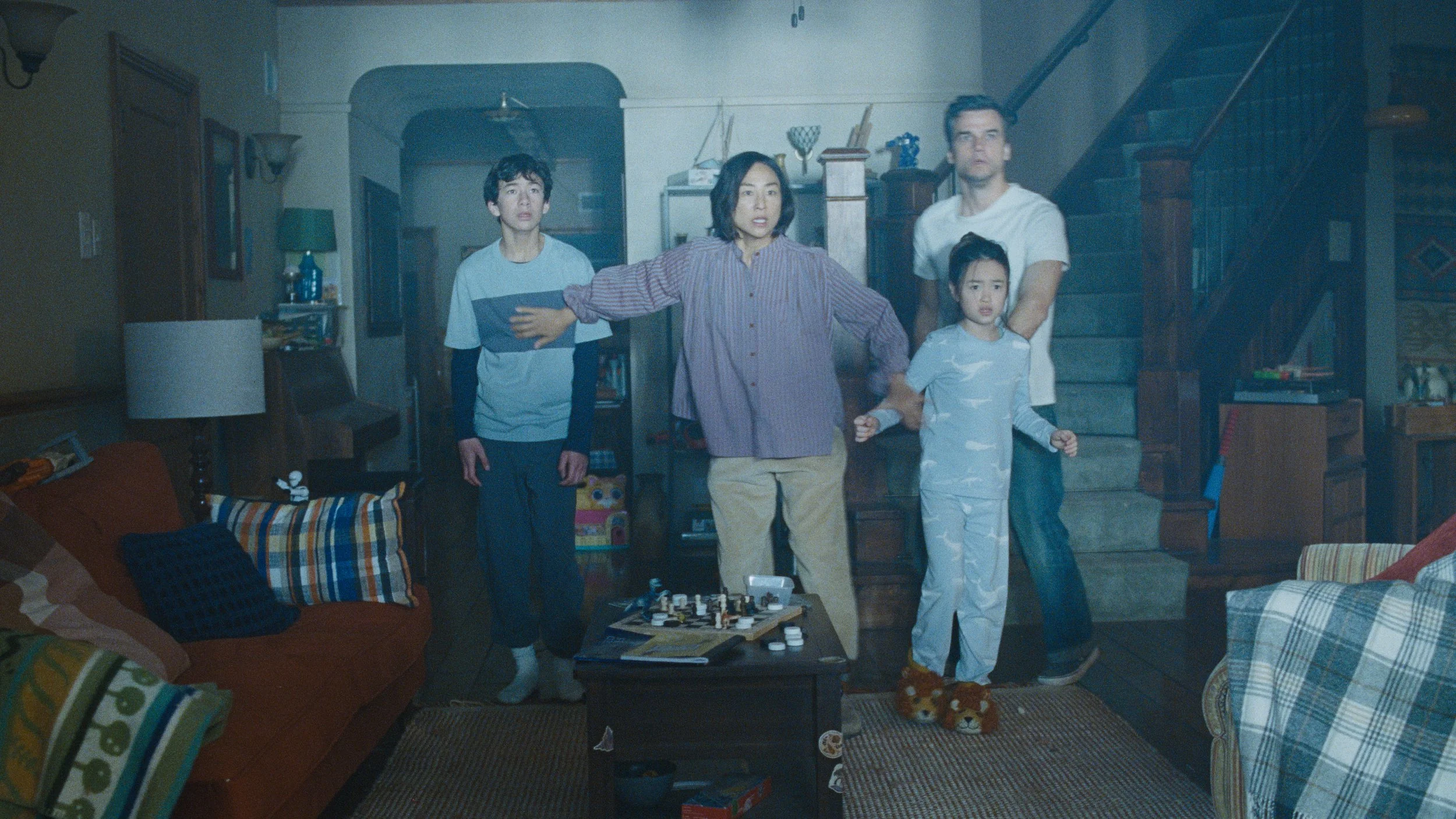
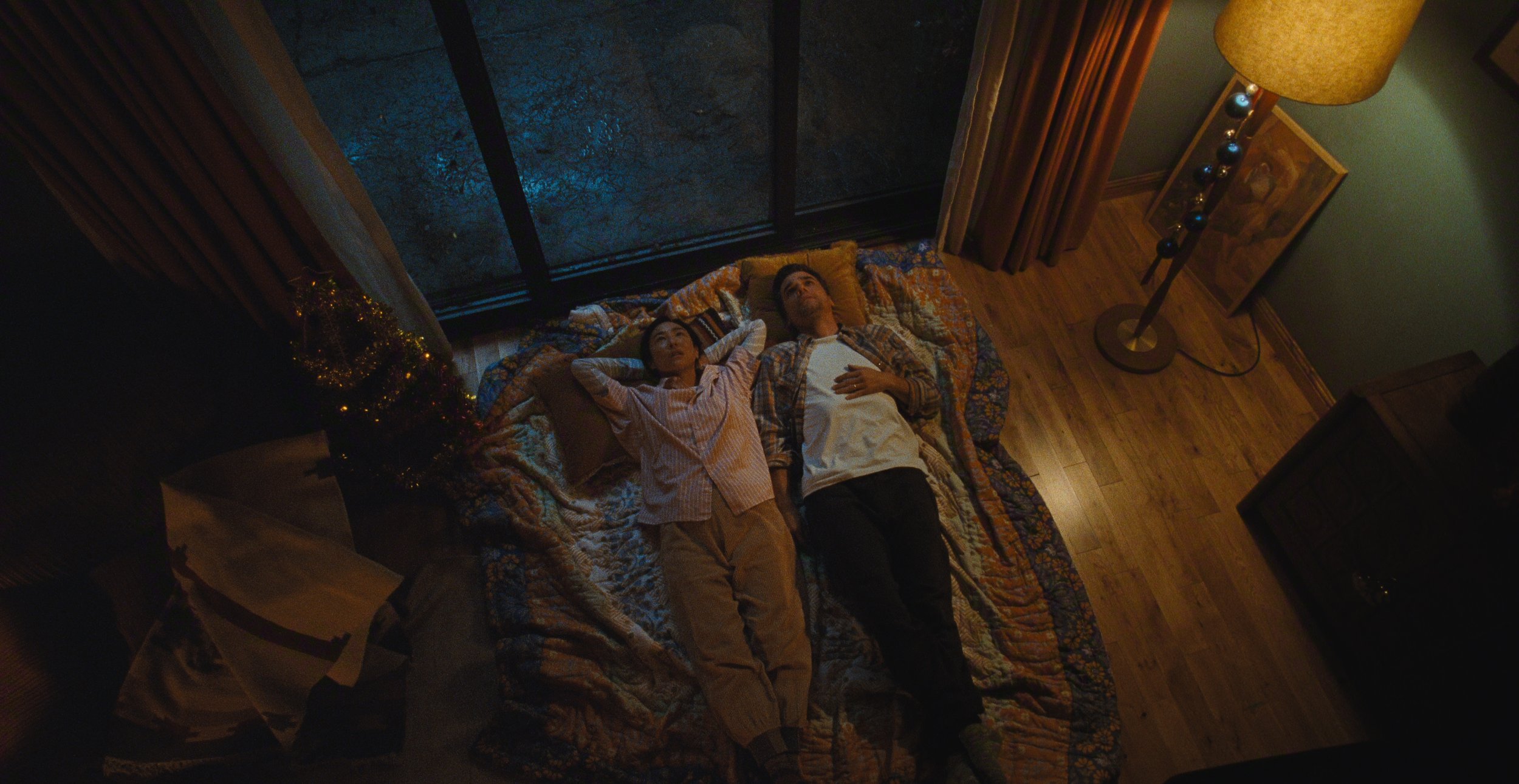
Wagner and I both felt so strongly that the family, and the marriage, are central to what allows this particular family to survive.
It wasn't that they had the most resources. We talk a lot about the idea of luck in the movie, but in the end, it's really their love for each other.
We really took that to heart. It's one of those funny things where you shake hands, meet on the first day, and decide to take the plunge together.
Louis Leterrier has built a remarkably diverse filmography over the years. What stood out to you about his directing style on this film?
When I first met Louis, I was immediately taken by his vision and his ambition for the kind of movie he wanted to make.
It's this blend of sci-fi, action, thriller, and horror — the kind of movies I loved growing up, like Poltergeist, E.T., and The Edge. Some of them also have that survivalist element.
I loved that he wanted to combine all of that with a really intimate portrayal of a family. He actually shot the first half of the film on 35mm, and I was totally up for seeing what kind of movie that could become.
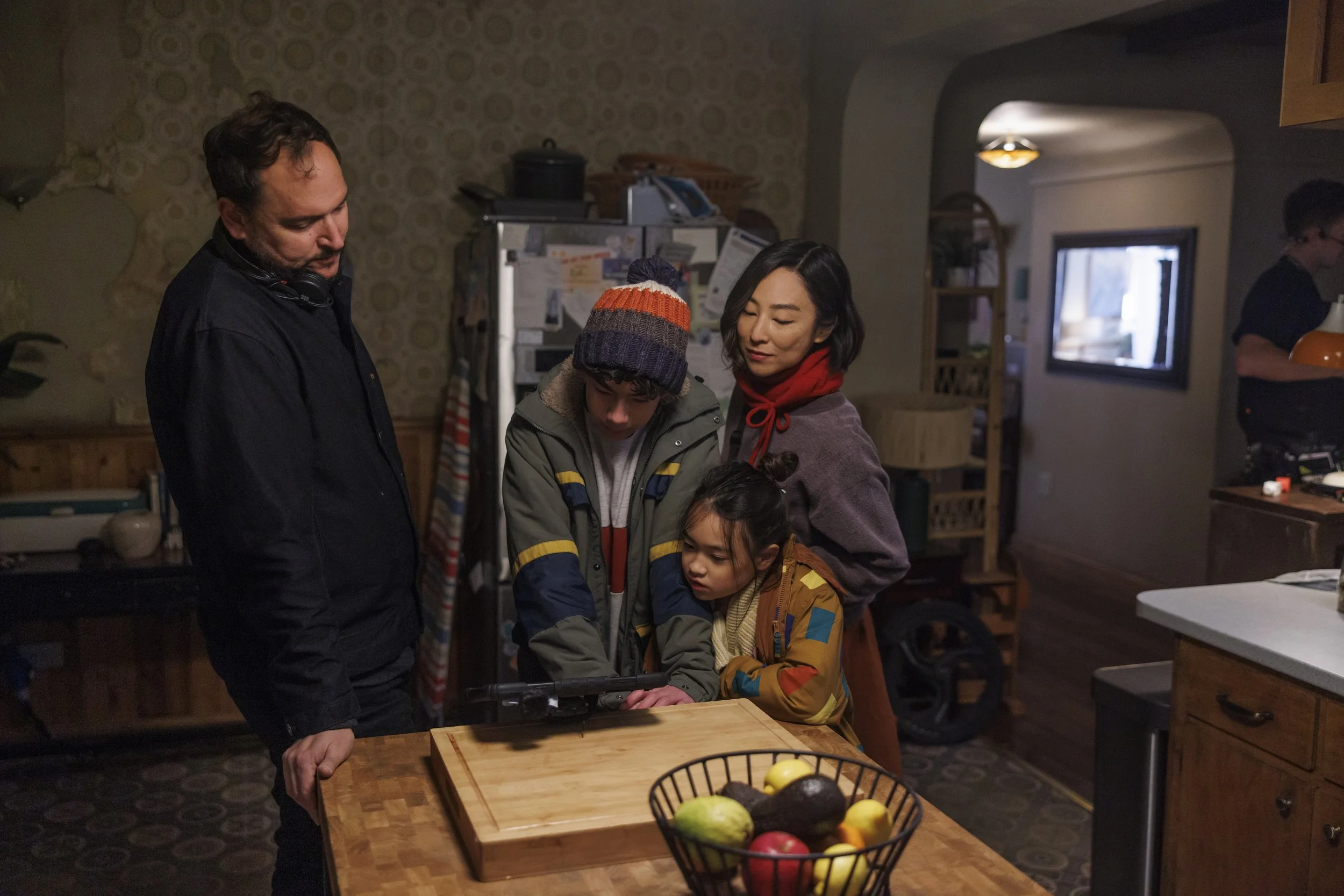
The Last House explores fear, isolation, and an unseen threat. What was it like immersing yourself in that kind of psychological atmosphere as an actor?
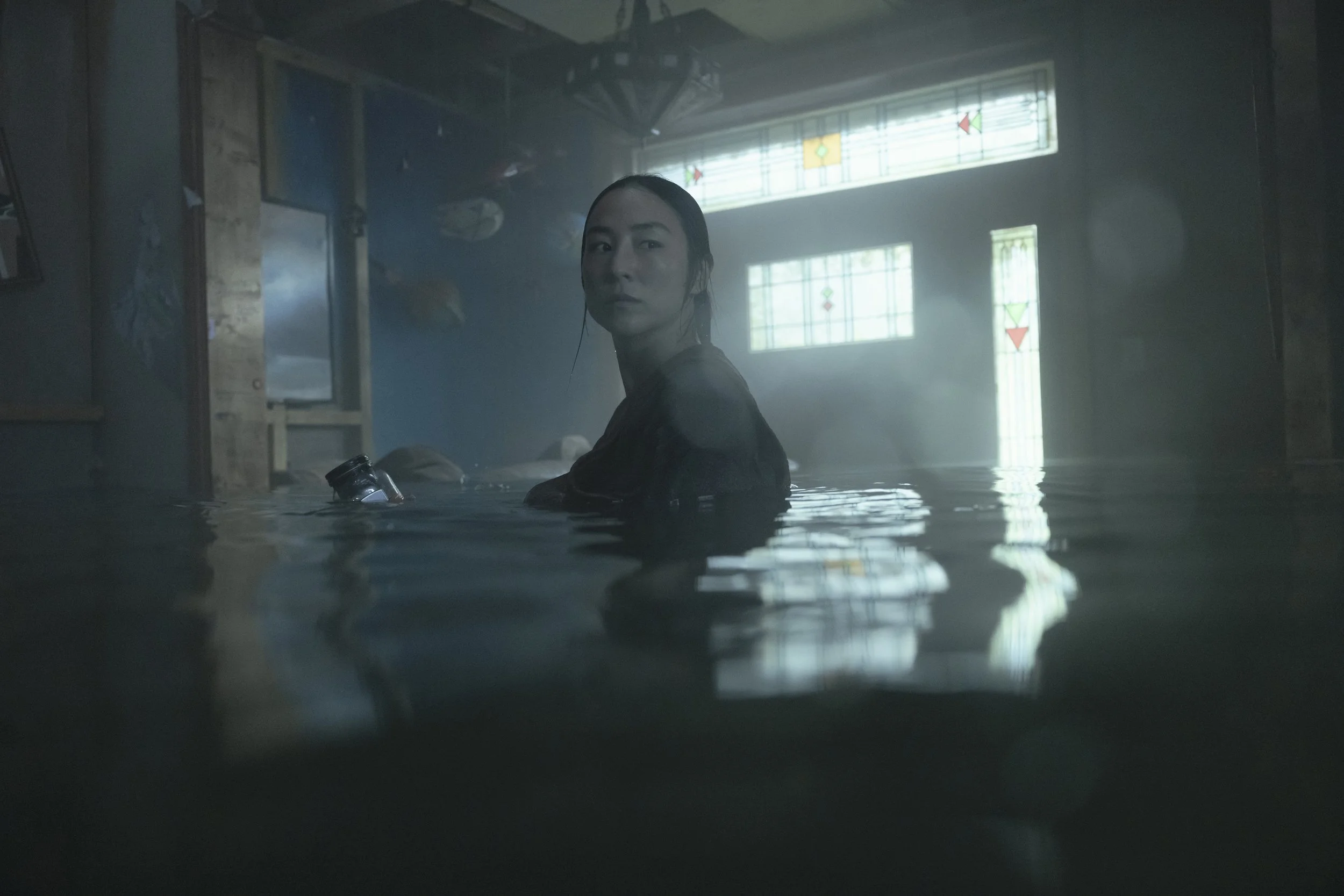
It was so challenging. Our running joke was, "One house? How hard can this be?" But it was challenging and incredibly gratifying.
I came away with a whole new set of skills and a completely new relationship with water. I'm actually a licensed commercial diver now, so if I wanted to, I could do that.
My vacations are better now because I can really dive. I spent 16-hour days in a tank, underwater, with weights. We discovered that I'm a floater, not a sinker, so not only did I have to be harnessed like everyone else, I also had to be weighted down because otherwise I'd float.
That was just another gift from the universe. "Here you go. You're welcome."