IN CONVERSATION WITH WAGNER MOURA
interview TIMOTEJ LETONJA
words LEANDRO DA SILVA
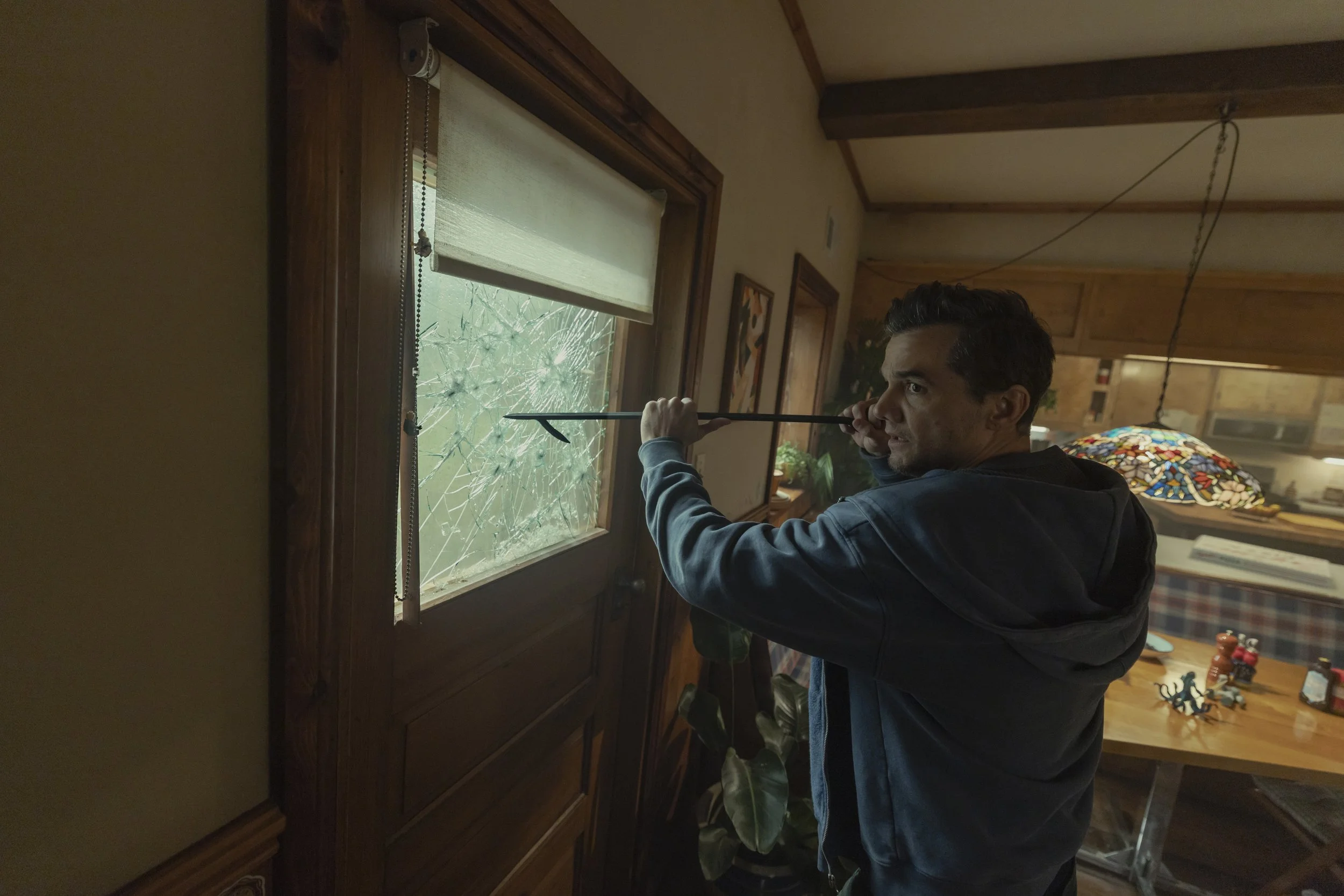
After building an impressive career across Brazilian and international productions, Wagner Moura takes on one of his most physically and emotionally demanding roles in The Last House. Directed by Louis Leterrier, the Netflix thriller follows a family mysteriously trapped inside their home, forced to confront both dwindling resources and an unknown threat beyond their walls. We spoke with Moura about the personal connection he found in the script, working alongside Greta Lee, and why the film resonated so deeply with his own experience of the pandemic.
all images courtesy of NETFLIX
You've built an impressive career across Brazilian and international productions. What was it about The Last House that made you want to be part of this project?
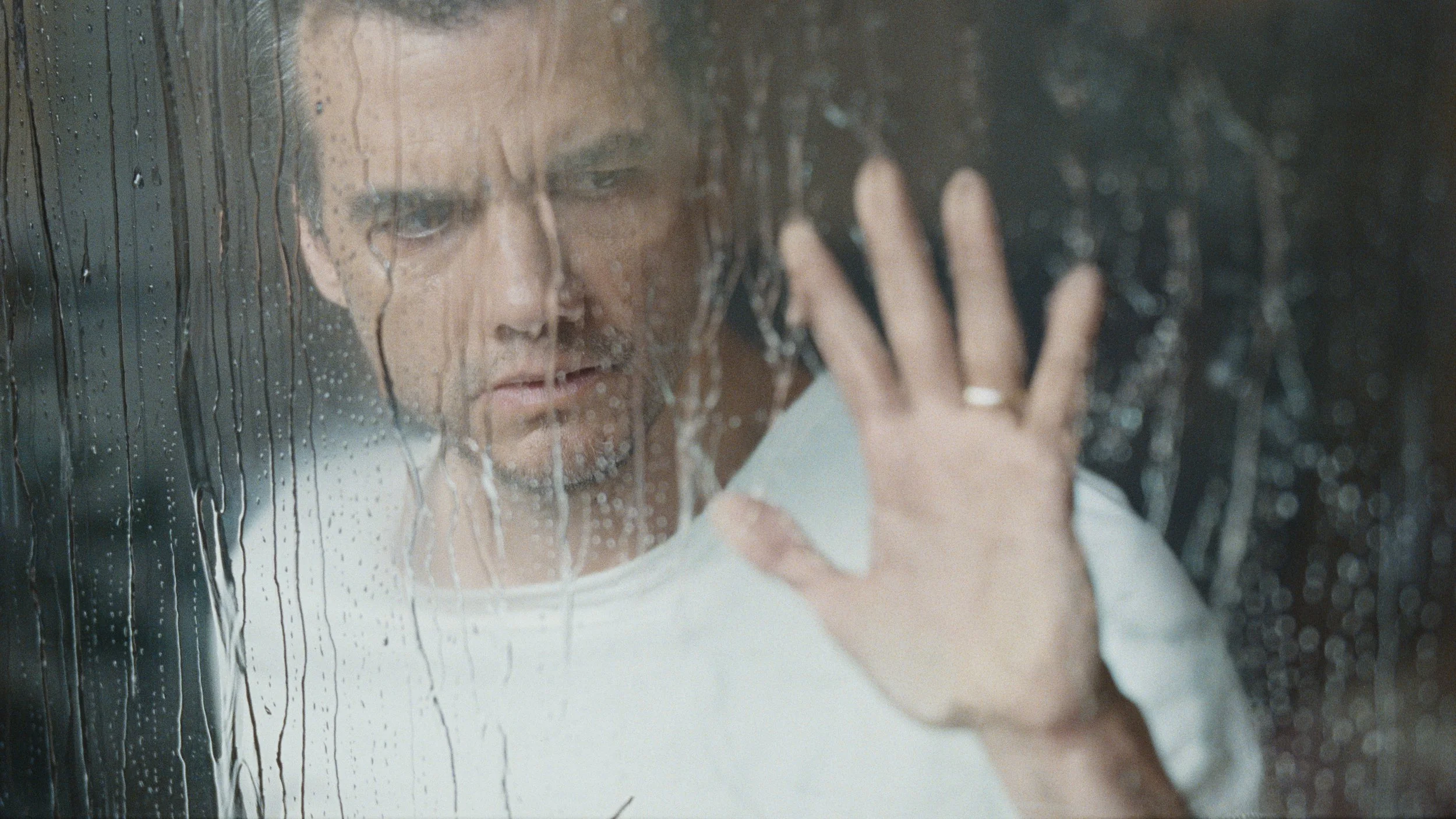
I think when I read a script, I always look for something that resonates with me personally. With this one, it totally made me think about my experience during COVID, when I was forced to stay home with my family, which was actually amazing.
I had never stayed home for so long, and I was forced to. I had beautiful, intimate moments with all of them — with my three sons and my wife. But at the same time, there was this external threat around us. I was in Los Angeles during COVID, but it was horrible in Brazil. So many people died. It was this mix of having something extremely dangerous and threatening outside my home.
To see how different governments dealt with it was also striking. In Brazil, it was horrible. The president back then didn't believe in vaccines. But at the same time, I was having a very interesting, unique time with my family.
What was it like collaborating with Greta Lee and Louis Leterrier on a story that relies so heavily on trust and chemistry between its cast?
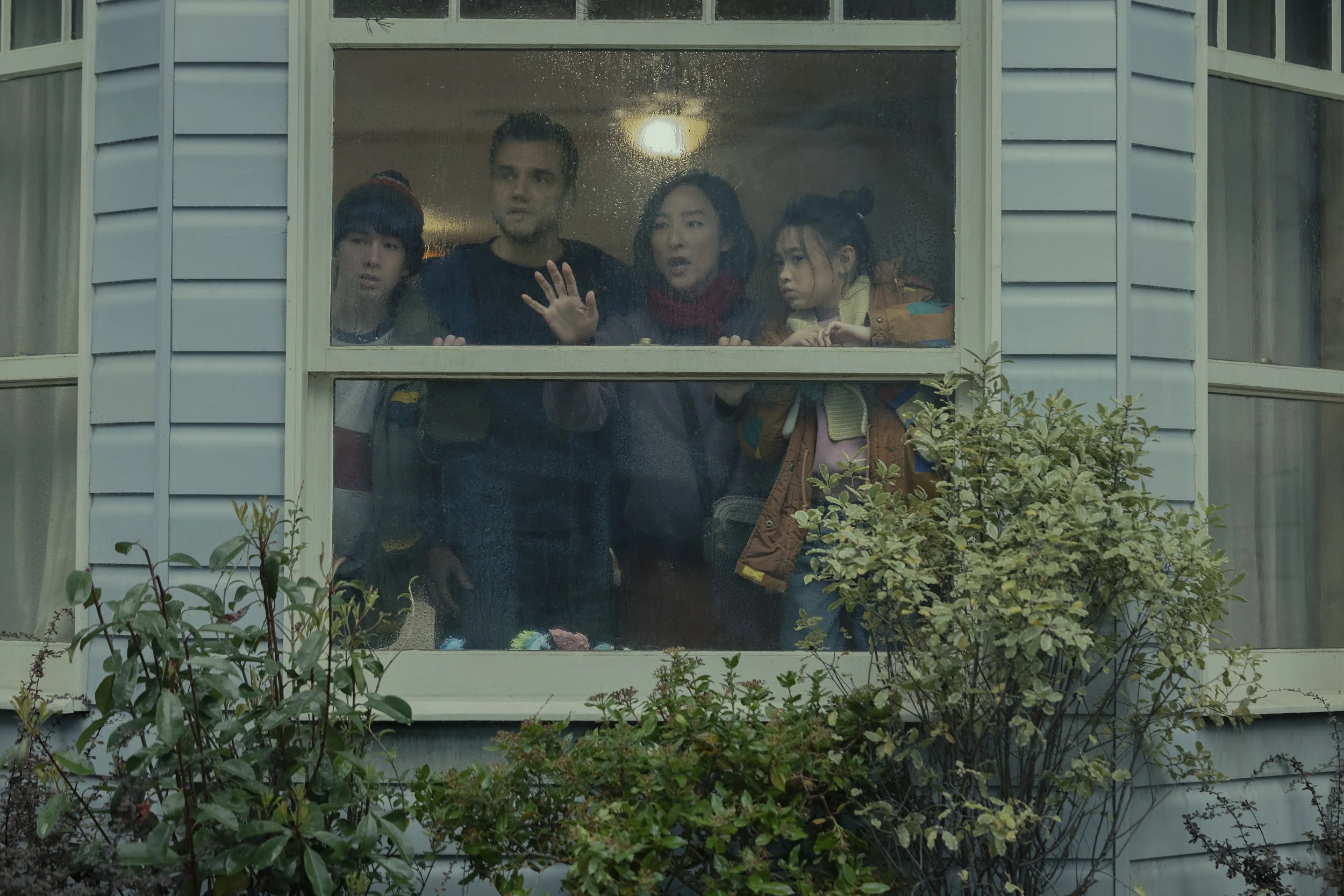
That's exactly right. I think the film depended on that. I think this is pretty much a film about a family and what it is to have a family, with all the contradictions that come with it. You have to look at each of these people — and each of these actors — with love and compassion, while also understanding how different they are. With Greta, it was the same. We joined this journey together with no preparation. We didn't know each other before.
We met for one day because we had a chemistry read with the kids. We tested many different children for the film, and then we met again in England and started shooting.
I think the fact that we're both parents made a huge difference. We both have kids, and we could both imagine what it would be like to see your child starving or needing medicine and not being able to take care of them. I think that was something that connected us really deeply.
Your performances often explore characters under immense pressure. What did this role challenge you to discover that felt new as an actor?
I don’t know. This was the most physically demanding thing I've ever done in my life.
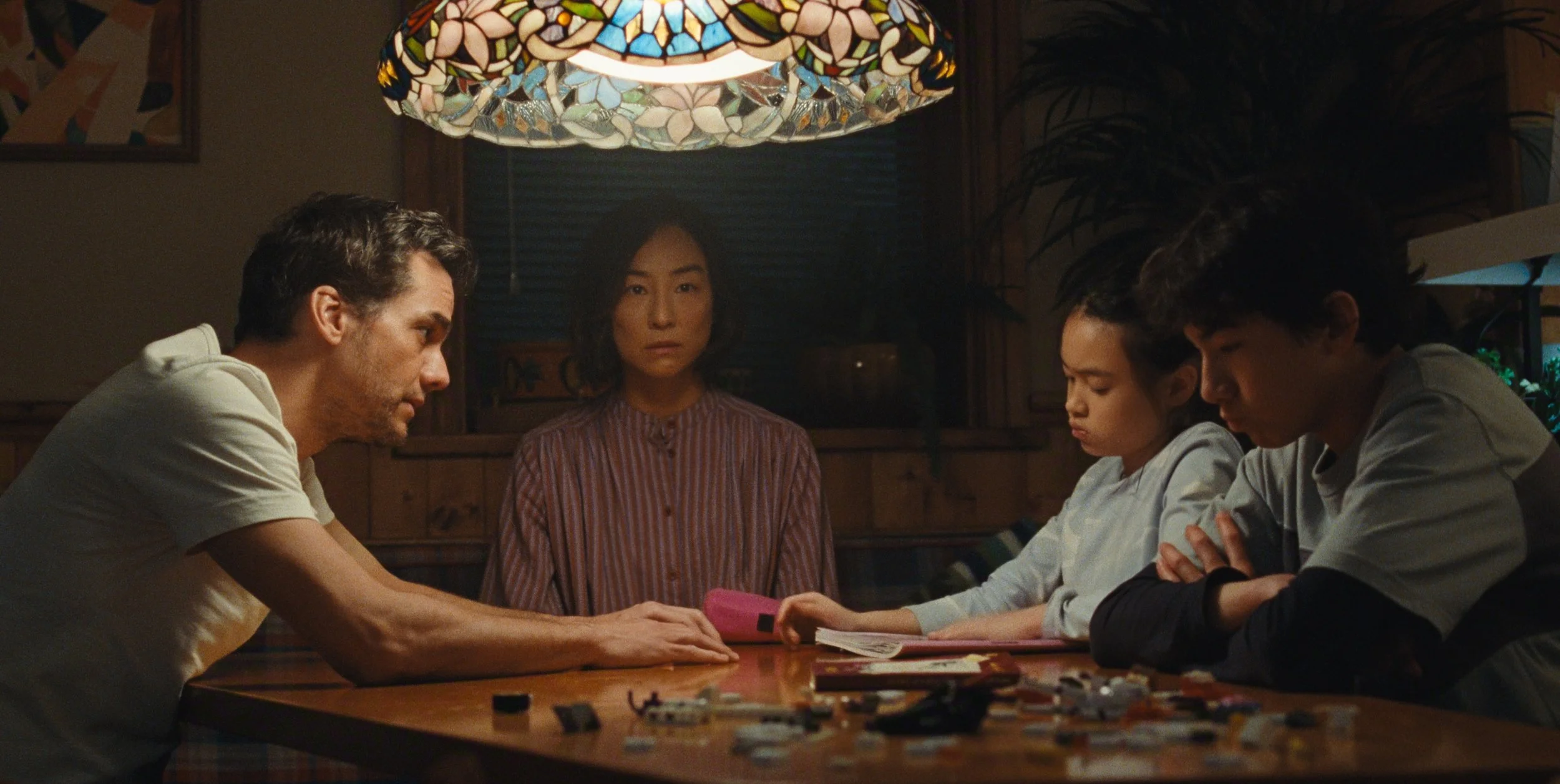
I've done films like Elite Squad, Civil War, and even Narcos, but this was unexpectedly demanding, both physically and emotionally. Like I said, to think about these things and to conjure the energy of seeing your child about to die or starving isn't easy.
Practically speaking, Greta and I were in 99% of the film. There wasn't a day when the other actors were shooting. It was us, every single day, in every single scene.