
IN CONVERSATION WITH HENRIQUE SÁ PESSOA
interview by TIMOTEJ LETONJA
From London to Sydney, Macau to Miami, Henrique Sá Pessoa has built a global presence while keeping Portuguese flavour at the centre of his cooking. Now entering a new chapter in Lisbon, the chef reflects on identity, legacy, and what it means to carry Portugal onto the world stage without losing its soul.
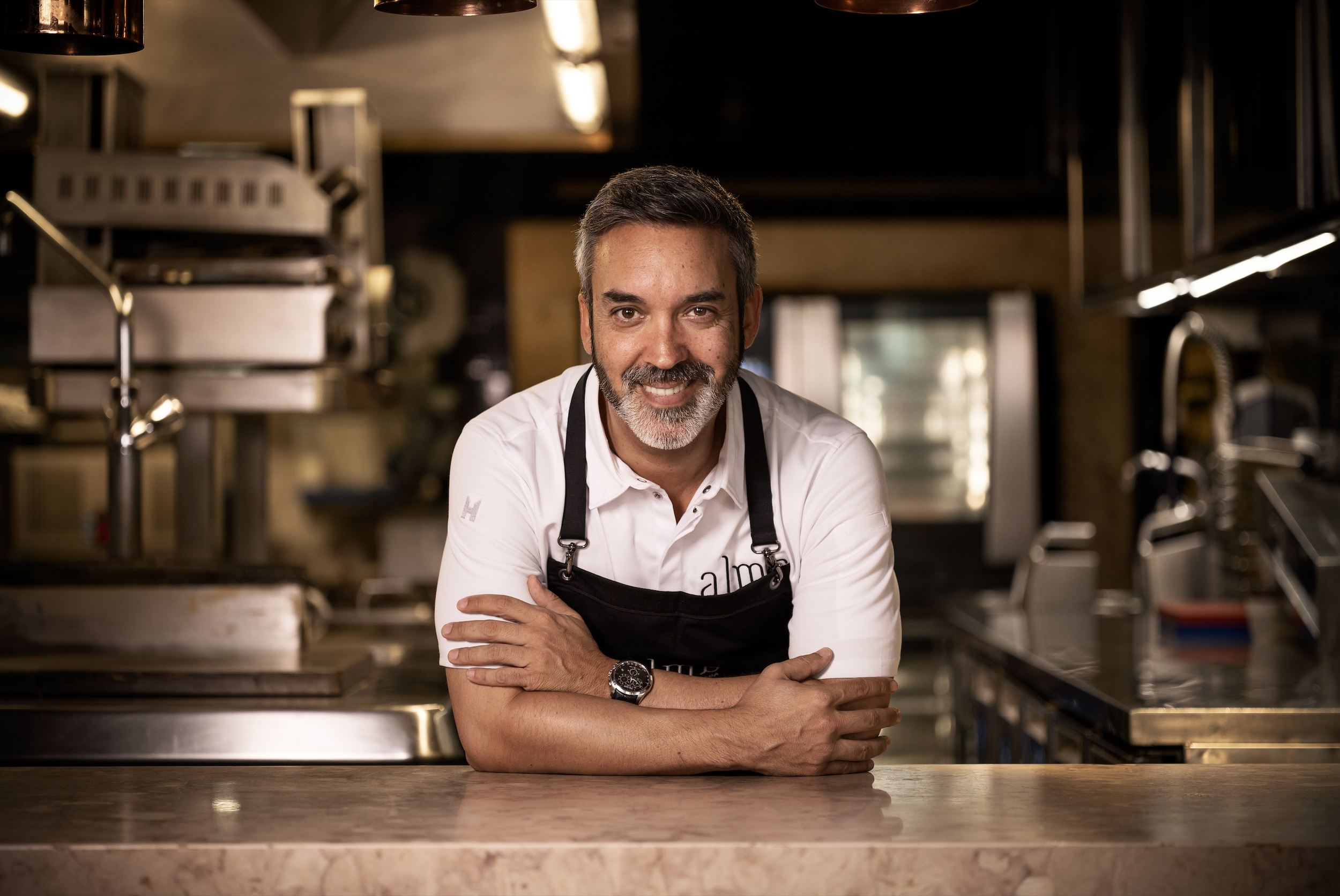
You trained internationally and worked in many cities around the world, such as Sydney and London, before returning to Lisbon. What did the distance from Portugal teach you about Portuguese cuisine?
For me, it was always a challenge because I became a cook outside of Portugal — I left very young. So when I came back after eight years away, it felt like I was discovering my own cuisine for the first time. Of course, I had childhood memories of eating in restaurants, but I had never actually cooked Portuguese food myself.
That process really shaped the way I cook today. My biggest source of inspiration is Portuguese regional cuisine — I just interpret it in a more modern, lighter way, with my own approach to presentation. The first eight years of my career were spent cooking French, Asian, and international food, so returning home was a whole new learning experience.
I’m sure travelling the world and experiencing different cultures and cuisines must be incredibly inspiring. There’s a new global confidence in Portuguese gastronomy. Do you feel responsible for shaping how Portugal is perceived abroad through food?
Yeah, I definitely consider myself an ambassador for Portuguese cuisine. Hopefully, I’m one of the chefs helping shape this new wave. I do think Portugal has often been slightly under the radar. Spanish, French, and Italian cuisines have always been recognised worldwide. Portugal, because we’re such a small country, is usually associated with bacalhau, seafood, sunshine, beaches — but we’ve never really had a strong international restaurant presence.
Of course, you’ll always find Portuguese restaurants within immigrant communities, but on a more prominent global stage it hasn’t been as common. Recently, with myself, with José Avillez, and other chefs opening restaurants outside of Portugal, that’s started to shift. Portugal has also become a major tourist destination, especially for food, and that’s definitely changing how people perceive the country — and Portuguese cuisine.
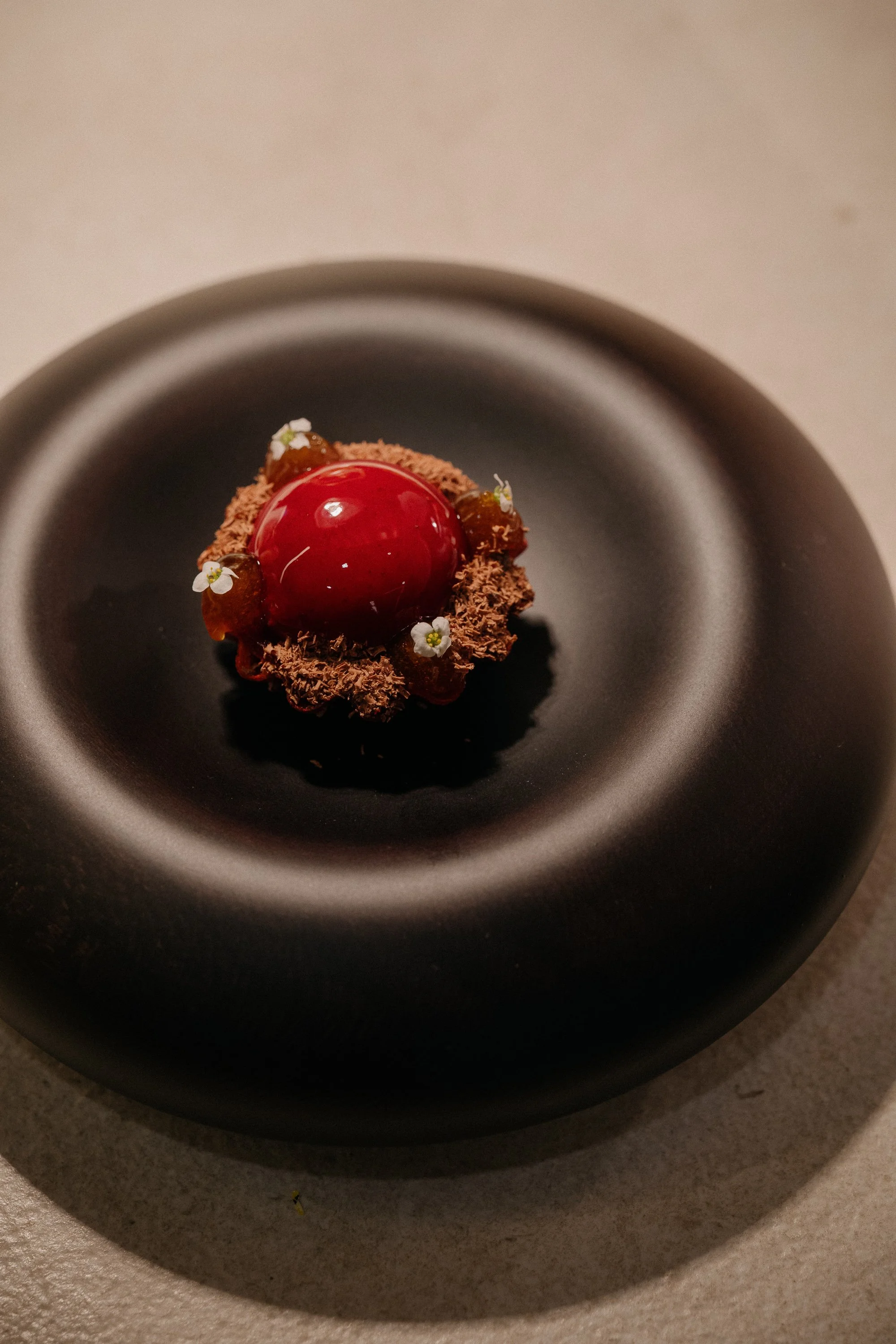
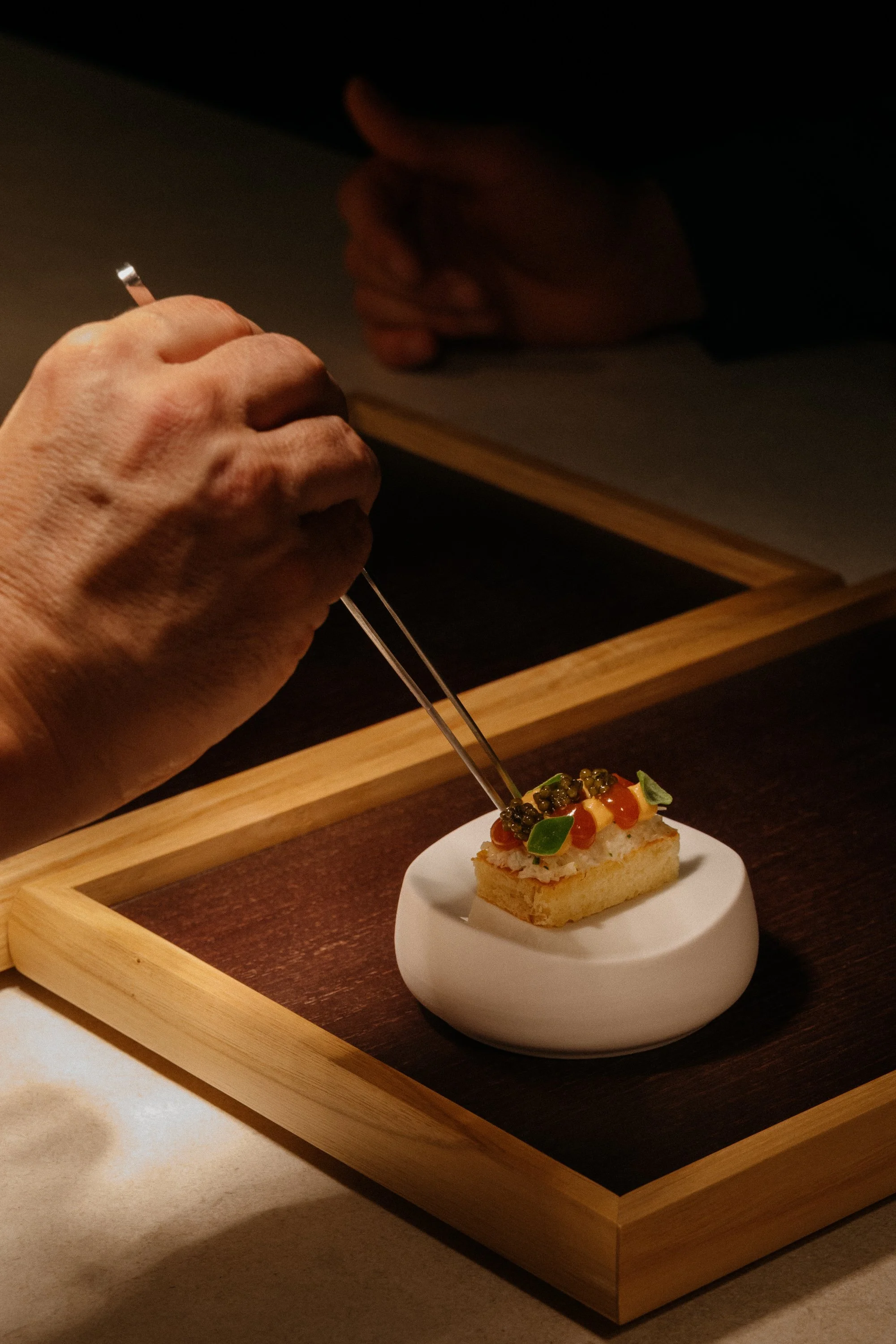
I come very often — it’s one of my favourite cities. And in terms of food, it’s truly a great place. If Lisbon were a flavour profile, how would you describe it?
In terms of sweets, definitely a pastel de nata. That’s something you simply can’t miss in Lisbon. And for me, Lisbon also brings back these summer memories — the smell of grilled sardines with roasted bell peppers. A rustic slice of bread, a bit of olive oil, and that oil coming out of the sardine, soaking into the bread, with a sweet grilled red pepper… I just love it. That, for me, is Lisbon on a slice of bread.
Wow, that sounds delicious. You’ve expanded to Amsterdam, London, Macau, and Miami. How do you translate your culinary DNA across different cultural contexts without losing coherence?
I always try to bring my Portuguese roots, although I wouldn’t classify my restaurants outside of Portugal as traditional Portuguese. I also try to incorporate some of the character of each city. Take Arca, for example — it’s not a typical Portuguese restaurant. I think it has a bit of that Amsterdam vibe, in the ambience and even in the way we present the dishes. But I always want the food to have a lot of strong, bold flavours.
Garlic, olive oil, herbs, seafood… and ingredients that are very Portuguese, like octopus, bacalhau, grilled meats, black pork. I try to bring those elements into every restaurant I open. At the same time, I always work with local ingredients and the local energy of each place — whether it’s Miami, Macau, or London. I never try to copy and replicate the same restaurant in different cities. If you go to Arca, then Joia, then Chiado in Macau, they’re completely different spaces. But the DNA of the food is consistent across all of them.
You’ve obviously had many awards, stars, and titles. But if all of that disappeared, what would remain? What’s the core of Henrique Sá Pessoa, the core of your cooking?
For me, the core is always bringing passion into everything you do. I know it sounds a little cliché, but the moment you lose that drive — that passion for cooking — you lose the most important part.
And it’s not only about cooking, but about building something exciting. And as you get older, you also start thinking about passing that passion on to the younger generations and leaving a legacy behind. That’s really my main objective. There are so many talented chefs today. Everyone can cook beautiful food. There are endless techniques, incredible ingredients… it’s not only about trying to stand out.
There are also so many lists — The World’s 50 Best, Michelin, Best Chef Awards — so much competition, and so much ego in our industry. But I think the real legacy is building the next generation of chefs. Being present, sharing your ambition with the team around you, and letting them shine too. That’s what drives me nowadays.
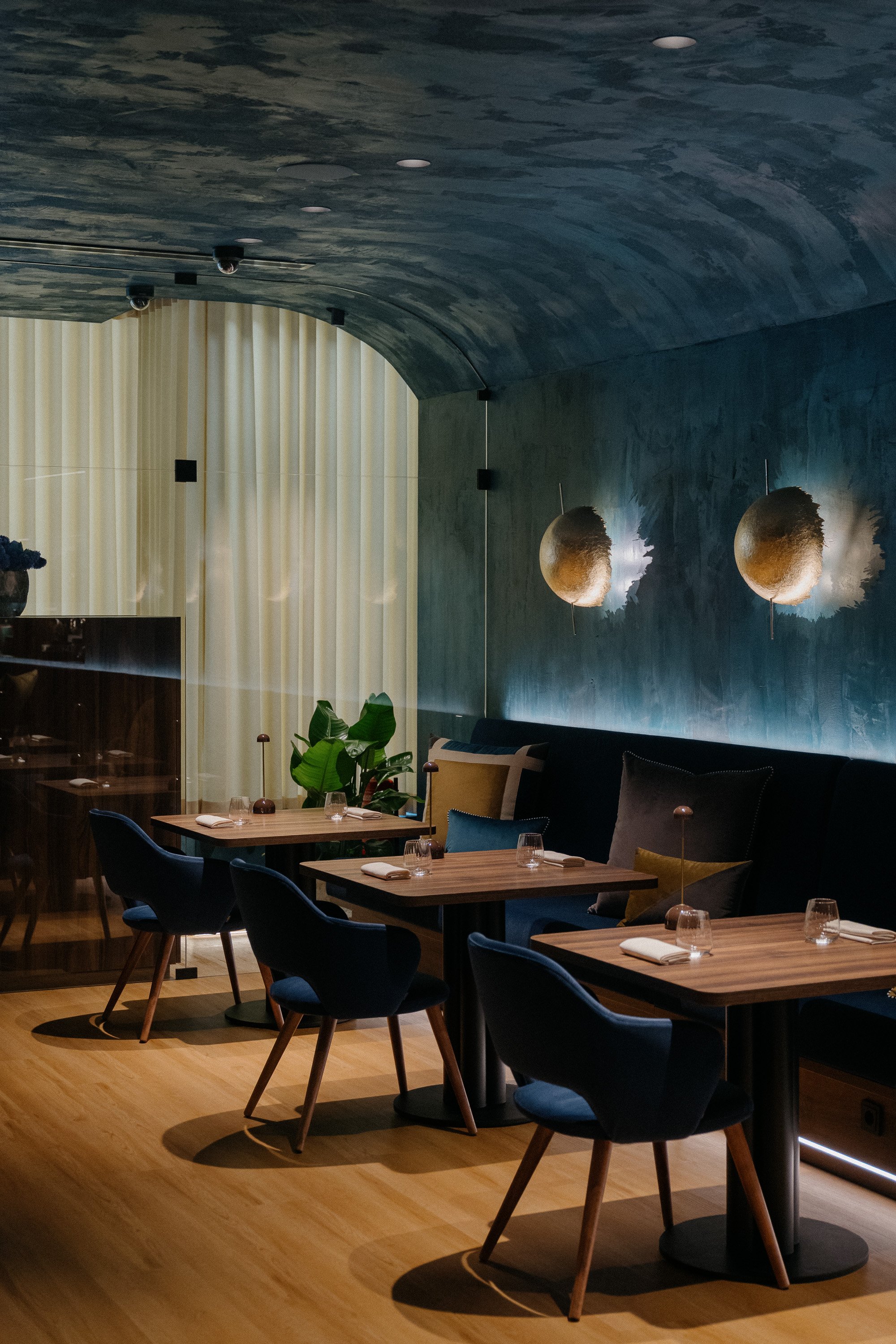
You mentioned earlier that you’re opening a new restaurant. Can you tell me a bit more about it? What’s the concept, and what makes you most excited about this next chapter?
After five years of Alma in Santos, and then relocating to Chiado in 2015, we spent ten years there. We earned two Michelin stars and built a team of almost 40 people — it was an incredible journey and it really shaped what we wanted to do next.
But I felt like we had reached our peak with the conditions we had, and the team wanted more. So last year I started looking for a new space. I’m turning 50 this year, and it felt like the right moment to do something on my own. After 13 years with a big restaurant group, I wanted to make my own decisions.
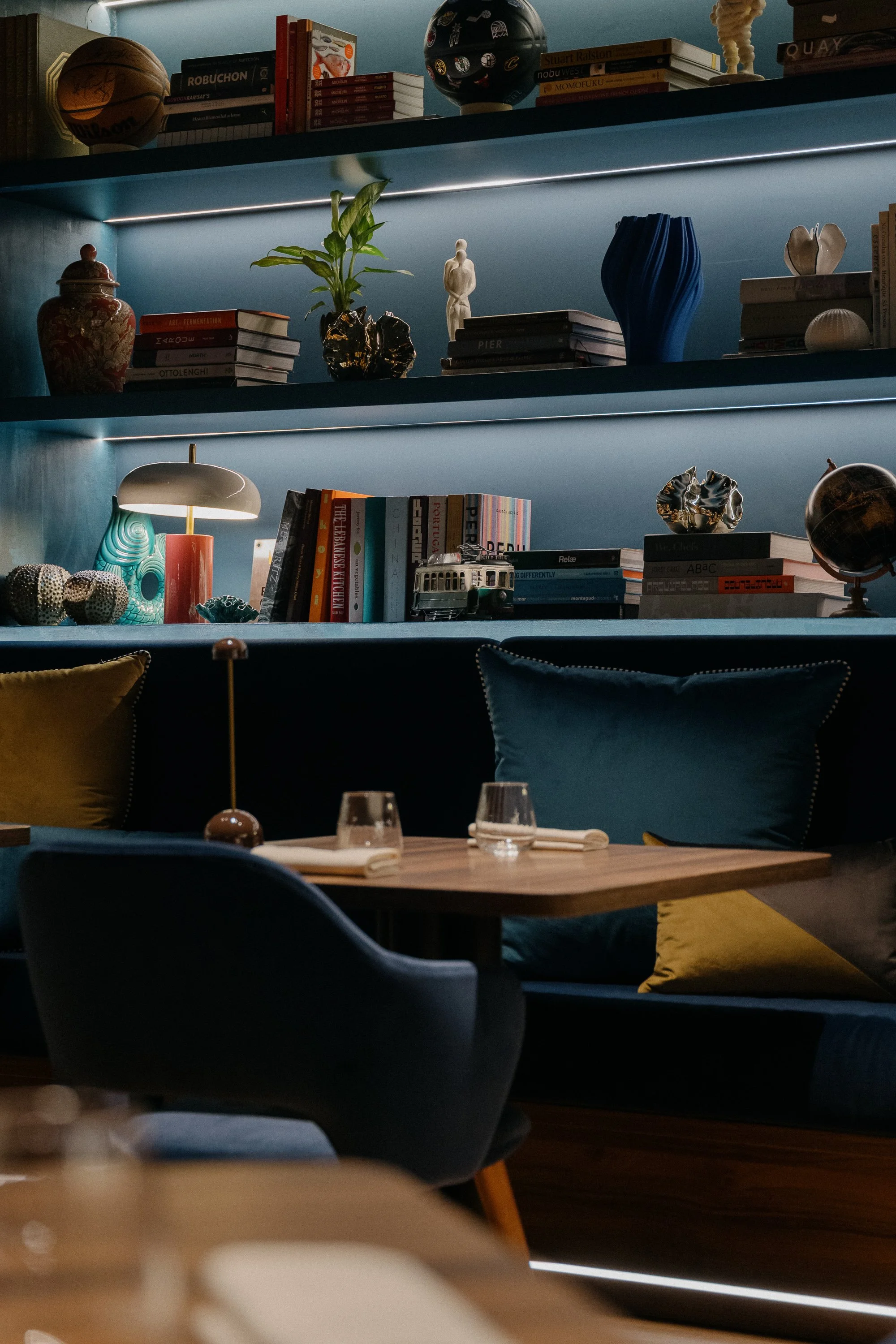
The whole team decided to come with me, so it became almost like a family decision. And once we found the space, I wanted the restaurant to feel like an extension of my home. Riksapsur is intimate, with an amazing kitchen, and we fixed many of the limitations we had at Alma.
At the same time, I’m also taking over my space at Time Out Market, restructuring it and changing the menu, so it’s a full package — the new fine dining restaurant, and a new casual concept.
It’s a big change, and of course it’s scary, but also incredibly exciting. We opened reservations two weeks ago and already have nearly 400 bookings, mostly from Portuguese customers. There’s a real buzz around it, and we can’t wait to open.