
IN CONVERSATION WITH HENRY KING
interview by JANA LETONJA
Nigerian-Canadian actor, writer, and director Henry King is emerging as one of the most compelling new voices at the intersection of performance and authorship. With his award-winning short film Donnie, which he wrote, directed, produced, and starred in, Henry has quickly gained international festival recognition, including wins at the Toronto International Nollywood Film Festival and the Canadian Black Screen Awards. While Donnie marks a significant creative milestone, Henry’s primary focus remains his rise as an actor, bringing grounded, emotionally resonant performances shaped by themes of resilience, identity, and perseverance.
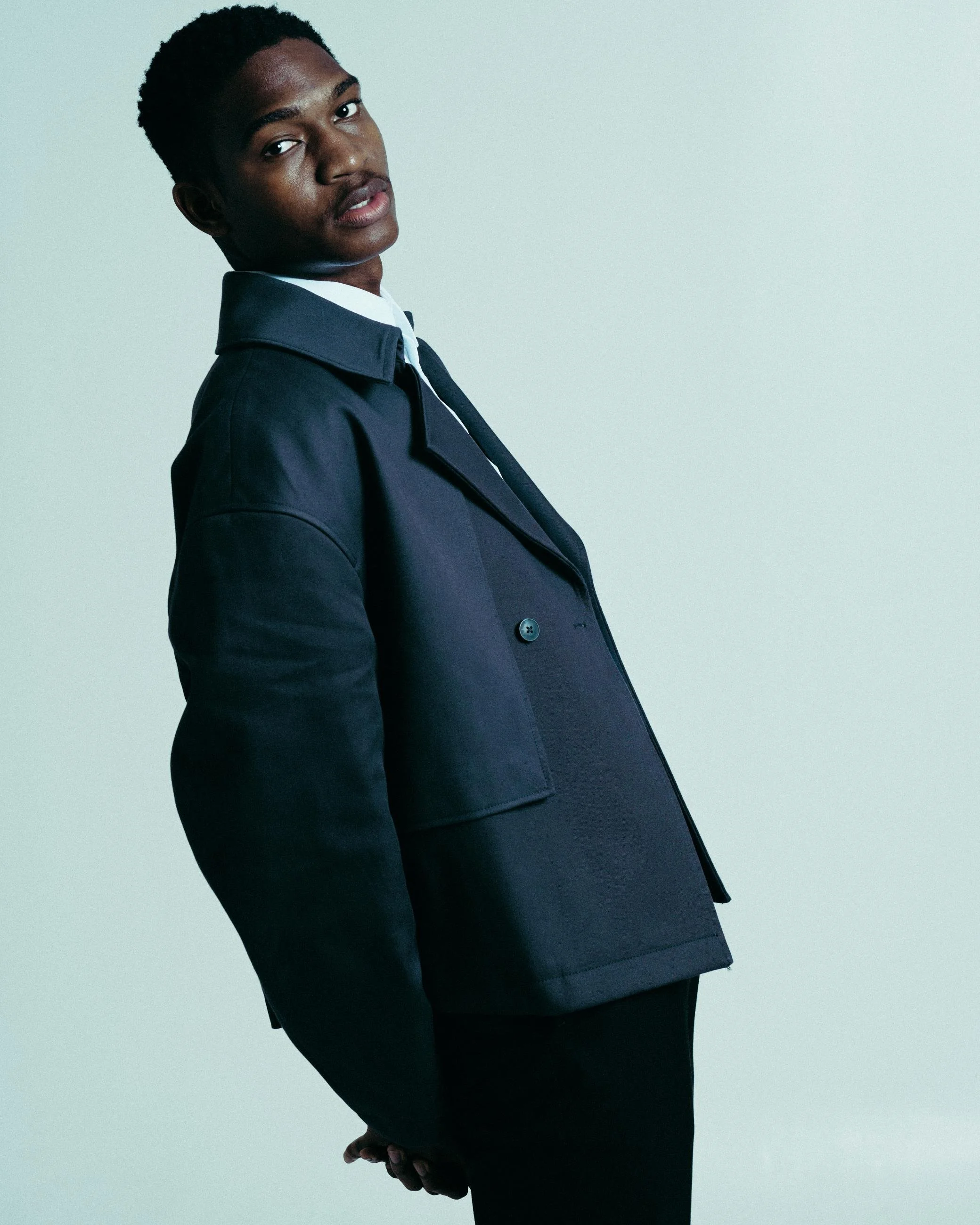
photography GEORGE KONDYLIS
Donnie has received major festival recognition. What does this moment represent for you creatively?
It’s really surreal. Just showing the film to my grandma and watching her enjoy it was already the most fulfilling experience. But receiving positive festival recognition adds another layer of satisfaction and encouragement from the industry and I’m grateful.
You wore multiple hats on this project: writer, director, producer, and actor. What was the most challenging role to balance?
Wow, I’d say definitely directing. Not saying the other roles were easy, but knowing that I was responsible for everyone’s performance, including my own, was a little daunting. I had an incredible cast and crew, who brought their A-game every day, especially my co-star, Kwesi Ameyaw. So I knew I’d have to earn their trust by bringing nothing but my best. And I’d like to think we achieved that.
At what point did you realize Donnie needed to be a story you both created and starred in?
I looked around and asked myself what types of stories I wanted to be a part of. Then I realized very quickly that I might be waiting a long time to audition for and, hopefully, book those dream roles and projects.
So I thought to myself, “You’re going to have to create your own work”. Then I began searching for examples of people that had done that successfully. Industry titans like Sylvester Stallone with the Rocky franchise and even Michael B. Jordan with his directorial debut in Creed 3 really woke up something inside of me. And those examples, amongst many others, made me feel like I could follow in their footsteps.
Nigerian parents have a popular saying and it goes like this, “The people that are successful don’t have two heads”. And what they’re essentially saying is, if they can do it, why not you? So I really took that to heart, and ‘Donnie’ was born.
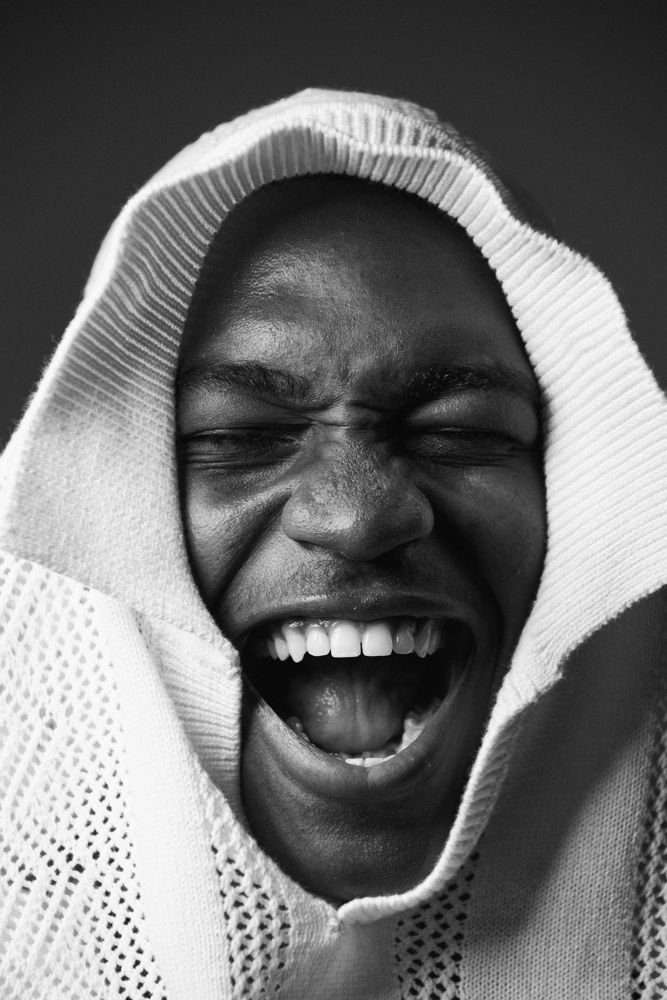
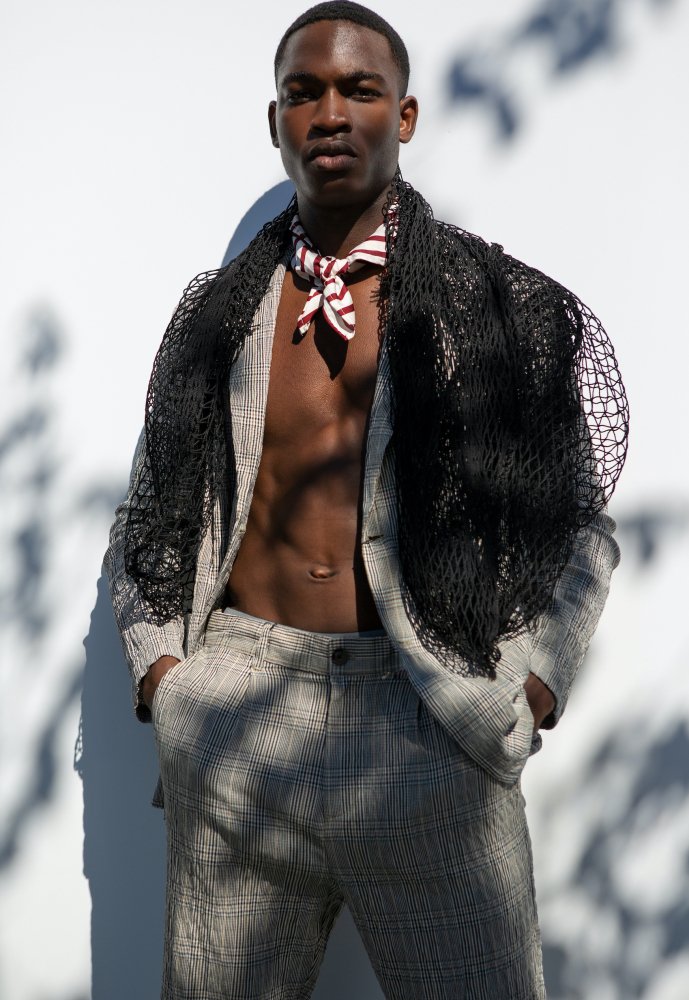
photography MARIOS ZOULIS and JAMIE MANN
What themes were most important for you to explore in the film?
Perseverance was at the top of mind for me. I wanted to explore what it means to keep moving forward when life throws you a curveball. The thought that “I’m one yes away” from a completely different life really excites me and motivates me to never give up.
At the same time, I was exploring the complicated nature of family dynamics. I realized very early on that we can absolutely love our parents but also hate some of their choices. And that fuelled how I navigated writing the script.
How has your Nigerian heritage influenced your storytelling voice?
I’ve actually never thought about that until now. Nigerians are known for our tenacity, self-belief and of course, the world’s best sound, Afrobeats.
Looking back now, I think I’ve always carried that innate self-confidence in my ability to figure things out. No matter how long it takes. So when it comes to storytelling, I know that it might take a while to really find my voice, but I know that if I keep learning and prioritizing truth in my work, the sky’s the limit.
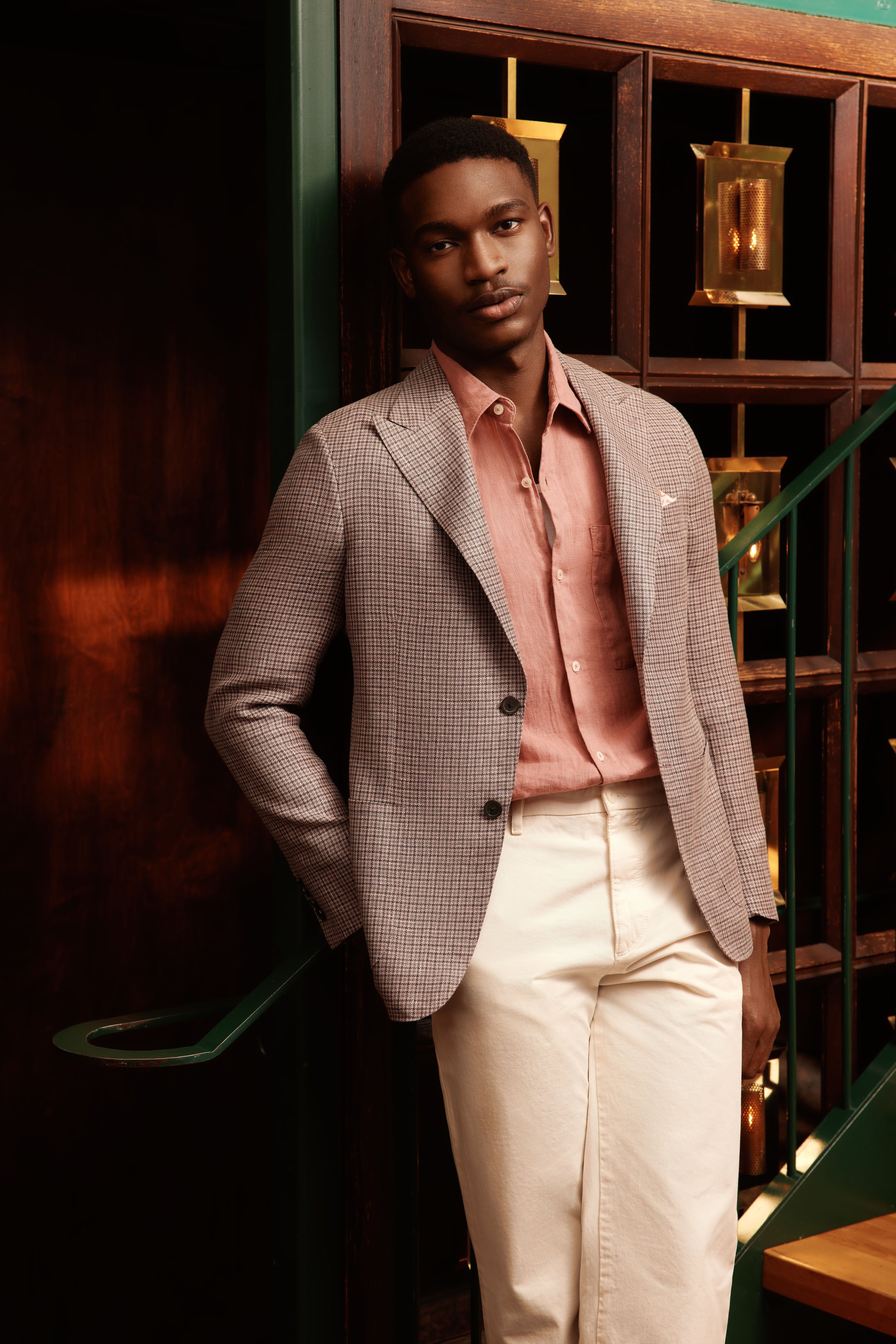
photography SAMUEL PASQUIER
You’ve described resilience and identity as central to your work. How do those themes show up in your performances?
They really show up every time I step on a new set. I usually get nervous right before my first take, but the one thing that brings me back to centre is asking myself “Who do you want in the driver’s seat today?” The guy who lets nerves get in the way of the work? Or the one who shows up and delivers, in-spite of those nerves. And more times than not, I choose the latter option. Early on, I curated a list of ‘mentors’ from afar. From the legendary Denzel Washington to the incredible Ryan Coogler, I’ve learned that the most interesting thing about them is how they choose to show up daily. Especially when things aren’t going their way. So I try to emulate those qualities and imbue them in my work.
While filmmaking is a major part of your creative life, you’ve said your primary focus is acting. Why does acting feel like the foundation?
Acting’s like the ‘baby of the house’ at this stage of my career. Everyone and everything else has to cater to the needs of the ‘baby’.
I’m 7 years in and I know I still have a lot to learn and that excites me. I just talked about how I’m always nervous right before shooting a scene, and part of me likes that feeling. Because in a way, it shows that I care. Kinda like being nervous for a first date, you know?
How do you think being a filmmaker informs the way you approach acting on set?
It’s truly changed everything for me. I have a better understanding of what’s required of me on a micro and macro level. I have a stronger appreciation for the work that goes behind the scenes to bring a project to life, and it’s pushed me to want to go the extra mile to make everyone’s jobs a little easier. I’d say it’s made me a stronger actor but more importantly, a better human.
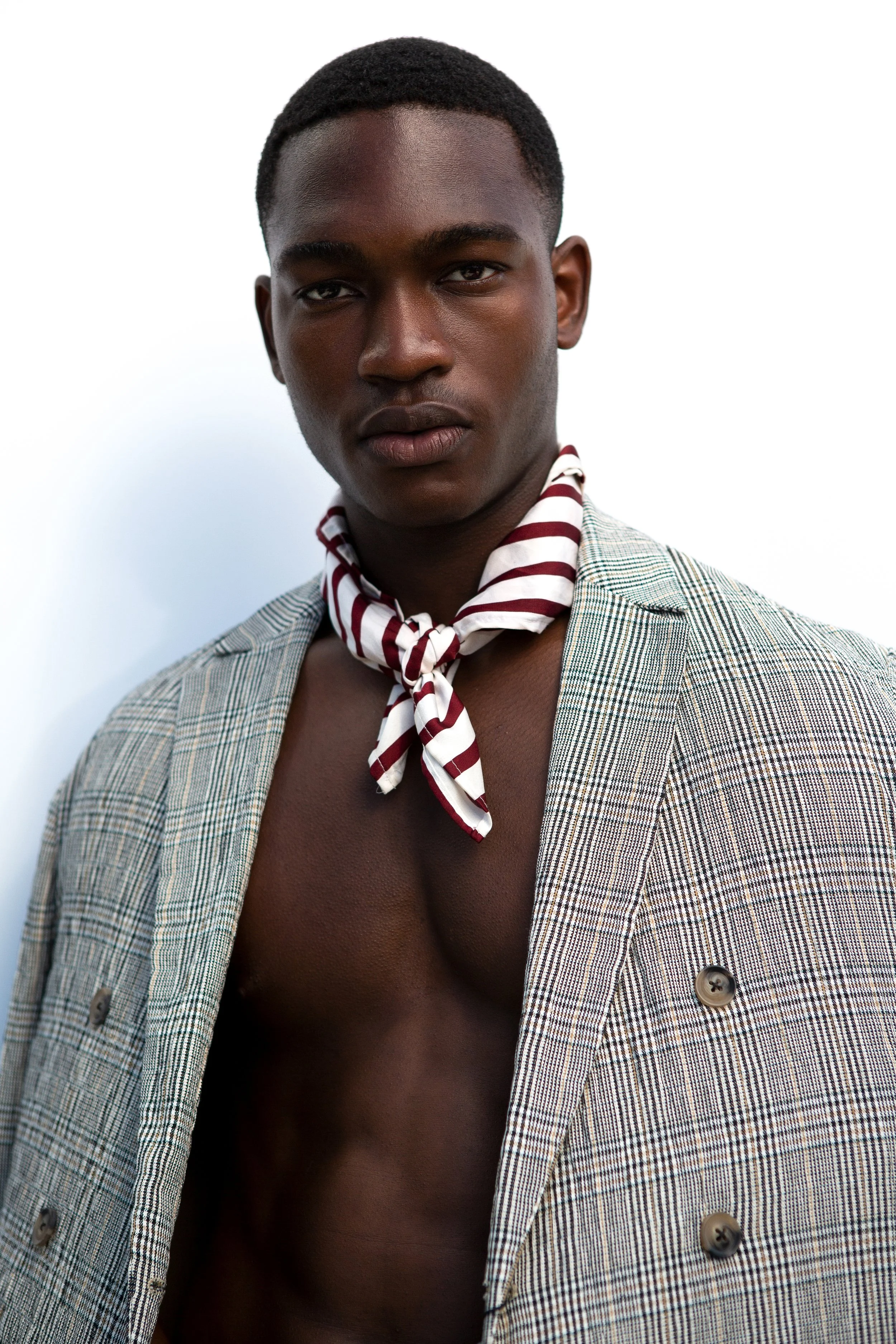
photography JAMIE MANN
What kind of roles are you hoping to pursue next?
I’m just getting started, so there’s a lot I’d love to do. I can’t wait to get my hands on a rom-com drama on some tropical location. Or a cool thriller. I’m also really looking forward to doing comedy. That seems like a lot of fun, and I haven’t really gotten to show that side of my personality. I only let out my weird and funny side with close ones.
How do you navigate building a career across both performance and authorship?
It’s honestly built out of pure necessity. I’m still new to the game, so I don’t want to act like I’m some wise sage that has all the answers. But the one thing I do know is that if I show up and put in the work, only good things can happen.
What conversations do you hope Donnie sparks within the Black creative community?
I hope it inspires self-belief in people. We clearly have the talents and creativity to make incredible art. Now I just hope more people start taking control of their creative destiny instead of waiting for permission to create.
Looking ahead, what does the next chapter of your career look like?
The next chapter looks like continuing to challenge myself, having fun on this journey and hopefully, working with some of my heroes. The best part about being in this industry is that you never really know what’s around the corner. All you can do is stay open to the magic and give it your best. And I intend to do just that.
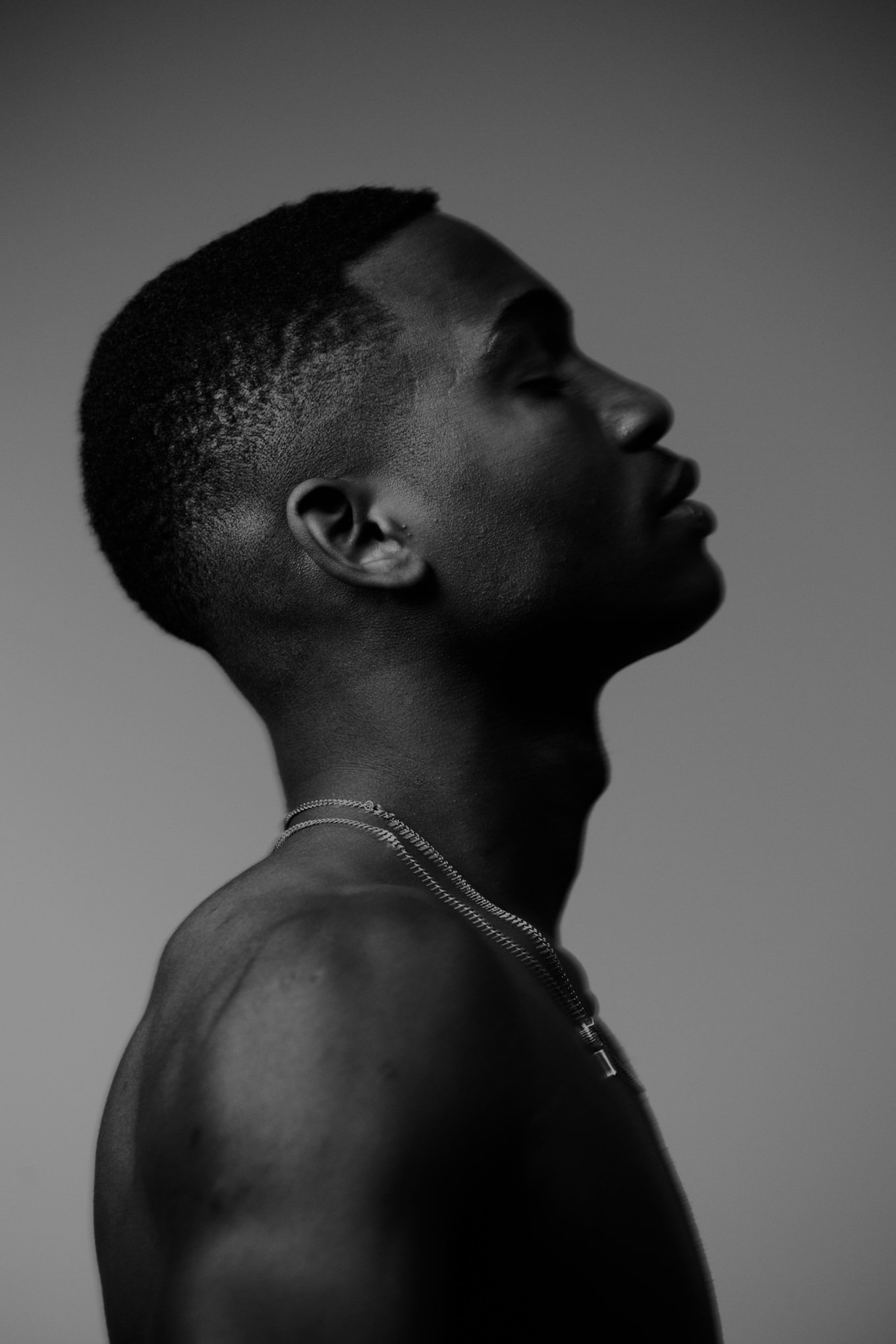
photography MARIOS ZOULIS
