
IN CONVERSATION WITH HOT SINCE 82
Interview by Samo Šajn
British DJ and producer Hot Since 82 returns with Obsessions, a personal album exploring self-acceptance, change and his love for house music. Ahead of his performance at the HUGO x Entire Studios event in Amsterdam on 20th October, we caught up with Daley Padley to discuss his new music, personal growth and life on the road.
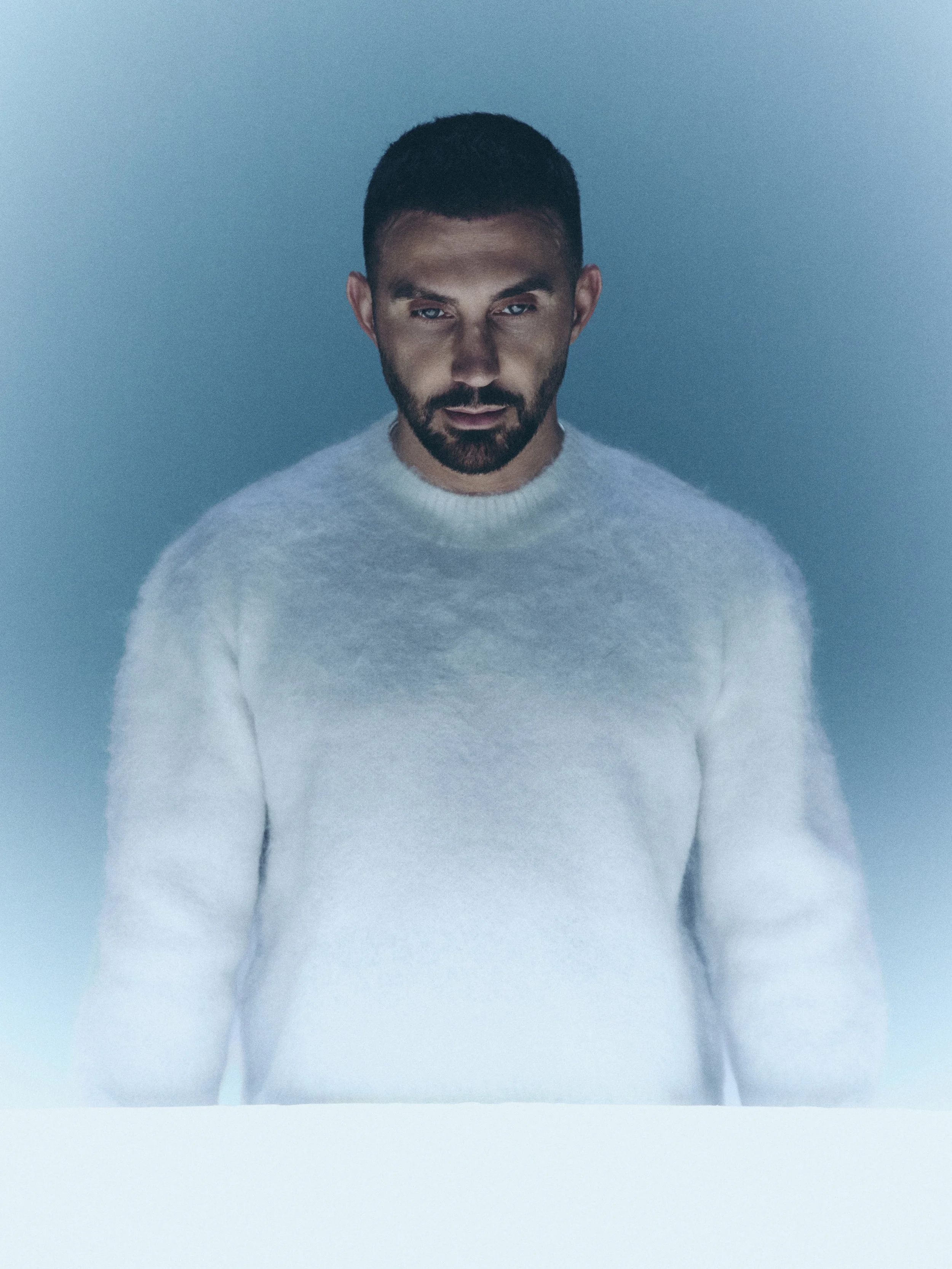
It's been six years since your last album. What made now feel like the right time to release Obsessions?
I think the timing just felt right. I was completely immersed in making this record, and there was an ease to the whole process that I haven’t really experienced with an album before. It’s the first album I’ve finished, handed in on time and not second-guessed the track listing. Usually, I’ll go back and change things, but with this one, I didn’t feel the need to.
There’s been quite a lot of change in my life as well, and I think that gave me a new clarity. I’m making more music than ever. I’ve made around 30 tracks since finishing the album, and when I’m playing now, I can look across four decks and sometimes every single track is one of mine. That tells me I’m in a really inspired place creatively.
You've described Obsessions as an album about self-acceptance. How personal was it to write this record?
Very personal, because producing music has always been a way for me to express who I am. I think your personality inevitably comes through in the music you make. I’ve realised more about myself over the last few years and become more accepting of the way my brain works and the things I obsess over. If I’m interested in something, I go all the way with it. When I love something, I love hard. Music has been the one constant obsession throughout my life.
The album was written during this period of touring, movement and introspection, so there’s that contrast between the intensity of my life on the road and those moments when I’m completely alone with my thoughts. I think Obsessionscaptures both sides of that.
You’ve spoken about being diagnosed with ADHD. How has that changed the way you understand yourself, both in life and in the studio?
Getting diagnosed connected a lot of dots for me. You can spend years knowing there’s probably an underlying reason why you behave in certain ways, but when a professional actually explains it to you, suddenly all these things that have been floating around in your head start making sense.
I can look back as far as school and see it: the difficulty sitting still or finishing assignments. Even now, when I’m producing, I’ll work across different rooms despite having a perfectly functioning studio at home, because I just can’t sit in the same place for too long. The positive side is that music gives me somewhere to channel all of that energy. Producing is such a personal form of expression. You can speak through the music and turn something about the way your brain works into something creative.
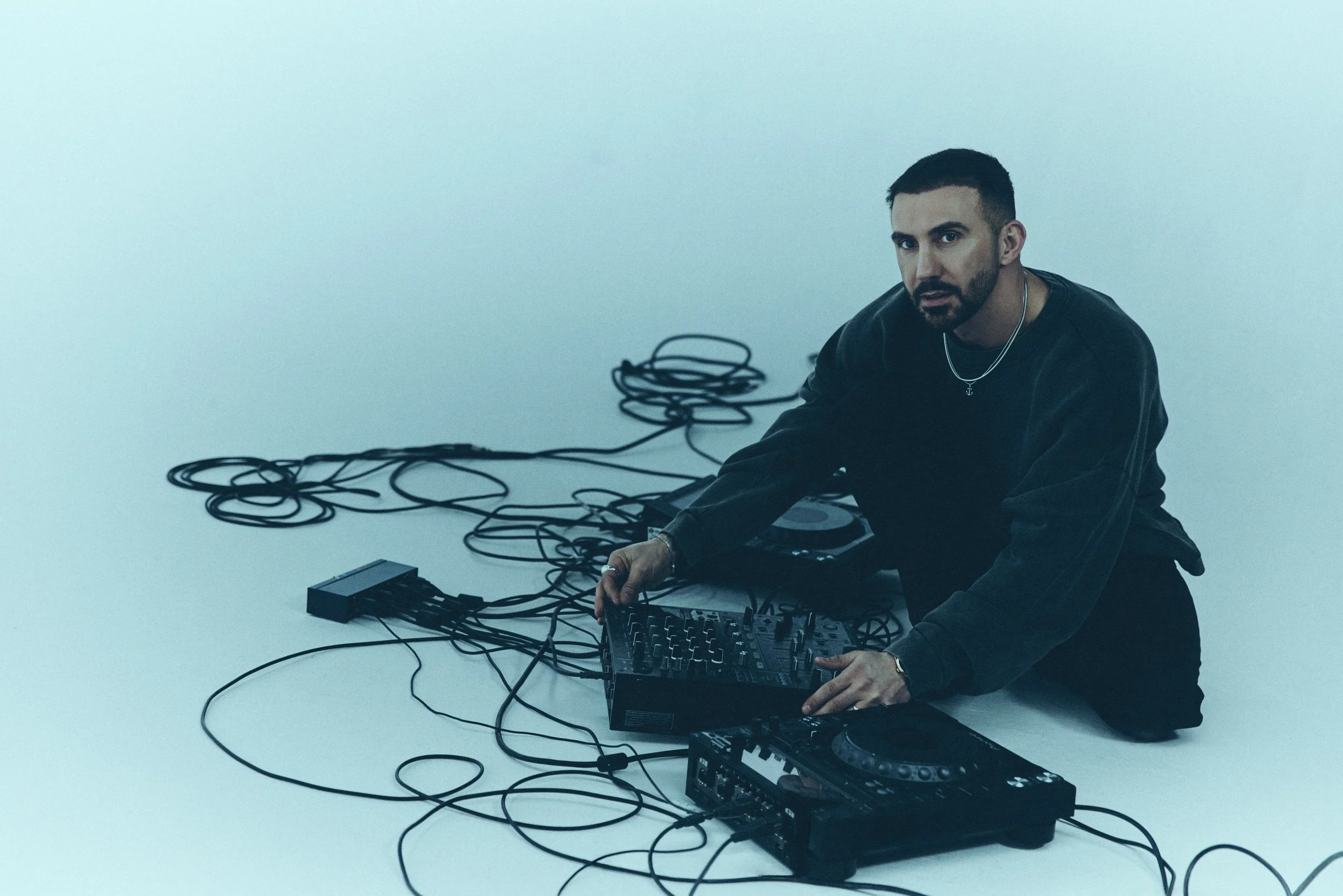
Sonically, Obsessions feels like a return to some of your early deep house roots while still sounding fresh. Was that nostalgia intentional?
Definitely. That nostalgic house feeling is something that still really moves me. There are a lot of tracks that nod to certain eras. At the same time, I never want nostalgia to mean simply recreating the past. Scenes change very quickly, and I’m constantly trying to evolve with them. So it’s about taking the feeling that made me fall in love with house music in the first place and translating it into something that works on the dancefloors I’m playing now.
There are other influences in there too. I’m obsessed with science-fiction films, and I channelled some of that into the record: the arpeggiators, pads, synthesisers and those more atmospheric sounds.
Tracks like Another Life close the album on a much more emotional note. Why did you want listeners to leave the record with that feeling?
The most important thing for me when I make a record is that somebody walks away from it feeling something. That’s the point of music, right? I want music to be memorable rather than simply functional.
That applies to my DJ sets as well. I often finish my shows with my own records, and I want people leaving on a high, with some kind of emotion attached to what they’ve just heard. That’s what creates strong, positive memories. So having that emotional side to Obsessions feels very natural to me. It’s ultimately about creating that connection, something hopeful, loving or uplifting that stays with you afterwards.
You've had one of your busiest years on the road, but you've also embraced a healthier lifestyle and an intense fitness routine. How have those changes affected your creativity and your performances?
Massively. I’m getting older. I’m 44 in September, and my body just doesn’t bounce back in the same way anymore. I reached a point where alcohol wasn’t stimulating me at all. If I do have a drink, it’s one or two, rather than binge drinking.
The difference in my energy has been incredible. Instead of losing the week to recovery, I can be in the gym, in the studio or being a dad. I’m making more music, I feel better about the music I’m making, and I’m DJing better. I’ve got two kids as well, so longevity has become really important. I want to be healthy enough to keep touring and making music, but more importantly, I want to be the best dad I can be.
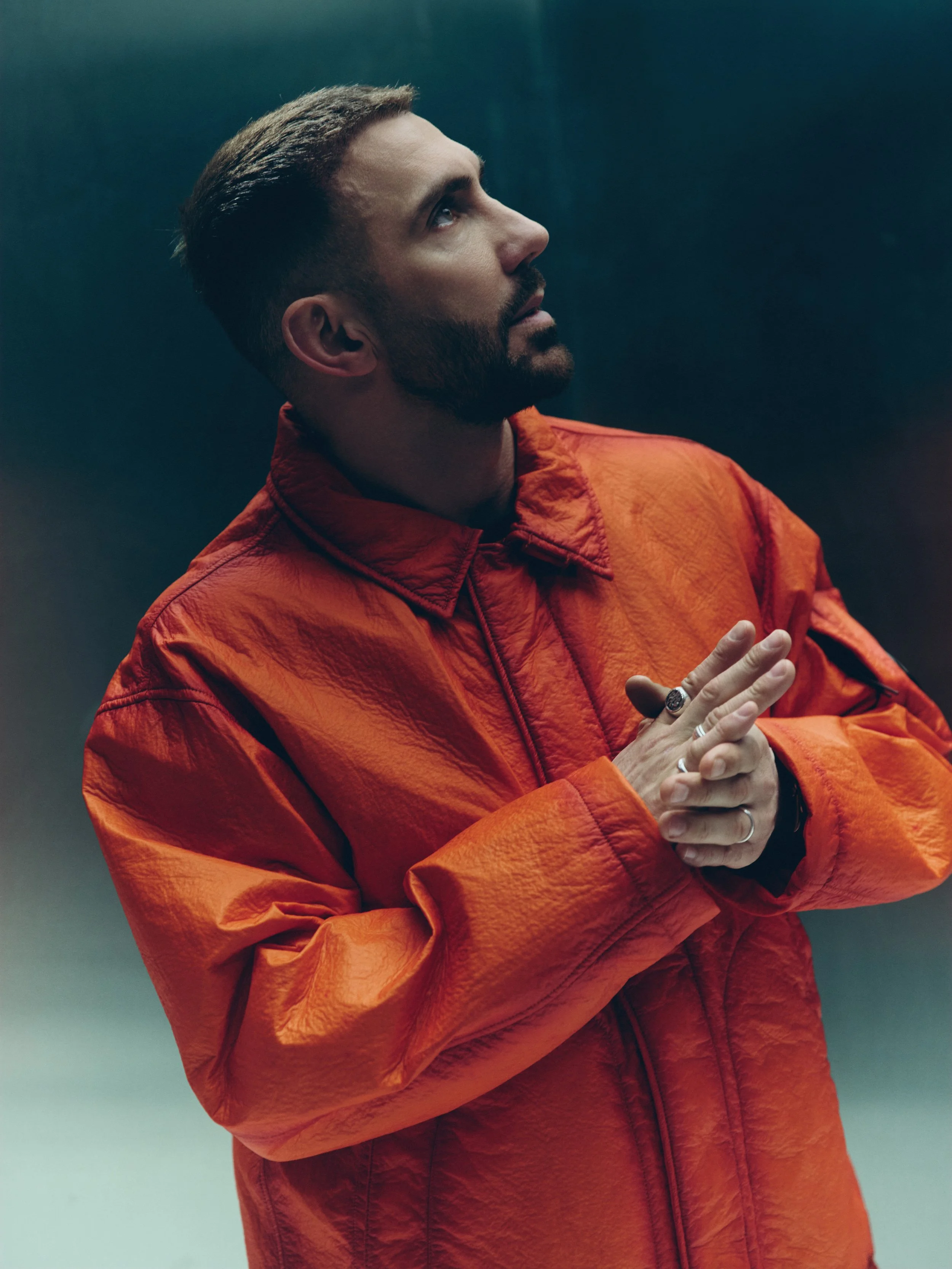
Looking back, what are you most proud of preserving about your identity as an artist?
Probably the obsession itself. I’ve been DJing for around 26 years, and after all that time, music is still both my job and my favourite hobby. I’m obsessive about lots of things, and I go in and out of different hobbies and things I collect, but music is the one thing that has stayed with me throughout my whole life. I wake up thinking about it and go to sleep thinking about it.
The scene changes, trends change, and obviously I’ve changed as a person, but that fundamental passion hasn’t. I still love making a track one day and playing it to a crowd the next. I’m very fortunate that after all these years, it can still give me that feeling.
With remixes from artists like MK and Max Dean extending the project, how interesting is it to hear other producers reinterpret such a personal album?
It’s always interesting because you’ve spent so much time inside these records that you know every tiny detail of them. Then somebody else comes along and hears something completely different in the same piece of music.
With Obsessions being such a personal record, I think that makes those reinterpretations even more interesting. The original album has lots of different shades and styles of house music running through it, but everything is connected by the same love and passion for the music. Having another producer take one of those tracks and pull it into their own world gives it another life.
You've played in Amsterdam several times this year, including Loveland Festival. What keeps drawing you back to the Dutch crowd?
There are certain places where you build a relationship with the crowd over years of playing there, and that connection becomes really important. The Dutch crowd is one of those!
