
IN CONVERSATION WITH IVAN RALSTON
interview by TIMOTEJ LETONJA
At Ivan Ralston’s Tuju, cooking is approached as a form of research as much as a craft. Shaped by experience in leading international kitchens and rooted in São Paulo, his work centres on seasonality, and ingredient-led thinking. Following the restaurant’s 2023 relaunch, Sitting down with Ralston, we discuss how those ideas translate into practice — from the development of new menus to the role of collaboration and sustainability in contemporary Brazilian fine dining.
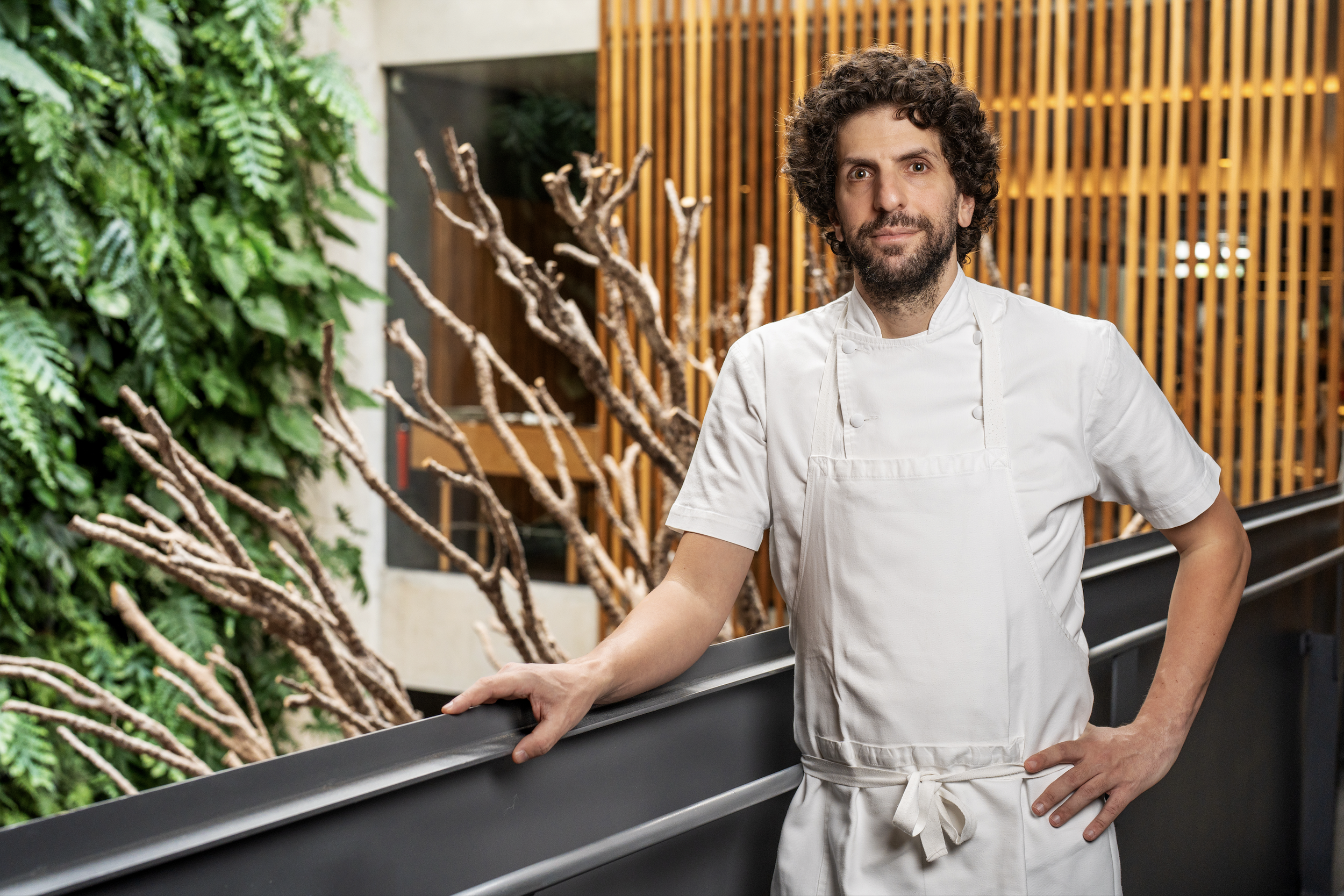
photography by RUBENS KATO
You were born in São Paulo but trained in some of the most influential kitchens in the world. How did experiences at El Celler de Can Roca, Mugaritz, and Nihonryori RyuGin shape your culinary philosophy?
Undoubtedly, at first, those experiences were incredibly important and deeply influenced the way I work and cook.
After working abroad, what motivated you to return to Brazil and build your own gastronomic language there?
I was just going to mention that. Over time, I began developing my own language, which is quite unique.
São Paulo is one of the most multicultural cities in the world. How does this diversity influence your cooking?
I often say that Tuju is a true São Paulo restaurant. It’s not fusion cuisine, but rather a cuisine of encounters—the unique encounters that can only happen in São Paulo.
The rebirth of Tuju in 2023 introduced a new concept of gastronomy rooted in research and territory. What vision guided this transformation?
We had the opportunity to travel for a year, to truly understand the territory and the seasonal cycles based on the rainfall. That research is the foundation of our work.
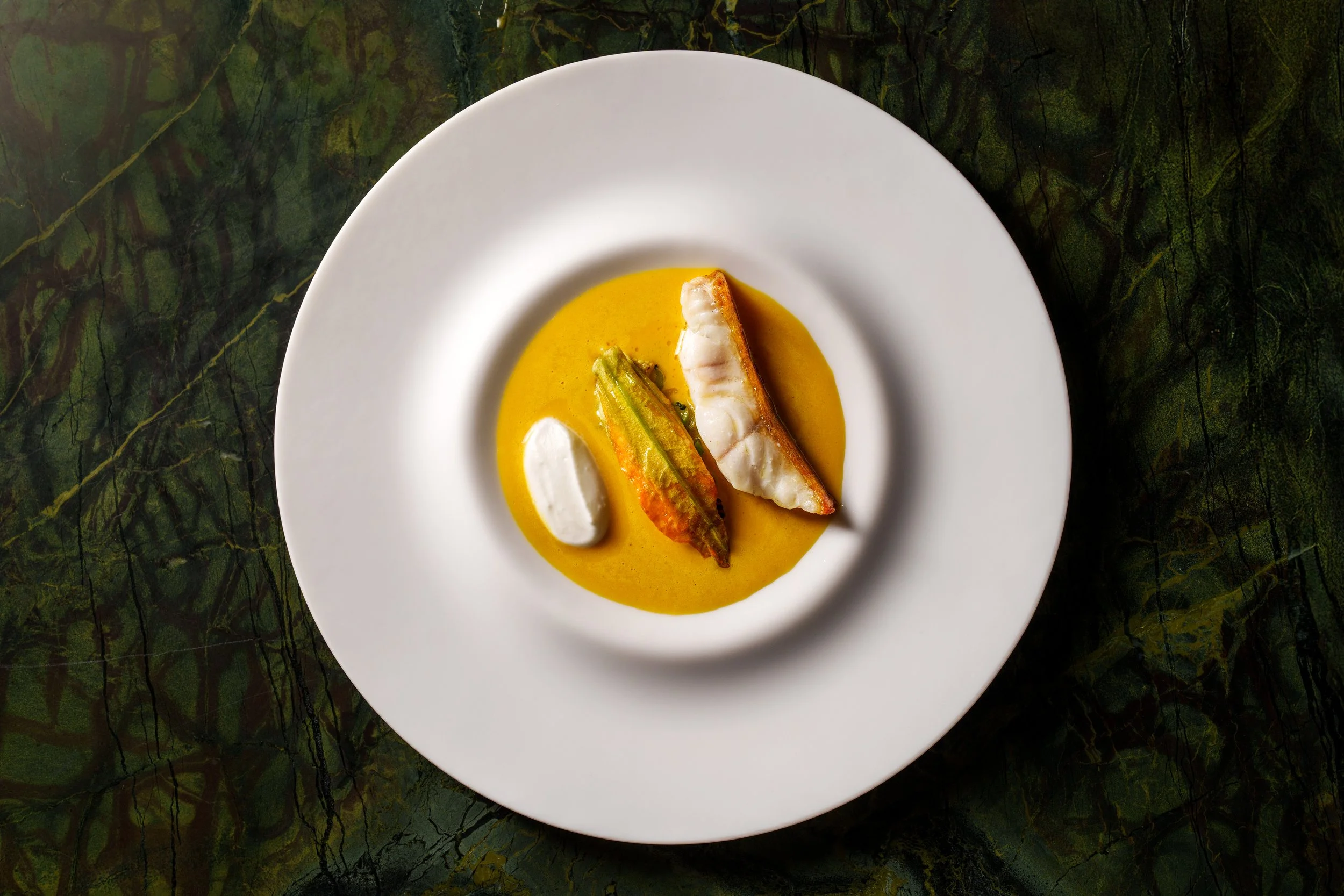
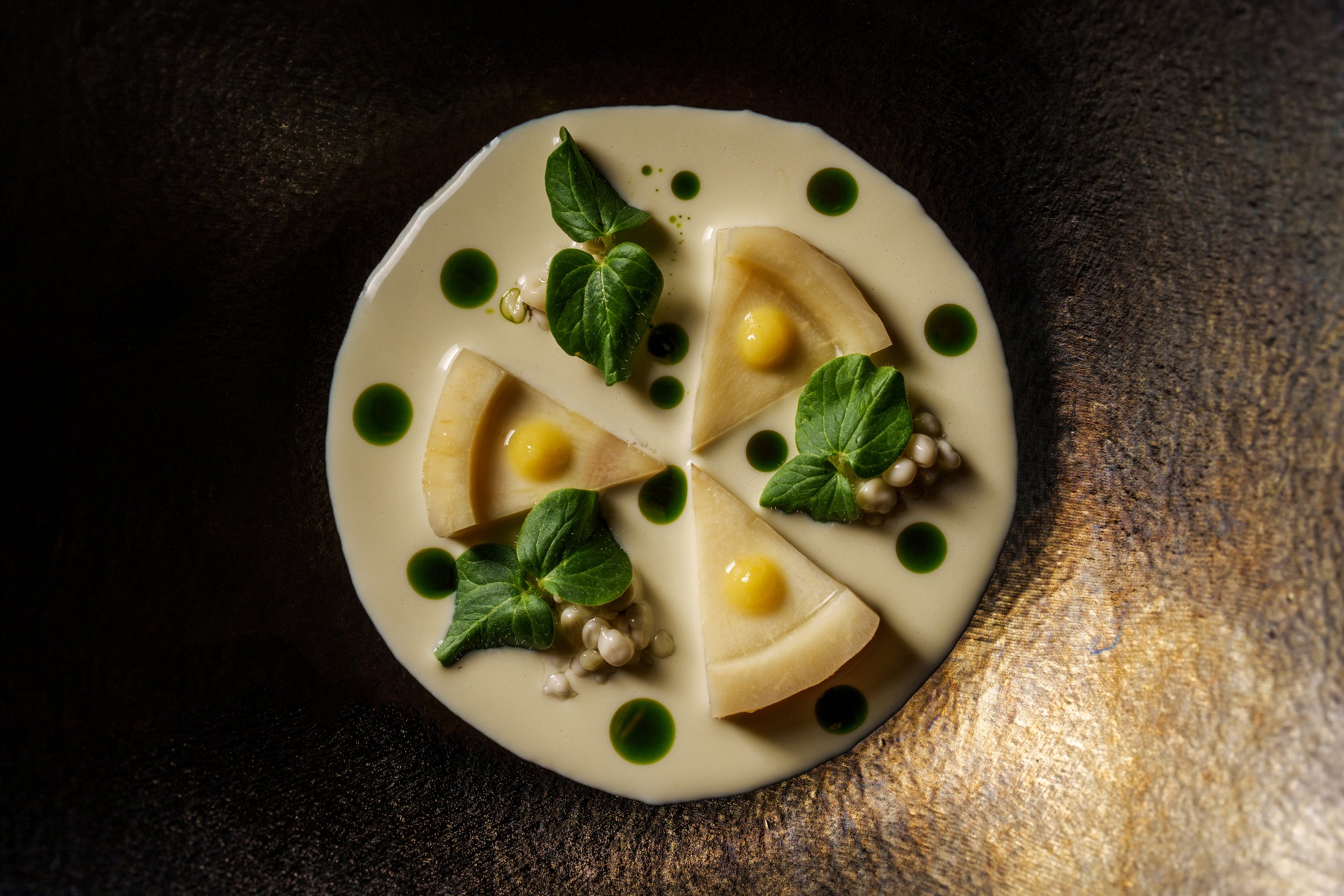
images courtesy of TUJU
The restaurant now integrates architecture, silence in the kitchen, and immersive service. How important is atmosphere to the way guests experience food?
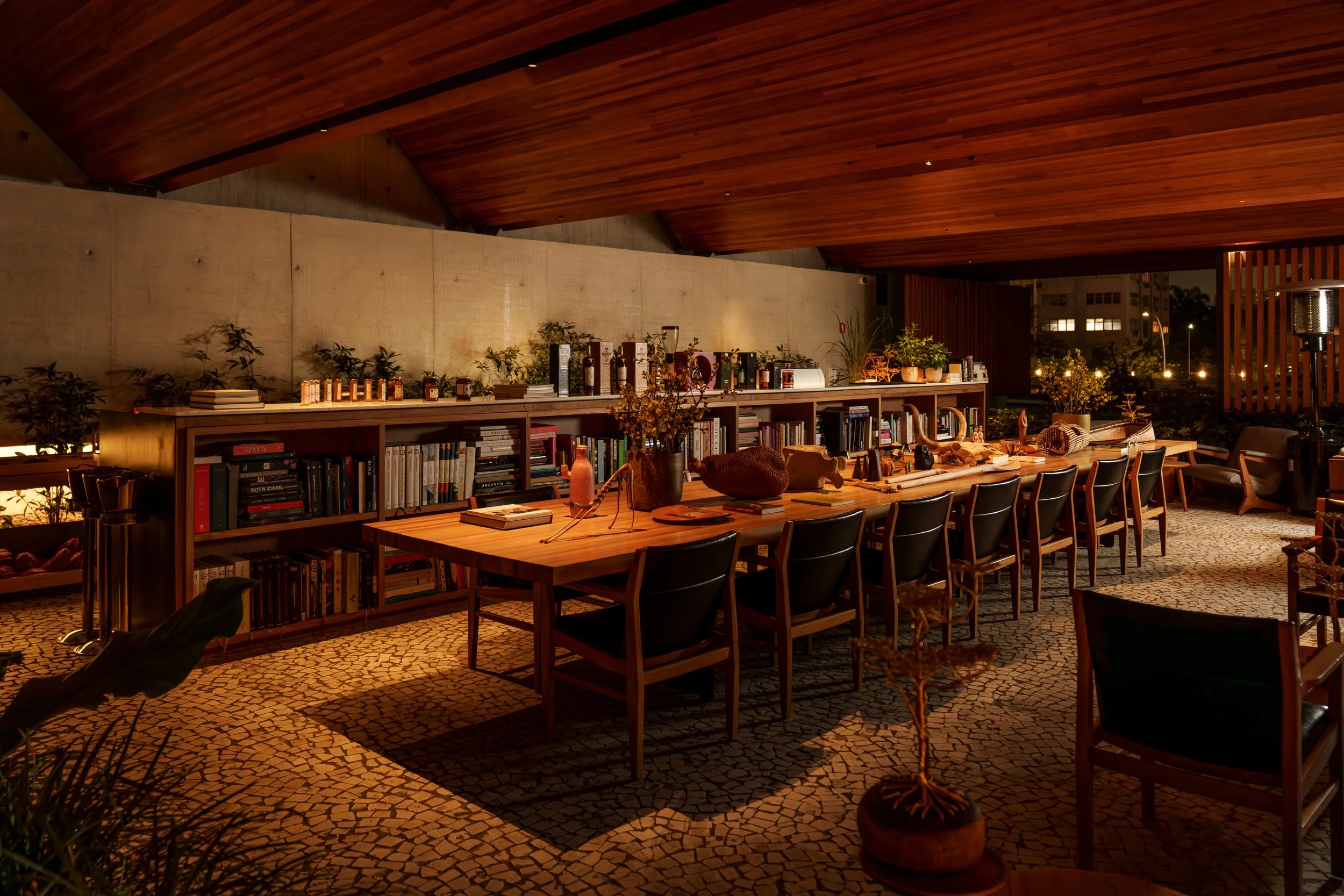
At Tuju, we want everything to speak the language of São Paulo’s brutalism. Nothing is there by chance; everything serves a purpose. You will never see a tuile or a flower that doesn't fulfil a functional role in Tuju's kitchen. Everything is designed around flavours, aromas, textures, and temperatures. We live in a highly audio/visual world. Tuju tries to break away from these superficial habits of contemporary gastronomy.
With only nine tables, the restaurant feels almost intimate. What kind of connection do you hope guests feel during the experience?
It’s as if every guest had their own counter. We take care of each table as if it were a private dinner.
Your new tasting menu “Humidity 2025” is inspired by the rainy season in southeastern Brazil. Why is climate such an important starting point for creativity?
The amount of water in the soil is precisely the determining factor for what will be at its peak here.
Many dishes combine unexpected ingredients such as scallop with quinoa and mushrooms, or cauliflower with Brazil nut and caviar. How do you develop these pairings?
To be completely honest, it’s a lot of trial and error. Everything we live and see also ends up creating an intuitive repertoire, which sometimes works and sometimes doesn't. Our job is exactly knowing how to recognize when it doesn't work and keeping it off the menu. A chef’s greatest skill isn't how they handle a knife or plate a dish, but rather their palate.
Brazilian cuisine is often associated with comfort and tradition. How do you reinterpret it through a contemporary fine-dining lens?
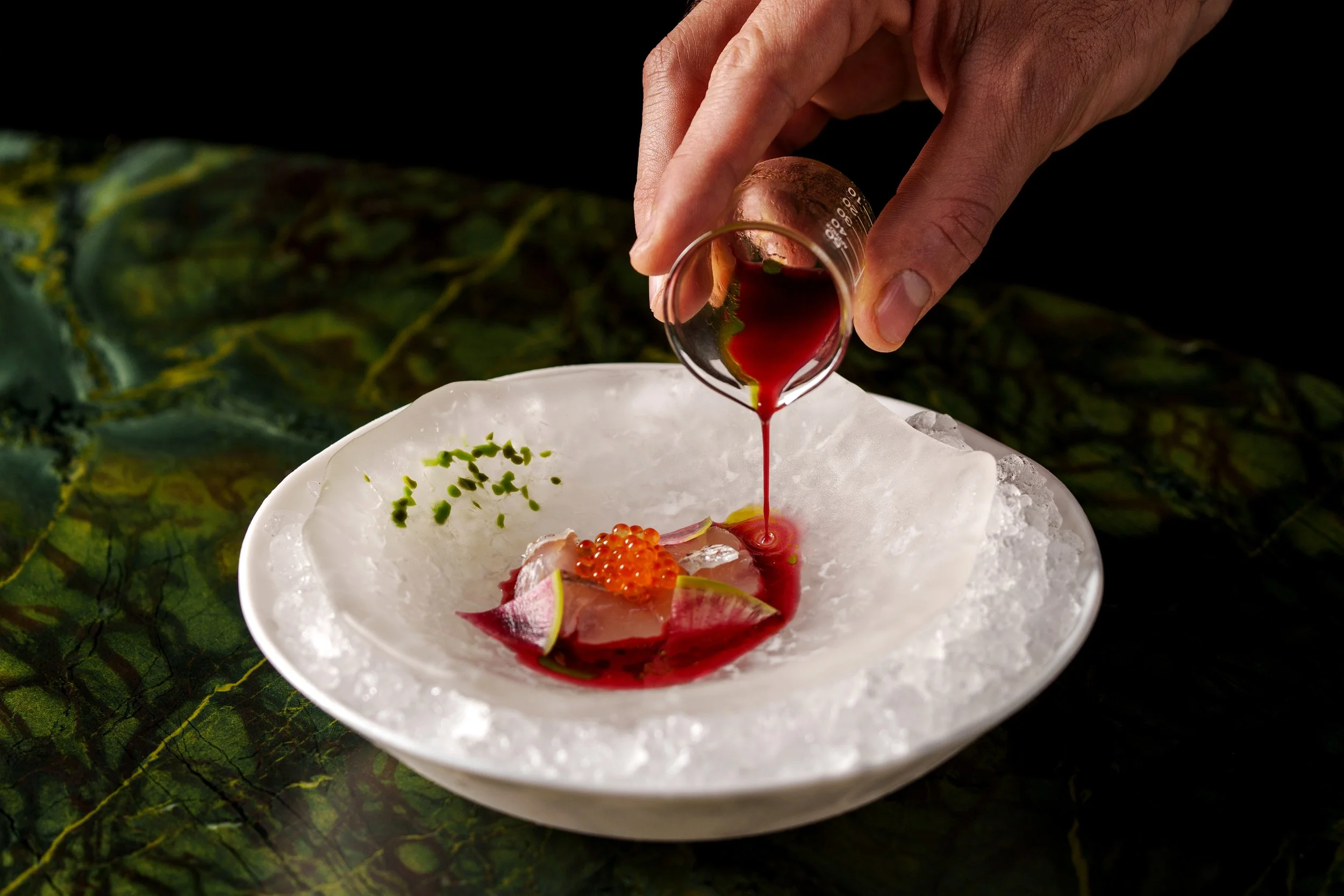
The food I like most is traditional food. We must be careful so that what happened to music doesn't happen to cooking, where two very separate universes were created between classical and popular music. Fine dining is about eating well, regardless of the language used. Many fine-dining restaurants are only delivering technique and language, not good food. It is something I always question myself about and pay attention to: aesthetics must never surpass substance.
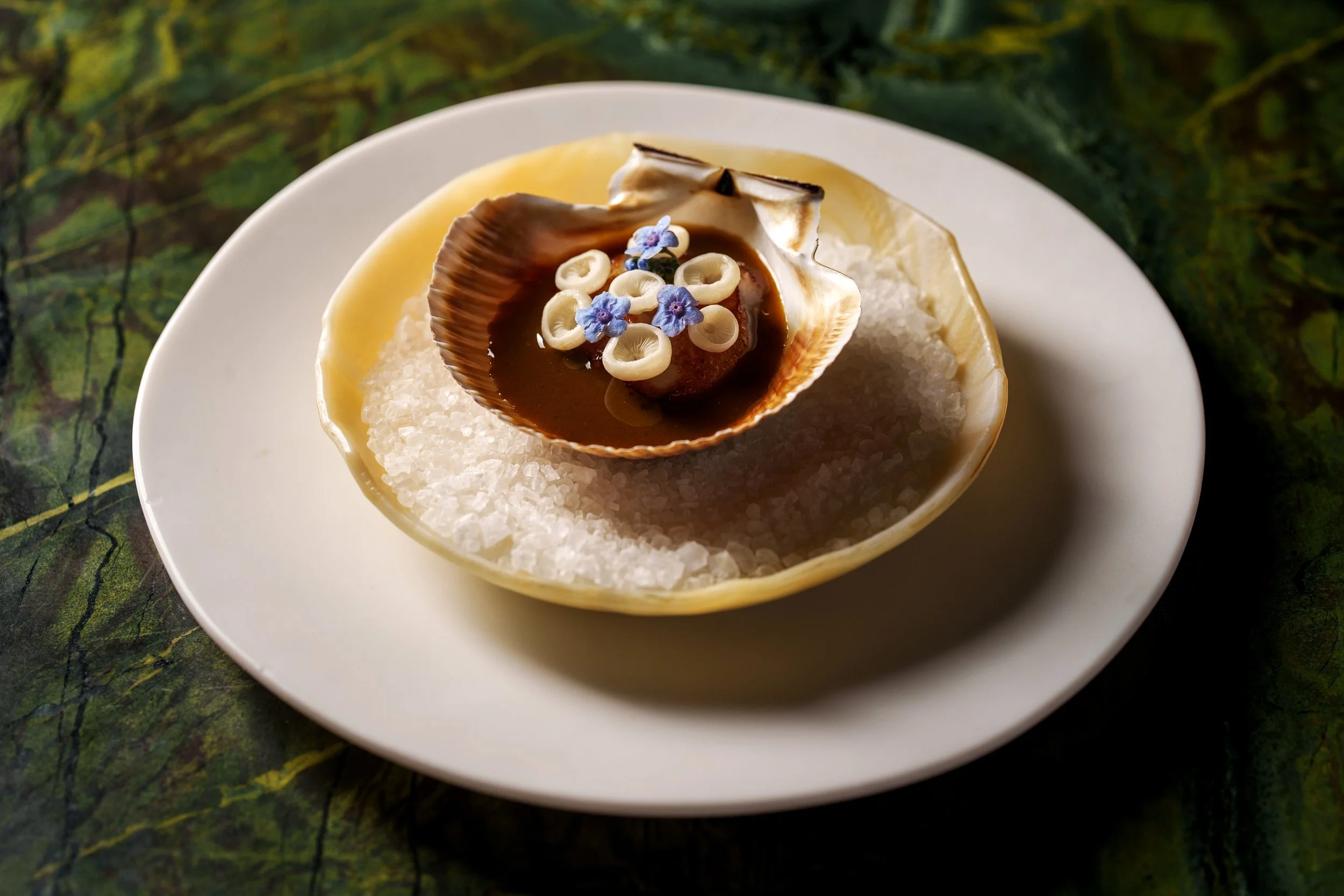
images courtesy of TUJU
TUJU Pesquisa, your research and creativity centre, is quite unique in the restaurant world. Why did you feel a research institute was necessary for gastronomy?
This work is led by my partner, Katherina Cordas, and her right hand, Helena Guimarães. It is exactly the part of the work that brings us the most joy. I often say we run Tuju so we can run Tuju Pesquisa. In a country like Brazil, investing in education is absolutely necessary.
How does collaboration with scientists, anthropologists, and producers influence the way you develop dishes
Naturally, everything we learn there ends up entering our creative repertoire. This relationship with producers is particularly highlighted. Besides visiting them quite frequently, we talk to them every day. They end up becoming friends. In the end, a restaurant, above all else, is about this: people.
What discoveries about Brazilian ingredients have surprised you the most through this research?
Currently, we are studying Brazilian bivalves and shellfish. It has been very special, and we are discovering many interesting things.
Tuju has received a Green Star from the MICHELIN Guide for its environmental practices. How do sustainability and high gastronomy coexist in your kitchen?
The Green Star is the most important one we have. Restaurants are unsustainable by nature. We have important generational work to do, which is precisely figuring out how we can better integrate into society without polluting the world.
Do you believe fine dining has a responsibility to influence the broader food system?
Absolutely. Fine dining restaurants have precisely this social function. Do we need them, or are they a whim? Many people don't see how much these places deliver to society. How many cooks have been trained in restaurants of this kind? How many producers received that first push with the help of restaurants like these?
images courtesy of TUJU
Running a two-Michelin-star restaurant requires precision and discipline. How do you keep creativity alive within such a structure?
I try not to think too much about what those stars represent and just carry on with my work. I don't work for Michelin; I work for my guests, and Michelin is just one more guest that I have.
What inspires you outside the kitchen — art, architecture, travel, or something else entirely?
Mainly music, which is the great passion of my life. I think it is organised in layers, just like food.
When guests leave Tuju after the full experience, what feeling or memory do you hope stays with them?
Just that they leave feeling better than when they walked in. That is what a restaurant is for.