
IN CONVERSATION WITH MEES PEIJNENBURG
interview by TIMOTEJ LETONJA
Following its Special Mention at Berlin, Mees Peijnenburg’s A FAMILY centres on something deceptively simple: what happens to a family when it breaks apart. Told through shifting perspectives, the film resists blame in favour of emotional nuance. Instead, it focuses on perception and emotional safety. Talking to Peijnenburg, we discuss intimacy, dual perspective, and how the film reflects experiences many will recognise.
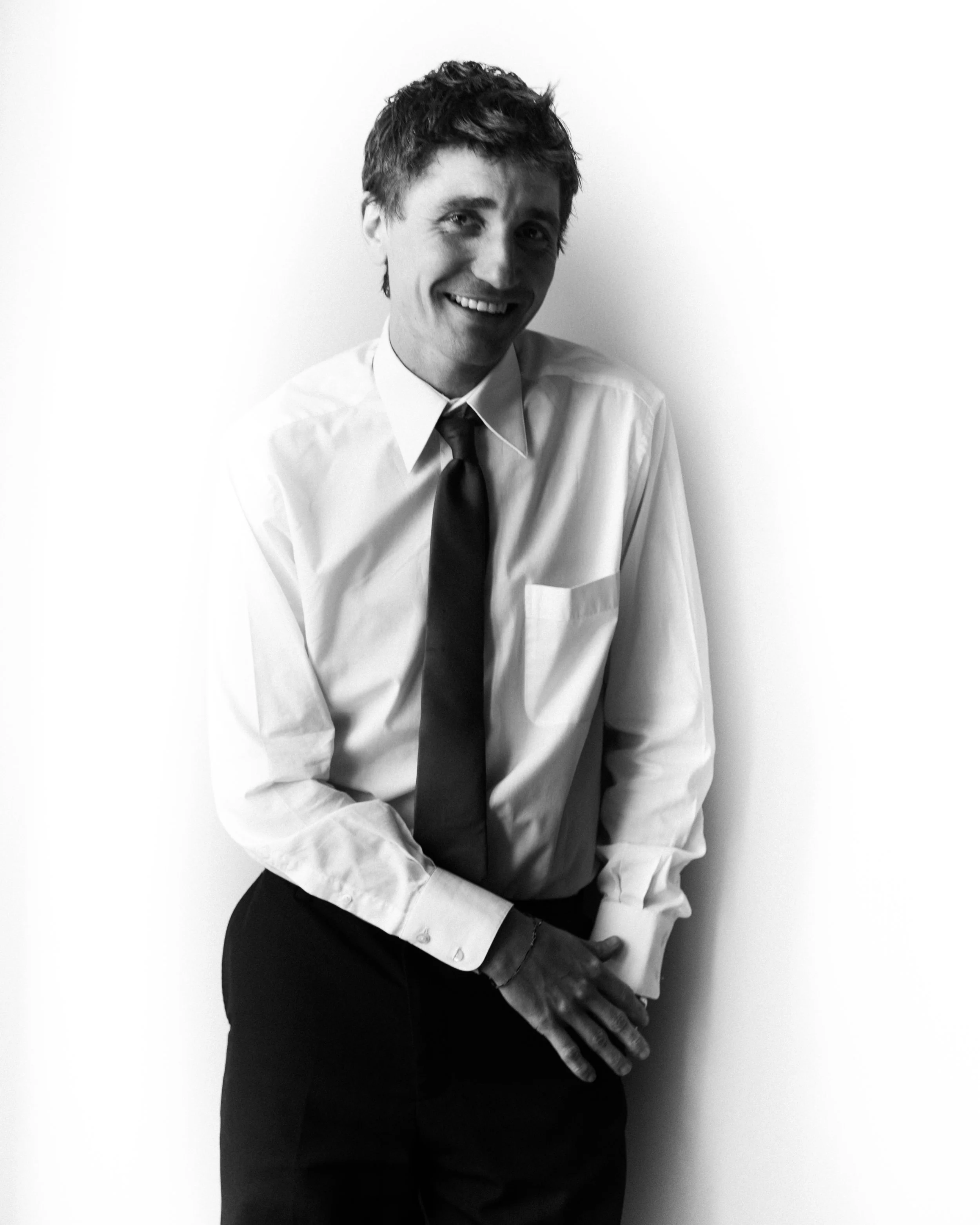
A FAMILY received a Special Mention at the Berlin International Film Festival in the Generation section. The jury said the film makes "many of us feel seen." What does it mean to you, personally, to be told that your work makes people feel recognised?
Receiving this award was truly extraordinary and deeply meaningful. It affirms our dream of making a film that people recognise themselves in and are genuinely touched by. That, to us, is the greatest compliment we could receive.
You described the award as confirmation of a dream — a film people can deeply identify with. What was the original emotional core you set out to protect while making this story?
After my previous film, I wanted to make a film that felt very close to me, that was human and intimate. Starting from a personal urgency, I began exploring family dynamics. How does a breakup affect all the different family members? What process does each person go through? How do they come out the other side, and what is everyone truly searching for? At the core, we are all looking for emotional safety.
A FAMILY unfolds from two mirroring perspectives. Why was it important to tell this divorce story through dual subjectivity rather than a single point of view?
I’ve always been fascinated by how people can encounter the same situation yet experience it so differently. With A Family, I wanted to draw the viewer into that complexity by placing a magnifying glass on recurring moments and showing how they shift depending on who you follow. A simple change in perspective can reveal truths that were invisible before.
Divorce narratives often default to blame. Your film seems more interested in perception and emotional inheritance. Was that intentional from the scripting stage with Bastiaan Kroeger?
Divorce isn’t the problem for me. I would never advise keeping a loveless, painful or violent marriage together ‘for the sake of the children’. Separation isn’t the issue. Feelings of love, desire and attraction will forever flow, change and evolve. People change, the world changes and we will always be resilient to adapt. For me it’s not about if or why you separate, it’s all about how you do it. When the world below you trembles, we all need to feel emotionally safe.
The screenplay has been praised for its careful construction. How did you technically approach building emotional symmetry between Nina and Eli without reducing them to archetypes?
Rarely is a divorce drama shown from the children's perspective. I wanted to explore that territory where arguments are fought over the children's heads and how the children become a mirror of their parents' behaviour. I wanted to make a film about the interplay between being adults and children, and in particular, the way adults become children in their doing.
I would describe the characters in A Family as deeply resilient, tender at their core, and quietly consumed by despair. They strive, love, and endure, even as something inside them slowly begins to fracture.
For instance, the parents played by Carice van Houten and Pieter Embrechts are rooted in despair and driven by the fear of losing everything around them; they become scared, and scared people make unsettling choices. I don’t judge them for their imperfections. I understand their harshness, their impatience, their moments of emotional intensity. These behaviours rise out of panic, not cruelty. Above all, I feel for them: their pain, their fear, and the desperation of trying to hold on to something that is already slipping through their fingers.
The title is striking in its simplicity: A FAMILY. Is it ironic, hopeful, or declarative?
Hopeful for me. I hope that in A Family, people will recognise themselves in the heartfelt turmoil of a family falling apart and find solace in the enduring need for the people who matter, even when the storm rages.
Screen Daily noted your "keen eye for body language and read-between-the-lines detail." What do you look for in actors beyond dialogue?
I absolutely adore working with actors, and above all, shaping a character together. There is an openness and emotional transparency that comes from a place of trust. That, for me, is the base. Trusting each other that mistakes and failure is ok. Allowing ourselves to make mistakes whilst shooting or rehearsing. This goes way beyond dialogue for me, trusting each other in the things that aren’t said.
For instance, the creation of Nina, played by Celeste Holsheimer. At sixteen, she finds herself on an emotional rollercoaster. The obvious portrayal would have been a fierce, screaming, rebellious teenager: an image we’ve seen many times before. Instead, I was drawn to her vulnerability: the internalising, suppressing, and inevitable eruption that mirrors the pressure building inside her. Nina tries to keep up appearances while slowly drowning beneath the surface. That quiet suffocation felt more distinctive, more intimate, and more moving to me. You expect the anger to explode; instead, Nina’s breath is gradually taken away, both literally and figuratively.
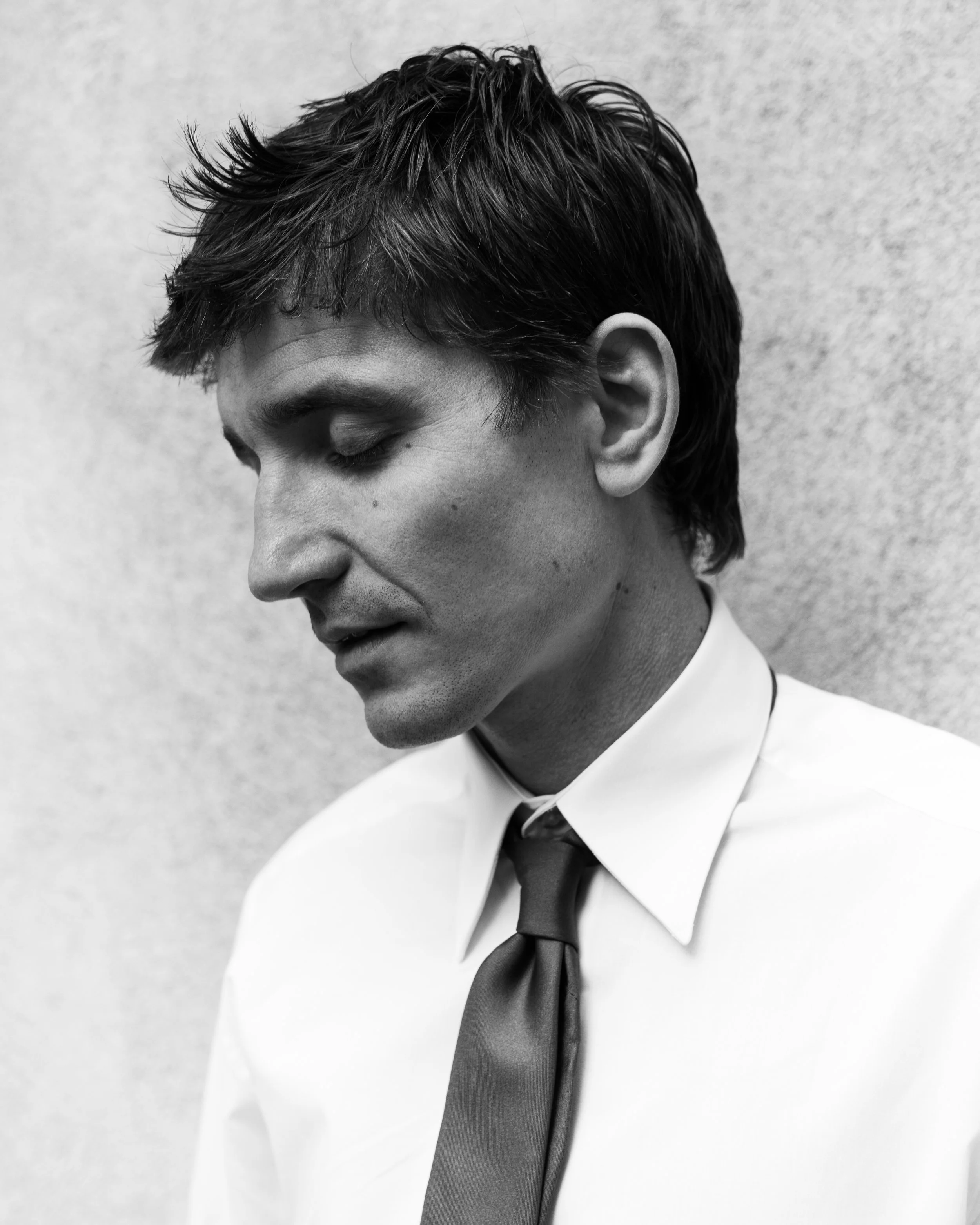
Working with Carice van Houten as Maria, how did her presence shape the emotional temperature of the film?
Carice and I had been talking about working together for a long time, across several different ideas and projects. When A Family came along, it felt like a perfect match. Carice brings an extraordinary emotional intelligence to her work; there is a depth, precision, and courage in her performances that is rare. Working alongside her has been an absolute privilege.
Finn Vogels and Celeste Holsheimer carry immense emotional weight as Eli and Nina. How did you guide young actors through such fragile terrain?
Casting, for me, is one of the most crucial moments in the creative process. It’s where the emotional foundation of the film is set. For A FAMILY, everything fell into place is the best way. Finn Vogels and Celeste Holsheimer have such a unique talent and sensitivity. They are like rough diamonds in the sun, shining radiantly.
Your films often explore young people navigating emotional abandonment. Is this autobiographical territory, or something you observe culturally?
This is something that comes from deep inside me. I want to create sensitive and emotional heartbeats, portraits that reveal both the beauty of humanity and the sincerity of pain. I want to show the complex terrain where compassion and moral ambiguity meet, portray characters that are human, flawed and by being that, relatable. I show this through everyday situations from real life.
Varying from my graduation film, Even Cowboys Get to Cry, where unconditional friendship is put to the test by acts of guilt, shame and forgiveness, or my film We Will Never Be Royals that explores that primal instinct in the search for unconditional love. It shows the resilience of humanity, even when the future looks bleak and lonely. My films are intimate and human portraits in which the protagonists are celebrated, never judged, for their darkness and flawed behaviour.
In a time where family structures are constantly evolving, what does "home" mean to you today?
I believe family can take many different forms. Sometimes it’s the people you’re related to by blood, and sometimes it’s the people you choose to surround yourself with. What defines it for me is a sense of mutual care and trust. Home is where you feel supported in being who you are. Where you feel emotionally safe.
With Cinéart releasing the film in Dutch cinemas on April 2, 2026, how important is the theatrical experience for a story this intimate?
I think a theatrical experience is so unique and beautiful. And especially today, when so much content is consumed quickly or on smaller screens. I think that’s something worth preserving by continuing to experience films in cinemas.
International praise has followed quickly. Do you make films with a global audience in mind, or is universality something that emerges unintentionally?
I’m very thankful that my films have always travelled and resonated with people from all walks of life. That’s one of the beautiful things about cinema. Stories can begin in a very personal place but still find recognition far beyond it. Feelings like love, loneliness, longing or emotional safety are things people experience everywhere.
What did making A FAMILY teach you about yourself?
Call, contact, connect with your (chosen) family, the people who are close to you or the people you love. Give them a hug. We can use that more than ever.
TEAM CREDITS
talent MEES PEIJENBURG
photography DANIEL SARS
editors TIMI LETONJA, ELIANA CASA, and MAREK BARTEK
interview TIMI LETONJA
