
IN CONVERSATION WITH JACK CAMERON
interview by TIMI LETONJA and JANA LETONJA
Jack Cameron Kay is rapidly emerging as one of the most exciting young actors to watch. After recently appearing as Jones in Netflix’s Boots, he is now taking on one of contemporary drama’s most iconic roles as Jack Twist in the American premiere of Brokeback Mountain at Chicago Shakespeare Theater, a character immortalized by Jake Gyllenhaal in Ang Lee’s acclaimed film and more recently portrayed by Mike Faist on stage. Alongside his theater work, Jack can also be seen in Jordan Firstman’s buzzy feature Club Kid, which premiered to rave reviews at Cannes before sparking a major bidding war and landing at A24. With standout projects across streaming, stage, and independent film, he is quickly establishing himself as one of the most compelling new talents of his generation.
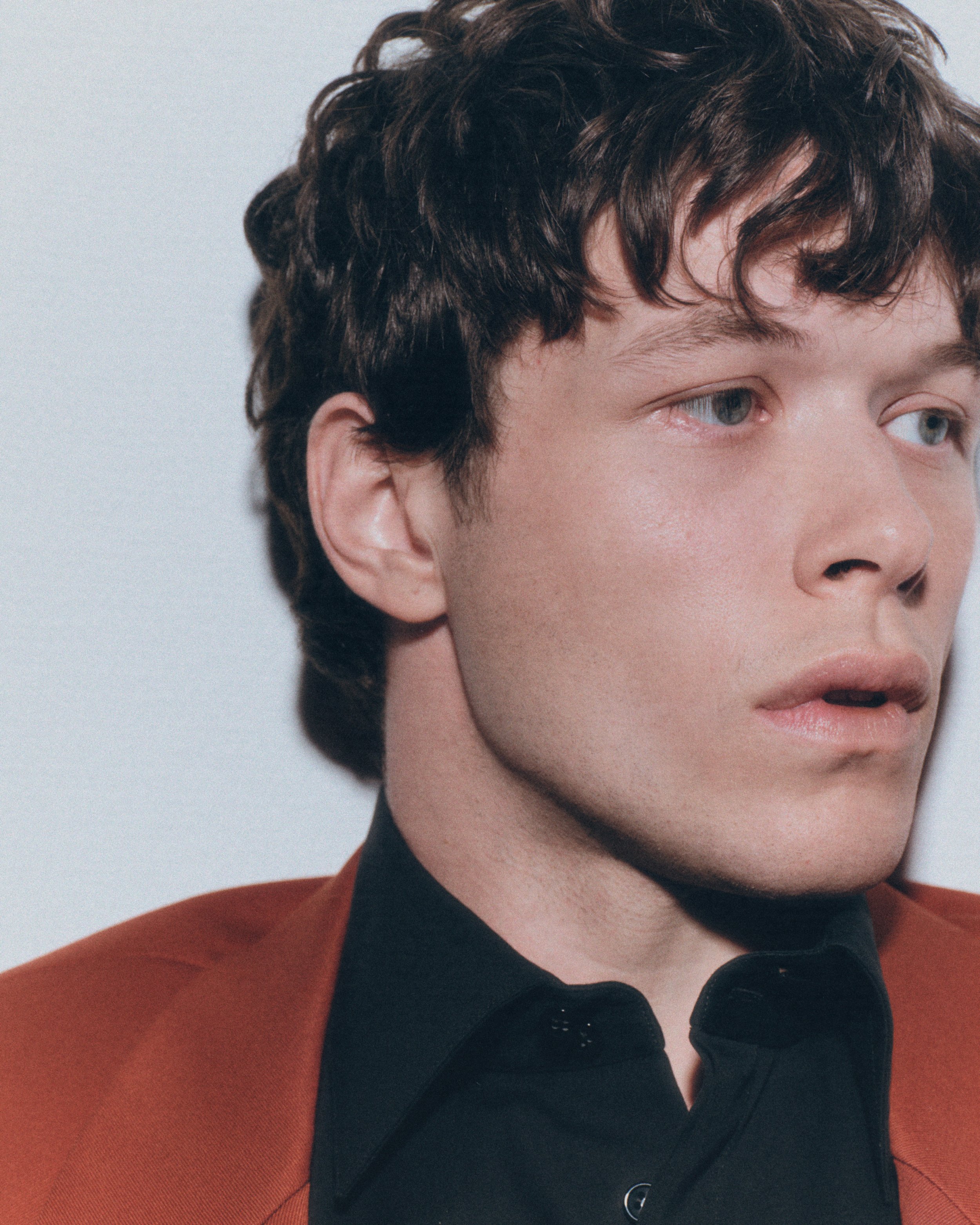
You're currently playing Jack Twist in the American premiere of Brokeback Mountain. That's a character audiences know incredibly well from the film. How did you approach making the role your own while still respecting what came before?
Well, I watched the film the night before my audition for this project, but it became pretty clear to me early on that they weren’t adapting the film, they were adapting the short story. So after that initial watch, I didn’t consult the film at all. I really just looked at what was on the page. The character that was written in the script was so alive, and I felt like you could visualize him as you read the text. I relied on all of that information, and then I let myself be guided by my director, Jonathan Butterell. It all just sort of came together.
Jack Twist is such an emotionally complex character. What aspect of him did you discover during rehearsals that surprised you the most?
It’s one of the ways that he and I are most different. I wear my heart on my sleeve, and when I get hit with a wave of emotion, I really sit with it and experience it to its fullest extent. What I learned is that Jack Twist doesn’t do that. A lot of his emotional experience runs deep below the surface. I think of it as water running beneath a frozen river. There’s so much repression going on. I learned that I can’t express my feelings as Jack Twist the way I can as Jack Kay.
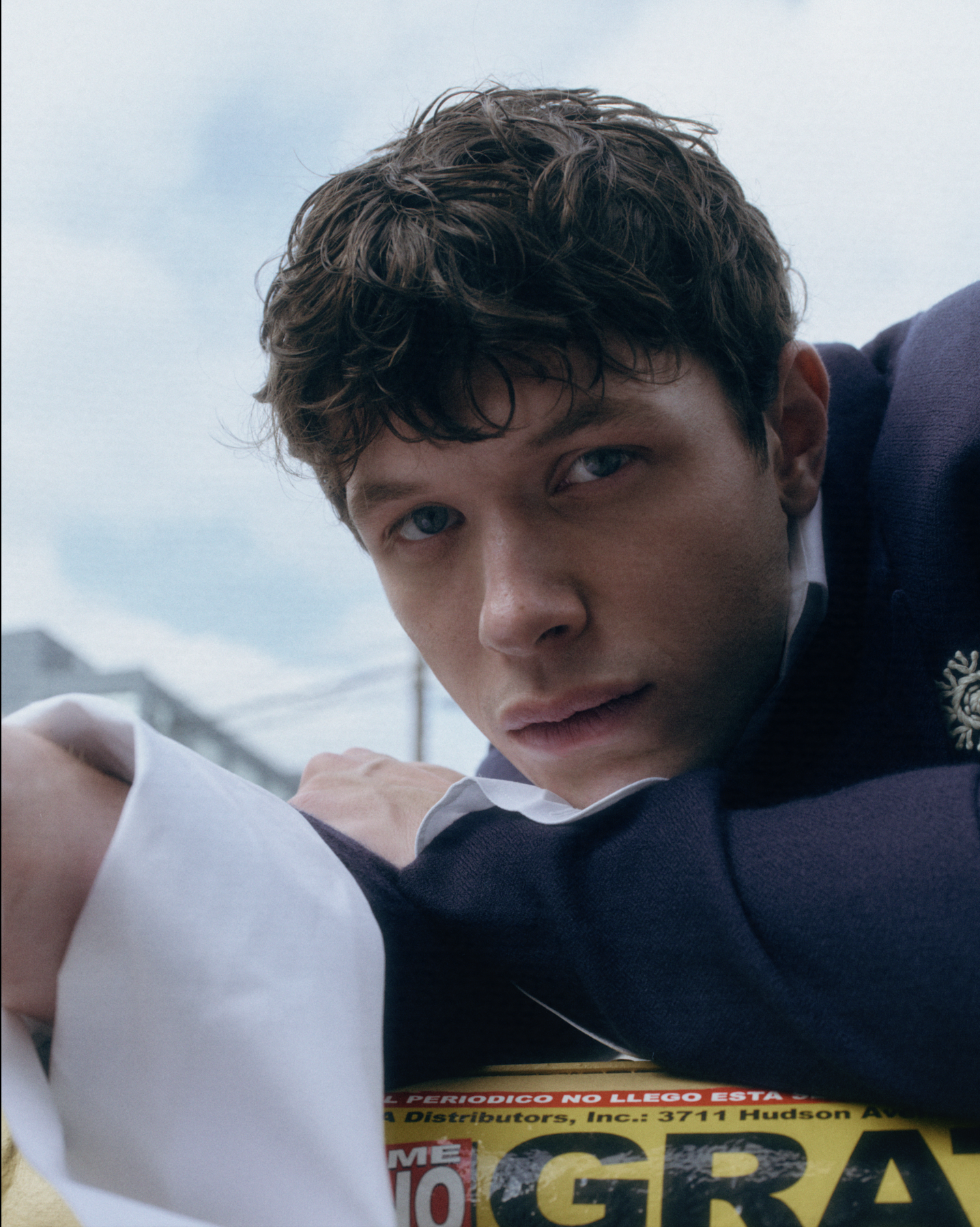
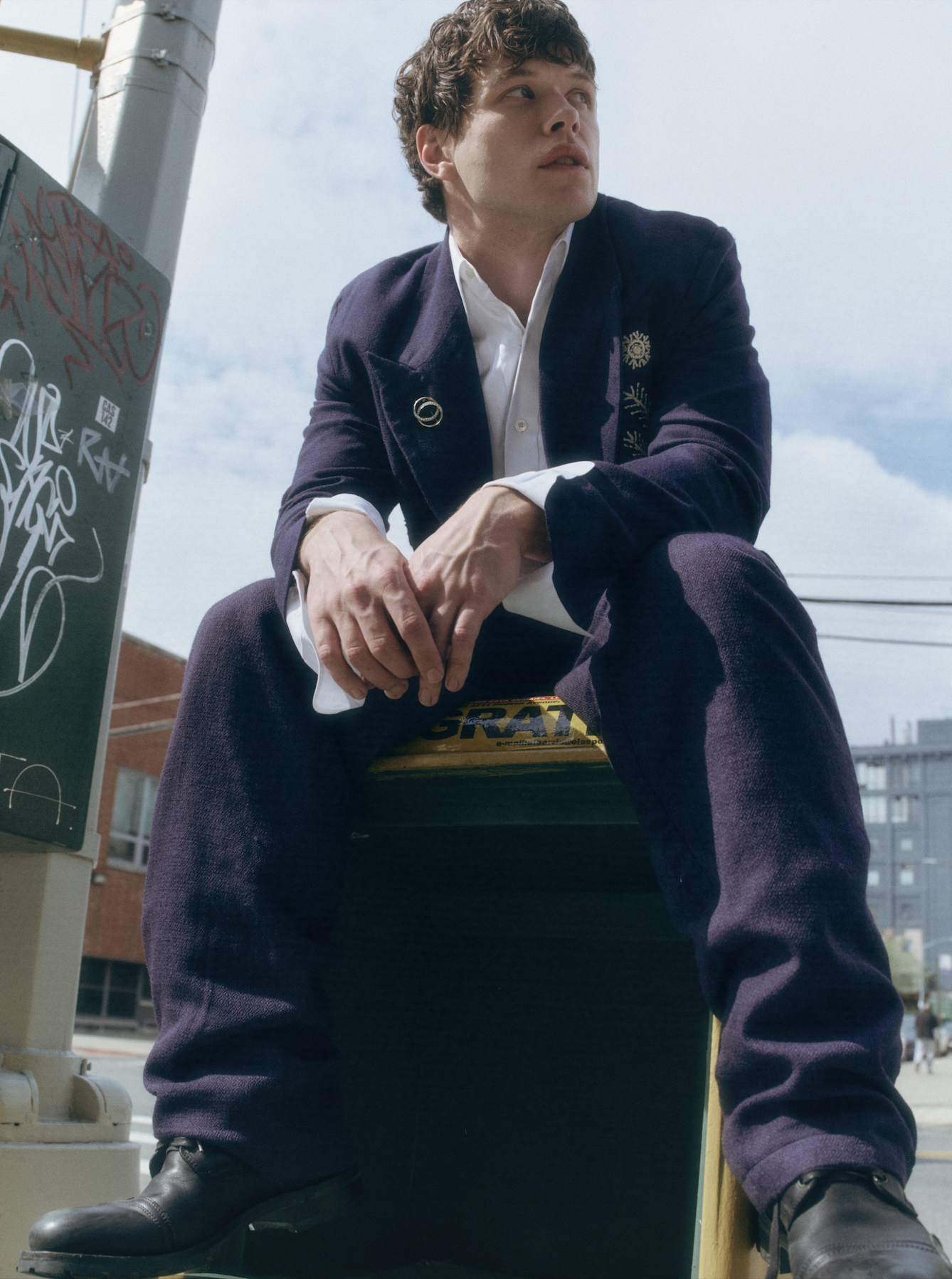
The role has been played by both Jake Gyllenhaal on screen and Mike Faist in London. Did you consciously avoid watching previous performances, or were they useful reference points?
I had a sense of how the role was played in London because it’s the same production, the same team, and the same script. But generally, the character written on the page is so vibrant that I felt all the information I needed was already there. Of course, when I deliver the iconic line, “I wish I knew how to quit you,” Jake Gyllenhaal’s delivery is somewhere in the back of my mind. But I really try to keep it out of my head because I’m trying to let something new be born in this production, in what I’m making and what I’m doing. Beyond that, I try to let something new be born every night. Every time I go on stage, I want it to be something fresh. So I try not to emulate things that have been done before if I can avoid it.
What has performing Brokeback Mountain in front of a live audience taught you about the story that you don't think you could learn from watching the film?
I get to walk out and see the audience’s emotional response in person. I’ve been connecting with a lot of older gay men after performances who are incredibly emotional and have experienced a real catharsis through the show. They express a lot of gratitude for us telling this story. If you watch the movie alone, you don’t get to see the tears in the audience or feel the atmosphere in the room. The emotional intensity changes the air in the theater. As emotionally evocative and effective as the film is, having that live response makes it all the more powerful.
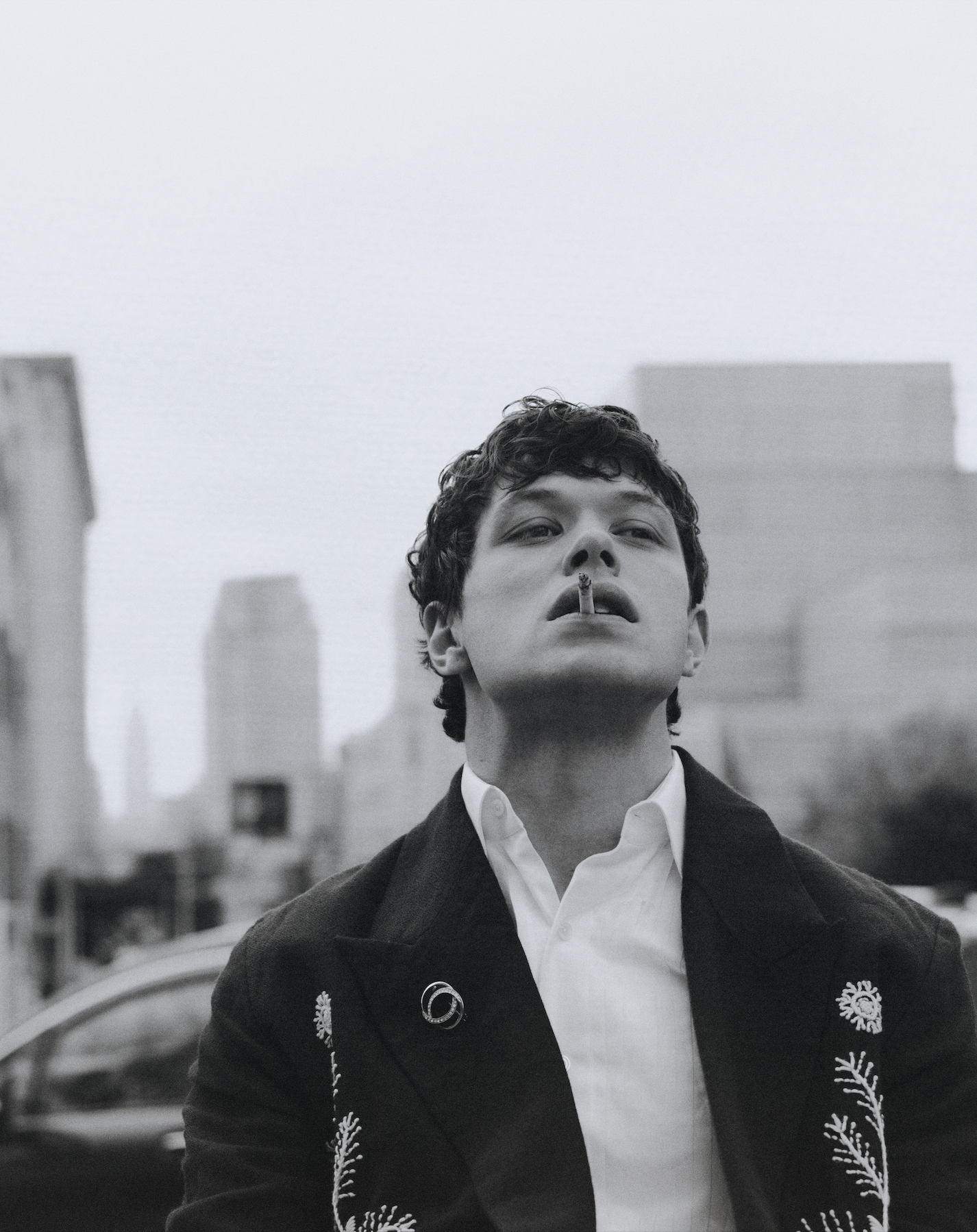
blazer, shirt and pants KARTIK RESEARCH
lapel pin VINTAGE CARTIER
boots DR MARTENS
You've moved between television and theatre in a relatively short space of time. As an actor, what muscles does the stage demand that the camera doesn't?
For me, it’s all about the voice. We’re performing without microphones in a Shakespeare theater, so I have to project and use my voice to its fullest extent. In film and TV, I’m relying on really subtle physical behavior and tiny shifts in my face and body to tell the story. In theater, what I’ve come to understand is that the words are king. The words are my guide. Speaking clearly and sending those words out with intention is everything. As long as I’m doing that, I know I’m getting close to what I want to be doing. The rest kind of falls into place. It’s really all about the words and producing sound in a way that’s free of tension. Then everything else follows.
Audiences recently saw you in Netflix's Boots. How different was the experience of building a character for television compared with inhabiting someone like Jack Twist night after night?
I’ll begin by saying we had four weeks of rehearsal for this, which, by the way, isn’t actually that much. In the UK, we usually get five weeks. So I had time to rehearse the character and really find him. With Boots, I worked on the character for my audition and callback, but once you show up on set, the expectation is that you’re ready to go. No one is really rehearsing with you. The rehearsals are for the technical components.
The opportunity to find a character over time, grow into it, and try different things is fascinating to me. Over time, you start to merge with another being that begins to occupy your physical form. It sounds very actor-y and a little woo-woo, but it’s a gradual process. Before you know it, things start happening that you never expected. It’s really cool.
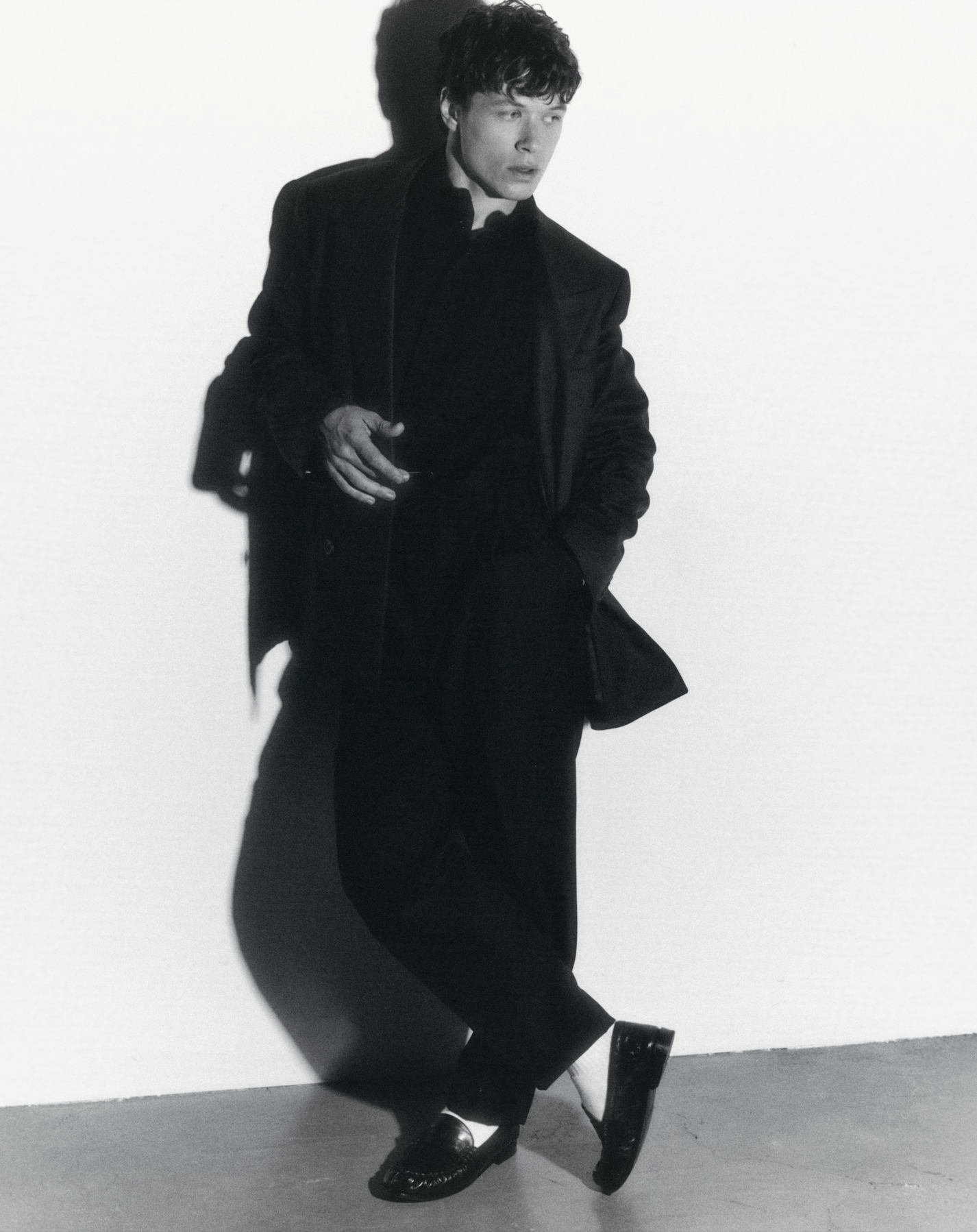
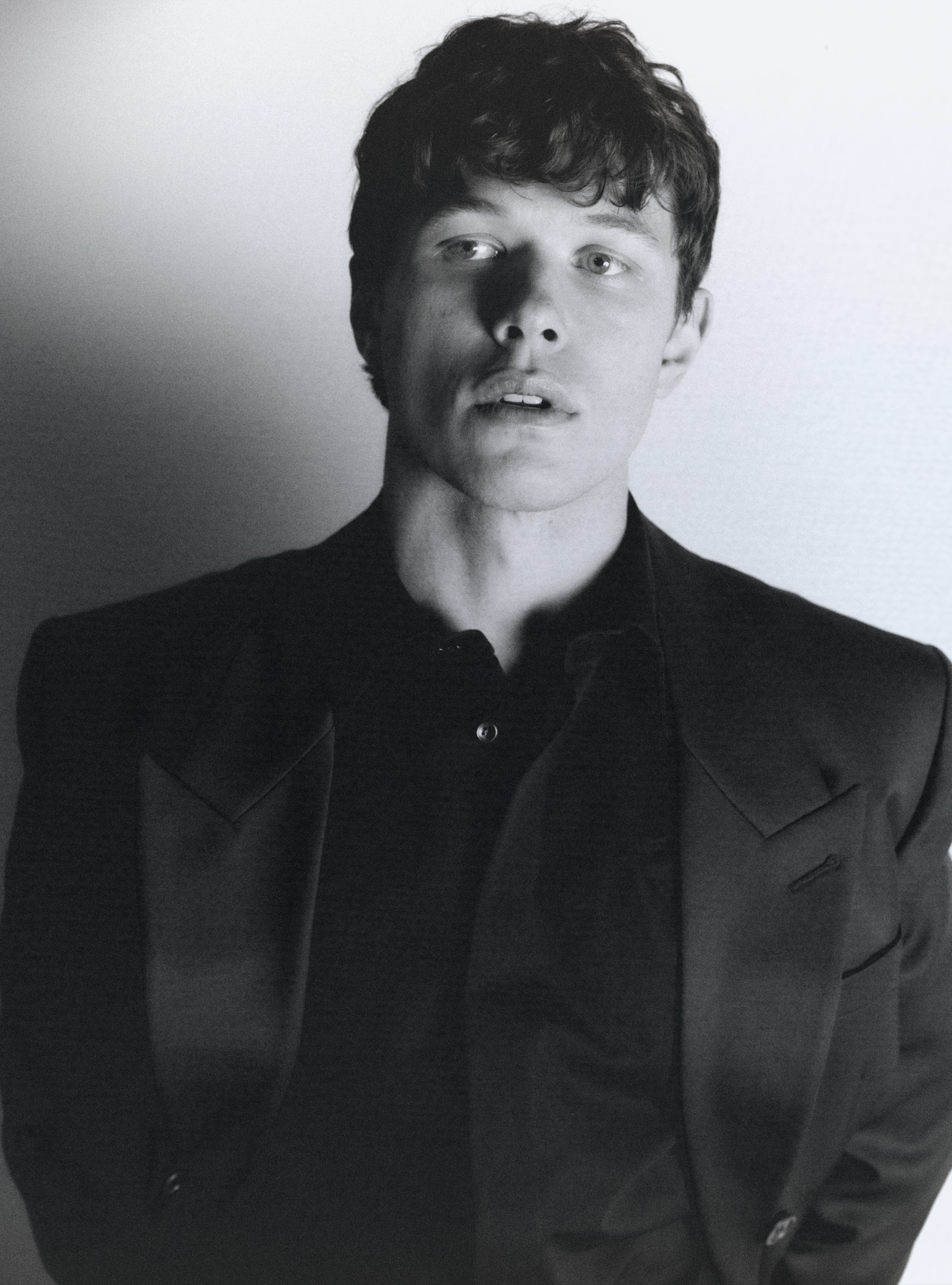
blazer, shirt, pants and loafers SAINT LAURENT
You're also appearing in Jordan Firstman's Club Kid, which premiered at Cannes and generated a huge amount of attention. What initially attracted you to that project?
I met Jordan at the club. God, I don’t even want to know what time it was. We spent hours partying together with some of my friends, and we saw him again later that summer. As a result, he asked us to be in his movie.
He already knew a lot of the scene, but when he came to New York, he got to know a lot of my friends and cast many of them. So the movie is full of my real-life community. It’s the coolest thing ever. It’s like a little time capsule, a snapshot of a very real community and scene that was the bedrock of my twenties.
I’d actually self-taped for a different role before he knew me and didn’t get it. Then we became friends, and he said, “I want you in it.” One of my best friends, who’s never acted before, has a much bigger role than I do. He went to Cannes for the premiere and also made music for the film. So it really is a family affair.
As for my role, I’m not in the movie for very long, it’s a small part. But I will say the plot of the film wouldn’t happen without my character. That’s a cool place to be. I set the entire story in motion.
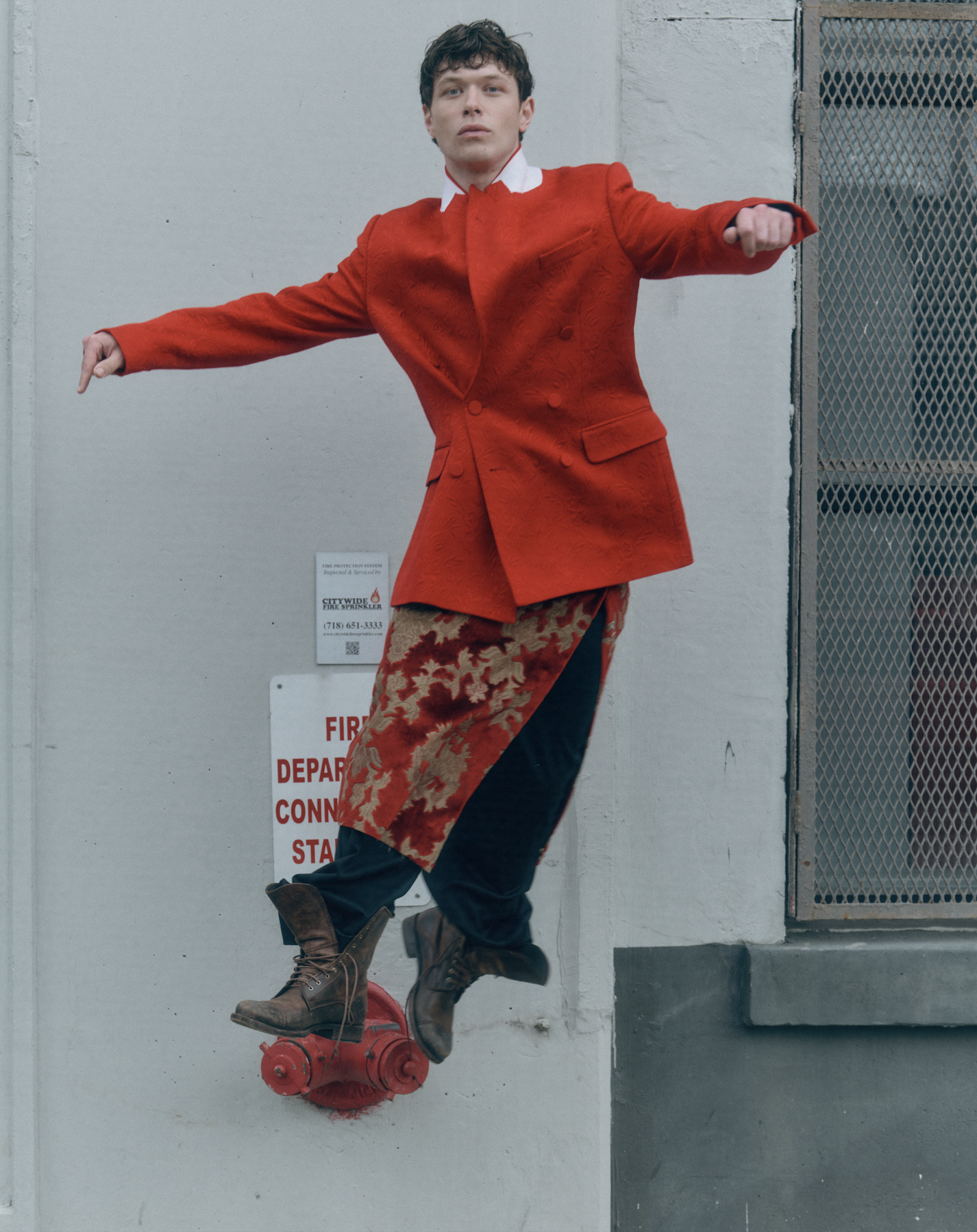
blazer and trousers DRIES VAN NOTEN
kilt UNDERCOVER
boots DR MARTENS
What is one movie in your lifetime that you're not a part of as an actor, that has changed your perspective on life, or has changed you as a person?
I think it would have to be Harold and Maude. I was shown that film in my high school film literature class, and it left such an impression on me. The philosophical, free-spirited nature of Maude, the soundtrack, and the sheer joy that seems to have gone into making the film all really stayed with me.
It’s so playful, and I think it’s incredibly informative for today’s filmmakers. You can see so much of what must have inspired someone like Wes Anderson woven throughout it. At its core, it carries this essential message: live your life. Live freely.
As a young actor, how do you balance choosing roles that challenge you artistically with roles that might introduce you to a wider audience?
I’m not really in a position to be picky right now. I take the work that’s given to me. I know that, so far, people probably know me for queer roles, but I think I’m a really versatile performer who can lend himself to all kinds of characters.
I also find the notion of asking whether a gay actor can “play straight” a little offensive sometimes. Acting is about playing somebody else, that’s literally the job. That said, I do think I can play straight very well.
Of course, I’m always willing to take on queer roles because they’re important to me and I have a personal relationship with that material. But moving forward, I definitely want to diversify the kinds of roles I’m doing. I think of myself as the kind of actor who wants to transform, who wants to disappear into another person. The more opportunities I have to demonstrate different colors and different facets of what I’m capable of, the more that will guide my choices.
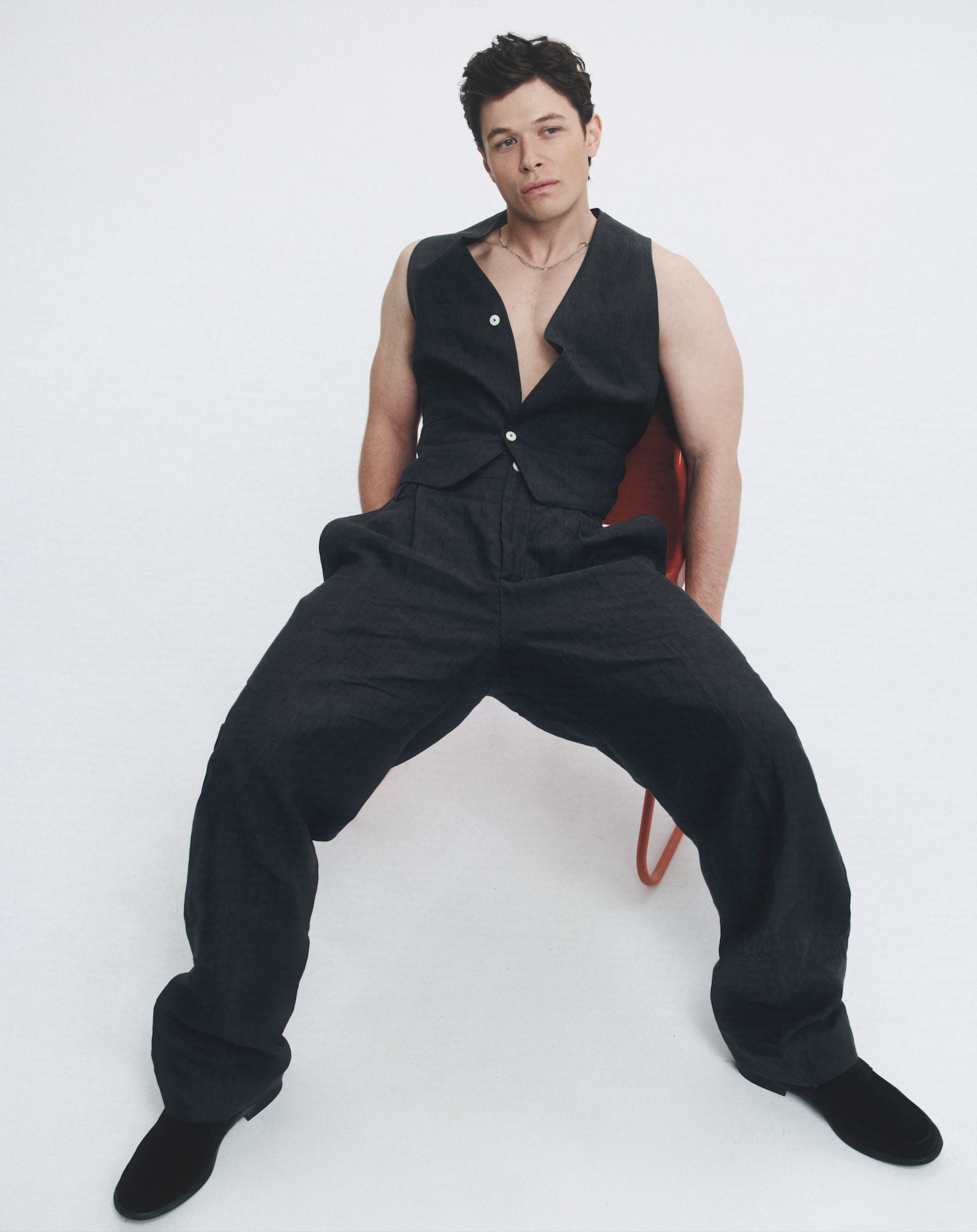
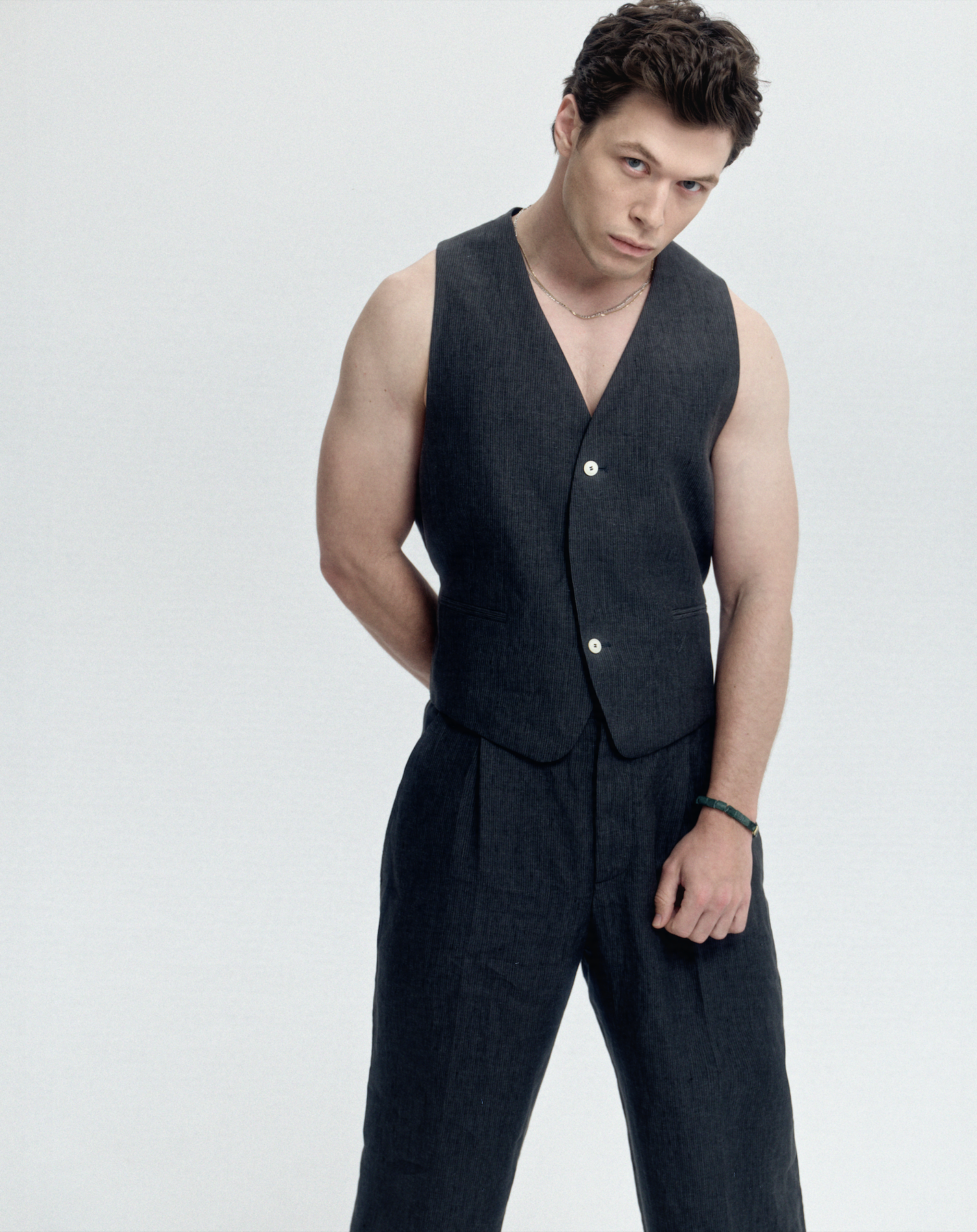
vest and pants JACQUEMUS
necklace MEJURI
bracelet EDDIE BORGO
shoes BOGGI MILANO
Looking back at the start of your career, what has been the biggest lesson you've learned about the profession that no drama school or acting class can really teach?
You can take all the classes in the world and train for the rest of your life, and none of it will be nearly as informative as one week at work. I’m a huge proponent of acting class, I love it, but actually doing the work is where you really learn.
That’s why I think of Brokeback Mountain as the drama school I never had. I didn’t go to drama school or theatre university, I went to music school. Every time I step on stage to do this show, it’s the best acting class I could ever have.
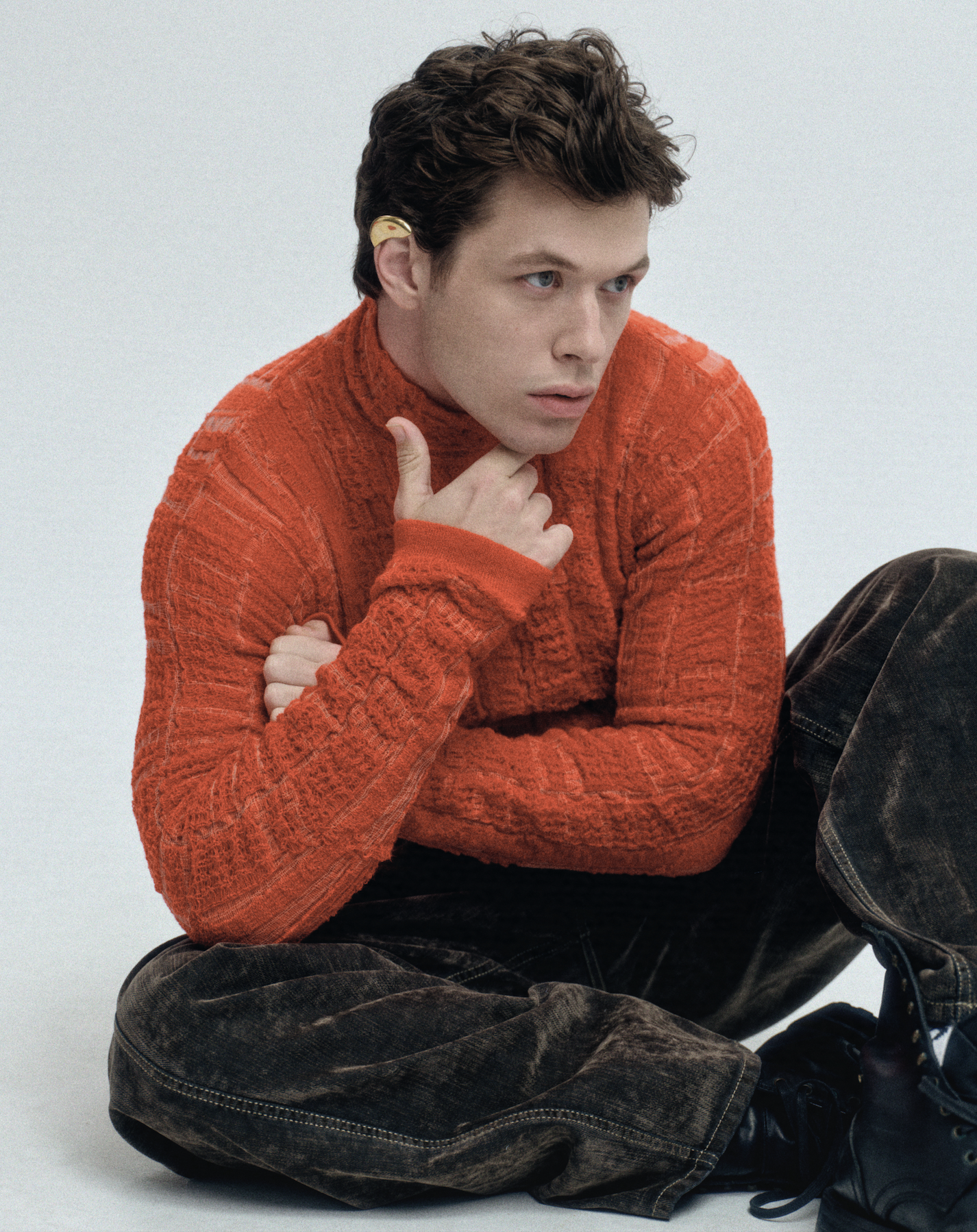
sweater and pants MAISON MARGIELA
boots DR MARTENS
ear cuff FARIS
TEAM CREDITS:
talent JACK CAMERON
photography LENA MELNIK
styling CHARLIE WARD at See Management
makeup and hair TIMOTHY AYLWARD at The Wall Group
editor TIMI LETONJA
editorial director JANA LETONJA
interview TIMI LETONJA & JANA LETONJA
