
IN CONVERSATION WITH LUKAS HAAS
interview by JANA LETONJA
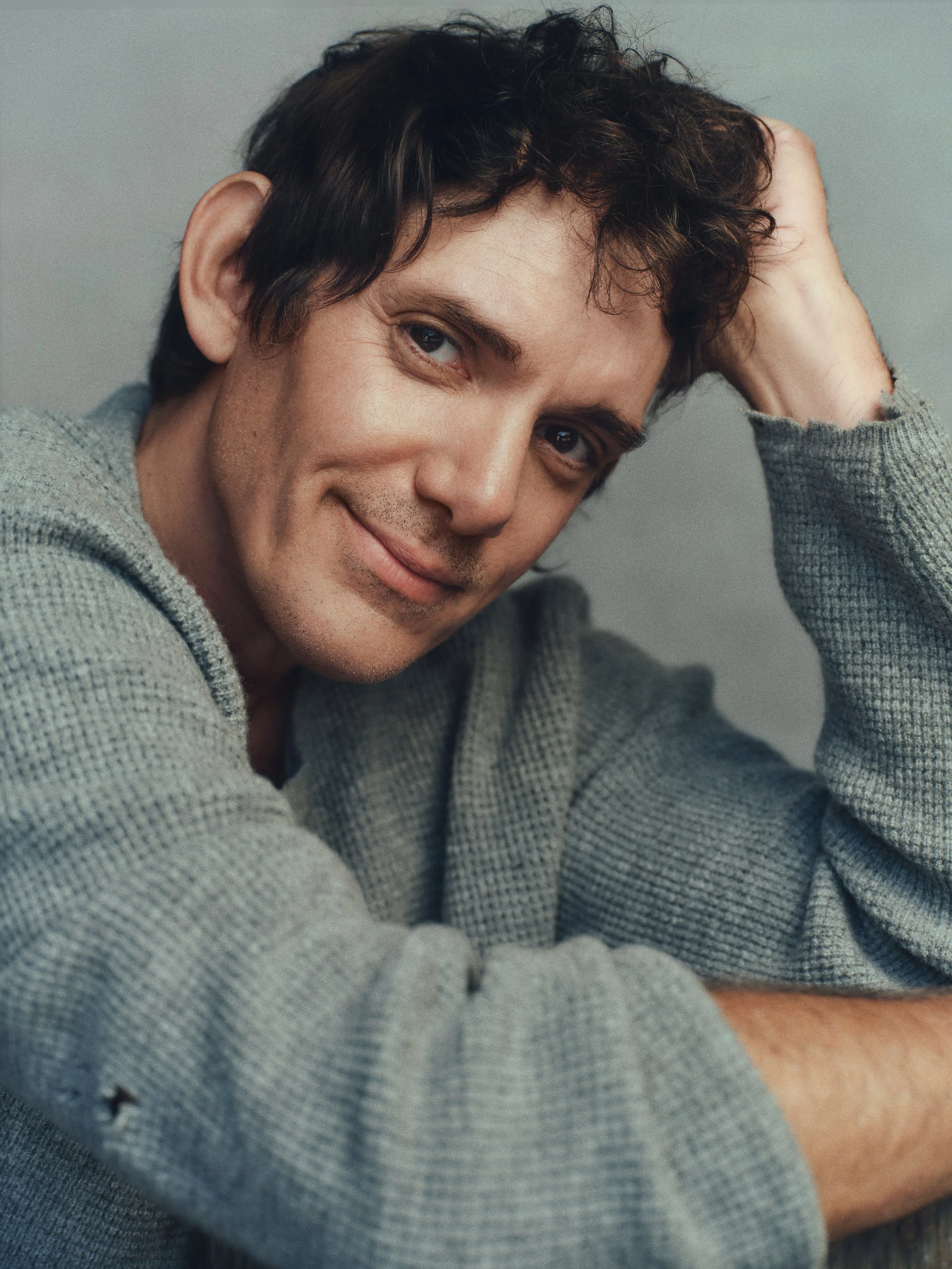
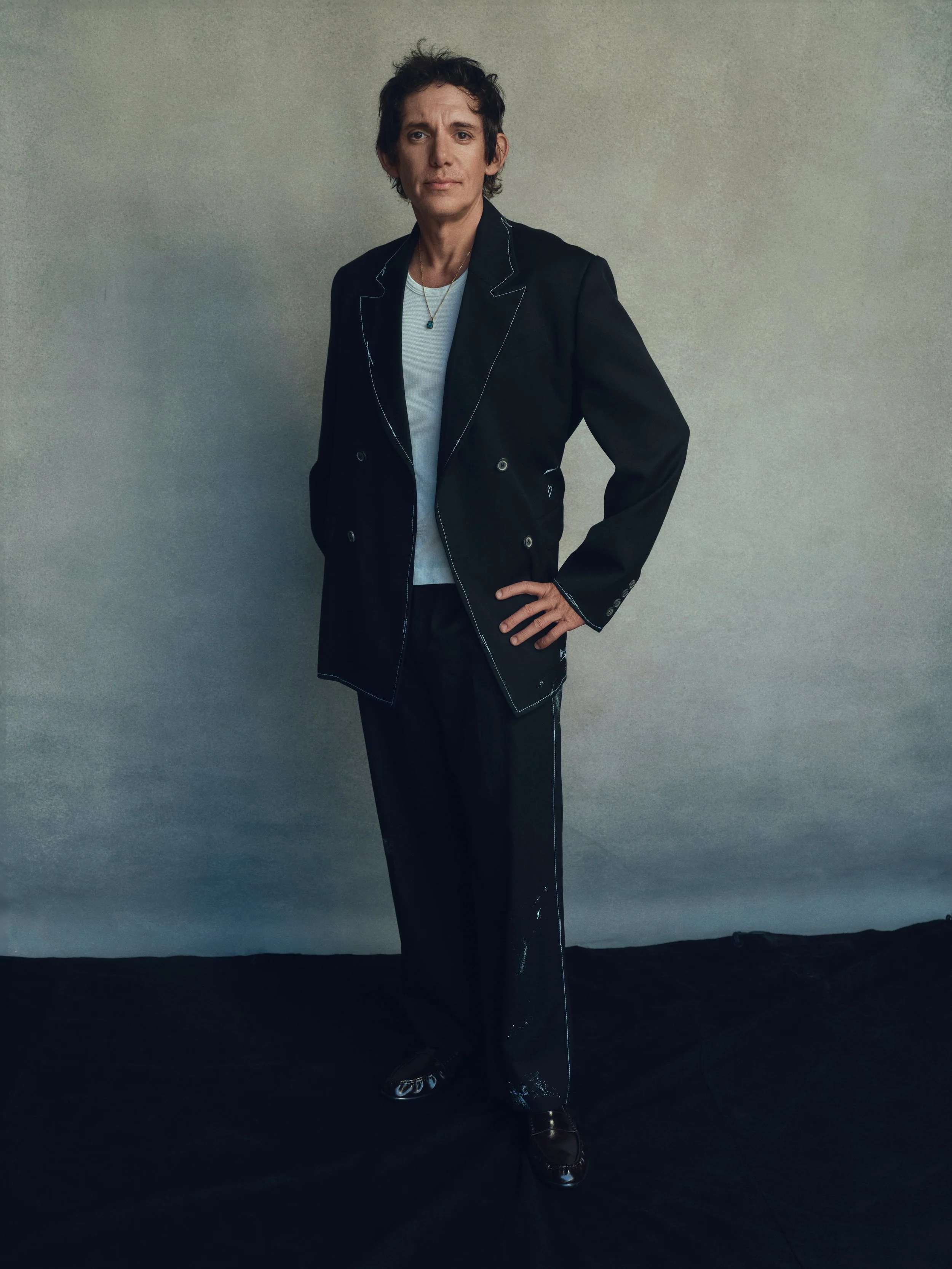
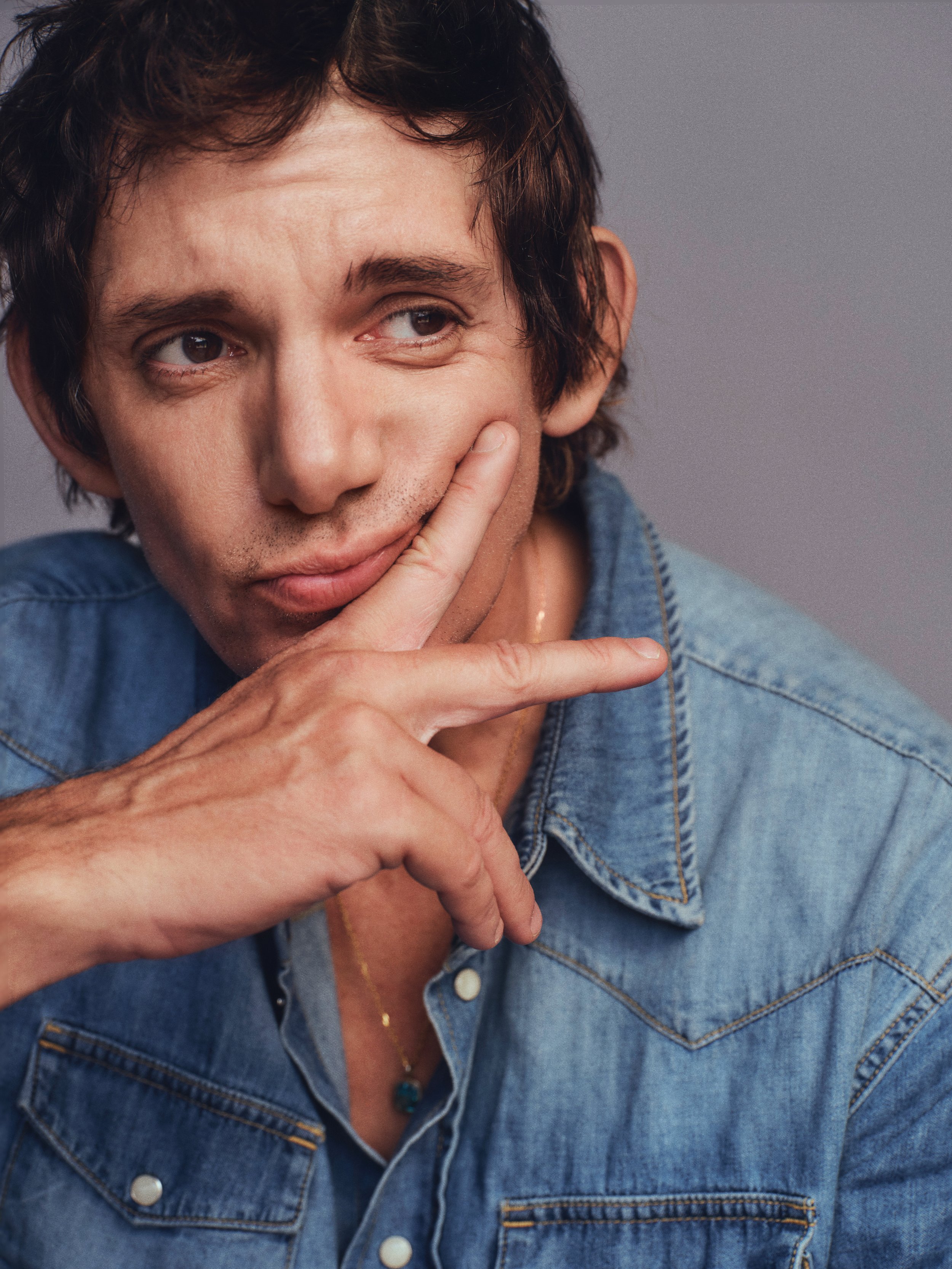
Lukas Haas has spent over three decades quietly building one of the most eclectic careers in Hollywood, moving seamlessly between indie gems and major studio films. From his early breakout opposite Harrison Ford in Witness to standout roles in projects like Inception, Babylon, and The Righteous Gemstones, Lukas has long been defined by his ability to bring depth and unpredictability to every character he inhabits. Most recently, he stepped into a striking new chapter with a villainous turn in Spider-Noir, starring alongside Nicolas Cage and Brendan Gleeson, which premiered this May. The highly anticipated series reimagines the superhero genre through a moody, noir lens and places him at the center of a darker, more complex narrative landscape.
Spider-Noir feels like a real turning point. What drew you to this role in particular?
What drew me to the role was the idea of playing that quintessential 1930s mobster character that you’ve grown up with. Cagney, Scarface, even the weasels from Roger Rabbit, that archetype is almost burned into my subconscious, so it was a thrill to get to create my own interpretation of that kind of character in a production of this quality and scale.
What excited you most about stepping into a villain for the first time on this scale?
There was a wonderful playfulness and looseness on set, creatively. The whole world felt heightened and dramatic, and it was really fun to get to lean into that. The long shadows, the angles of my hat, the dramatic settings, all of it made playing the villain even more extreme and exciting.
How would you describe your character, and what makes him dangerous or unpredictable?
Winston is quiet and deliberate. He’s the kind of character that will wait in the shadows, leaned back with his legs crossed, then attack without a word. He’s very loyal and subservient to Silvermane, but to everyone else, he’s intimidating.
You’ve built a career as a nuanced character actor. Did you approach this antagonist differently from past roles?
Yes, of course every role is different, so the approach always varies. In this case, the physicality was quite important, so I spent a lot of time working on his posture and his movements. I also wanted him to have that classic gangster dialect, so I put a lot of focus on that. On set, I was just trying to be as playful as I could, to really give Winston an unpredictable energy, both sinister and subservient, confident and insecure, all at the same time.
Looking back at your career, from Witness to now, does this role feel like a natural evolution or a departure?
One of my favorite things as an actor is variation. I make an effort to look for roles whose qualities differ from each other each time I go to work. So to me, this is a continuation of how I have always approached my career. But I have to say, I feel blessed that I still get to do it after all these years, and even more blessed that I get to do it on this level with such incredible artists and creatives.
Do you see yourself exploring more genre-driven roles moving forward?
I don’t tend to take into account whether or not a project is genre based. For me, it’s mostly about the role, what I think I can do with it, and the people who were working on the project. Those are generally the criteria that are important to me when I decide on playing a roll.
You’ve collaborated with so many visionary directors. What kind of storytelling excites you most at this stage?
My favorite thing is to surprise myself. I love doing things that are outside the box, that are challenging, and that are unexpected.
How has your approach to acting changed over the years?
It’s funny, throughout your career, you keep learning and relearning things. It never feels as if you’ve mastered the craft, it’s a perpetual learning experience. That being said, having worked on as many different projects as I have, I think I draw from an innate understanding of story telling that has been reinforced in me over the years since I was a young kid.
Beyond acting, you’ve explored music and other creative outlets. Do those influence your performances?
Music has always been a huge part of my life as well. I began learning instruments and playing music around the same time I started acting. Melody, tempo, juxtaposition, energy, and drama are all key to creativity in general. I think I look at acting and music as if they come from the same source, and I think my work in music and acting definitely inform one another.
What keeps you charged and fulfilled outside of acting?
My family, my friends, music, exploring the world, and just creativity in general is what I fill my time with in between film projects. In fact, what I’ve learned more than anything over the years is how to spend my time when I’m not on a set. When I was younger, it was always a difficult adjustment going back and forth from working to having nothing to do, but these days I’ve gotten much better at utilizing my free time to support my creativity in general.
TEAM CREDITS:
photography JONNY MARLOW
