
IN CONVERSATION WITH JAMES ASHCROFT AND ALEX NORTH
interview by TIMOTEJ LETONJA
Based on Alex North’s novel, The Whisper Man follows a father searching for his abducted eight-year-old son, only to uncover a disturbing connection to a notorious serial killer from the past. Directed by James Ashcroft, the film brings North’s atmospheric and unsettling story to the screen.
The title The Whisper Man already suggests that what frightens us most doesn’t necessarily announce itself loudly. James, how did you translate that idea of the “whisper” into the film’s visual and sonic language?
We tried a number of different approaches. Coming back to your point that what frightens us most isn’t necessarily loud, especially from the perspective of a parent, the idea of not knowing what’s happening with your child and what’s going on in their internal world became one of the most frightening aspects of the story. The prospect of your child going missing is an incredibly confronting one for most parents, and that’s where the tension and suspense come from.
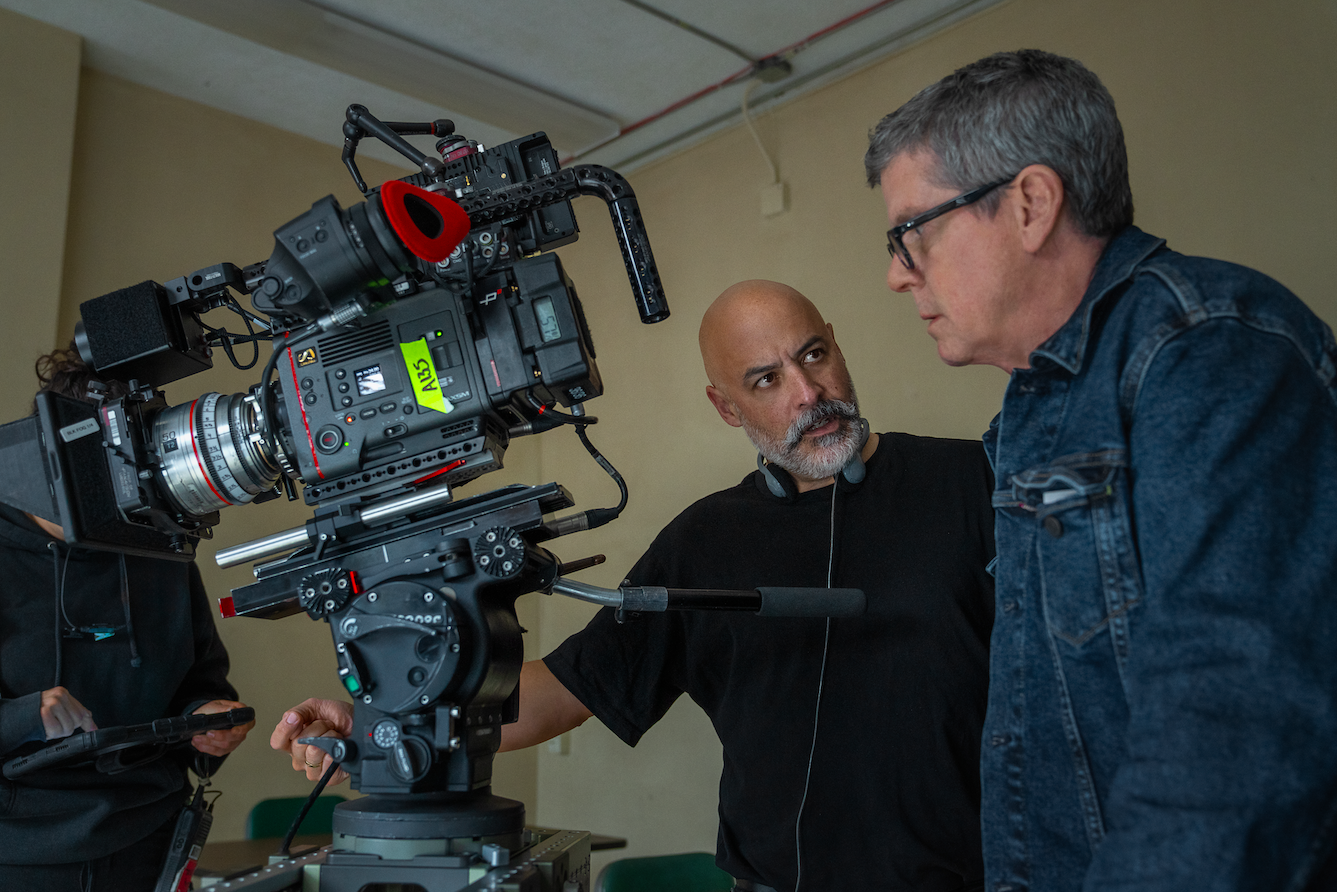
Alex, there must be something surreal about characters who existed privately in your imagination suddenly being embodied by actors like Robert De Niro and Adam Scott. North describes being “over the moon” when De Niro signed on, and knowing Scott from Severance. Did either performance fundamentally change the way you now see Pete or Tom?
Whenever I’m writing, I don’t tend to visualise my characters too much. I see them more as these blurs interacting with each other. The interaction is what’s important, rather than the specifics of how the characters look. That said, when I saw the film, I thought these actors were perfect for the roles.
If you strip away the serial killer, the investigation and the genre machinery, what do each of you believe “The Whisper Man” is ultimately saying about what fathers pass on to their sons?
ALEX: The serial-killer aspect is really a metaphor, a way of making the underlying family psychodrama more exciting and embodying it within a thriller. Ultimately, I think it’s saying that fathers, and parents in general, can pass trauma on to their children if they’re not careful. One of the jobs of being a parent, I think, is to protect your kids from everything that came before and to minimise the amount of negativity you pass on to them.
JAMES: I think the novel and the screenplay are examples of how so much of what we experience, both good and bad, comes from the home first and foremost. What I loved about the story was its exploration of fathers and sons and the different forms those relationships can take. We see three examples across the characters, from what might be the best-case scenario to the worst-case scenario.
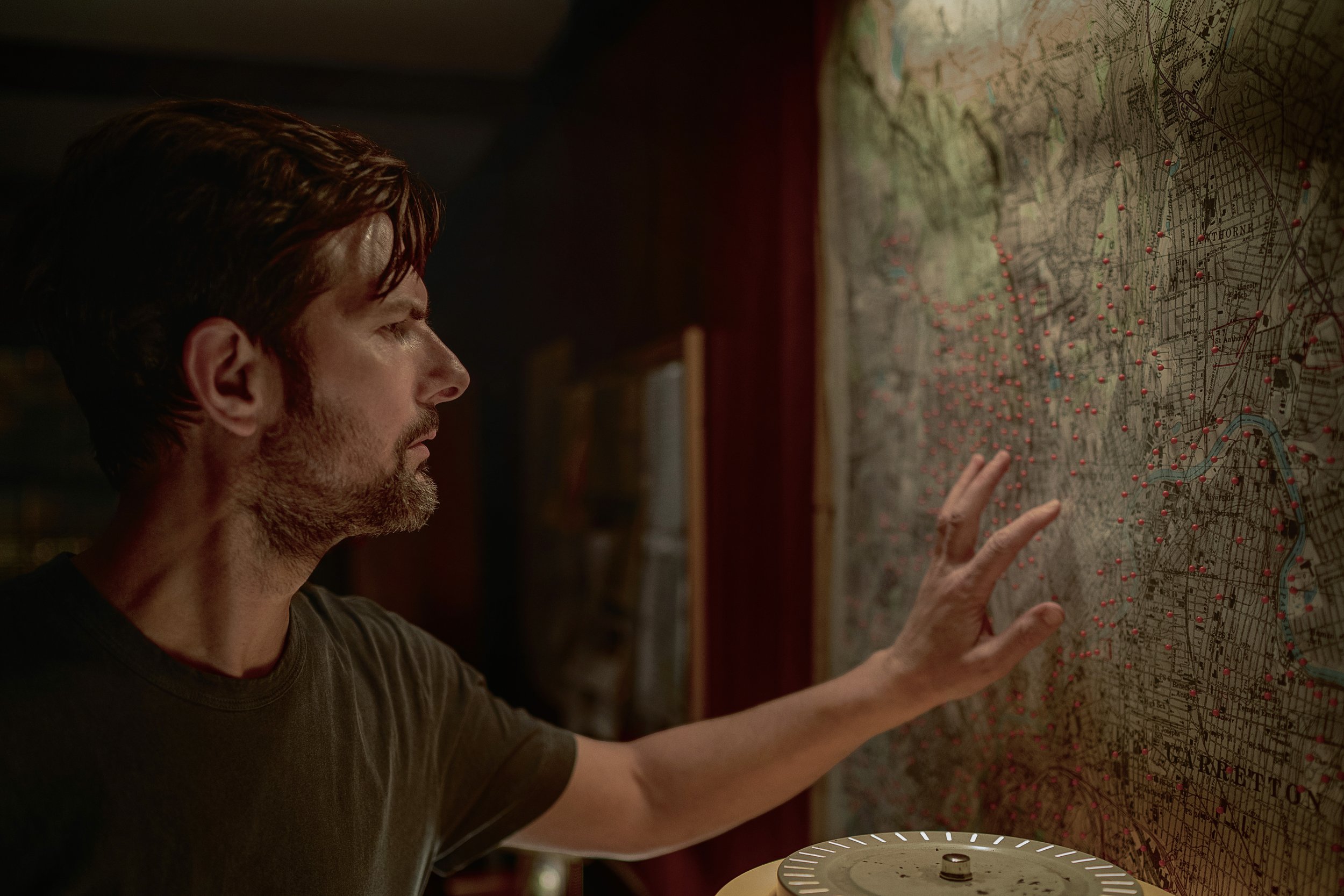
Alex, you’ve said that The Whisper Man emerged partly from your own preoccupation with fatherhood and with what we pass on to our children. James, when you encountered the novel, was that emotional inheritance also what unlocked the film for you?
Absolutely. That was the strongest aspect for me when I read the script and the novel. At the time, I was on a trip with my wife and children, and a lot of what Alex was writing spoke to me personally. Seeing that emotional layer within this kind of genre also made me think that this was something I hadn’t really seen before, and that it would be an incredible invitation to explore those ideas through a thriller.
