
ROBERT DE NIRO AND ADAM SCOTT ON FAMILY, FEAR, AND THE MAKING OF THE WHISPER MAN
interview by TIMOTEJ LETONJA
Directed by James Ashcroft and based on Alex North’s novel, the The Whisper Man stars Robert De Niro and Adam Scott as father and son, bringing a layered dynamic to a story built around family, secrets, and a race against time. In conversation, De Niro and Scott discuss stepping into these roles, their relationship on screen, and the making of The Whisper Man.
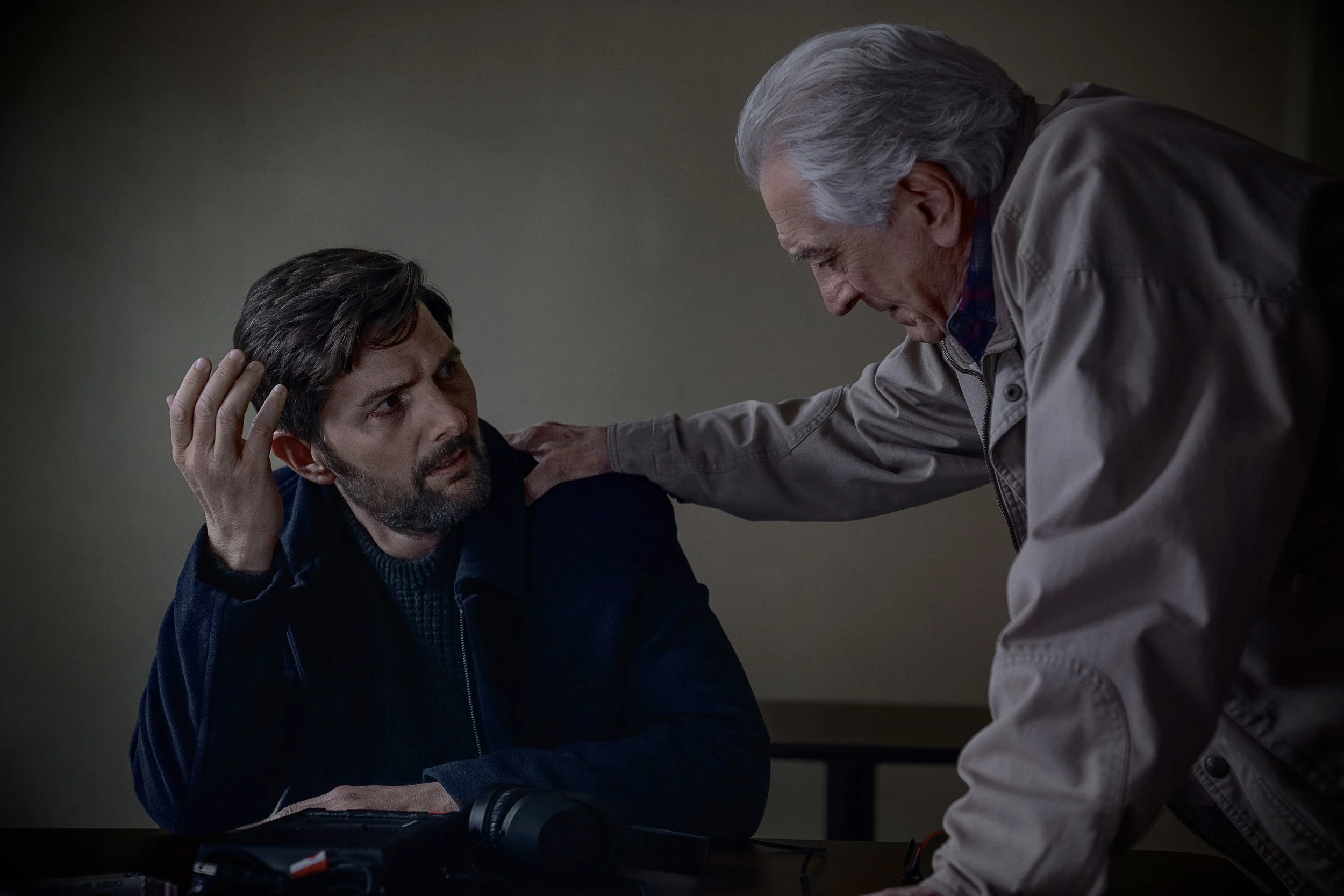
At its heart, The Whisper Man is as much about fathers and sons as it is about a crime. What interested each of you in exploring a relationship where so much love seems to exist alongside so much unresolved pain?
ADAM: I always see these things as a kind of math problem when you’re starting a movie and trying to figure out how the relationship on the page is going to translate to the screen. This was a really interesting relationship in both the script and the book. That was a big part of what drew me to it, the way the relationship is paralleled by the crime and the thriller elements.
ROBERT: The linchpin of all that is the director. James is terrific. We met when I read the script and talked about it, and I said, “I’m in.” So Adam, James, and I worked on rehearsals, not rehearsals in the traditional way, but going over the script over and over again, asking questions; it was very helpful.
There’s an interesting reversal in the film: Tom is dealing with the terror of potentially losing his son while simultaneously confronting his own relationship with his father. Adam, how did that duality shape your performance?
ADAM: The idea of being in the midst of potentially losing your son is so all-consuming for a parent. If you lose your kid in a grocery store, it already feels like three hours, and to try to imagine stretching that out to days, even weeks, is unimaginable. The fact that this is happening while simultaneously reconnecting with his father, who is potentially the key to ending this nightmare. It’s a complicated brew of feelings that was fascinating to dive into and figure out.
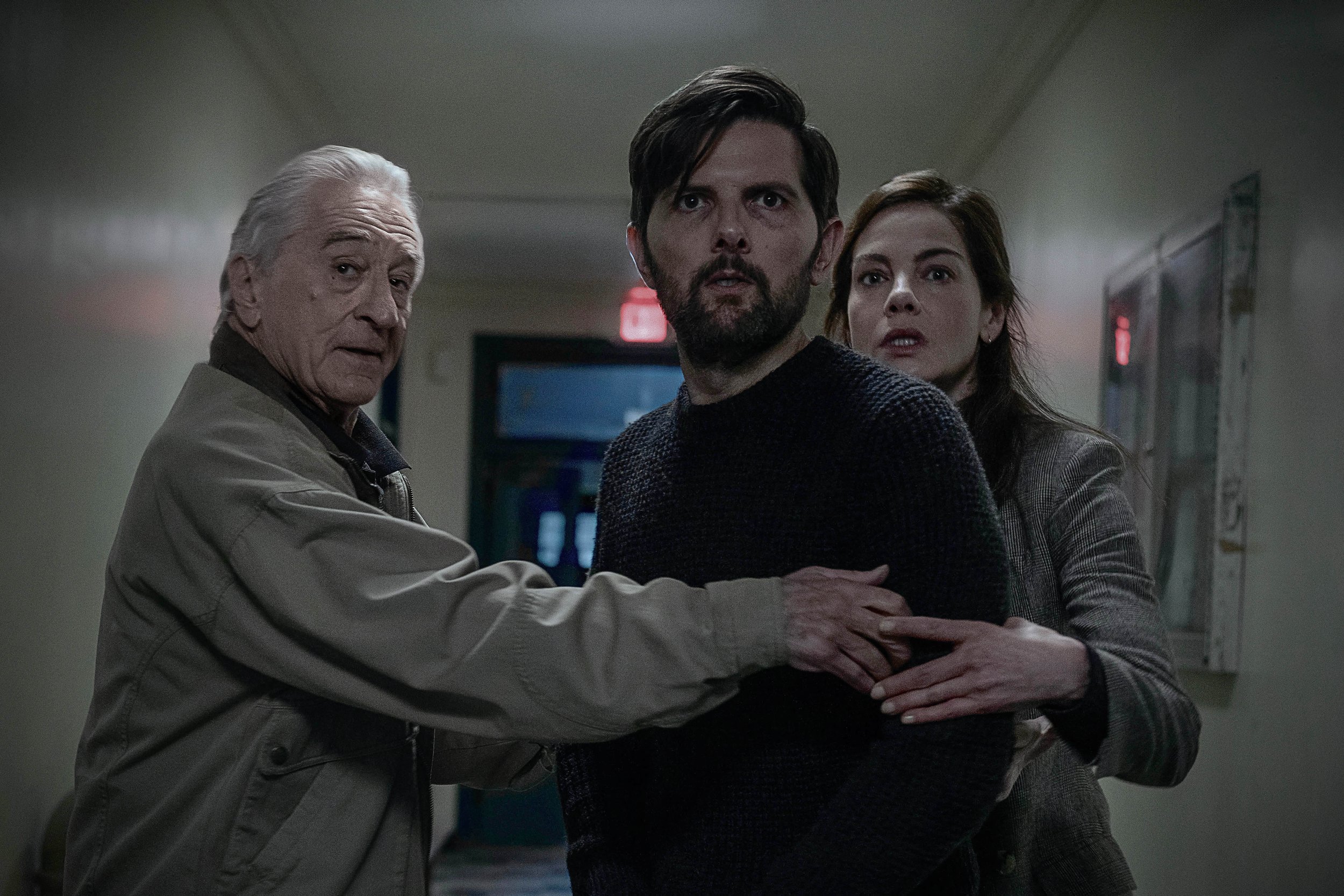
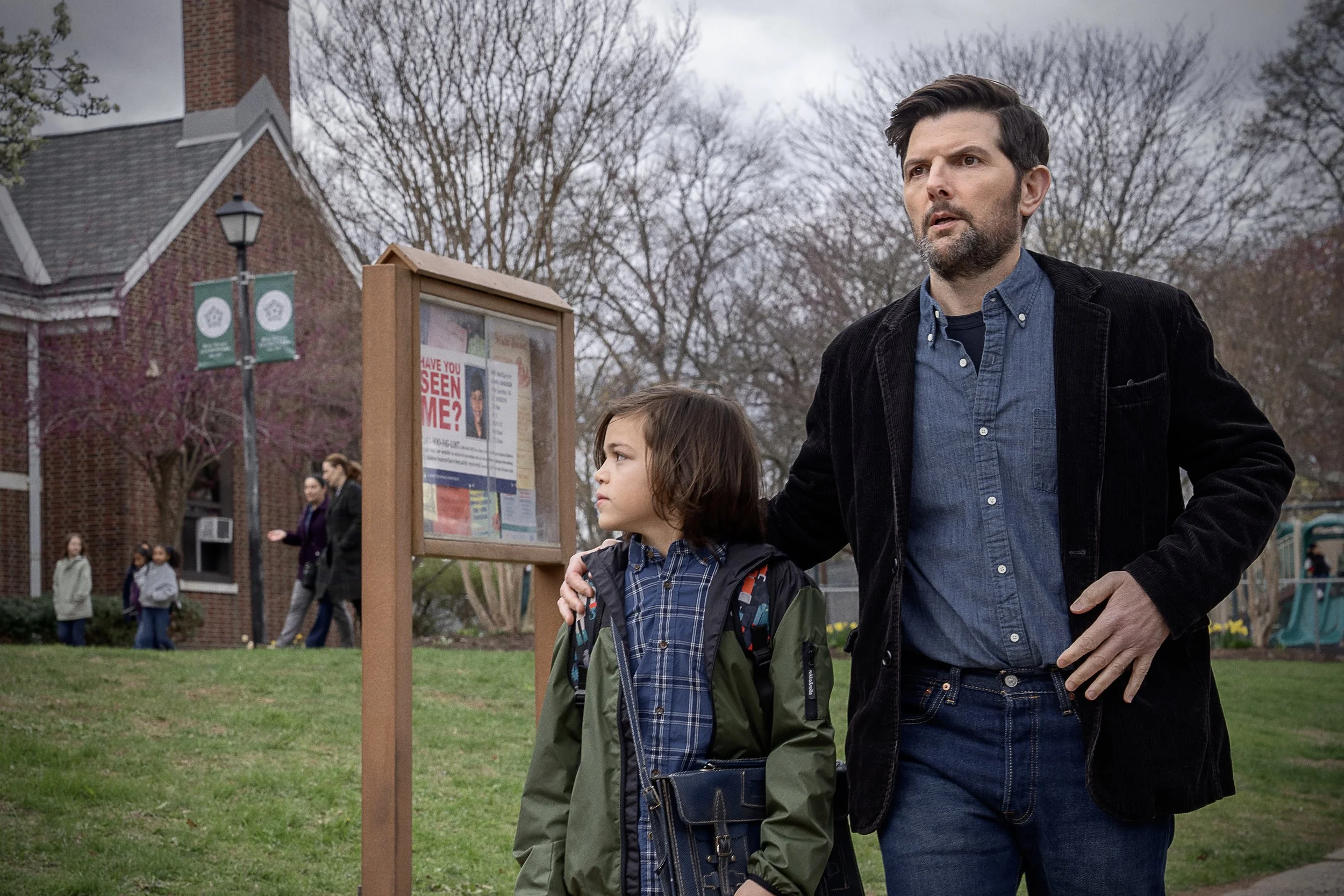
Robert, you’re working with a genre that depends on fear and suspense with this film, but some of the film’s most unsettling territory is emotional rather than violent. What did you find more challenging to play: the external threat or everything that remains unspoken in this family?
ROBERT: Can you give me an example of a scene you saw that made you ask that?
TIMOTEJ: I think what’s unspoken is the fact that you’re not seeing each other, a father and son, for so long; and suddenly, after so many years, you finally get to reconnect.
ROBERT: In those moments, what’s important is what is not said, what’s not even implied, what’s understood. It’s the elephant in the room. All the circumstances building up to us finally talking. That’s very important, and part of the attraction - the attraction of building a film.
