
IN CONVERSATION WITH JESSICA FRANCES DUKES
interview by JANA LETONJA
From prestige television to the Broadway stage, Jessica Frances Dukes has built a career around women of intelligence, authority and complexity. Known for her performances as FBI forensic accountant Maya Miller in Netflix’s Ozark and Athena Trumbo in HBO’s The Gilded Age, she now steps into another formidable role as Birdie Polk in the period crime drama The Westies. A sharp, uncompromising Special Agent leading the FBI’s Gambino Task Force, Birdie was partly inspired by Sylvia Mathis, the first Black woman to become an FBI Special Agent in the 1970s. An acclaimed theatre performer and Obie Award winner, Jessica brings the same depth and curiosity to the screen that have defined her stage career, continuing to challenge expectations around power, identity and the women permitted to wield both.
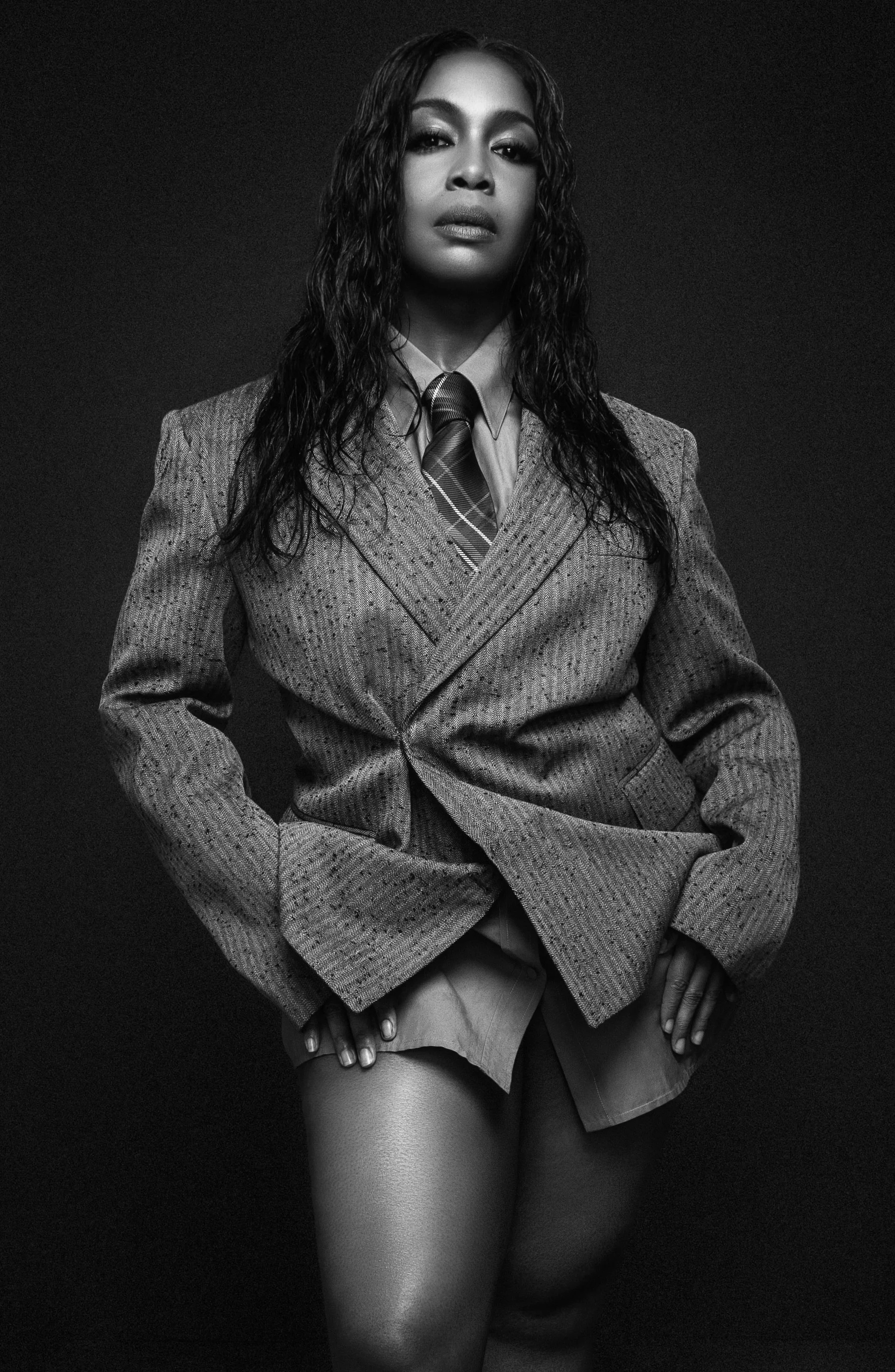
What initially drew you to Birdie Polk in The Westies?
Chris Brancato and Michael Panes’ brilliant writing leapt off the page. The story felt exciting and risky, and to me had the potential for a major run. Birdie was so commanding and fun on the page and I felt there was a lot to play with there. Also being back with my MGM family after a wonderful experience on Earth Abides was a no brainer.
You drew inspiration from Sylvia Mathis, the first Black woman to become an FBI Special Agent in the 1970s. What did you discover about her that particularly influenced your performance?
Her credentials were outstanding. Bachelor’s degree in political science from New York University, J.D. from the University of North Carolina School of Law. Her law school dean encouraged her to apply to the FBI Academy at a time when 41 of the Bureau's 8.500 agents were women, and none of them were black. She was the first, so I’m sure she fought tooth and nail to get to that task force. It’s an honor to represent Women on the Climb. That’s why Birdie is so scrappy and ready for a fight.
How much historical research went into understanding what it would have meant to be a Black female federal agent during that period?
I think about Sylvia, andJohnnie Gibson Bright, Cassandra Chandler, and more who broke barriers. We don’t know what type of crap they put up with to become federal agents, but I can imagine it wasn’t pretty. We meet Birdie on the other side of school, the academy, training, etc., and in our story she is Special agent in charge. So, the research was immense to represent the idea of who so many qualified people of color could have been in this time period.
The Westies explores a world shaped by crime, loyalty and power. What does Birdie understand about power that the people she’s investigating perhaps don’t?
Power is relative. It means different things to different people. Birdie’s experience with power has prepared her for the tasks at hand. The abuse of, and the lack of power, can cause people to go crazy. Birdie is experiencing all sides of power every single day. That’s what makes her so dynamic.
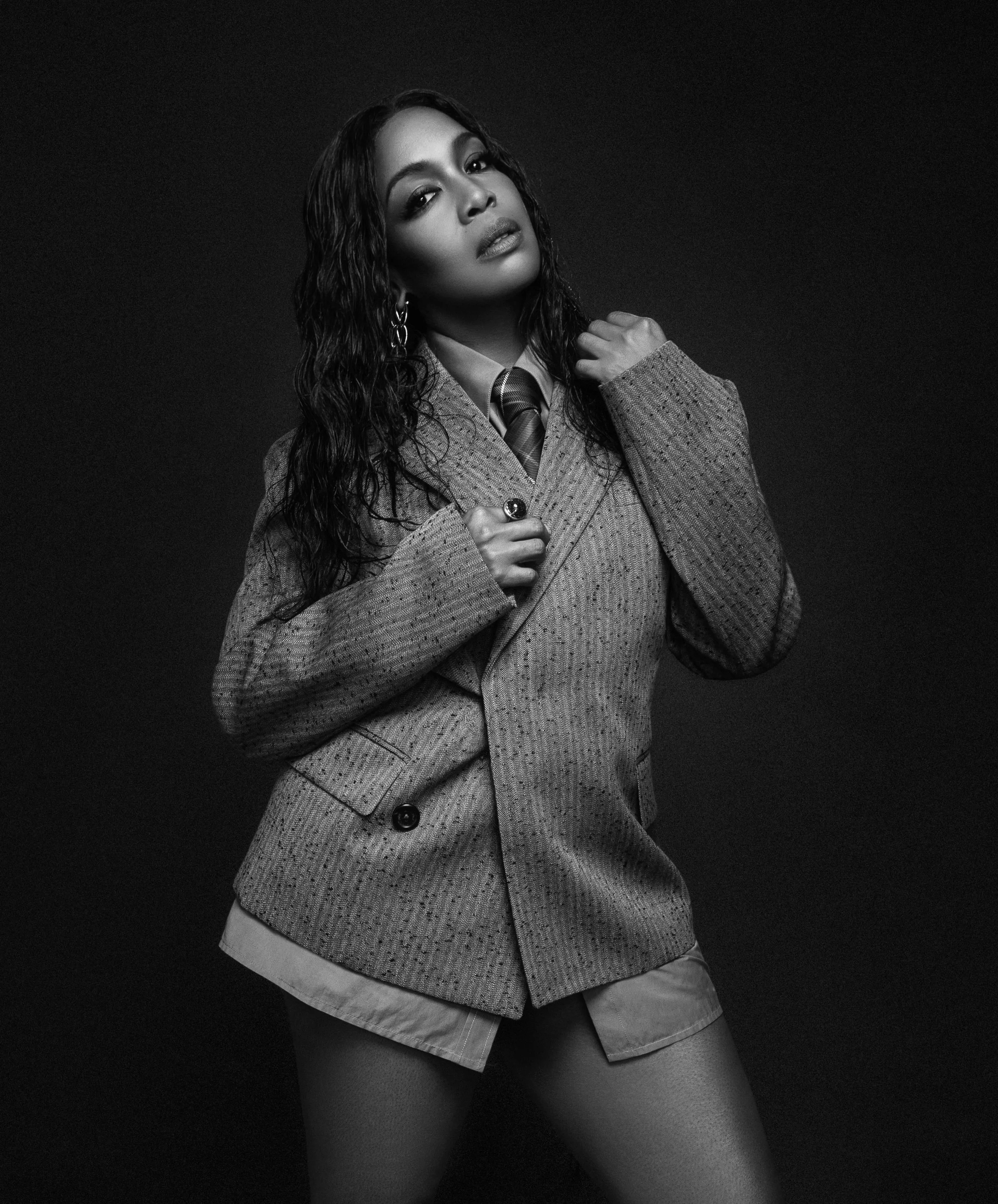
From Maya Miller in Ozark to Birdie Polk, you’ve played women working within powerful institutions while confronting dangerous people. What attracts you to characters with that kind of intelligence and resolve?
I am always excited to play women that are fierce, smart, and multi-dimensional. Characters that are as layered as I am. Characters that have a purpose in the story bigger than themselves. I try to find that in every character regardless of how big or small. Their purpose, their why, and then fight for that, even if I’m the only one that knows the details of the battle.
Ozark introduced you to an enormous global television audience. How did playing Maya change the trajectory of your career?
Ozark opened a door for me into the next chapter of my career. It provided access to a whole new level of knowledge. I learned so much being on that set, and continue to learn with every show, and each marvelous encounter.
The Gilded Age operates in a very different historical and visual world, where costume can completely change an actor’s physicality, particularly in period work. How important are wardrobe and fashion in helping you find a character?
Oh, it’s huge. I have a very detailed process putting the character together. Research, mood boards, playlist, meetings with directors and writers, script work, you name it. Then in that first fitting, I see her in the mirror and that’s when it clicks. That’s the 3rd to last piece of the puzzle, her look, then her environment (set), then my scene partner completes it all.
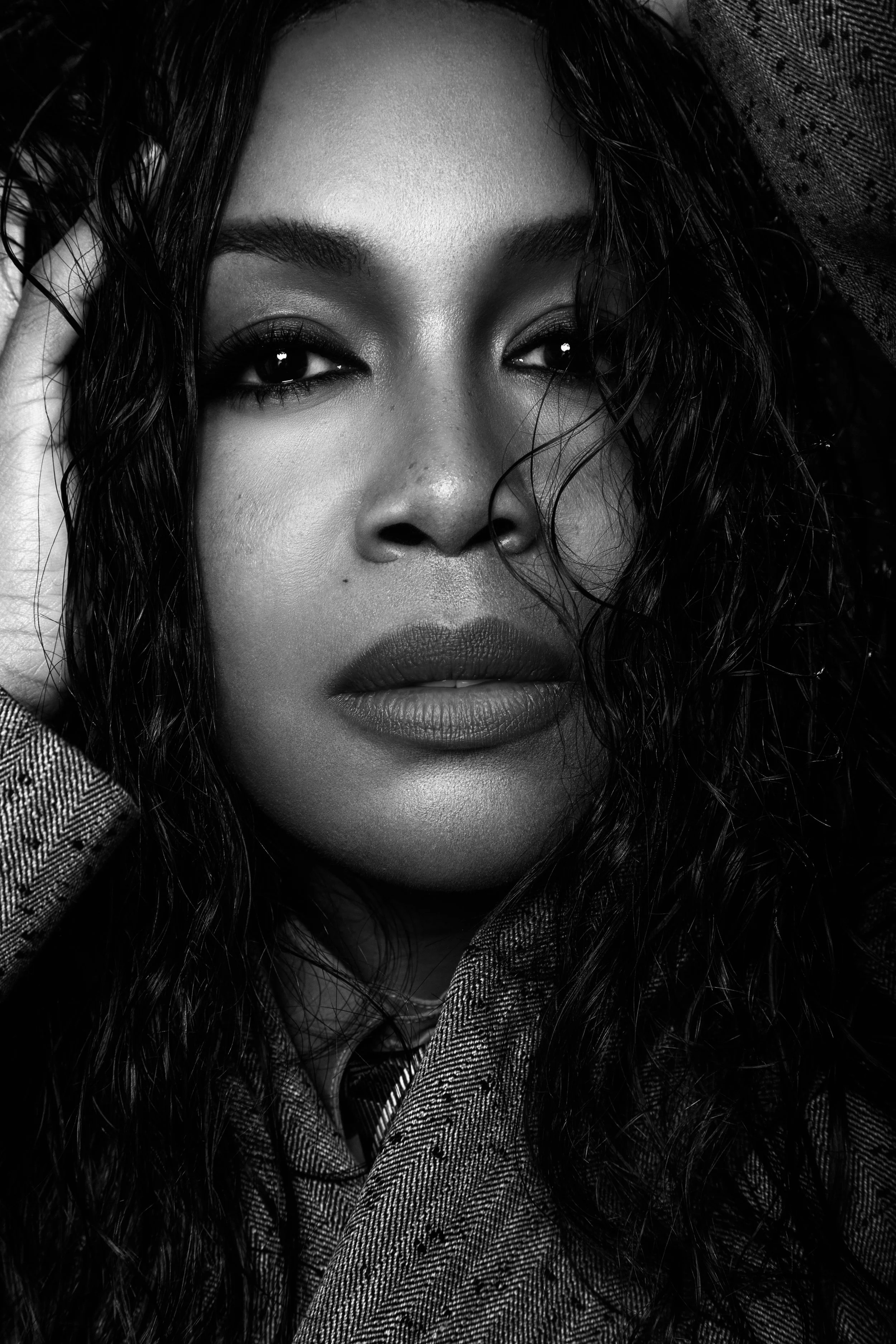
Theatre asks an actor to recreate a performance night after night, while film preserves a single take. Which form feels more vulnerable to you?
They are both equally vulnerable, in very different ways. Theater is raw. You only get one take, and there is no screen between us. The actor and the audience are experiencing this together. I can feel the connection every night. In TV and film, the artistic team is all working together, take after take, to capture the perfect moment, then we let it go, and wait. Talk about vulnerability.
Is there a character you’ve played who has stayed with you, or changed you, more than you expected?
I knew Emma in Earth Abides was going to change me, so I can’t say her. I’m actually going to go back to the theater. I had no clue Lady Macbeth would change me the way she did. She was a moment for me as a woman, and as an actress, that I will never forget. It will always be with me.
After building such a varied career across stage and screen, what kind of role would feel completely unexpected for you?
Nothing is unexpected. I’m ready to do it all. I love being a chameleon. I love slipping into different worlds, one after another, and inhabiting a different being with every turn, so nothing would be unexpected. Bring it all.
At this point in your career, what feels more exciting: mastering something you already know you can do, or choosing something that genuinely scares you?
They go hand in hand. I’m excited to master something that I know I can do, that still absolutely scares me.
TEAM CREDITS:
photography and makeup FIDEL GONZALEZ
styling TYLER MCDANIEL
hair AREND JACKSON
interview JANA LETONJA