
IN CONVERSATION WITH JESSICA HENIG
interview by JANA LETONJA
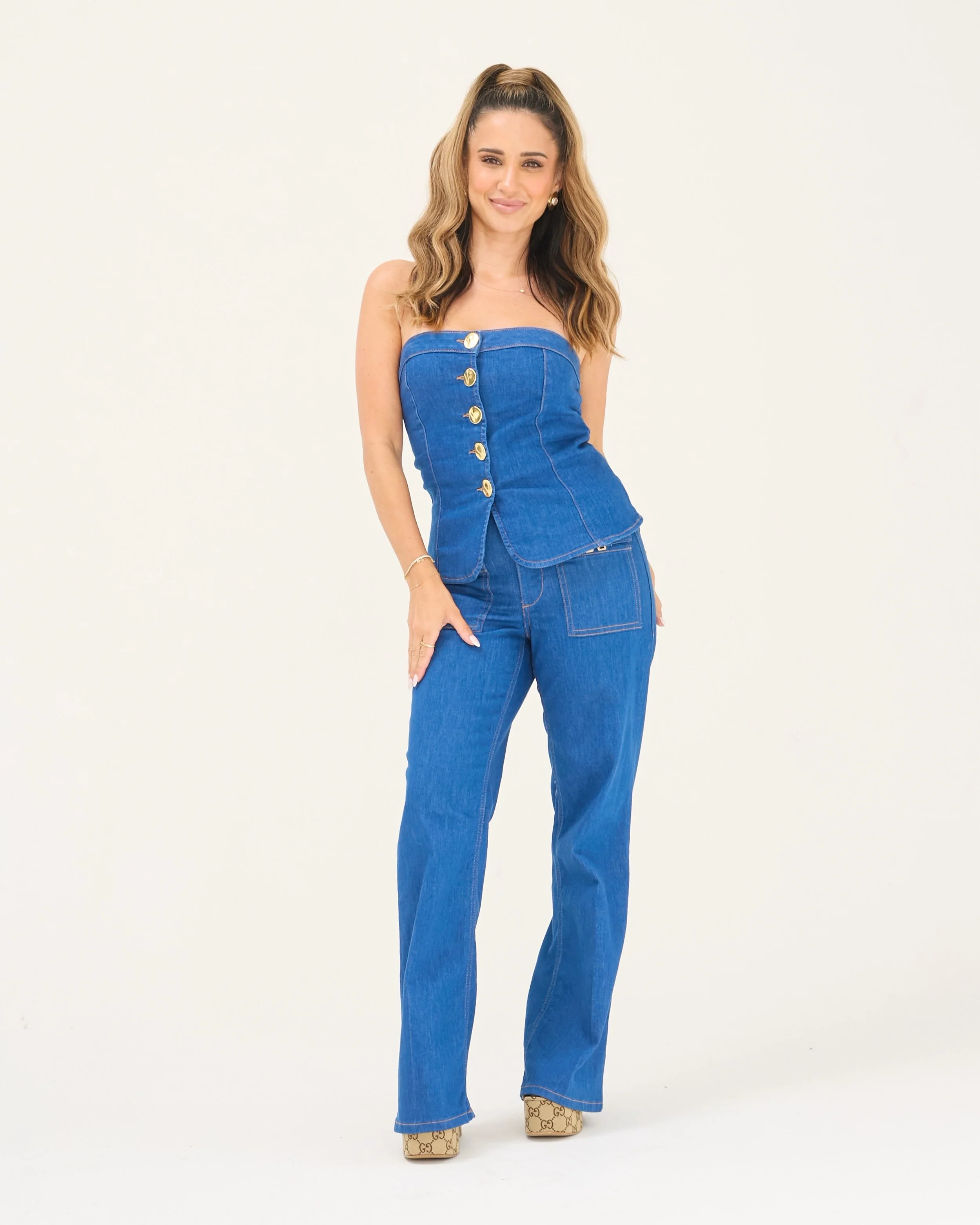
Jessica Henig is redefining what it means to build influence in the digital age. As the founder and CEO of Unlocked Branding, a group of companies including Unlocked Creative, Unlocked PR and Social Media University, the all-female powerhouse behind the internet’s rising stars, she has become one of the industry’s most dynamic architect-makers. Now, she’s taking her mission a step further with Social Media University, a first-of-its-kind platform that dismantles traditional barriers to entry and nurtures the next generation of professionals within fashion, beauty, entertainment, and digital media. Offering masterclasses, workshops, community trips, and direct access to leaders shaping global culture with a community over transaction approach, Social Media University stands as her blueprint for democratizing the creator economy.
What was the first spark that ignited the idea for Social Media University? Was there a moment or conversation that made you realise the industry needed this?
In my career, I’ve had to unlock a lot of doors as I was at the forefront of integrating social media into the deal-making and marketing world. I’m committed now to giving back to the next generation, and believe that talent deserves genuine guidance and proper development. Nurturing future executives and developing talent is something I’ve intentionally done throughout my career. I am now solidifying this commitment by creating a platform that leverages my experience and network, making it accessible to everyone at no cost.
Who is Social Media University for? Why is inclusivity so important in this industry?
Social Media University is designed for everyone, from young people just starting out in the industry, to the established professionals seeking a larger community. Life is challenging enough in this current climate, so to have a place to learn, evolve, and feel a part of something is important.
Launching a platform like this is ambitious. What gap did you feel traditional education, or even industry pathways, weren’t filling?
Social Media University was born after recognising a gap in education around the creator economy. Derived from years of messages, emails, and calls with creators showed me the need for universally accessible information and context, driven by a commitment to safeguarding their best interests, by providing hands-on guidance. For me, this isn't mere ambition, it’s something I think is very much needed in the industry for everyone, not just my clients. It’s something I didn’t have, and would have benefited from.
Social Media University acknowledges the intensive, on-the-job learning experiences of influencers. The skills we aim to teach are practical and highly transferable beyond social media. This includes professional development (networking, public speaking, independent work ethic, and resilience), strategic and analytical skills (trend analysis, communication, development, and avoiding complacency), and personal branding (confidence in action and delivering results). This spectrum of this learning is endless, focusing on the push and pull of strategy and the development of real-world skills.
You’ve built an impressive ecosystem across digital-first talent management, public relations, creative direction and music marketing with Unlocked Branding, Unlocked Creative and Unlocked PR. What made you want to expand your arms further?
My motto is “From Bedrooms To Billboards.” Being across different territories, talent, and brands gives me a clear, real-time understanding of what’s happening within the entertainment industry. From there, I’m able to curate with brands, shape new concepts, and bring them to life, through the trust we’ve built, and the way we operate across multiple arms. The education side was a missing gap that helps and elevates people to succeed in any of these areas. From our reputation of creating strong results, there has been an influx of interest from people wanting to know how they can do it too and how they can be a part of how we do things, whether it’s behind the scenes or in-front of the camera. Additionally, it’s a way for brands to have organic access to talent and brands, not only for insights but also for the social responsibility education aspect.
You’ve conquered the beauty industry by working with some of the biggest brands in the world, such as L’Oreal Paris, Chanel, Dior, and more. What drew you to the luxury beauty niche?
From a business perspective, it’s incredibly resilient. Even through major shifts in the market - Brexit, economic changes, evolving consumer behaviour - beauty has remained strong. Unlike fashion, which can fluctuate, beauty continues to provide consistent opportunity because it’s embedded in people’s everyday lives. It’s not just seasonal, it’s habitual.
I joke that the “beauty industry is my boyfriend” with flowers and a car waiting, because it holds a certain standard of care and attention to detail if you are a part of the beauty world. It’s thoughtful, intentional, and most importantly, protective of women. There’s a lot of loyalty and quality control within the beauty world. I see the beauty PR girls as the new superstars. They’re smart, creative and they protect each other, and the brands they work for fiercely. It’s a very empowering industry.
In the same vein, we represent talent who are in University studying law and economics, whilst creating beauty videos from their bedrooms. They’ll be shooting global brand campaigns and then will have to rush back to class and exams all within a day's work. It’s very “Legally Blonde’ coded. These women will get done what they need to get done, with precision, and are fabulous doing it. I’m not sure there are many other spaces in this day and age so welcoming to all different types of women. The beauty industry, to me, has proven to be a safe space for women, a place to be themselves, invest in themselves, and evolve.
You’ve seen the influencer landscape evolve from pre-TikTok days to now. What’s the biggest shift you’ve observed?
The biggest shift has been the pace and sheer mass of content shared. There has never been a faster turnaround or work rate than there is now. In some cases, this separates the pack by using clear critical thinking skills, a proactive approach, executing ideas and understanding cultural moments. However, the negative side of this can be the entitlement of people who want overnight success because it’s what they are seeing online in front of them. They don’t always realise the strategy and hours that have gone into being at a top level. Building a sustainable brand and career is diligently built and rides the ebbs and flows of the social media industry. It takes a lot of time, repetition, knowledge, and timing. There are no guarantees, but there are approaches to help elevate and withstand.
How do you think social media has changed the industry for women in the entertainment industry?
Before, access was controlled. There were gatekeepers who decided who was seen, heard, and who had longevity. Now, women are building platforms in their own right and on their own terms. They’re not waiting to be chosen, they’re creating leverage. What’s been most powerful is the shift from being positioned, to being self-defined. Women can now own their narrative, image and their voice in real time. They’re not just talent anymore, they’re brands, businesses and decision-makers.
It’s also created a new level of multidimensionality. You’re seeing women who are creators, founders, presenters, and investors all at once. They’re not confined to one lane, and social media has allowed that fluidity to exist and be commercially viable. But with that, there’s also a responsibility. Visibility comes with the pressure to perform, to maintain, to constantly evolve. I think the women who succeed long-term are the ones who understand how to build with intention, not just attention. For me, social media hasn’t just opened doors, it’s allowed women to build their own rooms, set the standard within them, and bring others along with them.
Your background spans music, digital strategy, and talent development. How did those experiences help shape your approach to building SMU?
Within all of these sectors, talent development is the primary focus, whether for external talent or staff. I immediately recognised the missing gaps between the sectors and wanted to bridge them. My experience provides me with a comprehensive view of the entire landscape. Managing talent, deals, contacts and operations across different territories gives me a great, holistic perspective on the entertainment industry.
What impact would you like SMU to have on the global creator ecosystem five years from now?
Collaboration, strategy, communication and protection. There tends to be a secretive mentality that only some people can make it or be helped. Additionally, for brands to have true market analysis direct from consumers who feed into building brands. Those same customers nowadays can also story tell or input their taste, feedback and ideas because of their knowledge from utilising the internet, and being the organic customer is helpful. I took on an intern that I met when I spoke at The London School of Economics. She’s from China and now has a position in my company where she is assisting to expand the Asian market for us. There’s value in the hard working professionals of the next-generation, and many are passionate about the industry and have an understanding of the landscape naturally because it’s innate to them.
How do you personally stay inspired and prevent burnout while juggling a company, a new platform, and a high-touch roster of talent?
I stay inspired by progression, not just for myself, but for the people and brands I work with.
I’ve been working in the industry for over a decade and what keeps it exciting is longevity. The ability to evolve, to stay ahead, to be a first mover in spaces that are still being defined. I learn just as much from the next generation of talent as they learn from me. That constant exchange of perspective keeps me sharp.
Travel is also a big part of it for me. It feeds me creatively and expands how I think. Each culture has a different way of working that can be learned from. For example, the Netherlands, and US markets operate differently to the UK, but have similar formulas. Observing these differences with the talent and brands I work with gives a really unique perspective and overall business strategy.
There’s a mindset piece to it too. If you’ve worked hard to get to a certain point in your career, why wouldn’t you go for it? I see it like a football team, every year is a new season. You reset, you refine, and you go again, but you have to be in it to win it and you need to be the best that year to keep your place. Now, I’m in a position where I can help others win more effectively than I had to learn, it’s incredibly motivating.
It’s also important to recognise that this industry is a privilege. It’s given me a lot, not just financially, but in experience, access, and perspective. The principles of how I deliver, and what the business is known for, don’t change. Even in a fast-moving landscape, those foundations stay the same. That’s what allows me to build something that’s both creative and structured, personality-led, but operationally strong. Ultimately, proving the balance of building a multi-territory, high-level business that has your own taste, energy and flair. You don’t have to become robotic and lose your edge to be successful, it’s a balance of passion and discipline.
