
IN CONVERSATION WITH TALE OF TWO
interview by TIMOTEJ LETONJA
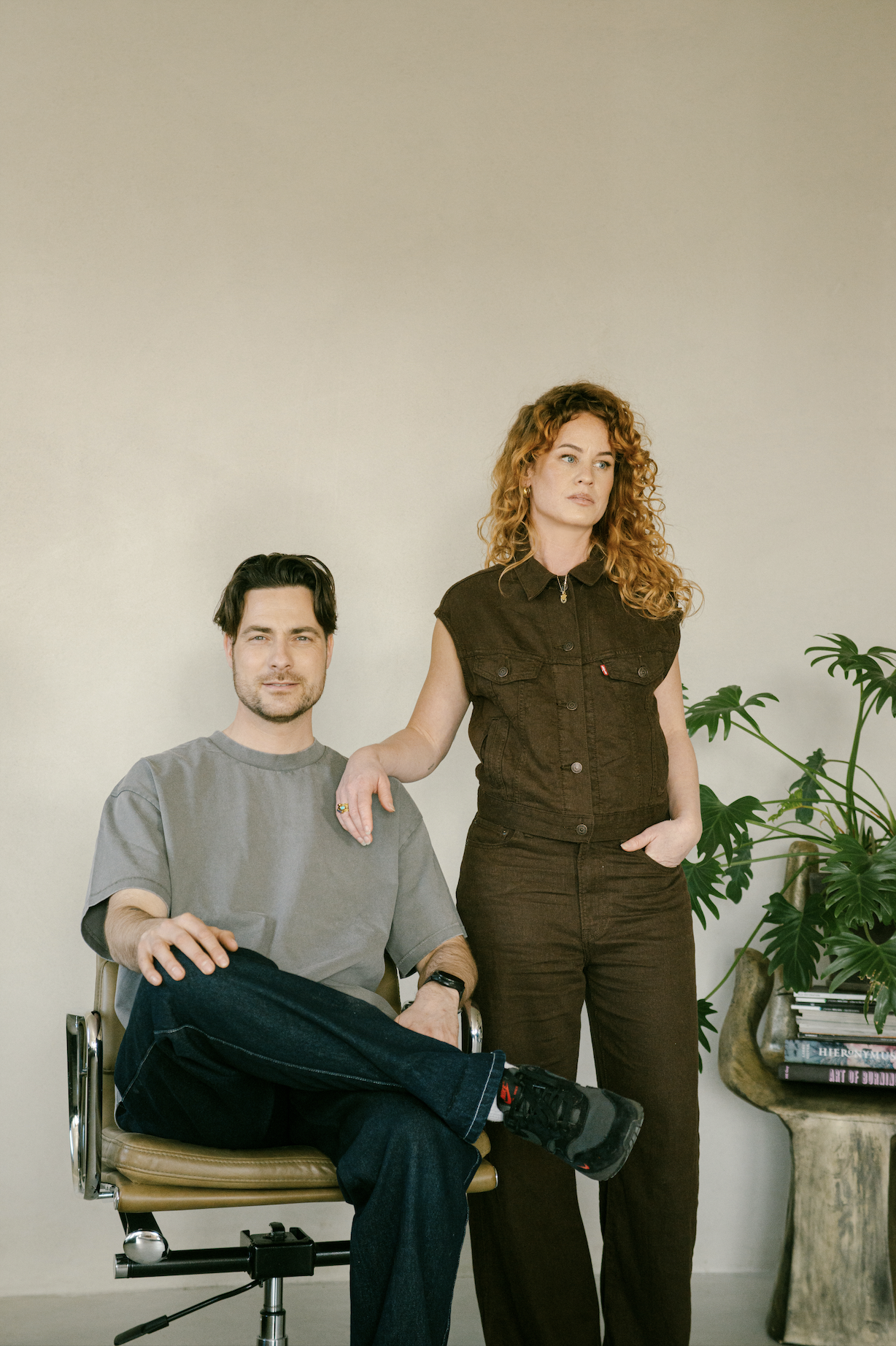
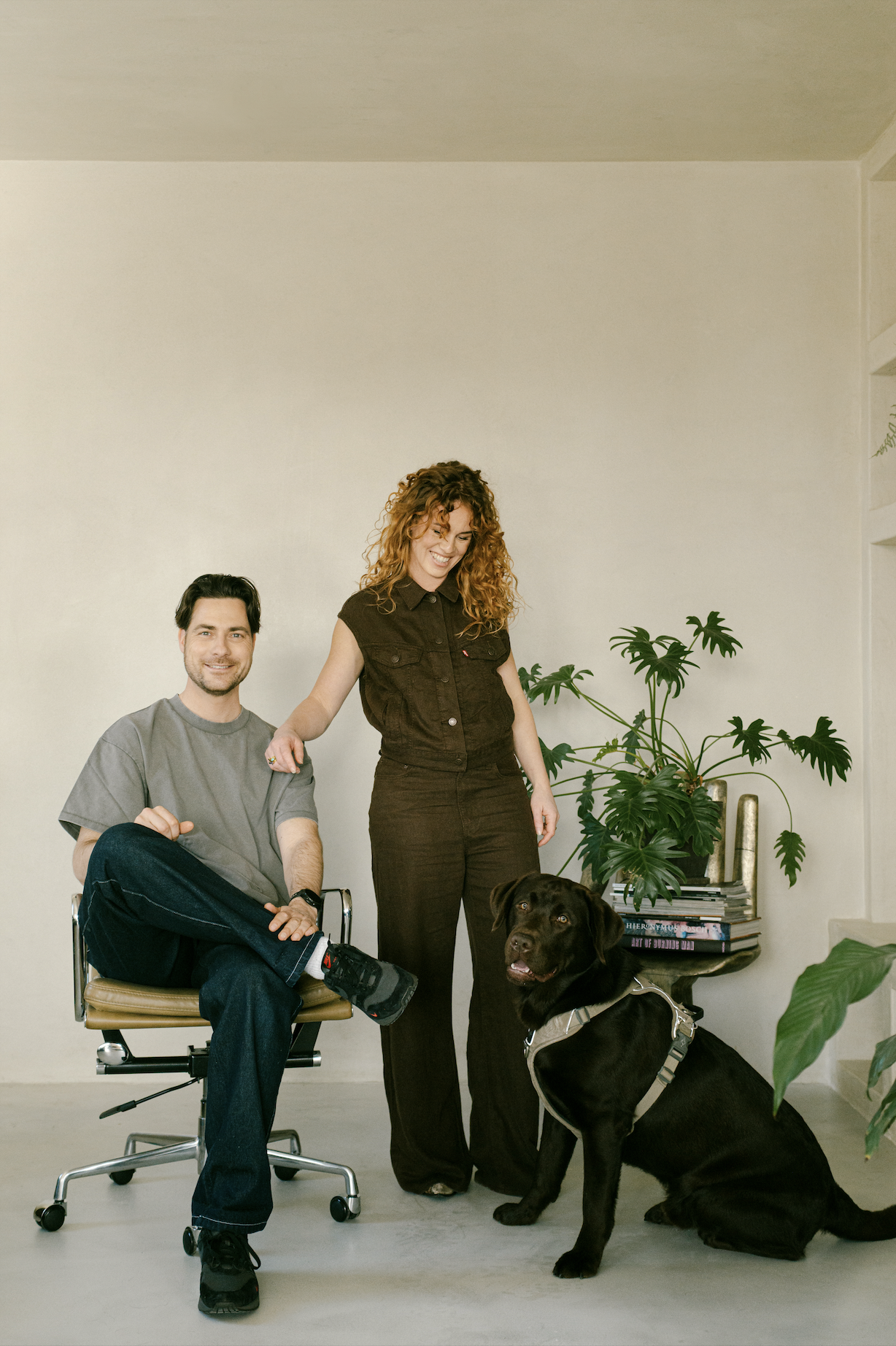
Tale of Two designs and produces high-end environments, from runways to brand activations and from product launches to bespoke celebrations. Founded by Jill van Raan and Kris Busschers, the Amsterdam-based house is built on deep roots in live experience. Jill brings fifteen years at ID&T, the company behind some of the Netherlands' most iconic events. Kris brings fifteen years in production, most recently at ID&T, leading complex, large-scale environments where multiple disciplines, stakeholders, and timelines converge.
Coming from festival culture, they’re used to building complete environments from the ground up — shaping how they think beyond conventional formats and solutions. Where most studios are either creative or operational, Tale of Two holds both under one roof, concept and production developed in parallel, by the same people, from the first idea to the final build.
Describe a project where concept and execution were developed in parallel. What did that change in the outcome?
Mysteryland taught us what happens when you can't afford a gap between idea and execution. At that scale, with that complexity, the two have to move together from day one not because it's efficient, but because anything else creates risk. That's the way we work now, by choice. We don't design something and then figure out how to build it. Both happen at the same time, in the same conversation. What changes is the quality of the decisions. You push further on the things that matter, and let go earlier of the things that don't. Nothing gets lost in a handover, because there is no handover. The result is more precise. Not because we compromise the idea but because the idea was built with reality in it from the start.
How do you ensure a strong creative idea survives production constraints without being diluted?
By never separating the two. When production enters late, you start negotiating the idea. You're already defending something rather than building it. Things get cut, softened, adjusted and the original intention slowly disappears. When production is embedded from the beginning, it doesn't constrain the idea. It sharpens it. You know early what truly matters, and you protect that. Everything else can flex.
The idea doesn't survive despite production. It gets stronger because of it. Tell us about an environment you designed — not just a moment. What made it immersive?
We don't design moments. We design worlds, something that comes naturally from working in festival environments, where everything has to function as one continuous experience.
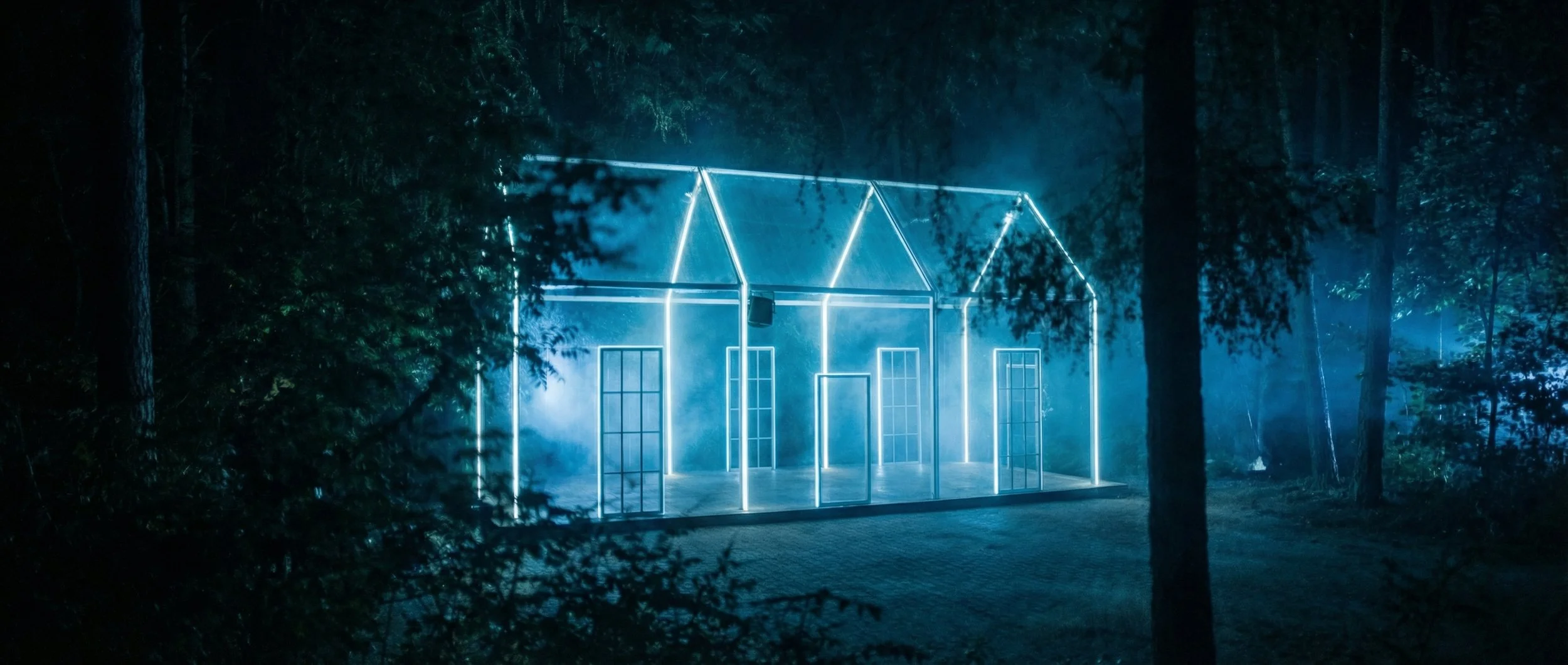
That means thinking in 360 degrees from the start. Not a front-facing setup with a strong hero angle, but an environment that holds up from every direction. Sofa Sessions is a good example. We built it as a musical house — a space for discovering new electronic artists in a setting that felt genuinely intimate. Soft seating, low thresholds, people physically close to the artist. The distance between performer and audience almost disappeared.
Running through it was a clear technical layer: LED lines that structured the space and responded to the music in real time, shifting the atmosphere as the night moved. Nothing decorative. Everything intentional. It wasn't a stage with a crowd in front of it. It was an environment people arrived in and stayed in.
What is the most complex production you've worked on?
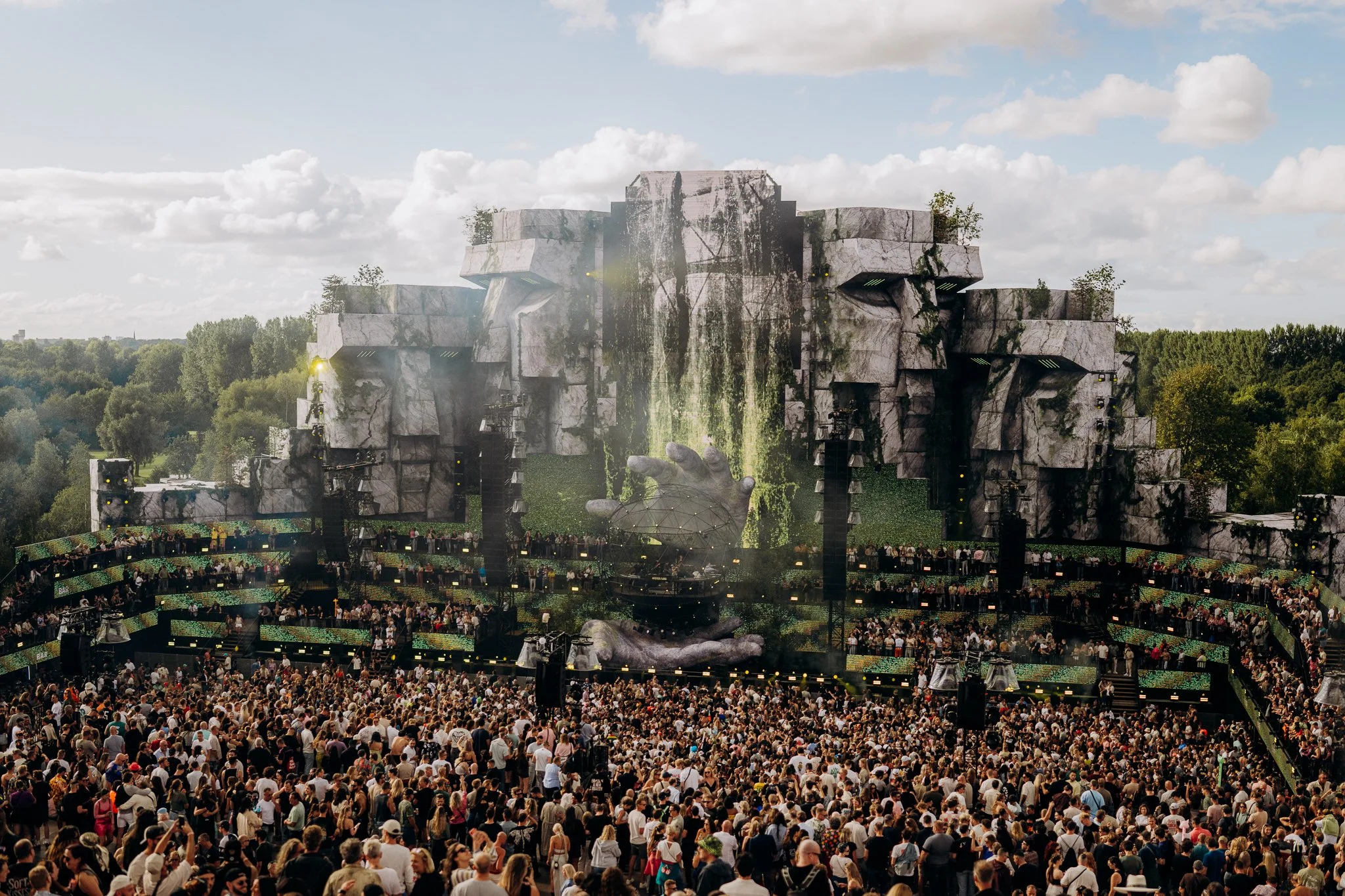
Mysteryland. Not just because of the scale — 130,000 visitors, hundreds of moving parts — but because of what that scale demands from everyone involved. When you're working across that many stakeholders, teams, timelines and budgets simultaneously, the real challenge isn't logistics. It's clarity. Everyone needs to know what they own, what they're building toward, and where the edges are.
Scale amplifies everything: good decisions and bad ones. The only way to hold it together is structure that doesn't slow things down, and communication that doesn't leave room for assumptions. That discipline is something we bring to every project, regardless of size.
How do you approach materials, lighting and spatial design?
As one system, always in response to the concept and the specific space we're working in. We don't start with materials or lighting as separate layers to apply at the end. We ask what the idea needs, and what the location asks for. Sometimes a space has a strong identity you work with. Sometimes it needs contrast or structure to come alive.
Materials and light are tools to shape how a space feels, how people move through it, and where attention lands. They're not finishing touches. They're part of the logic of the build from the beginning.
Describe a situation where creative ambition and feasibility conflicted.
It happens on every project. And that tension is productive, if both sides understand the other. Creative thinking moves toward the ideal. Production moves toward the possible. When those are two separate teams, the negotiation becomes adversarial.
Something always gets lost. Because we work across both, it's not a conflict, it's a dialogue. We know where the pressure points are before they become problems. We can push on the things worth fighting for, and find smarter solutions for everything else. We're not interested in beautiful ideas that can't be built, or precise executions with nothing to say. We want both. That's what the work demands.
What is your process from idea to realization?
There is no handover. Most processes have a moment where creative passes to production and that's where things quietly start to unravel. Intentions get lost. Decisions get made by people who weren't in the room when the idea was formed. We don't work that way. Jill and Kris carry both sides of the process, together, from the first conversation to the final build. We think ahead for each other. The focus shifts as the project moves forward, but the line of intention stays intact. What gets built is what was meant.
How do you collaborate with multidisciplinary teams?
By holding one clear narrative and being deliberate about who carries it with us. Different disciplines need different inputs. A lighting designer needs different information than a set builder or a venue manager. But the intention behind all of it stays the same.
We select collaborators project by project, based on what the work actually asks for. Once they're in, we keep them closely aligned, not just informed. Ideas are visualised and tested in context early, so decisions are made from understanding, not assumption. That's how a project stays coherent across many hands.
What kind of work do you want to be doing more of?
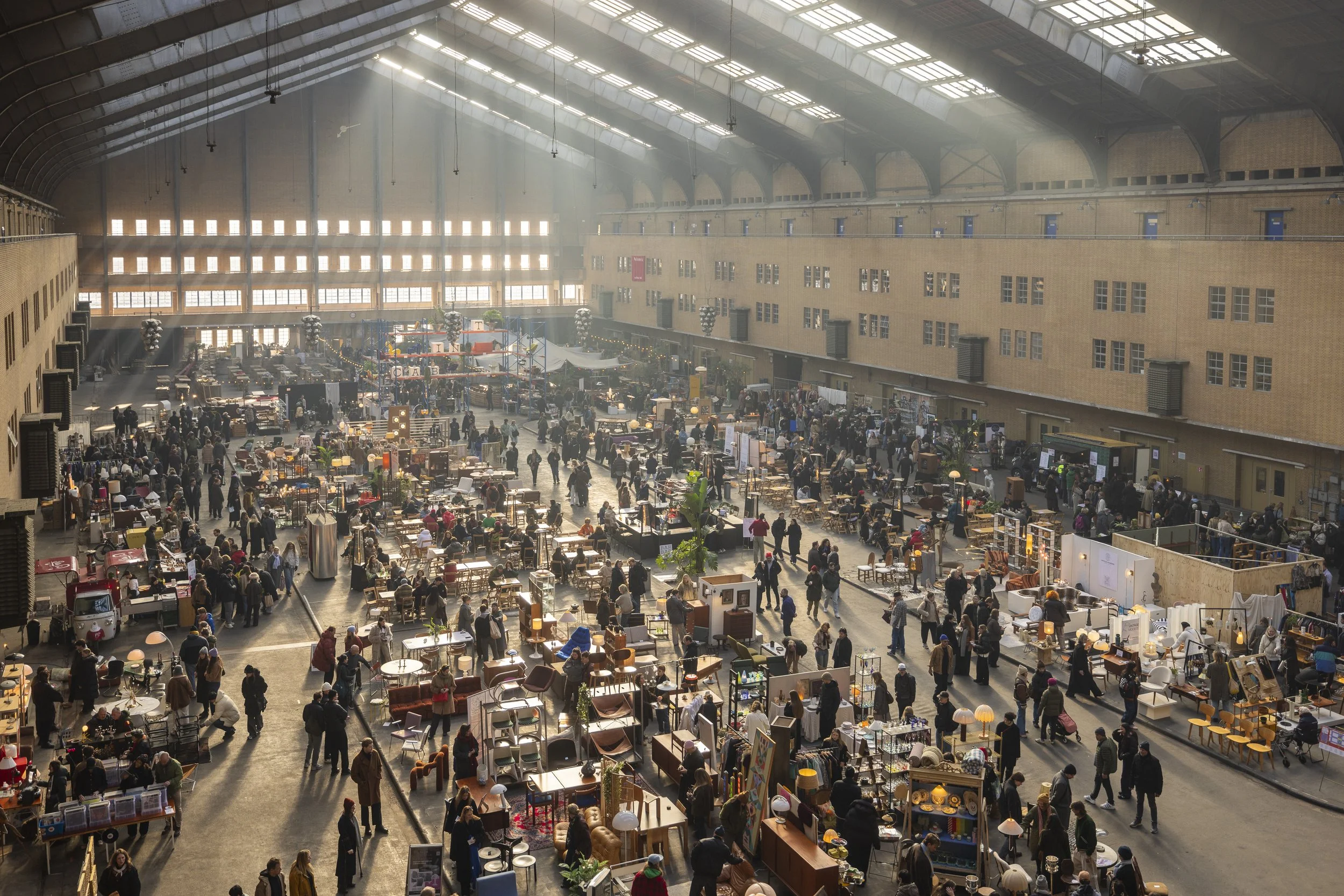
Projects with a clear intention behind them, where the environment itself is part of the idea. We’re drawn to contexts where the setting is not just a backdrop but an active element: a runway inside a monumental building, an intimate dinner within a botanical environment, a performance placed in a raw industrial space. The contrast between content and context is often where the strongest work lives.
For fashion, we’re interested in brands ready to move beyond the conventional show format. A runway is not just a catwalk — it’s a world built around a collection. The space, the atmosphere, the journey before a guest even sits down. That’s where we come in, and that’s where we think the most interesting work in fashion is happening right now.
We’re sometimes brought in for one strong element. But we’re most interested in shaping the full experience, from the first idea to the final build. That’s where everything aligns: concept, space, and execution moving as one. That’s the kind of work we want more of.
Why does your approach — integrating concept and production — matter?
Because it removes the gap where things get lost. In most processes, creative and production are treated as separate worlds with a handover in between. The result is that as a project moves into execution, the original idea slowly gets diluted, not through bad intent, but through translation. Each step away from the source costs something.
We don't have that gap. Concept and production develop together, held by the same people, from the first conversation to the last build day. The idea doesn't have to survive the process. It's carried through it. That makes the work faster, sharper, and more honest about what something costs, what it takes, and what it will actually be.
TEAM CREDITS:
portrait photography ZSOFIA BODNAR
make-up and hair BEAUTY BY MIGNON
project photography various photographers