
IN CONVERSATION WITH JIMMY OPHORST
interview by TIMOTEJ LETONJA
Dutch chef Jimmy Ophorst has become one of the Netherlands' most accomplished culinary exports in Asia. Based in Phuket, Thailand, he leads PRU, Thailand's first and only Michelin Green Star restaurant, widely recognized as one of the region's leading destinations for sustainable fine dining.
What makes Jimmy's journey particularly remarkable is that he has taken the values often associated with contemporary Dutch gastronomy—innovation, respect for ingredients, and a forward-thinking approach to sustainability—and successfully translated them into a uniquely Thai context. Through close collaborations with local farmers, fishermen, and producers, he has helped redefine what fine dining in Thailand can be, while earning significant international acclaim.
Given the growing global conversation around sustainability, food culture, and Dutch creatives succeeding abroad, we feel Jimmy's story is not only highly relevant but arguably one of the strongest Dutch culinary success stories currently unfolding outside Europe.
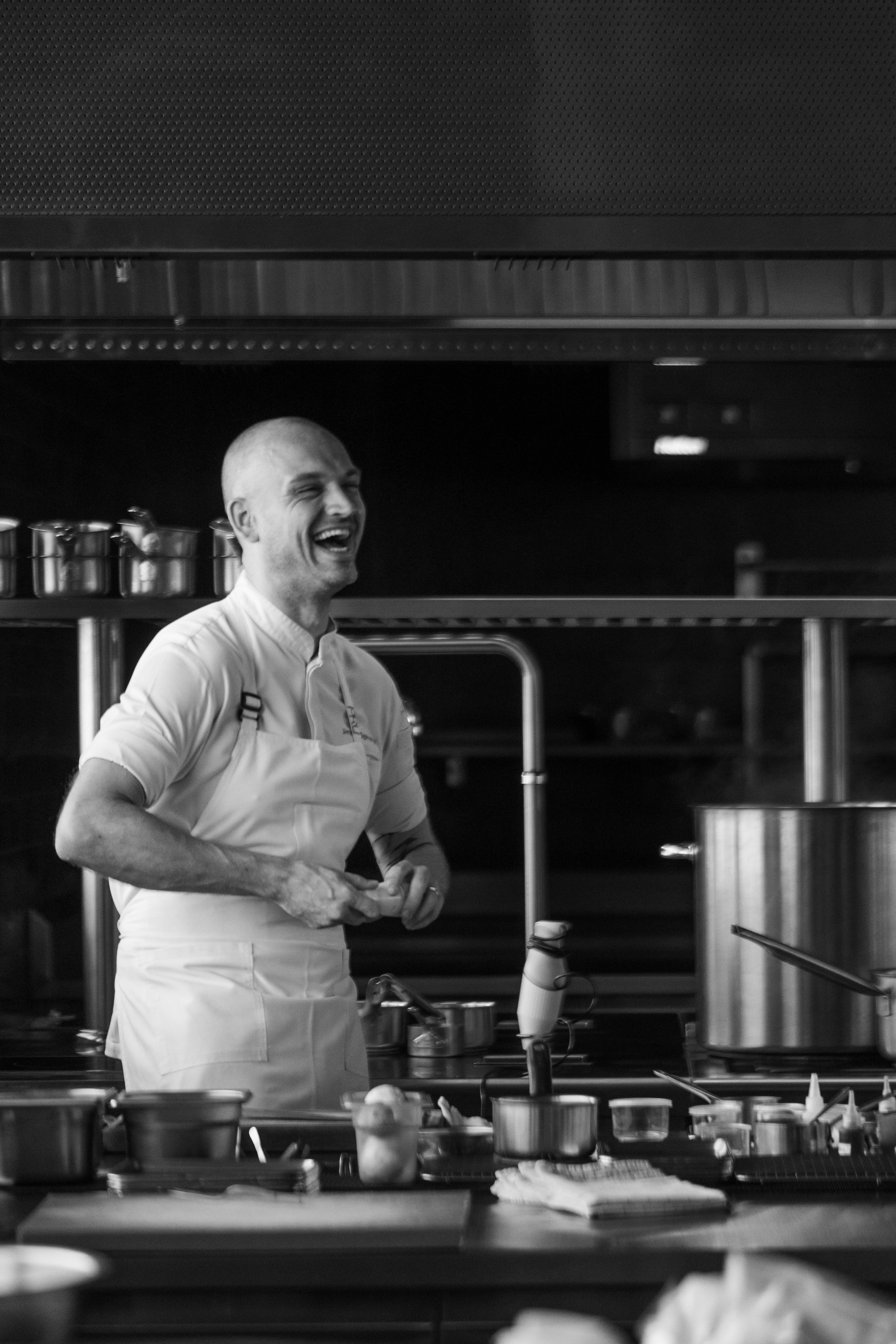
PRU stands for "Plant, Raise, Understand" three words that almost read like a manifesto rather than the name of a restaurant. How has this philosophy reshaped not only the way you cook, but the way you think about your responsibility as a chef?
When we created this project ten years ago, we never wanted it to be a simple restaurant. We wanted to go far beyond that, and that’s why we decided to come up with a name that tells a lot more. I feel a strong responsibility for Phuket — it is the place I call home, the place where me and my family live in, and where my son goes to school. Whatever I can do with my little restaurant to give back to the hands of the economy of the island, we’ll take all the opportunities to do that, so that the community can benefit from it.
You left the Netherlands to build one of Asia's most acclaimed restaurants. Looking back, do you think distance has actually brought you closer to understanding your own culinary identity?
Talking about identity — definitely yes. When I arrived in Thailand I was 22 years old, I was still very young and always had a lot of things on my mind about what I wanted to do. I never thought I would end up in Asia but I always knew that I wanted to leave the Netherlands and work somewhere else — anywhere in the world. Netherlands made me feel a bit stuck, and I wanted to be more adventurous. Me leaving was actually a coincidence; I was working in a restaurant that only closes in winter, so each winter we would go travelling. One time my boss reached out to me about a project in Phuket, and this is how I ended up in Thailand. I started working for a restaurant that was just opening, and not so long after, I opened my own.
Your cuisine is expressed through a contemporary European perspective while relying entirely on Thai ingredients and seasons. How do you balance bringing your own voice to the table without overshadowing the culture that surrounds you?
My own voice is shaped by the country. I didn’t really have my own voice before moving, and after we opened, for the first two-three years, I wasn’t completely sure whether I have a certain direction. I finally managed to find my personal identity during Covid, as I had all the time to reflect on how I can respect the country, the culture, the produce, the people, and use that to implement my knowledge to open this restaurant.
Luxury dining has traditionally been built around scarcity caviar, truffles, imported products. PRU proposes a different definition, where luxury comes from locality, biodiversity, and time. Do you believe fine dining is entering a completely new era?
I like to discover what the country has to offer, and then I get the best of the best — that produce is either catch of the day, or it’s still alive. For me luxury means fresh and alive: from the morning out of the ocean, to the evening served on the table.
Today's chefs are often expected to be farmers, scientists, entrepreneurs, environmentalists, and storytellers all at once. Has the role of the chef become more meaningful or simply more complicated?
I think that everyone has their own kind of way of how to fit in. There are chefs that prefer to stay in the back of the kitchen and take care of the sauce, and there are also adventurous chefs like myself and a few other people in Thailand who really go out to hunt. I think it’s a question of “How much are you willing to do to get the best?”. I paid quite a high price to get to Thailand, so at the end, the only thing I can do is the best I can, and provide an experience that people hopefully never forget.
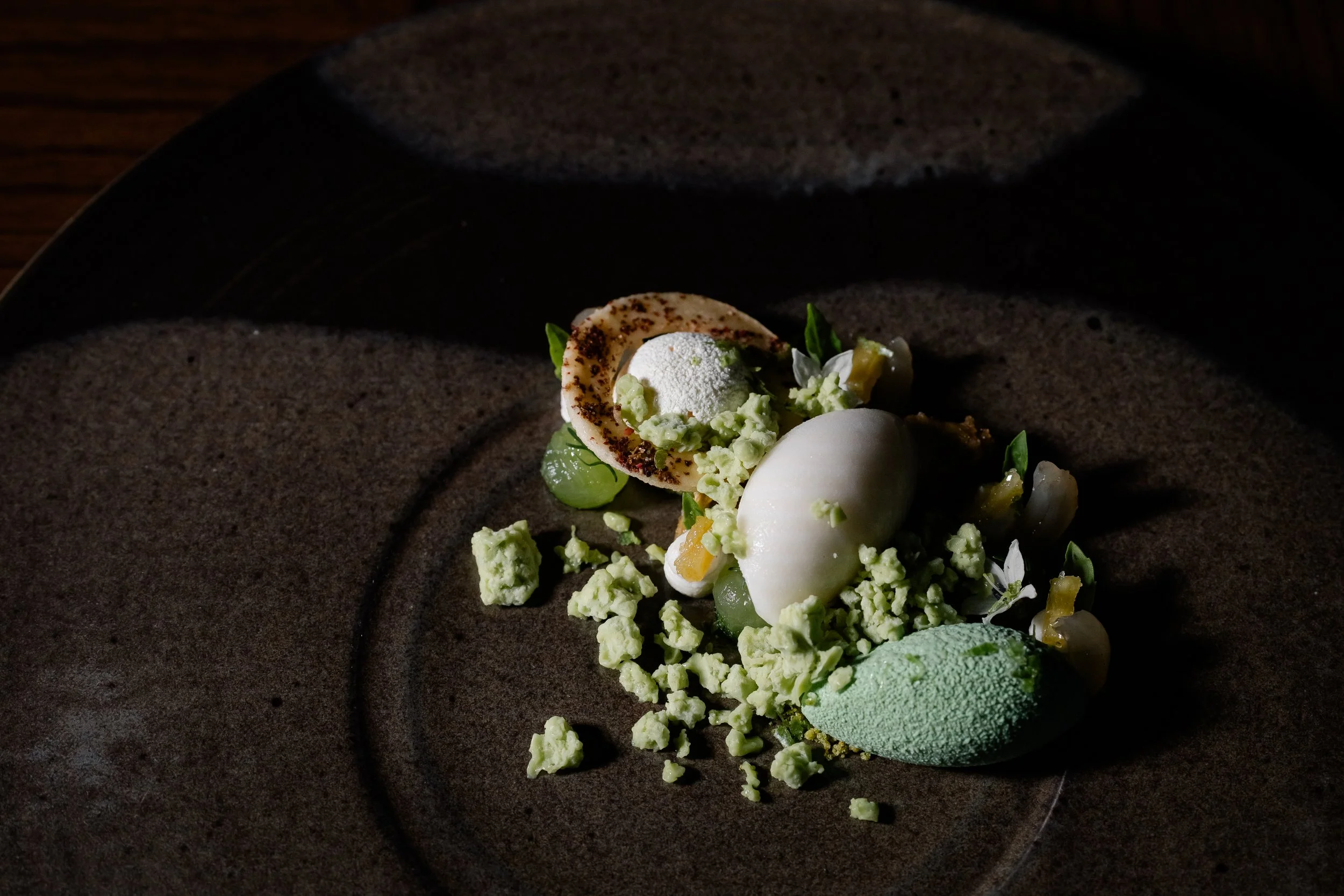
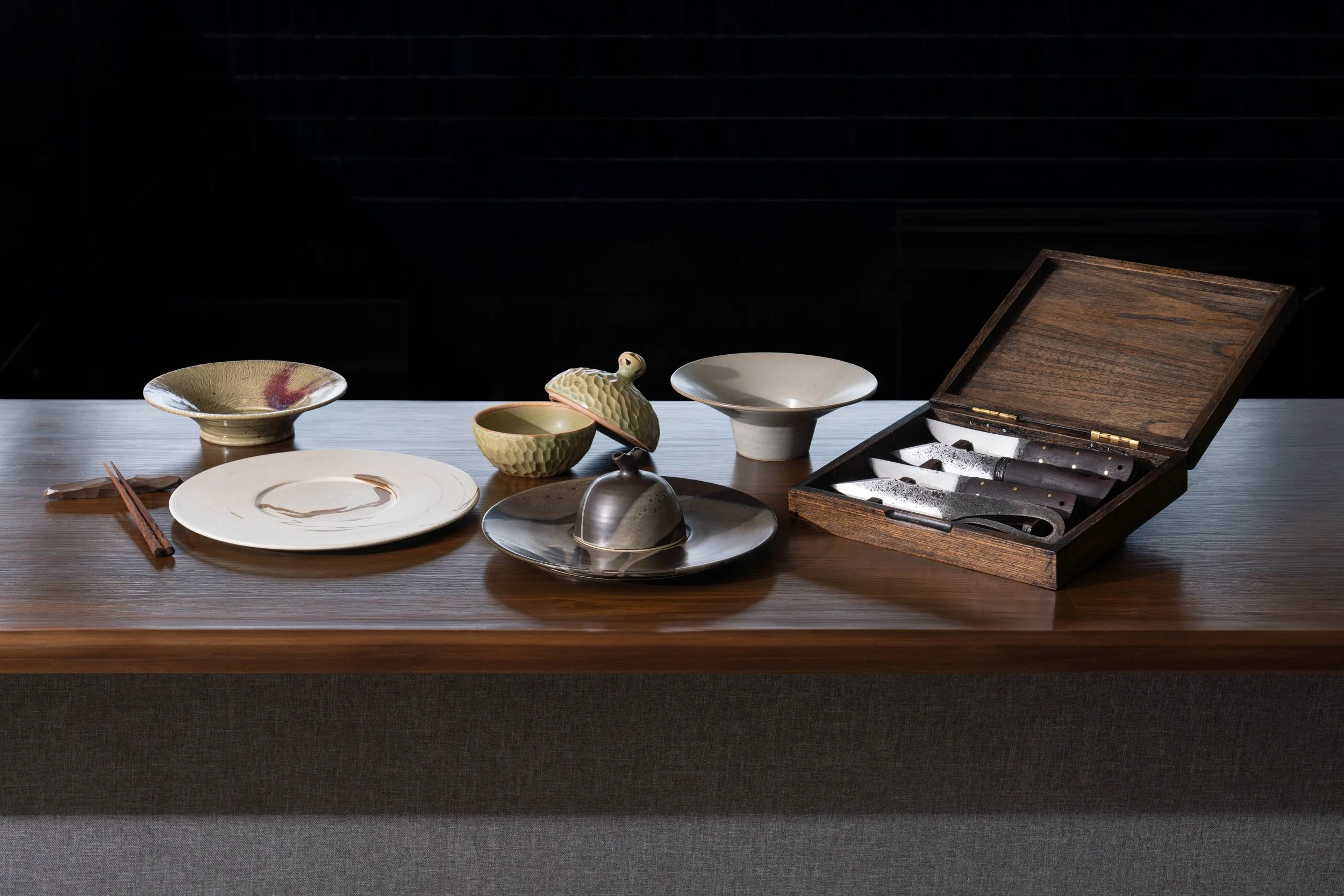
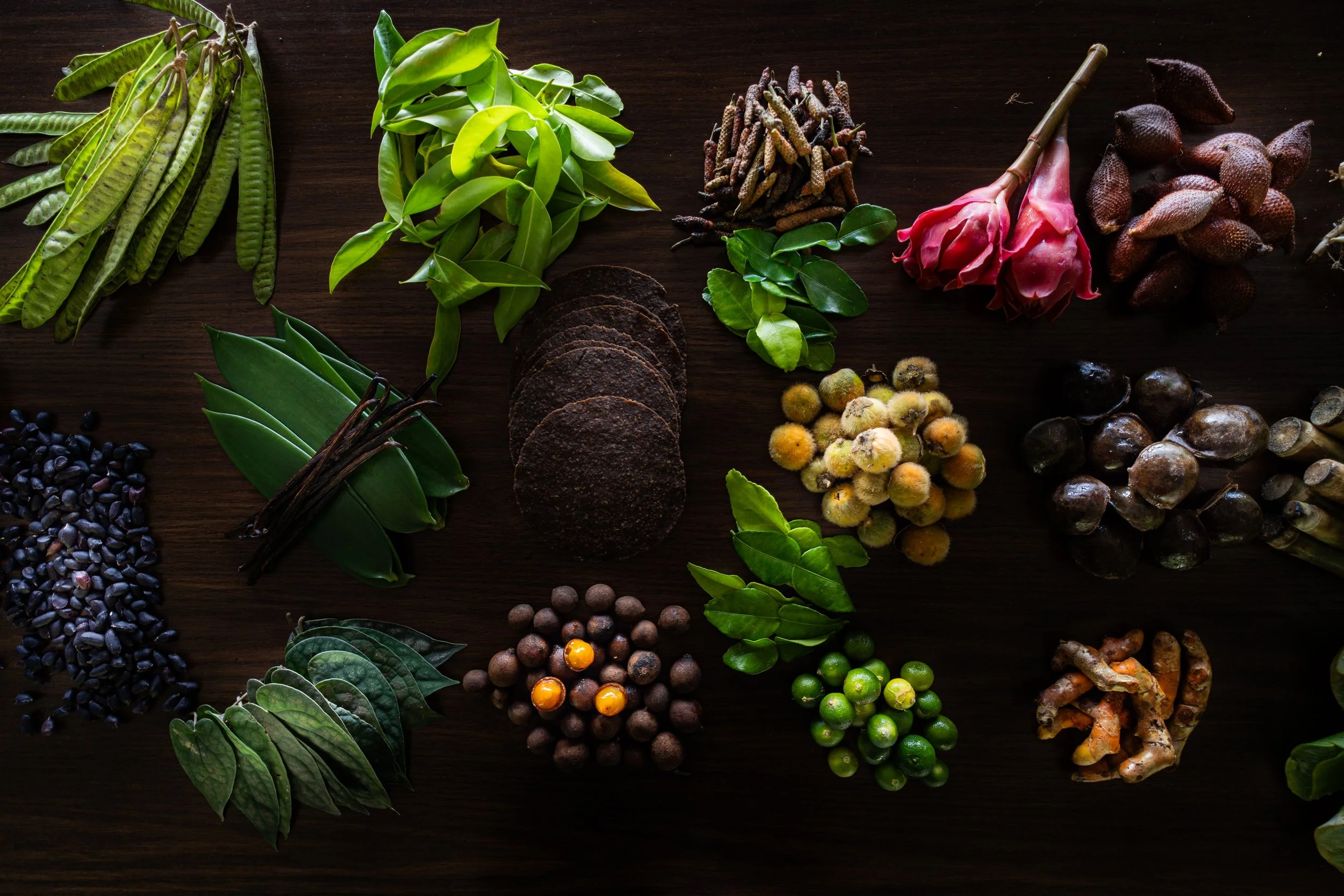
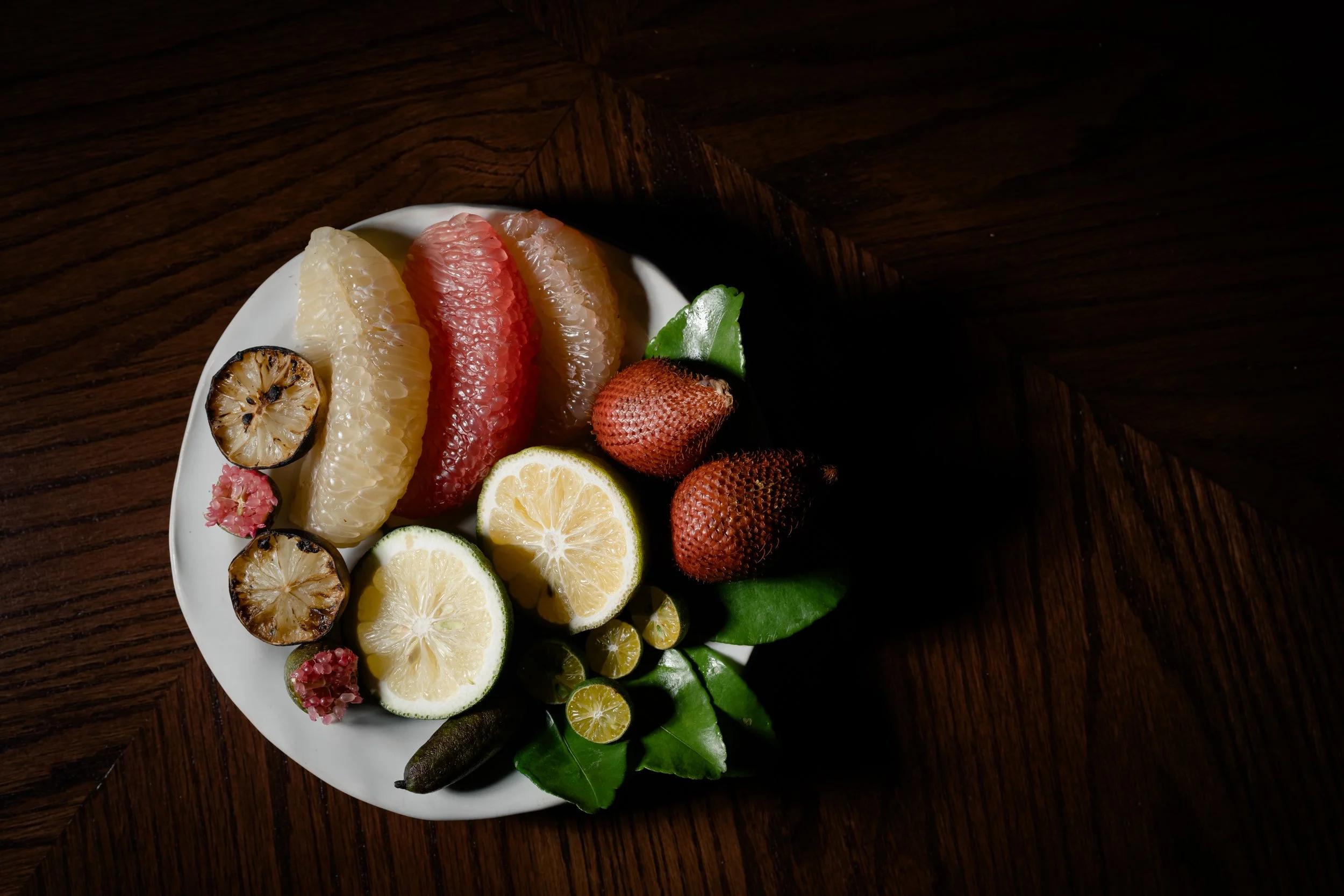
PRU has earned both Thailand's first Michelin Green Star and remains Phuket's only Michelin-starred restaurant. Has international recognition changed your creative freedom, or has it created new expectations that you constantly have to challenge?
That was something I had to learn and experience. Once you get a star, the expectations rise, and you need to be sure you get up to these expectations. The higher you want to get — the higher you have to set the bar for yourself. So I think that’s a challenge for ourselves: whatever we do tomorrow has to be 0.1% better than today. This way we make sure that we raise the bar not just for ourselves but also for our guests.
When you’re talking about fresh produce, what has been one particular product in Thailand that you were not familiar with cooking already but somehow surprised you the most and is now a big part of your menus?
Honestly, from day one everything has amazed me. I think there’s one very important dish in my career and in the restaurant’s history, and that’s the durian fruit (which is usually very stinky). The first time I ate it was around thirteen years ago, and it was horrible. I still wanted to do something with it, and for six years we failed. My aim was to make people who didn’t like the fruit change their mind completely. Now the durian represents the restaurant in one simple dish, showing our creative mind, and that we always try to do something different.
Dining at PRU feels almost theatrical from the open kitchen to the immersive relationship between food, landscape, and architecture. How consciously do you think about storytelling beyond what's happening on the plate?
We try to create a personalised experience for each guest so that every single diner has a different storyboard. In our perspective the food and the guests experience is always number one, and we constantly try our best to elevate it more and more.
Many chefs speak about sustainability in environmental terms, but your work also seems deeply connected to preserving knowledge, traditions, and local communities. Do you see restaurants as cultural institutions as much as places to eat?
The way how we have always operated our restaurant is by having a concept that shows sustainability from its core. We then build the restaurant around it. It’s our way of thinking, and I do believe that what we’re building is more of a cultural institution. Everything has to do with taking care of others before we take care of ourselves.
