
IN CONVERSATION WITH JOHANN EHRHARDT
interview by THORE DAMWERTH
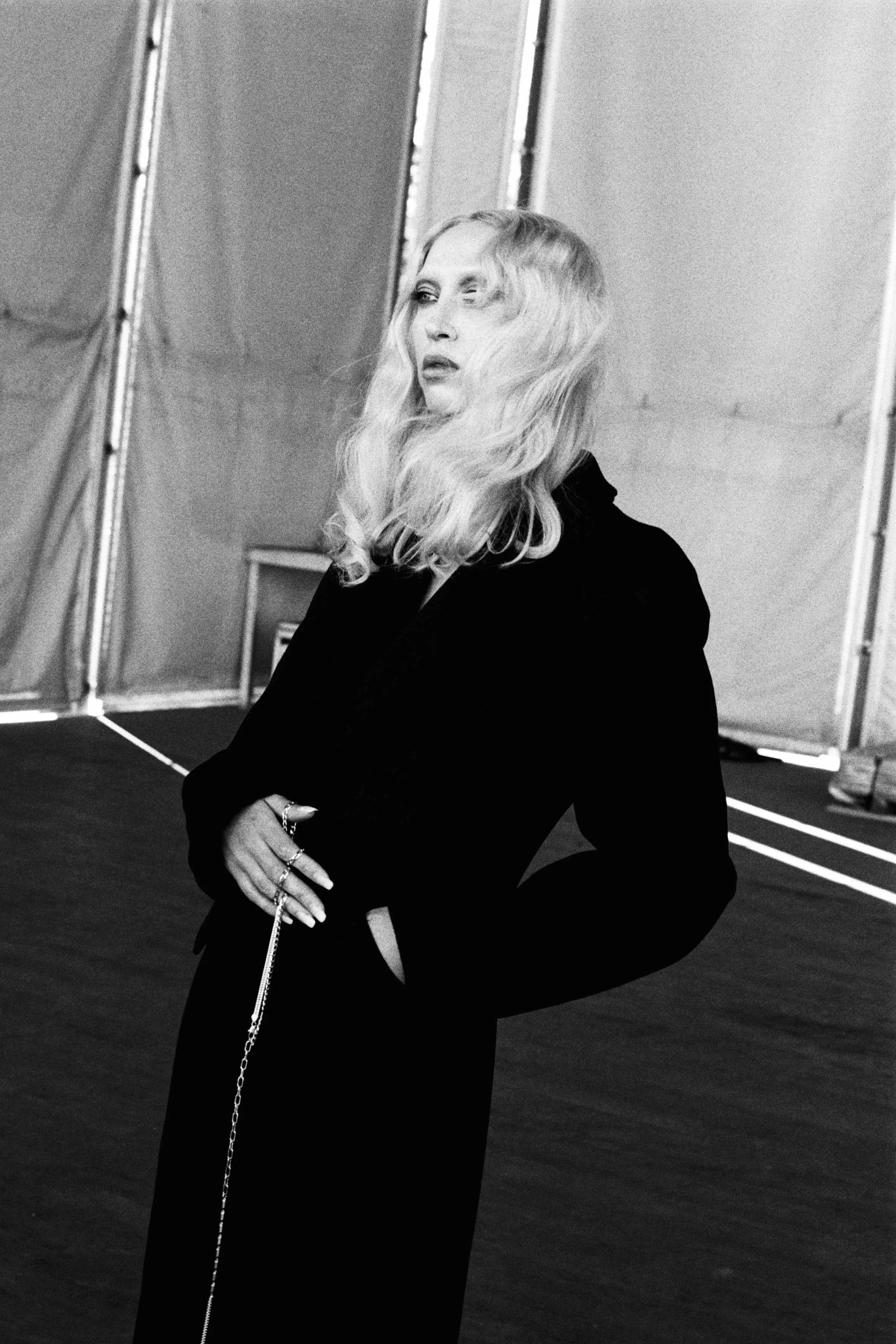
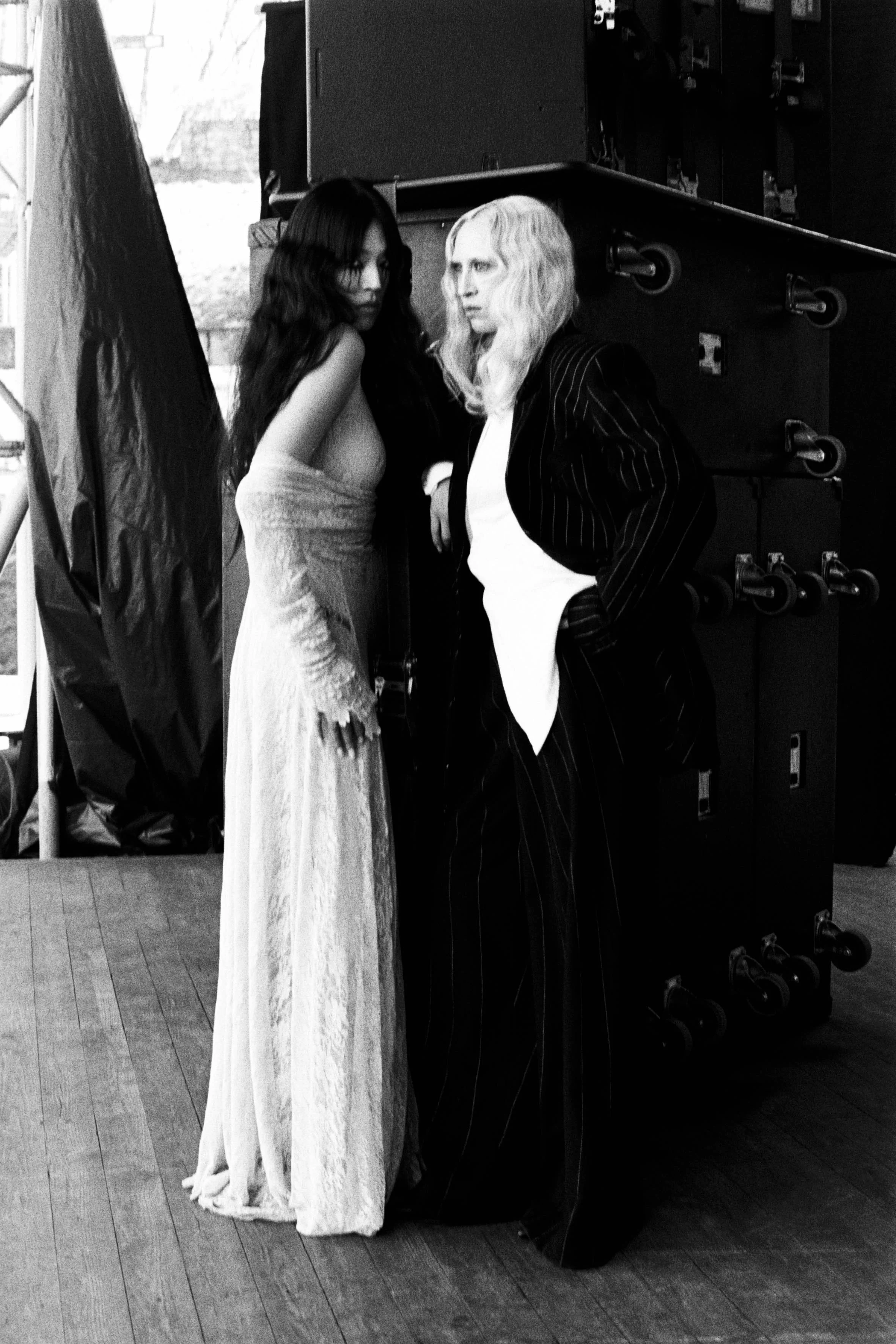
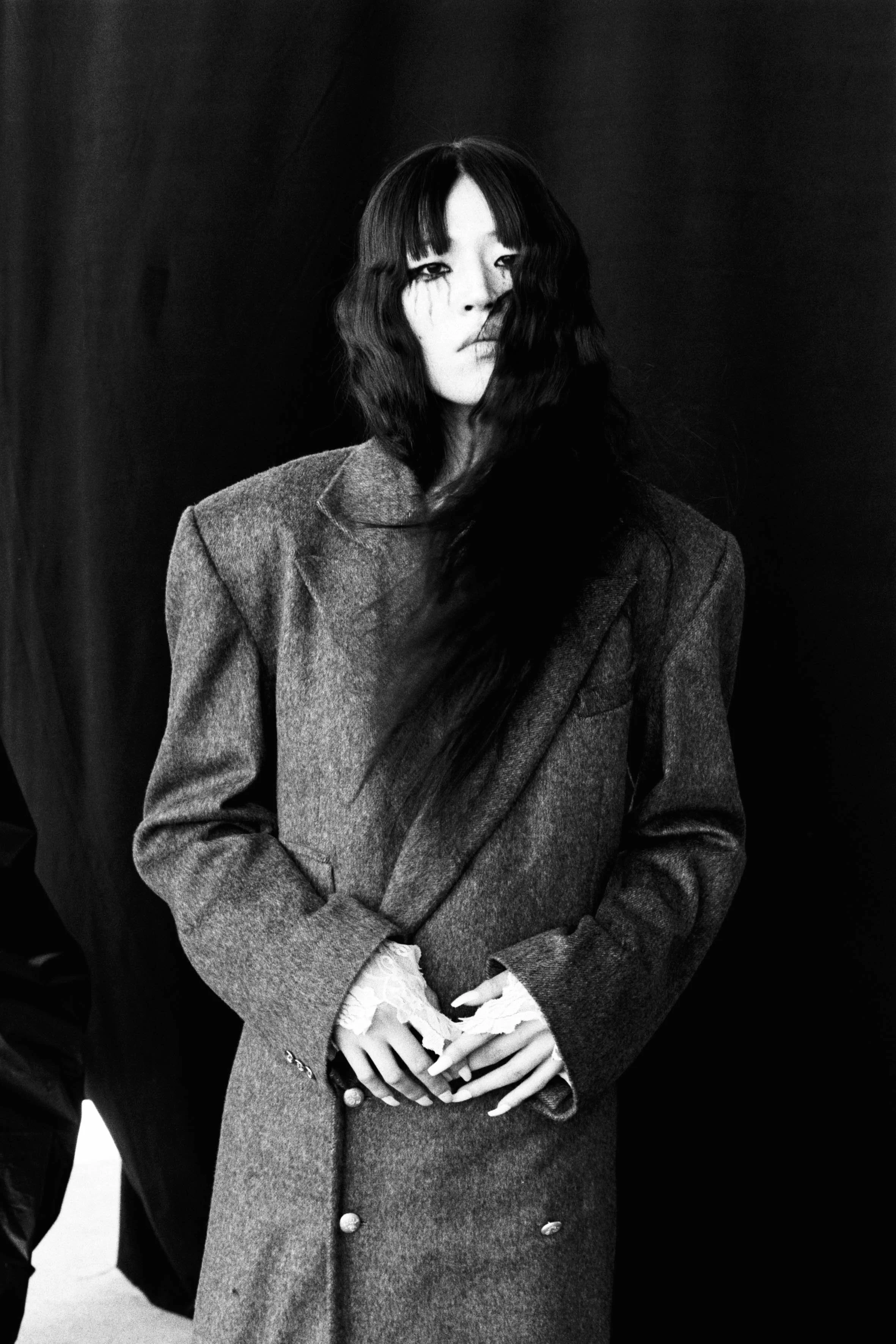
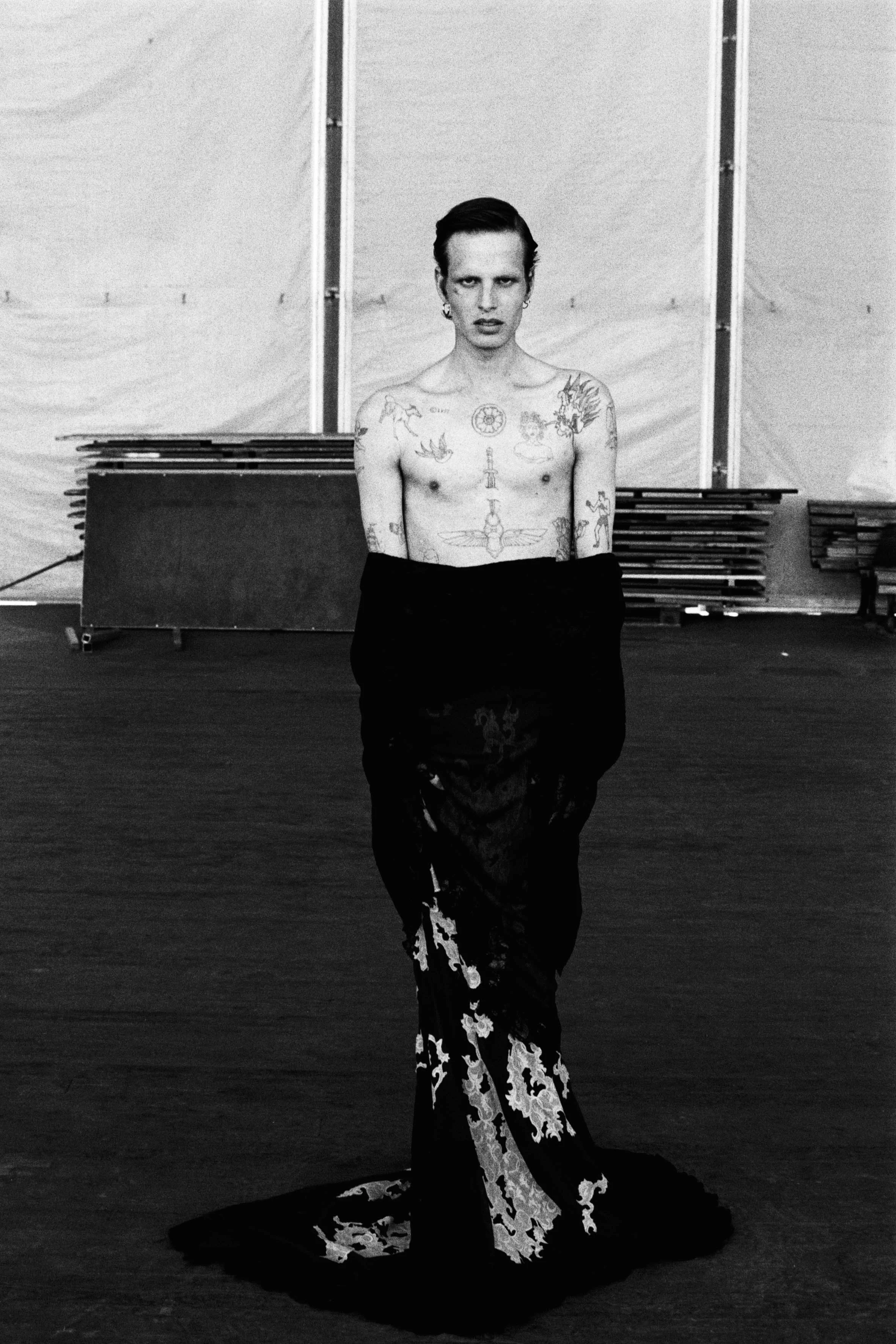
With ACTUS ALTER, HADERLUMP returns to its AW26 collection VARIUS as both a continuation and a reconsideration. Inspired by Marlene Dietrich, whose life was defined as much by contradiction as by glamour, the editorial shifts its focus away from performance and towards what remains once it ends. If the original presentation unfolded beneath the lights of Berlin’s Wintergarten Varieté, ACTUS ALTER begins after the curtain falls.
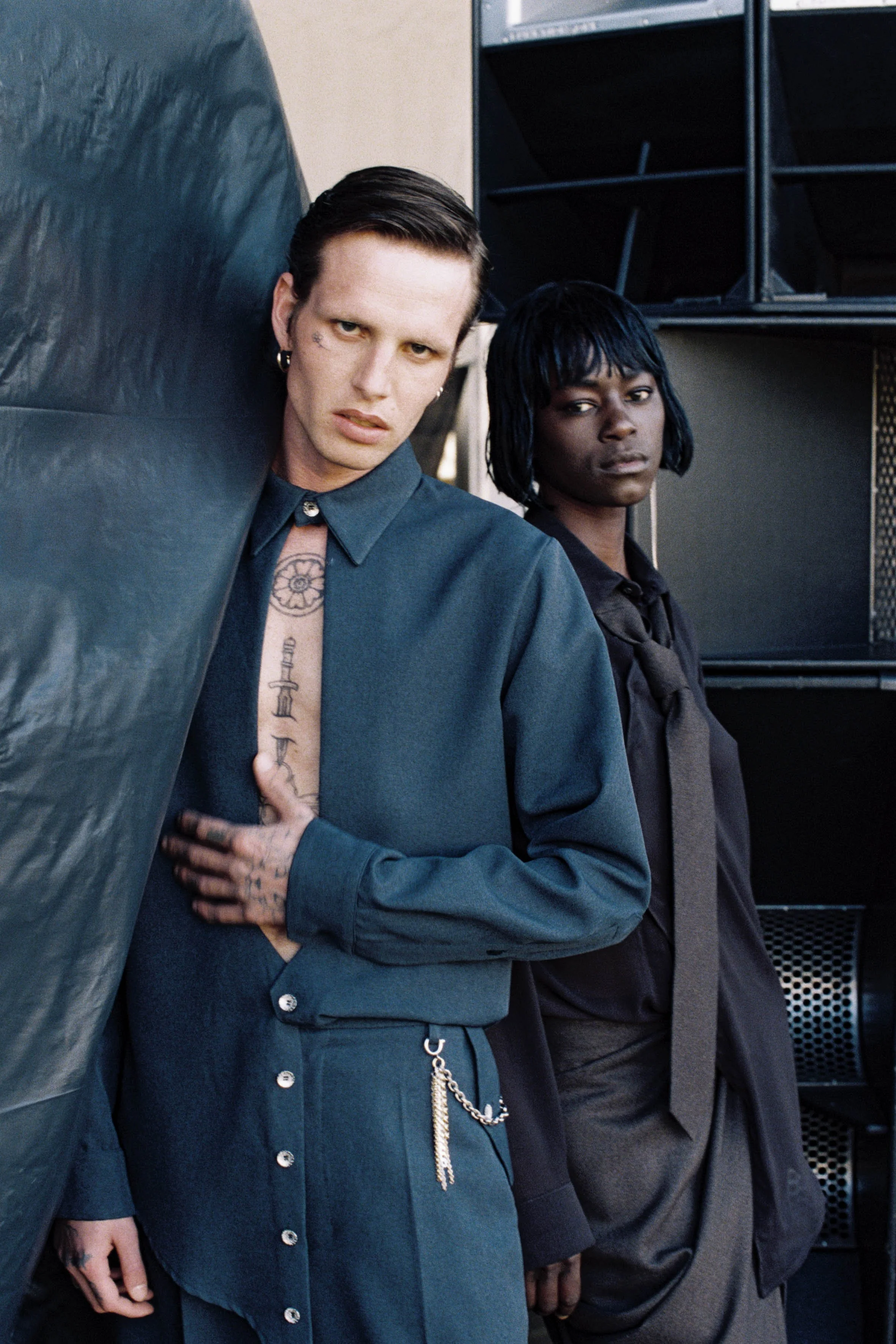
Captured through the unmistakable lens of Sven Marquardt and reinterpreted through a collaborative styling approach between HADERLUMP and Numéro Netherlands, the project explores identity beyond expectation, embracing the tension between strength and vulnerability, masculinity and femininity, control and undone-ness. For founder Johann Ehrhardt, these contrasts are not opposites but spaces of possibility. We spoke with him and the HADERLUMP team about Dietrich’s enduring influence, collaboration as creative DNA, and what ACTUS ALTER reveals about the brand’s next chapter.
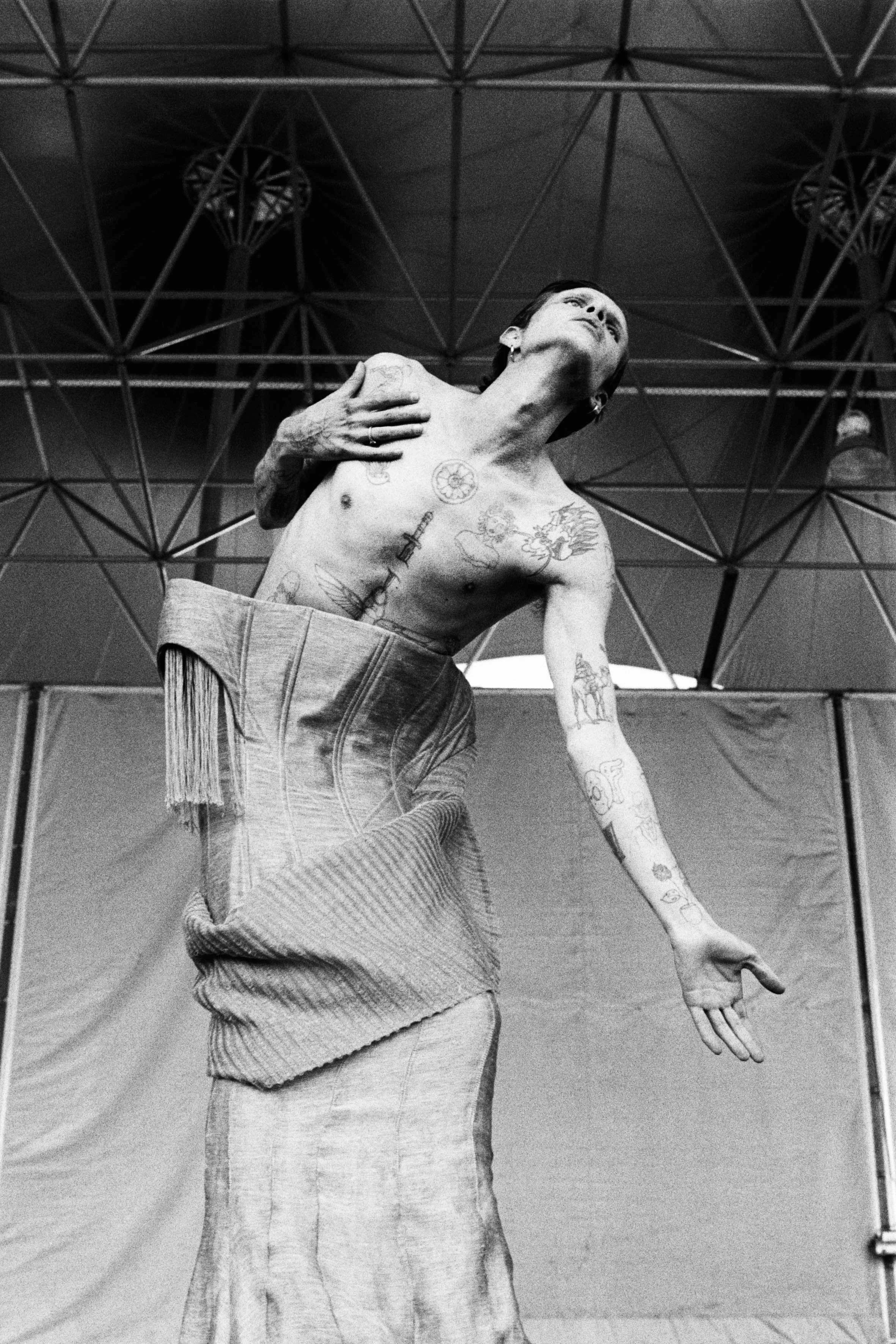
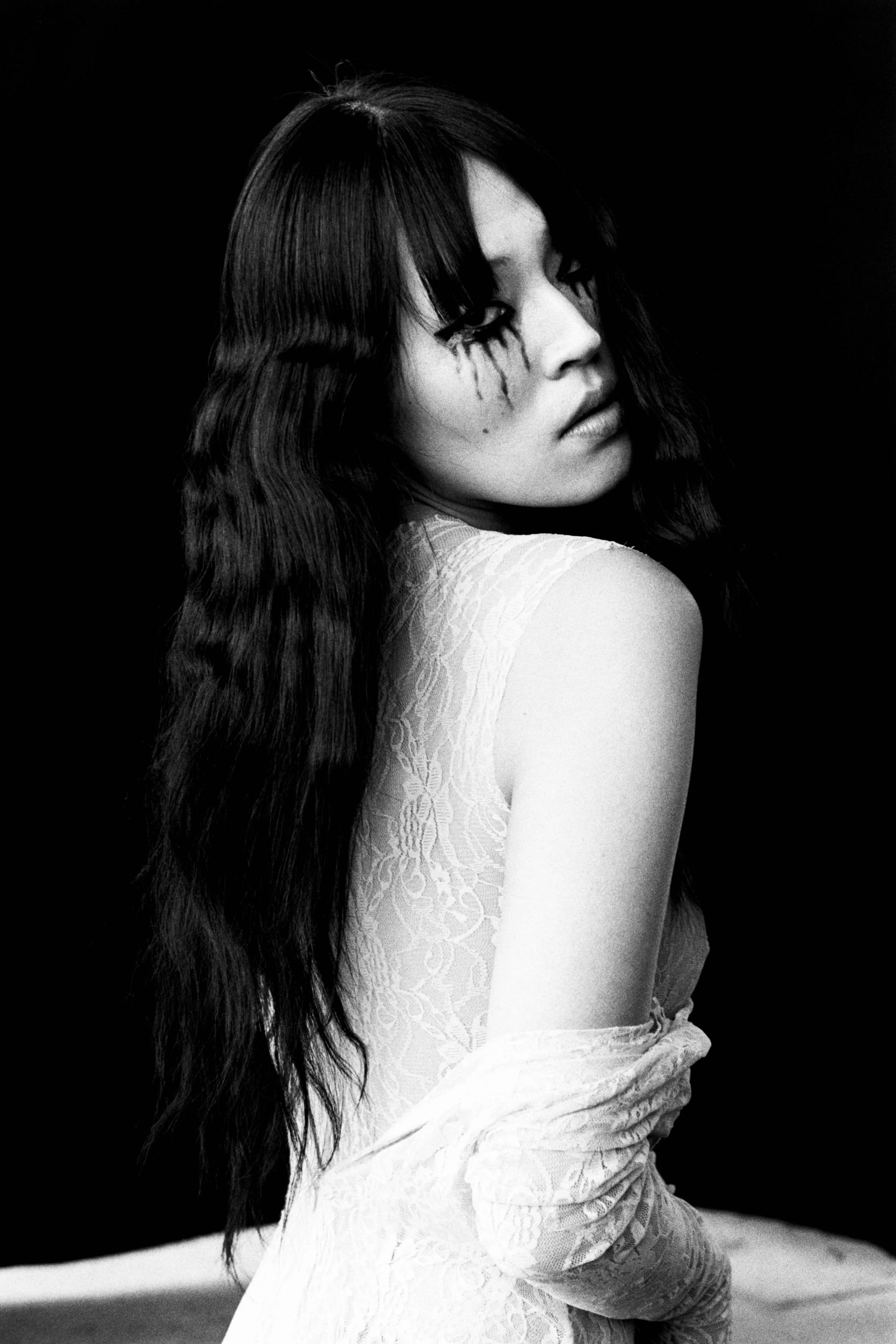
all looks HADERLUMP
all jewellery AKKESOIR
Let’s start talking about the initial collection, VARIUS, that is inspired by Marlene Dietrich as a symbol of glamour and performance. What was it about her contradictions – rather than her image – that initially drew you in?
Marlene Dietrich was known for the glamorous roles she took on, while in her private life she had this sense of roughness to her, this subversion, this conviction to go against the stream. She had her beliefs and she stuck by them. As a performer, she entertained the Allied troops during World War Two, traveling right to the front lines and giving performances for the soldiers. The strength it required to do that was something deeply commendable and inspiring to me. There was this one sentence from an account I read about this time in her life that really stuck with me. It went something like: "No matter how seductively she presented herself on those improvised stages before the soldiers in sequined dresses and gowns, she met them before and after her performance with a remarkably masculine and dominant demeanor." It was this contradiction and how she was able to combine both that initially drew me in. The first spark actually came when I was helping a good friend move. While unloading the truck, I noticed a plaque on the facade of the house she was moving into – it was the birth house of Marlene Dietrich. It was there, on the gritty streets of Berlin, admittedly a bit rough around the edges, that the contrast felt perfect – glamour emerging from the raw. I thought: Let's do Marlene.
ACTUS ALTER feels like the moment after the curtain falls. Why were you interested in exploring what remains once performance and spectacle disappear?
ACTUS ALTER is the second act of the Haderlump AW26 collection VARIUS, inspired by Marlene Dietrich. Few figures embodied transformation like Dietrich. On screen, she was often the epitome of glamour and control; in private, she cultivated a sharper edge, subverting expectations and blurring the boundaries between women's and men's fashion. The AW26 presentation of VARIUS at Wintergarten Varieté was the collection's first act. Staged under theater lights fashion became performance. But now I wanted to ask: What happens after? When the lights go out, the applause fades, and the stage empties? ACTUS ALTER explores this moment. It asks what remains of the individual once the performance ends. When the codes, expectations, and projections are stripped away. How much of who we are is shaped by the roles we are expected to play? And what emerges when societal pressure disappears, leaving behind only the raw essence of the self? Because beyond the stage, beyond the roles we are asked to play, there remains the possibility of something simpler – a self defined not by expectation, but by being. Not masculine, not feminine. Simply whole.
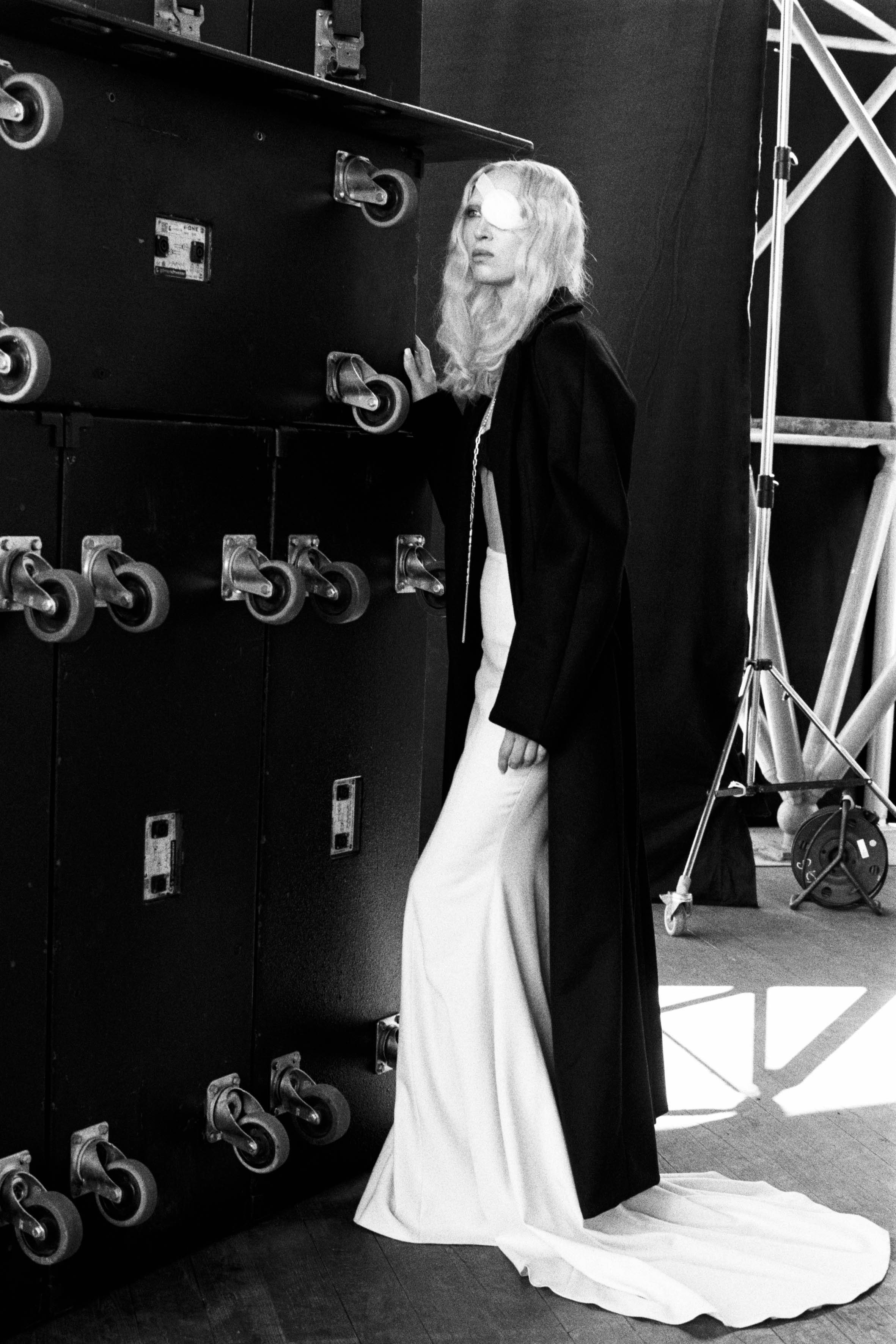
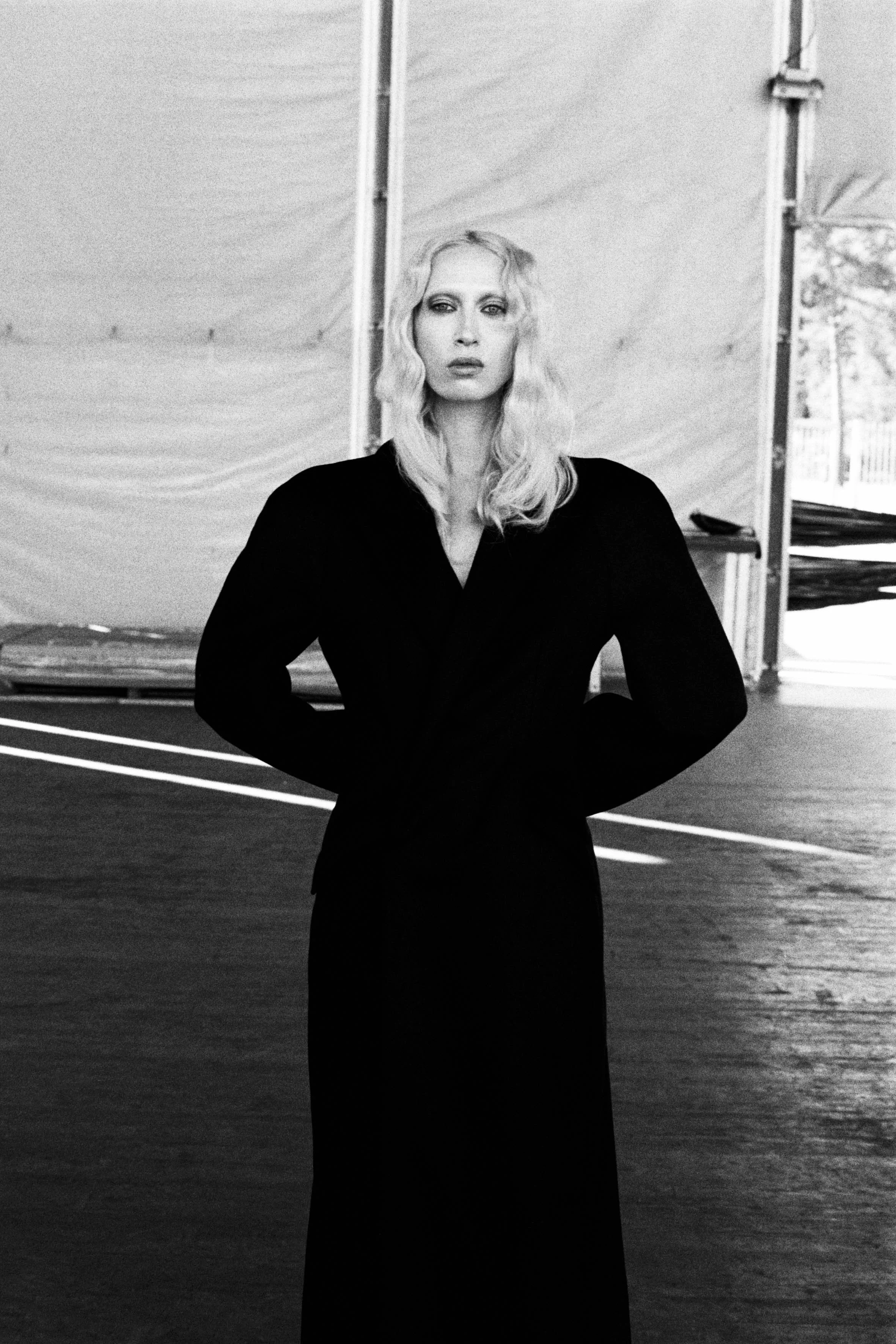
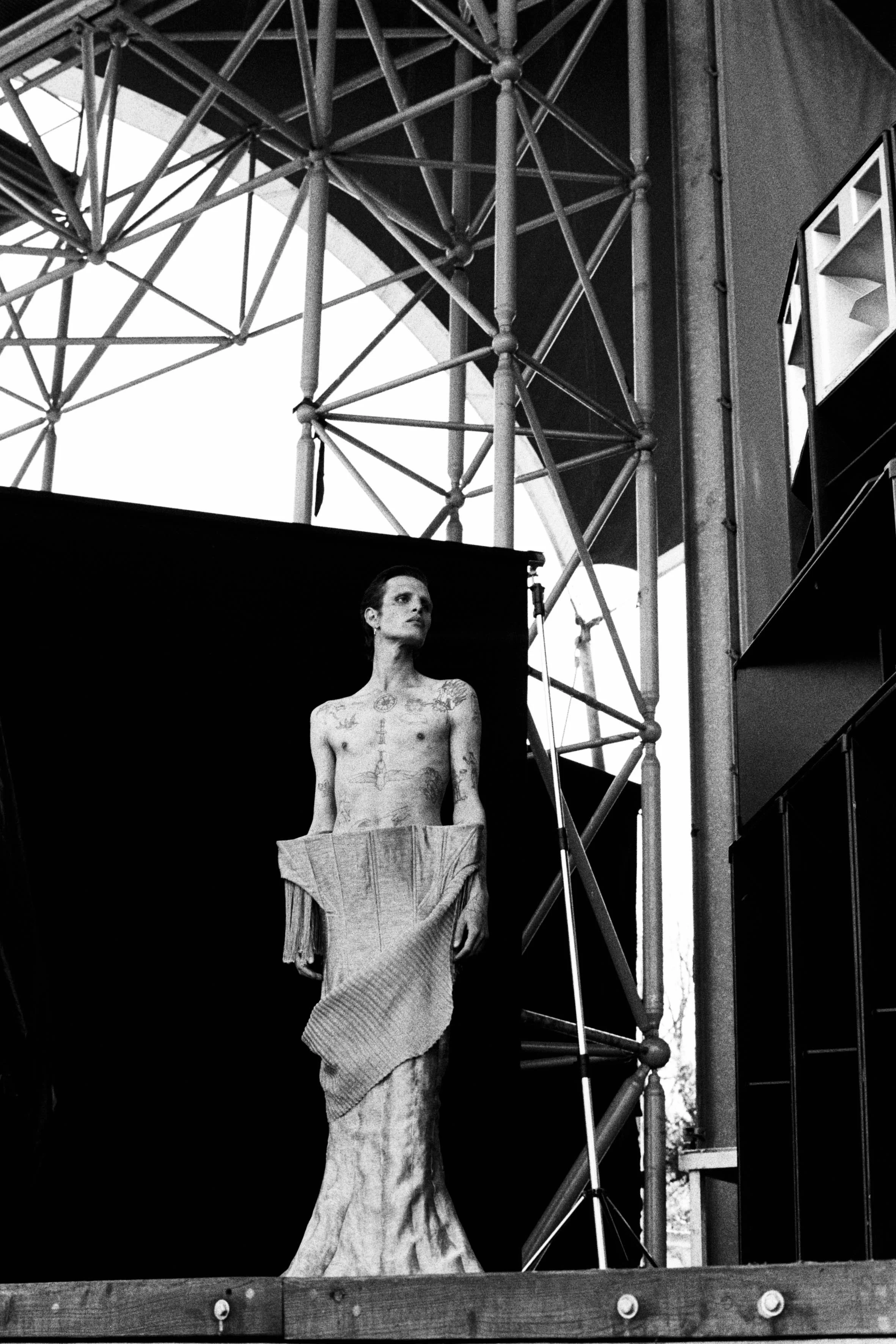
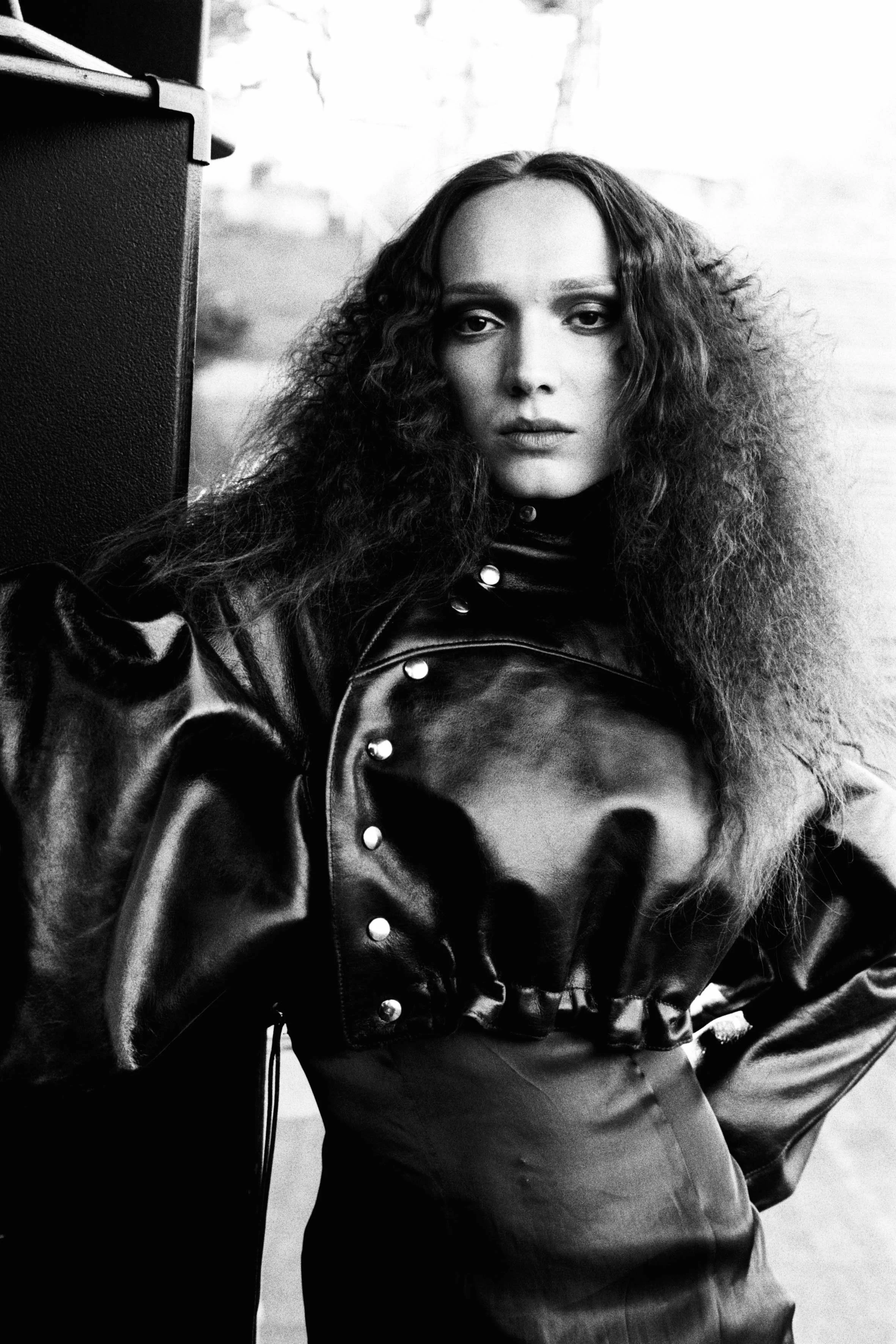
Sven Marquardt has such a recognizable visual language: dark, intimate and deeply rooted in Berlin. How did his perspective reshape or challenge your own vision of the collection?
Sven’s visual language has always been deeply rooted in a sense of urbanity, grit, and authenticity. Taking this collection – which was, to an extent, influenced by the more glamorous roles Marlene Dietrich became known for – and reframing it through a darker, rawer lens felt super intriguing to me. Visual clashes like this are the moments where extraordinary things happen, it’s like a playground for something entirely new to emerge. What made the process particularly special was how collaborative it was from the very beginning. Sven was involved not only in shaping the visual narrative but also in the casting process. He has a profound sensitivity to people’s identities and an instinctive understanding of what makes someone compelling beyond conventional ideas of beauty. Beyond that, our relationship with Sven is built on a deep sense of trust. He has been by our side almost since the very beginning, and his support has meant a lot to us throughout our journey. Because of that, when the idea of reimagining this collection first emerged, he felt like the most natural person to bring it to life. His ability to translate an idea into something emotionally resonant, while remaining sensitive to the people in front of his camera, made him perfect for this.
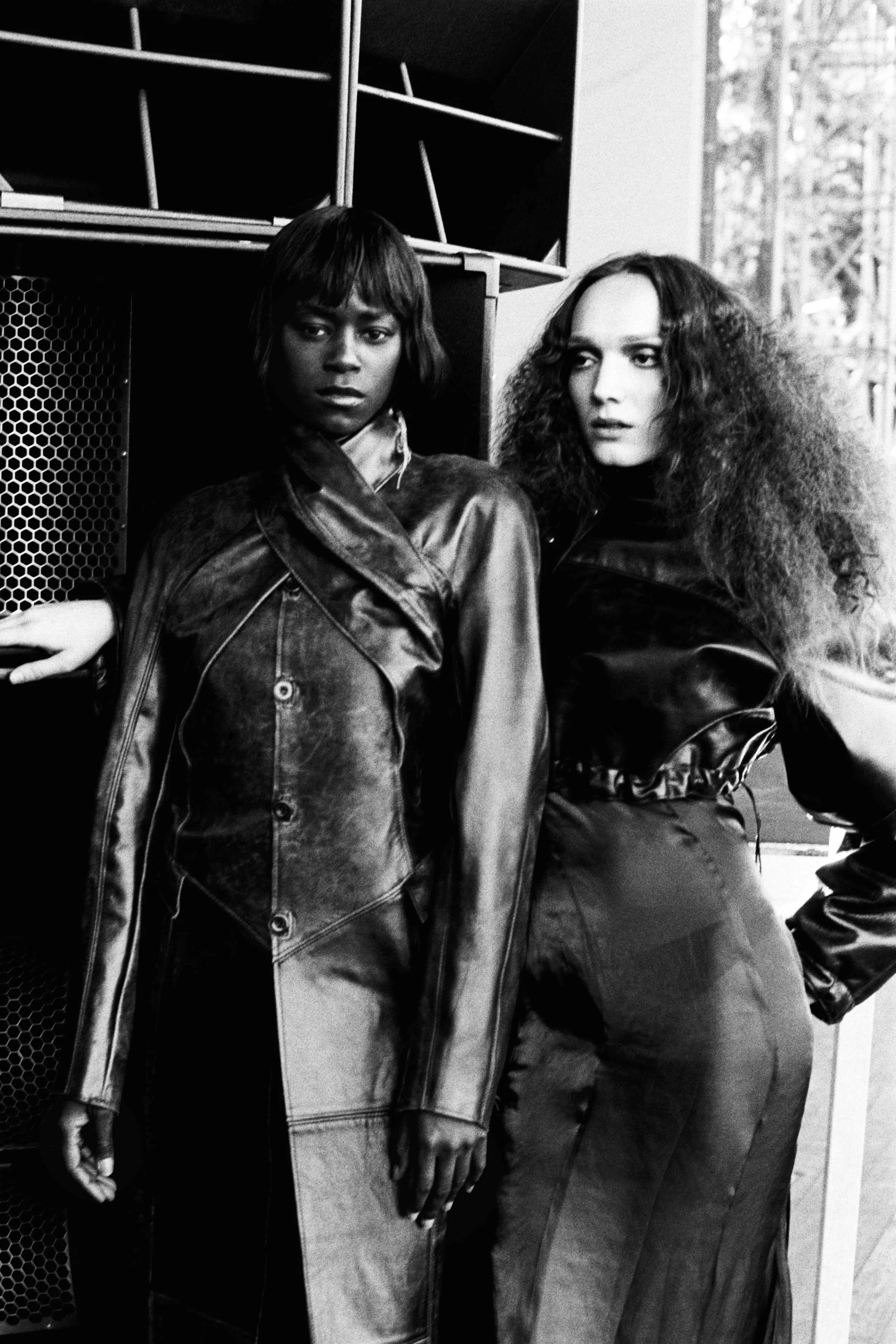
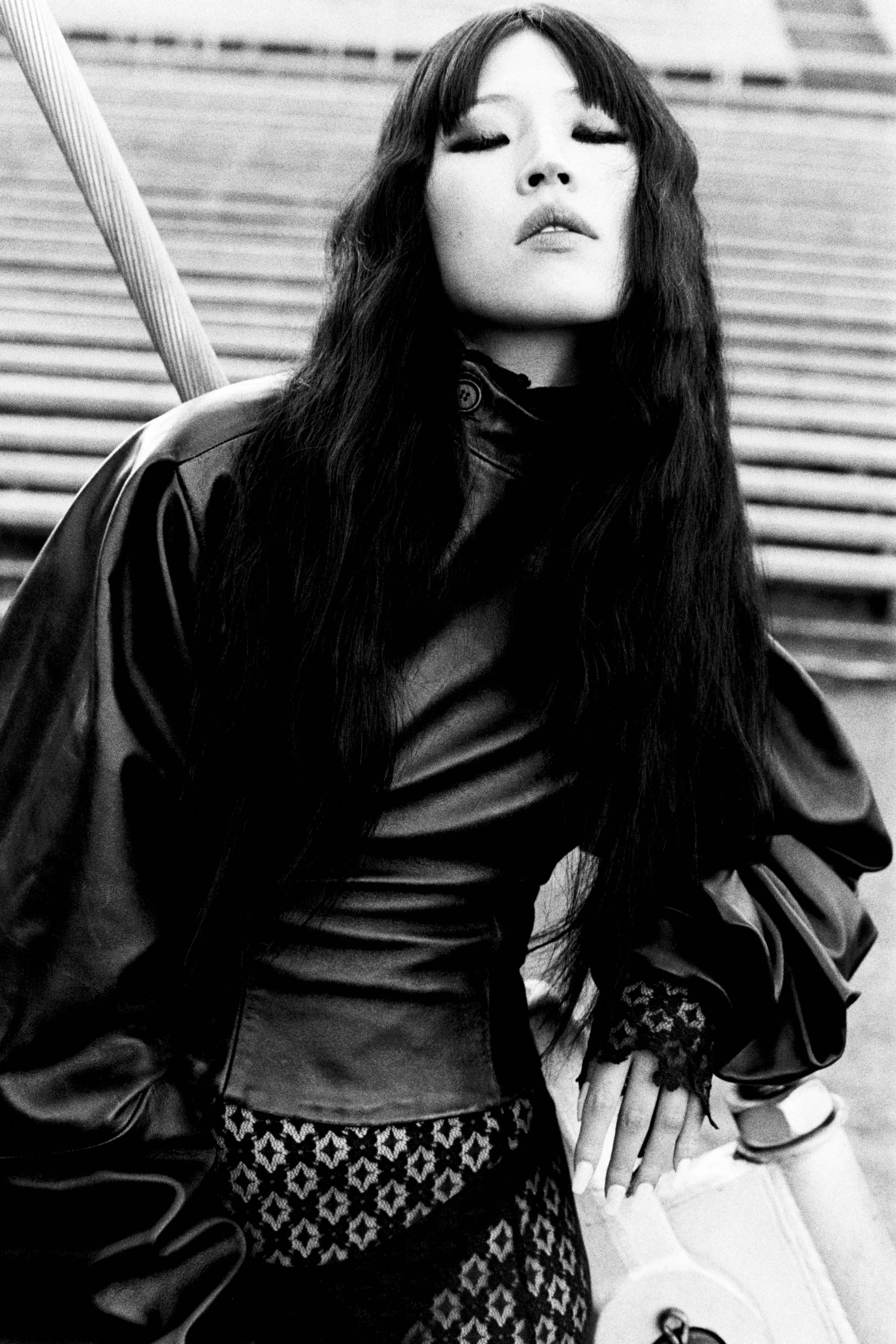
Projects like ACTUS ALTER feel deeply collaborative – design and production teams to Sven’s visual language and our styling reinterpretation. How important is collaboration within HADERLUMP, and how do the people around you shape the final outcome?
Collaboration lies at the very core of Haderlump. In fact, it was founded out of it. When we started the brand, it was me (Johann), Julius (Brand Manager), and Johannes (Head of Atelier). We all brought different qualities to the table that, together, allowed us to enter this symbiosis-like state, where each of us would balance out what the others were lacking. It wasn’t long before our team was joined by Liv, who brought in our indispensable sense of softness, fluidity, and draping, and who today is our Head of Design. Soon after, we were joined by Niamh as a pattern drafter. She and Johannes develop all of our patterns by hand for every piece we make, whether it be a showpiece, something for the online shop, or a custom piece. Lastly, Leona (Head of Communications) joined us two years ago and handles all things PR, including curation for our socials and show production together with Julius. Not to forget, we also have a selection of freelancers and artists we collaborate with that grows as the brand grows older. Most recently, for example, shoemaker Matthias Winkler, who is working with us on customizing shoes for our upcoming show ATRIUM on July 4th. So, to bring it all to a point, collaboration has long outgrown a point of necessity for us and has instead become part of our DNA: we want to give others a platform to show their perspective to the world. This is why we were also incredibly excited to have the styling for this editorial become a collaborative effort between us and Thore, who did such a beautiful job of taking what was there, dissecting it, and reimagining it through a lens of undone-ness. When you are so close to a collection and have imagined it in a very personal way, you begin to perceive that way as the only way. And of course, as a brand, we have our preferred ways of styling or photographing a collection, which can make you prone to seeing that approach as the only one.
HADERLUMP has built a very distinct universe over the years. One rooted in Berlin, yet never limited by it. How would you describe the core idea or emotion that continues to define the brand today?
I think in recent years we have made it a point to try and move beyond the Berlin aesthetic codes by refining our cuts, by focusing on tailoring, and by infusing our presentations with a touch more elegance. I guess it comes from wanting to emancipate yourself from something that you have – through your own lens – naturally evolved past. You see what is happening around you and somehow you can no longer fully identify with it anymore. However, Berlin is still us. It is where we come from and we all call it home. We would not want to miss it for anything. I think at the center of Haderlump is the feeling of wanting to feel powerful. I have always found that the days I felt confident were the days I felt the best overall, and for me this was often amplified by the clothes I wore. I found that materials played a huge role in that for me: a heavy leather blazer, for example, will immediately shift the way you see yourself after you put it on. So we try to put a big focus on the materials we use. What confidence means exactly can vary from person to person. Whether this means accentuating a bodily detail through flowy, draped fabric, or concealing something else through a very rigid structure, Haderlump creates space for both approaches. There is no judgment being passed on what you decide to show or hide, but Haderlump allows you to fully express and define your own version of strength and confidence.
Every act leaves something behind. What do you hope ACTUS ALTER leaves behind, and what direction does it open up for the next chapter of HADERLUMP?
More than anything, I hope ACTUS ALTER leaves behind a sense of process rather than perfection. It’s a moment that captures a shift in energy and perspective, without trying to over-explain itself. For HADERLUMP, I hope it opens up space to keep exploring contrasts without feeling the need to resolve them too neatly.
TEAM CREDITS:
models FATOUMATA KABA, NINO BAR, LEX OLSEN, LEONA ISABELLA LUTZ and TORY KIM
photography SVEN MARQUARDT
styling LIV SILLINGER and THORE DAMWERTH
hair and makeup SASKIA KRAUSE
interview THORE DAMWERTH
assistance HARDY PAETKE