
IN CONVERSATION WITH JULIA JONES
interview by JANA LETONJA
Julia Jones has brought a quiet intensity to characters navigating difficult worlds, and in The Weight, she takes that strength into stark new territory. Starring opposite Ethan Hawke, she plays an Indigenous woman who joins a group of prisoners on a dangerous gold-smuggling journey during the Great Depression, confronting prejudice, isolation and the brutal realities of survival along the way. As the sole woman on the expedition, her character gradually emerges as both its moral center and an unexpected source of resilience. Following roles in the Twilight franchise and Taylor Sheridan’s Wind River, The Weight offers Julia a richly layered character defined not by spectacle, but by endurance, instinct and humanity.
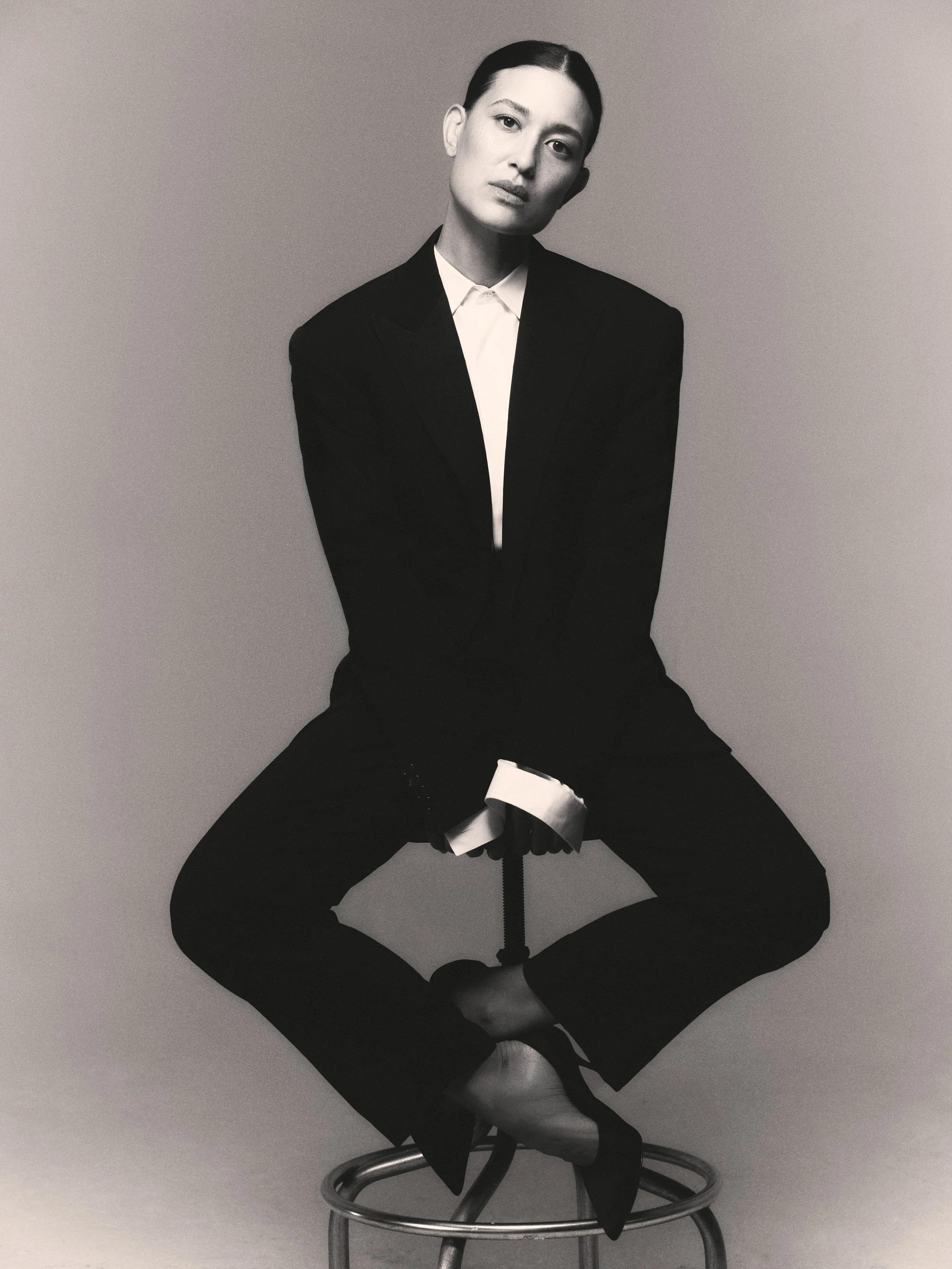
What was your immediate reaction when you first read The Weight, and what made you want to inhabit this particular character?
I really responded to the story of a group of disparate people who find themselves together on a journey to achieve a common goal. Over the course of the film, not only do these characters learn to depend on each other, but they might even learn to love each other in the process. The script was also very sparse, which meant there was a lot to discover. I had a long zoom with the director, Padraic McKinley, very early on and his openness and enthusiasm and innately collaborative spirit made me excited to give Anna a shot.
Your character enters an incredibly masculine and hostile environment as the only woman on the expedition. How did that isolation shape the way you approached her?
This may sound implausible, but one of the things that I loved about the development process is that we never approached Anna as being different from any of the guys. All of these characters were dealt a certain hand that led to them experiencing a form of desperation, and Anna was no different. I think a lot of her strength comes from this way of thinking. It never occurs to her that she is less capable, or more vulnerable than any of the others. There are reasons she has come to be so tough. In terms of isolation, Anna and Murphy have an instant connection that slowly grows over the course of the film, so in a way, she is one of the least isolated. She is not used to having anyone look out for her, but ultimately, he does. They look out for each other.
How much research went into understanding the period and the specific circumstances your character would have faced?
Our writer, Shelby Gaines, had a backstory for Anna that I layered on top of my pre-existing understanding of what her circumstances would have been. From there, I did a lot of research, to the point where I felt like Anna was a real person and I was playing a historical figure. I was extremely specific about the physical and emotional journey that got her to the spot where we first meet her, taking a smoke break on the porch of her unconscionable job at a mine.
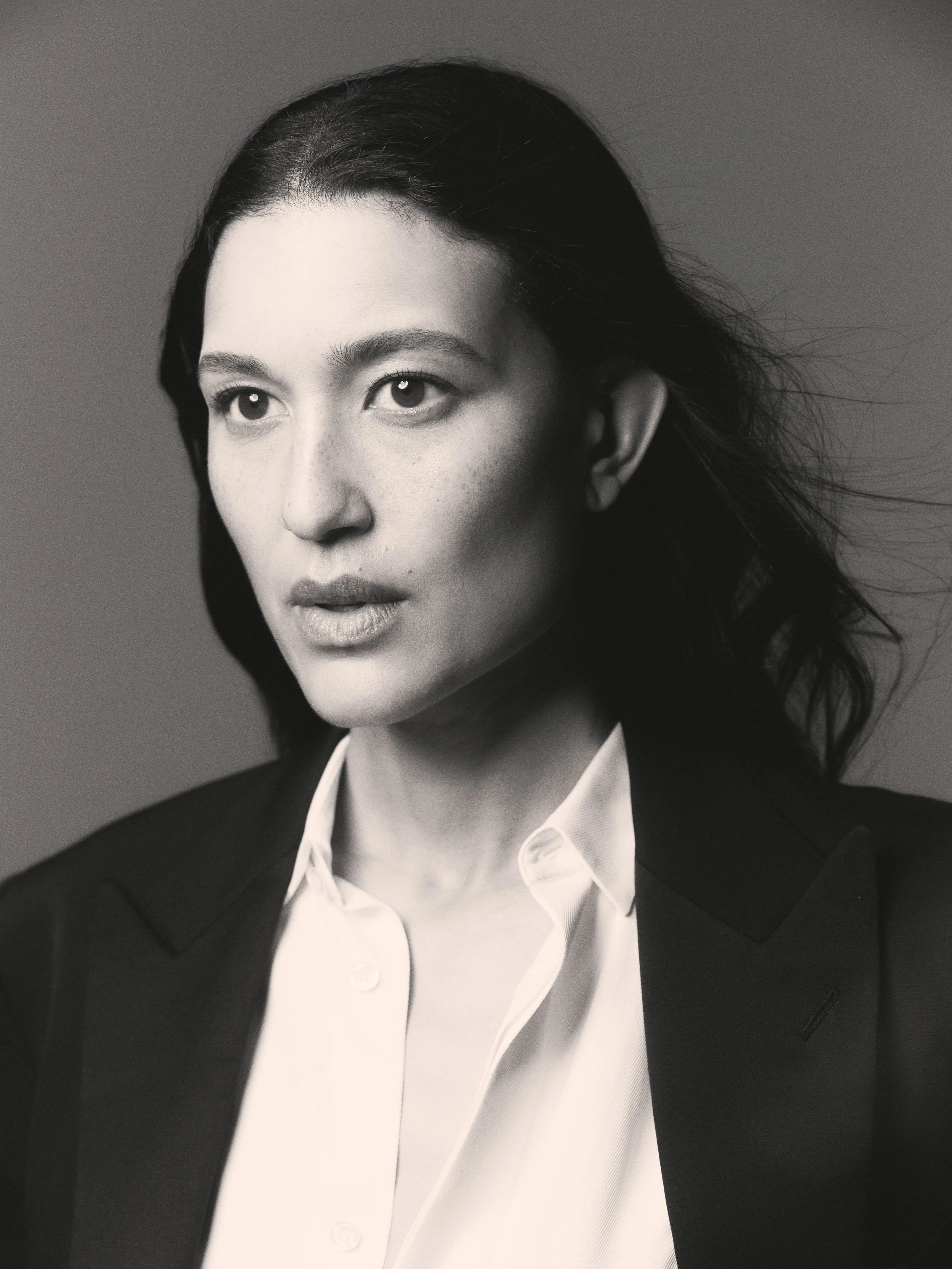
Survival stories can strip characters down to their most instinctive selves. What did these extreme circumstances reveal about your character that perhaps surprised you?
I wasn’t surprised that she survived, but I was surprised that she may have even thrived. I was surprised at how cracked open and vulnerable she is at the end, not just with Murphy, but with the other guys who survive. She learned to trust people that she initially thought could very easily kill her, and the vulnerability that comes along with trusting others is ultimately a huge gift.
The film premiered at Sundance to a strong response, with your performance receiving particular praise. What was it like experiencing the film with an audience for the first time?
Oh, it was incredible. That night was so special. I will never forget experiencing the roller coaster that is The Weight with an audience on a big screen with great sound for the first time. Partly because the shoot was so challenging and rewarding, our cast and crew were very close. Getting to sit in the screening at Sundance with them was extraordinary. When we got up on stage for the Q&A, I got emotional because I knew then that all of the hurdles and setbacks that came along with making the film were worth it.
You’ve worked within very different interpretations of the American West, including Wind River and now The Weight. What continues to interest you about stories connected to landscape, survival and the mythology of America?
Those aren’t themes that I have consciously sought to explore, but nature and survival are frequently at odds with the human ego and that conflict can be fascinating and epic.
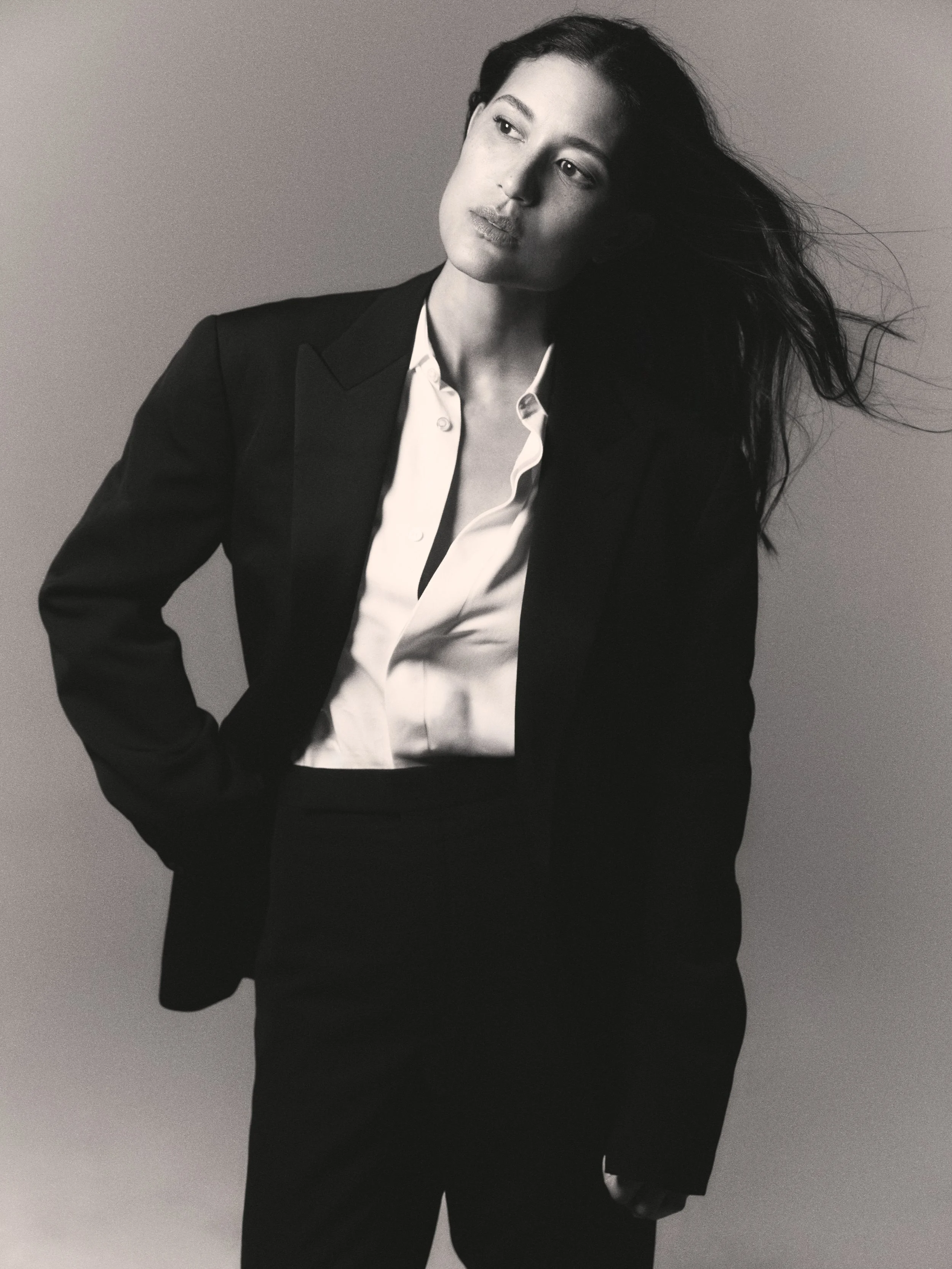
Has your understanding of what makes a role worthwhile changed as your career has evolved?
I think I look at roles more wholistically now than I used to. I weigh a lot of factors, like whom I’d be working with, and the schedule and location, as opposed to looking at the role in a vacuum. In general, I want my work to fit into my life more now, whereas before, it sometimes felt like work was the only important thing. I’ve also learned to listen to my instincts more. So, if I feel drawn to a role, it’s very exciting. I like it when I don’t know why, or if the character makes me a little scared or uncomfortable. It’s easier to assess my connection to the material now, not to question it too much, and just see where it goes.
Your performances often communicate a great deal through stillness, expression and what isn’t said. Is restraint something that comes instinctively to you as an actor?
I do find that I often want to take out lines, and rarely want to add lines in. You can have a lot of dialogue and still not communicate what is called for in a scene. Exposition can be hard. I love to create characters, and hopefully embody them. Once you do that, you can be completely true in silence, and even without words, there can be a lot going on. That said, it would be fun to play a chatty character and discover why they feel the need to talk a lot.
At this point in your career, are you more interested in challenging yourself through characters who feel unfamiliar, or finding unexpected complexity within characters who initially feel familiar?
I like to play characters who feel far from me, although invariably through the process of inhabiting them, they start to feel very close. I love learning about other worlds, and perspectives, and finding the common ground between them and what I know.
What do you hope audiences carry with them after watching The Weight, and particularly after spending this journey with your character?
Firstly, I hope that people really enjoy the experience of watching the film. I hope it’s a nice escape for them, and it is a joy and a privilege to be a part of a project that accomplishes that. I hope that Anna resonates with people, that she surprises them as much as she surprised me.
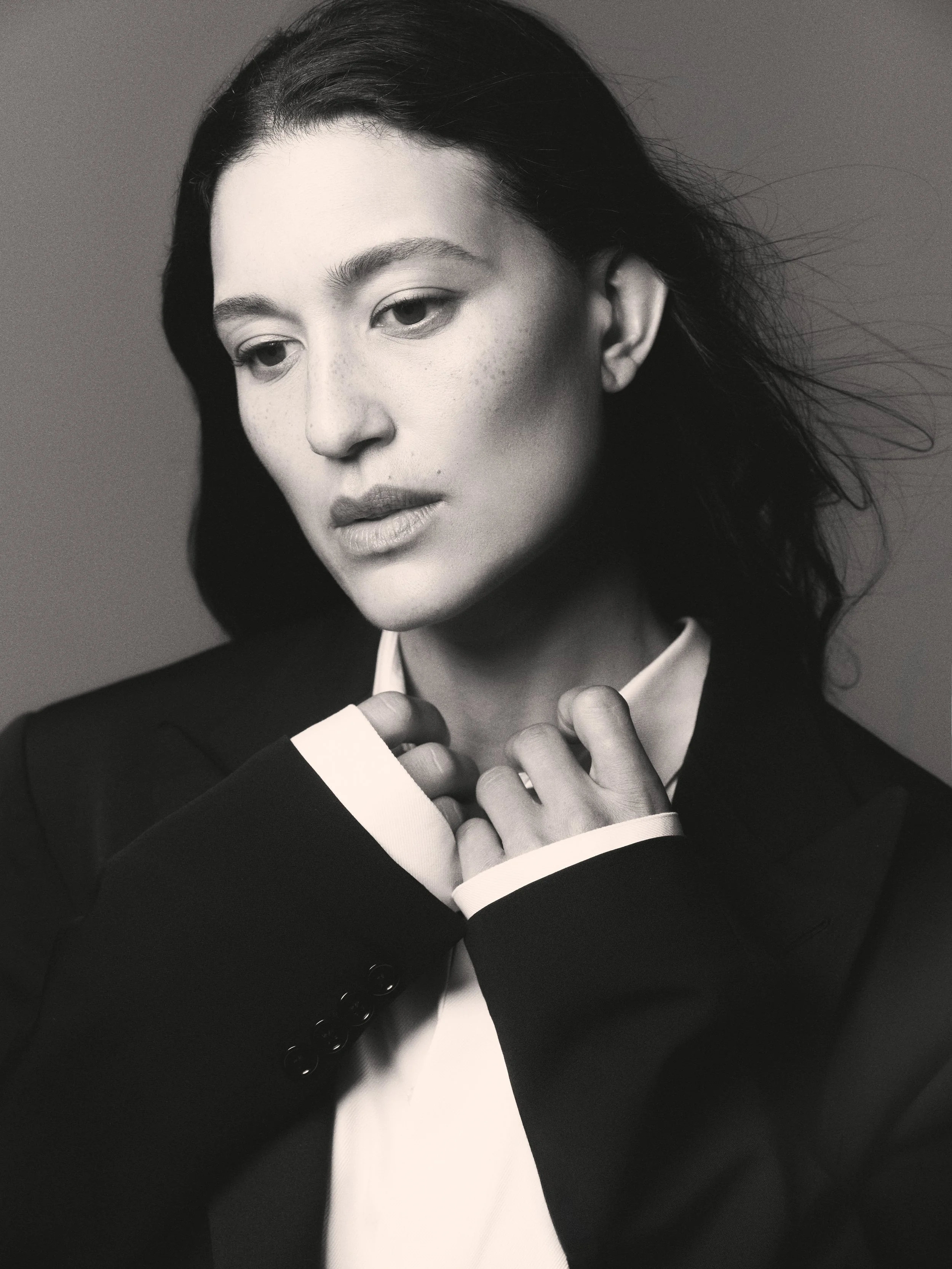
TEAM CREDITS:
photography JONNY MARLOW
styling REBECCA RAMSEY
hair CLARISS RUBENSTEIN
makeup FIONA STILES
