
IN CONVERSATION WITH MEL JARNSON
interview by JANA LETONJA
With a commanding screen presence, striking sense of style and an undeniable talent for transformation, Thai-Australian actress Mel Jarnson is carving out an exciting space for herself in international cinema. Following her appearance in Mortal Kombat, she steps into one of gaming’s most iconic universes as Cammy in Paramount’s highly anticipated Street Fighter, which arrived in US cinemas on October 16. Starring alongside Noah Centineo and Jason Momoa, she brings a new dimension to the formidable assassin, a character previously portrayed by Kylie Minogue in the 1994 adaptation. With another major project on the horizon, Empire City, opposite Hayley Atwell and Gerard Butler, Mel’s career continues to gain momentum. Equally at home in the worlds of cinema and fashion, she embodies a compelling balance of strength, femininity and individuality.
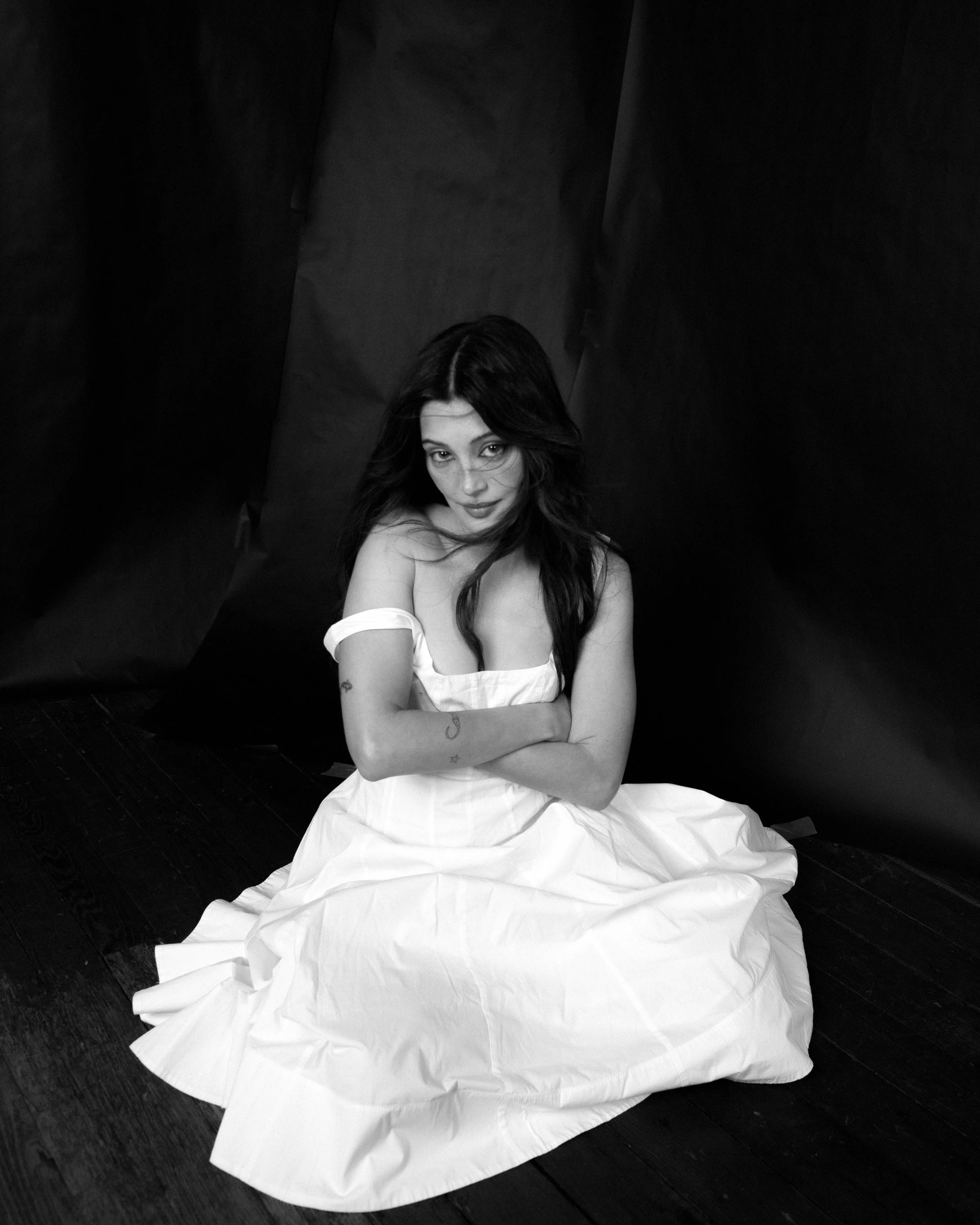
You’re stepping into the role of Cammy in Street Fighter, one of the most recognisable female characters in gaming history. What was your first reaction when you found out you’d be bringing her to life?
I was between takes on another movie when my agent called to tell me they weren’t going any further. I immediately started plotting how I could get in front of the director and convince him to give me the role. My agent had to stop me and explain that I already had it.
I screamed, then ran back to set to shoot a sad scene while being absolutely incapable of looking sad. I was thrilled. And then, almost immediately, came the dread, “Oh shit. What have I done? I actually have to do this now.”
Preparing for a role like Cammy must require an enormous amount of physical and mental discipline. What did your training involve, and what surprised you most about the transformation?
I had about three weeks to get into shape, which is a very efficient way to discover how little time three weeks actually is. A lot of weight training and bolognese. I’ve found that running lines while doing split squats is particularly effective. The dialogue seems to attach itself to your brain when your body is busy trying to escape.
There’s often a fine line between portraying a character as physically powerful and allowing her emotional vulnerability to come through. How did you find that balance with Cammy?
I’ve always seen vulnerability was a superpower. It’s much more interesting to play someone who’s powerful but has something to lose. Cammy has the added complication of a psycho-power-wielding boss who might take her powers away, which seems like a fairly stressful work environment. I tried to keep that in mind.
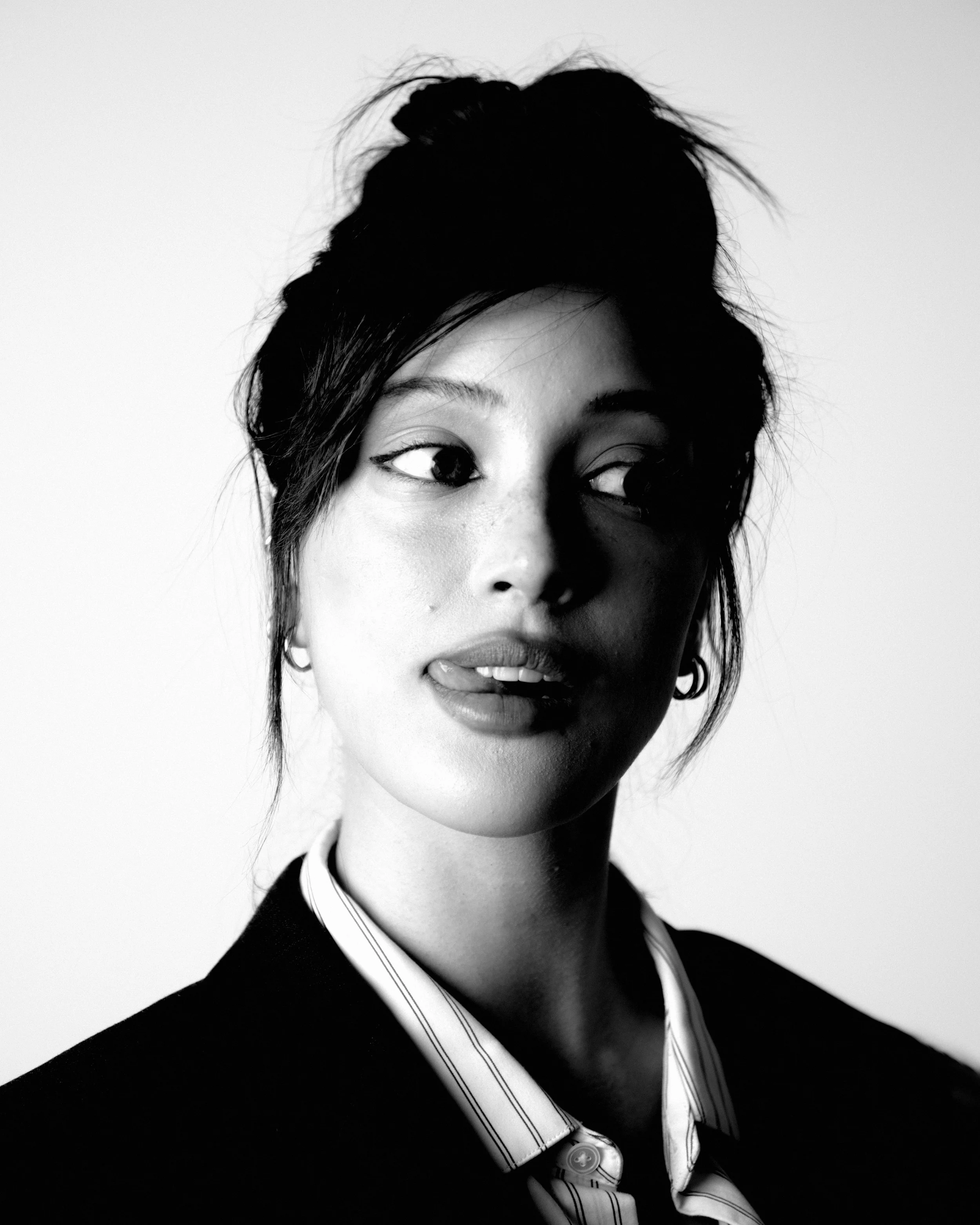
From Mortal Kombat to Street Fighter, you’ve become part of two major video game franchises. What attracts you to these larger-than-life cinematic worlds, and what do they allow you to explore creatively?
They’re absurdly fun. You get to wear enormous costumes and wigs and do things that would be completely unacceptable in any other workplace. The stakes are huge, but there’s also a freedom in knowing the films don’t take themselves too seriously.
I get to play these incredibly badass women, which is a side of myself I don’t otherwise have much use for. I don’t spend my normal life kicking people or wielding weapons. Well, not professionally. It’s nice to have an outlet.
Female characters in action films have historically been defined by a particular idea of strength. How do you think the representation of powerful women on screen is evolving, and what would you still like to see change?
I’d like to see more dimensions. More women, more versions of women, more of us being contradictory and strange and occasionally completely unreasonable. I think women have often been allowed to occupy one archetype at a time. But we contain multitudes people.
You’ve developed a strong relationship with fashion. What does fashion allow you to express that acting perhaps doesn’t?
Myself, mostly. Acting is collaborative, which is one of the best things about it, but you’re never entirely in control of the final result. With personal style, I get to make the decisions. I can be as strange as I want without having to explain what my character’s motivation is. Although, I’m sure all the characters I’ve played have left some trace of themselves in my wardrobe. I don’t think you ever completely get rid of them.
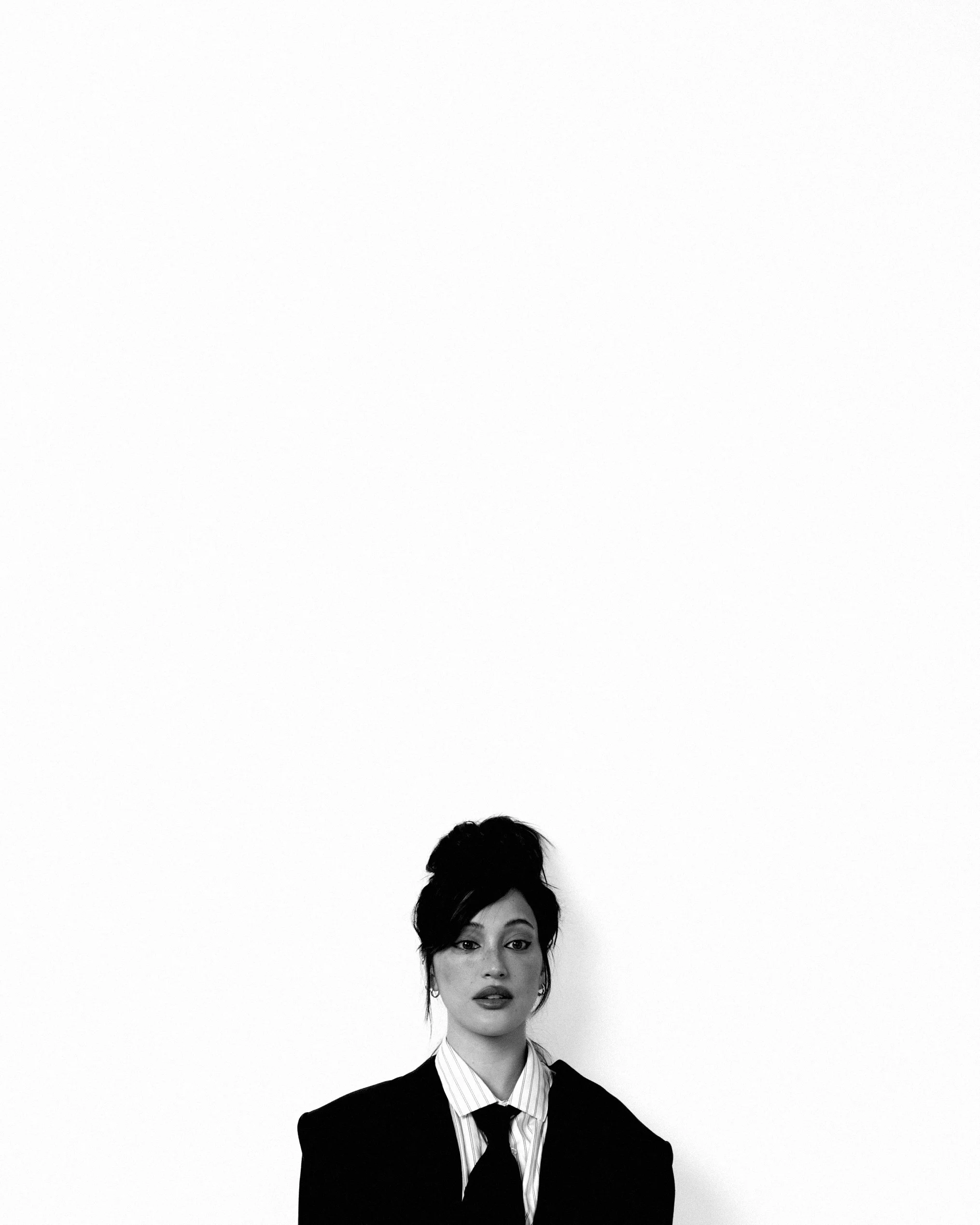
Was there a particular film, actor, or performance growing up that made you realise you wanted to pursue acting?Aragorn opening both doors at Helm’s Deep. That was the moment. I don’t know what it says about me that this was the deciding factor, but it was very persuasive. He opened both doors at once. I was sold.
Outside of acting, what keeps you creatively inspired? Are there particular artists, places or experiences that have had a lasting influence on you?
I’ve been living out of a suitcase for two years, which has made me develop a very intense interest in homemaking. The irony is not lost on me. I spend an unreasonable amount of time looking at Architectural Digest, Marie Kondo and pictures of aesthetically pleasing storage solutions. I fantasise about having drawers. Organised drawers, specifically.
I live and work in New York, which is endlessly inspiring, although sometimes I suspect it’s just overstimulating me into thinking I’m inspired. There are rooftops, buskers and the extraordinary smells of the city at eight in the morning. You can’t really switch off your imagination there.
I also do improv at Second City, and my group is wonderful. They’re constantly surprising me and inspire major impostor syndrome which is also a major creative influence. She’s around a lot. Very committed to the work.
If you could create your dream project, whether with a particular filmmaker, actor or within a completely different genre, what would it look like?
Something involving espionage, fantasy or tragicomedy. I like things that are a little heightened and a little emotionally devastating. And I’d love to work on something that gives me the same feeling I had watching Aragorn open those doors. I realise that’s a very specific creative brief.
With Street Fighter introducing you to an even wider global audience, and Empire City and The Only One on the horizon, you’re entering an exciting new phase of your career. What does success mean to you at this moment, and what kind of artist do you hope to become?
At the moment, success would be packing my suitcase more than five minutes before checkout. I’m trying to be realistic about my goals.
More seriously, getting out of bed, doing my calisthenics and saying nice things to myself are all things I’m learning to count as wins. I think I’d like to become someone who can show up as herself without feeling the need to apologise for it. Even if that person is a little delightfully deranged.
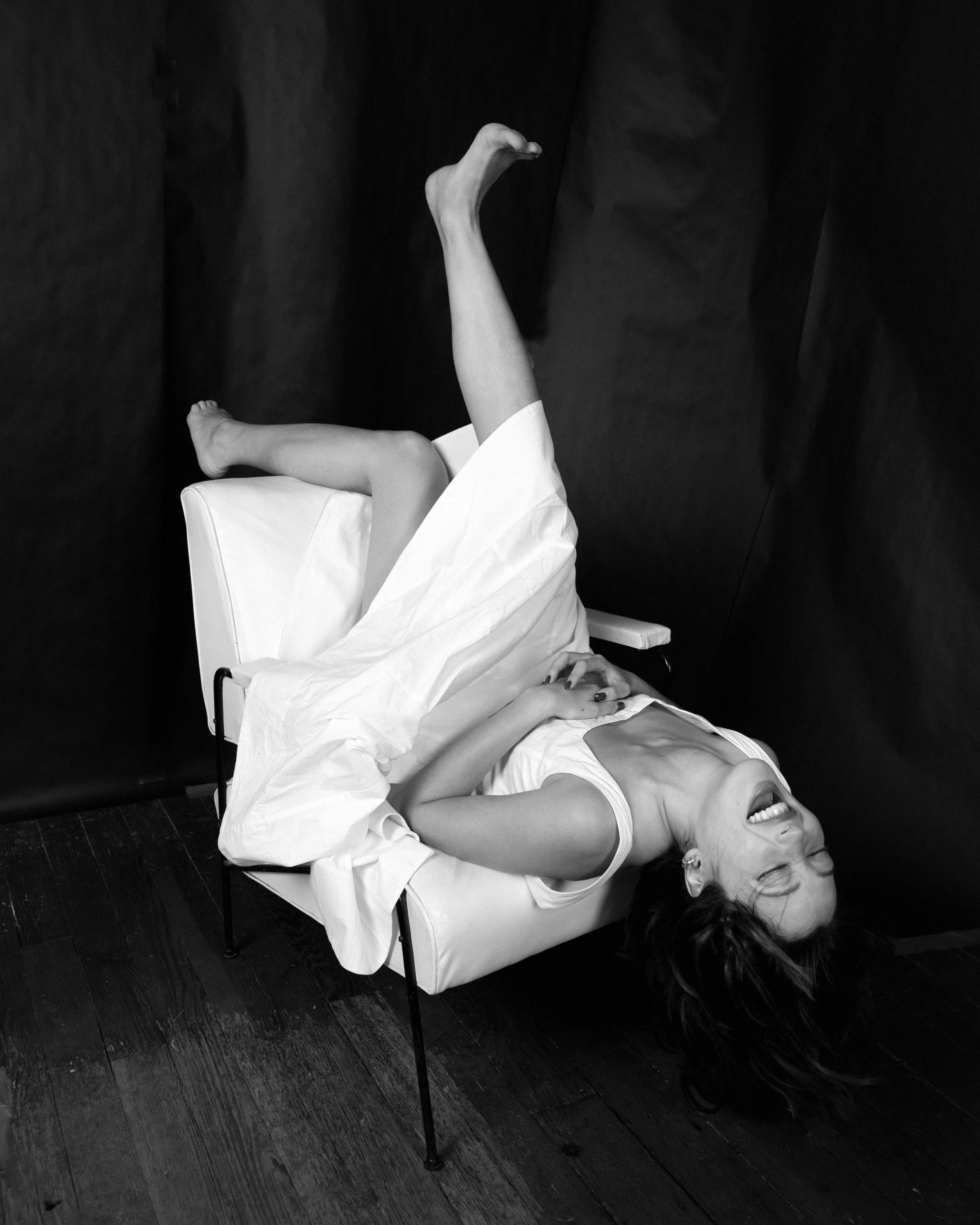
TEAM CREDITS:
photography TOMMY RIZZOLI
hair MARK ALAN
assist JACK CALIFANO
