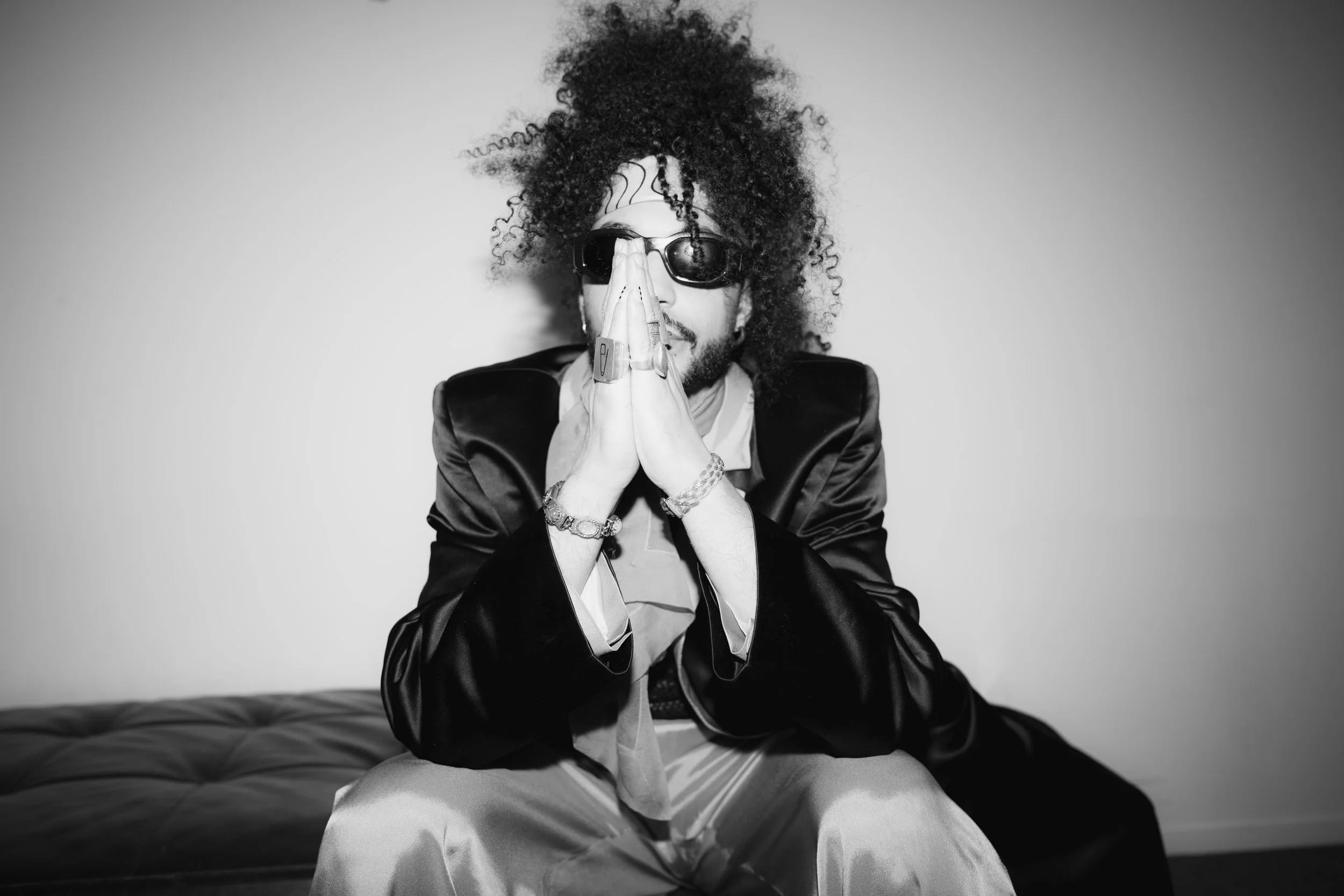
IN CONVERSATION WITH JUNE FREEDOM
interview by JANA LETONJA
Cape Verdean-American artist June Freedom has built a borderless creative language shaped by music, identity, culture and the African diaspora. Following the award-winning Casa Mira Mar era, he reunites with Spanish singer-songwriter Eva Ruiz for Dance Again, a multilingual collaboration moving between English, Spanish and Cape Verdean Kriolu while blending Afro-pop warmth, Latin influences and contemporary pop. As his international presence continues to grow, June is expanding his artistic world beyond sound, exploring the connections between heritage, visual identity, style and community while bringing contemporary Cape Verdean culture to a global audience.
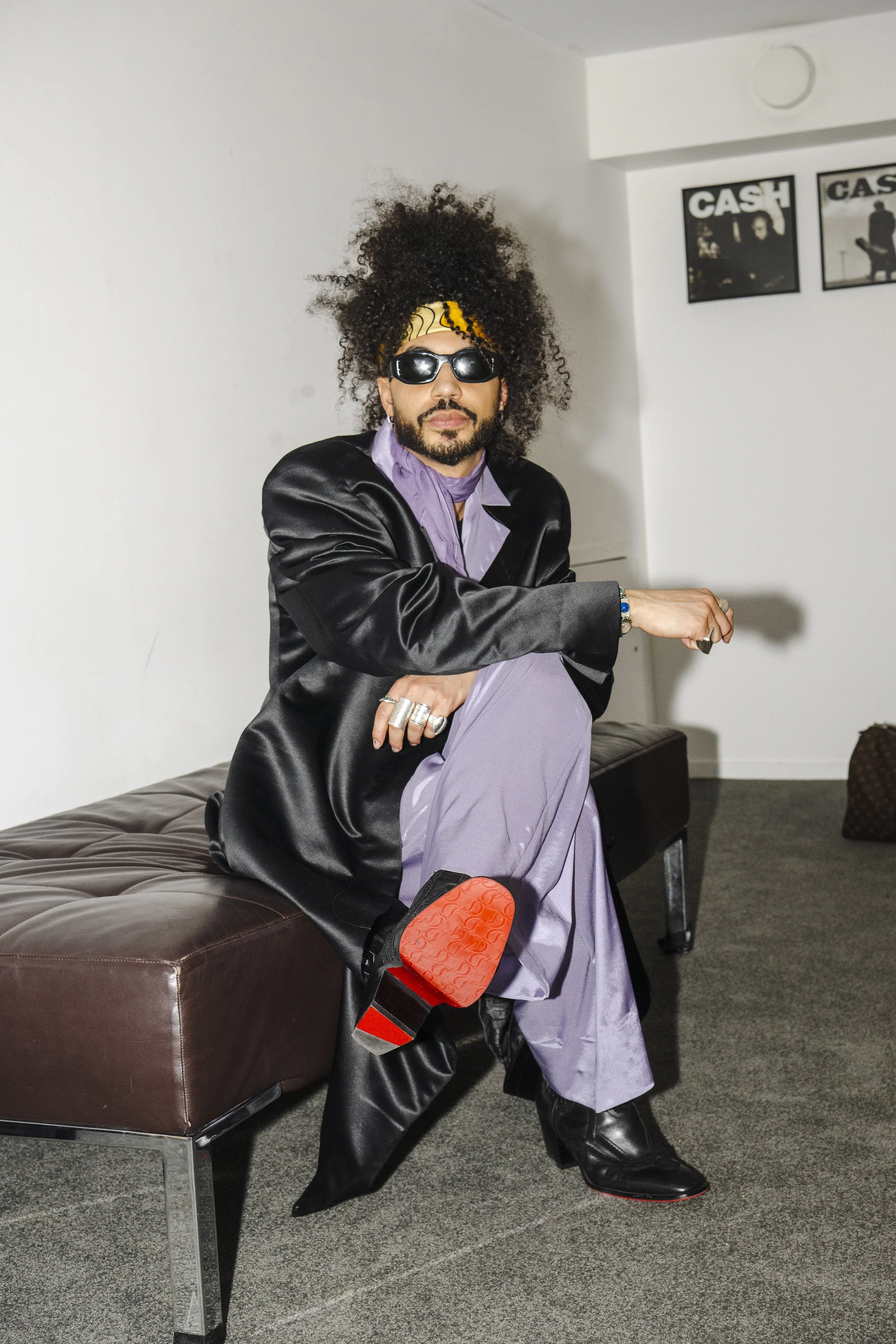
photography by MILO CITRON
You exist between Cape Verdean and American identities, while your music travels through many other cultures and places. What does “home” mean to you today?
Home isn’t really a place for me anymore. I find it on stage, and in the spaces where I meet people from different cultures, places and walks of life, even different tax brackets.
For me, home is about energy. It’s where I feel connected, where the frequency matches mine, where I can be completely myself without having to explain where I come from or where I’m going. I’ve been lucky enough to find that feeling in so many places around the world.
How has your relationship with your Cape Verdean identity changed as your career has become increasingly international?
I wouldn’t say it changed, it evolved. It actually became stronger.
The more my music traveled and the more cultures I experienced, the more I embraced where I come from. I love taking something from Cape Verde and introducing it to another culture, then bringing something from somewhere else back into my own world.
Ironically, the more international I’ve become, the deeper I’ve gone into my roots. I’m listening to older Cape Verdean catalogues, studying the instruments, rhythms and stories. Traveling outward somehow made me dig deeper inward.
You’ve become a visible ambassador for contemporary Cape Verdean culture. Do you experience that as a responsibility, or is it something you prefer not to consciously carry into the creative process?
I take that responsibility seriously. It’s definitely part of my creative process now. I go back to the older catalogues, sample Cape Verdean music and study the sounds, instruments, rhythms and emotions that existed before me. There’s so much history there, and I want to bring some of it into the present without losing what made it special.
I feel a responsibility to preserve that feeling while continuing to expand what people understand Cape Verdean music and culture to be.
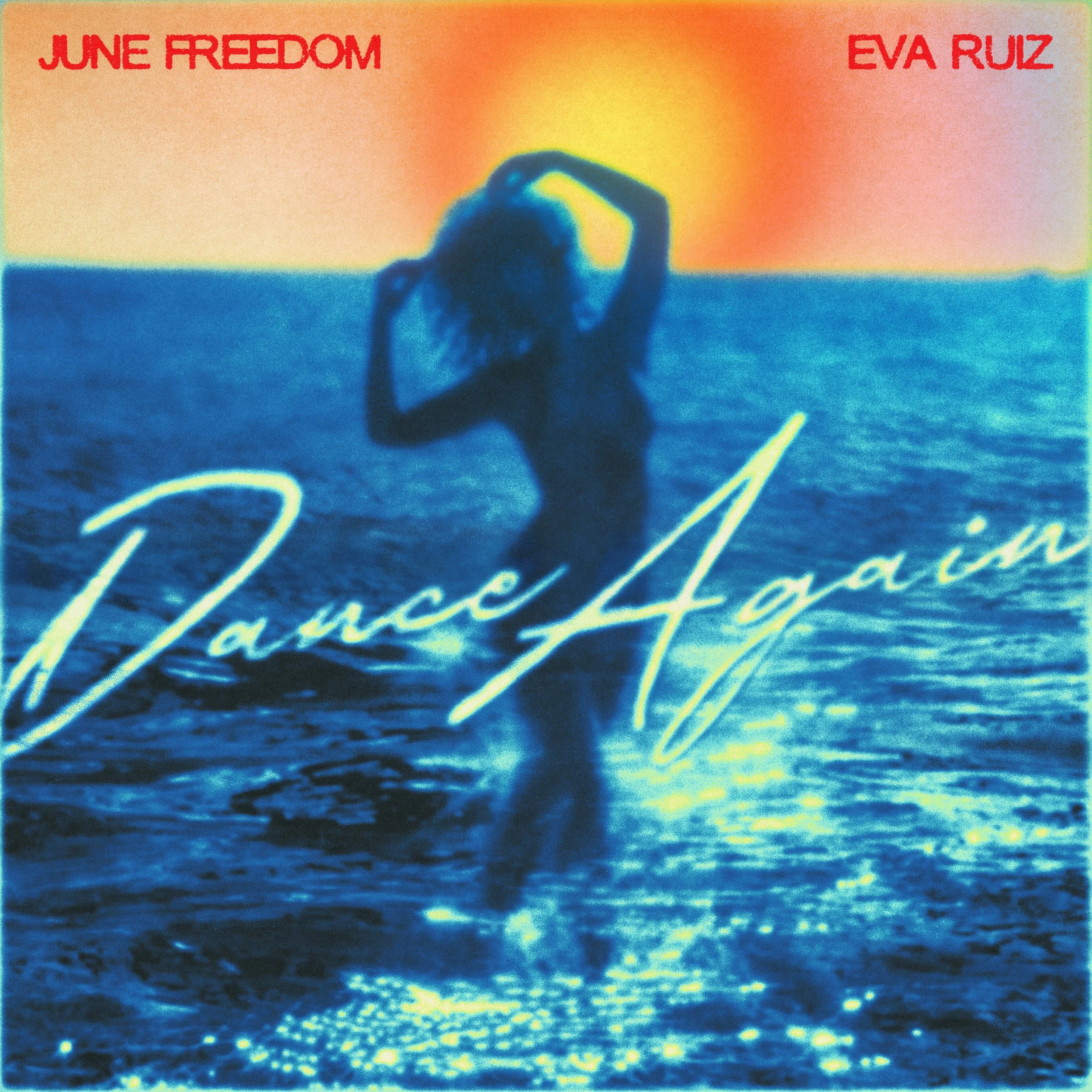
image courtesy of KRISLY SEGURA & ÁLVARO GUZMÁN
Your music often resists being contained within one genre. Is that fluidity something you deliberately cultivate, or simply a reflection of how you naturally hear music?
It’s not something I deliberately cultivate. It’s just in me, not on me. I’m R&B. I’m pop. I’m country. I’m Cape Verde. I’m world music. All of those things are part of what I’ve experienced, listened to and lived.
I don’t believe music has to stay in one box. I just follow what feels honest, even if sometimes the things I’m putting together shouldn’t make sense on paper. Somehow, they do.
Dance Again brings together English, Spanish and Cape Verdean Kriolu without treating one language as the dominant voice. What can you express in Kriolu that you perhaps cannot express in English?
Cape Verdean is more poetic for me. There’s a weight and context in the language that’s difficult to translate. Certain feelings, memories and ways of talking about love, family and life just hit differently. It just allows me to show deeper parts of myself.
You and Eva Ruiz first collaborated on Guava Rose in 2023. What remained between you creatively after that song that made you feel there was another chapter to explore together?
We share the island energy. Even though Eva and I come from different islands and different countries, there’s a shared frequency, the way music naturally moves through you.
Eva is kind of my Canary Island music twin, the same way Naïka is my Haitian music twin. You can’t really manufacture those connections. The chemistry was already there from Guava Rose. I’m not usually thinking about how to make the biggest pop record. I follow what feels natural and let the chemistry lead. Dance Again felt like the right moment to open that chapter again. When the connection is real, you can hear it.
Dance Again approaches love through the idea of emotional gravity, the feeling of being pulled toward another person almost beyond your control. What interested you about translating that sensation into music
It’s real life. That push and pull, wanting somebody, pulling away, then somehow finding yourself back there. Everybody knows that feeling.
There’s something about that emotional gravity you can’t really explain. Sometimes you just feel pulled toward somebody, and that’s it. I wanted Dance Again to capture that feeling without overthinking it.
When two artists come from different cultural and linguistic backgrounds, there can be a temptation to emphasize the idea of a “crossover.” How do you make a collaboration feel organic rather than constructed around cultural difference?
I always do things organically. I’m not really intentional about creating the next big pop record or making something because it’s meant to fit somewhere. I’d always rather make a good song than make a record designed to fit into a box. For me, it’s about the feeling first. If the song is good and the connection is real, everything else naturally finds its place.
Your Casa Mira Mar era was both critically and culturally significant for you. Looking back at that chapter now, what version of June Freedom did you leave behind with that album?
I didn’t really leave a version of myself behind. If anything, I came away with a deeper appreciation for those early years, especially the time I spent living at my grandfather’s house, which was called Casa Mira Mar.
That’s why I called the album Casa Mira Mar. It became a metaphor for my inner home, where all these different versions of me live — the kid from Fogo, the artist, the dreamer, the man still figuring things out.
The album is like a house with many rooms. Every song holds a different feeling or memory, but it’s all connected to that place.
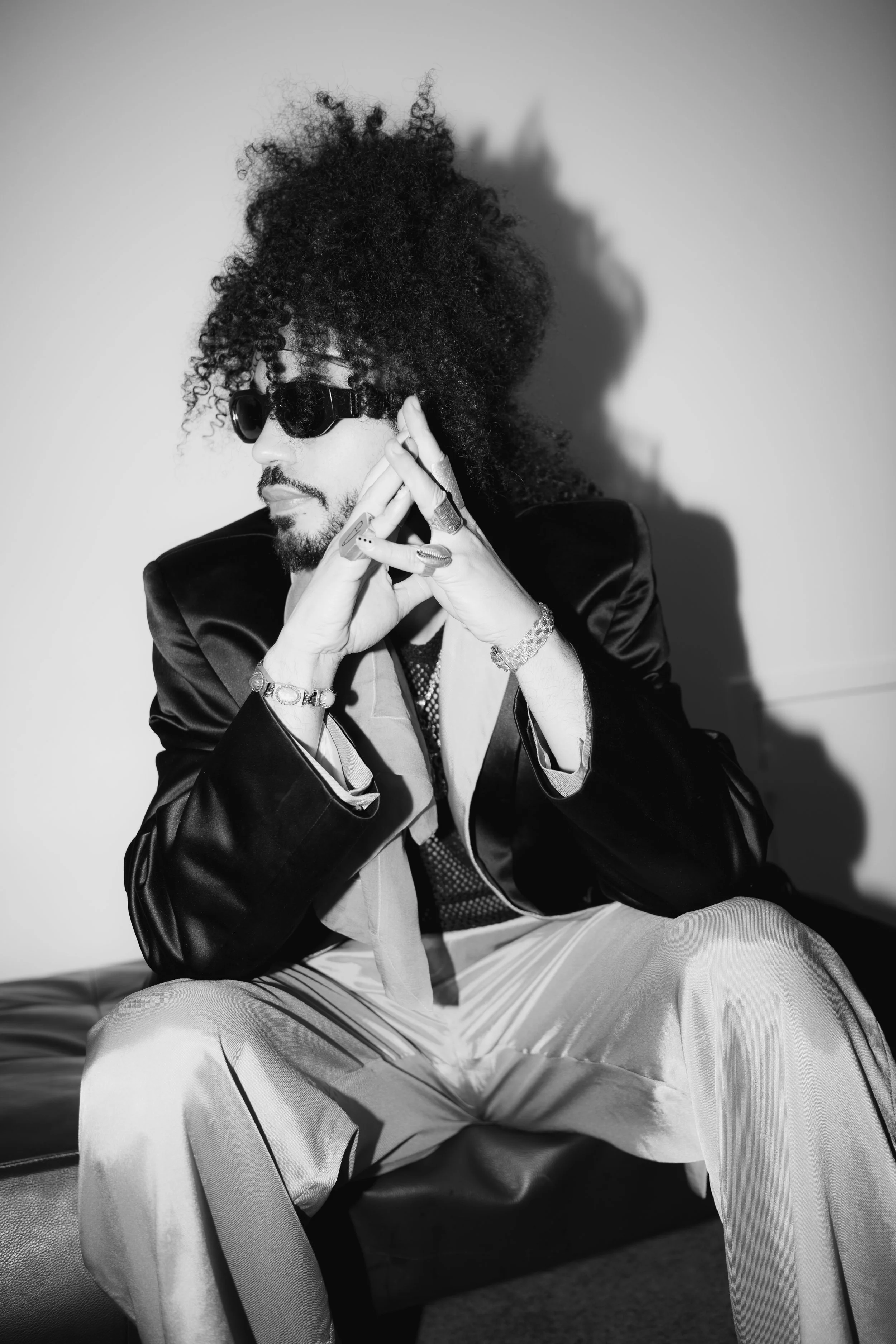
You’ve described yourself through music, but your visual language has also become increasingly distinctive. How important are fashion, imagery and physical presentation in communicating things that the songs cannot?
Fashion is expression. It’s a true way of showing how I’m feeling, and I’m just going to keep being random with it. There’s a lot more weirdness coming.
For me, music, fashion and visuals are all part of the same thing. They’re different ways of expressing life stages. I’m not trying to communicate who I am. I’m just being myself with it.
Through FREEDOM EXPERIENCE, you’ve brought music together with visual art, food and community. Are you ultimately interested in building something larger than the traditional idea of being a recording artist
Yeah, definitely. I want to build restaurants, boutique hotels and expand the legacy of my family — the heritage, the food, the culture.
Music curation naturally goes hand in hand with that. I’m interested in creating spaces where all of those things can live together. It’s about building a bigger world around it.
If Dance Again captures where you are emotionally and creatively right now, what does it tell us about the chapter you’re about to enter?
This new chapter will be about love and war, matters of the heart, trials and tribulations. It’s about everything that comes with being human — the beauty, the conflict, the lessons and everything in between. There’s a lot more to experience, and I think the music is going to reflect that.