
IN CONVERSATION WITH JUTES
interview by JANA LETONJA
Canadian singer-songwriter Jutes is quickly becoming one of alternative music’s most compelling new voices. Blending raw rock energy with confessional songwriting, Jutes has built a rapidly growing global audience thanks to breakout tracks like Sleepyhead and It Takes Two. Now nominated for Breakthrough Artist of the Year at the Juno Awards, Jutes is entering a major new chapter. Between appearances during Grammy Week, a fast-selling 2026 European tour, and a wave of new music on the horizon, he is poised for an even bigger year ahead.
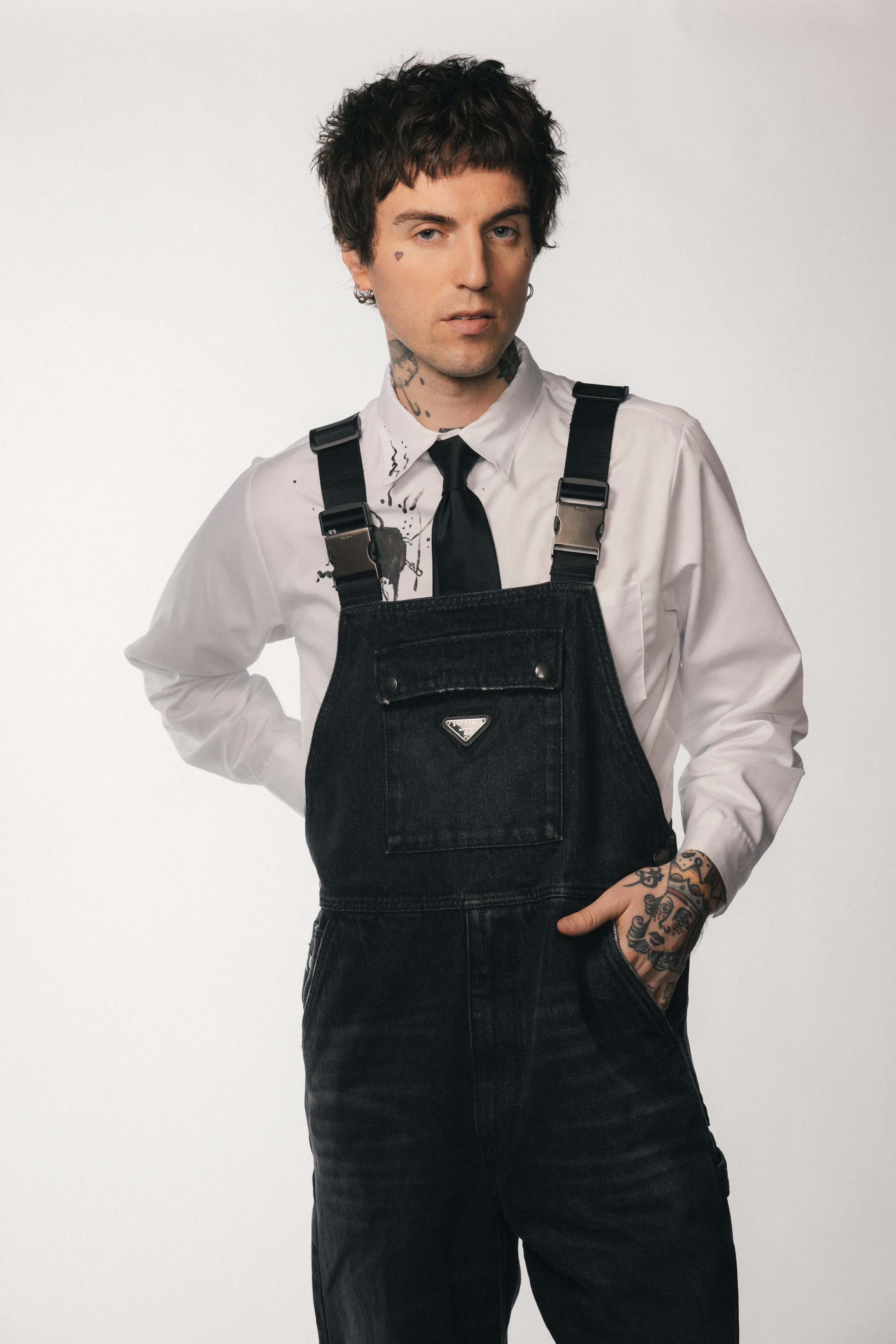
Your music blends alternative rock with deeply personal storytelling. How would you describe the emotional core of your songwriting?
My songwriting is a way for me to find the words to articulate and face the emotions I have. I often describe it as my therapy because I never actually went to therapy. The songs I write are me learning to talk about how I feel when I otherwise might normally bottle it up.
When you start writing a song, do you typically begin with lyrics, melody, or a feeling you want to capture?
Usually a feeling. I love melody, and I love lyrics, but feeling is everything with music. I know the energy I’m chasing. I like to then find some of the words without the boundaries of melody to describe that feeling, even if it’s just one line. Then I find melodies and fill them in.
Has your creative process changed as your audience has grown?
My audience's growth hasn’t changed my creative process; I just tend to grow as a human and learn more and more about myself, and it affects what I want to put into the music. I stopped chasing what I think will be popular and started making stuff that felt important and honest, songs I won’t hate and cringe at years from now.
Being nominated for Breakthrough Artist of the Year at the Juno Awards is a huge moment. What does that recognition mean to you?
It’s pretty surreal. I always have a hard time believing I’m at this point already. It’s all kind of happened so quickly, and things that I thought were goals for the distant future are happening right now, which is very trippy.
Your song It Takes Two quickly connected with listeners and the radio. Why do you think that track resonated so strongly?
I find a lot of my songs that resonate with people the most have this kind of desperation in them that feels very dramatic. I think it just describes how intensely people feel about love and the idea of losing it.
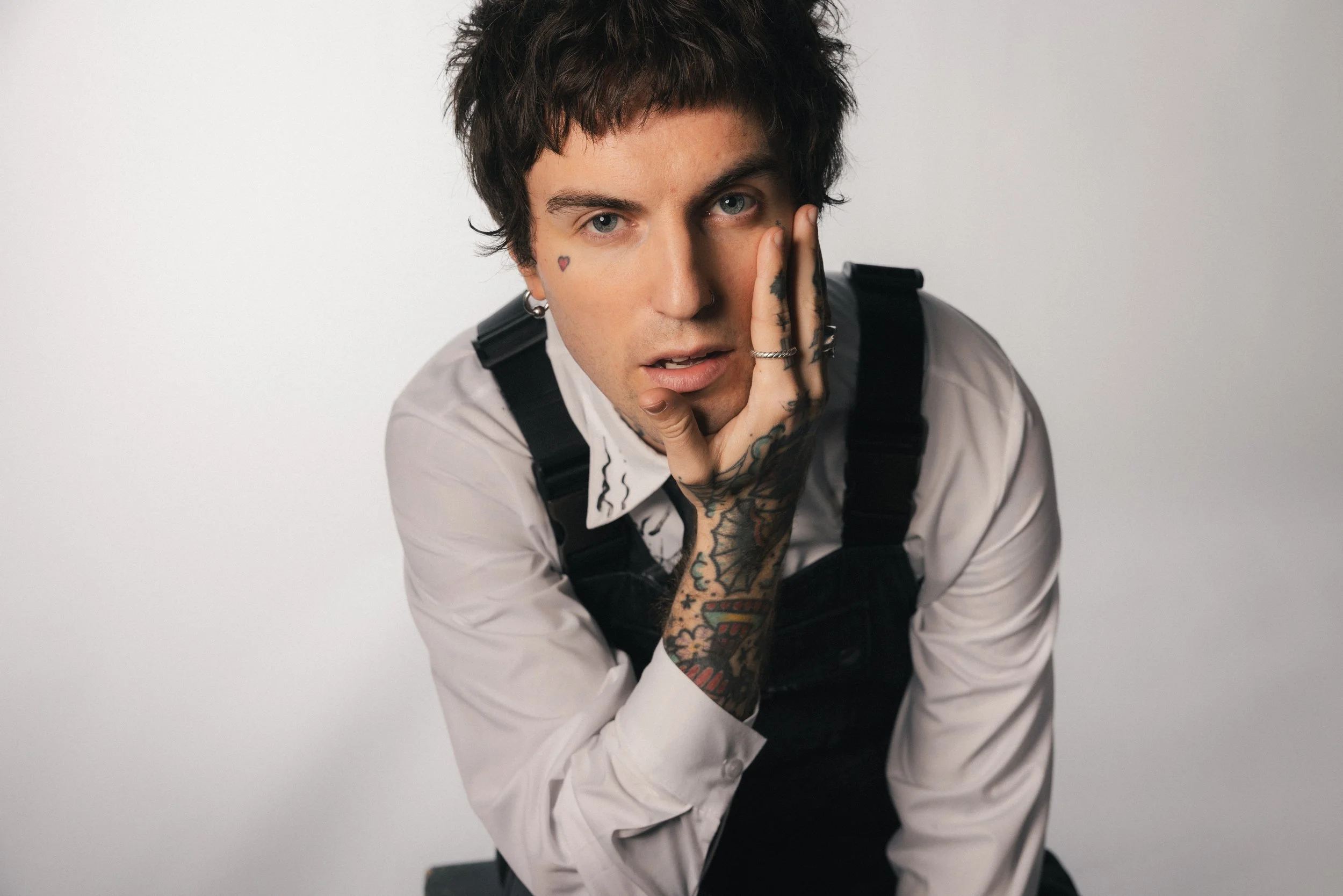
Your European tour dates are selling incredibly fast. What are you most excited about when bringing your music to European audiences?
Well, I’ve heard the music fans in Europe are top tier, so I’m excited to feel that energy in places that I’ve never even been to before. Some of these shows are also going to be my biggest headline shows to date. I’m also pretty stoked to hear crowds of people who don’t speak English as their first language sing the lyrics to my songs. That will be cool.
How different is the energy between studio recording and performing songs live on stage?
It’s not comparable. Studio is me getting to know the song for the first time myself. It’s a puzzle and sometimes can even be super frustrating. Performing live is when I get to share it with strangers who feel it and have already gotten to know it the same way I do. It gives the whole process purpose. It’s the prize. In a world of numbers and online stats, it’s the only part that can’t be inflated or cheated.
You’ve been spotted during Grammy Week wearing brands like MM6 Maison Margiela and Yves Saint Laurent. How important is fashion to your artistic identity?
I think the music I’m currently making and about to start releasing feels more artistic and higher fashion than anything I’ve made before. I love expressing myself when I get dressed, just like I express myself when I write songs. Keep it timeless but fresh.
What parallels do you see between fashion and music in terms of self-expression?
I think some of the coolest fashion trends or inspirations have come from musicians. When the music and fashion come from an honest place that others truly believe, it doesn’t matter what genre or style it is. People just gravitate to it. It can’t be faked.
Looking back at the success of Sleepyhead, what did that project represent in your personal journey as an artist?
It was a career-defining moment. I was about to quit being an artist. I had lost hope and lost confidence in myself. I stopped trusting my own vision. I thought I was better off helping others execute theirs. When Sleepyhead popped off, I regained that faith in my own taste, because I truly just made it for me. I did it with no intention of it being so popular; I just liked it, and that was enough.
What excites you most about the year ahead?
The music I’m going to release is my best yet for sure, so I’m excited for my fans to have it. But mostly, I’m excited for the shows. I get to finally see Europe and all these places that built a lot of the culture and fashion I’m so influenced by. And I get to see it from playing sold-out shows. No complaints over here.
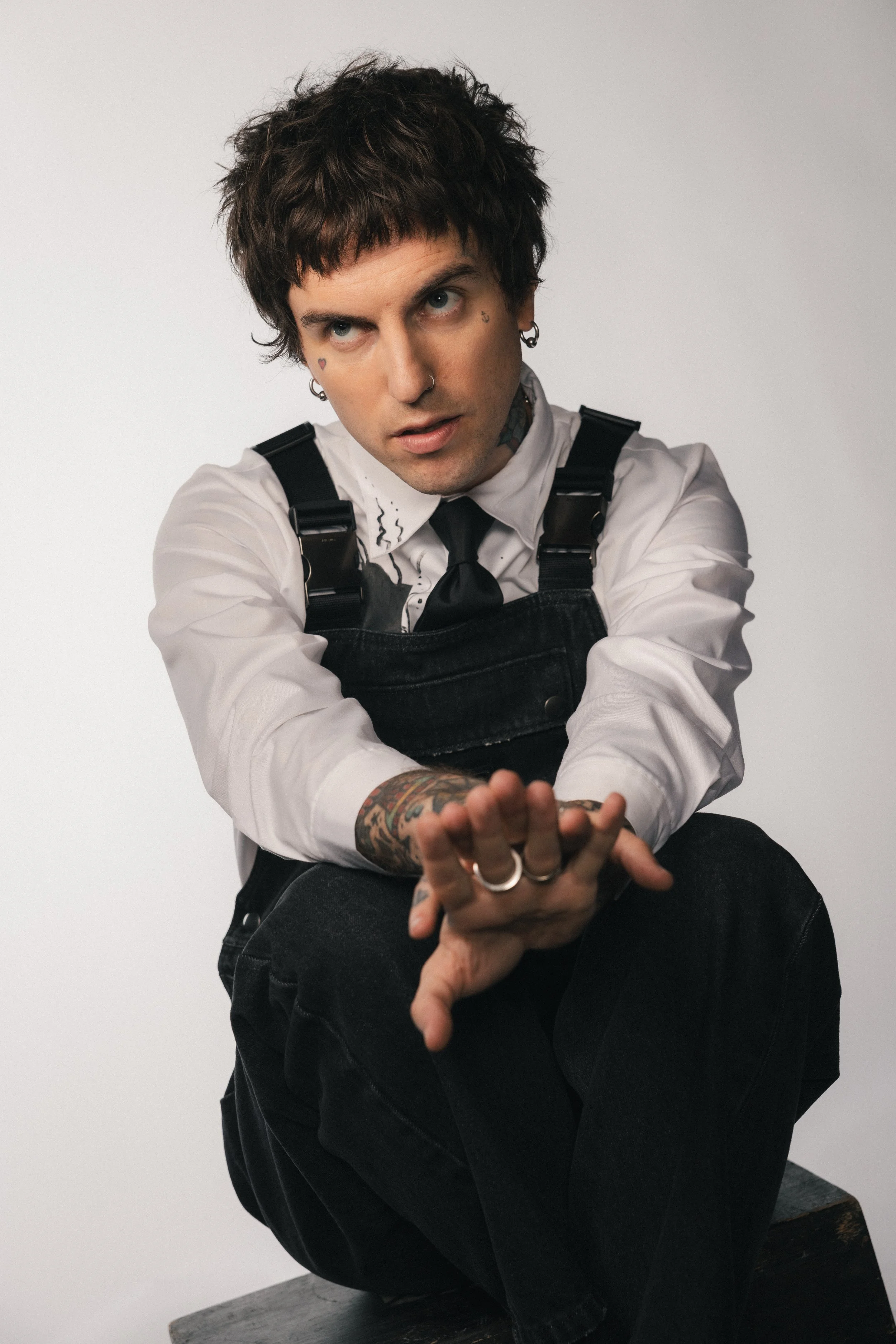
TEAM CREDITS
talent JUTES
photography JOSH AIKIN
interview and editorial director JANA LETONJA
