
IN CONVERSATION WITH KARIM AÏNOUZ
words JANA LETONJA
interview TIMOTEJ LETONJA and LEANDRO DA SILVA
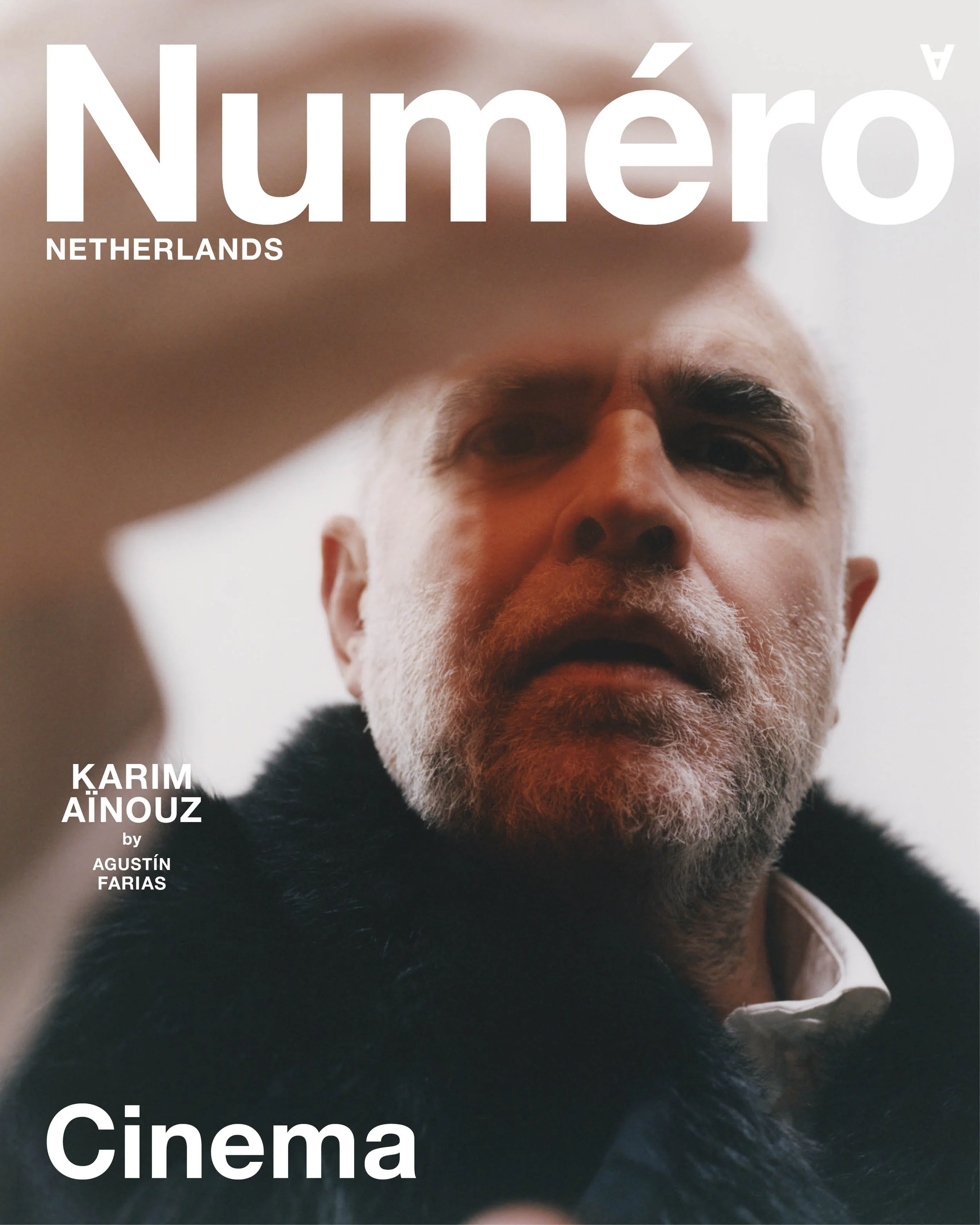
With Rosebush Pruning (2026), KARIM AÏNOUZ crafts a hypnotic and unsettling portrait of wealth, patriarchal violence and emotional decay. Set within the confines of an isolated family estate, the film moves between absurdity, discomfort and dark humour, questioning the structures that sustain privilege and power. In conversation with TIMOTEJ LETONJA and LEANDRO DA SILVA, the director reflects on isolation, masculinity, irony, aesthetics, casting and the emotional architecture behind one of his most provocative films to date.
The film portrays privilege as something that both isolates and poisons. Do you see that duality as inevitable within systems of wealth?
I think it’s more than just the system of wealth. It’s a question of an over-accumulation of wealth, which is something we’re living through right now. There’s this natural way that capitalism works — this constant concentration of wealth. It’s funny because this project started around 2020 or 2021, during those years where isolation was so much the order of the day. And I think what happened during this period underlined the idea that the more you have, the more isolated you become, the more disconnected you become. That was one of the reasons I became so interested not only in the story itself, but in what this world does to these characters.
Since the film came out, I’ve heard people say, “Oh, these are people we don’t like,” or that they’re dysfunctional people. But I think there’s a huge amount of damage happening to them. What interested me wasn’t simply looking at isolation, but looking at the way these people become poisoned by their environment. And I think that poison spreads beyond them. It poisons whatever exists outside of them too. It would have been very easy to simply say, “Oh, they’re rotten because they’re rich.” But I don’t think that’s the point. I think they’ve been damaged. And I think the poison keeps spreading.
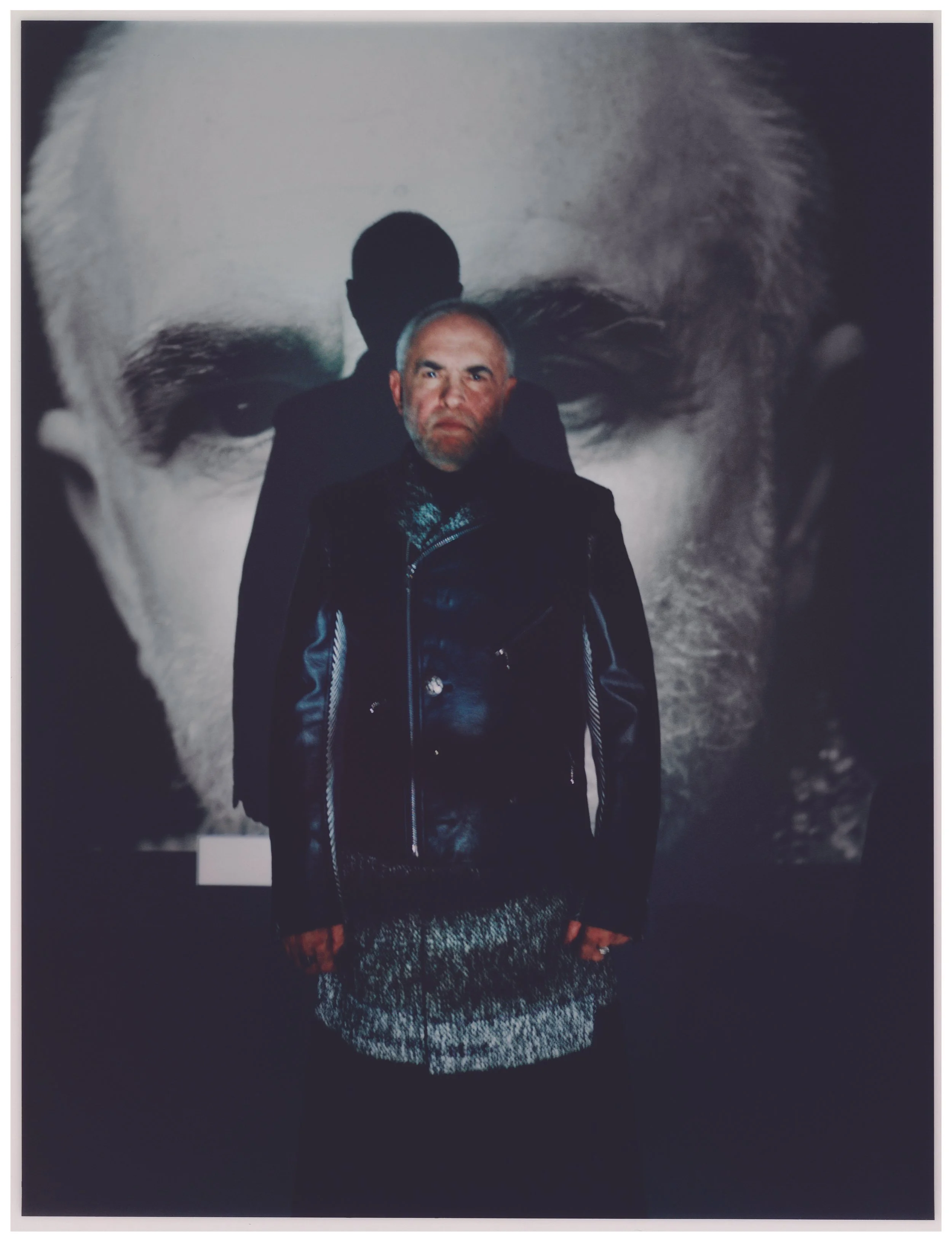
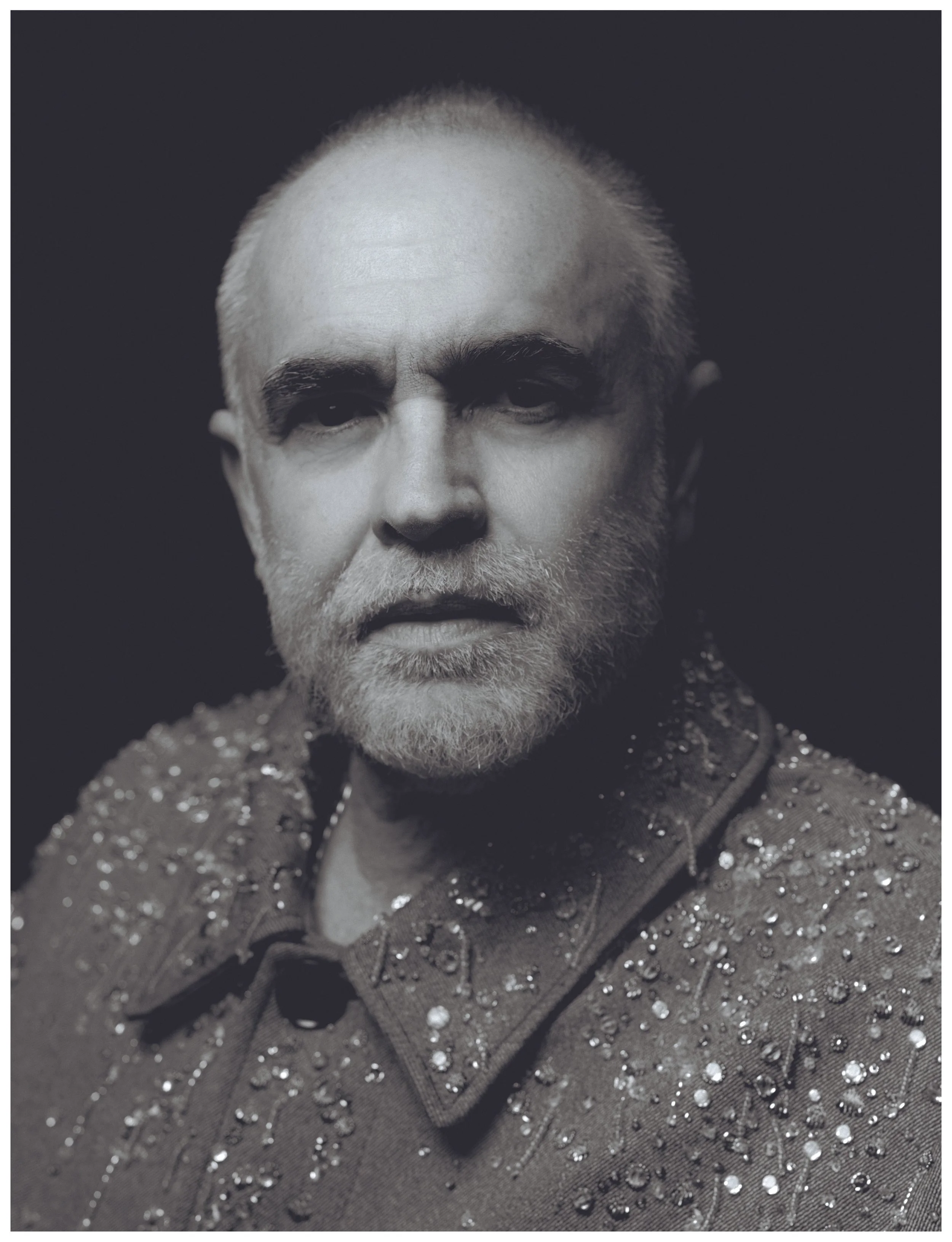
full look JUNYA WATANABE MAN
Violence here is almost invisible: quiet, domestic, normalised. Why was it important for you to avoid making it explicit or spectacular?
I think it has a lot to do with how patriarchy naturalises violence. Patriarchal systems are very violent to begin with, but what is interesting is how they pretend not to be. What the father inflicts on this family — through wealth, behaviour and control — is something incredibly violent. And the reason for not making it explicitly violent, but instead metaphorically violent, was because I wanted violence to exist through discomfort. The blinding, the way the father relates to the brothers, substituting one brother for another — all of that became expressions of violence for me.
I also think, as a filmmaker, if I had done something frontally violent, audiences could become alienated from the film emotionally. I wanted people to remain inside the experience. There’s a lot of discomfort when you watch the film. There’s a lot of cringing. But I think there’s still a place where people relate to that discomfort. By using metaphor and irony, I felt there was a way of talking about violence — and about the violence these characters are experiencing — without pushing audiences away. Otherwise, you alienate and you don’t engage. I think a lot of people leave the cinema without fully understanding what they’re feeling, but they leave with a huge sense of discomfort. And that was my strategy.
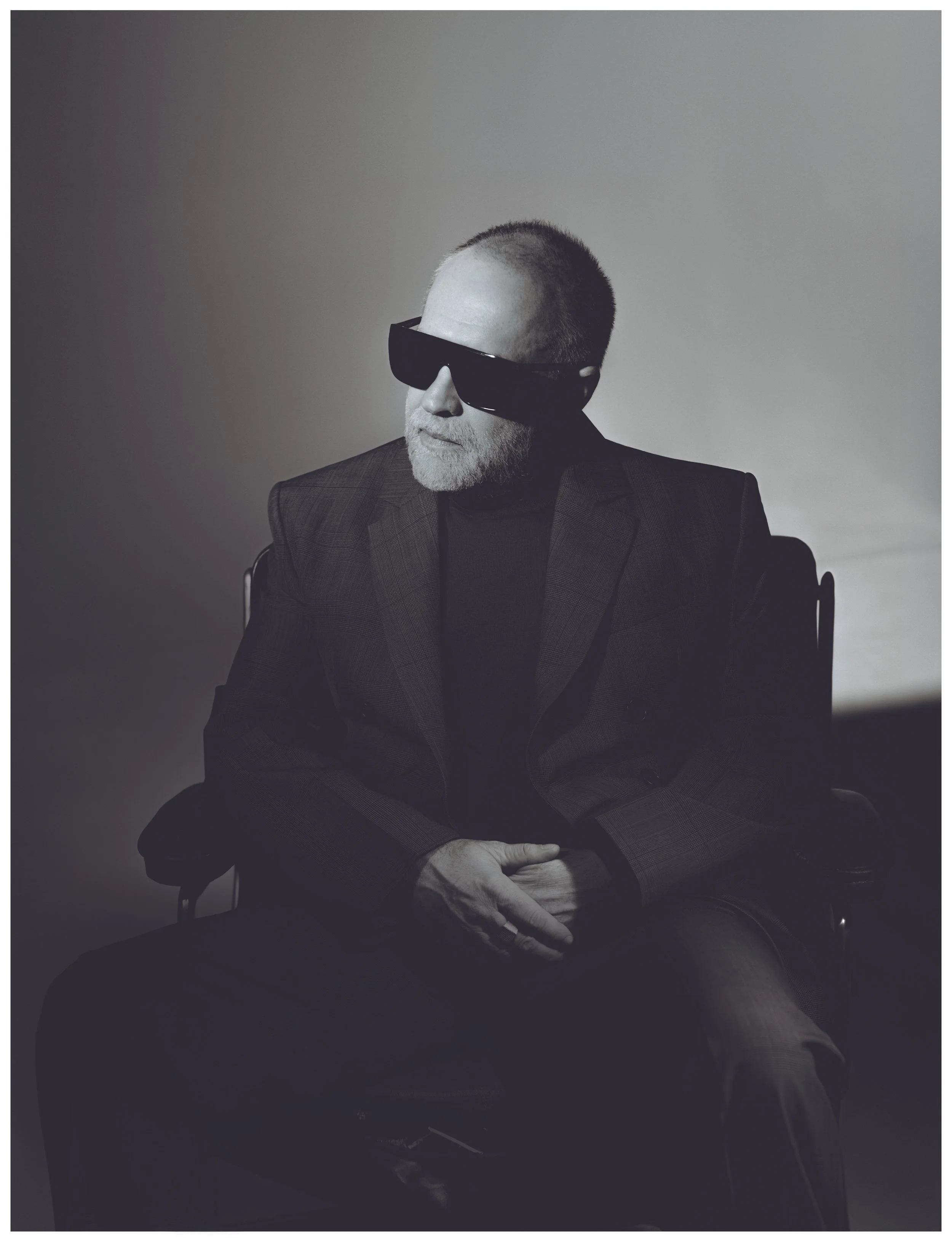
suit 032C
top DOLCE & GABBANA
sunglasses SAINT LAURENT
jewellery TALENT’S OWN
You’ve been exploring the figure of the “poisonous patriarch” across your recent work. What continues to draw you back to this dynamic?
I’ve made many movies around this theme. It’s something that has always been there in my work — the idea of families of affection, queer families, families that exist outside traditional patriarchal structures. After I made Invisible Life in 2019, which was very much about damage and poison — this sort of deadly poison patriarchy is able to infect people with — I became increasingly interested in the opposite side of that world. I was basically raised in a family of women, so I have a lot of intimacy with strategies of survival, solidarity and the lack of hierarchy you often find in families where there’s very little male presence. But after that film, I became fascinated by these men, because they were people I didn’t really know. They weren’t people I grew up with.
In the last three films, I became interested in diving into those characters, trying to understand them, dissect them. It’s almost like an autopsy. Part of that comes from the fact that I wanted to look at characters I hadn’t explored enough before. But I also think that in the last few years, we’ve been witnessing something really hard-core: this male resentment for no longer being at the centre of discourse, no longer being at the centre of power. That really got under my skin. Particularly, this idea of patriarchy losing its privilege. The reason I keep talking about autopsy and dissection is because I really feel like the system is rotting. And I’m interested in understanding what is making it rot — but also what is making it desperately try to stay alive. There’s something desperate in the way patriarchy tries to come back. That’s what brought me toward these films. And honestly, there’s also a weird sense of curiosity in it for me. They’re people I need to understand better. It’s almost like knowing your enemy better.
There’s an unsettling humour running through the film, moments where laughter feels almost inappropriate. What interests you in that tension?
A lot of the films I made before were based on empathy — how people could empathise with the characters, identify with them, even love them. And I think with Rosebush Pruning, for most people, it’s nearly impossible to like these characters. It’s nearly impossible to fully empathise with them. What they’re doing is poisonous and destructive. So for me, this uncomfortable place where you don’t really like them but then suddenly you’re laughing — not at them but with them — became really interesting. It opens access to those characters, because otherwise you simply stop looking at them. And it also allows you to question them without immediately judging them. The moment you laugh, it’s no longer a purely conscious moral judgment. It’s very easy to say, “Oh, they’re monsters.” But at the same time, it’s very difficult to say, “Oh, they’re funny.” And I think that tension allows audiences to become more playful while also questioning themselves: Why am I feeling this? Why am I laughing?
There were two things that were really important for me. One was the shock effect, which was very carefully constructed. On the other hand, I thought it was important that people could still have fun. I wanted audiences to leave the film feeling like they had a good time, or at least a strange time, but not leave the cinema the same way they arrived. Because it’s not a thesis about wealth. It’s not an academic paper. It’s a movie. And for me, irony and laughter are always a shortcut to engagement.
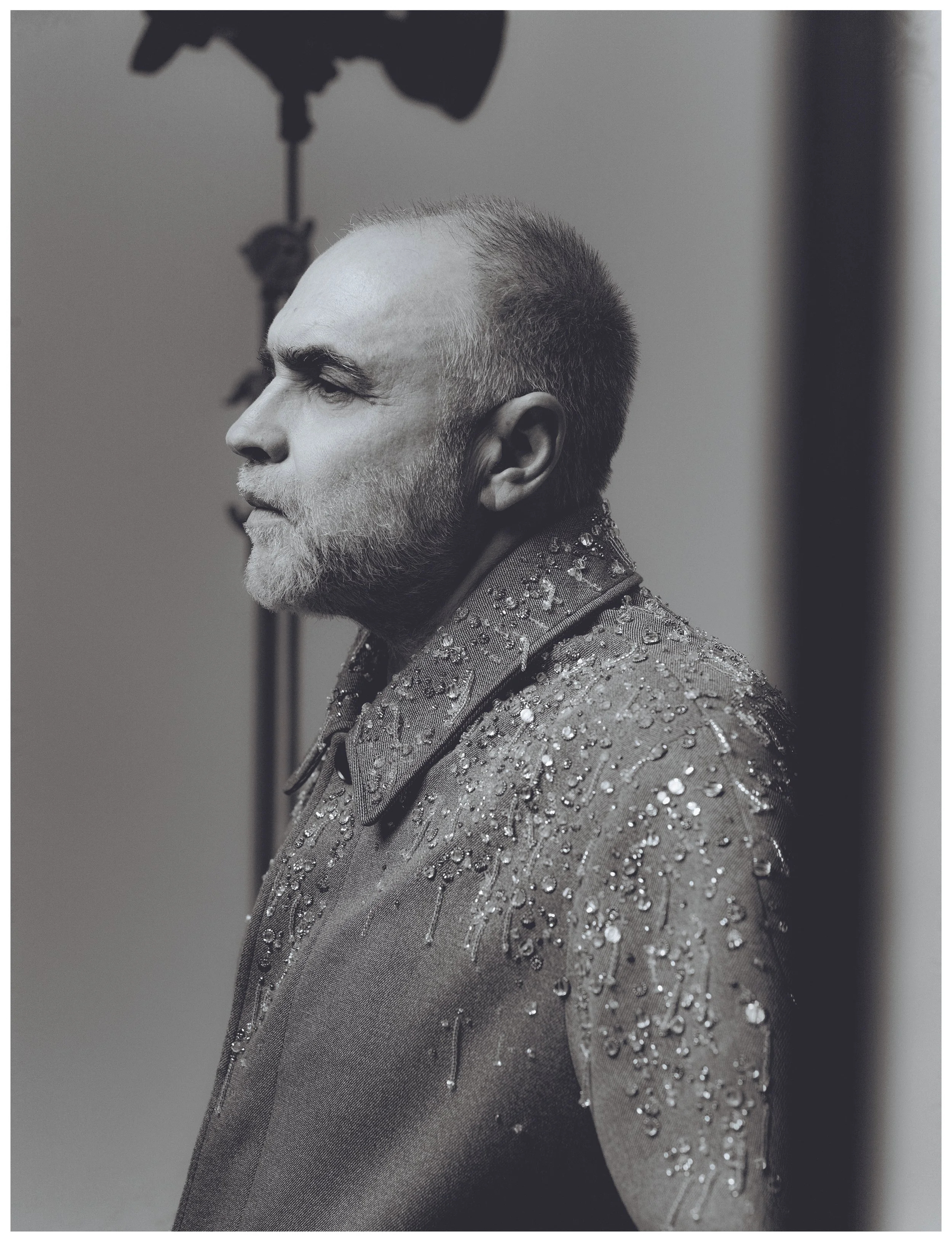
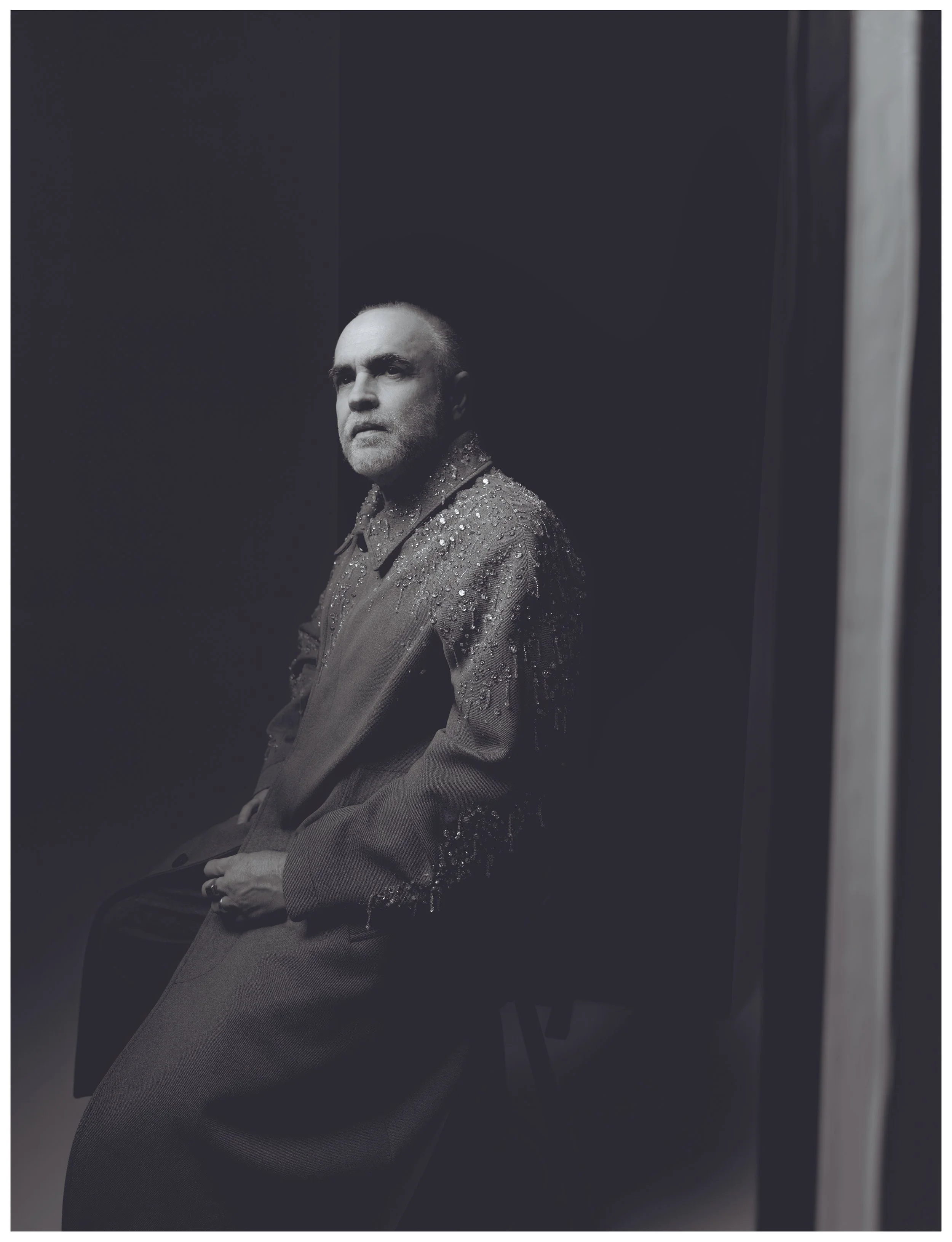
coat EMPORIO ARMANI
trousers DOLCE & GABBANA
jewellery TALENT’S OWN
This family exists in near-total isolation. What happens to morality when there’s no outside world to reflect against?
Well, it’s a great question because it’s gone. There’s no more morality because there’s no more reference. There’s no reference for what’s good or bad anymore. What’s there is simply what matters. So morality goes out the window. That’s why I think it’s unfair to judge these characters morally, because there’s no morality left. There are no more rules. No more right and wrong. And I think that’s one of the most horrible and dehumanising consequences of isolation.
Your collaboration with writer EFTHIMIS FILIPPOU brought two different readings of the story together. How did that creative friction shape the final film?
What was exciting about working with Efthimis was that I usually work with things that are very real. My characters sweat. They have contradictions. They’re flesh and bone. And a lot of what he writes is very allegorical. So for me, the most exciting part of this collaboration was entering a world I had never entered before — the world of the fairytale, the world of allegory, the world of metaphor. At the same time, this world still needed to be inhabited by real people. That contradiction became exciting while making the film.
There’s a version of this movie that could have felt almost like choreography — people entering and leaving the frame, saying lines, moving mechanically through the scenes. But I felt there was something cold about approaching the material that way. The challenge was asking: how do I bring emotional reality into something that is almost abstract, something almost entirely metaphorical? And honestly, you don’t even know if that’s going to work while you’re making it. It feels like walking on a high wire. The real question for me became: do I believe in these people or not? And despite everything they do — with the exception of the father — I actually have a huge sympathy for them. That was the exciting part for me. I wasn’t interested in observing them from a distance; I was interested in being with them.
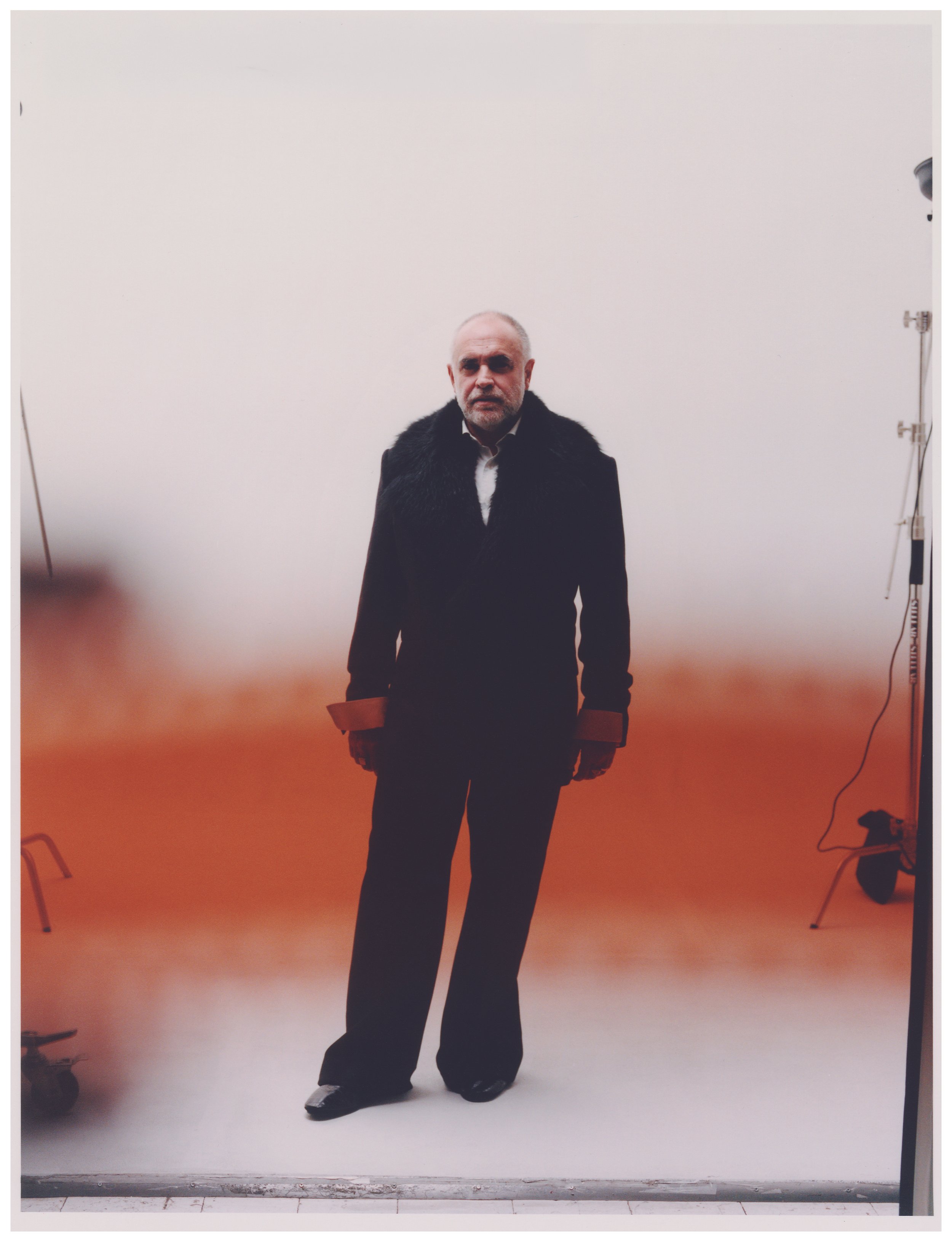
blazer and trousers DOLCE & GABBANA
shirt STYLIST’S OWN
shoes TOM FORD
Another point of contrast is that while watching the film, there’s this constant tension between discomfort and beauty. Some scenes are deeply unsettling, yet they’re filmed in such a beautiful way. The house, the costumes, the textures — they all feel like extensions of power. How did aesthetics function as storytelling in this film?
So much. The whole time I kept thinking about the BROTHERS GRIMM and how they wrote stories about the most horrific things with such beauty. I was also thinking a lot about Greek mythology — people melting, people eating each other, but told with this incredible sense of sublimation and beauty. And I think it connects to the humour in the film too.I really believe you can only talk about darkness with lightness. Otherwise it’s just dark on dark. From day one, it was very important for me, the cinematographer and the composer to create something seductive. Something you’re drawn into. Something that feels like eye candy. There’s this lush sense of colour, this delicate music, this softness. For me, that was the only way to tell this story, because otherwise people simply wouldn’t enter it emotionally. The material is too dark.
I kept thinking about medieval horror tales with these horrific things happening inside worlds that still feel golden and beautiful. And the house was important. I didn’t want it to feel like a cave. I wanted transparency. They’re doing all of this in broad daylight. They’re not hiding. I was inspired by JOAQUÍN SOROLLA and that Mediterranean light from the coast of Spain — that warmth, that softness, that brightness. Because, despite all the darkness, I still needed audiences to come with me emotionally. I needed to seduce them into the story. The colours, the music, the sweetness — it almost feels like entering a fairytale at the beginning of the film. And the characters themselves are almost slightly out of focus, like they’re living inside a fantasy world. So for me, if something was going to be this dark and violent, it also needed to be… delicious.
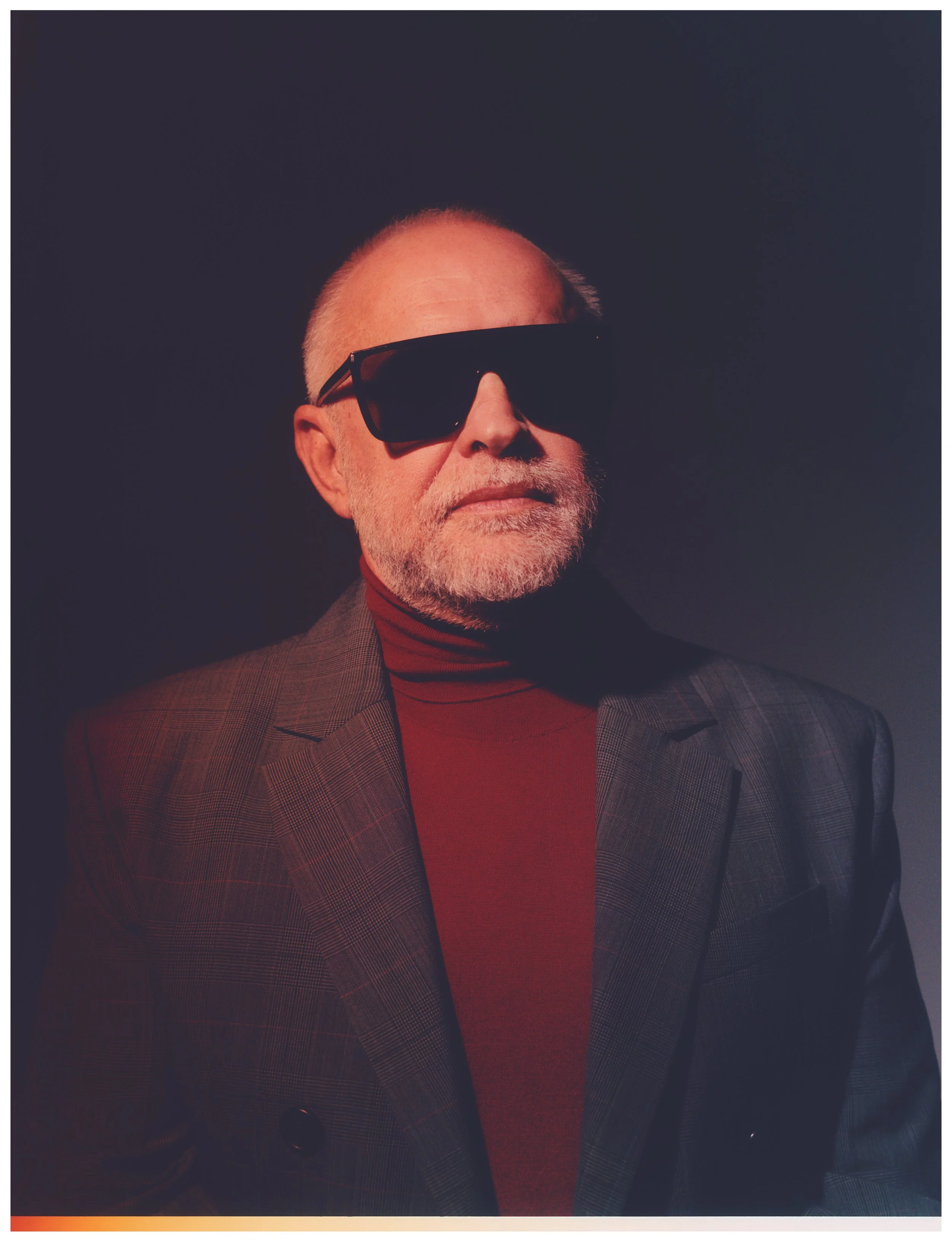
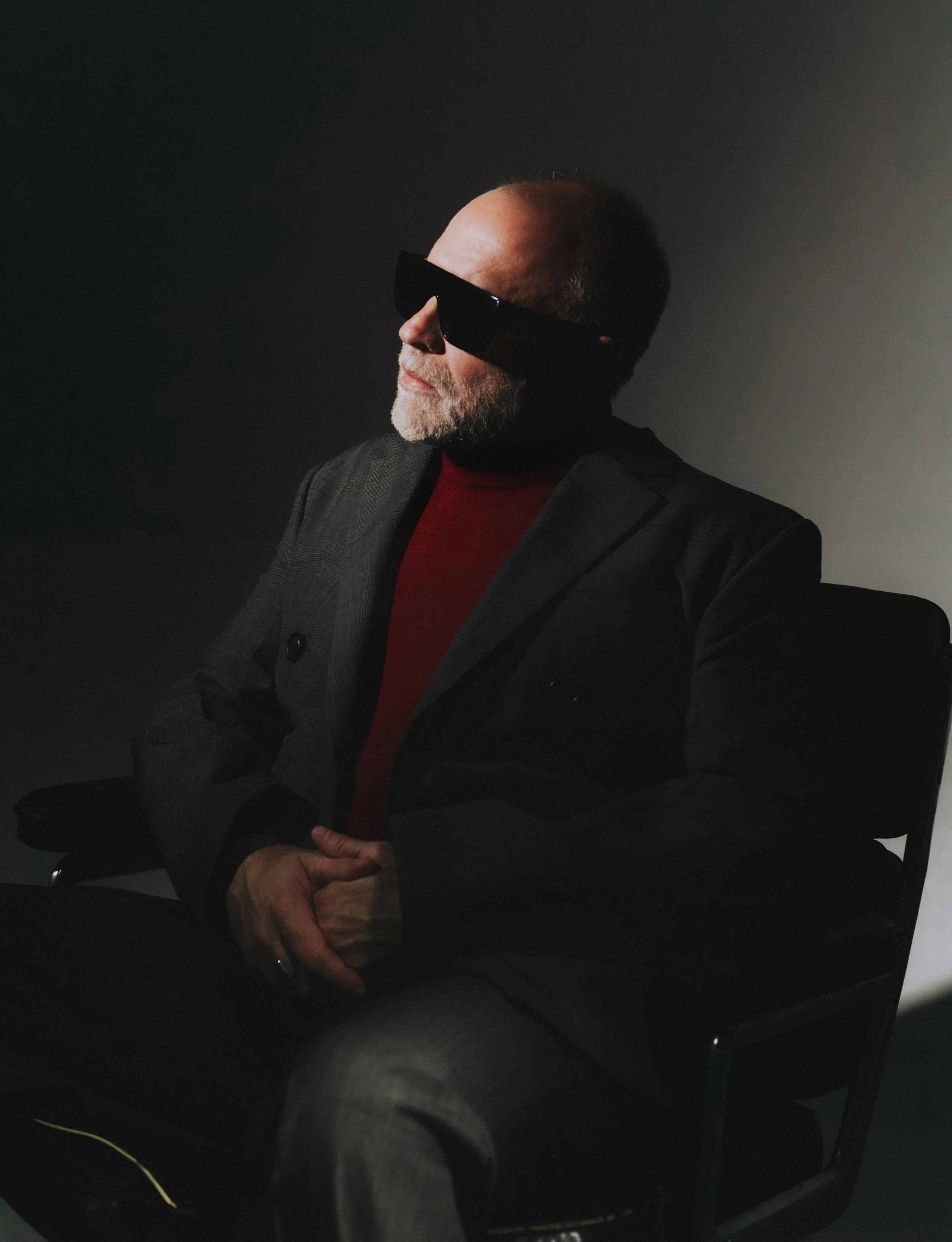
suit 032C
top DOLCE & GABBANA
sunglasses SAINT LAURENT
jewellery TALENT’S OWN
You’ve said cinema should leave audiences unable to come home and feel the same. What do you hope stays with viewers after watching Rosebush Pruning?
With this film, I wanted to leave people with a sense of being haunted, a sense of looking at the world again and asking questions, not fully trusting what they see. I think it’s important today that we question surfaces and appearances. What you see is not necessarily what’s really there. And I think this connects very strongly to domestic violence and violence against women, because so much of it happens inside homes, inside families, with partners, with siblings. That was very important for me.
I also think it’s impossible to look honestly at the world we’re living in right now without feeling some level of discomfort. It just doesn’t feel right not to feel it. So when people leave the cinema, I wanted them to carry that discomfort with them — not in a normalised way but in a way that forces them to question something. Every film does this differently. Some films I make are about grief, loss or injustice, and I want audiences to leave emotionally devastated. But with this film, I was more interested in creating disturbance. It’s funny because some people hate or love the film. And it’s probably the first film I’ve made where reactions are this extreme. But I’m interested in that. When I say cinema should change you, I mean that something in the film should stay with you afterwards, something that changes the way you look at the world. And if that happens, I think it’s extraordinary.
The cast brings together very different screen identities. What guided your casting process?
Honestly, this film felt a little bit like saying: let’s jump off a cliff together. I think a lot of people probably thought, “Karim is never going to make another movie again after this.” And I didn’t care, because I felt this story was important. So the first thing I was looking for was: who’s willing to hold my hand and jump with me? I wanted actors who were true collaborators, not actors who simply arrive, say the lines and follow direction mechanically. This material needed people who were willing to question how we were making the film, because with something like this, tone becomes everything.
I kept thinking about music while we were working. Like an orchestra where performers are willing to go slightly out of tune sometimes, to break rhythm, to take risks together in order to discover the music of the film. And when I say music, I really mean tone. We spent a lot of time rehearsing and finding scenes together. The scenes existed on paper, but the emotional reality of them had to be discovered collectively. So I was looking for actors who weren’t trying to “get it right.” I wanted actors who were curious, playful and willing to question the material instead of controlling it. And all of them, without exception, were incredibly open in that way.
PAMELA ANDERSON’s presence is unexpected. What dimension did she add to the film?
She’s the reason for it all, right? She’s the one who breaks the cycle. For me, it was important to have someone with relatively little screen time who could remain in the audience’s memory afterwards. I think we only shot with Pamela for 4 days out of more than 30. But there’s something about her presence that’s absolutely magical. She has the quality of a true movie star. But what I love about her is that it never feels imposing. Some movie stars arrive with this overwhelming force, but with Pamela there’s something incredibly vulnerable. And for me, vulnerability is what makes the most beautiful movie stars. She occupies space and she’s transcendent, but there’s no violence in her presence. There’s something very open and emotionally unknown about her. I think she brought something extraordinary to the film, something much richer than I could have imagined. Because yes, she’s great, but there’s also something beyond that. She becomes this figure who breaks the cycle, who begins something else, who leaves the family behind. And what I love is that the character isn’t necessarily someone audiences are supposed to fully like. And yet there’s something deeply moving and beautiful in the way Pamela plays her.
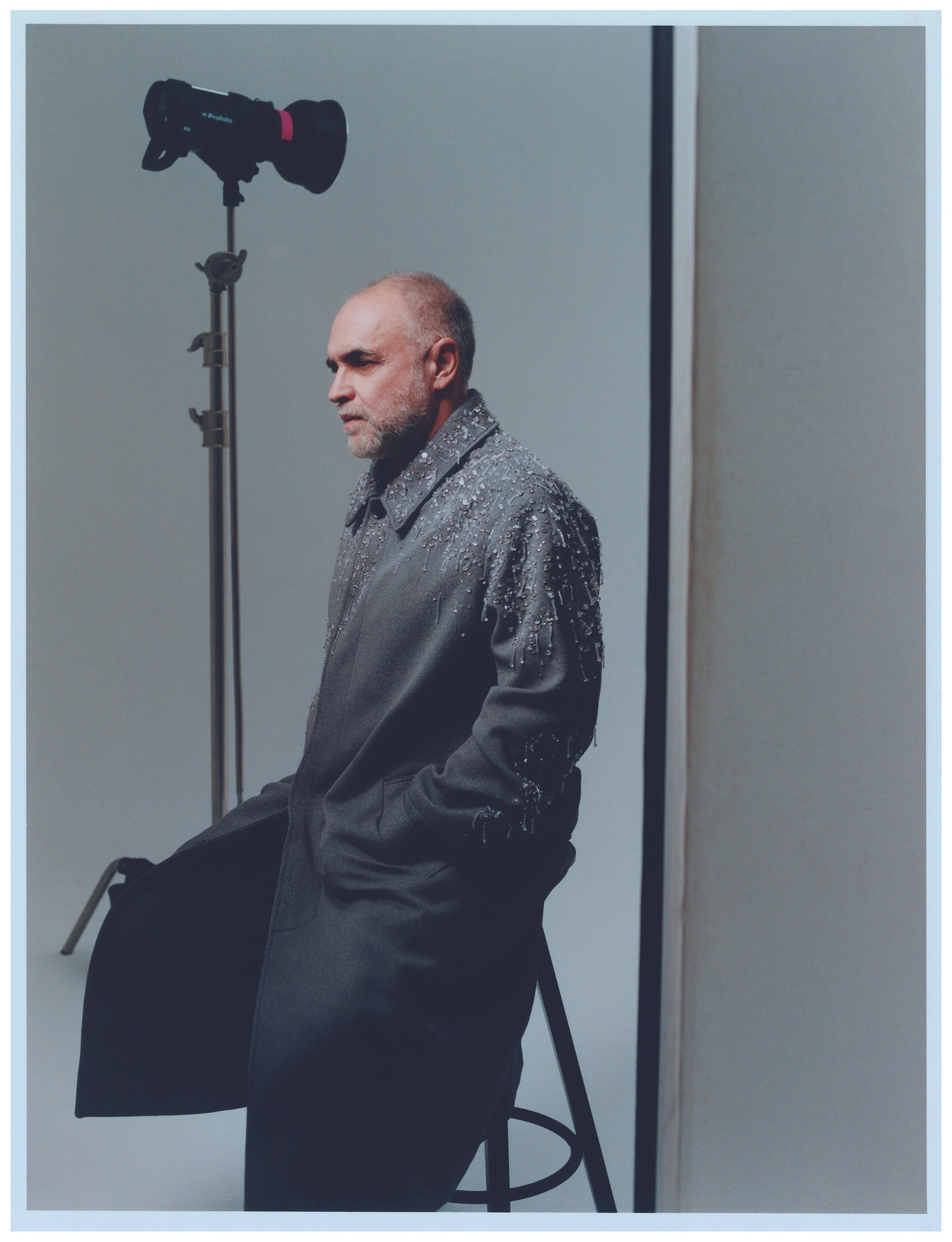
coat EMPORIO ARMANI
trousers DOLCE & GABBANA
jewellery TALENT’S OWN
Can you name a film that changed the way you think about storytelling?
A few. It’s such an unfair question. But there’s one film I talk about all the time — Ali: Fear Eats the Soul by RAINER WERNER FASSBINDER. I love that film so much. It’s one of those movies that feels incredibly simple, but at the same time emotionally overwhelming. The story is beautiful, but it’s told in such a restrained and delicate way. It’s beautiful, colourful, emotionally powerful, but never excessive. That film really changed the way I think about storytelling because it showed me how much you can say with so little. And I still think that’s incredible.
As a proud Brazilian, what’s your perspective on the beauty of Brazilian cinema and the way it’s been reaching such global audiences in recent years?
I think it’s great. For many years, people had a fixed idea of what Brazilian cinema was supposed to be. And what excites me now is how diverse it has become. It feels like us. It feels alive. What I find most engaging are the characters. Of course the stories are great, and the actors are incredible, but I think what’s really attracting people are these characters you haven’t seen before. They’re surprising, seductive, exciting. There’s so much blood and love in their eyes. There’s an urgency to them. Nothing feels taken for granted. And the storytelling has also become incredibly rich in the last few years. The films are emotionally engaging, but the characters inhabiting those stories are really sparkling. For me, that’s what people are connecting to internationally. And I think there’s also something else there — something I almost hesitate to say — but there’s a sense of joy and hope within many of those films. Even when the stories are painful or tragic, there’s still hope. And honestly, we need hope. I think that sense of hope is deeply present in the DNA of Brazilian cinema.
blazer and trousers DOLCE & GABBANA
shirt STYLIST’S OWN
shoes TOM FORD
TEAM CREDITS:
talent KARIM AÏNOUZ
photography AGUSTÍN FARIAS
creative production MAGDALENA ROE
styling THORE DAMWERTH
makeup and hair ISABEL MARIA SIMONETH
photography and light assistant RICCARDO CONTRINO
styling assistant LENA LAUER
location STUDIO STELLAR
editor TIMI LETONJA
interview TIMI LETONJA and LEANDRO DA SILVA
cover design ARTHUR ROELOFFZEN
special thanks to CAIQUE NOGUEIRA
