
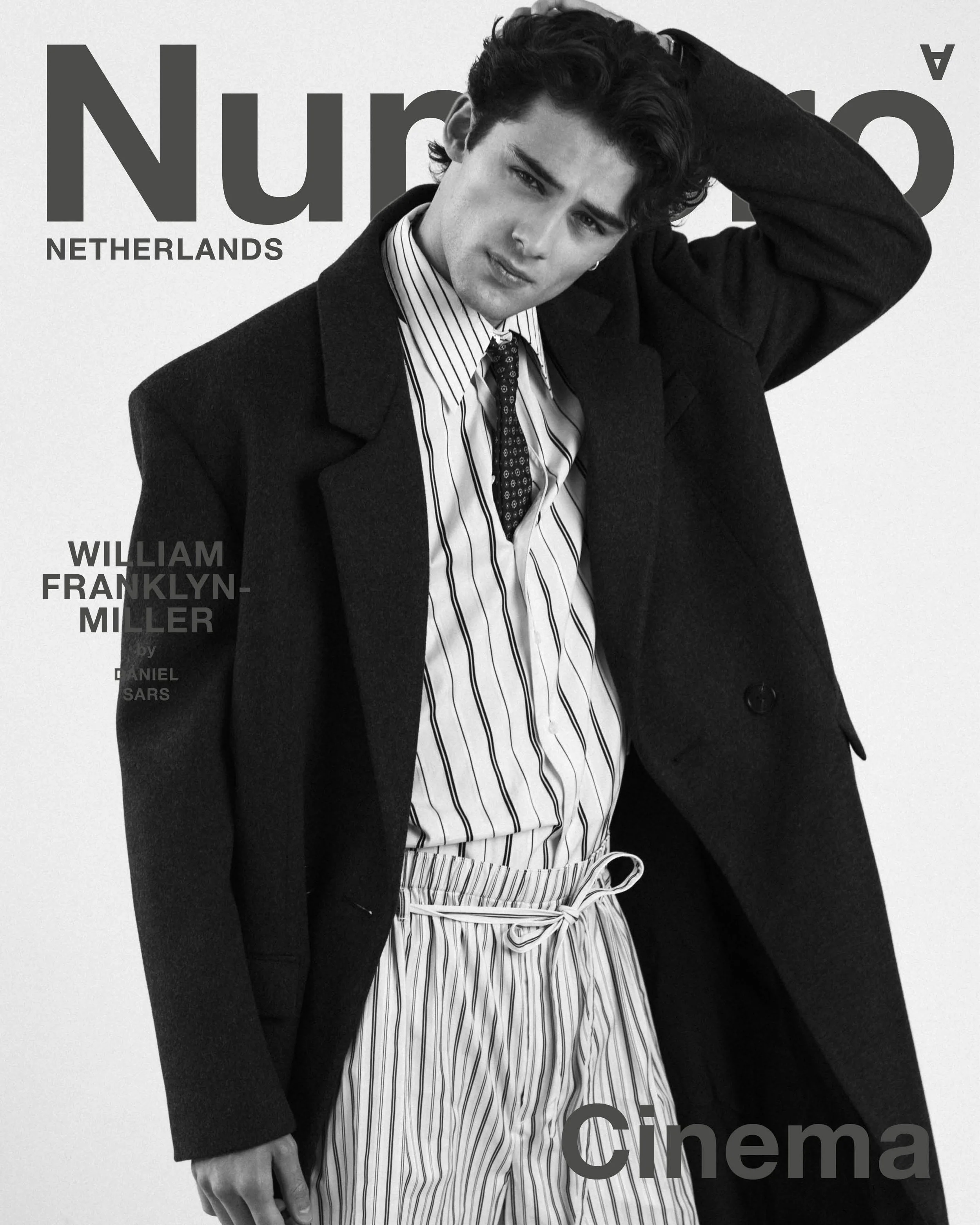
IN CONVERSATION WITH WILLIAM FRANKLYN-MILLER
words and interview by MAREK BARTEK
Scouted as a model at the age of four, WILLIAM FRANKLYN-MILLER has spent most of his life in front of a camera. Now emerging as one of the industry’s most promising young actors, he most recently took on the title role in Young Washington, portraying the future first president of the United States long before history immortalised his name.
You were in front of a camera long before you knew you wanted to be an actor. What made you realise that you wanted to pursue acting?
Honestly, I don’t really know the answer because I was so young. Even when I started modelling, though, I was always putting on little performances for my parents. I had a puppet theatre set when I was living in Devon and I loved performing for them.
I don’t think I realised acting was a proper job at first. Modelling came naturally, and then around the age of seven I started doing castings. I remember filming a Target commercial where I was playing with Lego, and I really enjoyed pretending and creating little stories. Acting felt like a natural extension of that. It wasn’t one big decision; it happened gradually and quite organically.
How would you say modelling shaped the way you approach acting?
It definitely made me more comfortable around cameras from a very young age. That’s something I don’t always notice myself, but when I talk to other actors I realise it’s probably given me a certain confidence. Knowing where the camera is, understanding how to work with it, even things like being aware of your eyeline, all of that becomes second nature. It’s not something I’m actively thinking about when I’m acting, but having that background has definitely been helpful.
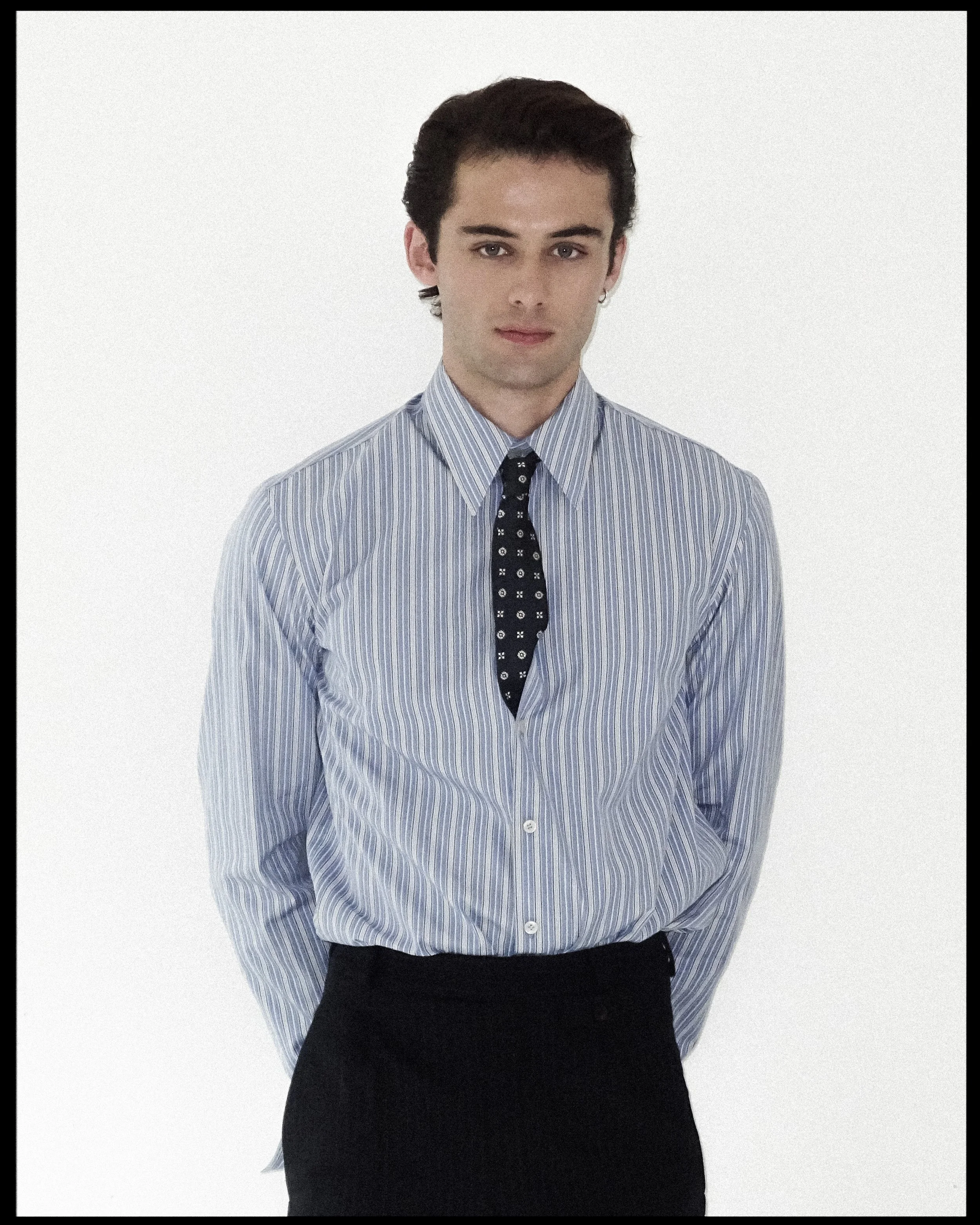
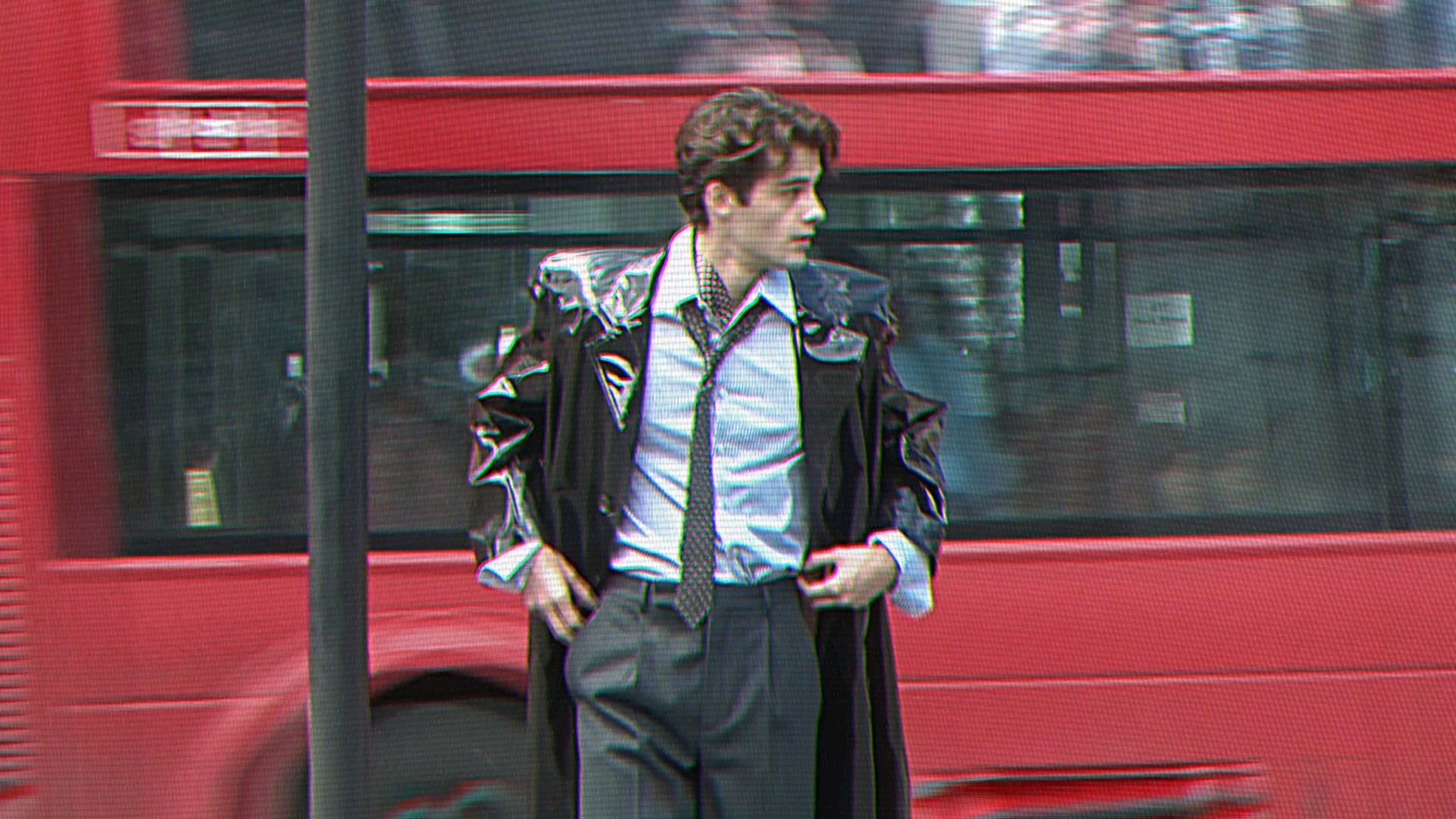
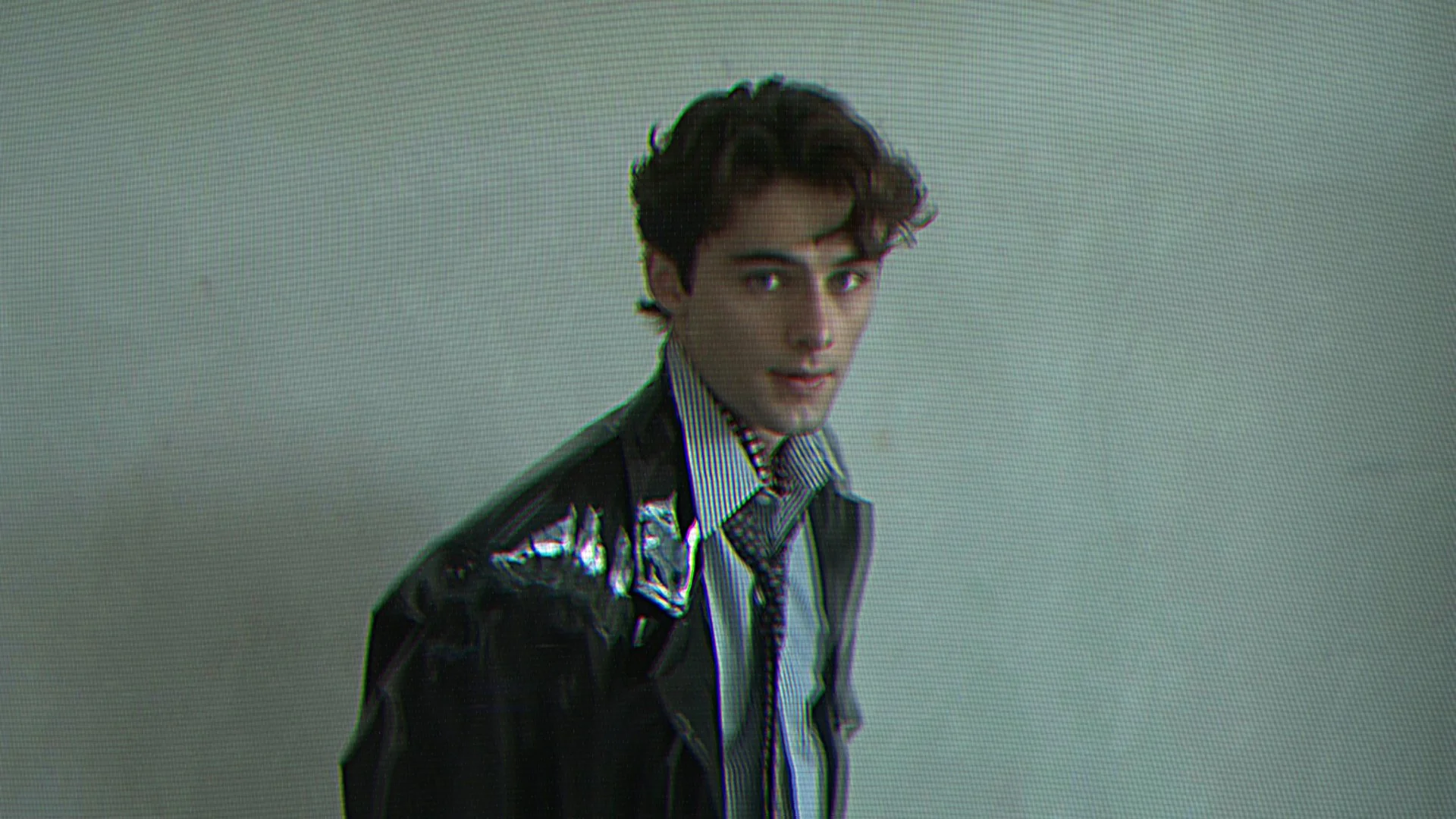
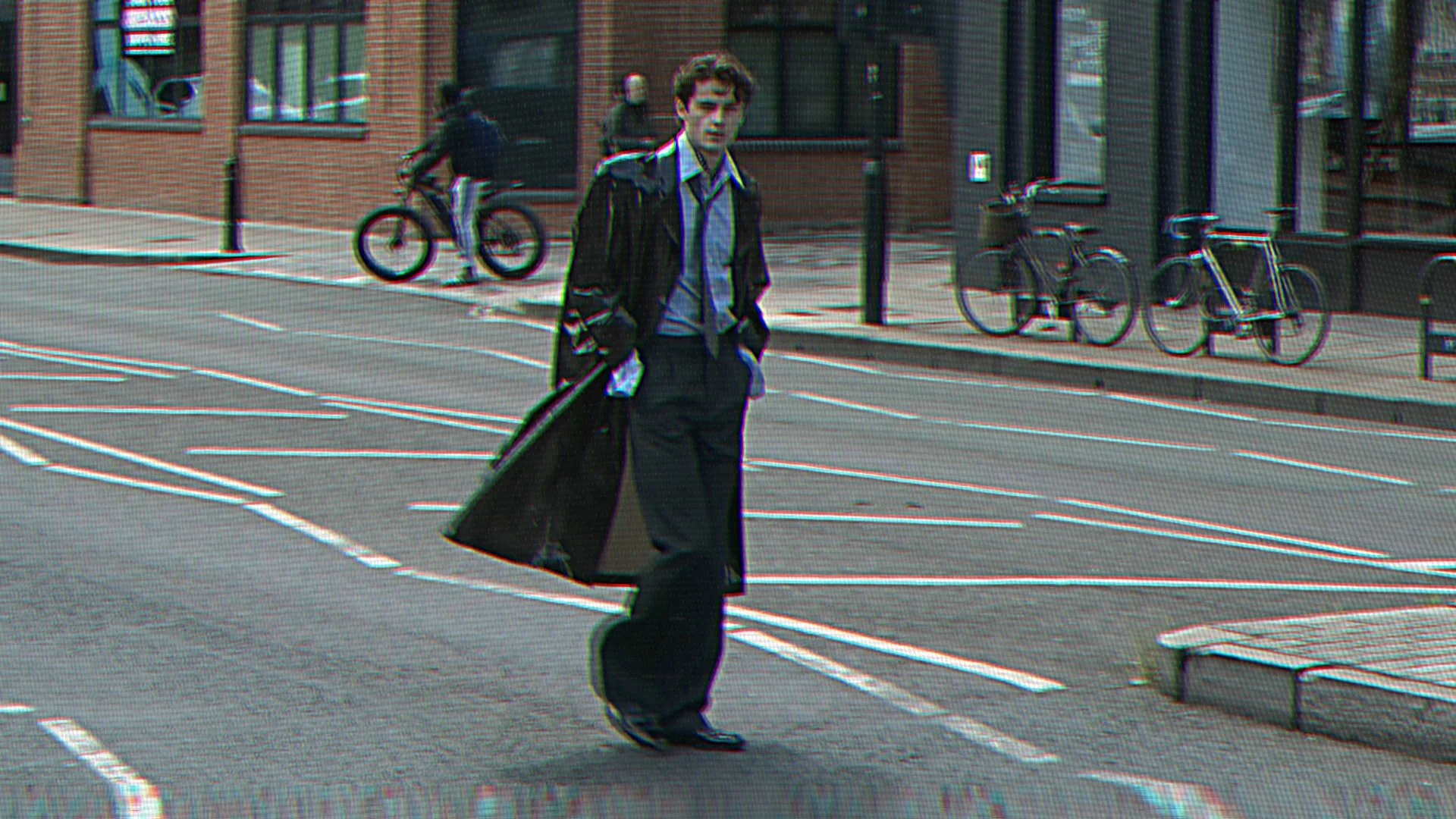
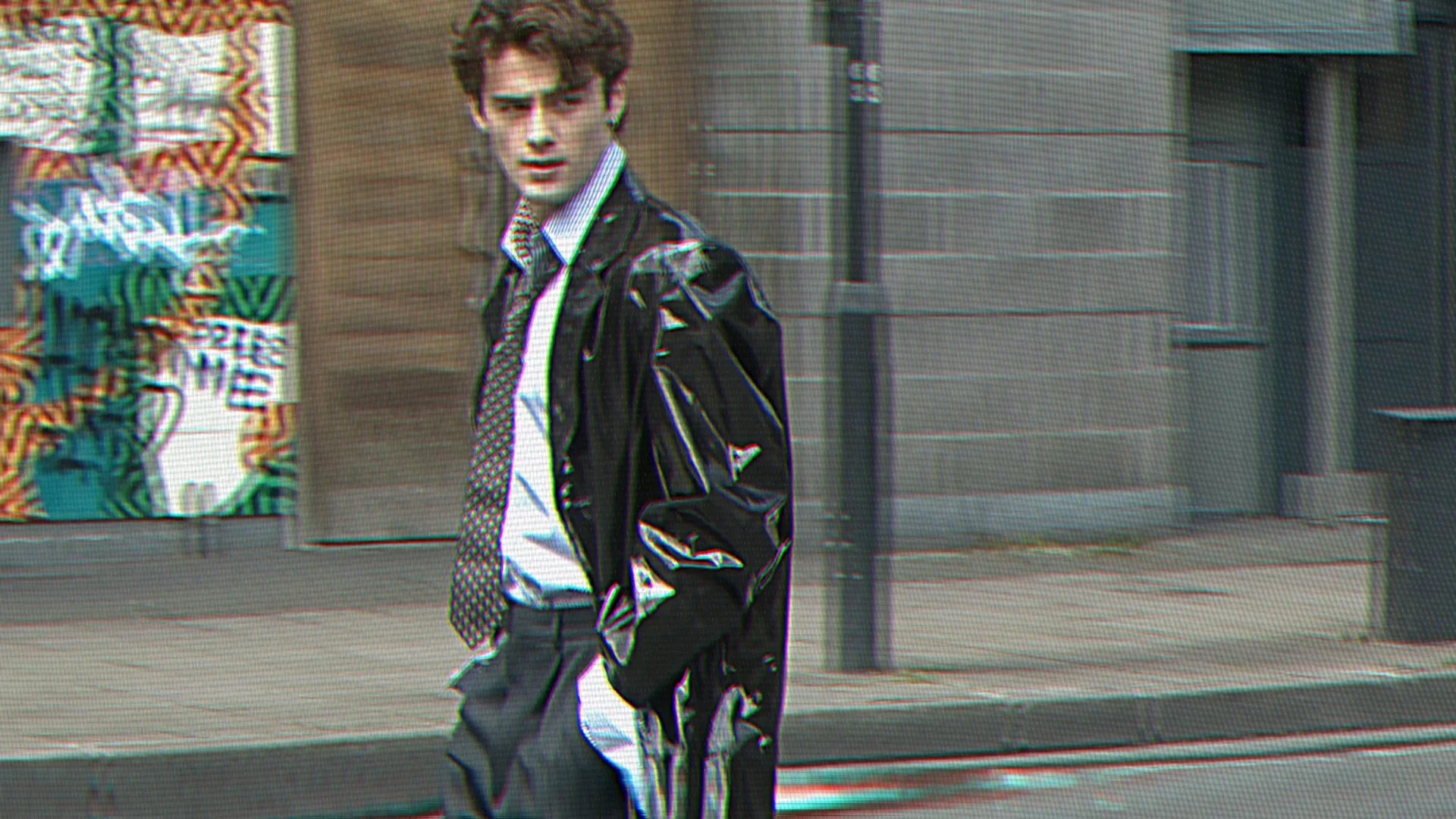
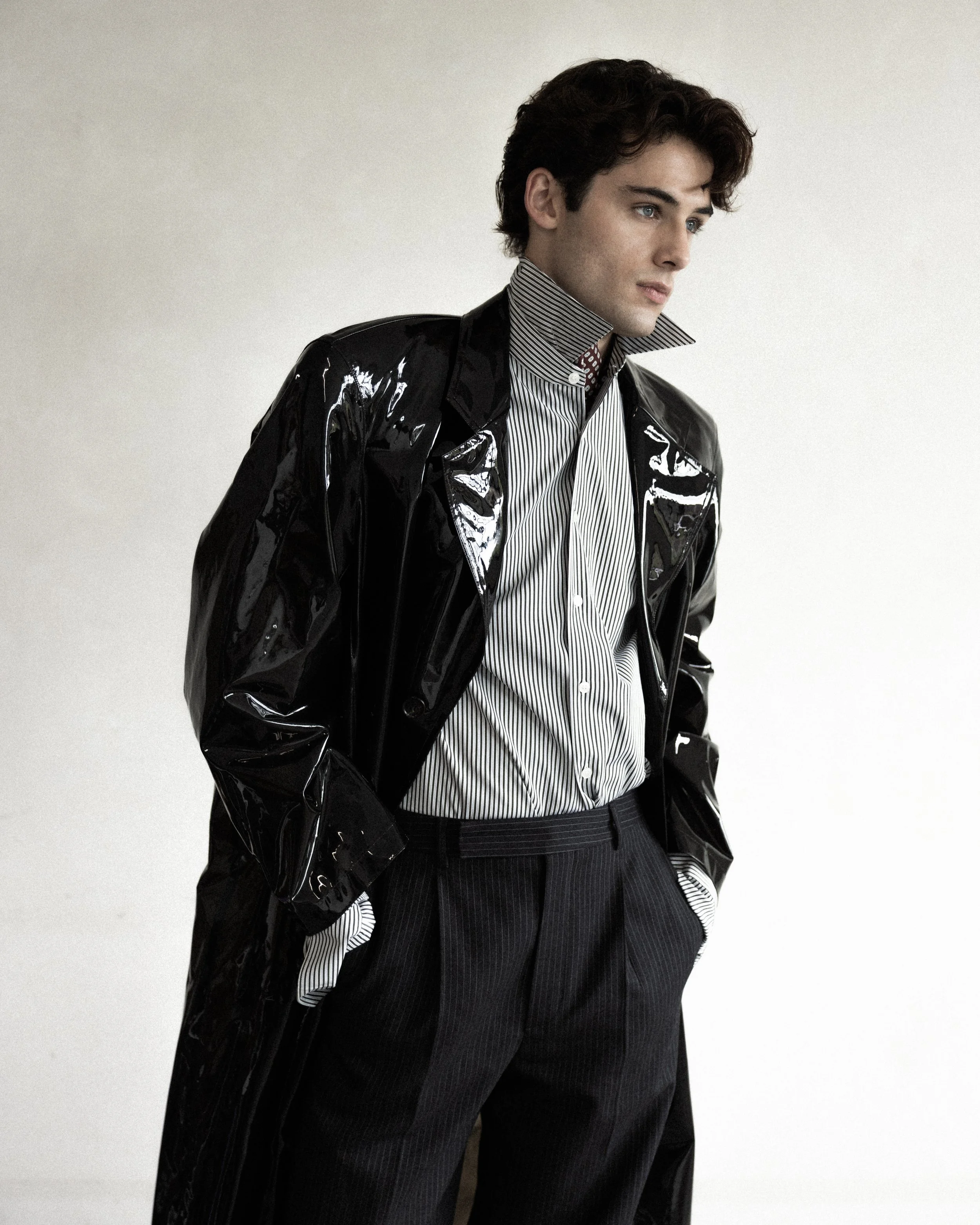
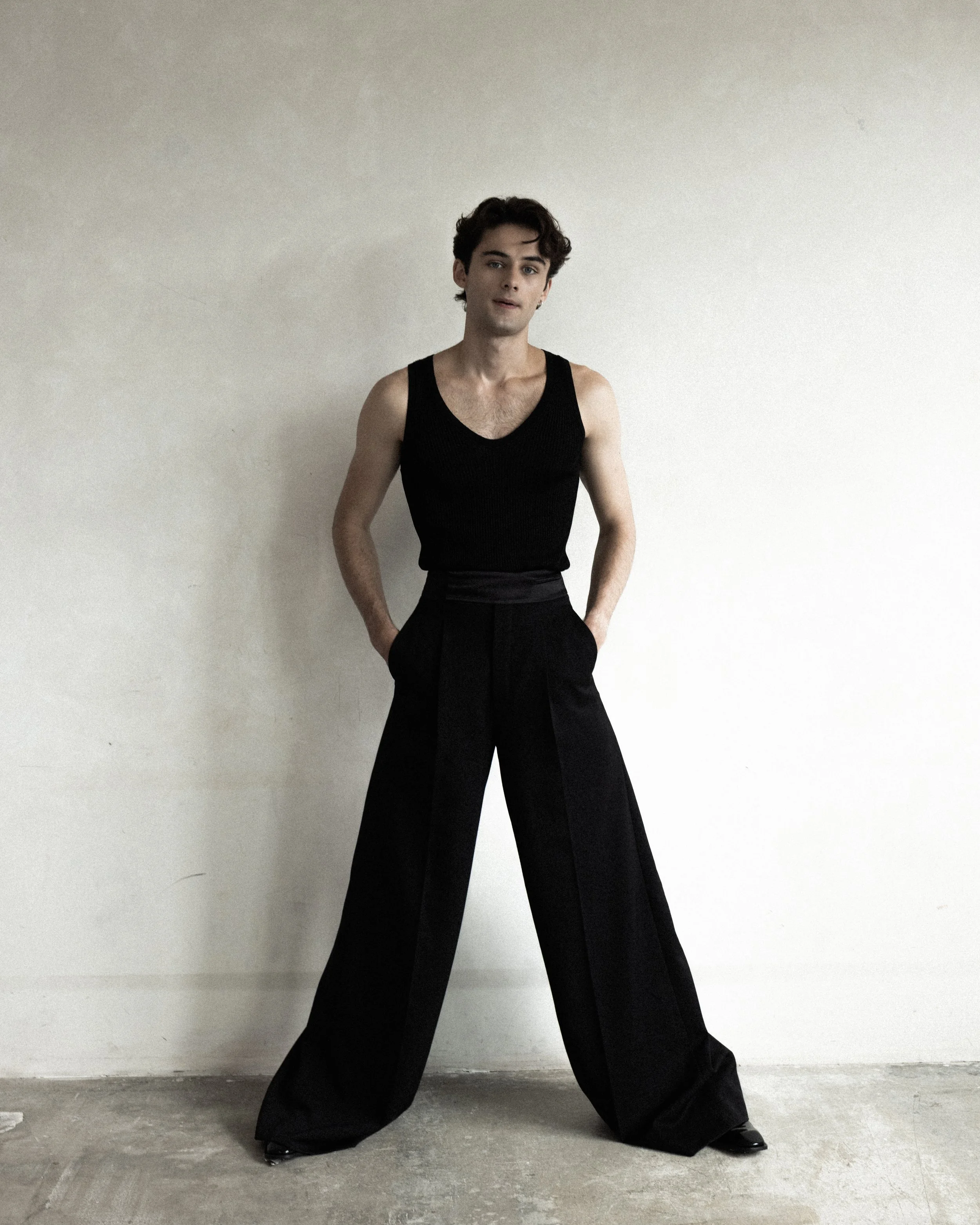
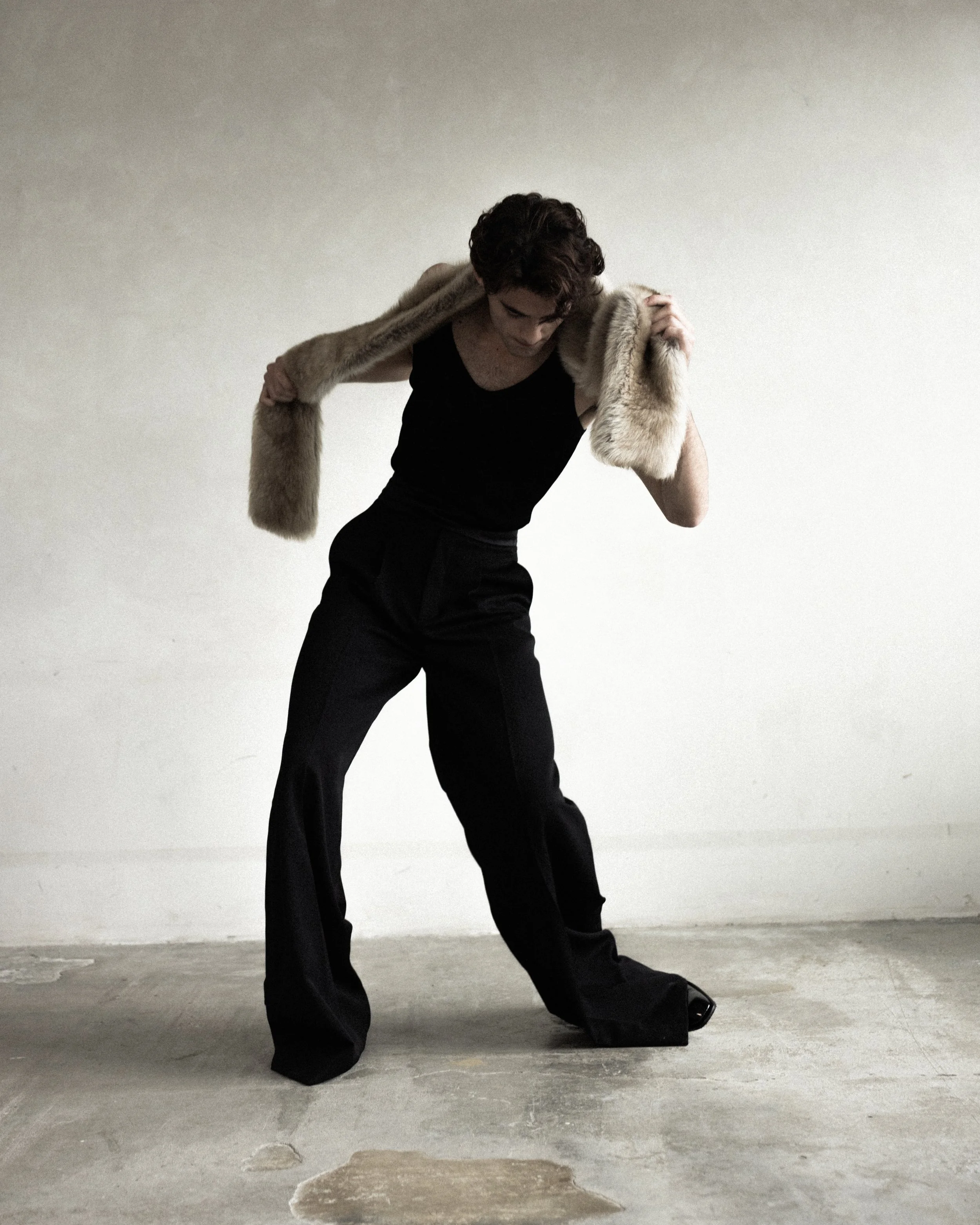
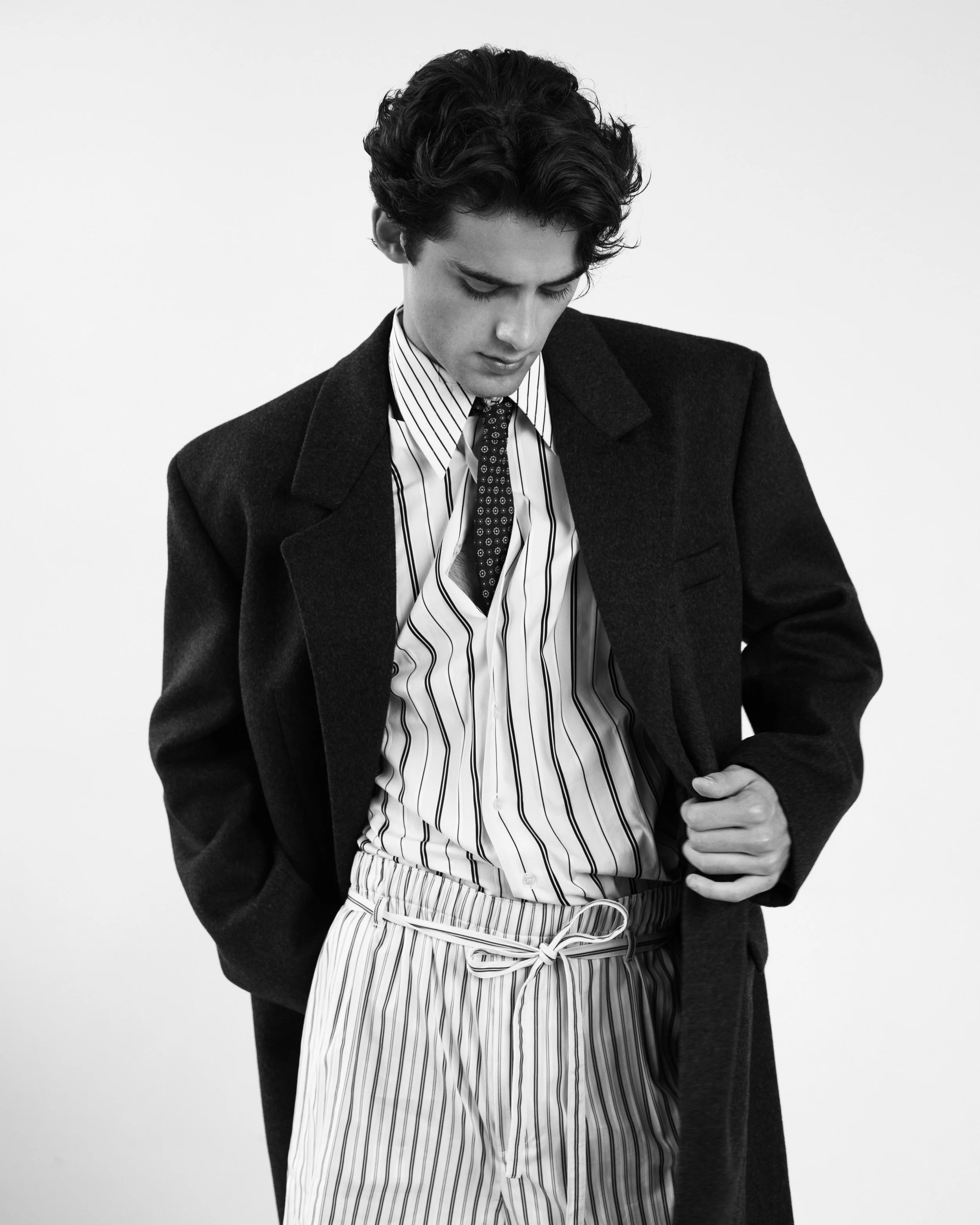
all clothing SAINT LAURENT BY ANTHONY VACCARELLO
Young Washington has just come out. We all know GEORGE WASHINGTON as the first president of the United States, but what kind of preparation went into portraying him as a young man?
There was a lot of preparation. There are so many biographies, letters and historical accounts available, so I spent a lot of time reading. I also looked at Rules of Civility and Decent Behavior, which Washington studied as a young man.
What interested me most was that this film focuses on George between the ages of 20 and 22. It’s easy to think of him as this monumental historical figure, but he was also a young man trying to navigate life. A 22-year-old in the 18th century faced very different challenges from a 22-year-old today, so understanding that mindset was important.
There was also a lot of physical preparation. We had horse-riding lessons, musket training and military training. I only had about five weeks before filming began, which isn’t a huge amount of time, so I had to cram a lot into a short period. Looking back, I’m really proud of the work that went into it and hopefully that comes across on screen.
How much of your George is historically accurate and how much is just good cinema?
There’s always going to be some creative licence in historical dramas, but I’d say this film is about 95 percent accurate. Most of the liberties come down to timing rather than inventing events. Because we’re focusing on a very specific period of George’s life, a few things are brought forward to help shape the narrative. The events themselves still happened.
What I really appreciate about the film is that it doesn’t try to glorify him. It’s focused on what happened, including his failures and the way he responds to them. At times it’s actually quite bleak. It’s less interested in creating a heroic myth and more interested in presenting the reality of who he was at that stage of his life.
Before Young Washington, you were part of another historical drama, Medici. What is it about historical projects that keeps drawing you back in?
I love them. If I had the choice, I’d probably spend my whole career doing historical dramas and period pieces. There’s something about stepping into a costume that immediately changes the way you carry yourself. You’re no longer dressed like your everyday self, and that helps you enter the character mentally as well.
When I was filming Medici, I was surrounded by incredible historic buildings and costumes, and it became very easy to immerse myself in that world. The same thing happened in Young Washington. The clothes, the posture they encourage, the environment around you — it all helps. I actually think period dramas make acting easier in some ways because everything around you supports the illusion.
Later this year we’ll also see you in Neuromancer, the television adaptation of WILLIAM GIBSON’s 1984 novel. What attracted you to that project?
I’ve always loved futuristic films. Growing up, Blade Runner (1982) was one of my favourites, and I’m a huge fan of both RIDLEY SCOTT and DENIS VILLENEUVE. My role in Neuromancer is smaller, but I was incredibly excited to be part of that world. Walking onto those sets was amazing because everything feels futuristic yet strangely believable at the same time. In a way, I enjoy it the same way I enjoy period dramas. You’re stepping into a world that feels completely different from your everyday reality, and that helps spark your imagination as an actor.
Adding to the list of historical films, you’ve also worked on Dongji Rescue (2025), which was a Chinese production. What has working across different international productions taught you?
They’re all different in their own ways, but I’ve genuinely enjoyed every one of them. The Chinese film, Dongji Rescue, was particularly important for me. I spent several months there, and because many people didn’t speak English, it could be quite isolating at times. Being in that environment forced me to mature both professionally and personally. Honestly, I don’t think Young Washington would have happened to me if I hadn’t done Dongji Rescue first. That experience gave me a lot more confidence and perspective.
At the end of the day, though, every set is successful for the same reason. If people get along, enjoy working together and support one another, then it creates a great environment regardless of where in the world you’re filming.
You’ve been acting for most of your life, but in many ways your career is only just beginning. What do you hope the next decade looks like?
It’s funny because people often only see the finished result. They don’t see the years of auditions and preparation that happen beforehand. I’ve been auditioning since I was seven years old, so finally getting these opportunities feels very rewarding.
For me, the goal is to keep challenging myself with interesting characters that are very different from who I am as a person. I want to look back in 10 years and see a body of work that I’m genuinely proud of. More than anything, I want to feel that I’ve given every role everything I could. If I can do that, I’ll be happy.
Do you have a dream role?
Of course! As a Brit, I think the answer has to be JAMES BOND.
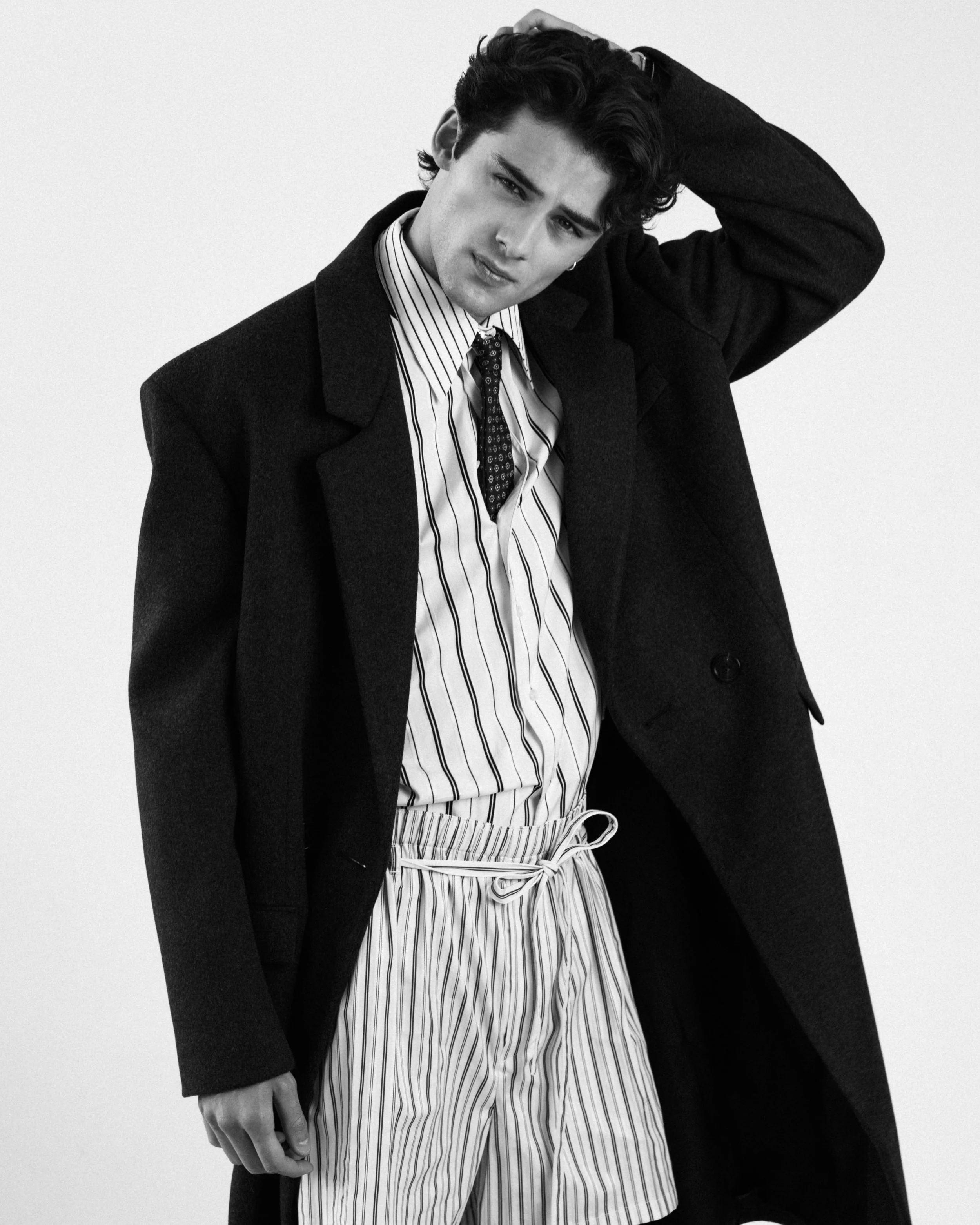
TEAM CREDITS:
talent WILLIAM FRANKLYN-MILLER
photography DANIEL SARS
styling JORDY NASA
grooming CHARLIE CULLEN at FORWARD ARTISTS
editor and casting TIMI LETONJA
interview MAREK BARTEK
cover design ARTHUR ROELOFFZEN
