
IN CONVERSATION WITH KARIN PARK
interview by JANA LETONJA
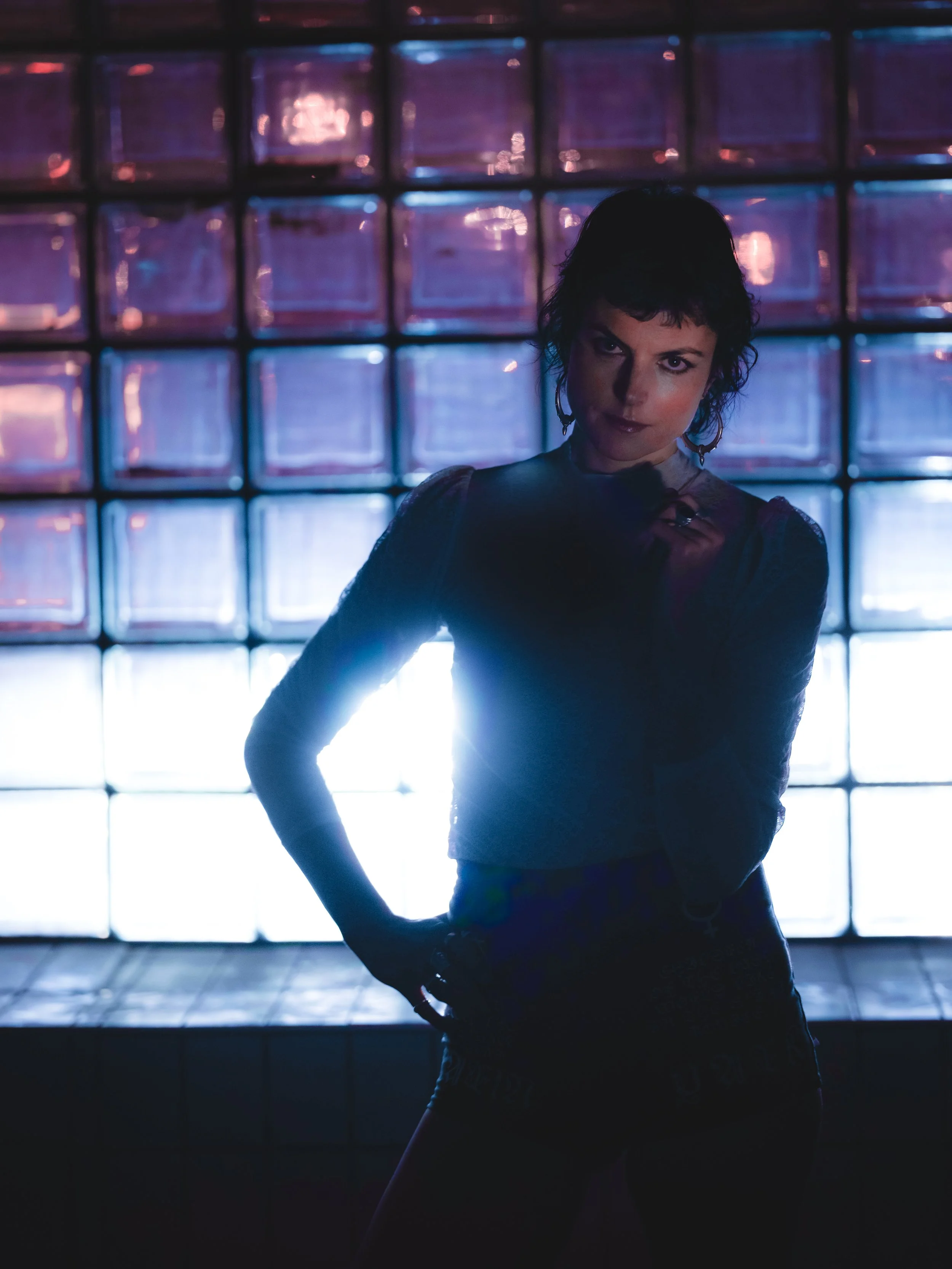
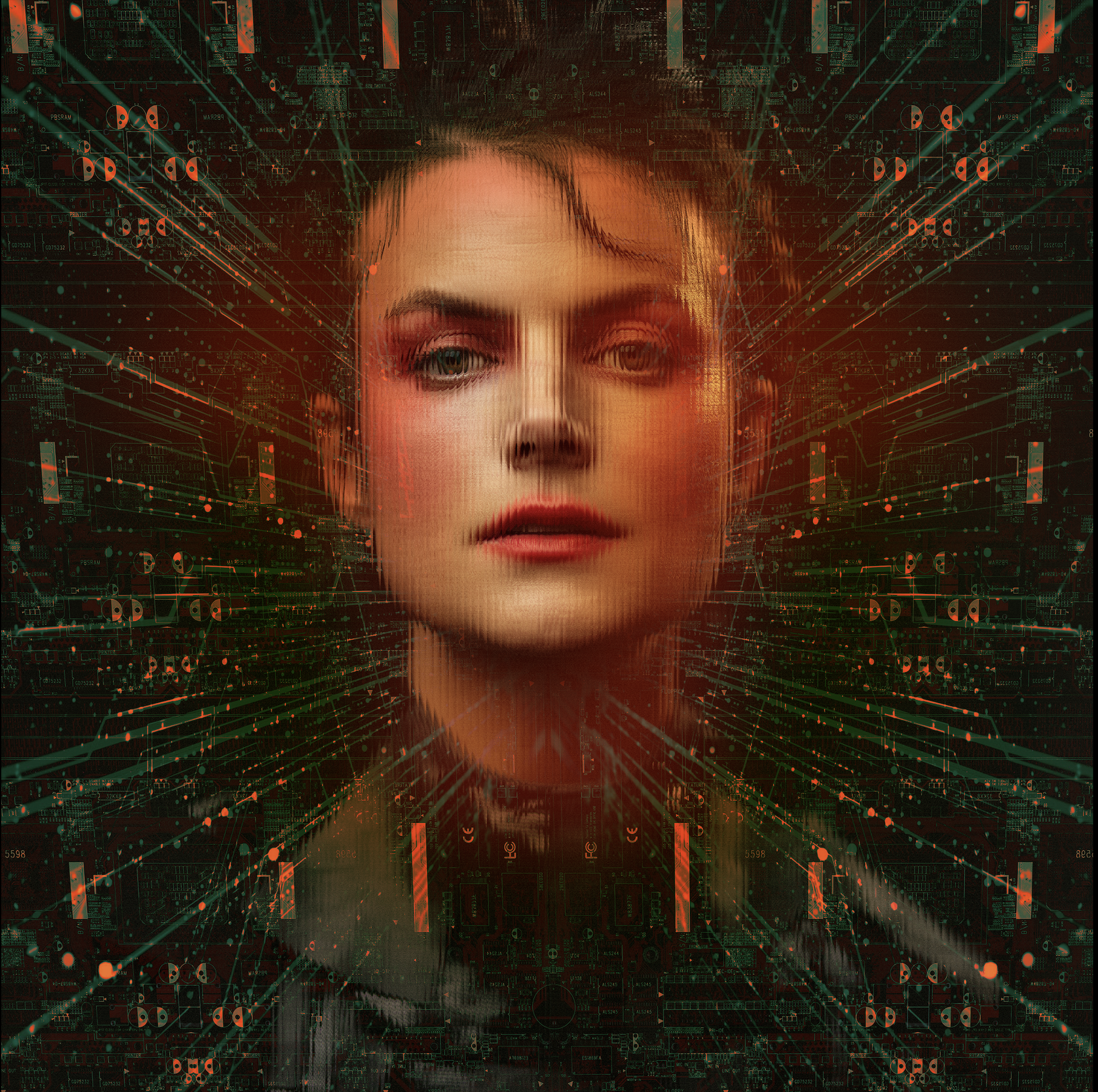
Swedish electronic artist Karin Park returns with EVO, the first installment of her new EP trilogy EVO–LUT–ION–(EN), arriving on 8th May. Known for her distinctive fusion of synth-driven pop, dark electronic textures, and experimental soundscapes, she has long occupied a unique space in the Nordic music landscape. The project launches with the single Sing Your Sorrow on 27th March, accompanied by a striking visual. Inspired by the mystical paintings of Swedish pioneer Hilma af Klint, EVO marks a deeply personal chapter in Karin’s career. Recorded in 2024 with French producer Anthony Belguise, the EP explores transformation, creative freedom, and the complex balance between artistry and motherhood. Stepping away from her recent collaborations and her work with the noise rock band Årabrot, which she fronts with her husband, she turns inward, crafting a project that feels both intimate and sonically expansive.
EVO marks the beginning of a trilogy. What inspired the idea of structuring this project across three connected EPs?
I move very quickly. New ideas come and go, I experience new things, I get inspired by what I hear, see and smell all the time. But the creative process towards an album is a long one. I don’t want to feel creatively locked in to one single project for too long right now.
The title EVO–LUT–ION–(EN) suggests transformation. What kind of evolution does this project represent for you personally and musically?
It’s been a long journey to who I am today and I’ve gone through many phases. As any human being I suppose. Lately, becoming a mother is probably the biggest transformation and also finding my way back to myself after that most intense period of motherhood was a big one. I was worried I wouldn’t be able to come back to my body, my music, my urge for adventure in a way that I actually could and I’m grateful to be able to live my dream so that my kids can be inspired by that and know that they can live theirs. I have to be an artist, otherwise I’m dead. But the difference is I don’t have that same ego now. I’ve become a humble servant to my purpose. So that is a tremendous evolution. With a R in front of it. When this project started I was tired. I was up all night and all day, and I couldn’t think clearly. But as my energy is coming back, the songs are getting faster. I spend all my time with the songs so they need to fit my vibe. But it also represents a creative freedom to move from one thing to another and suggests that one should not expect the same thing over and over from me. I just can’t stay in one place. But I got some help to keep me on track.
The EP is inspired by the mystical painter Hilma af Klint. How did her work influence the creative direction of the music?
She helped me frame my chaos so that I could be free in my creations but not lost. It was one of her paintings in the EVOLUTIONEN series that kicked the whole thing off and that painting even looks like a record. The whole idea of the concept came from that painting. I can really relate to her as a person too. Obstinate, stern but with good intentions. She had a bigger purpose and she was an artist whether she liked it or not. She had no choice and I feel the same .
Your sound has always blended dark electronic textures with melodic pop. How did you approach the sonic identity of EVO?
I was digging for something I couldn’t really put words to, but when it showed up in the form of a feeling when me and my producer Anthony Belguise were working on one of the songs, we both looked at each other and said “Yeah, there it is, isn’t it? Melancholic excitement?” I still don’t know how to describe this feeling. You have to listen to it. Music is so much more than I am able to explain.
The first single, Sing Your Sorrow, has a very evocative title. What story or emotion sits at the heart of that track?
I was sitting by the bed watching my daughter silently cry in her sleep and I felt the need to protect her from her all the sadness in this world. I can’t, of course, but I could write the song.
How important is visual storytelling to your music, particularly with the video accompanying the single?
I’ve always watched a lot of film and music videos and my way of thinking is always very visual. Nicolas Winding Refn, Paolo Sorrentino and Alejandro Jodorowski are directors that I really admire and have been inspired by.
In the studio I think about, even before I write the words sometimes, how I want to do it live or what the music video is going to look like. I have some strong partners that I have worked with for a long time, like norwegian Laukli&Laukli and british Thomas Knights.
Compared to some of your recent collaborations, this project feels deeply personal. What made you want to step into that space right now?
I don’t ever step out of that space. I’m in there all the time, It’s about expressing different personalities. But when you write only for yourself and you get to choose every sound and every turn of the song, it gets distilled, I guess. It’s me in my purest form. God, It’s like therapy to release something and reflect on what I’ve done in an interview like this. Most of the time and just do things that I like and try not to analyse it too much. I rarely talk about my feelings, I make music instead.
Much of EVO reflects on balancing artistry and motherhood. How has becoming a parent changed your perspective as a musician?
I appreciate everything a lot more. I have no time for drama or any kind of bullshit that I could be preoccupied with before. I’m more focused and in touch with my gut feeling. I know what I want and I decide quicker on everything.
Do you find that motherhood influences your songwriting or creative process in unexpected ways?
I’m under the gun in many ways and that changes the creative process. I have to make every hour in the studio count so I’m not fucking around. It better be brilliant or I should spend my time elsewhere. It can be exhausting sometimes, but healthy also.
You’ve also been working with the noise rock band Årabrot alongside your husband. How does that collaborative environment differ from your solo work?
Musically it’s very different. Årabrot is rooted in punkrock and it is all about the attitude. My music is rooted in pop and the love for a good melody. I’ve influenced Årabrot over the years with my sense for melody and my electronic sound, but at the end of the day, Årabrot is about passion, embracing the darkness and light of life and pushing the limits along the way. It’s a way of living and that is how we click.
Scandinavian electronic music has a very distinct atmosphere. How do you see your work fitting within that tradition?
When people compare me to Björk or Fever Ray, it’s always a bit awkward, but the truth is that we are more similar than I’d like to think. Growing up in Scandinavia just sets a tone that is impossible to ignore. We all grew up on ABBA, there is nothing we can do about it, no matter what genre you are in . But for me, as an electronic artist, it’s impossible to overlook the influence of artists like Cari Lekebusch, Joel Mull, Bjørn Torske etc. It’s a heritage worth taking care of.
With EVO being just the first chapter, how will the next two EPs expand or challenge what listeners hear here?
This EP has a rather dark and deep theme and I’d like to think the next one is a bit lighter. But it’s still open for changes, which is the whole idea with this project. To be able to react quicker and make changes as I go along.
After years in the industry, what still excites you most about making music today?
To be honest, to be able to just conjure up a song out of thin air, where there was nothing before, just never stops to amaze me. And you can sing it and save someone’s day. Someone’s life even. That is the most exciting thing, isn’t it? And it’s free. Doesn’t cost a penny to write a song. How cool is that?
TEAM CREDITS
talent KARIN PARK
photography ANDERS BERG and THOMAS KNIGHT
